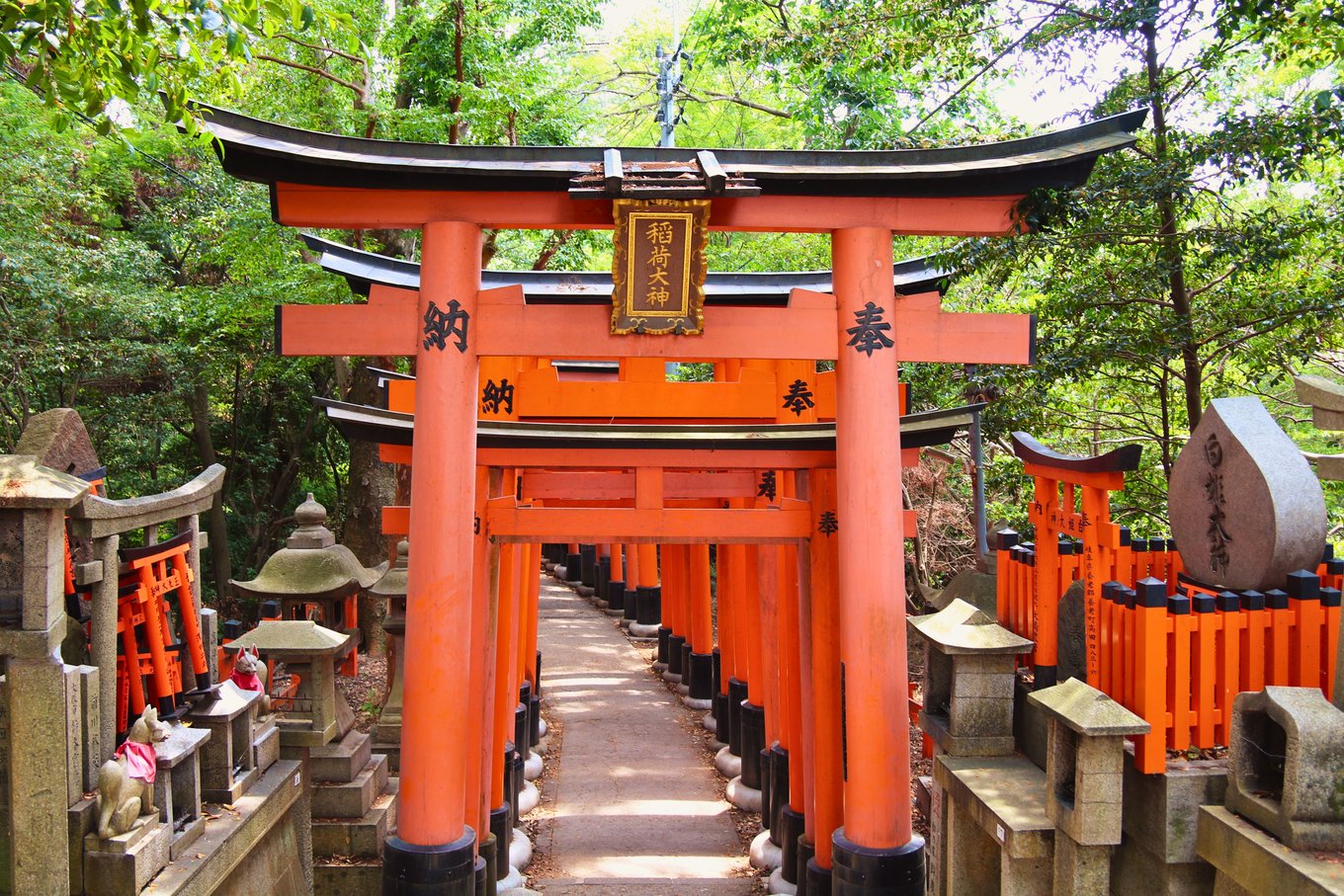
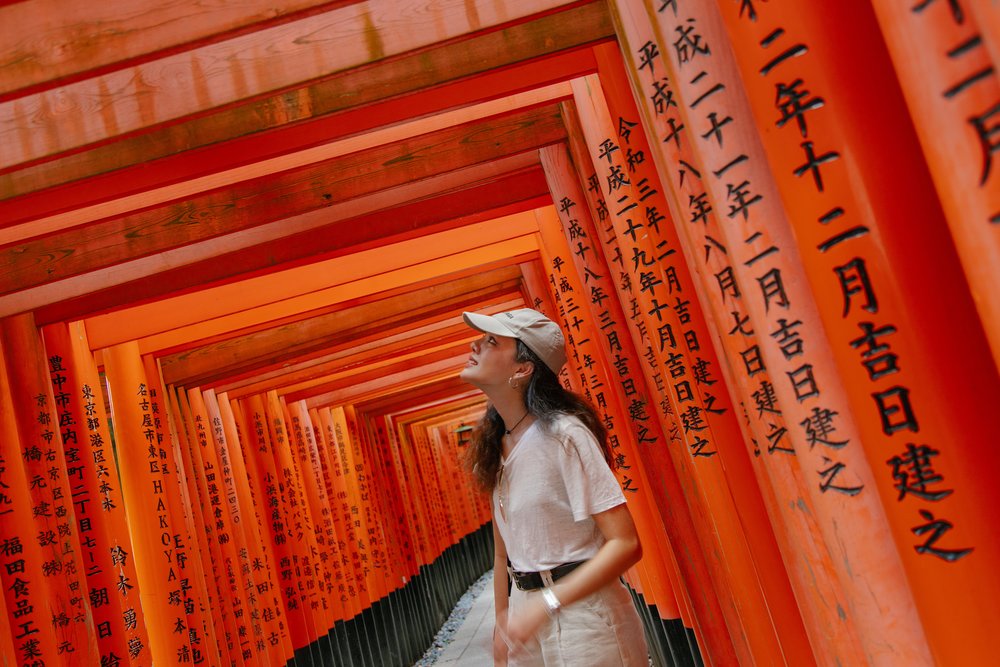
If there's one image that sums up Kyoto, it's the tunnel of bright red gates disappearing into the forest. That's
Fushimi Inari Shrine, and it's one of the most photographed spots in all of Japan.
Fushimi Inari Shrine sits at the base of Mount Inari in southern
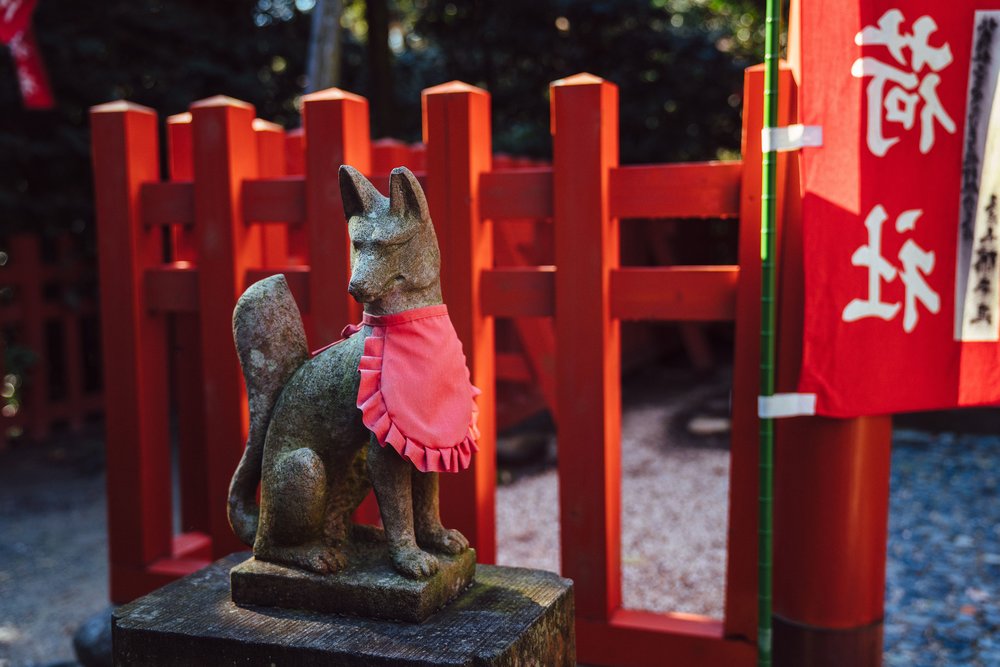
Kyoto, just a short train ride from the city center. It's dedicated to Inari, the Shinto god of rice, business, and prosperity, which explains why you'll see so many fox statues scattered around the grounds.
Below, we'll walk through what makes this shrine so popular, when to go, how to get there, and which guided tours are worth booking!
Fushimi Inari Shrine at a glance
Area | Fushimi Ward, Kyoto |
Opening hours | Open 24 hours, every day |
Admission | Free |
Rating | 4.9 out of 5 (visitor experience) |
Best known for | Thousands of vermilion torii gates |
Why is Fushimi Inari so famous?
Fushimi Inari Taisha is the head shrine for over 30,000 Inari shrines across Japan, and it's ranked among the top attractions in the entire city, sitting at #6 out of 66 most-visited spots in Kyoto. That's a big deal in a city packed with hundreds of Kyoto shrines and temples to choose from.
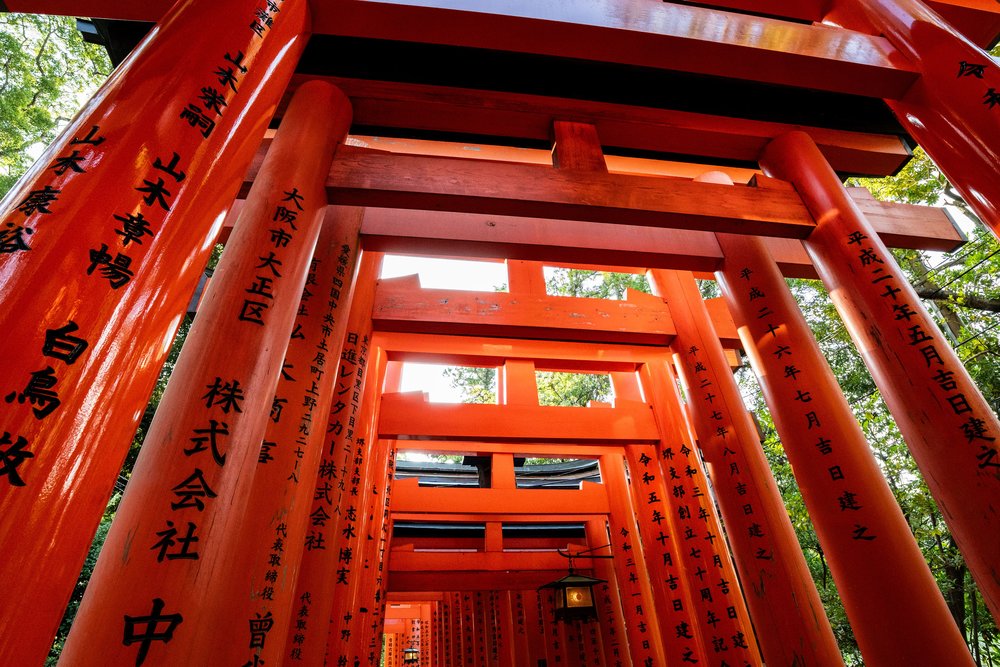
The main draw is the Senbon Torii, a path made up of thousands of donated torii gates that wind up the mountainside. Each gate was donated by a business or individual hoping for good fortune, and the sheer scale of them stacked together is what makes Fushimi Inari Shrine such a popular stop!
💡 Fun fact: Donating a torii gate isn't cheap. Prices start around ¥ 400,000 yen for a smaller gate and climb past one million yen for a large one.
Is Fushimi Inari Shrine free?
Yes, Fushimi Inari Shrine is completely free to enter, and there's no ticket booth or admission gate anywhere on the grounds. This is a working Shinto shrine, not a paid attraction, so you can walk in and start exploring right away.
That said, if you want a deeper look at the shrine's history or a guided walk through the torii gates, a paid tour can add a lot of context you'd otherwise miss. A guide can point out details like the fox statues, the smaller sub-shrines along the trail, and the meaning behind the different gate sizes, which is easy to miss if you're just wandering on your own.
Best time to visit Fushimi Inari Shrine
Timing your visit makes a bigger difference here than almost anywhere else in Kyoto, since this is one of the few major sights that's open around the clock.
When | Why go |
Sunrise | Fewer crowds in the torii tunnel, plus soft morning light for photos. |
Evening | Thinner crowds and a lantern-lit path for a cooler visit. |
When to avoid | Cherry blossom, autumn, and holiday weekends. |
Fushimi Inari Shrine opening hours
The shrine grounds and the torii gate trail are open 24 hours a day, 365 days a year, since there's no gate or entry point to lock. The shrine office and souvenir stalls do keep more standard hours, generally open from early morning until around 4 or 5 PM, but the trail itself is always accessible.
How to get to Fushimi Inari Shrine
Getting to Fushimi Inari Shrine is one of the easiest parts of the trip, since it sits right next to a train station.
From Kyoto Station
Take the JR Nara Line two stops to
Inari Station, which is about a 5-minute ride and puts you right across the street from the shrine entrance. This is the fastest and cheapest way to get there, and trains run frequently throughout the day.
From Osaka
From Osaka, hop on the JR Kyoto Line to Kyoto Station, then transfer to the JR Nara Line for the short ride to Inari Station. The whole trip usually takes around 40 to 50 minutes depending on your starting point in Osaka, making Fushimi Inari an easy half-day or full-day trip.
Both the JR Nara Line and JR Kyoto Line are covered by the
JR West Kansai Area Pass, which gives unlimited rides on local JR West trains around Osaka, Kyoto, Nara, and Kobe!
Best Fushimi Inari Taisha shrine tours
If you'd rather skip the planning and let someone else handle the logistics, a guided tour is a solid shortcut, especially if you want to pair the shrine with other Kyoto highlights.
Fushimi Inari Taisha Walking & Food Tour
The
Fushimi Inari Taisha Walking & Food Tour combines the shrine with a walk through the shopping street lined with traditional vendors, led by a local guide. You’ll even pass by the famous Fushimi Inari Sando Chaya that serves Inari Amazake (sweet sake topped with roasted mochi) and matcha parfaits.
It's a good pick if you want cultural context alongside a taste of the neighborhood, rather than just walking the trail and leaving!
Kyoto Early Morning Tour
The
Kyoto Early Morning Tour gets you to Fushimi Inari at 7 am before the tour buses show up. It's popular with photographers and first-time visitors who want the gates mostly to themselves.
Fushimi Inari Twilight & Night Walking Tour
The
Fushimi Inari twilight walking tour shows off the shrine after sunset, when the lantern-lit paths and thinner crowds give the whole place a different feel. It's a good option if you've already done the classic daytime visit and want something different.
Kyoto World Heritage & Top Attractions Day Tour
Best photography spots at Fushimi Inari
Spot | What to know |
Senbon Torii | The tunnel of thousands of gates everyone comes for. Visit early morning for a crowd-free shot, since the path narrows and gets busy fast once tour groups arrive. |
Yotsutsuji viewpoint | About halfway up the mountain, this spot opens up into views over Kyoto. It's a natural turning-back point if you don't have time to reach the summit. |
Hidden torii paths beyond the main route | Past Yotsutsuji, the crowds drop off fast and the trail winds through quieter forest sections with fewer gates. Worth the extra walk if you want a break from the crowds. |
FAQs about Fushimi Inari Shrine
Who is buried at Fushimi Inari?
No one is buried at Fushimi Inari Shrine. It's a Shinto shrine dedicated to the deity Inari, not a burial site or mausoleum, so there are no tombs on the grounds. The confusion likely comes from the shrine's cemetery-like rows of stone markers, which are actually small memorial stones related to the fox deity worship, not gravesites.
How long does it take to walk to the top of Fushimi Inari?
A full Fushimi Inari hike to the summit of Mount Inari and back typically takes 2 to 3 hours at a relaxed pace, including stops for photos. Many visitors choose to turn back at the Yotsutsuji viewpoint, about 30 to 45 minutes in, since it offers wide views over the city without the full climb.
What is the best time of day to visit Fushimi Inari Shrine?
Early morning, ideally before 7 AM, is the best time of day to visit Fushimi Inari Shrine if you want fewer crowds and better light for photos. Evening is a strong second choice, since the lantern-lit paths create a completely different, quieter atmosphere.
Do you have to walk through all the torii gates?
No, you can walk as much or as little of the trail as you'd like. Most visitors spend the bulk of their time in the Senbon Torii section near the base, which is also the densest and most photographed stretch of gates.
Is Fushimi Inari Shrine free to enter?
Yes, entry to Fushimi Inari Shrine is completely free, with no admission fee at any point on the trail. This applies for both a daytime visit and a nighttime walk through the grounds.
How do you get to Fushimi Inari from Kyoto Station?
The easiest way is the JR Nara Line, which takes about 5 minutes to reach Inari Station directly across from the shrine entrance. Trains run frequently, so there's rarely a long wait.
What do the fox statues at Fushimi Inari represent?
The fox statues Kyoto visitors spot all along the trail represent Inari's messengers, believed to carry prayers and offerings between worshippers and the deity. You'll often see them holding a key, a jewel, or a scroll in their mouths, each symbolizing something related to prosperity and good fortune.
More Kyoto guides for you
What is Klook?
Klook is a leading pan-regional experiences platform in Asia Pacific, purpose built to digitalize experiences and make them accessible to every traveler.
Our mission is to build the digital infrastructure for the global experience economy — empowering merchants to share their passions and travelers to discover the heartbeat of each destination. We operate a mobile-first, curated platform featuring diverse experiences across global destinations.