
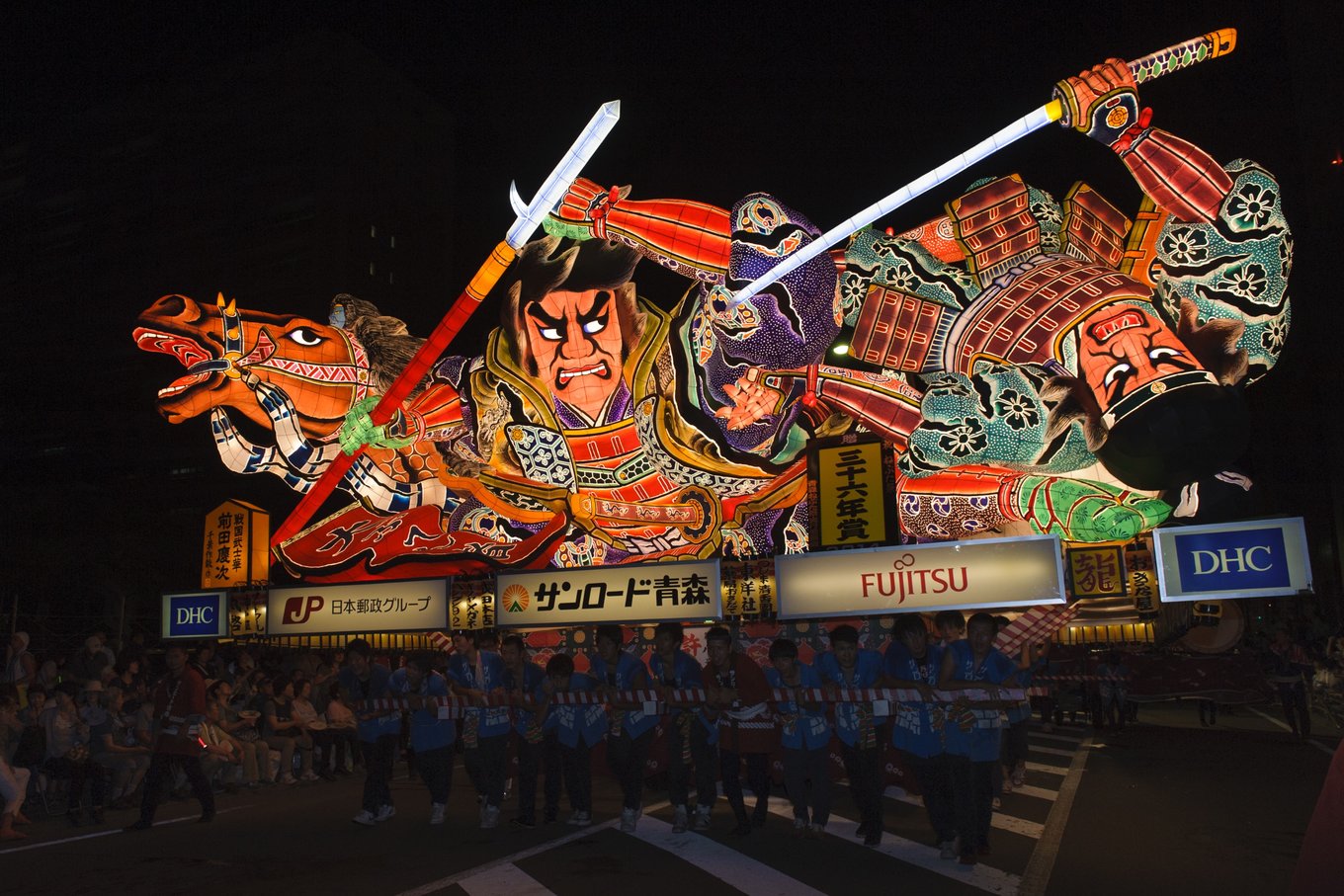
If you're building a summer trip around Japan's biggest street parties, the Nebuta Festival deserves a top spot on your list. Every August, the city of Aomori turns into a sea of light, noise, and color as giant illuminated floats roll through downtown streets. It's loud, it's a little chaotic, and it's one of those events that's hard to explain until you've stood in the crowd yourself.
Here's a quick guide before we get into the details:
What to know | Details |
Festival name | Nebuta Festival (Nebuta Matsuri) |
Dates (2026) | August 2 to 7, 2026 |
Location | Downtown Aomori City, Aomori Prefecture |
Peak nights | August 4–6 |
Finale | August 7 daytime parade + evening fireworks over Aomori Bay |
Nearest station | JR Aomori Station (parade route is about a 10-minute walk away) |
Reserved seats | From around ¥3,500 yen, on sale from June |
Cost to watch (free spots) | Free, first-come-first-served along the route |
Now let's get into what the Nebuta Festival actually is, when to go, what to expect, and how to get there without the stress!
What is the Nebuta Festival?
The Nebuta Festival, also known as Nebuta Matsuri, is Aomori's biggest annual event and one of the most recognizable Japan summer festivals on the calendar. Giant lantern floats called nebuta (illuminated figures made from painted washi paper stretched over a wireframe) get pulled through the streets each night, surrounded by dancers, drummers, and flutists.
The festival is recognized as an Important Intangible Folk Cultural Property of Japan, and it's one of the Three Great Festivals of the Tohoku region, alongside Sendai's Tanabata and Akita's Kanto festival.
When is the Nebuta Festival?
The Aomori Nebuta Festival dates are fixed every year, so the 2026 edition runs from August 2 to August 7. Here's how the schedule breaks down:
- August 2–3: Parades start at 7:00 PM. These opening nights are smaller and a bit more relaxed, with fewer floats and lighter crowds.
- August 4–6: Parades start at 6:45 PM. This is peak Nebuta, with the full lineup of 20-plus floats and the biggest crowds of the week.
- August 7: A daytime parade runs from around 1:00 PM, giving you a rare look at the floats in natural light. That evening, award-winning floats are loaded onto boats for a harbor procession, capped off with a fireworks display over Aomori Bay.
Klook Tip: If you can only make it for one night, aim for August 4, 5, or 6 to see the festival at full scale. If fireworks are the priority, plan around August 7 instead.
What to expect at the Nebuta Festival
1. Nebuta floats
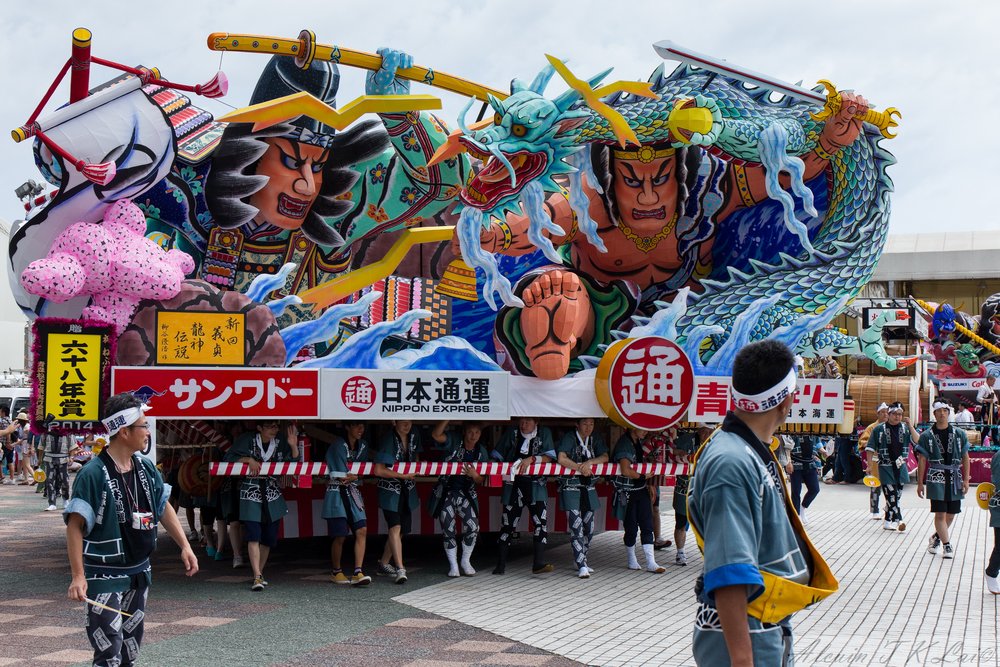
Nebuta floats | Photo Credits: alcuin lai on Flickr
Each nebuta float is handmade, around nine meters long and five meters tall, built from painted washi paper stretched over a wire frame. Artisans spend months on each one, and the themes usually pull from Kabuki scenes, historical warriors, or figures from Japanese folklore.
Every float moves as a coordinated team effort. Fan bearers spin the structure to face the crowd, haulers pull it forward along the route, and the whole scene is wrapped in sound from drums, flutes, and chanting.
2. Haneto dancers
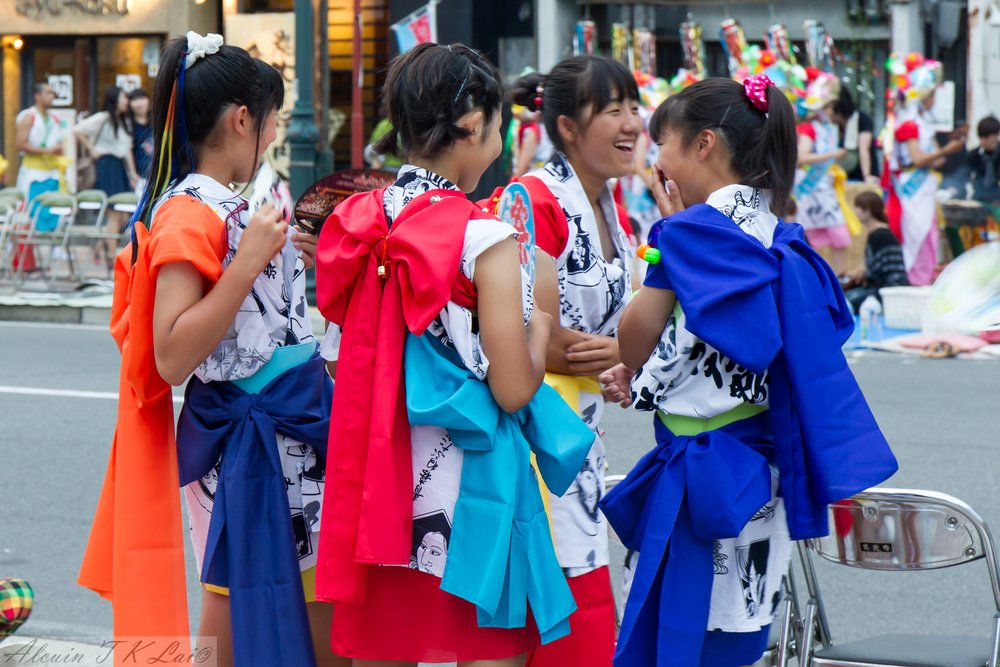
Nebuta dancers | Photo Credits: alcuin lai on Flickr
The Haneto dancers are the energetic heartbeat of the parade. Dressed in colorful costumes covered in bells, they leap and chant in front of each float, and here's the fun part: anyone can join in!
Grab or rent an official haneto costume (widely available at shops around Aomori City during the festival) and you're free to dance alongside the locals. Watching from the sidelines is fun on its own, but jumping in as a haneto dancer is where the festival really comes alive.
3. Nebuta Museum WA RASSE
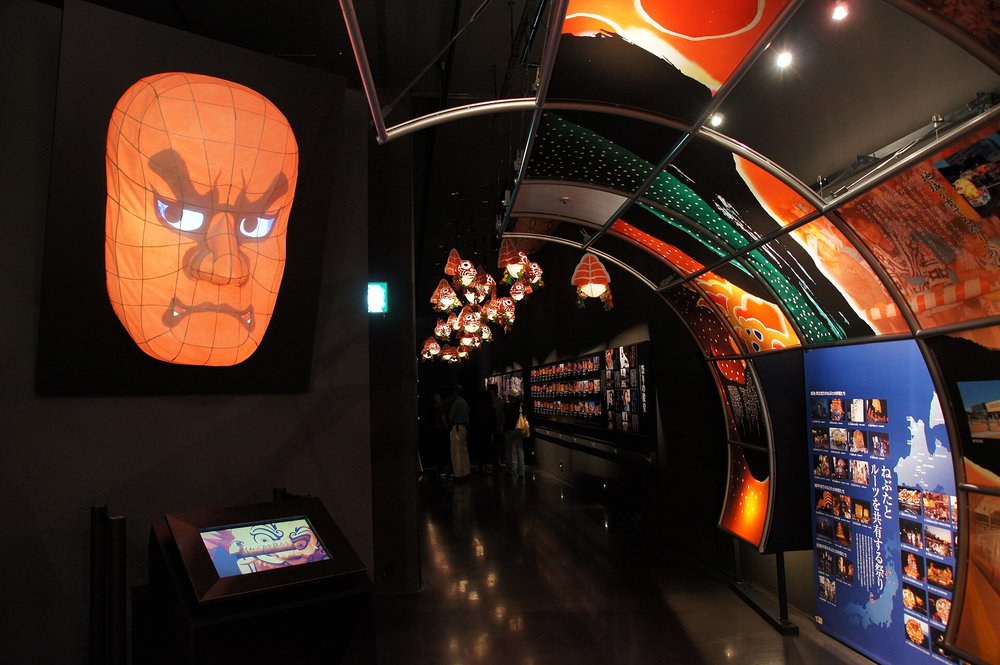
Nebuta Museum WA RASSE | Photo Credits: 663highland on Wikimedia
If your trip doesn't line up with festival dates, the Nebuta Museum WA RASSE is the next best thing. Located right next to Aomori Station, it displays actual nebuta floats from past years up close, along with exhibits on how they're built and the history behind the festival.
It's worth a stop even if you're visiting during Nebuta week, since it gives useful context before you see the real thing in motion.
Aomori Nebuta Festival reserved viewing seats
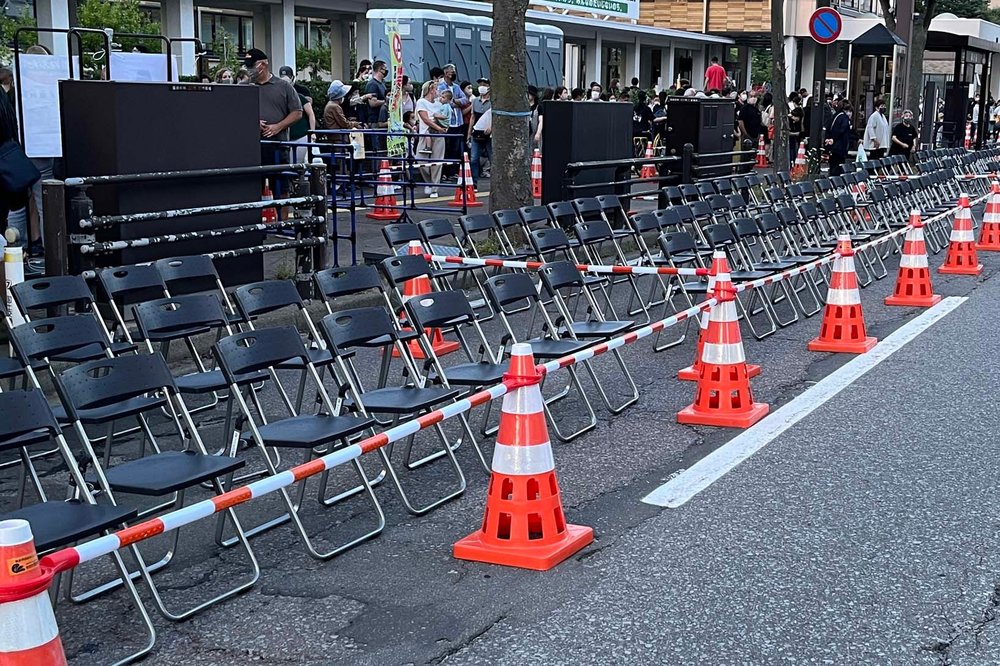
Reserved viewing seats at Aomori Nebuta Festival
Free viewing spots line the 3-kilometer parade route, but they fill up fast, especially on peak nights. If you'd rather skip the chaos for a good spot, an Aomori Nebuta Festival reserved seat guarantees you a place along the route without hours of waiting beforehand.
Klook Tip: Reserved seats for the Nebuta Festival typically go on sale in June and sell out well before the event, so book as early as you can if you want a spot.
Tips for securing a spot for free viewing
- Aim to arrive between 5:30 and 6:30 PM. The shopping street in front of Aomori Station fills up early, so getting there before the crowds peak makes a real difference.
- The best spots are near intersections where the parade route turns, since floats slow down and spend more time facing the crowd.
How to get to the Nebuta Festival?
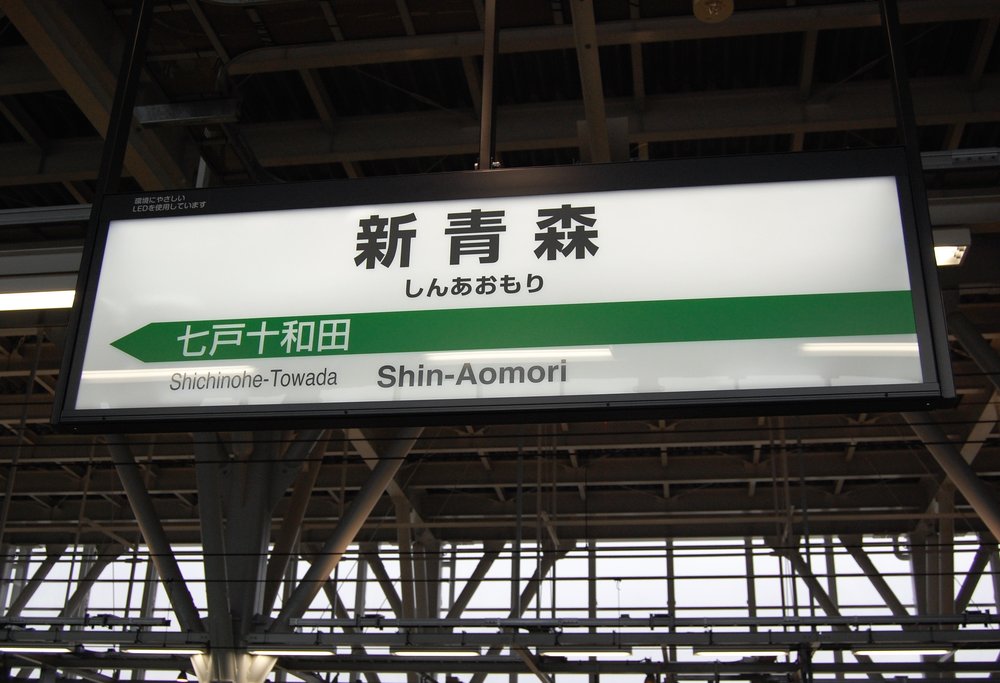
JR Aomori Station | Photo Credits: jpellgen on Flickr
If you're arriving from elsewhere in Japan, the Tohoku Shinkansen gets you to Shin-Aomori Station in about 3 hours from Tokyo, and a Japan Rail Pass is worth looking into if you're covering more ground around Japan on the same trip.
But once you're actually in Aomori, the more useful question is how to get from your hotel to the parade route itself:
From JR Aomori Station
The parade route is about a 10-minute walk from the station, running through central streets like Route 4, Route 7, Heiwa Park-dori, and Hakko-dori. Just follow the crowds heading downtown once evening hits, since almost everyone is walking the same direction.
Klook Tip: Aim to reach the route at least 1–2 hours before the parade starts if you're grabbing a free spot, especially on the peak nights of August 4–6.
Where to stay near the Nebuta festival?
Hotels near Aomori Station and the parade route book out months in advance, especially for the peak nights of August 4 to 6. Staying within walking distance of the station is the easiest way to skip the road closures and crowds that build up each evening.
Art Hotel Aomori
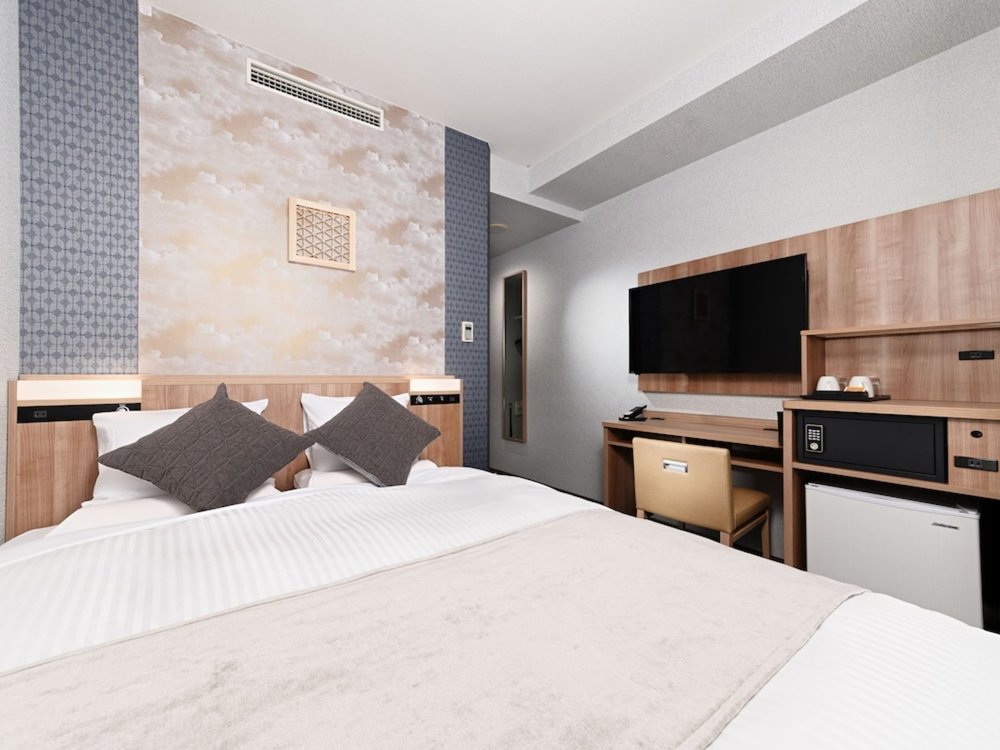
Art Hotel Aomori
Art Hotel Aomori is a 3-star hotel about a 15-minute walk from Aomori Station, with a lobby that displays real Nebuta floats, so you get a taste of the festival before you've even checked in. Rooms come with soaking tubs and mountain or bay views on higher floors, and there's an airport shuttle stop just a few minutes away if you're flying in.
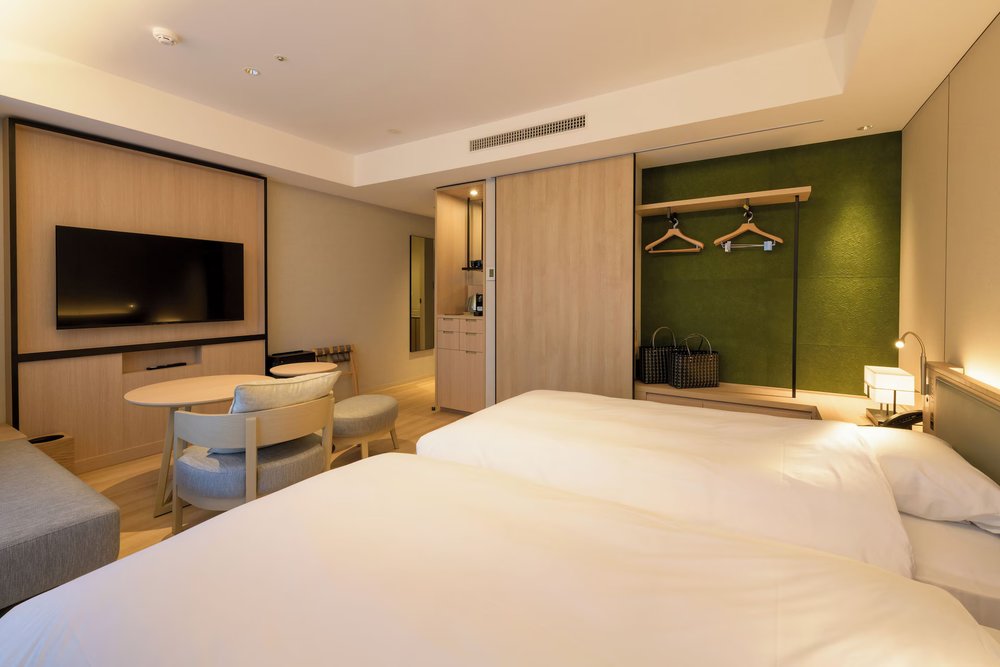
ReLabo Medical Spa & Stay
ReLabo Medical Spa & Stay
ReLabo Medical Spa & Stay is about as close as it gets: it connects directly to JR Aomori Station, and Nebuta Museum WA RASSE is a two-minute walk away. Beyond the location, it leans into a wellness theme with spa treatments, an on-site hot spring, and a wellness-focused restaurant using local Aomori ingredients.
It's a good pick if you want to recover in style between back-to-back festival nights.
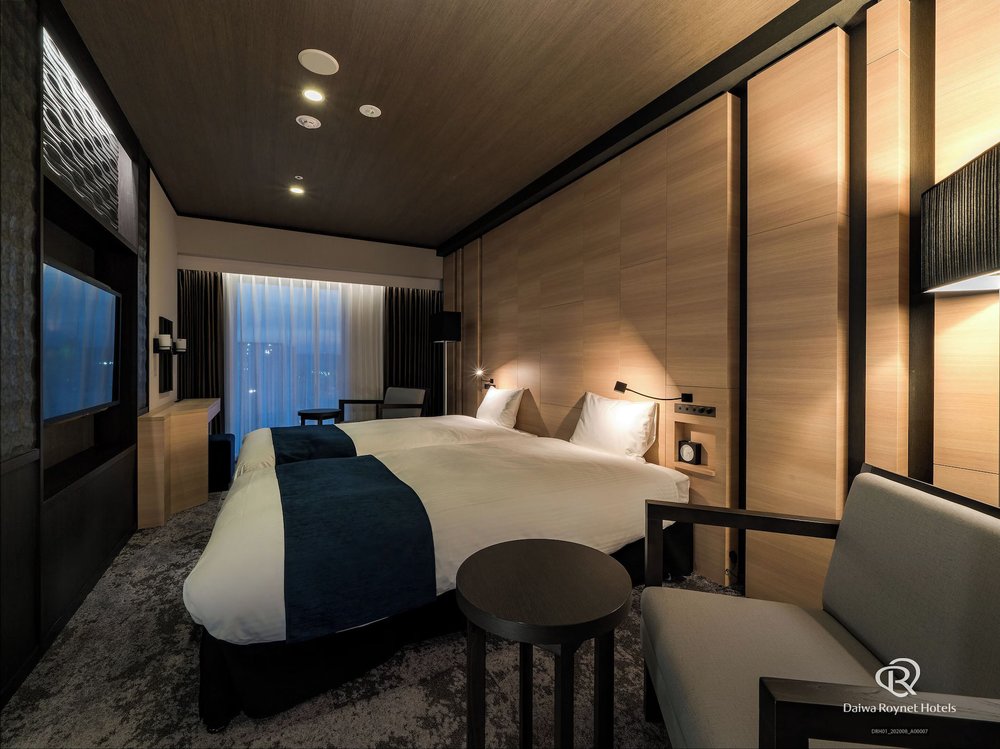
Daiwa Roynet Hotel Aomori
Daiwa Roynet Hotel Aomori
Daiwa Roynet Hotel Aomori is a modern business hotel on the main street leading out of Aomori Station, roughly a 6-minute walk away and just as close to the parade route. Rooms tend to run a little more spacious than typical Japanese business hotels, and there's a 24-hour convenience store on the ground floor for late-night snacks after the parade.
The breakfast buffet is a highlight here, with plenty of local specialties to fuel up before a long day of festival-watching.
FAQs about the Nebuta Festival
What is the Nebuta Festival in Japan?
The Nebuta Festival is an annual summer festival in Aomori City, where giant illuminated lantern floats are paraded through downtown streets alongside dancers and musicians. It runs for six days every August and is recognized as an Important Intangible Folk Cultural Property of Japan.
What does nebuta mean in Japanese?
Nebuta refers to the giant illuminated floats themselves, built from painted washi paper stretched over a wireframe and lit from the inside. The word is also used loosely to describe the entire festival, since the floats are its main draw.
Some historians trace the tradition back to folk customs of transferring drowsiness or impurities onto lanterns or dolls, which were then paraded and set adrift.
Is the Nebuta Festival worth visiting?
Yes, especially if you enjoy festivals with real energy rather than a quiet, scenic event. Between the size of the floats, the sound of the drums, and the option to dance alongside the haneto performers, it's a hands-on experience rather than something you just watch from a distance.
It's also less crowded with international tourists than festivals in Tokyo or Kyoto, which gives it a more local feel.
Where is the best place to watch the Nebuta Festival?
The parade route runs in a loop through central Aomori City, close to Aomori Station, so most spots along Route 4, Route 7, and Heiwa Park-dori offer solid views. Reserved seating areas tend to fill in first along the straighter stretches of the route, where floats spend more time facing the crowd.
If you're going with free seating, arrive a few hours early and stake out a spot near a street corner, where floats slow down and turn.
How much does it cost to watch the Nebuta Festival?
Watching from a free spot along the parade route doesn't cost anything, though you'll want to arrive early for a decent view. Reserved seats are the paid option and typically start around 3,500 yen per person, with a few premium tiers available for groups or better positioning.
Prices and seat categories can shift slightly year to year, so it's worth checking current rates before you book.
What is the difference between Nebuta and Neputa festivals?
Nebuta refers to the Aomori City festival, with three-dimensional floats depicting figures in dynamic, often dramatic poses. Neputa is a related but separate festival held in nearby Hirosaki, using flat, fan-shaped floats instead of the sculptural style seen in Aomori.
Both festivals happen around the same time in early August and share similar roots, but the float designs and overall atmosphere are noticeably different.
More Japan guides for you
What is Klook?
Klook is a leading pan-regional experiences platform in Asia Pacific, purpose built to digitalize experiences and make them accessible to every traveler.
Our mission is to build the digital infrastructure for the global experience economy — empowering merchants to share their passions and travelers to discover the heartbeat of each destination. We operate a mobile-first, curated platform featuring diverse experiences across global destinations.