
Before the paper panic sets in, here’s what you really need to know about applying on your own.
Applying for a Japan visa by yourself can feel intimidating, especially while navigating the Japan visa application requirements and making sure every document is accurate. Whether you’re preparing for your first Japan trip or returning to explore another prefecture, this guide breaks down when it makes sense to DIY and when agency help might be better.
Are you new here? Sign up and use this code!

Experiences you'll love in Japan!
🗼 Iconic Views & Landmarks
🍜 Food & Culinary Discoveries
🎭 Culture & Tradition
Advantages of Applying by Yourself

✔ You save money
You pay only the processing fee and not agency service charges. This is especially helpful if you already understand the Japan visa application requirements and feel confident in assembling your documents yourself.
✔ You know exactly what you submitted
You’re fully aware of your bank documentation, employment wording, and itinerary which makes it easier to track your Japan visa application status or reapply in the future.
✔ Faster corrections and adjustments
If a document is missing or unclear, you can clarify it instantly without going through a third party.
The Downsides to Consider
❗ Higher chance of technical errors
Misunderstanding the Japan visa application requirements, such as bank certificate vs. bank statement, which can weaken your application.
❗ You won’t have professional document review
If you’re unsure of your financial narrative or employment history, you won’t have someone advising on presentation.
❗ You personally manage the waiting period
You’ll check inboxes and wait for updates on your Japan visa application status yourself.
❗ All admin tasks fall on you
You’re responsible for:
- requesting bank documents
- retrieving PSA records
- formatting itinerary
- writing the purpose of travel
Quick Checklist: Japan Visa Application Requirements
Typically requested:
- valid passport
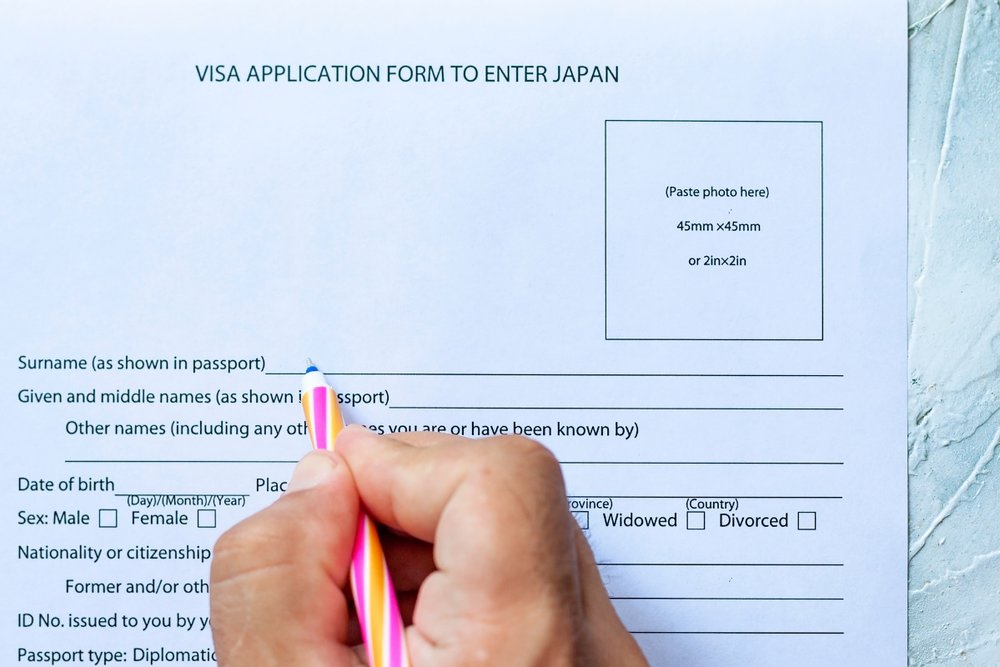
- filled-out application form
- passport-style photo
- PSA birth certificate (if you have had a previous Japan Visa, this is no longer needed)
- bank certificate
- bank statements
- ITR / tax documentation
- certificate of employment / proof of livelihood
- travel itinerary / purpose letter
📝 Note: All documents need to be printed in A4 paper, unless official documents are printed in a different sized paper already.
Common Mistakes to Avoid

Source: Pexels
Many applicants run into these common issues:
- mismatched dates between itinerary & documents
- vague reason for travel
- insufficient proof of ties to the Philippines
- unrealistic budget vs duration
- unclear employment status or income flow
Klook tip: Avoiding these increases application clarity and credibility.
Concerned About Your Bank Balance?
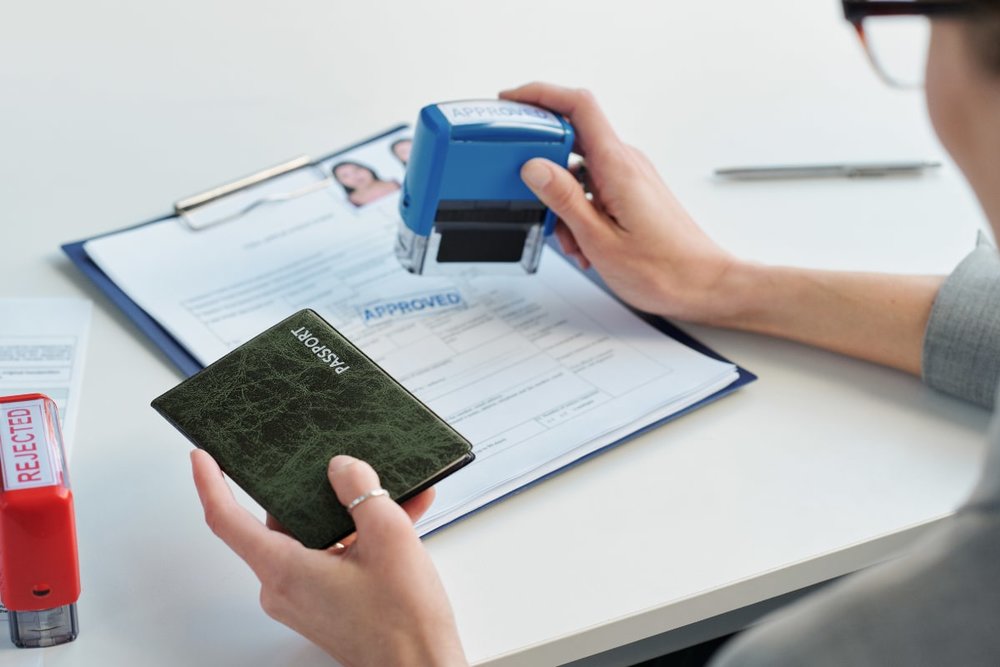
A frequent worry among applicants is whether their savings are enough. In reality, approval isn’t strictly about having a large balance; it’s about realistic budgeting and financial consistency. Many applicants receive approval as long as their income and savings align with the trip length, their documents are stable, and their overall financial profile reflects credibility and a clear intention to return. So you’ll have a higher chance of receiving approval as long as:
- Your income matches your trip duration
- Your itinerary looks reasonable
- Your documents look stable and link together
Klook tip: It’s important to remember that consistency matters more than impressiveness.
Should You DIY or Use an Agency?
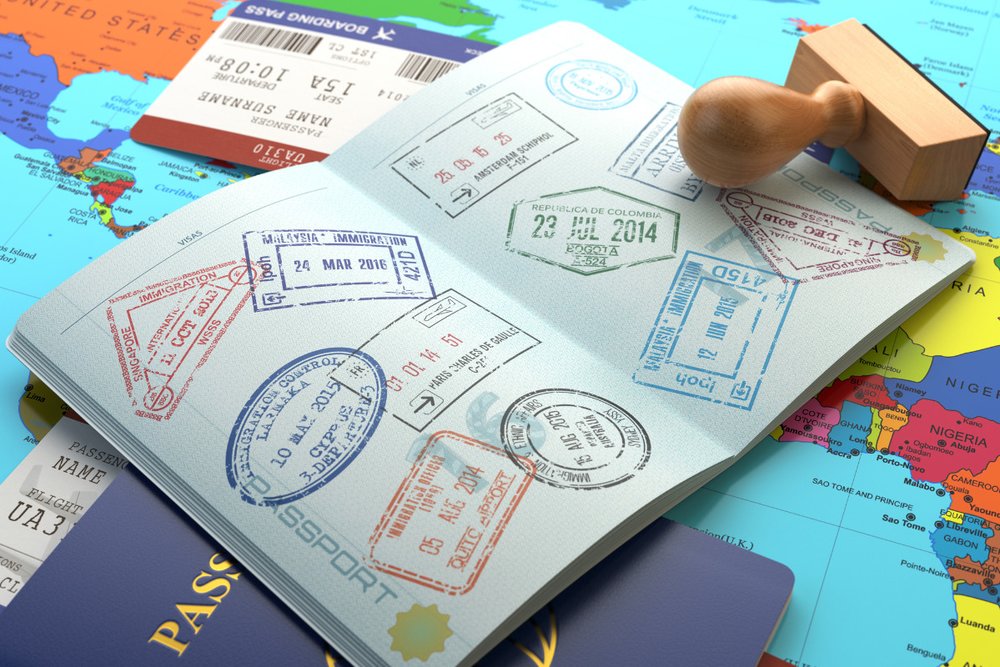
If you value:
- cost-efficiency
- control
- personal documentation awareness since applying independently makes sense.
If you value:
- reassurance
- document coaching
- minimizing risk since opting for an agency can reduce uncertainty.
Final Tips for Your Application

When writing your purpose letter:
- keep it concise
- keep it neutral
- keep it realistic
Example:
“I will be visiting Tokyo and Kyoto for sightseeing and cultural purposes, following a six-day itinerary focused on museums and heritage sites.”
Klook tip: Make it short, factual, confident.
Start Turning Your Plans Into Actual Bookings!

cr. bobby_hendry from Unsplash
Once your documents align with the Japan visa application requirements and your profile is consistent, approval usually follows. And when your Japan visa application status finally turns to “Approved,” you can shift fully into planning the experience itself, not the paperwork. Start exploring which activities, routes, and cultural experiences you would like to include in your Japan trip!