
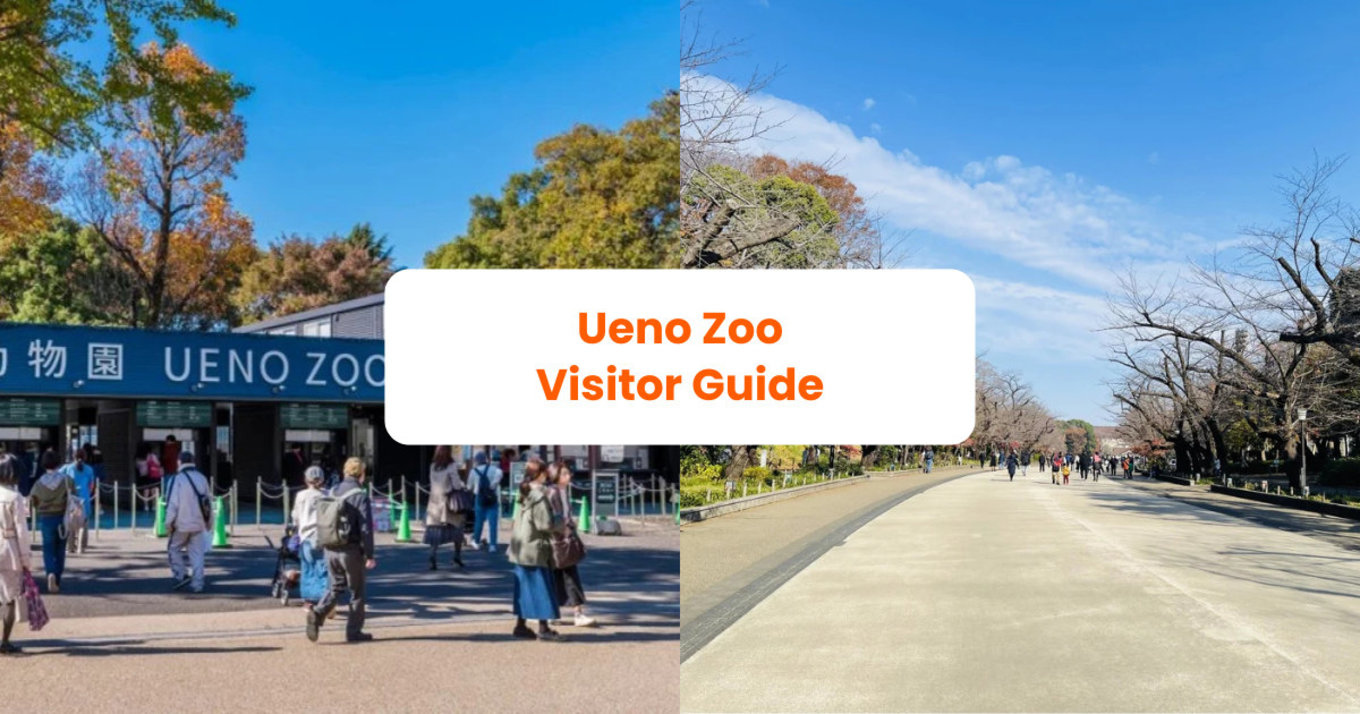
Planning a trip to Tokyo and wondering if Ueno Zoo is worth your time? At just ¥600 (around A$6) for adults, it's one of the most affordable half-days you'll spend in the city. Japan's oldest zoo sits right inside Ueno Park, five minutes on foot from Ueno Station, and covers roughly 300 species across two connected gardens. Here's everything you need to know before you go.
🌸 Ueno Zoo Tokyo Travel Essentials 🌸
✈️ Fast Track from the Airport
🚇 Getting Around Tokyo
📱 Stay Connected
🎡 More to See Near Ueno
🚗 Explore Beyond the City
What you need to know about Ueno Zoo
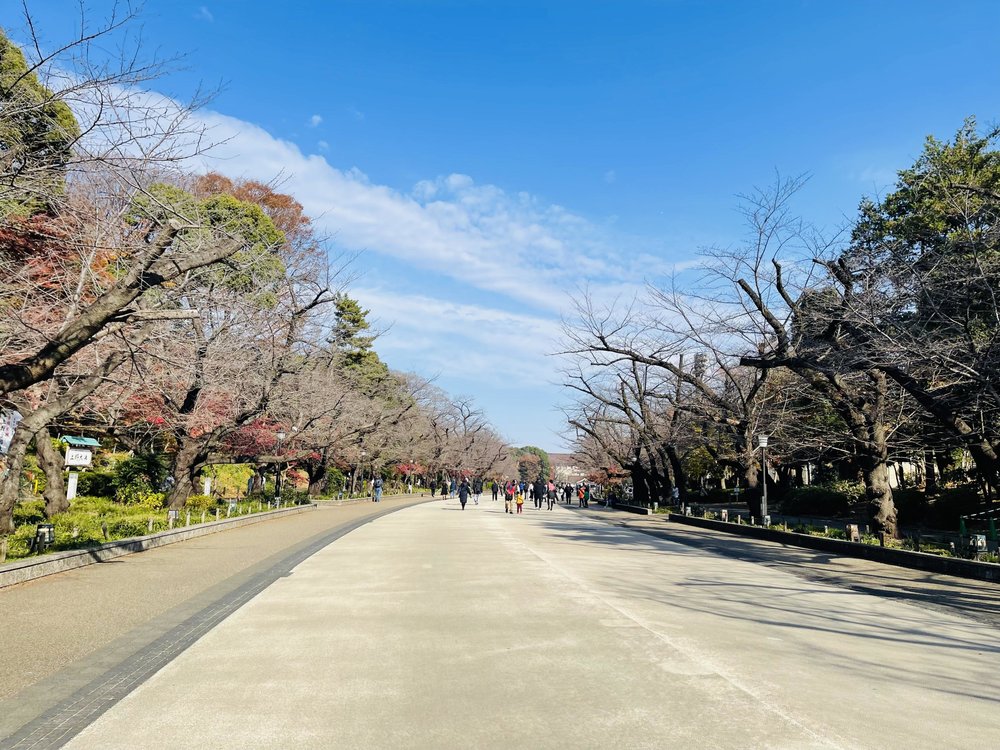
Ueno Zoo opened on 20 March 1882, making it Japan's first public zoo. It spans around 14 hectares inside Ueno Park, run by the Tokyo Metropolitan Government, and is split into two sections: the East Garden and the West Garden, connected by Aesop Bridge.
One important heads-up for Australians planning to visit in 2026: the giant pandas are gone. The twin pandas Xiao Xiao and Lei Lei held their final public viewing on 25 January 2026 and returned to China two days later. Japan currently has no giant pandas on public display, so if that was your main reason for visiting, it's worth knowing upfront.
The good news? There's still plenty to see. The zoo holds around 3,000 animals across 300 species, including some genuinely rare finds you won't spot anywhere else in Japan.
Ueno Zoo tickets and pricing
Tickets are purchased at self-service machines at the main entrance, with options in English, Chinese, Korean, and Spanish alongside Japanese. Easy to navigate, even after a long flight from Sydney or Melbourne.
Visitor category | Individual | Group (20+) |
|---|---|---|
Adults (18–64) | ¥600 | ¥480 |
Seniors (65+) | ¥300 | ¥240 |
Junior high students | ¥200 | ¥160 |
Primary school and younger | Free | Free |
Tokyo-resident junior high students can enter free with a valid student ID. Visitors with disability certificates also receive free entry, as do their guide or assistance dog.
There are a handful of free admission days worth planning around. Admission is waived for everyone on Opening Day (20 March), Greenery Day (4 May), and Tokyo Citizens' Day (1 October). On Children's Day (5 May), all junior high students enter free. During Senior Citizens' Week (15–21 September), visitors aged 60 and over, plus one companion, enter free.
An annual pass costs ¥2,400 for adults and ¥1,200 for seniors, which is worth considering if you're staying in Tokyo for a few weeks or planning a return trip.
Klook Tip: Free admission days, especially Greenery Day in May, fall during peak cherry blossom and Golden Week season. Crowds will be large. If you prefer a quieter visit, a regular weekday morning is the better call.]
How to get to Ueno Zoo

The zoo is easy to reach from anywhere in central Tokyo, which makes it a straightforward add-on to a day exploring the Ueno area.
The quickest route is via JR Ueno Station on the Yamanote or Keihin-Tohoku Line, then a five-minute walk from the Park Exit to the main gate. From Tokyo Station, the JR train takes about three minutes.
There are three entrances depending on where you want to start:
- Main Gate: Five minutes from JR Ueno Station's Park Exit; opens into the East Garden
- Benten Gate: Four minutes from Keisei Ueno Station; accesses the west side of the East Garden
- Ikenohata Gate: About six minutes from Tokyo Metro Chiyoda Line's Nezu Station; opens at 10:00 rather than 9:30, so skip this one if you want an early start
There's no on-site parking for cars, bikes, or motorcycles. Public transport is the way to go.
What to see in the East Garden
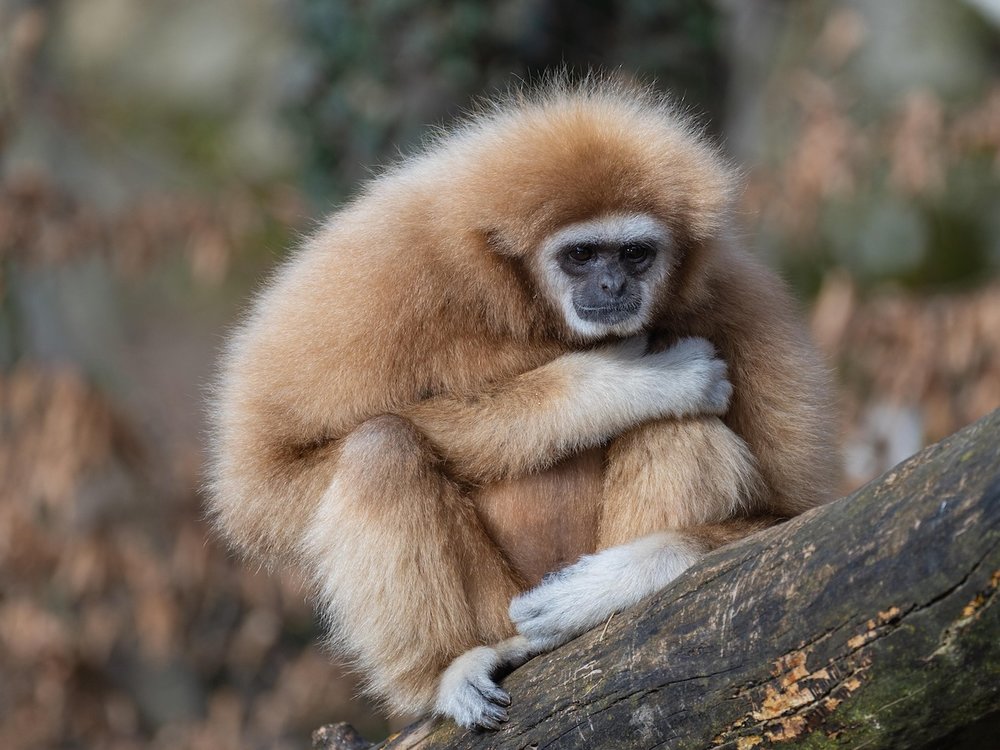
The East Garden is home to the zoo's large mammal collection and is where most visitors spend the majority of their time.
Three Asian elephants live in the Elephant Forest, in an enclosure designed to encourage natural behaviours like bathing and sand rolling. Nearby, Gorilla Woods houses a western lowland gorilla family group; Ueno Zoo is one of only three zoos in Japan where you can see gorillas living with their offspring in a family setting.
The Tiger Forest features Sumatran tigers, and Bear Hill rounds out the big predator section. The polar bear exhibit includes an underwater viewing area, which gives you a completely different angle compared to a standard above-ground enclosure.
Monkey Mountain (Saruyama) is one of the zoo's most-photographed spots, a historic 1932 artificial island housing Japanese macaques. The Saruyama Kitchen restaurant sits right beside it, so you can eat lunch while watching the macaques do their thing.
What to see in the West Garden
The West Garden covers African species and nocturnal animals, and has a few genuine standouts that make it worth crossing Aesop Bridge.
Giraffes, hippos, and black rhinoceroses are in the African section. Okapis are a particular highlight here; these rare forest relatives of the giraffe are rarely seen outside specialist zoos. The West Garden also holds the zoo's shoebill stork enclosure. Ueno is home to four shoebills, the largest number at any zoo in Japan. They're enormous, prehistoric-looking birds known for standing almost entirely still, which makes them oddly compelling to watch.
The Small Mammal House features nocturnal species in a darkened viewing environment. The aye-aye exhibit is the standout: Ueno Zoo is reportedly the only place in Asia where you can see this critically endangered Madagascar primate.
The Children's Zoo in the West Garden offers guinea pig handling sessions for ages 3–12 and reptile encounters on Sundays. Participation tickets are distributed at 9:30 and go quickly on weekends and public holidays.
Klook Tip: If you're travelling with kids and want the Children's Zoo sessions, arrive right at opening (9:30) to grab participation tickets before they run out.
Are the pandas still at Ueno Zoo?
No, and this is worth knowing before you book flights. Twin pandas Xiao Xiao (male) and Lei Lei (female), born at the zoo in June 2021, were the last giant pandas in Japan. Their parents, Shin Shin and Ri Ri, returned to China in 2024. The twins followed on 27 January 2026.
The Panda Forest enclosure in the East Garden is no longer operational. This is a permanent change, not a temporary arrangement. Japan has been without giant pandas since January 2026, for the first time since 1972.
For Australians who made the trip specifically for the pandas, it's disappointing. That said, the gorilla family group, the shoebill storks, the aye-aye, and the polar bear underwater viewing are all genuinely engaging exhibits that stand on their own.
Best time to visit Ueno Zoo
Spring (March to May) and autumn (October to November) are the most comfortable seasons for a zoo visit in Tokyo. Australians travelling during the Japanese spring will also get to experience Ueno Park's cherry blossoms, which typically peak in late March to early April. The park is beautiful during blossom season, though crowds are significantly larger.
Tokyo summers (June to August) are hot and humid in a way that most Australians find draining after a couple of hours outdoors. There are shaded areas and food stalls throughout the grounds, but a summer visit takes planning.
For timing within the day, aim to arrive at 9:30 when the gates open. Many species are noticeably more active in the morning and begin moving indoors by 16:00. If you're arriving after 14:00, prioritise what you most want to see first.
Allow 2–3 hours for the main highlights across both gardens. A full visit covering all exhibits and Children's Zoo sessions takes closer to 3–4 hours.
Visitor tips for families and first-timers
Stroller rentals are available near the main entrance at ¥500. Coin lockers are available at the entry gates if you want to drop bags before walking the grounds. Nursing rooms with hot water and changing facilities are provided, and accessible paths run throughout both gardens. A free shuttle bus operates between the East and West Gardens for visitors who need assistance.
Multilingual brochures and zoo maps are available in English at the Information Centre near the main entrance. Download the official zoo map before visiting if you want to plan your route; the two-garden layout can feel disjointed without one on your first visit.
The Saruyama Kitchen in the East Garden and the cafeteria in the West Garden both serve meals. The West Garden cafeteria is the better pick as it overlooks the hippo enclosure. Flash photography is not permitted near animal enclosures.
For a post-zoo dinner or a browse before catching the train, the Ueno Gourmet Experience with a local hotel guide is a great way to explore the neighbourhood's food scene with someone who actually knows it.
Is Ueno Zoo worth visiting in 2026?
For Australians already in the Ueno area or travelling with children, yes. At ¥600 for adults, it's one of the most affordable zoo admissions you'll find anywhere in the world.
The pandas are gone, so go in with updated expectations. The zoo's strengths are its species range, its clear and well-maintained signage, and the sheer convenience of being five minutes from a major train station in central Tokyo. The shoebills, the gorilla family, the aye-aye, and the polar bear underwater viewing are all experiences that hold up independently.
The main limitations are some older enclosures that show the zoo's age, and the crowds that build on weekends and free admission days. If you want a full-day wildlife experience as the centrepiece of your Tokyo holiday, a larger zoo might serve you better. But if you're combining the zoo with a wider Ueno afternoon, the value is easy to justify.
FAQs about Ueno Zoo
How much does Ueno Zoo cost?
General admission is ¥600 for adults (18–64), ¥300 for visitors aged 65 and over, and ¥200 for junior high students. Children in primary school and younger enter free. That works out to roughly A$6 for adults at current exchange rates, making it one of the most affordable major attractions in Tokyo. Tickets are purchased at multilingual self-service machines at the entrance.
Are the pandas still at Ueno Zoo?
No. The twin giant pandas Xiao Xiao and Lei Lei held their final public viewing on 25 January 2026 and returned to China on 27 January 2026. As of mid-2026, there are no giant pandas at Ueno Zoo, and Japan currently has no pandas on public display anywhere in the country.
What are Ueno Zoo's opening hours?
The zoo is open 9:30 to 17:00, with last admission at 16:00. It's closed every Monday (or Tuesday if Monday falls on a public holiday), and from 29 December to 1 January. Plan your Tokyo itinerary around these closures, particularly if you're visiting over the New Year period.
How do I get to Ueno Zoo from central Tokyo?
The main entrance is a five-minute walk from JR Ueno Station's Park Exit on the Yamanote or Keihin-Tohoku Line. From Tokyo Station, the JR train takes around three minutes. The Tokyo Metro Ginza or Hibiya Line also stops at Ueno Station, giving you easy access from most parts of the city.
Are there free admission days at Ueno Zoo?
Yes. Admission is free for everyone on Opening Day (20 March), Greenery Day (4 May), and Tokyo Citizens' Day (1 October). On Children's Day (5 May), all junior high students enter free. During Senior Citizens' Week (15–21 September), visitors aged 60 and over, plus one companion, enter free. Note that free days coincide with busy periods, so expect larger crowds.
How long does a visit to Ueno Zoo take?
Allow 2–3 hours to see the main highlights across both gardens. A full visit covering all exhibits and any Children's Zoo sessions takes closer to 3–4 hours. Many animals begin moving indoors by 16:00, so try to arrive before 14:00 if you want to see everything at its best.
What's the best time to visit Ueno Zoo from Australia?
Spring (late March to early May) is the most popular time for Australian visitors, as cherry blossom season in Ueno Park is spectacular. Autumn (October to November) offers comfortable temperatures and fewer crowds. Both seasons are far more pleasant for a zoo visit than Tokyo's humid summer.
What is Klook?
Klook is a leading pan-regional experiences platform in Asia Pacific, purpose built to digitalize experiences and make them accessible to every traveler.
Our mission is to build the digital infrastructure for the global experience economy — empowering merchants to share their passions and travelers to discover the heartbeat of each destination. We operate a mobile-first, curated platform featuring diverse experiences across global destinations.





![[Updated] Complete List Of Official Nationwide MCO SOP 2021](https://res.klook.com/image/upload/fl_lossy.progressive,q_85/c_fill,w_160,h_104/v1633858858/blog/iso56uzsphmdguixkvzh.jpg)




![[Updated] Complete List Of Official Nationwide MCO SOP 2021](https://res.klook.com/image/upload/fl_lossy.progressive,q_85/c_fill,w_410,h_264/v1633858858/blog/iso56uzsphmdguixkvzh.jpg)