
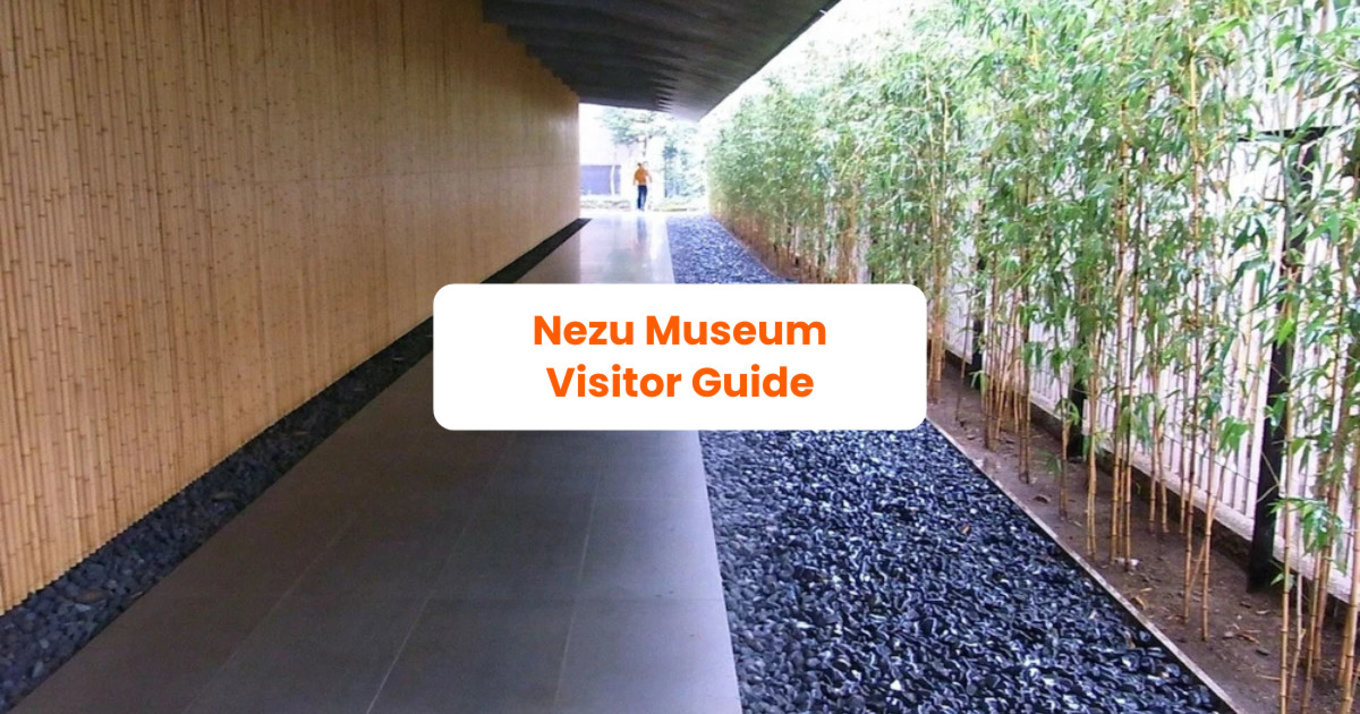
If you're an Australian traveller navigating Tokyo's art scene, the Nezu Museum is one of those places that genuinely rewards a detour. Located in Aoyama, just an 8-minute walk from Omotesando Station, it holds over 7,400 works of Japanese and East Asian art, including 7 National Treasures, inside a striking Kengo Kuma-designed building wrapped by a 17,000 square-metre Japanese garden. Admission starts at ¥1,400 online for a collection exhibition. Here's what you need to know before you go.
Nezu Museum Travel Essentials
🚄 Train Passes & Intercity Travel
JR Whole Japan Rail Pass (7/14/21 Days)
Japan Shinkansen & Train Tickets
Tokyo Subway Ticket (24/48/72 Hours)
✈️ Arriving from Narita Airport
📱 Stay Connected in Japan
eSIM Japan | Softbank 5G / DOCOMO 4G LTE
Unlimited 4G LTE WiFi (Japan Airport Pickup) with Free Power Bank
🎨 More Art & Culture in Tokyo
What you need to know first
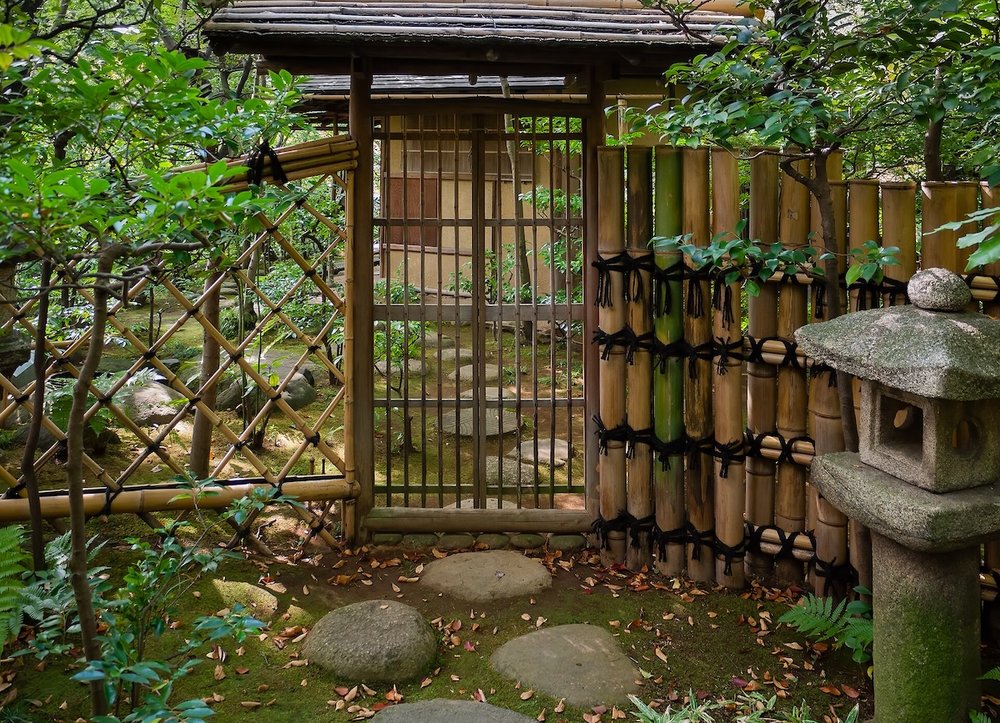
Reinhold Möller, CC BY-SA 4.0 <https://creativecommons.org/licenses/by-sa/4.0>, via Wikimedia Commons
The museum was founded on the collection of Nezu Kaichiro (1860–1940), a railway magnate who spent decades acquiring pre-modern Japanese and East Asian art. The foundation opened to the public in 1941, and after wartime damage and post-war recovery, the current building was completed in 2009 to a design by Kengo Kuma.
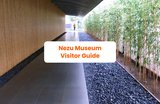
Kuma's building is worth paying attention to before you even step inside. A bamboo-lined path leads from the busy Aoyama shopping strip to the entrance, shifting the atmosphere entirely. The structure features a sweeping roof that echoes traditional Japanese architecture, floor-to-ceiling glass walls that bring the garden into the gallery spaces, and cork-lined interiors that earned the project a design award in 2010.
The collection spans painting, calligraphy, sculpture, metalwork, ceramics, lacquerware, textiles, and archaeological objects. Of the approximately 7,400 pieces, 7 hold National Treasure status and 88 are designated Important Cultural Properties. Exhibitions rotate every four to six weeks, so the specific works on display will vary depending on when you visit.
Tickets and entry rules
The museum uses a timed-entry system. Booking online saves you ¥100 compared to buying at the door, and during peak periods like the Irises season in April and May, advance booking is strongly recommended.
Exhibition type | Adult (online) | Adult (door) | Student (online) | Student (door) |
|---|---|---|---|---|
Collection exhibition | ¥1,400 | ¥1,600 | ¥600 | ¥800 |
Special exhibition | From ¥1,600 | From ¥1,800 | From ¥700 | From ¥800 |
Student rates apply to university students with a valid ID. High school students and younger enter free with a student ID. Visitors with a disability certificate receive a ¥200 discount, and one accompanying attendant receives the same reduction.
For Australians, ¥1,400 is roughly AUD$15 — solid value for a museum that includes both the galleries and the garden.
A few entry rules: no photography or phone calls inside the galleries, no pets except service dogs, and teahouse access is restricted to those participating in scheduled tea ceremonies.
How to get to Nezu Museum
The museum is at 6-5-1 Minami-Aoyama, Minato-ku, Tokyo 107-0062. The easiest route is the Tokyo Metro to Omotesando Station.
Address: 6-5-1 Minami-Aoyama, Minato-ku, Tokyo 107-0062]
- From Omotesando Station (Exit A5): 8-minute walk along Miyuki Street heading east. The bamboo-lined entrance appears on the left.
- From Omotesando Station (Exit B3): approximately 10 minutes.
- Lines serving Omotesando: Ginza Line, Hanzomon Line, Chiyoda Line.
- By bus: the Shibu88 bus stops at Minami Aoyama 6-chome, a 5-minute walk from the museum.
There are 9 on-site parking spaces (including one accessible bay), but availability is very limited. Public transport is the practical option for almost all visitors — which Australian travellers on an IC card or day pass will find easy to manage.
Klook Tip: Pick up a Suica IC card before you head out — it works on all Tokyo Metro lines and makes getting around Aoyama effortless
What to see inside the museum
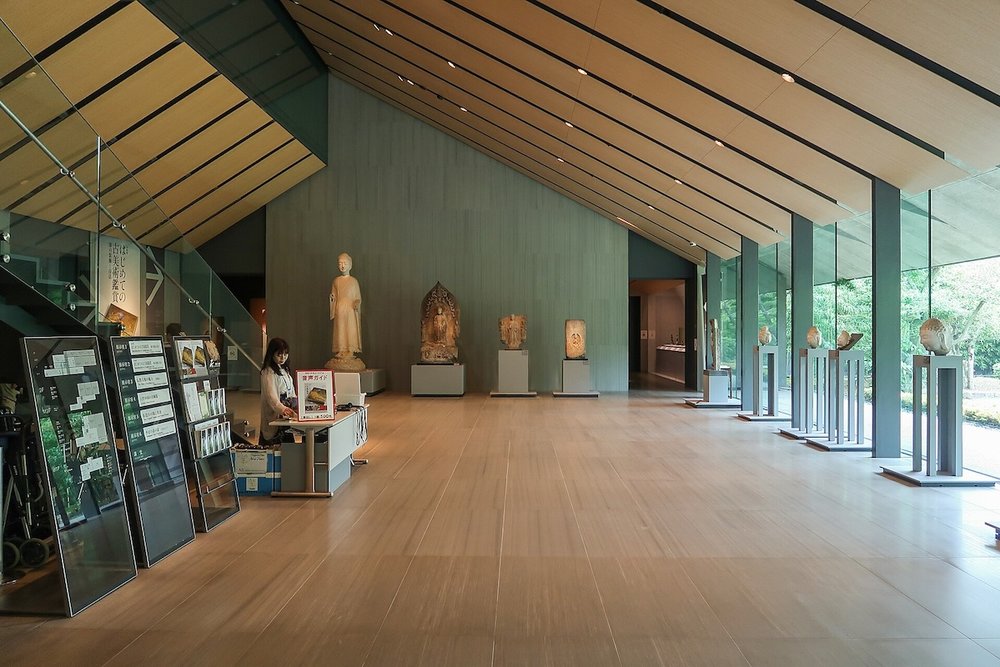
Wpcpey, CC BY-SA 4.0 <https://creativecommons.org/licenses/by-sa/4.0>, via Wikimedia Commons
The museum has six exhibition halls across two above-ground floors and a basement level. Halls 3 and 4 feature permanent displays focused on Buddhist art, while the remaining halls hold rotating special and collection exhibitions.
The standout work in the collection is Irises (Kakitsubata-zu Byobu), a pair of six-panel folding screens painted by Ogata Korin in the Rinpa style. The gold-leaf background and flowing blue-purple irises are among the most reproduced images in Japanese art history. The screens are displayed for approximately one month each year, typically from mid-April to mid-May, timed to coincide with the flowering irises in the garden.
Other notable pieces include an 8th-century calligraphy scroll (a National Treasure), a gilded bronze statue of Seated Sakyamuni and Prabhutaratna dating to 489 AD, and an ancient Chinese Double-Ram zun vessel. The collection covers around 3,000 years of East Asian art history. Most permanent and rotating exhibits include English descriptions, which makes the galleries accessible without a guide — handy for Australian visitors exploring independently.
The museum shop sells original goods including miniature iris screen prints, gauze handkerchiefs, and a photo book of the museum across the seasons. Reasonably priced, and a good alternative to the usual tourist fare.
Why the garden stands out
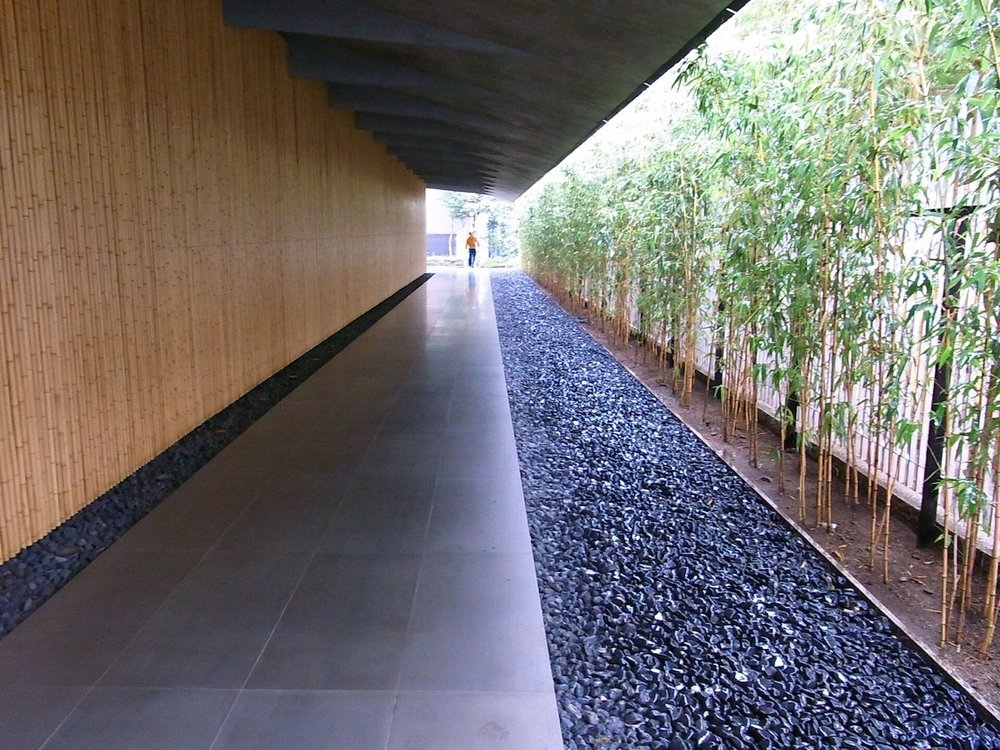
江戸村のとくぞう (Edomura no Tokuzo), CC BY-SA 4.0 <https://creativecommons.org/licenses/by-sa/4.0>, via Wikimedia Commons
The garden is a genuine highlight. At 17,000 square metres, it's a full-scale Japanese landscape garden on hilly terrain, designed to evoke mountain scenery within an urban block. Winding paths pass stone lanterns, ancient statues, a central pond, small bridges, a waterfall, and bamboo groves.
There are four teahouses set within the grounds, including Konin-tei from the Meiji period. They're reserved for scheduled tea ceremony participants rather than casual entry, but they add to the atmosphere of the garden as a whole. The museum occasionally schedules public tea ceremonies — worth checking the official site if that's something you'd like to experience during your Tokyo holiday.
The garden has eight designated viewpoints (hakkei), each framing a specific scene: a stone well fence in the central pond, a shrine with a crescent-shaped lantern, a small historic temple ringed by bamboo, and a path leading to a 3-metre stone Kannon statue. Garden photography is permitted, and the space is photogenic year-round. Insect repellent is provided at the garden entrance — a small but useful detail for summer visits.
Best time to visit and how long to plan
Allow 1.5 to 2 hours for a comfortable visit covering both the galleries and the garden. Most visitors end up spending more time in the garden — the paths are the kind of place that slows you down naturally.
Mid-April to mid-May is the most popular window, when the Irises screens are displayed and the garden irises are in bloom. If you're planning a trip to Japan around this time — which many Australians do, given the overlapping school holiday period — book your timed-entry tickets well in advance. Late May through early June is also lovely without the peak-season pressure.
Autumn, particularly November, brings Japanese maple colour to the garden paths. Spring and autumn weekday mornings are the quietest, with shorter queues at the NEZUCAFÉ and more room on the paths.
Summer visits are possible, but the garden can be warm. The museum building is fully air-conditioned, so the galleries remain comfortable. The NEZUCAFÉ is a good cool retreat between the galleries and the garden.
The museum is closed on Mondays (or Tuesdays when Monday is a public holiday), during installation periods between exhibitions, and over the New Year period. Check the official exhibition schedule before visiting.
Visitor tips for first-timers
- Check which exhibition is running before you go. The gallery content changes every four to six weeks, and the museum's official site lists upcoming schedules clearly.
- Photography is allowed in the garden and the NEZUCAFÉ, but not inside the galleries. Keep this in mind when deciding where to spend extra time.
- The NEZUCAFÉ has glass walls on three sides with garden views. Popular items include shortcake, meat pie, and daily pasta specials. Food orders close at 15:00, with beverages available until 16:00 — arrive before the afternoon rush if the café is part of your plan.
- For a traditional tea experience, the museum occasionally schedules public tea ceremonies in the garden teahouses. These require a separate booking and are typically cash-only. Check the official site for upcoming dates.
- The bamboo-lined approach from the street sets a particular tone. Give yourself a few minutes to walk it slowly rather than rushing straight to the entrance.
Is Nezu Museum worth visiting?
For Australian travellers used to large art institutions like the NGV or the Art Gallery of NSW, the Nezu Museum can feel compact — gallery time alone typically runs around 35–45 minutes. But that's not the point. The value is in the combination: the architecture, the collection quality (7 National Treasures in one place isn't common), and a garden that feels genuinely removed from the city around it.
If you enjoy art museums at a relaxed pace, the Nezu Museum is one of the more satisfying options in Tokyo. The exhibitions are well-curated and clearly labelled in English, and the rotating programme makes it worth revisiting on future trips to Japan. The garden consistently comes up as the strongest element — and it's included in the standard admission price.
If you're visiting during the Irises season, the combination of Korin's folding screens and the blooming garden is genuinely hard to replicate anywhere else in Japan.
FAQs about Nezu Museum
How much does Nezu Museum cost?
Collection exhibition tickets are ¥1,400 online (adults) or ¥1,600 at the door. Special exhibition tickets start at ¥1,600 online or ¥1,800 at the door. University student rates are lower; high school students and younger enter free with a valid student ID. For Australian travellers, ¥1,400 is roughly AUD$15.
Is Nezu Museum worth visiting?
Yes, particularly if you're interested in Japanese art or want a calm, unhurried experience in the middle of Tokyo. The combination of rotating exhibitions, 7 National Treasures, and a 17,000 square-metre garden makes it more substantial than a typical city museum. Most visitors rate the garden alone as worth the entry price.
What are Nezu Museum's opening hours?
The museum is open 10:00 to 17:00, with the last entry at 16:30. It's closed every Monday — or Tuesday if Monday falls on a public holiday. It also closes between exhibitions and during the New Year period.
How do I get to Nezu Museum?
Take the Tokyo Metro Ginza, Hanzomon, or Chiyoda Line to Omotesando Station and use Exit A5. The museum is an 8-minute walk along Miyuki Street. There are only 9 on-site parking spaces, so public transport is the practical choice for most visitors.
When is the best time to visit Nezu Museum?
Mid-April to mid-May is the most popular window, when the Irises folding screens by Ogata Korin are on display and the garden irises are in bloom. This lines up well with Japan's spring season, which is popular among Australians travelling during school holidays. Weekday mornings are the quietest overall, with fewer crowds at the café and on the garden paths.
Can I photograph inside Nezu Museum?
Photography and phone calls are not permitted inside the galleries. Photography is generally allowed in the garden and at the NEZUCAFÉ — both of which are very photogenic.
What is Klook?
Klook is a leading pan-regional experiences platform in Asia Pacific, purpose built to digitalize experiences and make them accessible to every traveler.
Our mission is to build the digital infrastructure for the global experience economy — empowering merchants to share their passions and travelers to discover the heartbeat of each destination. We operate a mobile-first, curated platform featuring diverse experiences across global destinations.




![[Updated] Complete List Of Official Nationwide MCO SOP 2021](https://res.klook.com/image/upload/fl_lossy.progressive,q_85/c_fill,w_160,h_104/v1633858858/blog/iso56uzsphmdguixkvzh.jpg)



![[Updated] Complete List Of Official Nationwide MCO SOP 2021](https://res.klook.com/image/upload/fl_lossy.progressive,q_85/c_fill,w_410,h_264/v1633858858/blog/iso56uzsphmdguixkvzh.jpg)