
When you first pull up the Shanghai metro map, all those overlapping lines can look a bit overwhelming. But don't worry! Most trips around Shanghai stick to just four or five main lines, and getting around is actually super straightforward once you get the hang of it.
This guide starts with the Shanghai metro map, then covers the lines you'll use most, how fares and payment work, and which station gets you to the Bund, Yu Garden and Disneyland.
Shanghai public transport is cheap, signed in English and built around QR codes, so you can skip the coins. For what to see and where to sleep, we've linked our other Shanghai guides along the way.
The Shanghai metro map at a glance
Here's the whole system on one page, so you can see how it hangs together.
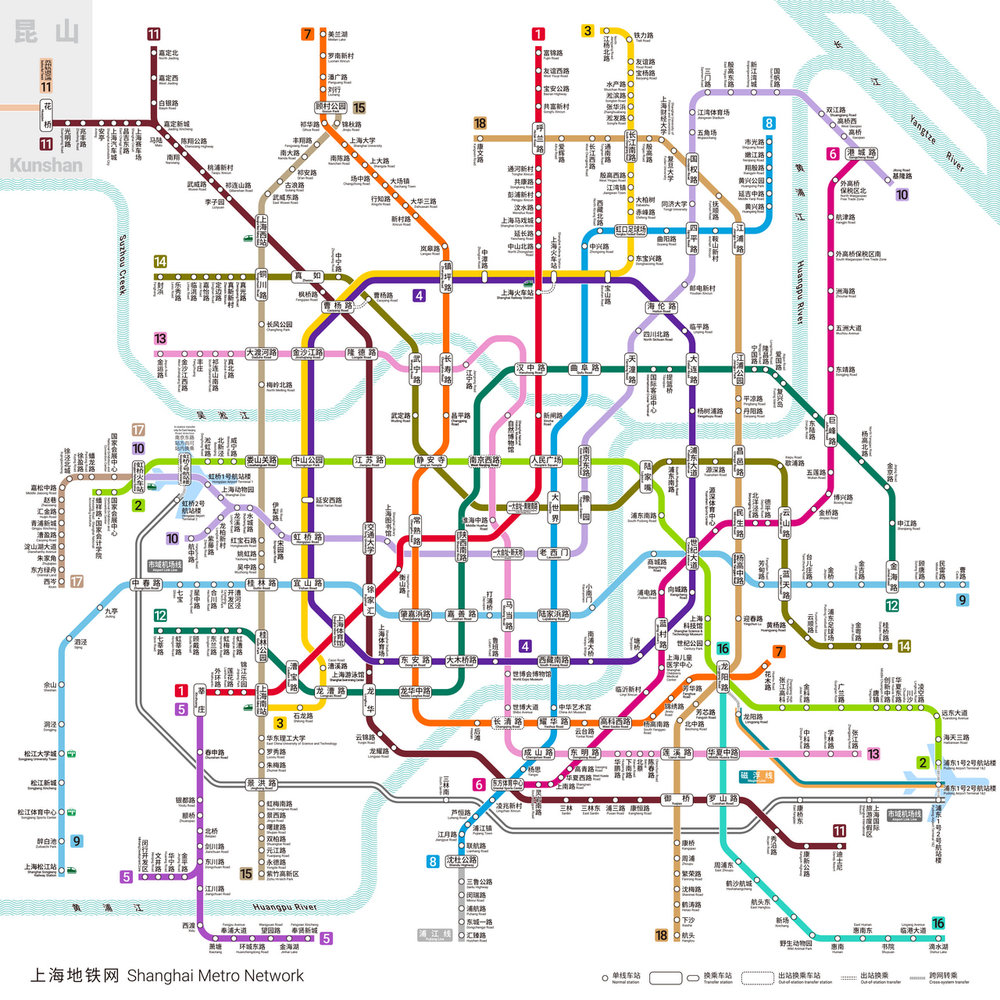
Shanghai Metro network map | Image credit: Alan Fan Pei, CC BY-SA 4.0, via Wikimedia Commons
Shanghai's metro is the city's subway, with 19 lines across roughly 900 km and more than 500 stations. Shanghai metro lines are numbered and color coded, and each station sign shows the line number, the next stop and the final station. Direction is named after the last stop on the line, so know which end you're heading toward.
Klook Tip: Save the Shanghai metro map to your phone before you go, so you can check your line without mobile data.
How to ride in five steps
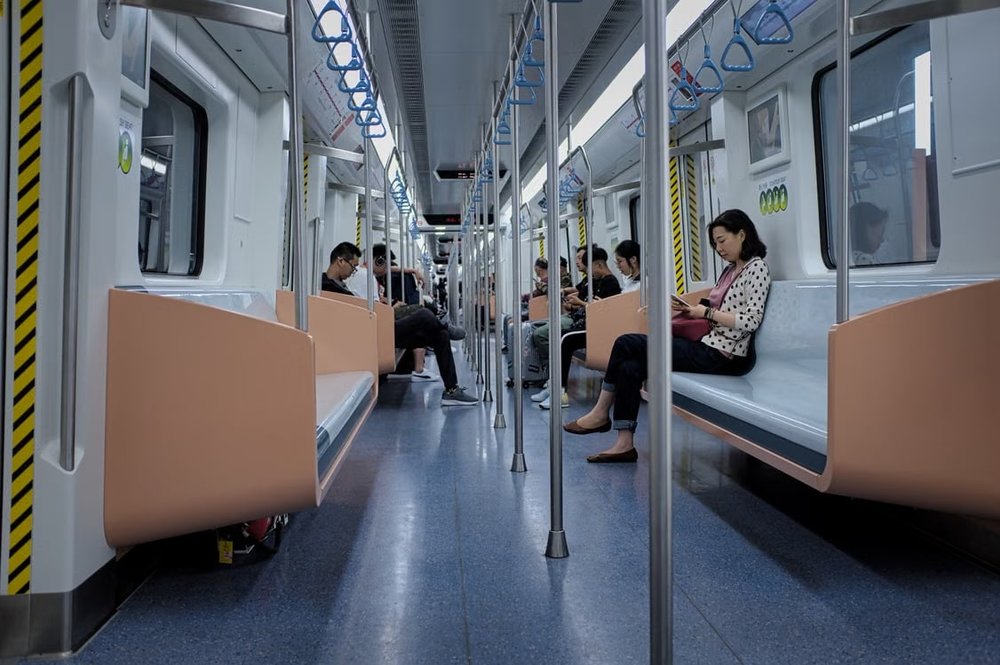
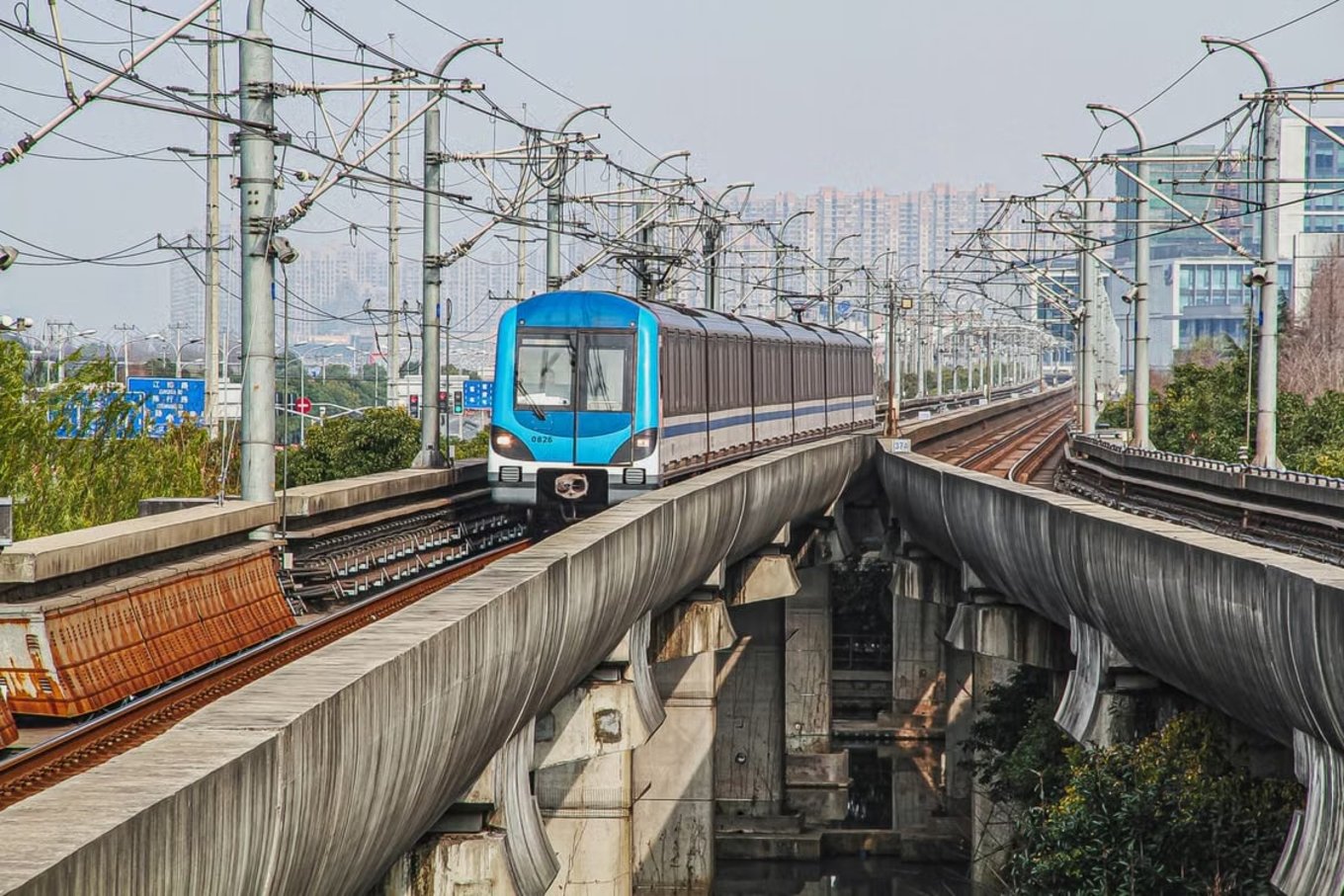
Shanghai metro | Image credit: Eric Prouzet via Pexels
Five steps cover almost every ride.
- Choose how to pay. Scan a QR code in a metro app, tap a bank card, or buy a single ticket from a vending machine.
- Scan or tap in. Your bag goes through a quick security check first, then hold your phone, card or ticket to the gate reader.
- Find your platform. Follow the line color and the name of the last station in your direction.
- Transfer by color. Follow the signs for your next line; changing lines inside the gates doesn't cost extra.
- Tap or scan out. The fare is charged when you exit, based on the shortest route between your two stations.
Shanghai metro lines you'll use most
Most trips use the same handful of lines, and they cross at a few big stations. Keep the Shanghai metro map open and look for these:
- Line 2: The main line for most trips. It links Pudong Airport, Lujiazui (Shanghai Tower), East Nanjing Road (the Bund), People's Square and Hongqiao Airport.
- Line 1: Runs through People's Square, Shanghai Railway Station (Lines 3 and 4) and Xujiahui (Lines 9 and 11).
- Line 9: Serves Xujiahui and Century Avenue, and its Dapuqiao station is the one for Tianzifang.
- Line 10: Stops near the Bund, at Yuyuan Garden and at both Hongqiao airport terminals.
- Line 11: The route to Disney Resort, via Xujiahui, Jiangsu Road (Line 2) and Oriental Sports Center (Lines 6 and 8).
Five interchanges are worth memorizing: People's Square (Lines 1, 2, 8), Century Avenue (Lines 2, 4, 6, 9), Xujiahui (Lines 1, 9, 11), Longyang Road (Lines 2, 7, 16 and the maglev) and Hongqiao Railway Station (Lines 2, 10, 17). People's Square is a big station, so allow extra time to change lines.
Arriving by bullet train? Hongqiao Railway Station puts you straight onto the metro, and our China high-speed rail guide covers booking those tickets.
Shanghai metro fares, tickets and payment
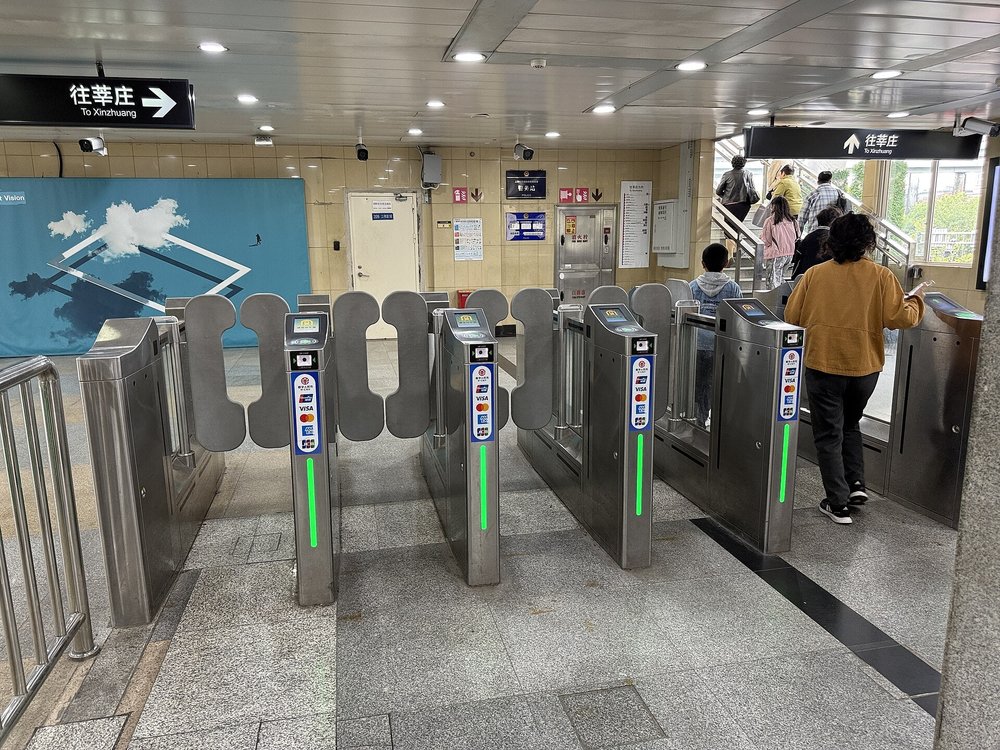
Shanghai Metro faregates at Wenshui Road Station | Image credit: 4300streetcar, CC BY 4.0, via Wikimedia Commons
Shanghai metro fares start at 3 CNY, about 0.41 USD, so the tricky part is how to pay, not what it costs. The fare follows the shortest route between your two stations.
Under the old system, 3 CNY covered 6 km, plus 1 CNY for each extra 10 km. From December 1, 2026, the starting distance drops to 4 km and longer rides cost more, so a 15 km trip goes from 4 CNY to 6 CNY (about 0.55 USD to 0.80 USD).
You've got four easy ways to pay:
- Metro app QR code: The Metro Daduhui app is the Shanghai metro app most people use. Link Alipay or WeChat Pay, then scan the QR code to enter, exit and transfer. Shanghai metro Alipay payments work the same way, and our Alipay in China guide [ADD LINK] walks through the setup.
- Bank card tap: Hold a Visa, Mastercard, UnionPay, American Express or JCB card to the gate reader. Switch on small contactless payments first, or the tap may fail.
- Single ticket: Shanghai metro tickets come from vending machines with an English menu, priced by distance and valid only on the day you buy them. Carry a few small bills in case your card doesn't work.
- Day passes: The one-day pass moves from 18 to 24 CNY (about 2.50 USD to 3.30 USD) on December 1, and the three-day pass from 45 to 60 CNY (about 6.15 USD to 8.20 USD). Neither covers the maglev or the newer suburban lines.
Prefer to skip the ticket machine? The bus and metro card from about 4.55 USD comes pre-loaded, so you tap straight in at the gates. The catch in Shanghai is that pick-up is at Hongqiao Airport only, so if you land at Pudong, choose delivery within mainland China instead.
Klook Tip: Link your card to Alipay or the metro app on home Wi-Fi before you fly, so setup isn't a job for the arrivals hall.
Shanghai Pudong airport to city: metro, maglev and Airport Link
Pudong sits far from the center, so plan on about an hour. Metro Line 2 runs from Pudong Airport T1&T2 station to People's Square in around 60 minutes, and the ride costs a couple of dollars at most. For the Shanghai Pudong airport to city run, it's the simplest option, with no changes if your hotel is near Line 2.
The maglev is the fast option, but it only goes as far as Longyang Road, so you still switch to Line 2, 7 or 16 there. A one-way maglev ticket starts at about 7.50 USD, several times the metro fare, and trains run from roughly 7 am to 9:40 pm. Skip it if your hotel is near Line 2 and you're not in a rush.
Hongqiao is easier. Terminal 2 sits on Lines 2 and 10, and Line 10 also serves Terminal 1.
To hop between airports, the Airport Link Line takes about 40 minutes and costs 26 CNY (about 3.55 USD) for the full trip. Trains run every 15 minutes, from 5:45 am (first train from Hongqiao) to 10:15 pm (last train from Pudong). It uses its own fare system, so your metro day pass won't cover it.
Klook Tip: Landing late? Check the last Line 2 train in your metro app before you leave the terminal.
Where the Shanghai metro takes you
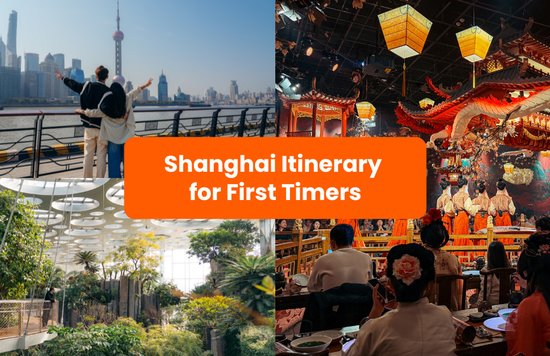
Once the lines make sense, the sights fall into place. Below is the nearest station for each big stop, and our Shanghai itinerary for first-timers shows how to stack them into days. For more ideas, browse things to do in Shanghai.
The Bund
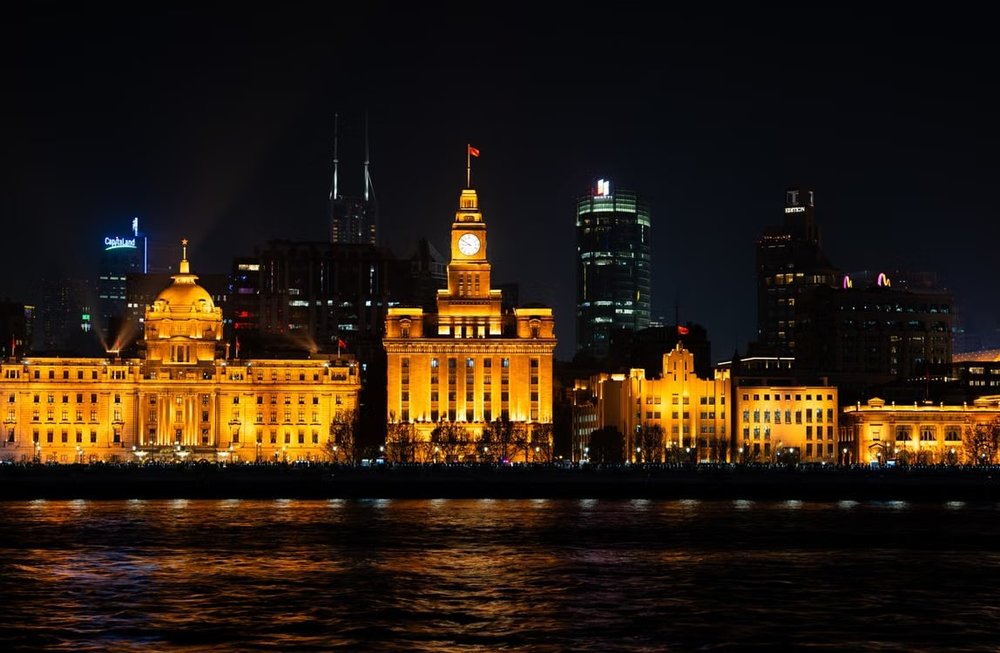
Shanghai Bund | Image credit: 4300streetcar, CC BY 4.0, via Wikimedia Commons
Start at the Bund if it's your first evening in town. The riverside promenade is free, and the Pudong skyline across the Huangpu River is the reason people come. Go after sunset when the towers light up, though expect crowds at the railing.
- Nearest station: East Nanjing Road (Lines 2 and 10)
Klook Tip: After the Bund, ride Line 2 one stop to Lujiazui and catch the skyline from the Shanghai Tower deck.
Nanjing Road
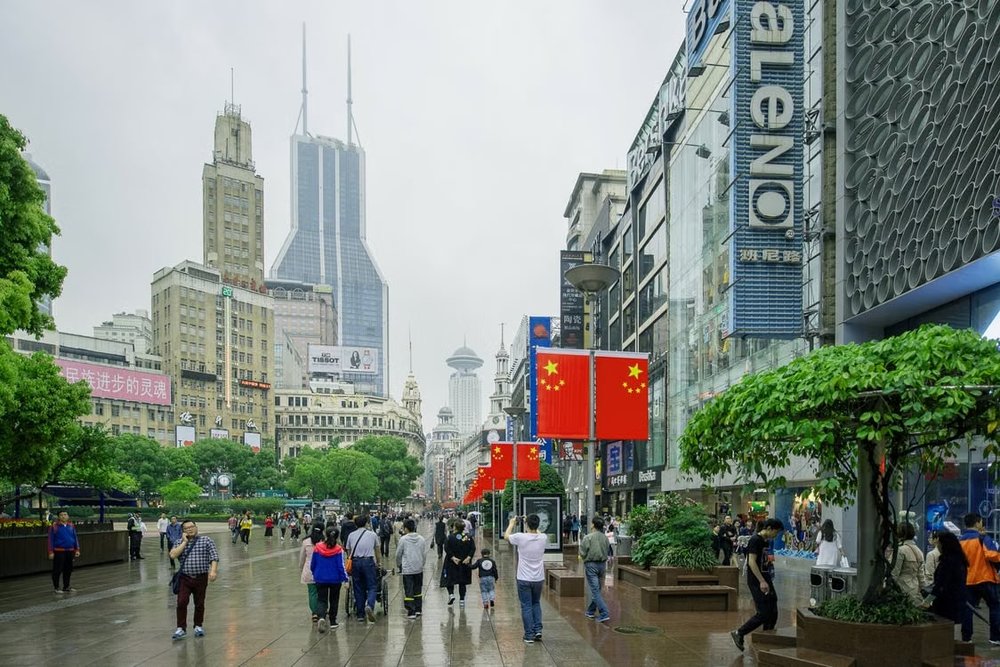
Nanjing Road | Image credit: Margo Evardson via Pexels
Nanjinglu Street is Shanghai's main shopping street, and its pedestrian stretch runs between People's Square and the Bund. Walk it west to east and you'll finish at the river. The shopfronts lean touristy, so save serious browsing for quieter lanes.
- Nearest station:East Nanjing Road (Lines 2 and 10) or People's Square (Lines 1, 2 and 8)
Yu Garden
Yu Garden is a classical garden that sits beside a busy bazaar, and Line 10 stops right at Yuyuan Garden station. An adult Yu Garden ticket starts around 6 USD, and entry runs in morning and afternoon sessions, so pick your slot when you book. Bring your passport, and note that you can't re-enter once you leave.
- Nearest station: Yuyuan Garden (Line 10)
Shanghai Tower
For the view from above, take Line 2 to Lujiazui and walk to the tower. A Shanghai Tower ticket for the 118th-floor deck starts around 27 USD, which makes it the priciest stop on this list. The elevators are fast, so check with a doctor first if you have heart or blood pressure issues.
- Nearest station: Lujiazui (Line 2), Exit 6
Address: 501 Yincheng Middle Road
Tianzifang
Tianzifang is a maze of narrow lanes full of cafes and small shops in the former French Concession. Take Line 9 to Dapuqiao and use Exit 1; you'll see the lanes as soon as you reach street level. It's free to wander, and the lanes fill up fast, so earlier in the day is easier.
- Nearest station: Dapuqiao (Line 9), Exit 1
Shanghai Disneyland
Shanghai Disneyland is the longest ride on this list, so give it a full day. From People's Square, take Line 1 to Xujiahui, then Line 11 for about 14 stops to Disney Resort. A one-day Shanghai Disneyland ticket starts around 62 USD with the early-booking discount. Line 11 splits into two branches in the north, so check that your train is marked Disney Resort.
- Nearest station: Disney Resort (Line 11)
FAQs about Shanghai metro map
How many metro lines are there in Shanghai?
Shanghai has 19 metro lines. Add the Airport Link Line and the Jinshan Railway and the wider rail network counts about 21 lines. Together they cover roughly 900 km and more than 500 stations, and new sections keep opening, so check the latest map in your metro app.
How much does the Shanghai metro cost?
Rides start at 3 CNY, about 0.41 USD, and the price rises with distance. From December 1, 2026, the starting fare covers 4 km instead of 6 km, so a 15 km ride goes from 4 CNY to 6 CNY (about 0.55 USD to 0.80 USD). The one-day pass moves to 24 CNY (about 3.30 USD) and the three-day pass to 60 CNY (about 8.20 USD), and neither covers the maglev.
How do I buy a Shanghai metro ticket?
Buy a single journey ticket from the vending machines at any station. The screens have an English option, the price depends on distance, and the ticket only works on the day you buy it. If the machine won't take your card, use a service counter or scan a QR code from the metro app instead.
Can I use Alipay or a foreign card on the Shanghai metro?
Yes to both. Link Alipay in the Metro Daduhui app and scan the QR code at the gate, or tap a Visa, Mastercard, UnionPay, American Express or JCB card on the reader. Foreign cards have worked on Shanghai public transport since April 2024, though your card needs small contactless payments switched on.
What time does the Shanghai metro open and close?
Most lines start around 5:30 am and run until roughly 11 pm. Exact first and last trains vary by line, station and direction, and the ends of a line often finish earlier. Check your station's timetable in the metro app before a late night out.
How do I get from Shanghai Pudong airport to the city by metro?
Take Line 2 from Pudong Airport T1&T2 station; it reaches People's Square in about an hour. For a faster first leg, take the maglev to Longyang Road and switch to Line 2, 7 or 16. Check the last train time if your flight lands late.
Which metro line goes to Shanghai Disneyland?
Line 11 goes to Disney Resort station, right by the park. From central Shanghai, change to Line 11 at Xujiahui (from Lines 1 or 9) or Jiangsu Road (from Line 2); Xujiahui is about 14 stops from Disney Resort. Line 11 splits into two branches in the north, so make sure your train says Disney Resort.
Ready to ride?
Picture your first morning: a quick scan at the gate, a ride on Line 2 under the river, and the Bund waiting at East Nanjing Road. Order your bus and metro card or set up Alipay before you fly, and the rest takes care of itself. Heading on to other cities afterward? Browse more trips across Mainland China.
More Shanghai travel guides for you


What is Klook?
Klook is a leading pan-regional experiences platform in Asia Pacific, purpose built to digitalize experiences and make them accessible to every traveler.
Our mission is to build the digital infrastructure for the global experience economy — empowering merchants to share their passions and travelers to discover the heartbeat of each destination. We operate a mobile-first, curated platform featuring diverse experiences across global destinations.