
Your 3 days in Osaka at a glance
Day | Focus | Highlights | Budget (per person) |
|---|---|---|---|
Day 1 | City icons | Osaka Castle, Shinsekai, Dotonbori at night | $60–90 |
Day 2 | Food and culture | Kuromon Ichiba Market, Namba backstreets, izakaya crawl | $70–100 |
Day 3 | Day trip or deep dive | Nara, Kyoto, or Universal Studios Japan | $80–150 |
Best time to visit: late March to May, and October to November
Getting around: subway and JR loop line, plus a lot of walking
Where to base yourself: Namba or Umeda
Why three days is the sweet spot in Osaka
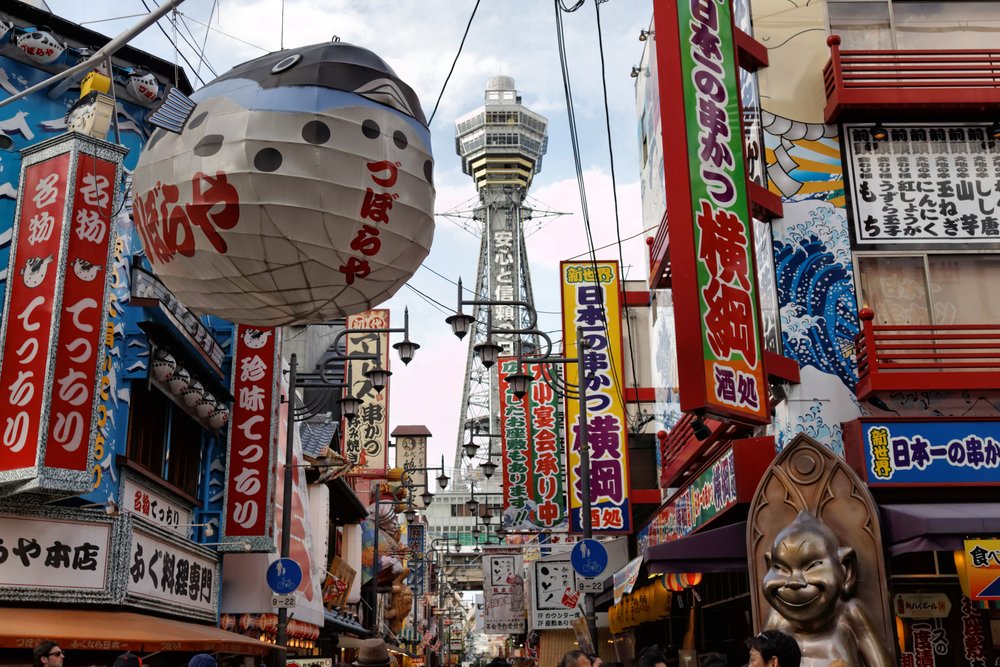
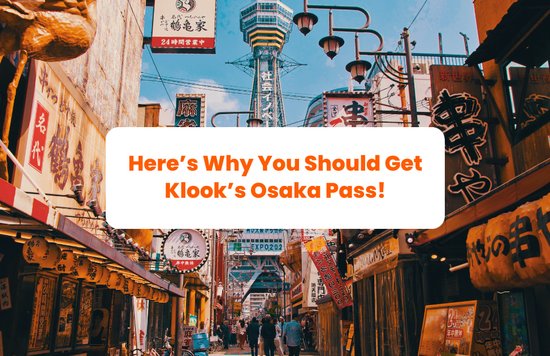
Osaka Tsutenkaku Tower | Photo Credits: Jeroen Mul on Flickr
Three days is the point where Osaka stops being a stopover and starts being a trip. Two days gets you the headline sights and not much else. Four starts to stretch thin unless you're heading further into Kansai.
At three, you get the city's icons, a full day built around eating, and one flexible day for a side trip. That's the logic behind this Osaka itinerary: front-load the landmarks, then slow down.
Osaka also happens to be one of Japan's easiest cities to navigate on foot. Most of what you'll want to see sits between Osaka Castle in the east and the neon strip of Namba in the south, connected by a subway that runs every few minutes.
Klook Tip: Buy an ICOCA card at the airport and load it with 3,000 yen. It works on every subway, train, and most convenience stores, and it saves you buying paper tickets three times a day.
Day 1: Osaka's greatest hits
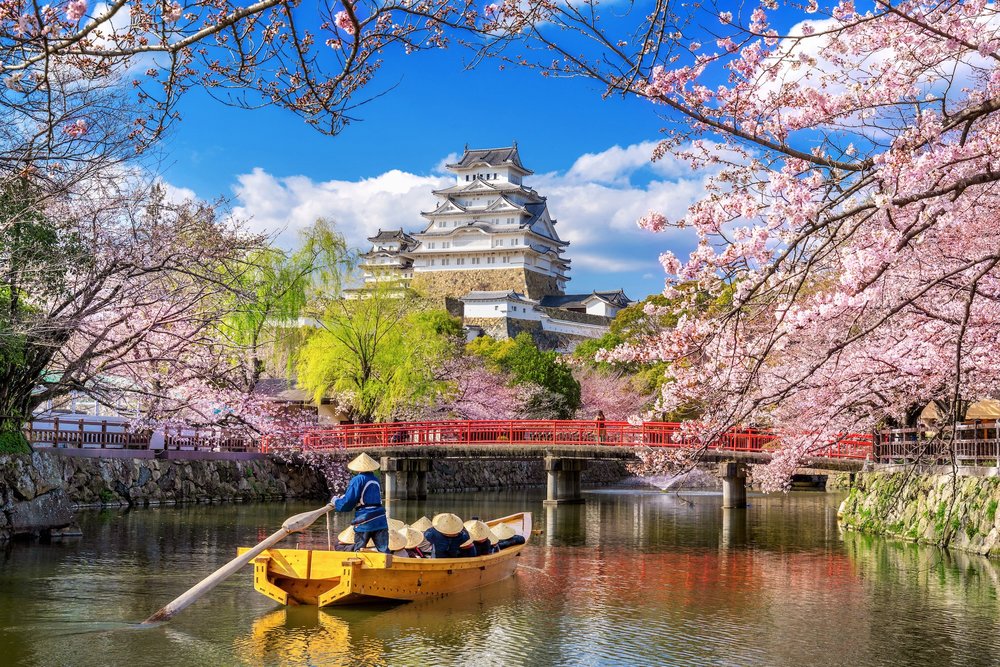
Osaka Castle | Image Credit: tawatchai07 via magnific
Morning: Start at Osaka Castle
Begin at Osaka Castle, the city's most recognizable landmark and the anchor of any first day here. The current tower is a 1930s reconstruction, but the stone walls and moats around it are original, and some of the individual blocks weigh over 100 tons.
Go early. Gates open at 9am and the plaza fills quickly by 11. Give yourself two hours: one for the eight-floor museum inside, one for the park and the moat walk. The top-floor observation deck gives you a clean view across the city and helps you get your bearings for the rest of the trip.
If you'd rather not piece the day together yourself, the Osaka one-day walking tour links the castle, Kuromon Market, and Dotonbori into a single guided route, which is a solid option for a first morning.
Afternoon: Shinsekai and the retro side of the city
Take the subway south to Shinsekai, a neighborhood built in 1912 to imitate Paris and Coney Island, then largely left alone for a century. Tsutenkaku Tower sits at the center of it, ringed by kushikatsu (deep-fried skewers) shops with plastic food displays in the windows.
This is where you eat lunch. Order a mixed skewer set and remember the one rule locals actually enforce: no double-dipping in the shared sauce. Budget about 90 minutes here, including the tower.
For an early start that covers this ground before the crowds, the Osaka early morning tour runs the castle, Shinsekai, and Dotonbori loop while the streets are still quiet.
Evening: Dotonbori after dark
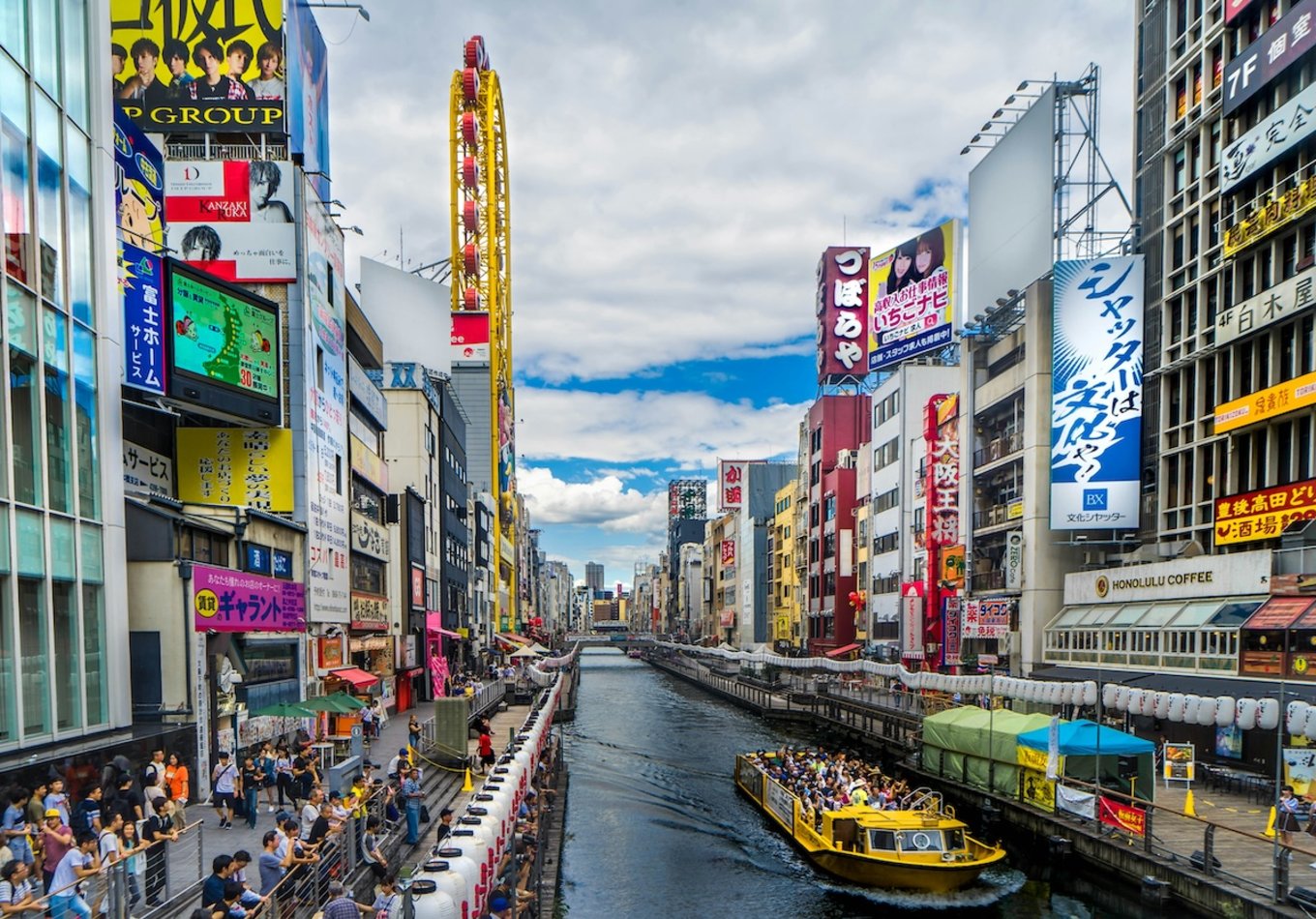
Finish Day 1 in Dotonbori, the canal-side strip that shows up in every photo of the city. The Glico running man sign has been there in some form since 1935, and the giant mechanical crab above Kani Doraku still moves its legs.
Eat as you walk. Takoyaki (octopus balls) from a street stall, then okonomiyaki (savory pancake) at a sit-down spot on one of the side streets, where prices drop and lines get shorter. The canal walkway below street level is quieter than the main drag if the crowds get overwhelming.
Klook Tip: The best Dotonbori photos come from Ebisubashi bridge around 7pm, once the signs are fully lit but before the after-dinner crush arrives.
Day 2: An Osaka food guide, on foot
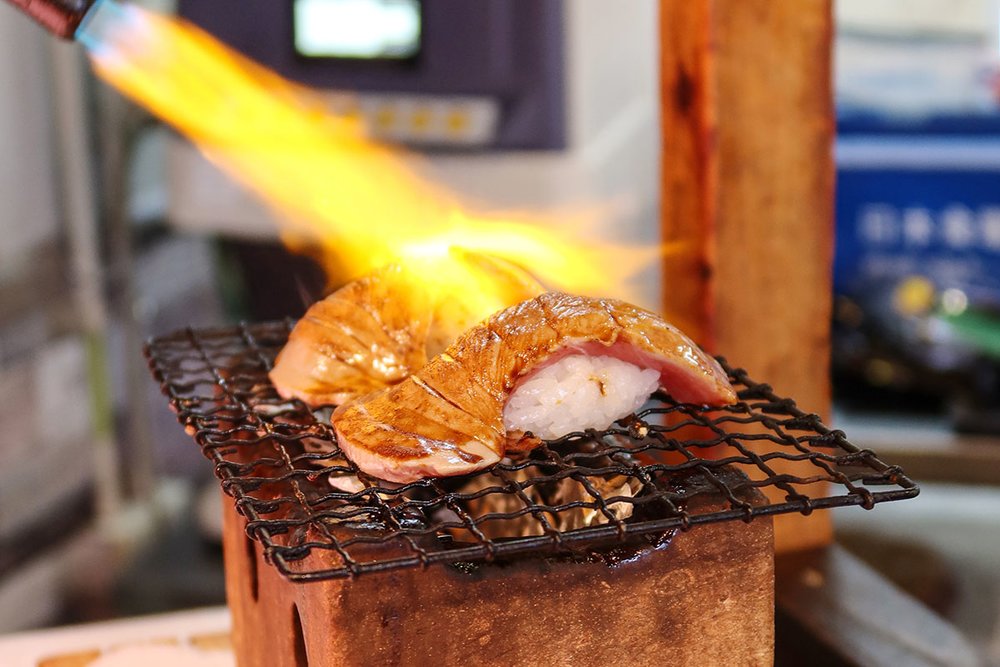
Kuromon Ichiba Market Tuna Sushi
Osaka's nickname is tenka no daidokoro, the nation's kitchen, and Day 2 is where an Osaka 3 day trip earns that. Today is less about ticking off sights and more about eating your way across a few neighborhoods.
Morning: Kuromon Ichiba Market
Start at Kuromon Ichiba Market, a 600-meter covered arcade that's supplied the city's restaurants for nearly 200 years. Vendors grill scallops, torch fatty tuna, and sell whole crab legs to eat standing up.
Come hungry and come before 11am, when the stalls are fully stocked and the aisles are still walkable. Plan on around 2,500 to 4,000 yen if you graze properly. Many stalls now have small counters or stools, so you don't have to eat everything on your feet.
Afternoon: Namba backstreets and Hozenji Yokocho
Walk ten minutes from the market into Hozenji Yokocho, two narrow stone-paved lanes lined with lanterns and small restaurants. The moss-covered Mizukake Fudo statue here gets water thrown on it by visitors making wishes, which is why it's green.
From there, wander into Amerikamura for coffee and vintage shops, or Shinsaibashi-suji if you want covered shopping. Either way, keep the afternoon loose. This is a walking day, and pacing matters more than a fixed list of things to do in Osaka.
If you'd rather have the route planned around what you actually want to see, the Osaka private walking tour is customizable and works well for groups with different interests.
Evening: Izakaya crawl in Tenma
Head north to Tenma for the evening. The area around Tenjinbashisuji, Japan's longest shopping street, is packed with small izakaya (Japanese pubs) that stay busy well past midnight and cost noticeably less than Namba.
Order in rounds rather than all at once. Grilled skewers, a plate of sashimi, a highball, then see what the table next to you is having. Two or three places in one night is normal here.
Klook Tip: Look for izakaya with handwritten menus on the wall and no English sign. Point at what looks good. Those are usually the cheapest and best meals of the trip.
Day 3: Day trip, or go deeper
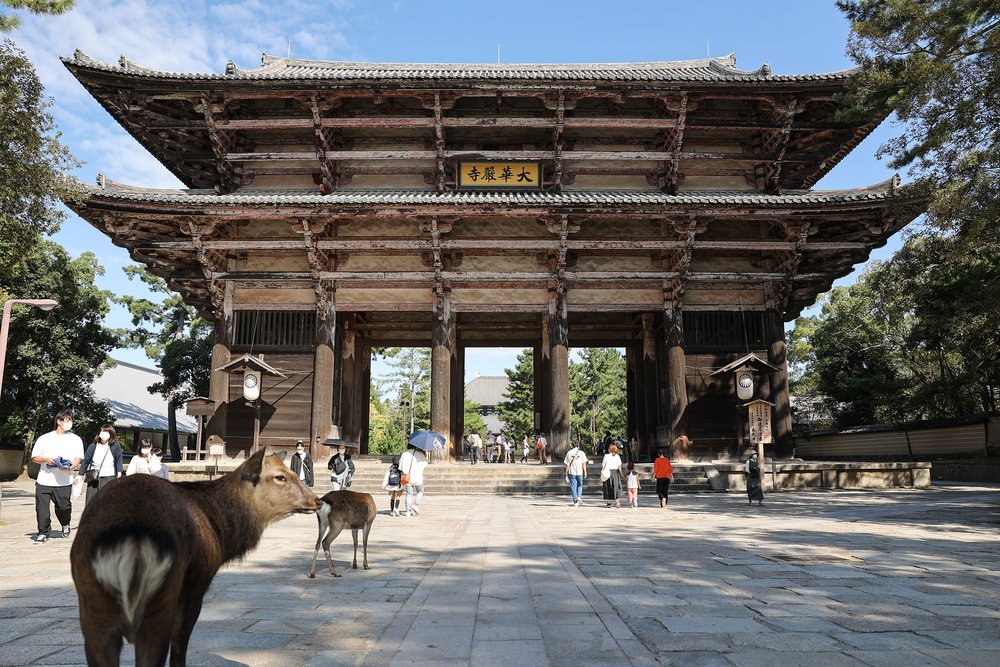
Nara Deer Temple
Your last day is the flexible one. Osaka day trips are unusually easy because Kansai is compact, so a 45-minute train ride changes the scenery completely. Pick based on what you're missing.
Option A: Nara for temples and deer
Nara is 45 minutes from Namba on the Kintetsu line and makes the strongest case for a day trip. Todai-ji temple houses a 15-meter bronze Buddha inside one of the largest wooden buildings in the world, and the surrounding park has around 1,200 free-roaming deer that bow for crackers.
You can cover Todai-ji, Kasuga Taisha shrine, and the park in about five hours, leaving you back in Osaka for dinner. The Nara private day tour handles the transport and timing if you'd rather not work out train connections on your last morning.
Option B: Kyoto for a classic Japan day
Kyoto is 15 minutes by shinkansen or about 30 by regular express. It's a bigger, busier day than Nara, so pick two or three areas rather than trying to see everything. Fushimi Inari's torii gates plus Gion in the late afternoon is a realistic pairing.
Go early if Fushimi Inari is on your list. By 10am the lower gates are shoulder-to-shoulder, and the quiet upper trail is a 30-minute climb most day-trippers skip.
Option C: Universal Studios Japan or a neighborhood deep dive
If you're traveling with kids or you're a theme park person, Universal Studios Japan takes the full day and sits 15 minutes from central Osaka on the JR loop line. Super Nintendo World is the draw, and it usually needs a timed entry.
Not a park day? Spend it in Nakazakicho for cafes and secondhand shops, or Umeda for the Floating Garden Observatory at sunset. Either one rounds out an Osaka travel guide that's otherwise heavy on the south side of the city.
Klook Tip: If Day 3 is a day trip, check out of your bags into a coin locker at the station rather than going back to your hotel. Namba and Umeda stations both have large-size lockers.
FAQs about planning an Osaka itinerary 3 days long
Is 3 days enough time in Osaka?
Three days is enough to see the city properly, including Osaka Castle, Dotonbori, and the main food areas, with a full day left over. It's not enough to cover Osaka plus Kyoto plus Nara in any depth, so treat those as a choice rather than a checklist. Most first-time visitors find three days hits the balance between seeing the highlights and having time to actually sit down and eat.
What is the best itinerary for 3 days in Osaka?
The strongest structure is landmarks on Day 1, food and neighborhoods on Day 2, and a day trip or theme park on Day 3. That order matters because Day 1 gives you a mental map of the city, which makes the wandering on Day 2 much easier. It also puts the most walking-heavy day in the middle, when you're over the jet lag but not yet worn out.
What should you do on your first day in Osaka?
Start at Osaka Castle in the morning while it's quiet, spend the afternoon in Shinsekai over kushikatsu, and end in Dotonbori once the signs light up. This route runs roughly north to south, so you're never backtracking. It also front-loads the two sights most people book a trip to Osaka for.
Is it worth doing a day trip from Osaka to Kyoto or Nara?
Both are worth it, and the choice comes down to pace. Nara is smaller, calmer, and doable in five hours, which leaves you a relaxed final evening in Osaka. Kyoto has more to see but demands a longer, busier day, and you'll only scratch the surface of it, so some travelers prefer to save Kyoto for a separate trip.
What food should you try during 3 days in Osaka?
Takoyaki, okonomiyaki, and kushikatsu are the three dishes the city is known for, and you can find all of them within a few blocks of Dotonbori. Add fresh seafood at Kuromon Ichiba Market and one izakaya dinner for a fuller picture. Osaka is also strong on kitsune udon and horumon (grilled offal), both of which are cheap and easy to find.
Should you visit Universal Studios Japan during a 3-day Osaka trip?
Only if it's a priority, because it consumes an entire day of a short trip. With kids, or if Super Nintendo World is the reason you're in Japan, it's an easy yes and Day 3 is the right slot for it. If you're mainly here for food and sightseeing, a day trip to Nara or Kyoto usually delivers more.
How much does a 3-day trip to Osaka typically cost?
Budget roughly $250 to $400 per person for three days excluding flights and hotels, covering food, transport, and attraction entry. Street food and casual restaurants keep daily meal costs around $40 to $60, and subway travel rarely exceeds $8 a day. A theme park day or a guided tour will push the total toward the higher end.
Related Articles
What is Klook?
Klook is a leading pan-regional experiences platform in Asia Pacific, purpose built to digitalize experiences and make them accessible to every traveler.
Our mission is to build the digital infrastructure for the global experience economy — empowering merchants to share their passions and travelers to discover the heartbeat of each destination. We operate a mobile-first, curated platform featuring diverse experiences across global destinations.