
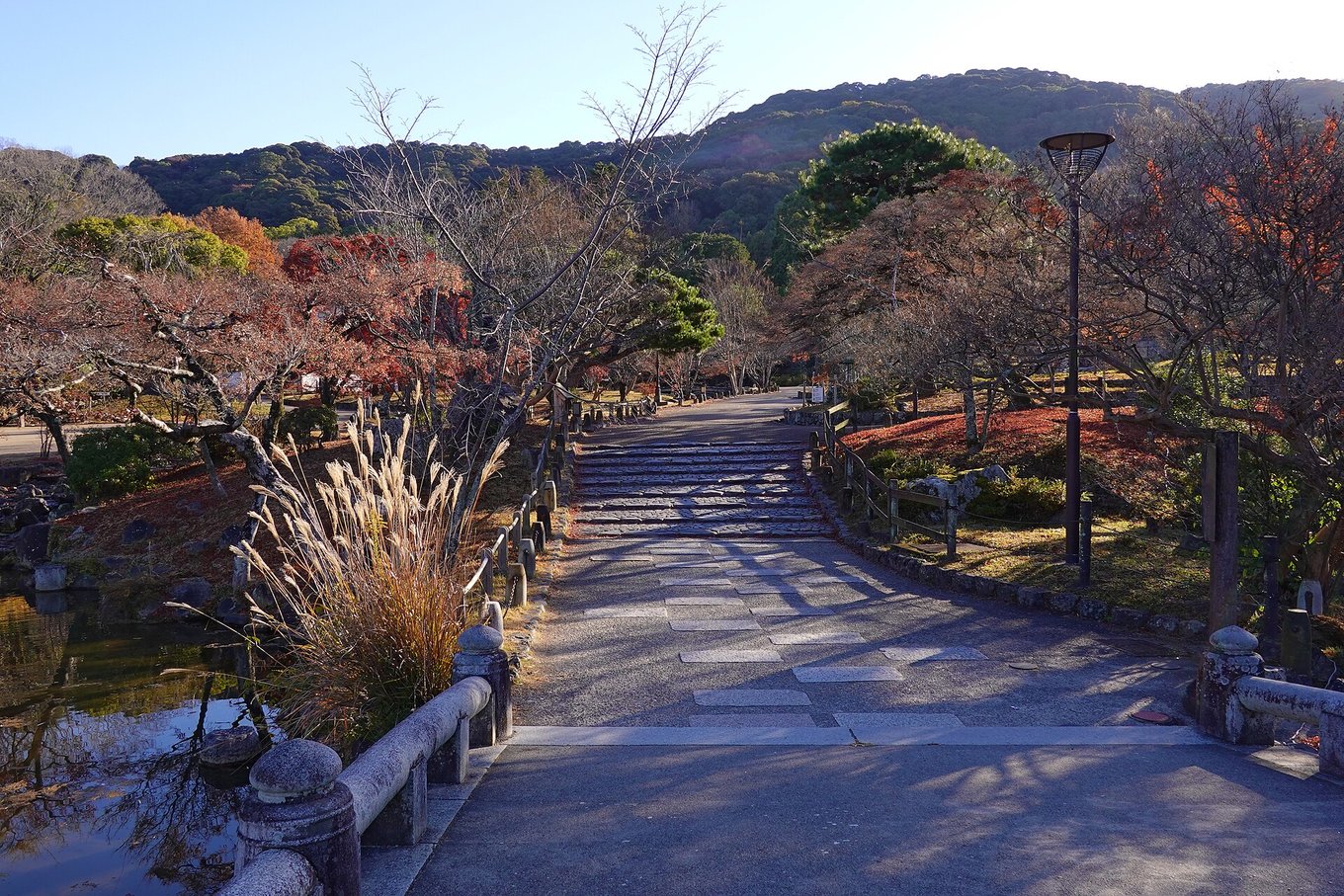
Kyoto is famous for its temples, but the green space around them is half the reason people fall for the city. You get carefully planned gardens that have been raked and pruned for centuries, and then, a 20-minute train ride away, actual mountains with cedar forests and hiking trails. Very few cities let you switch between the two that easily.
This guide covers the best Kyoto nature spots by category, so you can pick what suits your trip: gardens and parks for slow mornings, riverside spots for picnics and people-watching, and mountain escapes for anyone who wants to walk off the matcha.
Kyoto nature spots at a glance
Spot | Best for | Best season | Area |
|---|---|---|---|
Arashiyama Bamboo Forest | Photos, easy walking | Year-round; early morning | Arashiyama (west) |
Kyoto Botanical Gardens | Families, seasonal flowers | Spring and autumn | Kitayama (north) |
Kamo River | Picnics, sunset strolls | Spring to early autumn | City center |
Maruyama Park | Cherry blossoms, food stalls | Late March to early April | Higashiyama |
Philosopher's Path | Slow walks, canal views | Spring and autumn | Northern Higashiyama |
Kinkaku-ji gardens | Classic garden design | Autumn and winter | Northwest Kyoto |
Ryoan-ji and Zen gardens | Quiet, contemplation | Year-round | Northwest Kyoto |
Kurama to Kibune trail | Hiking, forest air | Autumn | Northern mountains |
Mount Inari trail | Sunrise hikes, city views | Year-round | Southern Kyoto |
Gardens and parks in Kyoto
Arashiyama Bamboo Forest
Arashiyama Bamboo Forest
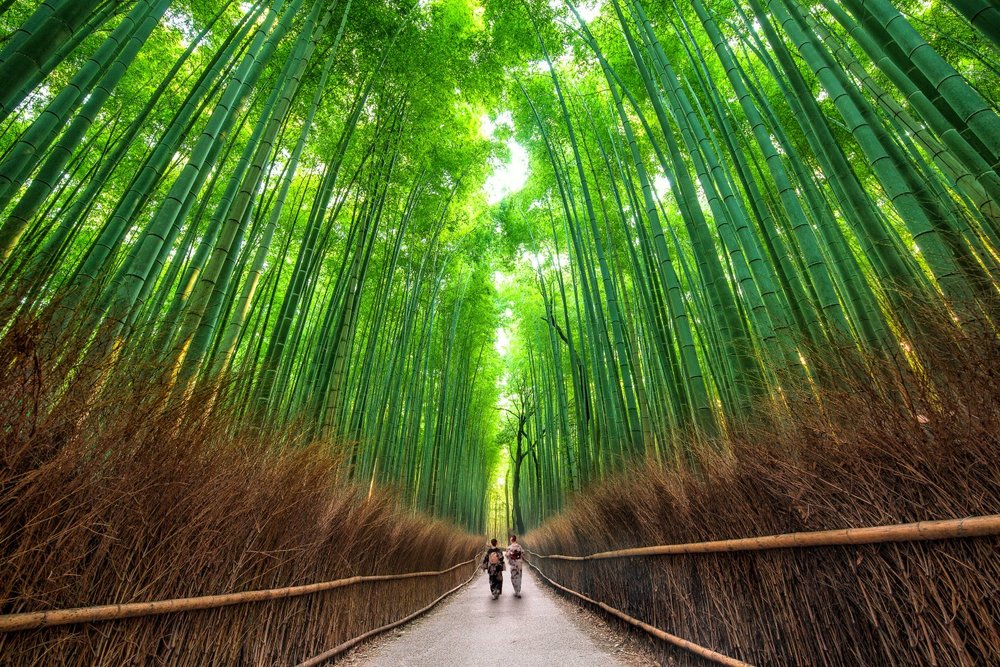
If you only have time for one of the Kyoto nature spots on this list, make it this one. The Arashiyama bamboo forest is a corridor of towering green stalks that creak and rattle in the wind, and the light filtering through them is unlike anywhere else in Japan. The main path is short, flat and completely free to walk.
The catch is crowds. By 9am the path is shoulder to shoulder, so aim to arrive before 7:30am or come back late afternoon. An early morning bamboo walk is the easiest way to see it quiet, since a small-group guide handles the timing and route for you.
- Address: Ukyo Ward, Kyoto, 616-8394
- How to get there: JR Saga-Arashiyama Station (15 min from Kyoto Station), then a 10-minute walk
Give yourself half a day for the wider district. The Arashiyama half-day nature tour pairs the grove with Togetsukyo Bridge and the Katsura River, which is where most of the area's best views actually are. It's a good option if you'd rather not work out bus routes on your own.
⚠️ Klook Tip: Walk the grove first, then double back for breakfast near Togetsukyo Bridge. Most cafés open around 8am, right as the path fills up.
Kyoto Botanical Gardens
Kyoto Botanical Gardens
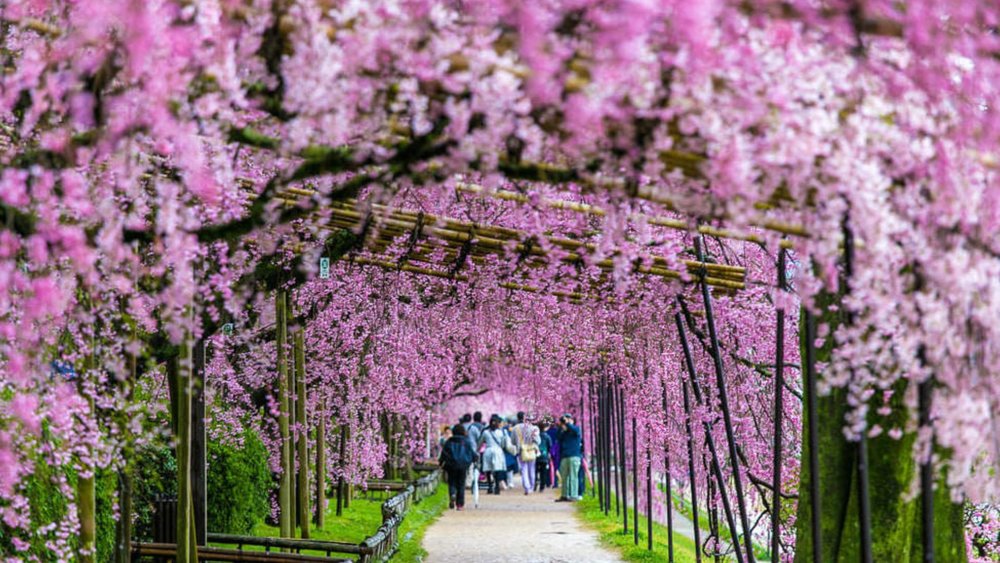
Kyoto Botanical Gardens, Japan's oldest public botanical garden opened in 1924 and still does the job better than most: around 12,000 plant species across 60 acres, with a big conservatory, a cherry grove and a rose garden. Entry is cheap, it rarely feels crowded, and there's plenty of lawn for kids to run around on.
It's one of the more underrated Kyoto gardens because it's north of the main sightseeing belt. Go in early April for the late-blooming cherry varieties, or November when the maple avenue turns.
- Address: Shimogamo Hangicho, Sakyo Ward, Kyoto, 606-0823
- How to get there: Kitayama Station on the Karasuma subway line, exit 3
Short on time? A botanical garden and Kinkaku-ji tour links the gardens with the Golden Pavilion and Fushimi Inari in one day, which saves a lot of backtracking across the city.
Maruyama Park
Maruyama Park Kyoto Japan | Image Credit: 663highland, CC BY-SA 4.0 via Wikimedia Commons
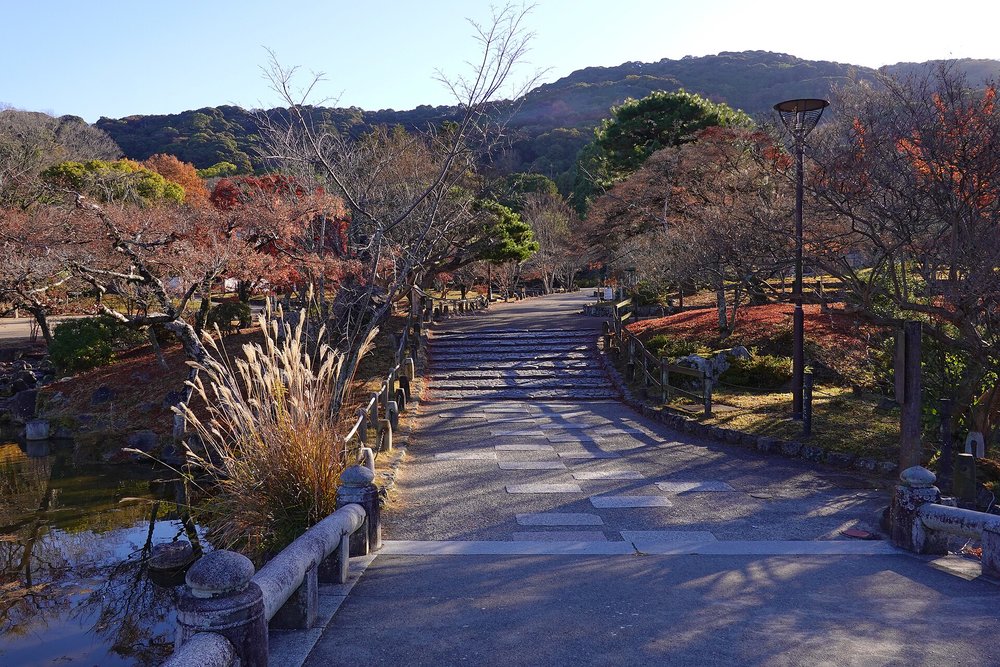
Maruyama is Kyoto's oldest public park and the city's unofficial hanami headquarters. Its centerpiece is a huge weeping cherry tree that gets lit up at night in spring, surrounded by food stalls selling takoyaki (grilled octopus balls) and grilled squid. It's loud, social and completely different from the quiet-garden version of Kyoto.
Outside blossom season it flips back to being a normal neighborhood park with ponds, teahouses and paths connecting straight into Yasaka Shrine and Kiyomizu-dera. That makes it a handy rest stop mid-sightseeing rather than a destination you plan a whole morning around.
- Address: 473 Maruyamacho, Higashiyama Ward, Kyoto, 605-0071
- How to get there: Gion-Shijo Station (Keihan line), 10-minute walk east
Kinkaku-ji and the Zen gardens
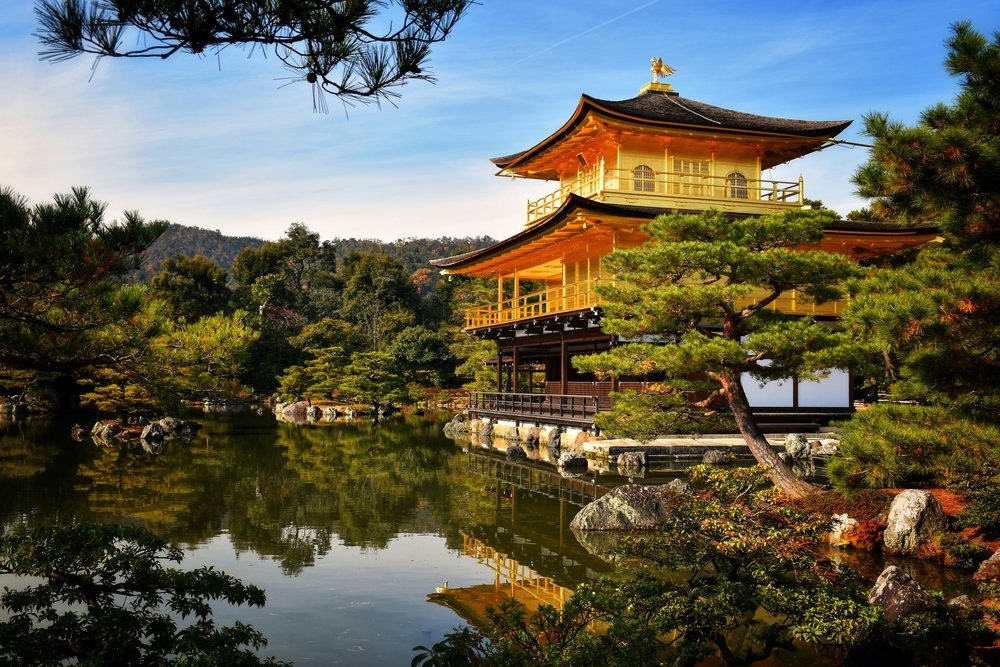
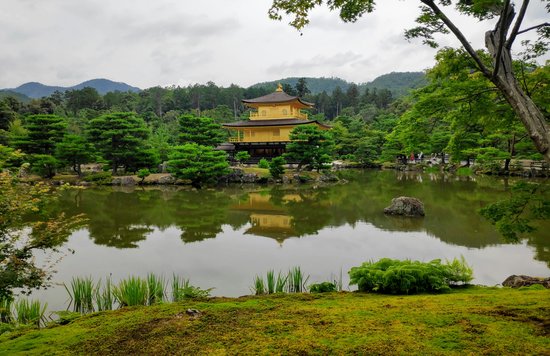
Kinkakuji| Image Credit: Photo by Jean Vella on Unsplash
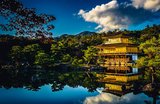
Kyoto invented a specific kind of nature: designed, edited and framed like a painting. Kinkaku-ji is the most photographed example, with the gold pavilion reflected in a pond that was laid out to represent the Buddhist Pure Land. A Kinkaku-ji garden tour with tickets skips the ticket line and explains what you're actually looking at.
For the opposite mood, the dry rock gardens at Ryoan-ji and Daitoku-ji use gravel, stone and moss instead of water and flowers. A Zen meditation garden tour includes a short seated session, which changes how you look at the rest of them.
Riverside and waterside spots in Kyoto
Kamo River
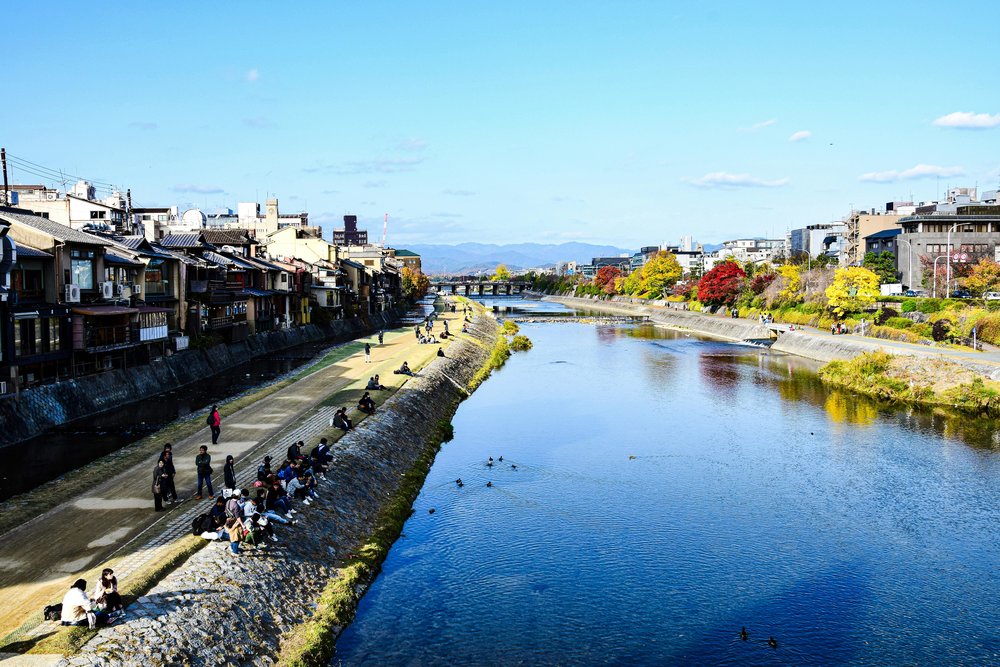
Go on a summer picnic along the Kamo River | Photo by AXP Photography on Pexels
The Kamo River runs straight through central Kyoto, and the grassy banks on either side are where locals actually spend their free time. People picnic, jog, practice instruments and sit in evenly spaced pairs along the water, which is a genuine Kyoto phenomenon worth seeing. It costs nothing and it's open all hours.
The stretch between Sanjo and Shijo bridges is the liveliest, especially in summer when Pontocho restaurants set up kawayuka riverside decks. Walk north toward the Demachiyanagi delta for a quieter version with stepping stones across the water.
- Address: Riverbanks run from Kamigamo south through central Kyoto
- How to get there: Any Keihan line station between Demachiyanagi and Shichijo
⚠️ Klook Tip: Grab bento from the Nishiki Market or a convenience store, then head to the west bank around 5pm. Sunset over the Higashiyama hills is the payoff.
Philosopher's Path
Philosopher’s Path is a two-kilometer canal path connects Ginkaku-ji to Nanzen-ji, lined with hundreds of cherry trees the whole way. It's named after a Kyoto University professor who walked it daily to think, and the pace still suits that: slow, flat, easy to break up with cafés and small temples.
Spring is the obvious time, but the path is arguably better in late November when the maples along the canal turn red and the crowds thin out. Allow about 45 minutes to walk it without stopping, or two hours if you detour into the temples.
- Address: Sakyo Ward, Kyoto, 606-8406
- How to get there: Bus 5 or 17 to Ginkakuji-michi, then walk south
Mountain and forest escapes in Kyoto
Kurama to Kibune trail
For real Kyoto scenic nature, head 30 minutes north into the mountains. The trail from Kurama over to Kibune takes around 90 minutes through cedar forest, past Kurama-dera temple and a section of exposed tree roots that's become the walk's signature image. It's a proper hike, but manageable in sneakers.
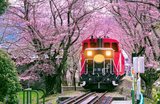
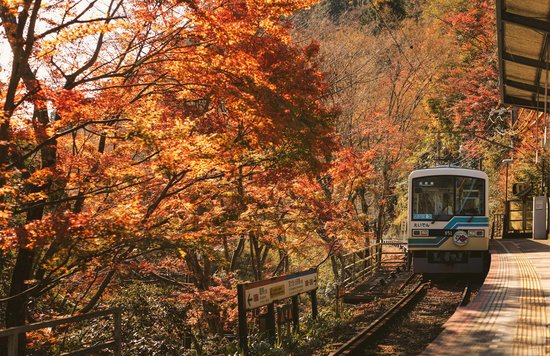
Finish in Kibune, where restaurants build platforms directly over the river in summer. There's an onsen at the Kurama end if you'd rather soak than eat. The Eizan Railway ride up is scenic on its own, particularly through the maple tunnel in autumn.
- Address: Kurama Honmachi, Sakyo Ward, Kyoto, 601-1111
- How to get there: Eizan Railway from Demachiyanagi to Kurama Station (30 min)
Mount Inari
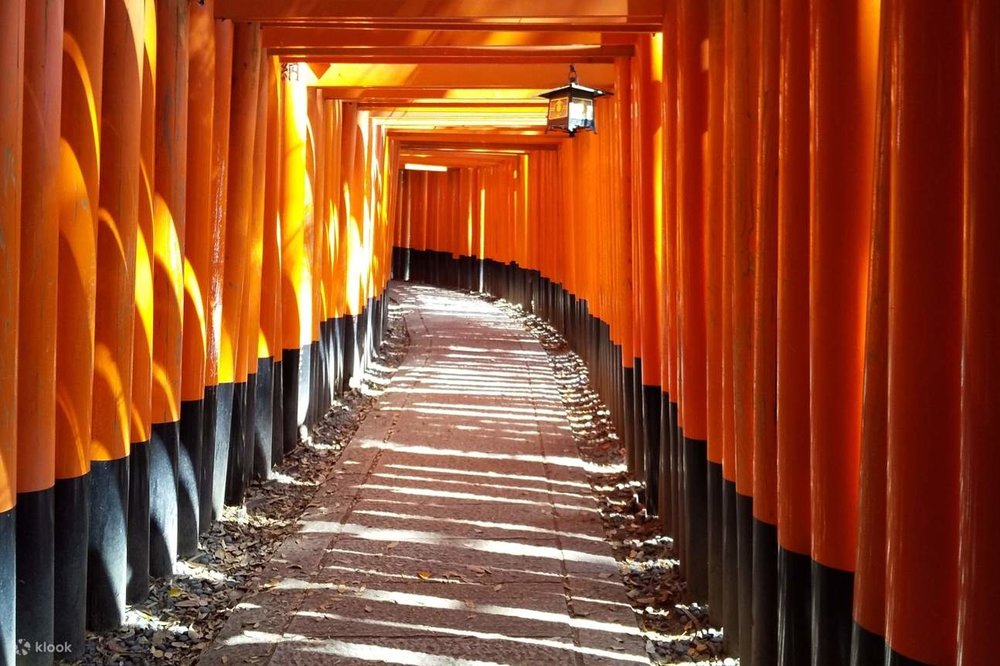
Fushimi Inari
Behind the famous torii gates at Fushimi Inari, a 4km loop climbs the mountain through bamboo, cedar and hundreds of smaller shrines. Most visitors turn back after the first 15 minutes, so the upper trail is quiet even in peak season. The Yotsutsuji viewpoint about halfway up gives you the best free city view in Kyoto.
Budget two hours round trip and bring water, as vending machines get pricier the higher you go. The gates are open 24 hours, which makes this the one spot on this list you can do at sunrise or after dinner.
- Address: 68 Fukakusa Yabunouchicho, Fushimi Ward, Kyoto, 612-0882
- How to get there: JR Inari Station, five minutes from Kyoto Station
When to visit Kyoto’s nature spots: cherry blossoms and autumn foliage
Kyoto's nature runs on a tight seasonal schedule, and a week either way changes what you see. Cherry blossom season usually peaks between late March and the first week of April. The best Kyoto cherry blossom parks are Maruyama Park for the atmosphere, the Philosopher's Path for the scenery and the Botanical Gardens for late-blooming varieties that extend the season by a week or so.
Kyoto autumn foliage peaks later than most of Japan, generally mid to late November into early December. Arashiyama, Kurama and the Philosopher's Path are the standouts, and temple night illuminations run through the second half of November. Summer is hot and humid but good for riverside dining, while winter brings the occasional snowfall that makes Kinkaku-ji genuinely spectacular.
FAQs about Kyoto nature spots
What are the best nature spots in Kyoto?
The Arashiyama bamboo forest, the Kamo River and the Kyoto Botanical Gardens cover the three main types of nature you'll find here: forest, waterside and cultivated garden. If you have time for a fourth, add a mountain walk like the Kurama to Kibune trail or the Mount Inari loop. Between them you'll get a good sense of how varied the landscape around the city is.
Is the Arashiyama Bamboo Forest worth visiting?
Yes, but the timing matters more than the place itself. Arrive before 7:30am and the path is quiet and genuinely atmospheric; arrive at 11am and it's a slow-moving queue. Pair it with the wider Arashiyama district, including Togetsukyo Bridge and the monkey park, so the trip out west is worth the travel time.
Where can you see cherry blossoms in Kyoto?
Maruyama Park is the classic choice, with its illuminated weeping cherry and food stalls. The Philosopher's Path, the Kamo River banks and the Botanical Gardens are all strong alternatives with more space to move. Peak bloom is usually late March to early April, though it shifts by up to a week each year.
What is the best park to visit in Kyoto?
Maruyama Park is the most central and most atmospheric, especially in spring. For families, the Kyoto Botanical Gardens is the better pick, with wide lawns, a conservatory and far more room for kids. Both are easy to reach on the subway or a short bus ride.
Where can you see autumn leaves in Kyoto?
Arashiyama, the Kurama to Kibune trail and the Philosopher's Path are the three most reliable spots for Kyoto autumn foliage. Temple gardens including Kinkaku-ji and Nanzen-ji also run evening illuminations in November. Peak color arrives mid to late November, later than Tokyo or the Japanese Alps.
Are there riverside spots for relaxing in Kyoto?
The Kamo River is the main one, with grassy banks running through the center of the city that are free and open all day. The stretch between Sanjo and Shijo bridges is best for people-watching, while the Demachiyanagi delta up north is quieter. The Katsura River in Arashiyama is the other good option, with rowboat rentals in warmer months.
What is the best time of year to enjoy Kyoto's nature?
Late March to early April for cherry blossoms and mid to late November for autumn foliage are the two peak windows. May and early October are quieter alternatives with comfortable weather and much smaller crowds. Summer is hot and humid, though the riverside dining season makes up for a lot.
Related Articles

What is Klook?
Klook is a leading pan-regional experiences platform in Asia Pacific, purpose built to digitalize experiences and make them accessible to every traveler.
Our mission is to build the digital infrastructure for the global experience economy — empowering merchants to share their passions and travelers to discover the heartbeat of each destination. We operate a mobile-first, curated platform featuring diverse experiences across global destinations.