There are more free things to do in Tokyo than you might expect: the main hall at Senso-ji, an observatory 202 meters (663 feet) above the ground at the Tokyo Metropolitan Government Building, the lanes of Tsukiji Outer Market, and none of them need an entry ticket. String them together and you can save your budget for food and shopping.
This guide covers 10 places with no entry fee: Senso-ji, Meiji Jingu, the Tokyo Metropolitan Government Building observatories, Shibuya Crossing, the Imperial Palace East Gardens, Ueno Park, Tsukiji Outer Market, the KITTE rooftop garden, Odaiba Seaside Park and Yanaka Ginza. They cover temples and shrines, night views, parks and neighborhood streets. Do note that some areas inside these sites, such as the inner garden at Meiji Jingu or the zoo and museums in Ueno Park, charge separately. Each section below has the details.
The 10 spots are spread across northeast, central and west Tokyo. If your trip is short, group two or three spots in the same area into one day to save on travel time. There’s also a route table by area near the end.
Free Tokyo attractions at a glance
The table below lists the area, what’s free and a summary of opening hours for each of the 10 free attractions in Tokyo.
Attraction | Area | What’s free | Opening hours (summary) |
|---|
Senso-ji | Asakusa | Grounds and main hall | Grounds open all day; main hall 6:00am or 6:30am to 5:00pm |
Meiji Jingu | Harajuku, Yoyogi | Shrine and forest path | Sunrise to sunset, varies by month |
Tokyo Metropolitan Government Building observatories | Shinjuku | North and South observatories on the 45th floor | South to 10:00pm; North to 5:30pm |
Shibuya Crossing | Shibuya | The crossing and Hachiko statue | All day |
Imperial Palace East Gardens | Otemachi, Tokyo Station | Gardens and castle keep base | Opens 9:00am, closing time varies by season; closed Mondays and Fridays |
Ueno Park | Ueno | Park and Shinobazu Pond | 5:00am-11:00pm |
Tsukiji Outer Market | Tsukiji | Market lanes | About 8:00am-2:00pm; most shops closed Wednesdays and Sundays |
KITTE rooftop garden | Tokyo Station | 6th-floor rooftop garden | Check the official notice; may close in bad weather |
Odaiba Seaside Park | Odaiba | Waterfront promenade and Statue of Liberty replica | All day |
Yanaka Ginza | Nippori, Yanaka | Shopping street and Sunset Steps | Varies by shop |
Senso-ji: Kaminarimon lantern and Nakamise-dori
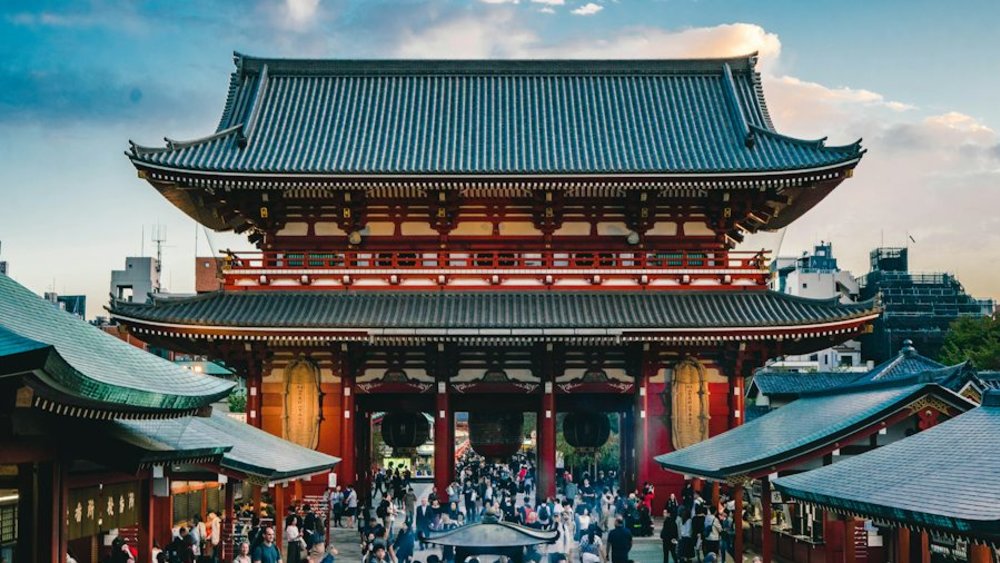
Senso-ji’s Kaminarimon (“Thunder Gate”) is hung with a huge red lantern and flanked by statues of the wind god and thunder god. Walk through and you reach Nakamise-dori, a shopping street about 250 meters (820 feet) long. The temple is said to have been founded in 628, when two fishermen pulled a statue of Kannon (the goddess of mercy) out of the Sumida River and began to worship it. The temple was destroyed during the World War II, and today’s red buildings were rebuilt afterwards.
In front of the main hall there is an incense burner, and visitors fan the smoke toward any part of the body that aches, as it is believed to help with healing. Drawing a fortune slip (omikuji) is part of the visit too. According to the temple’s official explanation, Senso-ji has kept the style of the ancient fortunes, so a “bad luck” slip is not rare, and there’s no need to worry if you draw one.
After sunset, the five-story pagoda and main hall are lit up until around 11:00pm, and the mood is very different from daytime. If you’d like to wear a kimono around Asakusa, you can book a rental nearby.
Address: 2-3-1 Asakusa, Taito City, Tokyo
Getting there: About 5 minutes on foot from Asakusa Station (Tokyo Metro Ginza Line, Toei Asakusa Line, Tobu Line or Tsukuba Express)
Opening hours: Grounds open all day; main hall 6:00am-5:00pm in April to September, 6:30am-5:00pm in October to March
Admission: Free
Suggested time: About 1.5 to 2 hours
Klook Tip: Kaminarimon and Nakamise-dori are crowded in the daytime. For clearer photos, go early in the morning once the main hall opens.
Meiji Jingu: forest path and main shrine
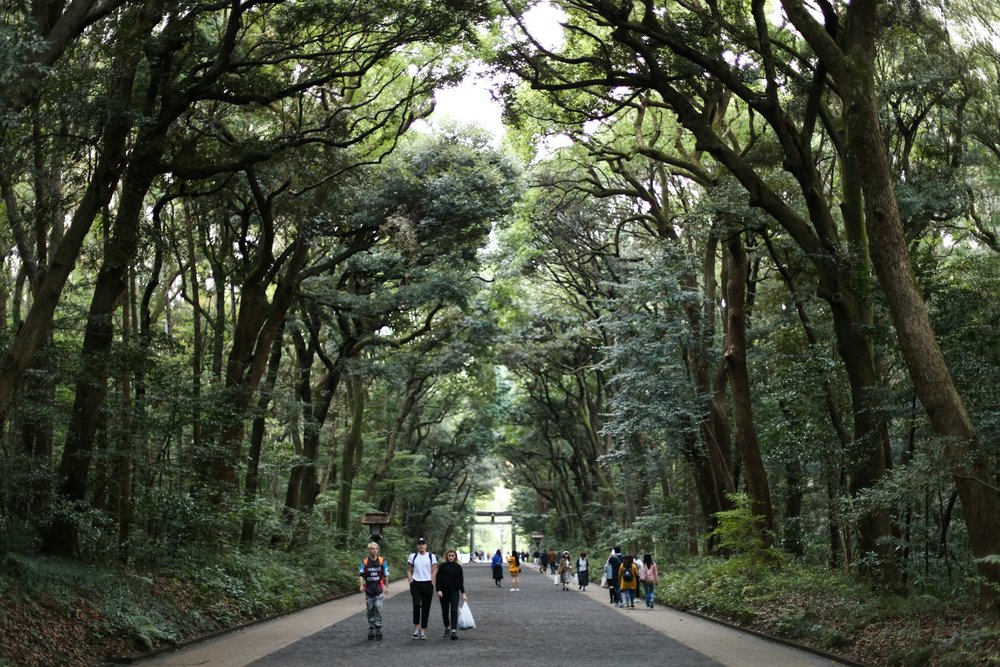
Both sides of the approach to Meiji Jingu are lined with evergreen forest, with more than 100,000 trees donated from across Japan and planted by young volunteers. The shrine was built in 1920 and is dedicated to Emperor Meiji and Empress Shoken.
From Harajuku Station, follow the forest path to the shrine entrance. It takes about 10 minutes to walk from each entrance to the main shrine building, and 1 to 2 hours is usually enough for a visit. The inner garden (Meiji Jingu Gyoen), which has a tea house, a pond and Kiyomasa’s Well, charges an entry fee, while visiting the shrine itself is free.
If you’re visiting in November, the ginkgo trees at Meiji Jingu Gaien are also worth a stop. See
Tokyo in November for dates and transport.
Address: 1-1 Yoyogikamizonocho, Shibuya City, Tokyo
Getting there: JR Yamanote Line to Harajuku Station, or Tokyo Metro Chiyoda Line to Meiji-jingumae Station; about 10 minutes on foot from the Harajuku entrance to the main shrine building
Opening hours: Opens at sunrise and closes at sunset, with times changing each month
Admission: Free (inner garden charges a fee)
Suggested time: About 1 to 2 hours
Klook Tip: Meiji Jingu opens at sunrise and closes at sunset. Sunset comes earlier in winter, so aim to arrive in the early afternoon.
Tokyo Metropolitan Government Building: free views from 202 meters (663 feet)
The 45th floor of the Tokyo Metropolitan Government Building No. 1 has two observatories, north and south, 202 meters (663 feet) above the ground. Entry is free.
On a clear day you can see Tokyo Skytree and Tokyo Bay, and sometimes even Mount Fuji. According to official information, the clearest views come on fall and winter mornings, when the air is cleaner and there is less haze. There’s a café and a souvenir shop in the observatory if you need a rest.
Before heading up, you can browse the tourist information center and gift shop on the 1st floor. On the 2nd floor, a giant
kumade (decorative rake) hangs in the center; it’s a good-luck charm that has been sold at the
Tori-no-ichi festivals since the Edo period. After sunset, the building’s facade also hosts a free projection mapping show, TOKYO Night & Light. To pair the night view with other landmarks in one day, see
12 Tokyo landmarks.
Address: 2-8-1 Nishi-Shinjuku, Shinjuku City, Tokyo
Getting there: Right outside Tochomae Station (Toei Oedo Line), or about 10 minutes on foot from JR Shinjuku Station
Opening hours: South Observatory 9:30am-10:00pm (last entry 9:30pm); North Observatory 9:30am-5:30pm (last entry 5:00pm). The South Observatory is closed on the 1st and 3rd Tuesday of each month, and the North Observatory on the 2nd and 4th Monday. Both close over the year-end and New Year holidays and on facility inspection days
Admission: Free
Suggested time: About 1 hour
Klook Tip: In November to February, go in the morning after opening for clearer views.
Shibuya Crossing: the crowd when the lights turn green
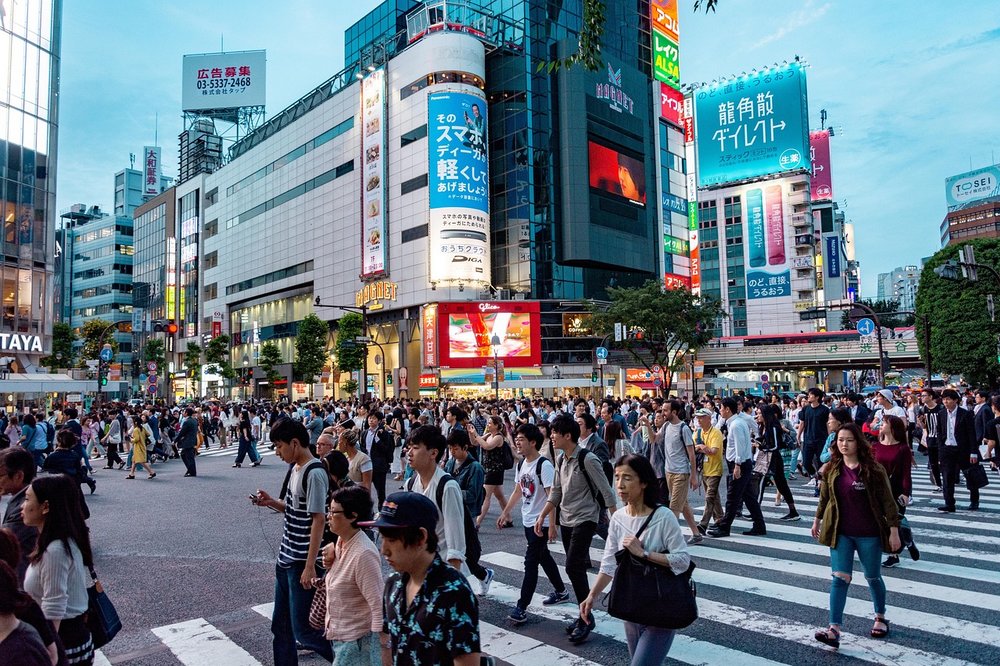
Shibuya Crossing (also known as Shibuya Scramble Crossing) is just outside the Hachiko Exit of Shibuya Station. Up to around 3,000 people cross at once when the lights turn green, and it’s one of Tokyo’s best-known landmarks. Giant screens and billboards play non-stop around the crossing, giving it a different feel by day and by night.
The bronze statue of Hachiko, the loyal dog, in front of the station is another popular meeting spot. Hachiko used to walk with his owner, Professor Hidesaburo Ueno, to Shibuya Station every day. After the professor passed away in 1925, the dog kept waiting at the station for nearly ten years. The story was retold in the 2009 US film Hachi: A Dog's Tale, starring Richard Gere.
To look over the crossing for free, head up to the Shibuya Mark City walkway, which sits between the JR Yamanote Line and Keio Inokashira Line exits. It has glass walls on both sides and a lower viewpoint. Please don’t block pedestrians when taking photos. For a higher view, you’ll need a ticket for the SHIBUYA SKY observation deck, which stands 229 meters (751 feet) tall.
Address: Outside the Hachiko Exit, Shibuya Station (Shibuya Station Crossing)
Getting there: Shibuya Station (JR Yamanote Line, Tokyo Metro, Tokyu lines and Keio Inokashira Line)
Opening hours: All day
Admission: Free
Suggested time: About 30 minutes to 1 hour
Imperial Palace East Gardens: Edo Castle’s main compound and keep base
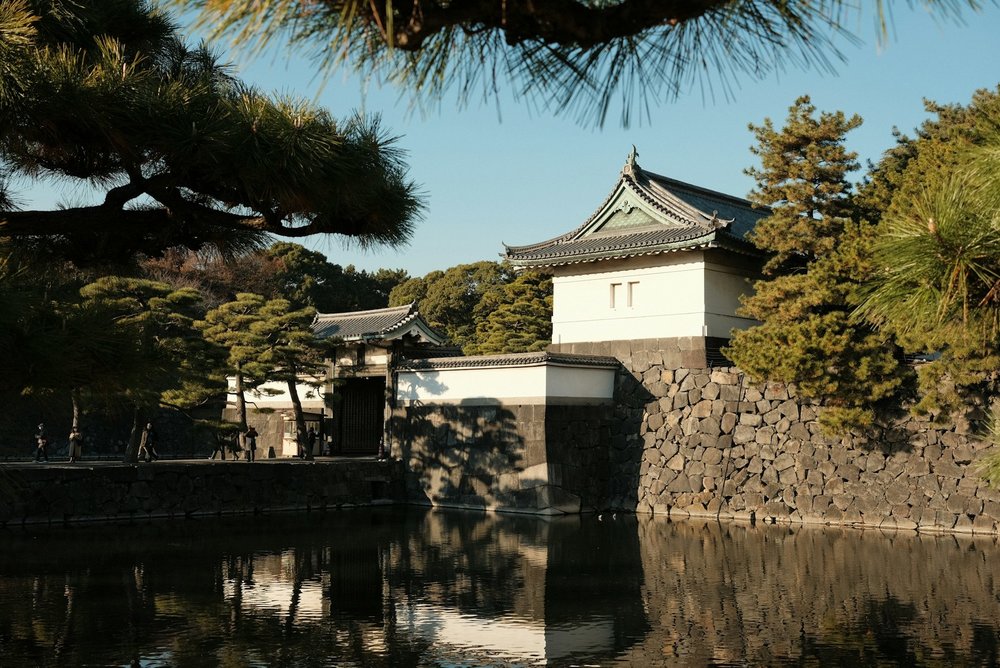
The Imperial Palace East Gardens are part of the former Edo Castle’s main, second and third compounds. They’re now open as gardens, with free entry and no reservation needed. The tenshudai, the stone base that once supported the castle keep, is about 11 meters (36 feet) high, and you can climb it for a view across the grounds.
Besides the tenshudai, the grounds keep historic structures such as Fujimi-yagura (a turret) and three guardhouses (bansho). The Ninomaru Garden is a restoration based on plans from the era of the ninth shogun, Tokugawa Ieshige. If you’d like to walk around the palace’s outer edge, the Imperial Palace Outer Garden is open all day and also free, though entry may be restricted during national ceremonies.
Closing times at the East Gardens change with the seasons, and are earlier in November to February than in summer. Check out
best time to visit Tokyo when planning your trip.
Address: 1-1 Chiyoda, Chiyoda City, Tokyo
Getting there: About 5 minutes on foot from Otemachi Station (Tokyo Metro or Toei Subway), or about 5 minutes on foot from Takebashi Station (Tokyo Metro Tozai Line)
Opening hours: March 1 to April 14 and September: 9:00am-5:00pm (last entry 4:30pm); April 15 to August: 9:00am-6:00pm (last entry 5:30pm); October: 9:00am-4:30pm (last entry 4:00pm); November to February: 9:00am-4:00pm (last entry 3:30pm). Closed on Mondays and Fridays, and on December 28 to January 3. Check the official notice
Admission: Free
Suggested time: About 1 to 1.5 hours
Ueno Park: Shinobazu Pond and the cherry blossom avenue
Ueno Park covers about 131 acres (530,000 square meters) and is home to Shinobazu Pond, several museums and Ueno Zoo, which opened in 1882. The park itself is free to enter, while the zoo and museums charge separately.
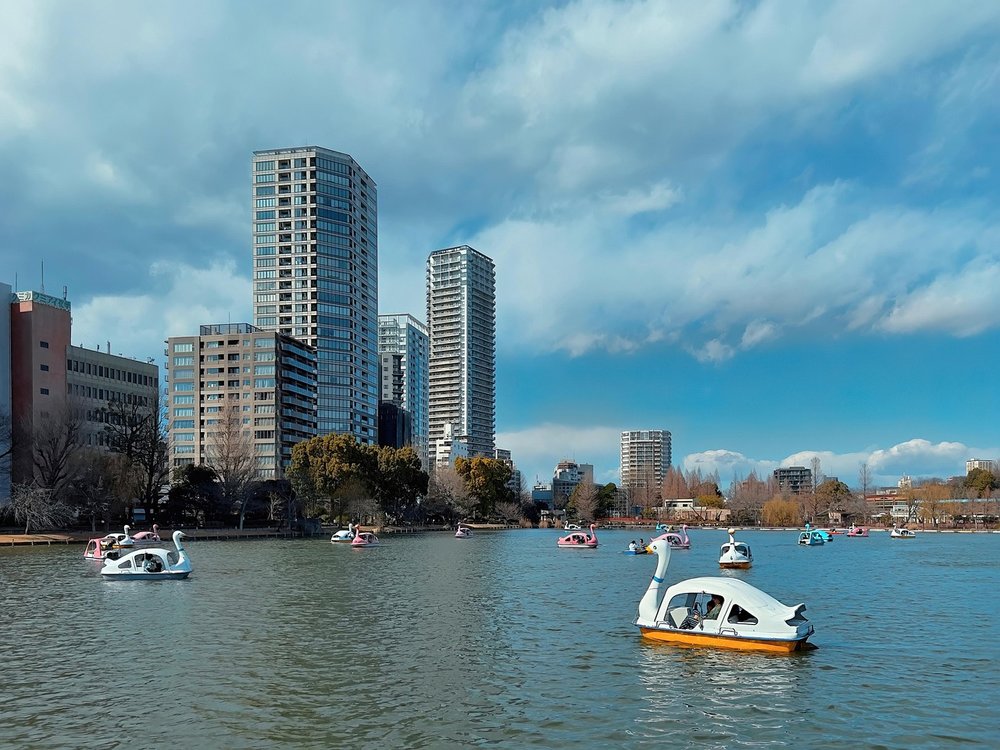
Shinobazu Pond has three sections: the boat pond, where you can rent boats, the lotus pond, covered in lotus leaves, and the cormorant pond, home to cormorants. Cherry blossom season runs late March to early April, with more than 800 Somei Yoshino cherry trees along the central path. Washington, DC's cherry trees, a gift from Tokyo in 1912, are mostly this same variety. There’s also a statue of Saigo Takamori in the park.
Ueno and Asakusa are both on the Tokyo Metro Ginza Line, so if you’re planning two stops in one day, consider a
Tokyo subway ticket.
Address: 5-20 Uenokoen, Taito City, Tokyo
Getting there: About 2 minutes on foot from the Park Exit of JR Ueno Station
Opening hours: 5:00am-11:00pm
Admission: Free (zoo and museums charge separately)
Suggested time: About 1.5 to 2 hours
Tsukiji Outer Market: tamagoyaki, seafood and lane-side shops
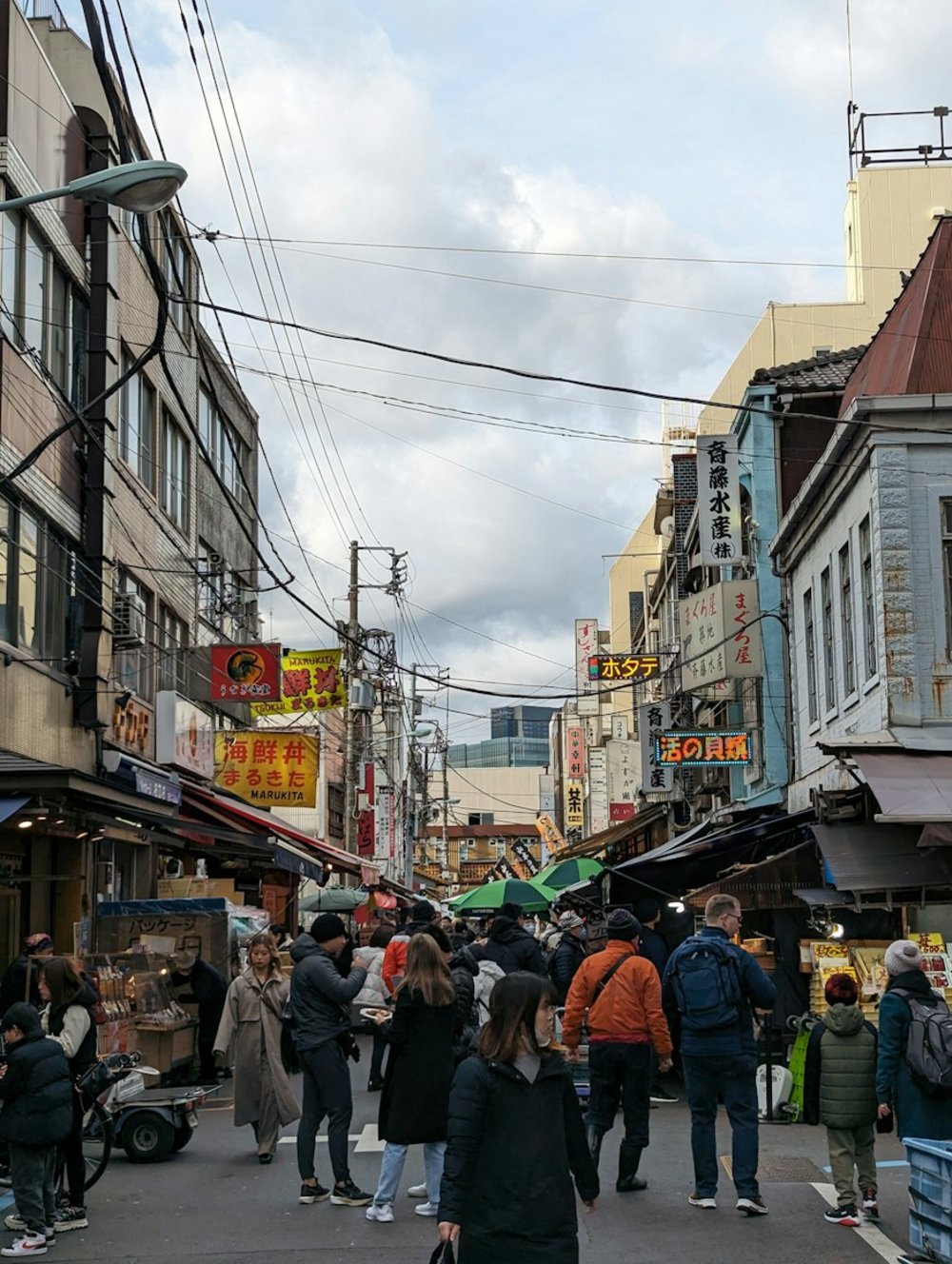
Tsukiji Outer Market has about 460 shops: seafood sellers, shops for seasonings and kitchenware, and stalls selling tamagoyaki (Japanese rolled omelette) and kaisendon (seafood rice bowls), one after another along the lanes. The fish market moved to Toyosu in 2018, but the outer market still operates on its original site. Browsing is free; you only pay for what you eat and buy.
Tsukiji Uogashi is made up of two buildings. The 1st floor is the market area, and the Uogashi Shokudo food hall on the 3rd floor opens from 7:00am. It’s set further back, with fewer people than the main street. To add Tsukiji seafood to your Tokyo food list, see
what to eat in Tokyo.
The market is busiest around 9:00am to 1:00pm, and most shops close before evening. It’s closed on Wednesdays, Sundays and national holidays, and many shops shut on those days. Although cashless payment is becoming more common in Tokyo, many shops at Tsukiji Outer Market still take cash only, so bring enough yen. Tipping isn’t expected in Japan, so there’s no need to add extra when you pay.
Address: 4-16-2 Tsukiji, Chuo City, Tokyo
Getting there: About 1 minute on foot from Tsukiji Station (Tokyo Metro Hibiya Line) or Tsukijishijo Station (Toei Oedo Line)
Opening hours: About 8:00am-2:00pm, varies by shop; most shops closed on Wednesdays, Sundays and national holidays
Admission: Free (shopping and food at your own cost)
Suggested time: About 1.5 to 2 hours
Klook Tip: When the main street is packed, head to the Uogashi Shokudo food hall on the 3rd floor of Tsukiji Uogashi. It opens at 7:00am.
KITTE rooftop garden: head-on view of Tokyo Station’s Marunouchi building
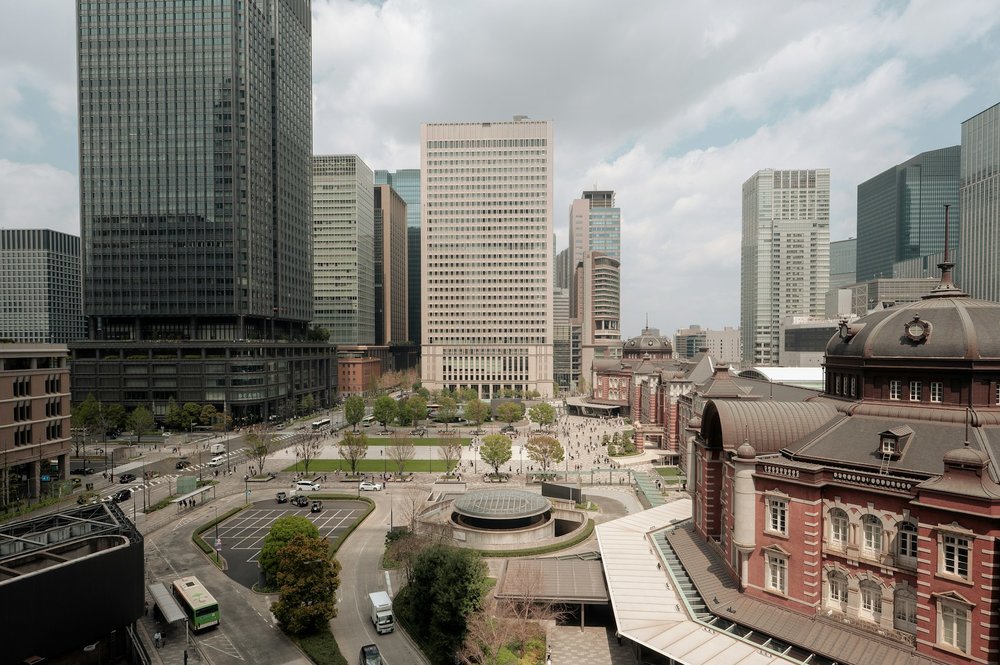
The KITTE rooftop garden is on the 6th floor of KITTE Marunouchi, facing the Tokyo Station Marunouchi building head-on, and entry is free. KITTE is a shopping complex run by Japan Post, about a 1-minute walk from the Marunouchi South Exit of Tokyo Station, and you can also reach it directly through the underground passage from the Tokyo Metro Marunouchi Line.
Inside the complex there’s also a free museum, INTERMEDIATHEQUE, run by Japan Post together with the University Museum of the University of Tokyo. On the 4th floor, part of the former Tokyo Central Post Office director’s room has been recreated.
The rooftop garden is outdoors and may close in bad weather, so check the official notice before you go. Opening hours differ by floor, and free Wi-Fi isn’t provided.
Address: 2-7-2 Marunouchi, Chiyoda City, Tokyo
Getting there: About 1 minute on foot from the Marunouchi South Exit of JR Tokyo Station, or directly through the underground passage from the Tokyo Metro Marunouchi Line
Opening hours: Varies by floor; check the official notice for the rooftop garden
Admission: Free
Suggested time: About 30 minutes to 1 hour
Odaiba Seaside Park: Rainbow Bridge and the Statue of Liberty
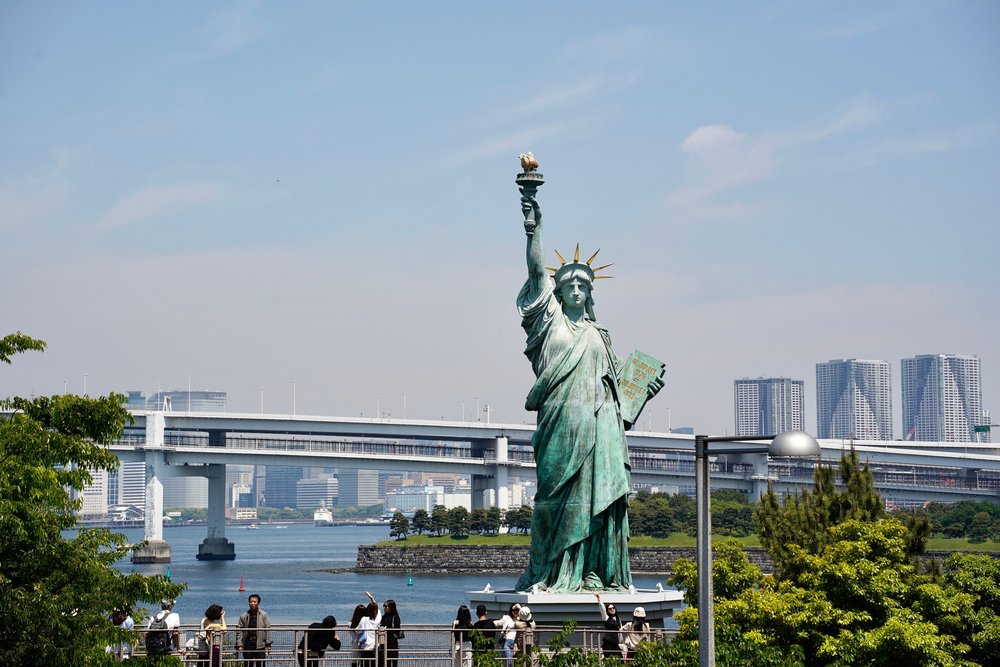
Odaiba Seaside Park faces Tokyo Bay, with Rainbow Bridge across the water and a 12.5-meter (41-foot) replica of the Statue of Liberty in the park. The statue was put up in April 1998 to mark the Japan-France Year events held that year.
There’s no entry gate at Odaiba Seaside Park, so you can walk in at any time. Rainbow Bridge lights up at night, and it’s the most common night view in the park. The park’s official information lists Wi-Fi service, which is handy for checking maps or making bookings.
For another angle on Odaiba, you can take a yakatabune (traditional Japanese houseboat) cruise on the Sumida River and Tokyo Bay.
Address: 1-4 Daiba, Minato City, Tokyo
Getting there: About 5 minutes on foot from Odaiba-kaihinkoen Station (Yurikamome Line)
Opening hours: Open all day
Admission: Free
Suggested time: About 1 to 1.5 hours
Klook Tip: Go in the early evening so you can watch the sunset first, then wait for Rainbow Bridge to light up.
Yanaka Ginza: Sunset Steps and old-town shops
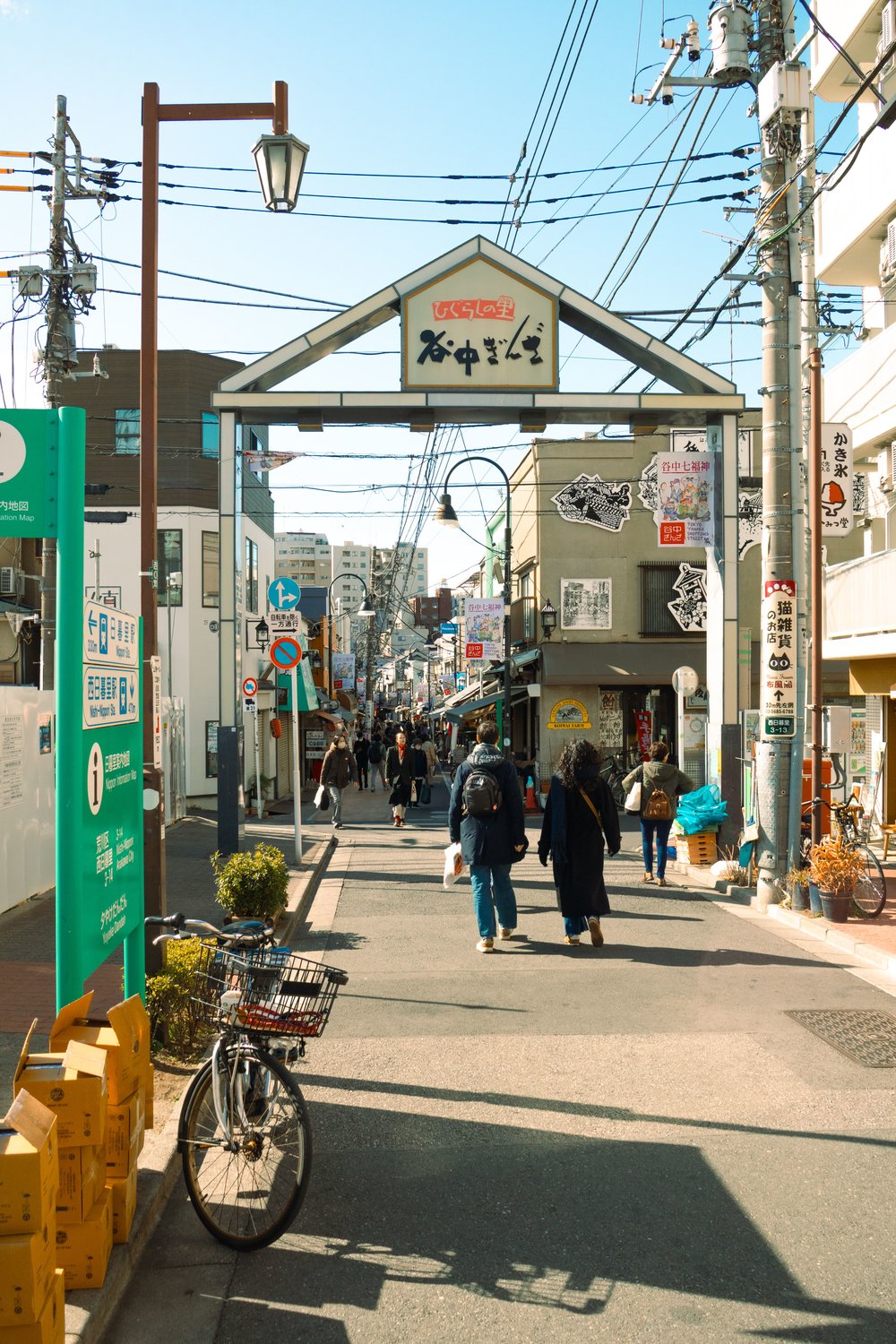
Yanaka Ginza is a shopping street about 170 meters (558 feet) long near Nippori Station, with around 60 shops. It formed naturally around Showa 20 (1945). You’ll find butchers, produce sellers, fishmongers and electronics shops, as well as a doughnut shop and general stores that are popular with visitors.
From JR Nippori Station, walk up Gotenzaka alongside Yanaka Cemetery to find the steps known as Yuyake Dandan (Sunset Steps), a popular spot for watching the sunset. Walk down the steps and you reach the entrance of Yanaka Ginza. Yanaka Cemetery is a well-known cherry blossom spot, so in spring you can see the blossoms along the same route.
Browsing is free; you only pay for snacks and souvenirs. Opening hours differ by shop, and an afternoon visit gives you more choice.
Address: 3-13-1 Yanaka, Taito City, Tokyo (Yanaka Ginza Shopping Street Promotion Association)
Getting there: A few minutes on foot from Nippori Station (JR Yamanote Line)
Opening hours: Varies by shop
Admission: Free (shopping and food at your own cost)
Suggested time: About 1 to 1.5 hours
Route table for free things to do in Tokyo by area
By area, the 10 free attractions in Tokyo fall into three routes, with Odaiba best planned on its own.
Route | Order of stops | Planning notes |
|---|
Northeast | Senso-ji, Ueno Park, Yanaka Ginza | Asakusa and Ueno are on the same Ginza Line; change to the JR Yamanote Line at Nippori |
Central | Tsukiji Outer Market, Imperial Palace East Gardens, KITTE rooftop garden | Visit Tsukiji in the morning; the East Gardens close around 4:00pm in winter; check KITTE rooftop garden’s opening on the day before you go |
West | Meiji Jingu, Shibuya Crossing, Tokyo Metropolitan Government Building | Meiji Jingu closes at sunset, so go first in winter, then take the JR Yamanote Line to Shibuya and Shinjuku for the night views |
Stand-alone | Odaiba Seaside Park | Built around sunset and the Rainbow Bridge lighting, so go in the early evening |
FAQs about free things to do in Tokyo
What are the free things to do in Tokyo?
Free things to do in Tokyo include Senso-ji, Meiji Jingu, the Tokyo Metropolitan Government Building observatories, Shibuya Crossing, the Imperial Palace East Gardens, Ueno Park, Tsukiji Outer Market, the KITTE rooftop garden, Odaiba Seaside Park and Yanaka Ginza. None of them charge an entry fee, though some areas inside, such as the inner garden at Meiji Jingu, the zoo or museums, charge separately.
Are there free observation decks in Tokyo?
The Tokyo Metropolitan Government Building observatories are the best free option for night views. They’re on the 45th floor, 202 meters (663 feet) above the ground, and the South Observatory is open until 10:00pm. The KITTE rooftop garden is on the 6th floor and gives a head-on view of the Tokyo Station Marunouchi building. To look over Shibuya Crossing for free, head up to the Shibuya Mark City walkway.
What time does the Tokyo Metropolitan Government Building observatory close?
The South Observatory is open until 10:00pm, with last entry at 9:30pm, and the North Observatory is open until 5:30pm, with last entry at 5:00pm. The South Observatory is closed on the 1st and 3rd Tuesday of each month, and the North Observatory on the 2nd and 4th Monday. Both also close over the year-end and New Year holidays and on facility inspection days, so check the official notice before you go.
Do I need a reservation for the Imperial Palace East Gardens?
No reservation is needed and entry is free. The gardens are closed on Mondays and Fridays, and on December 28 to January 3. Opening hours change with the seasons, and in November to February the gardens are open until only 4:00pm.
What’s the best time to visit Tsukiji Outer Market?
Tsukiji Outer Market is busiest around 9:00am to 1:00pm, and most shops close before evening. Many shops are closed on Wednesdays, Sundays and national holidays. To avoid the crowds on the main street, eat at the Uogashi Shokudo food hall on the 3rd floor of Tsukiji Uogashi.
Is there free WiFi in Tokyo?
Yes. Tokyo has TOKYO FREE Wi-Fi, provided by the Tokyo Metropolitan Government, which is free to use at locations with a green sticker. On first use you need to verify with a Google, Apple or LINE account and install a profile, after which your phone connects automatically at supported hotspots. The official information for Tsukiji Outer Market and Odaiba Seaside Park lists Wi-Fi service, while KITTE says it doesn’t provide free Wi-Fi. For a stable connection throughout your trip, you can book a
Japan eSIM before you leave. Check that your phone supports eSIM before buying.
What should I watch out for when visiting free attractions in Tokyo in winter?
In winter, make the most of daylight hours. The Imperial Palace East Gardens are open only until 4:00pm in November to February, and Meiji Jingu closes at sunset, which comes earlier in winter. Plan these two in the daytime and save the Tokyo Metropolitan Government Building for the evening. Its views are clearer in fall and winter, which makes it a good night view for the season.
What’s the easiest way to get between free attractions in Tokyo?
Most of the free attractions in Tokyo can be linked by the Tokyo Metro and the JR Yamanote Line. Senso-ji and Ueno Park are both on the Ginza Line, and Nippori, Ueno, Tokyo, Harajuku, Shibuya and Shinjuku are all JR Yamanote Line stations. With a
Suica card, you can just tap in and out and skip buying a ticket for each journey.
Where can I look over Shibuya Crossing for free?
You can look over Shibuya Crossing for free from the Shibuya Mark City walkway, which sits between the JR Yamanote Line and Keio Inokashira Line exits and has glass walls on both sides. For a higher view, you’ll need a ticket for the SHIBUYA SKY observation deck, which stands 229 meters (751 feet) tall.
How can I plan these 10 free attractions in a 3-day, 2-night Tokyo trip?
For a 3-day, 2-night trip, follow the route table by area and cover one area each day: the northeast route on day 1, the central route on day 2 and the west route on day 3, with Odaiba Seaside Park in the early evening of one of those days. If your trip is shorter, start with Senso-ji, the Tokyo Metropolitan Government Building observatories and Shibuya Crossing, which are the three easiest to reach.
These 10 free things to do in Tokyo cover shrines, observation decks, parks and neighborhoods, so you can fill your days even on a tight budget. Before you go, check each site’s official notice again, especially for closing days and winter closing times.
More Tokyo travel guides
What is Klook?
Klook is a leading pan-regional experiences platform in Asia Pacific, purpose built to digitalize experiences and make them accessible to every traveler.
Our mission is to build the digital infrastructure for the global experience economy — empowering merchants to share their passions and travelers to discover the heartbeat of each destination. We operate a mobile-first, curated platform featuring diverse experiences across global destinations.