How cold is Tokyo in January, and is it worth visiting? Yes. January is when Tokyo's New Year atmosphere is at its strongest, with hatsumode (the first shrine visit of the year), the Hakone Ekiden relay race and the Grand Sumo New Year Tournament all happening this month. Add low rainfall and plenty of sunny days, and Tokyo in January is a great time to travel.
Tokyo weather in January is cold but dry. According to the Japan Meteorological Agency's long-term averages, the monthly average temperature is about 5.4°C. In January 2025, the high was about 11.6°C and the low about 2.6°C. Snow falls now and then but rarely settles, so it seldom affects travel plans.
Tokyo is about 7 hours from Singapore on a direct flight, and Japan is 1 hour ahead of Singapore time.
There's no major flower season in Tokyo in January. The 10 things to do in Tokyo in January below focus on New Year shrine and temple traditions, traditional markets, sports events and winter illuminations, and they're listed roughly in date order to make your Tokyo January itinerary easier to plan.
Three dates to keep in mind before you go. Most shops are closed on 1 January, and department stores usually start their first sales (hatsuuri) around 2 January. Coming of Age Day makes 9 to 11 January 2027 a three-day weekend, and the Grand Sumo New Year Tournament also takes place this month, so book tickets and plan transport early. New Year's Day (1 January 2027) falls on a Friday, so Singapore gets a long weekend that lines up with the Hakone Ekiden on 2 and 3 January.
Tokyo weather in January: temperatures, snow and what to wear
January is one of the coldest times of year in Tokyo, but it's dry and sunny for much of the month, which suits walking around outdoors in the daytime. The monthly average is about 5.4°C. In January 2025, the high was about 11.6°C and the low about 2.6°C, and it feels colder at night or in the shade. That's more than 20°C cooler than Singapore's usual 27°C or so, so a proper winter jacket is a must.
Item | Tokyo in January |
|---|
Highest temperature, January 2025 | About 11.6°C |
Lowest temperature, January 2025 | About 2.6°C |
Average monthly temperature | About 5.4°C |
Rainfall | Low; about 26.0 mm in January 2025 |
Snow | Occasional snowfall; almost never settles |
Snow in Tokyo in January is unlikely. The official Tokyo tourism website says January and February are the coldest months, with a few snowfalls that almost never settle. Trains and buses normally run as usual, though rail companies may announce planned suspensions when strong wind or heavy snow is forecast, so check service updates before you head out.
For a winter coat in Tokyo, choose a thick overcoat or a down jacket, and layer up with thermal underwear and a sweater. Add a scarf, gloves and a hat. If you still feel cold, pick up heat packs (kairo) at a convenience store and stick them inside your coat or shoes. Warm gear matters even more on 1 January and on hatsumode days, when you'll spend a long time queuing.
Meiji Jingu: New Year hatsumode and the Yoyogi forest
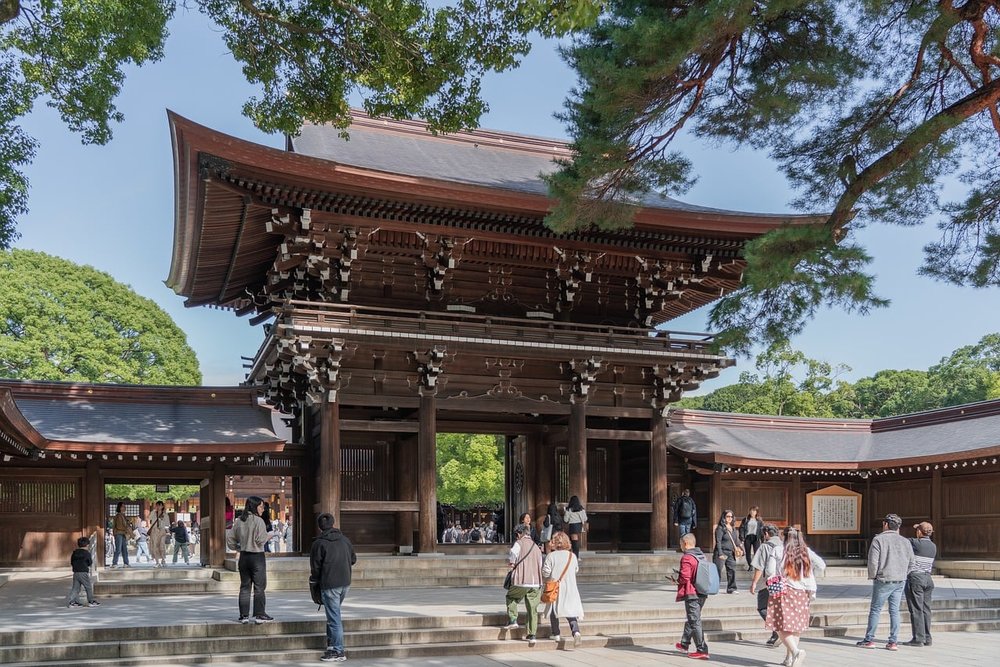
Meiji Jingu is dedicated to Emperor Meiji and Empress Shoken, and was founded in Yoyogi in 1920. Around 3 million people visit during the New Year period each year, making it the best-known hatsumode spot in Tokyo.
The shrine grounds are a forest of about 100,000 trees donated from all over Japan, known as Yoyogi no Mori (Yoyogi Forest). The entrance is about a 1-minute walk from Harajuku Station, so many visitors pay their respects first and then head into Harajuku for shopping.
On 1 January, crowds peak between 0:00 and 3:00 and between 11:00 and 15:00. In 2026, Meiji Jingu was open 0:00-19:00 on 1 January and 6:40-18:30 on 2 and 3 January, and New Year ceremonies such as the first-prayer ceremony and the Saitansai (New Year's Day ritual) were held on 1 January. To avoid the crowds, visit early on 2 January. The hatsumode period usually runs until mid-January, so going mid-month is less crowded too.
Address: 1-1 Yoyogikamizonocho, Shibuya City, Tokyo
Getting there: 1-minute walk from Harajuku Station (JR Yamanote Line), 3-minute walk from Sangubashi Station (Odakyu Line), or take the Tokyo Metro to Meiji-jingumae Station
Opening hours: Sunrise to sunset (varies by month). In 2026: 0:00-19:00 on New Year's Day and 6:40-18:30 on 2 and 3 January. Check the official announcement for 2027
Admission/price: Free; donations are optional
Suggested time: 1-2 hours
Klook Tip: Crowds are heaviest between 0:00 and 3:00 and between 11:00 and 15:00 on 1 January. To skip the queues, go early on 2 January instead.
Department store first sales: lucky bags and New Year discounts from 2 January
Department store first sales in Tokyo usually start around 2 January, and many shops are closed on 1 January. The stars of the show are fukubukuro (lucky bags). You can't see what's inside, but the contents are usually worth more than the price, which is half the fun of shopping in Tokyo in January.
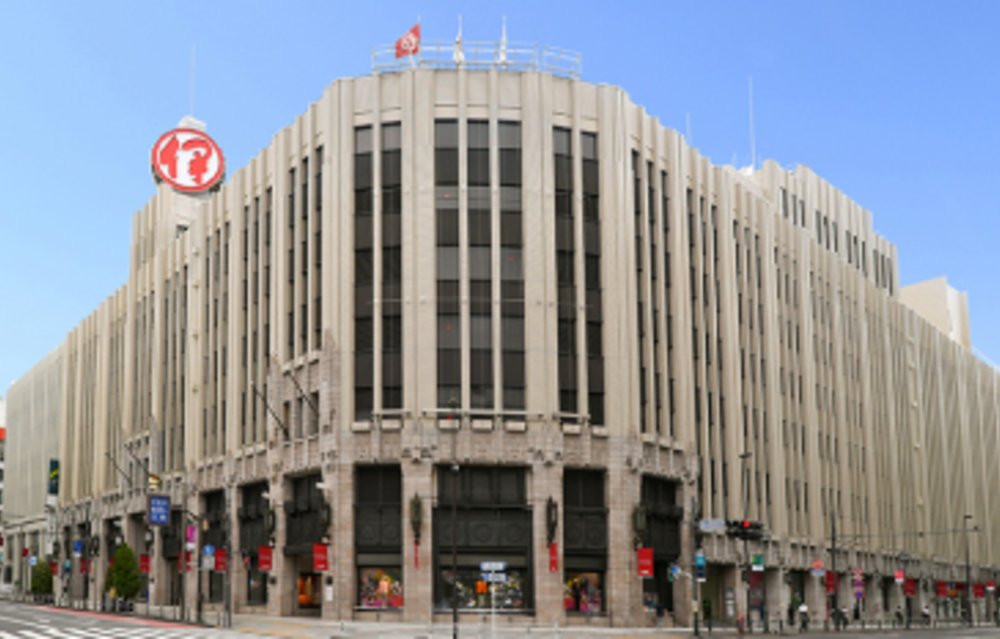
Opening dates and times vary by store. In 2026, all Sogo & Seibu stores opened on 2 January, Isetan Shinjuku opened at 10:00 on 2 January and started its winter clearance sale at the same time, and Shibuya PARCO ran its New Year sale on 3-12 January. In 2025, Takashimaya and Daimaru Matsuzakaya pushed their first sale back to 3 January instead of 2 January, so double-check each store before you go.
2027 is the Year of the Sheep. Takashimaya has a lamb-meat theme this year, with a Genghis Khan (Hokkaido-style grilled lamb) pot lucky bag chosen by a Hokkaido buyer, priced at 2,027 JPY (about 16 SGD). Only 5 are available by lottery, with entries taken in store on 3 and 4 January 2027.
Conversions are for reference only. Exchange rates change daily, so check official sources for actual prices.
Opening hours: Most department stores start their first sales around 2 January. Check each store's announcement for opening times (Isetan Shinjuku opened at 10:00 in 2026)
Admission/price: Free entry; lucky bag and product prices vary by store and item
Suggested time: 2-3 hours
Klook Tip: Popular lucky bags draw queues before the doors open, so get there early.
Imperial Palace New Year Greeting: join the public greeting on 2 January
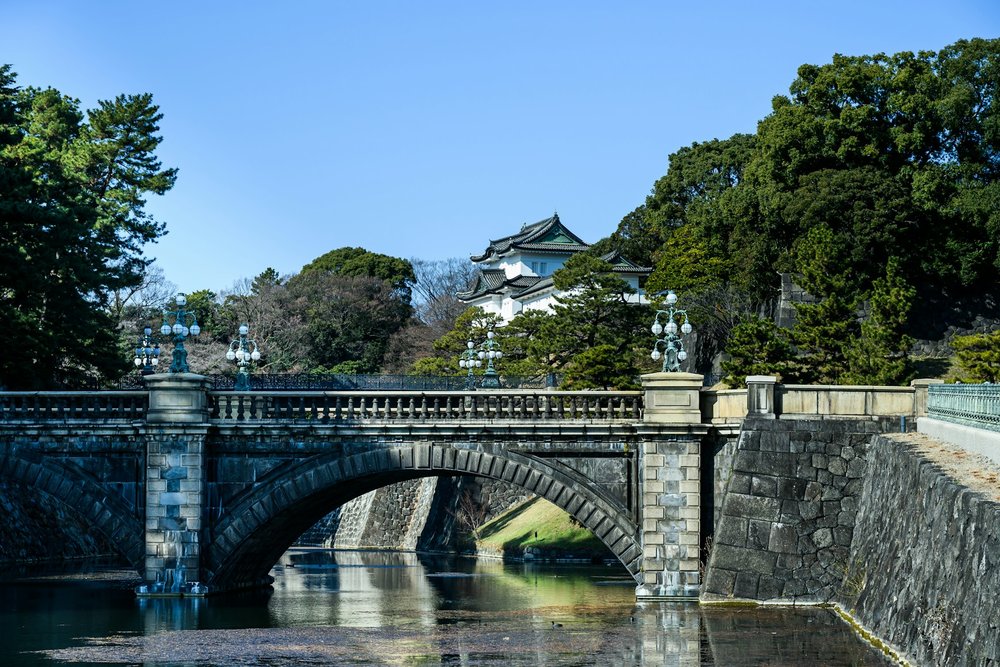
The Imperial Palace New Year Greeting takes place every year on 2 January. The public can enter through the main gate (Nijubashi), which is normally closed to visitors, and walk into the East Courtyard to greet the Emperor, Empress and other members of the Imperial Family, who appear on the balcony of the Chowaden hall.
In 2026, the Imperial Family appeared 5 times, 3 in the morning and 2 in the afternoon, and you can go straight in without a reservation. In 2025, entry ran 9:30-14:10, and visitors leave through exits such as Sakashita Gate or Kikyo Gate once the greeting is over.
In 2027, 2 January falls on a Saturday, the same day as the first leg of the Hakone Ekiden. To catch both, consider watching the start in Otemachi first, then heading to the Imperial Palace.
Address: 1-1 Chiyoda, Chiyoda City, Tokyo
Getting there: About an 11-minute walk from Nijubashimae Station (Tokyo Metro)
Opening hours: 2 January. In 2025, entry was 9:30-14:10. Check the Imperial Household Agency announcement for 2027
Admission/price: No reservation or ticket needed; just go
Suggested time: 1-2 hours
Hakone Ekiden: the university relay race on 2 and 3 January
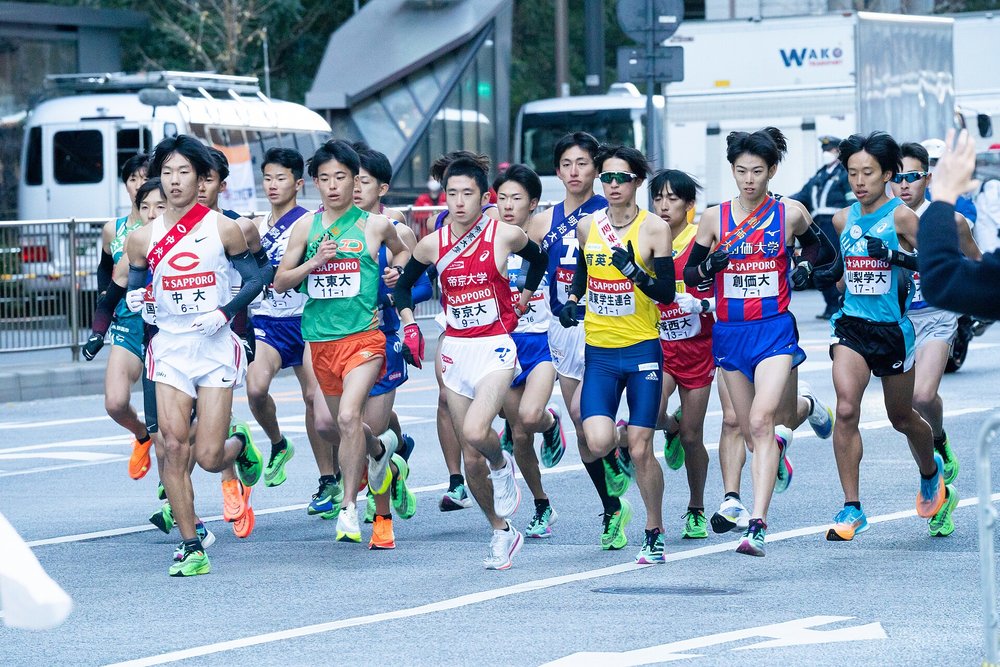
The 103rd Tokyo-Hakone Round-Trip College Ekiden Race (the Hakone Ekiden) takes place on 2 and 3 January 2027. On 2 January, the outbound leg starts in Otemachi and finishes at Lake Ashi in Hakone, over 5 sections covering 107.5 km. On 3 January, the return leg starts at Lake Ashi and finishes back in Otemachi, over 5 sections covering 109.6 km, making 217.1 km in total.
The race starts at 8:00 each day, and each day's racing wraps up around 14:00. Section 2 of the outbound leg runs between Tsurumi and Totsuka over 23.1 km. It's known as the "Hana no 2-ku" (the showpiece Section 2), where teams field their strongest runners. Section 5 climbs all the way up from Odawara, reaching a high point of about 874 m, and is one of the race's decisive stretches. In the 102nd edition, Aoyama Gakuin University won in 10 hours 37 minutes 34 seconds, setting a new course record.
To see the start, be in front of the Yomiuri Shimbun Tokyo Head Office in Otemachi before 8:00 on 2 January. To catch the runners finishing, return to the same spot around 14:00 on 3 January.
Address: Start and finish: in front of the Yomiuri Shimbun Tokyo Head Office (Otemachi, Chiyoda City, Tokyo)
Hours: 2 January (outbound leg) and 3 January (return leg), 2027. The race starts at 8:00 each day and finishes around 14:00
Admission/price: Public roads along the route, so no ticket needed
Suggested time: About 1 hour to watch the start; roadside viewing time depends on your spot
Tokyo Fire Department Dezomeshiki: fire engine parade and traditional ladder acrobatics
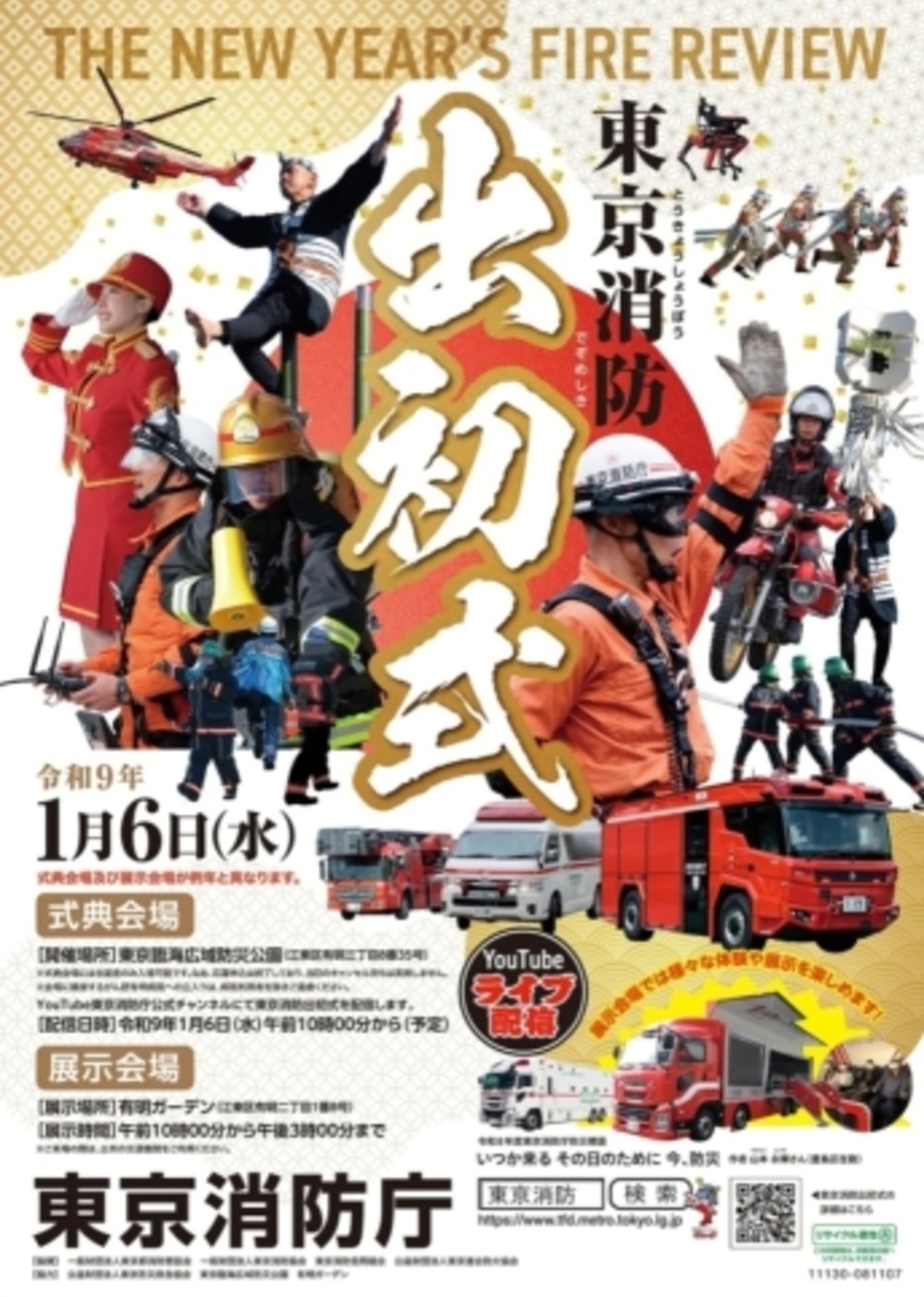
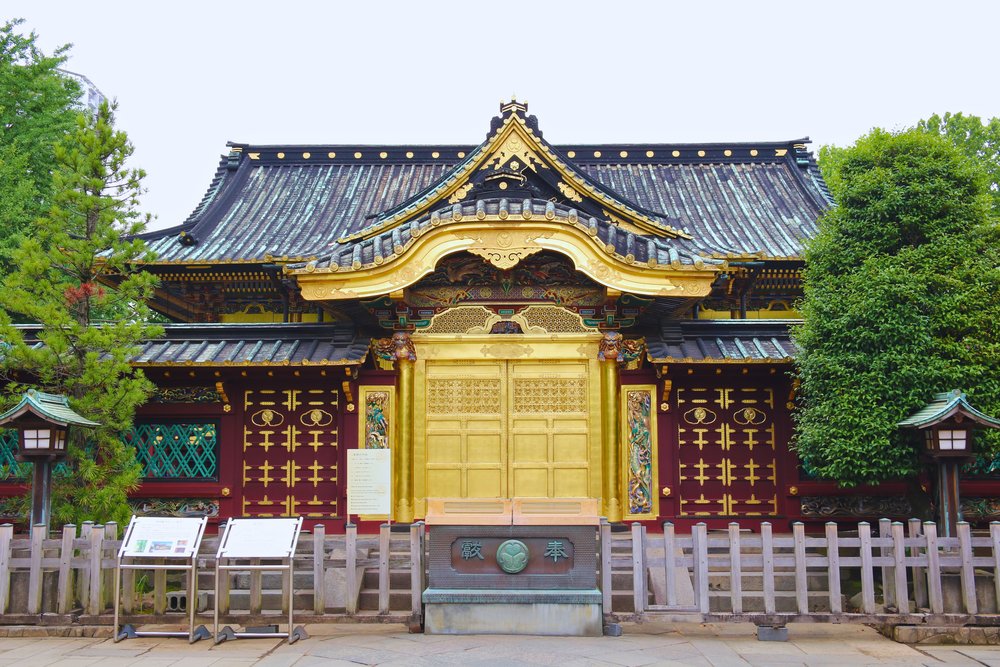
The Tokyo Fire Department Dezomeshiki is the department's New Year fire-prevention event, held every year on 6 January. In 2027, it falls on a Wednesday. The tradition goes back to 4 January 1659 (Manji 2), when the shogunate councillor Inaba Masanori led four fire brigades in a dezome display in front of Ueno Toshogu, which is regarded as the origin of the event.
The event includes a parade of fire engines, firefighting demonstrations, performances by a music band and flag team, and traditional ladder acrobatics (hashigonori) performed by the Edo Firefighters' Memorial Association.
In 2027, the ceremony venue is Tokyo Rinkai Disaster Prevention Park and the exhibition venue is Ariake Garden. Both differ from the previous edition, so check the locations before you go. Seats at the ceremony venue are all reserved and need a lottery application in advance. The ceremony begins at 10:00, and entry closes at 10:30. The exhibition venue is free to enter and has firefighting equipment displays, fire engine rides and more.
Address: Ceremony venue: Tokyo Rinkai Disaster Prevention Park (3-8-35 Ariake, Koto City, Tokyo). Exhibition venue: Ariake Garden (2-1-8 Ariake, Koto City, Tokyo)
Hours: 6 January 2027 (Wednesday). The ceremony starts at 10:00, with entry to the ceremony venue until 10:30
Admission/price: The ceremony venue needs a lottery application in advance, with all seats reserved. The exhibition venue is free to enter. Check the Tokyo Fire Department announcement for details
Suggested time: 2-3 hours
Klook Tip: If you don't win a ceremony seat, you can still visit the exhibition venue at Ariake Garden, no registration needed.
Ebisu Garden Place: the Baccarat Eternal Lights chandelier
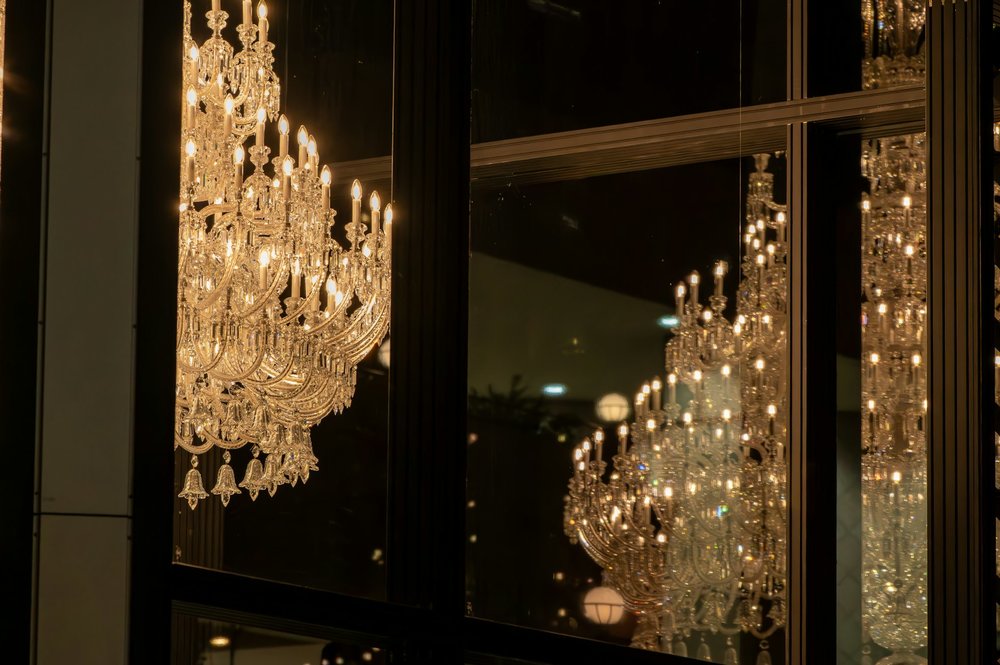
The Baccarat Eternal Lights at Ebisu Garden Place is built around a giant Baccarat crystal chandelier, and the event has run since 1999. In 2025, the chandelier stood about 5 m tall and was made of 8,500 crystal pieces. The 2026-2027 theme is "Hikari no Naka e" (Into the Light), and the chandelier is lit until 11 January 2027 (Coming of Age Day).
The champagne-gold lights around the grounds (about 100,000 bulbs) stay on until 28 February 2027, lit 16:00-23:00. The Christmas tree and Christmas market end on 25 December, so a January visit is mainly about the chandelier and the grounds' lights.
Few places still have lights on in January. Besides Ebisu, the Tokyo Christmas Advent at Ueno Onshi Park runs until 14 February 2027, and Chestnut Aglow at Yoyogi Park runs until 11 January.
Address: 4-20 Ebisu, Shibuya City, Tokyo
Getting there: About a 5-minute walk from the east exit of JR Ebisu Station via the Ebisu Skywalk
Opening hours: Baccarat chandelier: 14 November 2026 to 11 January 2027, 11:00-23:00. Grounds lights: until 28 February 2027, 16:00-23:00
Admission/price: Free entry in 2025
Suggested time: 1 hour
Grand Sumo New Year Tournament: the first tournament of the year at Ryogoku Kokugikan
The Hatsu Basho (New Year Tournament) is the first official sumo tournament of each year, held at Ryogoku Kokugikan in Tokyo. Tokyo hosts three tournaments a year, in January, May and September, and each lasts 15 days. In 2026, the January tournament ran 11-25 January. Check the Japan Sumo Association's announcement for the 2027 dates.
Seats at the Kokugikan fall into three types: tamari-seki (ringside seats), masu-seki (box seats) and chair seats. Box seats have cushions, and you can eat and drink at your seat. Chair seats are on the second floor, cost less and give a wide view, which makes them a good pick if it's your first time watching sumo. During the tournament, the Sumo Museum inside the Kokugikan is only open to people with a ticket for that day.
The Japan Sumo Association has announced that admission prices for the Tokyo tournaments at Ryogoku Kokugikan go up from the January 2027 tournament. Chair D, the cheapest seat, was 2,500 JPY and will be 3,000 JPY (about 24 SGD). The weekday price for Chair C was 3,500 JPY and will be 5,000 JPY (about 40 SGD).
Address: 1-3-28 Yokoami, Sumida City, Tokyo
Getting there: West exit of Ryogoku Station (JR Sobu Line), or Exit A3 of Ryogoku Station (Toei Oedo Line)
Opening hours: Held in January for 15 days (11-25 January in 2026). Check the Japan Sumo Association for opening and bout times
Admission/price: Varies by seat type and day. Chair D starts at 3,000 JPY (about 24 SGD), the new price from the January 2027 tournament
Suggested time: 3 hours to half a day
Klook Tip: New Year Tournament tickets are popular and usually sell out soon after release, so book as soon as your plans are set.
Setagaya Boro-ichi: vintage clothing and antiques market on 15 and 16 January
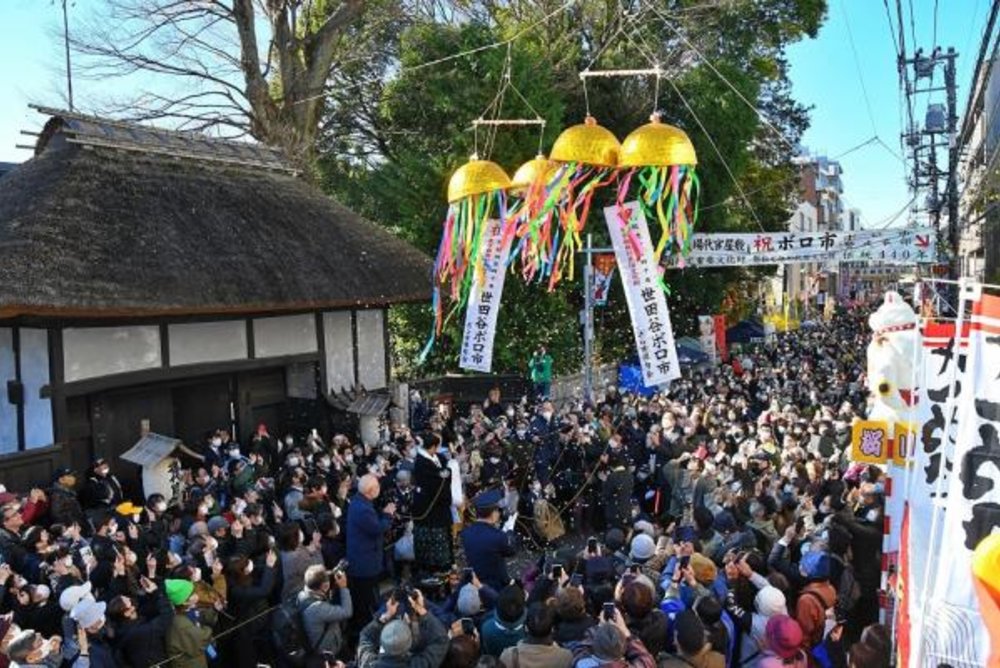
Setagaya Boro-ichi dates back to 1578 and is now designated an Intangible Folk Cultural Property of Tokyo. Boro means scraps of old cloth, which is what the market originally sold. Today the stalls sell antiques, vintage clothing, plants, toys and household goods, and you can also try freshly pounded daikan-mochi (rice cake).
Setagaya Boro-ichi is held only twice a year, on 15-16 December and 15-16 January, and draws about 200,000 visitors a day. In January 2027, it falls on Friday the 15th and Saturday the 16th. In 2026, opening hours were 9:00-20:00.
There's no parking at the venue, and the ward office recommends taking trains and buses. The venue and surrounding roads are closed to traffic between 7:00 and 22:00, so walking is the smoothest way to get around.
Address: Boroichi-dori and surrounding streets, Setagaya 1-chome, Setagaya City, Tokyo
Getting there: Kamimachi Station or Setagaya Station on the Tokyu Setagaya Line
Opening hours: 15 and 16 January, 9:00-20:00 (2026 hours; check Setagaya City's announcement for 2027)
Admission/price: Free entry; shopping costs extra
Suggested time: 1-2 hours
Klook Tip: There's no parking and nearby roads are closed to traffic between 7:00 and 22:00, so take the Tokyu Setagaya Line.
Ueno Toshogu winter peonies: a winter garden that opens for the New Year
The Winter Peony Garden (fuyu-botan) at Ueno Toshogu opened on 1 January and ran until 23 February in 2026, with about 40 varieties and around 160 plants on display at any time. They sit alongside Edo-period buildings such as the shrine hall and the former Kan'ei-ji Temple five-storey pagoda.
Winter peonies are spring-blooming varieties that are kept dormant in the cold so they bloom about 8 months later, in winter. From early January, wintersweet and early plum blossoms also start to bloom in the garden, followed by Amur adonis (fukujuso) and witch hazel from early February. Bloom updates are posted daily on the official Instagram account, so check before you go.
Adult admission is 1,000 JPY (about 8 SGD), and primary school students and younger are free. These are 2026 prices.
Address: 9-88 Uenokoen, Taito City, Tokyo
Getting there: 5-minute walk from the Park Exit of JR Ueno Station
Opening hours: 9:30-16:30 (last entry). Open daily during the 2026 season; check the official announcement for 2027 dates
Admission/price: Adults (junior high school students and above) 1,000 JPY (about 8 SGD). Check the official announcement for 2027 prices
Suggested time: 1 hour
Kawaguchiko Winter Fireworks: winter night fireworks beneath Mount Fuji
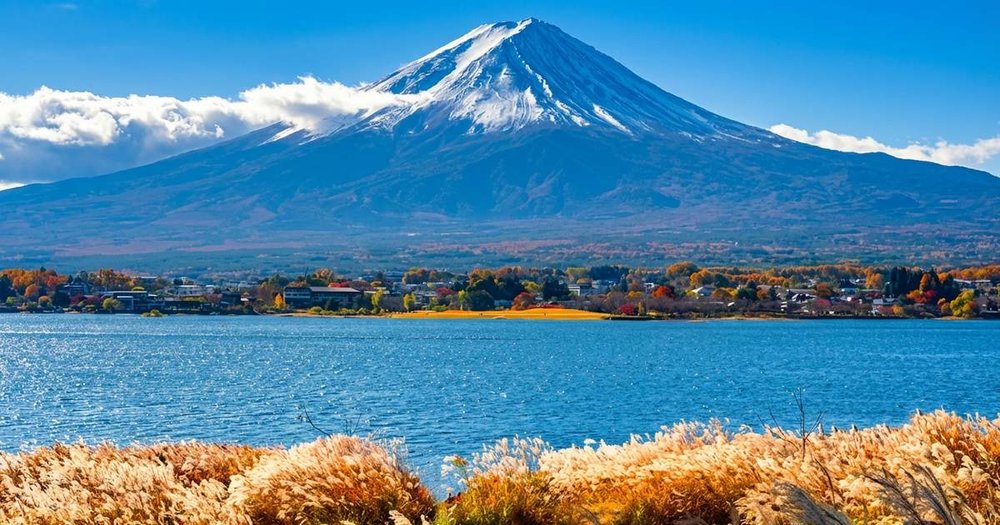
The Kawaguchiko Winter Fireworks is a winter event near Tokyo that runs through January and February at Lake Kawaguchi, beneath Mount Fuji. The fireworks last about 20 minutes each night and are launched from 3 locations at once: Oike Park (the main venue), Tatamiiwa and Yagizaki Park.
In 2026, the fireworks ran on weekends and public holidays between 24 January and 23 February, at 20:00-20:20 each night, and were free to watch. Check the Fujikawaguchiko town tourism information for the 2027 dates before you go.
Food trucks set up at the main venue in Oike Park. After the fireworks, you can warm up in a hot spring (onsen), and many visitors stay a night at Lake Kawaguchi.
Address: Fujikawaguchiko Town, Yamanashi Prefecture
Getting there: Oike Park (main venue) is about a 20-minute walk from Kawaguchiko Station (Fujikyuko Line)
Opening hours: 2026: weekends and public holidays between 24 January and 23 February, 20:00-20:20 each night. Check the official announcement for 2027
Admission/price: Free
Klook Tip: The fireworks end at 20:20, so stay a night in Kawaguchiko if you want to see them.
Tokyo in January: events at a glance
The table below lists the dates, prices and highlights of things to do in Tokyo in January, so you can line them up against your plans.
Attraction or event | Dates in January 2027 | Price | Highlight |
|---|
Meiji Jingu hatsumode | From 1 January; the hatsumode period usually runs until mid-January | Free (donations optional) | Crowds peak 0:00-3:00 and 11:00-15:00 on 1 January |
Department store first sales | From around 2 January | Free entry | Lucky bags and clearance sales; start dates vary by store |
Imperial Palace New Year Greeting | 2 January | No reservation or ticket needed | 2025 entry times were 9:30-14:10 |
Hakone Ekiden | 2 and 3 January | No ticket needed along the route | Starts at 8:00 each day |
Tokyo Fire Department Dezomeshiki | 6 January | Ceremony by lottery; exhibition venue free to enter | Ceremony and exhibition venues are both in Ariake |
Ebisu Garden Place lights | Chandelier until 11 January; grounds lights until 28 February | Free entry in 2025 | Chandelier lit 11:00-23:00 |
Grand Sumo New Year Tournament | Held in January (11-25 January in 2026) | Varies by seat type and day; Chair D from 3,000 JPY (about 24 SGD) | Ryogoku Kokugikan; prices go up from 2027 |
Setagaya Boro-ichi | 15 and 16 January | Free entry | 2026 hours were 9:00-20:00 |
Ueno Toshogu winter peonies | From early January; ran until 23 February in 2026 | 1,000 JPY (about 8 SGD) (2026 price) | About 160 winter peonies |
Kawaguchiko Winter Fireworks | Weekends and public holidays between 24 January and 23 February in 2026 | Free | 2027 dates to be announced |
If you only have 4 days and 3 nights in Tokyo in January, keep 2 January for the first sales, the Imperial Palace greeting or the Hakone Ekiden, then fit in the Dezomeshiki or the sumo tournament on the other days. That makes a Tokyo January itinerary much easier to plan.
FAQs about Tokyo in January
What is the weather like in Tokyo in January?
Tokyo in January is cold but dry, with an average monthly temperature of about 5.4°C. In January 2025, the high was about 11.6°C and the low about 2.6°C. Days are mostly sunny, but mornings, evenings and shaded spots feel cold, so pack warm layers.
Does it snow in Tokyo in January?
It snows now and then in Tokyo in January, but it rarely settles. The official Tokyo tourism website says January and February are the coldest months, with a few snowfalls that almost never settle. Rail companies may announce planned suspensions when strong wind or heavy snow is forecast, so check service information before you go.
What should I wear in Tokyo in January?
Here's what to wear in Tokyo in January: layers work best. Wear an overcoat or down jacket on the outside, thermal underwear and a sweater underneath, and bring a scarf, gloves and a hat. The wind can be sharp when you're queuing at a shrine or watching evening illuminations, so stick heat packs from a convenience store inside your coat.
What festivals and events are on in Tokyo in January?
Tokyo festivals and events in January include hatsumode at Meiji Jingu, the Imperial Palace New Year Greeting (2 January), the Hakone Ekiden (2 and 3 January), the Tokyo Fire Department Dezomeshiki (6 January), the Grand Sumo New Year Tournament (held in January) and Setagaya Boro-ichi (15 and 16 January).
Are attractions and shops open on 1 January in Tokyo?
Many shops are closed on 1 January in Tokyo, and department stores usually start their first sales around 2 January. Meiji Jingu is open for visits on 1 January (0:00-19:00 in 2026). If you want to shop, plan it for 2 January or later.
Which January events in Tokyo need a reservation or lottery?
The Grand Sumo New Year Tournament needs a ticket, and tickets usually sell out soon after release. The ceremony venue of the Tokyo Fire Department Dezomeshiki needs a lottery application in advance, while the exhibition venue is free to enter. The Imperial Palace New Year Greeting needs no reservation; just turn up.
Can you see flowers in Tokyo in January?
There's no major flower season in Tokyo in January, but you can see winter peonies at Ueno Toshogu, and wintersweet and early plum blossoms start to bloom there from early January. Cherry blossoms come in spring and aren't part of a January trip.
Are there winter illuminations in Tokyo in January?
Yes. The Baccarat chandelier at Ebisu Garden Place is lit until 11 January 2027, and the grounds' lights stay on until 28 February. The Tokyo Christmas Advent at Ueno Onshi Park runs until 14 February 2027, and Chestnut Aglow at Yoyogi Park runs until 11 January.
What are the best day trips from Tokyo in January?
Consider the Kawaguchiko Winter Fireworks, where you can watch about 20 minutes of fireworks each night beneath Mount Fuji. In 2026, they ran on weekends and public holidays between 24 January and 23 February, and were free to watch. Check the official announcement for the 2027 dates.
How many days do I need for Tokyo in January?
Plan for 4 days and 3 nights to cover the main events in Tokyo in January. Many shops are closed on 1 January and shrines are busiest that day, so 2 January onwards is easier for most plans. Coming of Age Day makes 9 to 11 January a three-day weekend in Japan, so book transport and tickets before you go.
Wrapping up Tokyo in January
Tokyo in January is cold, but with low rainfall, plenty of sunshine, New Year traditions, traditional markets and the Grand Sumo New Year Tournament, it's a great time to feel Japan's New Year atmosphere. Confirm the 2027 dates and ticket details for each event before you go, then plan your days around them so you don't show up to a closed gate.
🔍️ More Tokyo travel guides
What is Klook?
Klook is a leading pan-regional experiences platform in Asia Pacific, purpose built to digitalize experiences and make them accessible to every traveler.
Our mission is to build the digital infrastructure for the global experience economy — empowering merchants to share their passions and travelers to discover the heartbeat of each destination. We operate a mobile-first, curated platform featuring diverse experiences across global destinations.