
Off to Japan?
Welcome to Japan, where every journey is an adventure and getting around is part of the fun! If you’re like most travelers, you’re probably already dreaming of Tokyo’s neon-lit streets, Kyoto’s timeless temples, and Osaka’s food heaven. But before you dive in, you’ll need a game plan to conquer all those Japan train lines. Maybe you’ve already heard about the famous Japan Rail Pass or local IC cards like Suica and PASMO. Don’t worry—I’m here to break it all down so you can pick the perfect Japan transportation pass to make your trip smooth, budget-friendly, and unforgettable. Trust me, the first time I landed in Tokyo, I had no clue which pass to get—I wish I had a guide like this back then!
Here's 6 % off on us!

Explore Japan with these exciting Klook deals!
The Legendary JR Pass
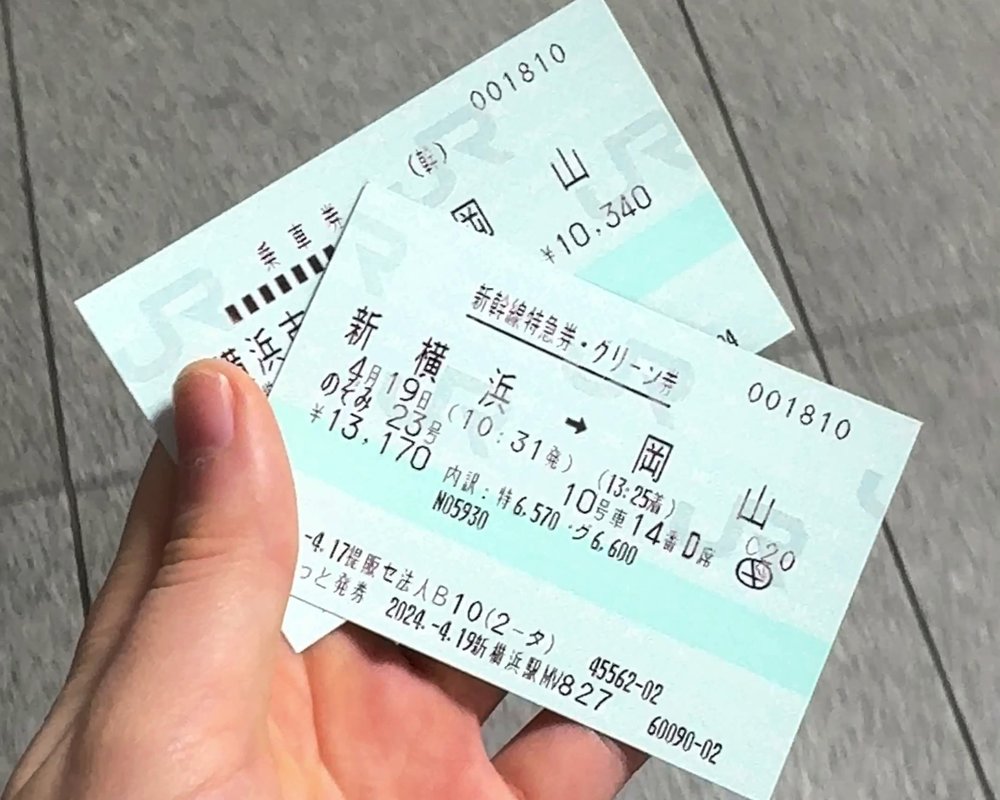
如何使用JR Pass搭乘新幹線綠色車廂
Let’s start with the star of the show: the JR Pass (short for Japan Rail Pass). This Japan transportation pass is legendary for a reason—it unlocks unlimited rides on JR trains nationwide, including the iconic Shinkansen bullet trains.
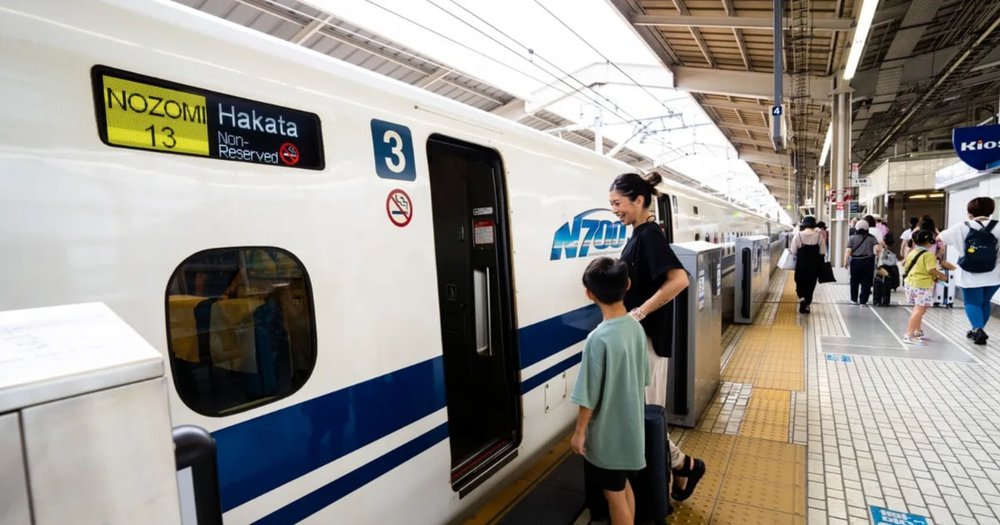
Ensure a seamless vacation by keeping a JR Pass handy in your bag at all times. Credits: Klook
You can choose from 7-day, 14-day, or 21-day options, making it perfect for big cross-country adventures connecting Tokyo, Osaka, Kyoto, Hiroshima, and beyond while covering some of the busiest Japan train lines in the country. When I first rode the Shinkansen using my JR Pass, I couldn’t believe how easy it was to hop from one city to another—it felt like I had the whole country at my fingertips.
JR Regional Passes for Targeted Travel
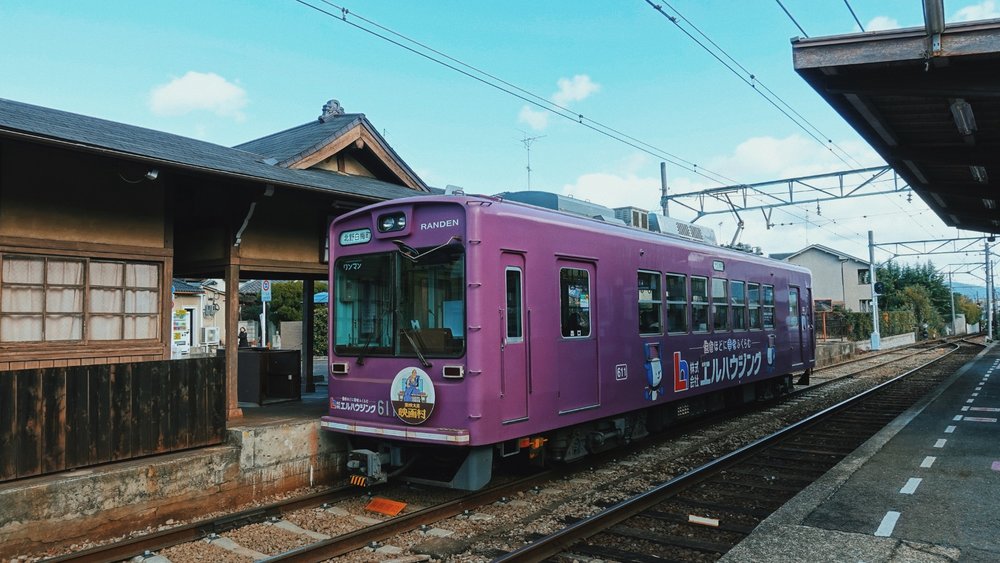
Ride Japan’s unique trains with a regional JR Pass. Image credits: Zhipeng Ya on Unsplash
If your trip is focused on one region, a JR Regional Pass might be your secret weapon. These passes give you unlimited train rides within a set area—without the high price tag of a nationwide pass.
For example, the Hokuriku Arch Pass connects Tokyo to Kanazawa and Kyoto via the scenic Hokuriku route. This regional Japan transportation pass is often a better fit if your travels revolve around Tokyo, Kyoto, and nearby cities instead of the entire country. Other regional gems like the Kansai Area Pass or Kansai–Hiroshima Area Pass are lifesavers if you’re exploring specific pockets of Japan. I remember using a Kansai Area Pass to bounce between Kyoto’s shrines and Osaka’s street food stalls—it felt like a cheat code for travelers. I remember using a Kansai Area Pass to bounce between Kyoto’s shrines and Osaka’s street food stalls—it felt like a cheat code for travelers.
IC Cards: Suica and PASMO
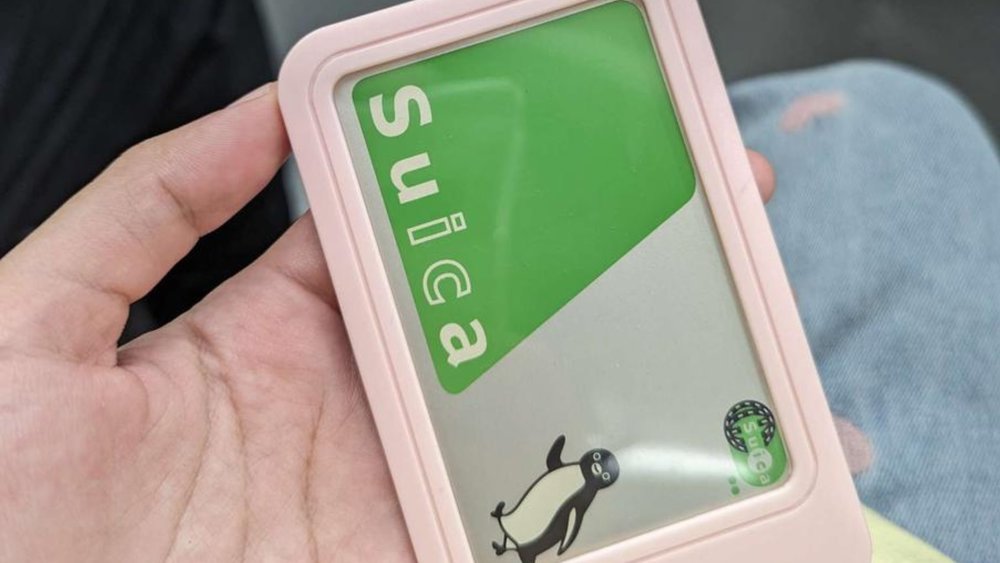
The Suica IC Card is so convenient for travellers. Image credits to Klook
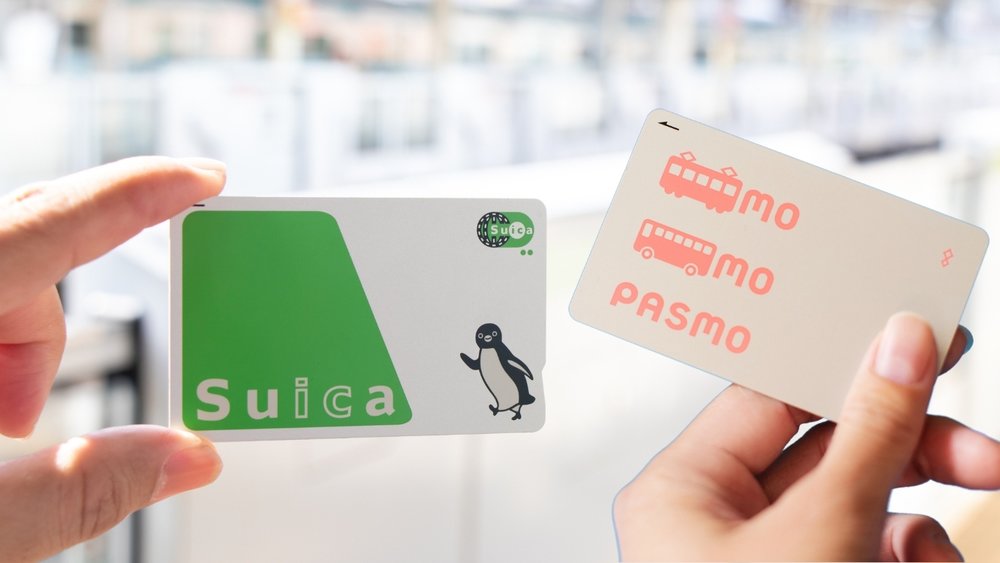
Now, let’s talk local! When it comes to everyday city travel, nothing beats IC cards like Suica and PASMO. These rechargeable e-money cards are essential for navigating subways, buses, and commuter Japan train lines. Plus, you can even use them for quick purchases at convenience stores or vending machines.
You might wonder: what’s the difference between Suica and PASMO? Practically none—they work the same way everywhere. Suica comes from JR East, while PASMO is issued by Tokyo’s private railways.
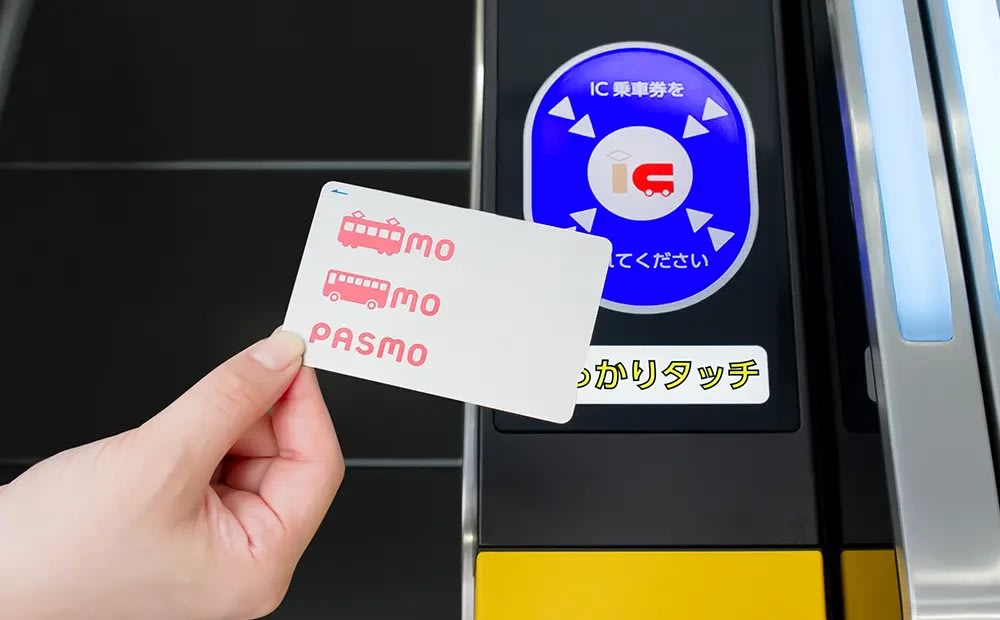
Nguồn ảnh: Pasmo
Here’s an important update: due to semiconductor shortages, physical Suica and PASMO cards were temporarily suspended—but as of 2025, they’re back in limited supply! If you can’t snag one, don’t worry. The Welcome Suica and PASMO Passport are designed for tourists and are easy to buy at stations or airports. Better yet, there’s now a digital Welcome Suica app (released March 2025) that you can load directly onto your smartphone—lasting up to 180 days with no deposit required.
Nguồn ảnh: Timeout
Pro tip: start with about ¥3,000 or around Php 1,100 on your IC card and remember that top-ups must be done in cash at ticket machines or Seven Bank ATMs. It’s a small detail that makes your Japan transportation pass experience seamless. I can’t count how many times my Suica card saved me from fumbling at ticket machines—just tap and go, and you’re golden.
Kansai Region Passes: Osaka, Kyoto, and Beyond
Heading to the Kansai region? You’ve got options galore! For quick hops within one city like Osaka or Kyoto, a simple subway or bus day pass is often enough. If you’re traveling across multiple Kansai cities—say Osaka, Nara, Kobe, and Kyoto—your IC card will handle most rides on commuter Japan train lines.

But if you’re venturing further, regional passes are your best bet. The JR Kansai Area Pass is perfect for exploring Osaka, Kyoto, Kobe, and Himeji, and it even covers the Haruka Limited Express from Kansai Airport. For bigger adventures, the JR Kansai–Hiroshima Area Pass (¥17,000 or Php 6,600 for 5 days) is a steal, especially since a single Shinkansen round trip from Shin-Osaka to Hiroshima costs about ¥22,000 or Php 8,500! Just note: it doesn’t cover the Kyoto–Shin-Osaka Shinkansen segment, but local JR trains can still get you there.
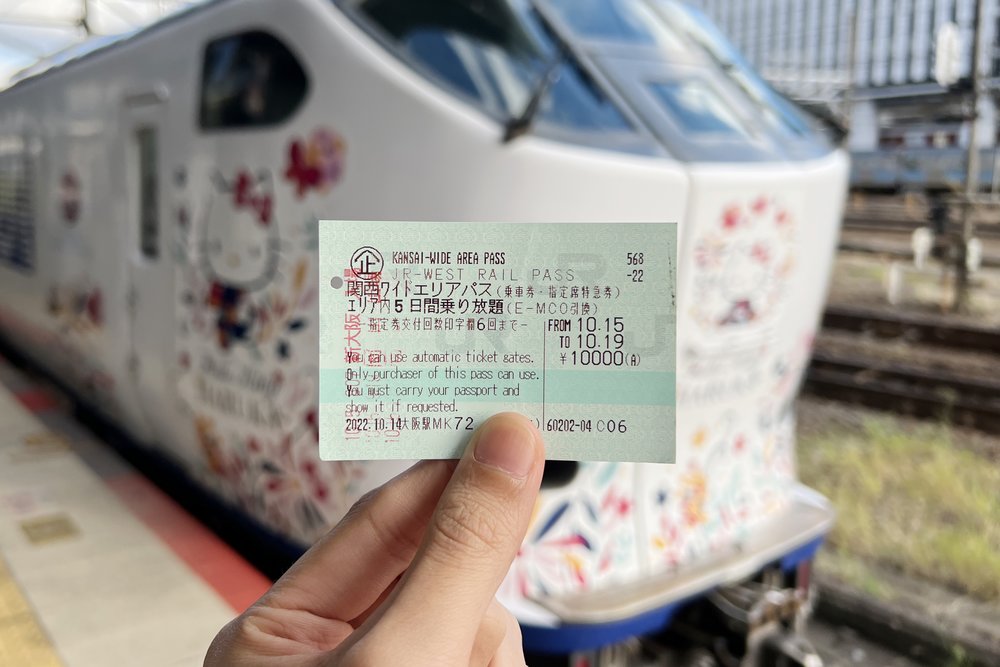
This type of regional Japan transportation pass can save you serious cash while opening up more destinations than you thought possible. Personally, I loved how this pass gave me the freedom to squeeze in last-minute trips—like catching the sunset in Kobe after a day in Kyoto.
Mix and Match for Maximum Savings
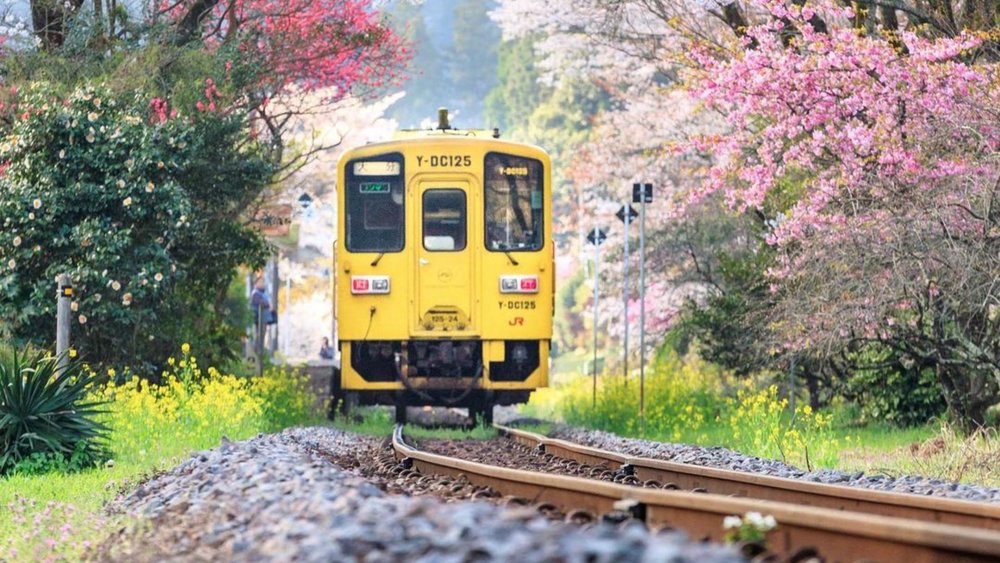
On top of its efficiency, Japan’s trains also offer fantastic views. Credit: 1_2_3_daaa
Here’s my insider tip: don’t put all your eggs in one basket. Many seasoned travelers combine a short-term JR Pass or regional pass for intercity rides with an IC card for local city travel. For instance, if you’re mostly in Tokyo but planning a side trip to Kyoto and Osaka, activate your JR Pass only for those specific days and rely on your Suica or PASMO for everything else.
Always do the math—compare the cost of passes against individual tickets using an online calculator. That way, you’ll know if your Japan transportation pass is truly giving you the best bang for your buck. I’ve done this myself, and it saved me thousands of yen—it’s worth the few minutes of planning.
Final Thoughts

At the end of the day, choosing your ideal Japan transportation pass depends on your personal itinerary. Whether you’re crisscrossing the country on high-speed Shinkansen or leisurely exploring Tokyo’s local Japan train lines, there’s a pass that will make your trip easier and your wallet happier.
So plan smart, mix and match when it makes sense, and get ready to unlock the magic of Japan—one train ride at a time!