
Japan's train system is one of the best in the world, and for first-timers, working out which routes to take can feel a little overwhelming. With hundreds of lines, multiple operators, and trains that run to the minute, knowing where to start makes a real difference.
The good news? Once you get the hang of it, rail travel in Japan is easy, efficient, and honestly, part of the experience itself. This guide covers the best Japan train routes for city hopping, day trips, Mount Fuji views, and onsen retreats, so you can spend less time planning and more time exploring!
What is a JR Pass?
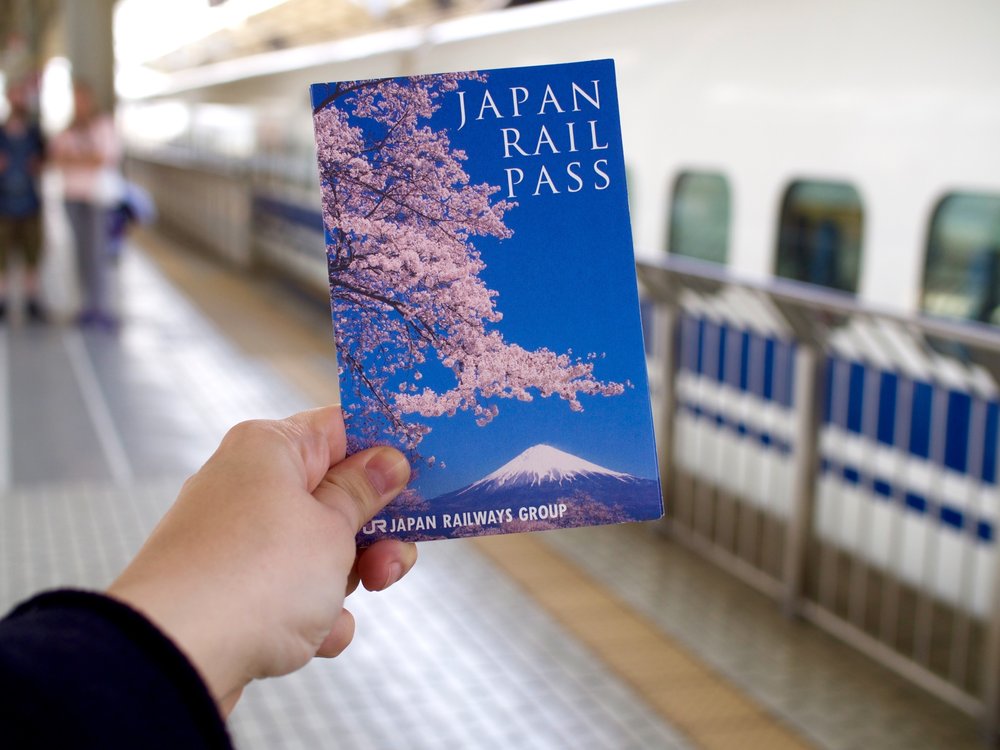
Japan Rail Pass
Before getting into specific routes, it helps to know about the JR Pass — a travel pass that gives unlimited rides on most Japan Railways (JR) trains, including many shinkansen (bullet train) services. It's available for 7, 14, or 21 days and is only sold to non-Japanese passport holders visiting Japan as tourists.
Not every route requires a JR Pass, and it's worth doing the maths before you buy. If you're mostly sticking to one city, it may not be worth the cost. But if you're hopping between Tokyo, Kyoto, and Osaka — it usually pays off.
💡Klook Tip: The JR Pass must be purchased before you arrive in Japan. You can book it through Klook and pick it up or activate it at select JR offices after landing
Best Japan train routes for city hopping
📍Tokyo to Kyoto
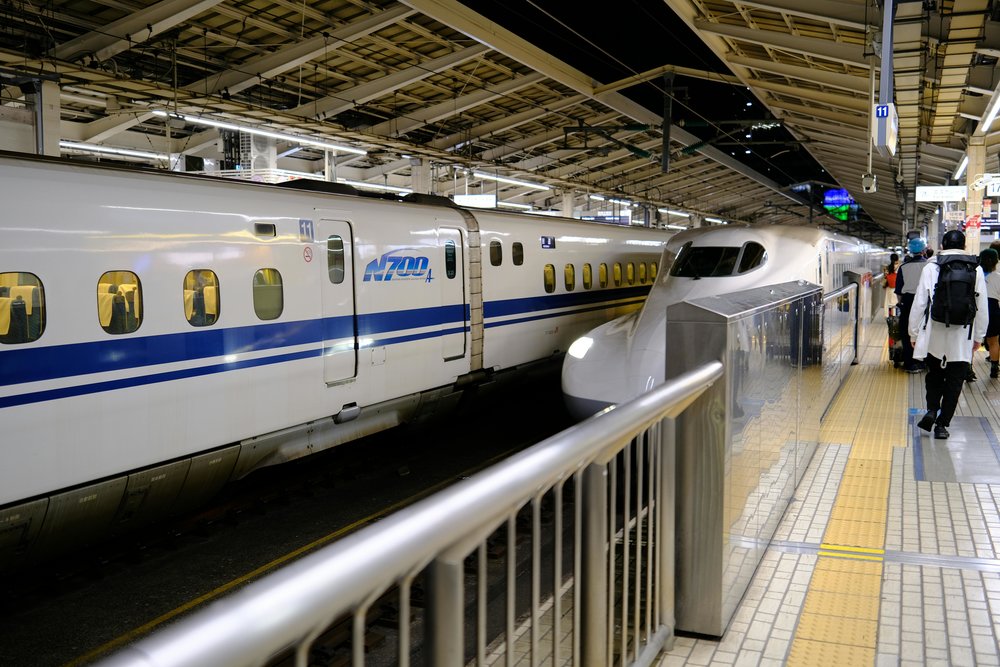
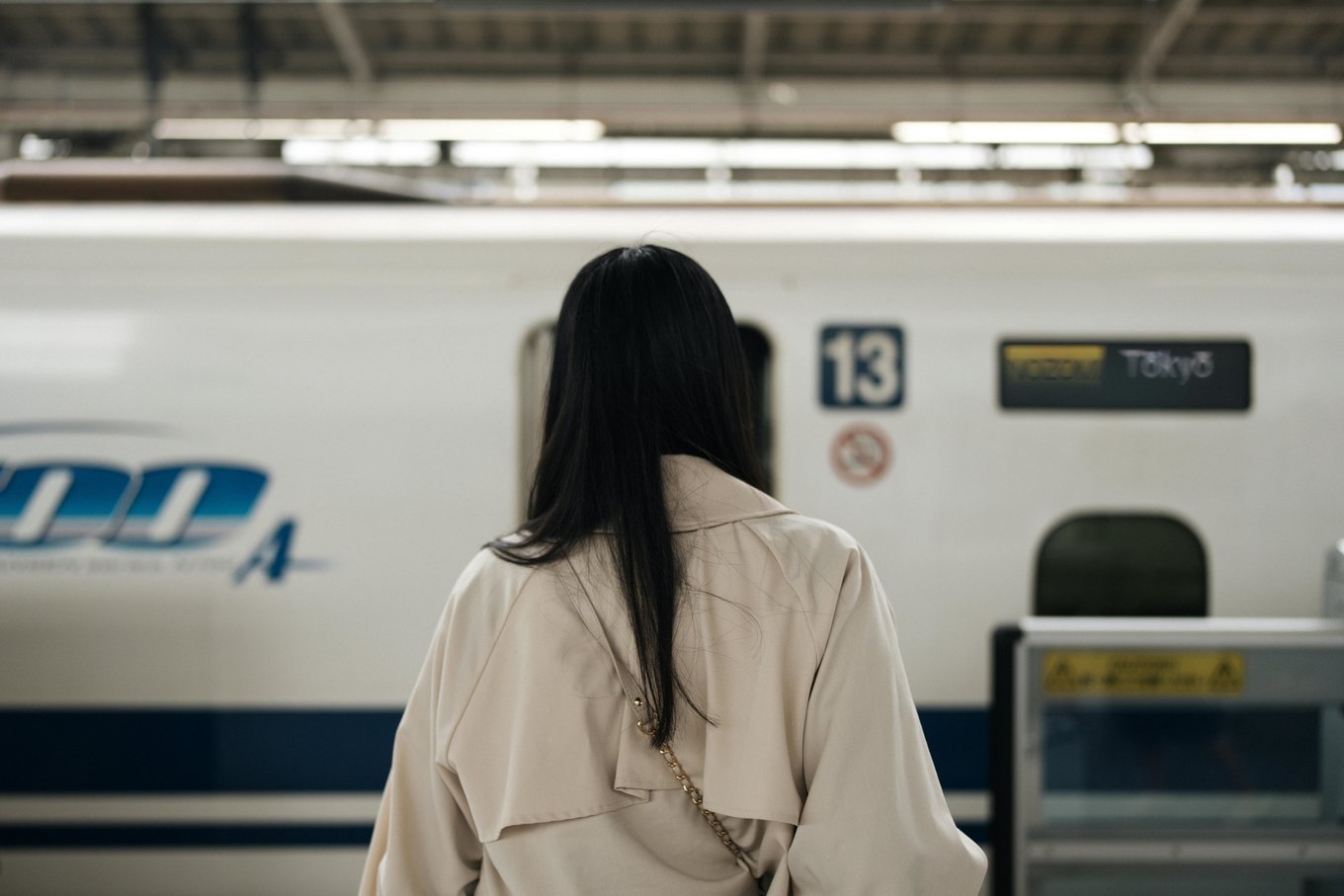
Shinkansen train at Tokyo Station | Photo Credits: Huu Huynh on Pexels
Tokyo and Kyoto are the two cities most people build a Japan holiday around, and this is the train that connects them. Kyoto is where you'll find the temples, bamboo forests, traditional streets, and geisha districts, and the shinkansen gets you there from Tokyo in just over two hours. The Tokyo and Kyoto trains are probably the best value leg if you're using a JR Pass.
If you're travelling during cherry blossom season (late March to early April) or in November, book reserved seats as early as you can. These are the busiest travel periods in Japan and trains fill up well in advance!
- Can I use the JR Pass: Yes, take the Hikari Shinkansen on the Tokaido Shinkansen Line
- Travel time: Around 2 hours 40 minutes
- Transfers: None
📍Kyoto to Osaka
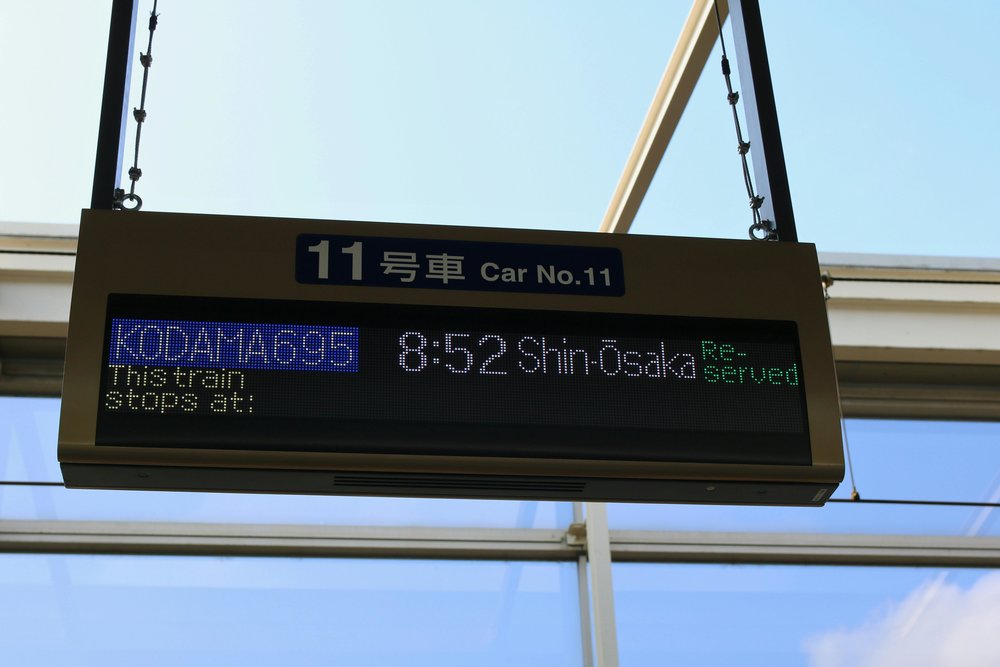
Shin-Osaka station | Photo Credits: Bruna Santos on Pexels
Kyoto and Osaka are only 30 to 45 minutes apart by train, and they're different enough that visiting both is worth it. Kyoto is quieter, temple-heavy, and great for daytime sightseeing; Osaka is louder, food-obsessed, and far livelier at night. Plus, the Kyoto and Osaka trains run so frequently that you barely need to look at a timetable.
This is also a good route to tackle early in your holiday. It's short and straightforward, which makes it a useful confidence boost for navigating Japanese trains before you tackle longer journeys. No real wrong time of year for this one, just hop on and go!
- Can I use the JR Pass: Yes, take the Hikari Shinkansen on the Tokaido Shinkansen Line from Kyoto Station to Shin-Osaka Station
- Travel time: Around 15 minutes
- Transfers: None
📍Tokyo to Nagoya
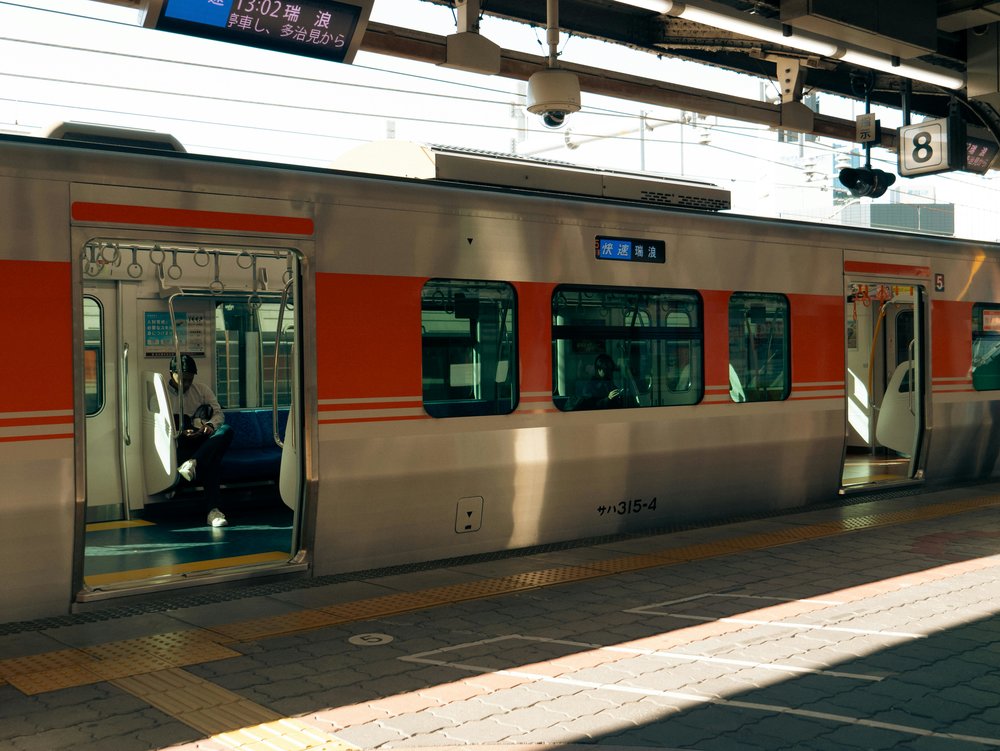
Train at Nagoya station | Photo Credits: Tien Nguyen on Pexels
Most first-timers shoot straight past Nagoya on the way to Kyoto, which is a shame. It's one of the more interesting stops on the Tokaido Shinkansen line, and barely adds any time to your journey.
The city is home to one of Japan’s few original castles like Nagoya Castle and a food scene known for dishes like hitsumabushi grilled eel, miso katsu, and tebasaki chicken wings. It’s also one of the best starting points for day trips to the UNESCO-listed village of Shirakawa-go.
The Tokyo to Nagoya train ride works best if you're on a 10-day or longer holiday and want to see more than the standard Tokyo–Kyoto–Osaka route. Since Nagoya sits directly on the line between Tokyo and Kyoto, adding a night here costs you almost nothing in extra travel time!
- Can I use the JR Pass: Yes, take the Hikari Shinkansen on the Tokaido Shinkansen Line
- Travel time: About 1 hour 55 minutes
- Transfers: None
Best Japan train routes for day trips
📍Osaka to Nara
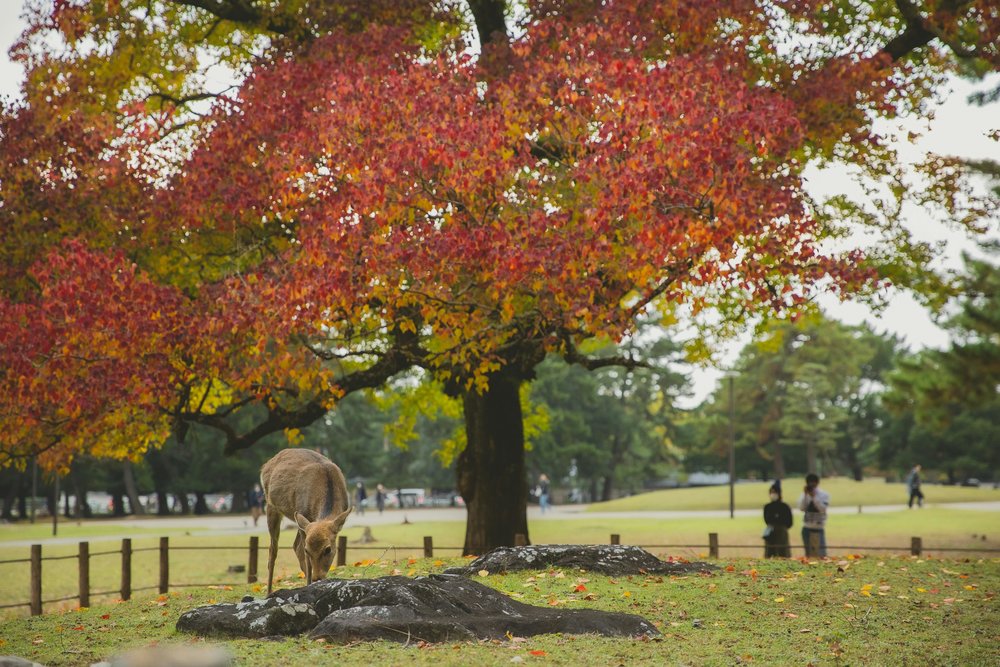
Nara Park | Photo Credits: Ryutaro Tsukata on Pexels
Taking the Osaka to Nara train is one of the easiest day trips you can add to a Japan itinerary. The main draw is Nara Park, where over 1,000 deer roam freely around the temples and paths. Plus, the Todai-ji temple, right at the centre of the park, houses one of Japan's largest bronze Buddha statues inside one of its biggest wooden buildings.
Go on a weekday morning if you can, the deer are more active earlier in the day and Todai-ji temple gets busier as the morning goes on!
- Can I use the JR Pass: Yes, take the JR Yamatoji Rapid Service on the Yamatoji Line
- Travel time: Around 45 to 55 minutes
- Transfers: None
📍Kyoto to Himeji
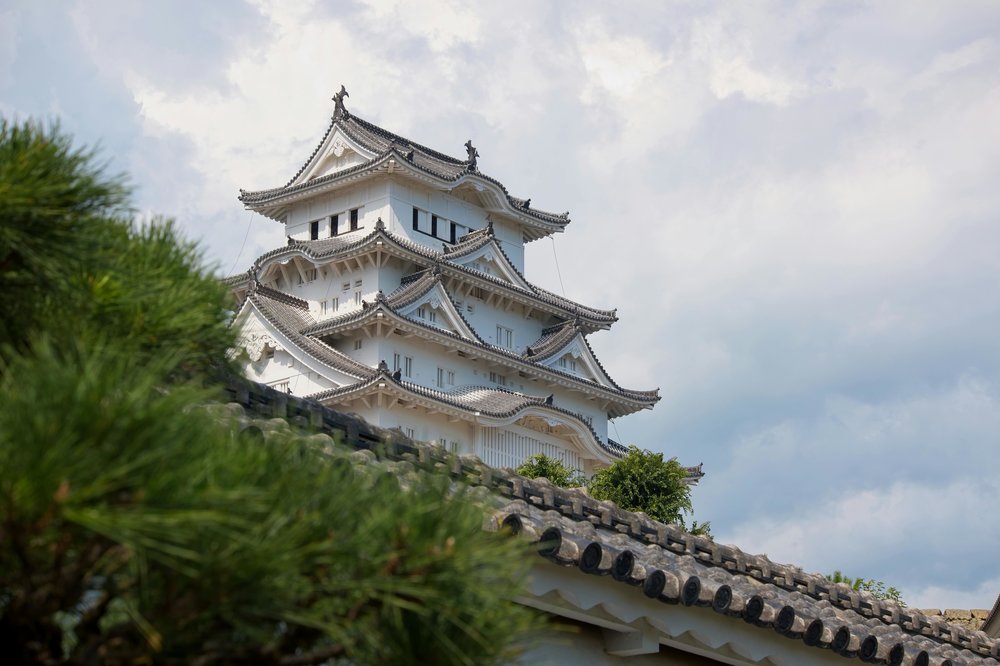
Himeji Castle | Photo Credits: Momo on Pexels
If you've spent a few days doing Kyoto's temple circuit and want a change of scenery, riding the Kyoto to Himeji train is the day trip to take.
When you arrive, you have to visit Himeji Castle. It is one of the few original castles in Japan, a 17th-century UNESCO World Heritage site that survived the Second World War. The walk from Himeji station straight to the castle gates takes about 15 minutes, with the white towers in view the whole way!
- Can I use the JR Pass: Yes, take the Hikari Shinkansen on the Tokaido Shinkansen Line, then transfer to the Sakura Shinkansen on the Sanyo Shinkansen Line
- Travel time: Around 55 minutes to 1 hour
- Transfers: 1 transfer at Shin-Osaka Station
📍Tokyo to Nikko
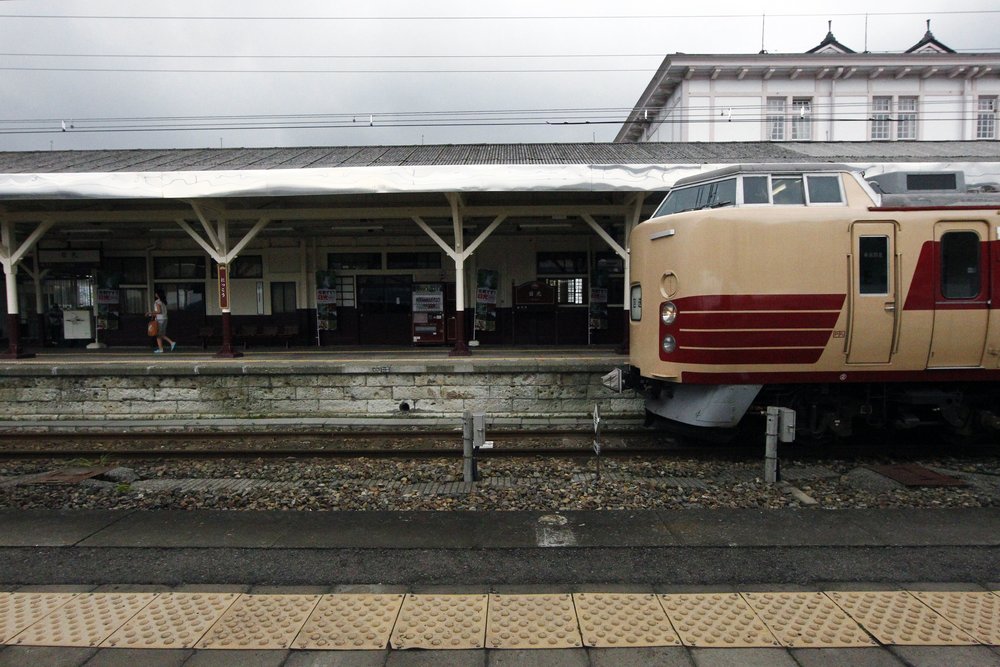
Nikko train station | Photo Credits: Daniel Incandela on Flickr
Nikko is one of the best day trips from Tokyo because it’s so different from the city. About two hours north, the town is home to Toshogu Shrine, one of the most decorated UNESCO World Heritage sites in Japan.
Plus, when you arrive via the Tokyo to Nikko train, you’ll find cedar-lined paths, a large mountain lake, and several waterfalls — all easy to reach from Nikko Station.
- Can I use the JR Pass: Yes, take the Yamabiko Shinkansen on the Tohoku Shinkansen Line, then transfer to the JR Nikko Line
- Travel time: Around 1 hour 50 minutes to 2 hours
- Transfers: 1 transfer at Utsunomiya Station
Best Japan train routes for Mount Fuji views
📍Tokyo to Fuji Station train
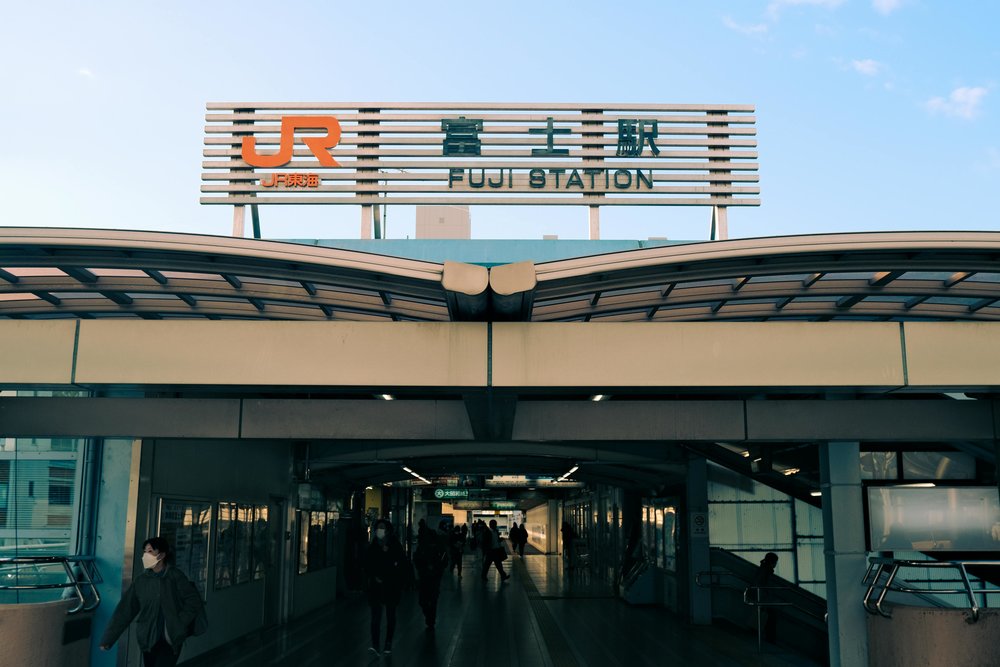
Fuji Station | Photo Credits: Huu Huynh on Pexels
Getting close to Mount Fuji is high on most people's Japan list, and this train gets you there without needing to book a tour.
After you get off the Tokyo to Fuji Station train, you’ll be at Fujiyoshida, the main base for the Kawaguchiko area. This is where you'll find lake views, the Chureito Pagoda at Arakurayama Sengen Park, and access to the Mt. Fuji 5th station. The area has enough to keep you busy for a full day, which makes it one of the better value trips from Tokyo.
- Can I use the JR Pass: Partially. Take the Limited Express Azusa or Kaiji on the JR Chuo Main Line, then transfer to the Fujikyuko Line (additional fare required)
- Travel time: Around 2 hours
- Transfers: 1 transfer at Otsuki Station
📍Tokyo to Mishima
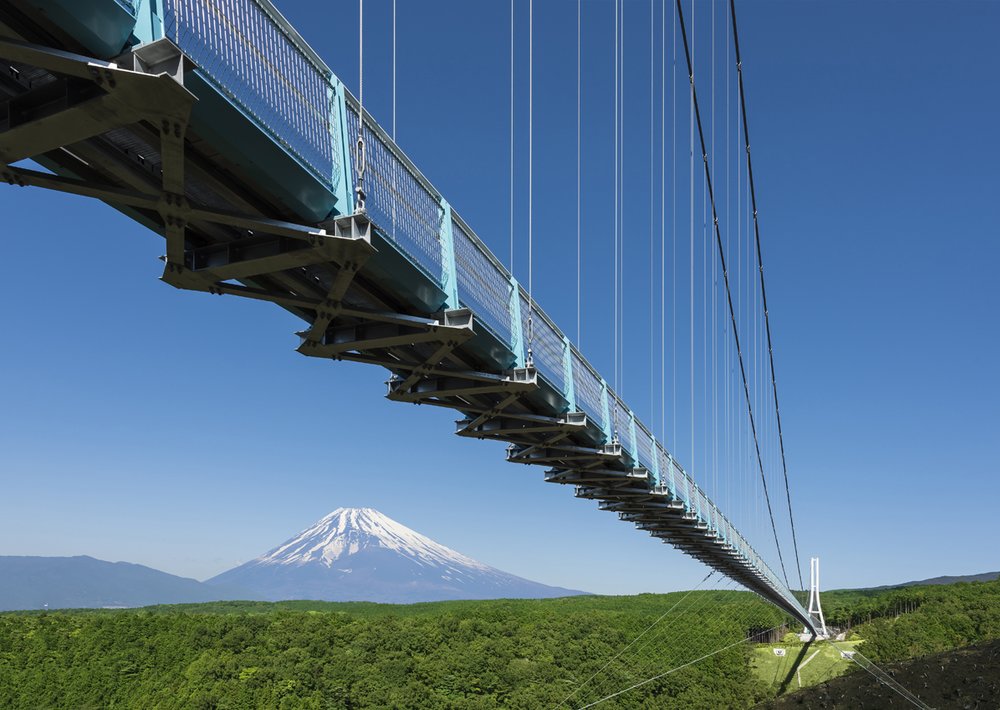
Mishima Skywalk
Taking the Tokyo to Mishima train brings you closer to Mishima Skywalk, the less crowded area for Mount Fuji views. It’s Japan’s longest pedestrian suspension bridge at 400 metres, about 70 metres above a valley with clear views of the mountain. It’s less than an hour from Tokyo by shinkansen, making it an easy Mt.Fuji viewpoint to fit into your trip.
Go in winter or early spring for the clearest skies and best chance of seeing the snow-capped peak. It also works well with Hakone since both are on the same shinkansen line. You can visit Mishima in the morning and continue to Hakone in the afternoon without backtracking!
- Can I use the JR Pass: Yes, take the Hikari Shinkansen on the Tokaido Shinkansen Line
- Travel time: Around 45 to 55 minutes
- Transfers: None
Best Japan train route for onsen retreats
📍Kyoto to Kinosaki Onsen
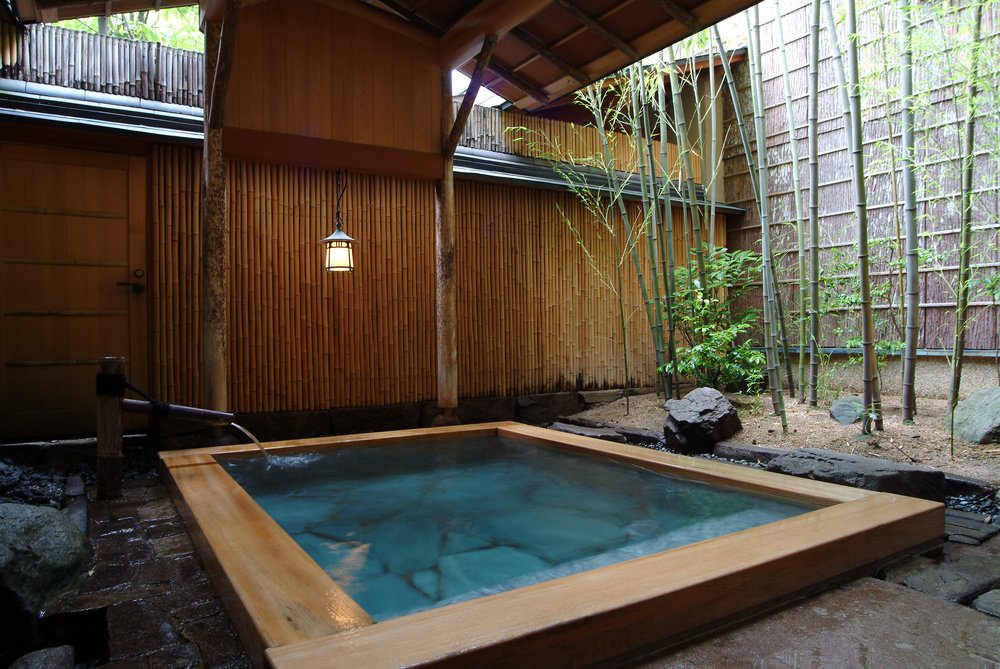
Public bathhouses at Kinosaki Onsen | Photo Credits: Nishimuraya Kinosaki Onsen on Flickr
Taking the Kyoto to Kinosaki Onsen train brings you to one of Japan’s best onsen towns. It’s small and walkable, with seven public bathhouses and traditional ryokan (inns). You check in, change into your yukata (light cotton robe) and wooden sandals, then spend the evening going between baths before heading back to your inn for a multi-course kaiseki dinner.
It's two hours direct from Kyoto by the JR Kinosaki Limited Express, which makes it an easy overnight add-on to a Kansai itinerary.
- Can I use the JR Pass: Yes, take the Limited Express Kinosaki on the JR Sanin Main Line
- Travel time: Around 2 hours 20 minutes to 2 hours 40 minutes
- Transfers: None
FAQs about Japan train routes
What is the most scenic train journey in Japan?
Japan has several scenic routes, but the Sagano Scenic Railway in Kyoto is one of the most popular for its gorge views and seasonal foliage. The route to Kinosaki Onsen also offers beautiful rural landscapes, especially in autumn. For Mount Fuji views, the Fujikyu Railway between Otsuki and Fujisan Station is a great choice on clear days.
What is the golden route for Japan?
The golden route usually connects Tokyo, Hakone or Nikko, Kyoto, Nara, and Osaka. It’s the most popular travel loop for first-time visitors because it covers Japan’s major highlights efficiently. Most of this route is connected by the Tokaido Shinkansen, which links Tokyo, Kyoto, and Osaka.
What are the different train lines in Japan?
Japan’s trains are mainly split between JR (Japan Railways) and private railway lines. JR operates the shinkansen and most long-distance routes, while private lines serve regional and local areas. Within cities, systems like Tokyo Metro and Toei Subway operate separately from JR.
Which train line is best for tourists in Tokyo?
The best combo is the JR Yamanote Line and the Tokyo Metro. The Yamanote Line loops around major hubs like Shinjuku, Shibuya, Ueno, and Tokyo Station. Tokyo Metro fills in the rest of the city and makes it easy to reach attractions across Tokyo.
What is the difference between JR lines and Tokyo Metro lines?
JR lines are part of the national railway network and include major routes like the Yamanote Line and Shinkansen connections. Tokyo Metro is a separate subway system that mainly serves central Tokyo. Both systems work with IC cards like Suica and Pasmo, making transfers simple even though they’re operated separately.
More Japan travel guides for you

What is Klook?
Klook is a leading pan-regional experiences platform in Asia Pacific, purpose built to digitalize experiences and make them accessible to every traveler.
Our mission is to build the digital infrastructure for the global experience economy — empowering merchants to share their passions and travelers to discover the heartbeat of each destination. We operate a mobile-first, curated platform featuring diverse experiences across global destinations.