If you’re planning a 2-week adventure in Japan, knowing the costs involved is essential to making your trip memorable without blowing your budget. From lively Tokyo to peaceful Kyoto, Japan offers diverse experiences, with costs varying by location, travel style, and accommodation choice.
In this blog, we’ll look into the expected costs for a 2-week trip to Japan from the UK, giving you budget tips, must-visit cities, and even the best time to visit so you can plan out everything in advance! If you’re looking for a luxury escape or budget-friendly travel, we’ve got you covered.
Let’s dive into what your Japan travel cost might look like!
1. Experience the best of Tokyo’s mix of tradition and excitement
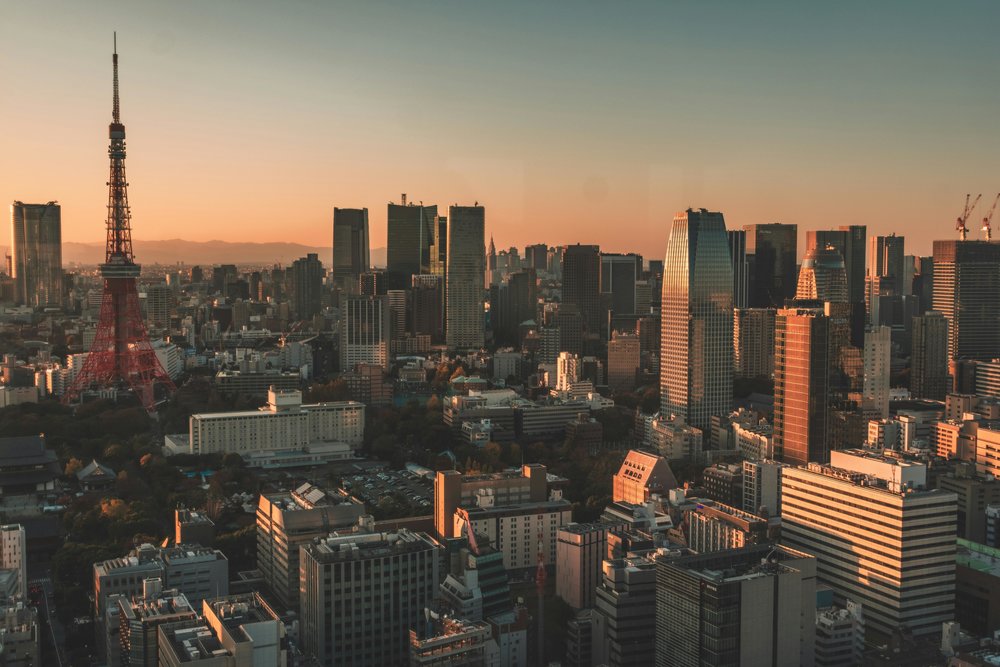
Tokyo Tower and city skyline at sunset showcasing the vibrant city life | Photo from Esan Haque on Pexels
Best time to visit: The ideal time to visit Tokyo is during spring (March to May) when cherry blossoms are in full bloom, or in autumn (September to November) when the city is adorned with vibrant colours.
Tokyo is a must-visit on any Japan itinerary. As the capital, it pairs up traditional culture with modern innovation. Tokyo has it all, from the peaceful Meiji Shrine to the buzzing streets of Shibuya. If you're shopping in Harajuku or taking in the view from Tokyo Tower, there's always something exciting to do.
In terms of cost, Tokyo can be one of the more expensive destinations in Japan, especially when it comes to accommodation and dining. You can expect higher prices in popular areas like Shinjuku and Shibuya, but there are plenty of budget-friendly options available in other areas of the city.
Eating out can range from cheap ramen bowls for £5 to more expensive sushi spots, but street food and local eateries are usually affordable.
Budget Tips:
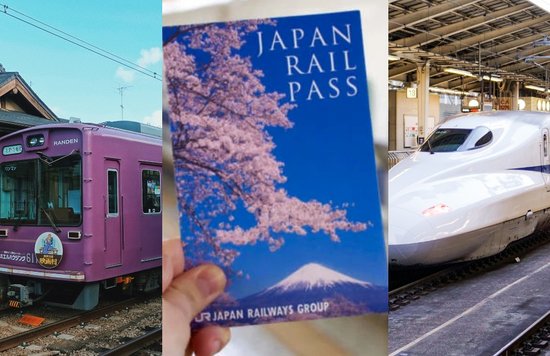
Tokyo’s transport system can be pricey, but booking a JR Rail Pass or Tokyo Metro pass can save you money. For food, check out local markets or street food to keep costs low. A basic meal in a local restaurant will cost around £6-£12. On average, you can expect to spend around £50-£70 per day, depending on your activities.
How many days should you spend?
3-4 days in Tokyo is a perfect amount of time to explore the city’s top sights, such as the iconic Tokyo Tower, Shinjuku Gyoen National Garden, and the bustling markets of Tsukiji.
Top attractions you must visit in Tokyo:
Hiroshima Peace Memorial Park, honoring the victims of the atomic bombing with a stunning monument | Photo from William Warby on Pexels
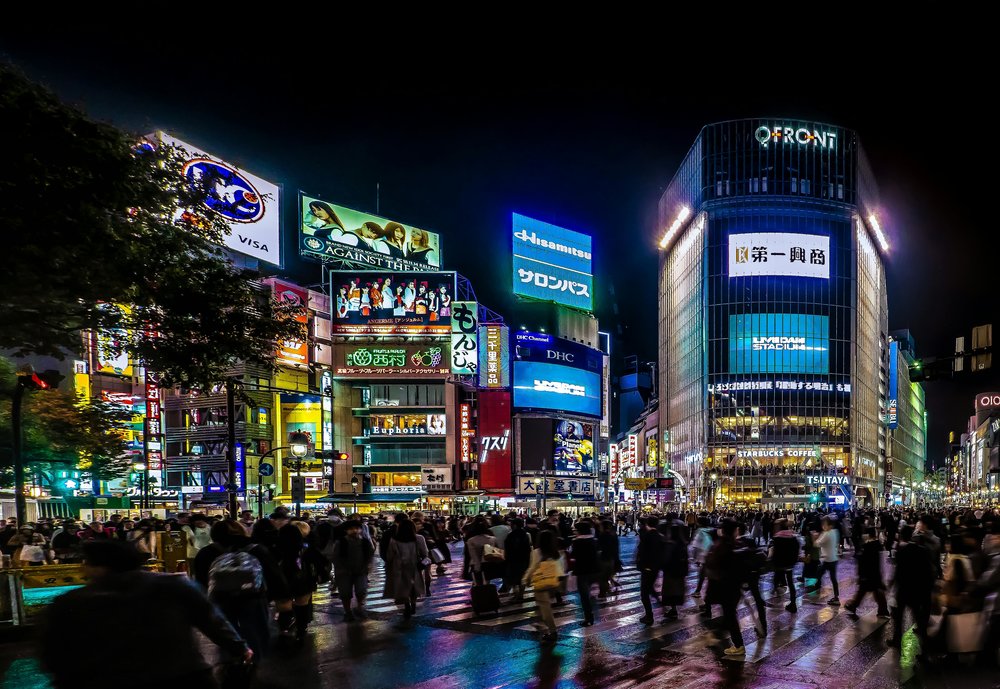
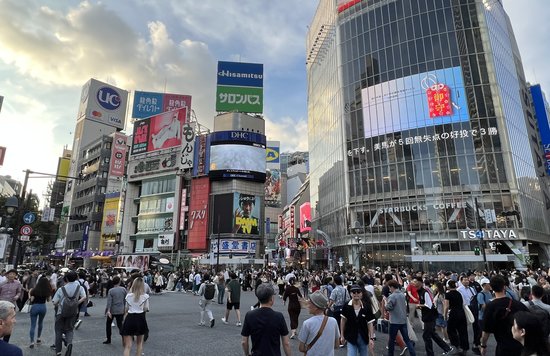
- Shibuya Crossing – The iconic intersection is a must-see for its sheer energy, as hundreds of people cross at once in a dazzling display of urban life.
- Meiji Jingu Shrine – A serene escape in the heart of the city, this Shinto shrine offers a peaceful contrast to the hustle and bustle of Tokyo.
- Tokyo Tower – Offering stunning panoramic views of the city, this landmark is a perfect spot to experience Tokyo from above.
2. Discover Kyoto’s beauty and rich cultural heritage
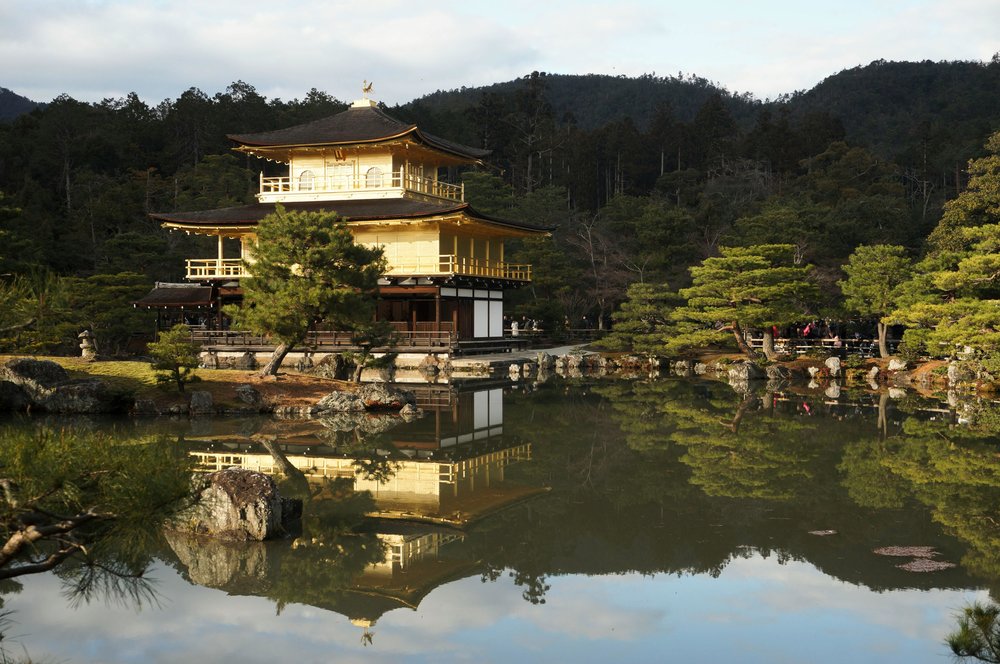
The iconic Golden Pavilion (Kinkaku-ji) reflecting in a peaceful pond in Kyoto | Photo from Luna Luna on Pexels
Best time to visit: Kyoto is particularly beautiful in autumn (November) when the autumn foliage transforms the city into a kaleidoscope of colours. The spring cherry blossoms (late March to early April) are also stunning, but expect more crowds during this peak season.
Kyoto is a city that carries the charm of traditional Japan. As the home of over 2,000 temples, including the famous Golden Pavilion and Fushimi Inari Shrine, Kyoto is ideal if you want to experience Japan’s rich history. Kyoto presents a peaceful change of pace with its beautiful gardens, traditional tea houses, and historic wooden houses.
While Kyoto is generally more affordable than Tokyo, prices can vary depending on where you stay. Traditional ryokan (Japanese inns) can be expensive, especially during peak seasons, but there are also lots of budget guesthouses and capsule hotels available.
Dining in Kyoto is also relatively affordable, with many restaurants offering meals in the £5-£15 range. The key is to plan your visit during less crowded times to avoid inflated prices.
Budget Tips:
To save money, opt for budget accommodation such as guesthouses or capsule hotels, which can cost between £25 and £50 per night. Many of Kyoto’s temples and shrines are free to visit, including the stunning Fushimi Inari Shrine, and renting a bicycle is an affordable way to explore the city’s scenic spots. Expect to spend around £40-£55 per day.
To make the most of your time in Kyoto, consider the Klook Kyoto Cultural Pass, which gives you discounted access to many of the city’s top attractions, including temples, museums, and more. It’s a great way to explore the city’s rich cultural heritage without breaking the bank.
How many days should you spend?
3-4 days exploring Kyoto’s temples, gardens, and traditional tea houses should give you a perfect experience of the city.
Top attractions you must visit in Kyoto:
Scenic view of a pirate ship on Lake Ashi with Mt. Fuji in the backdrop in Hakone, Japan | Photo from Vinny Arugraha on Pexels
- Fushimi Inari Taisha – With its thousands of vibrant red torii gates, this iconic shrine offers a truly magical experience.
- Kinkaku-ji Temple (Golden Pavilion) – A stunning Zen Buddhist temple covered in gold leaf, set against a peaceful pond, it’s a highlight of Kyoto's beauty.
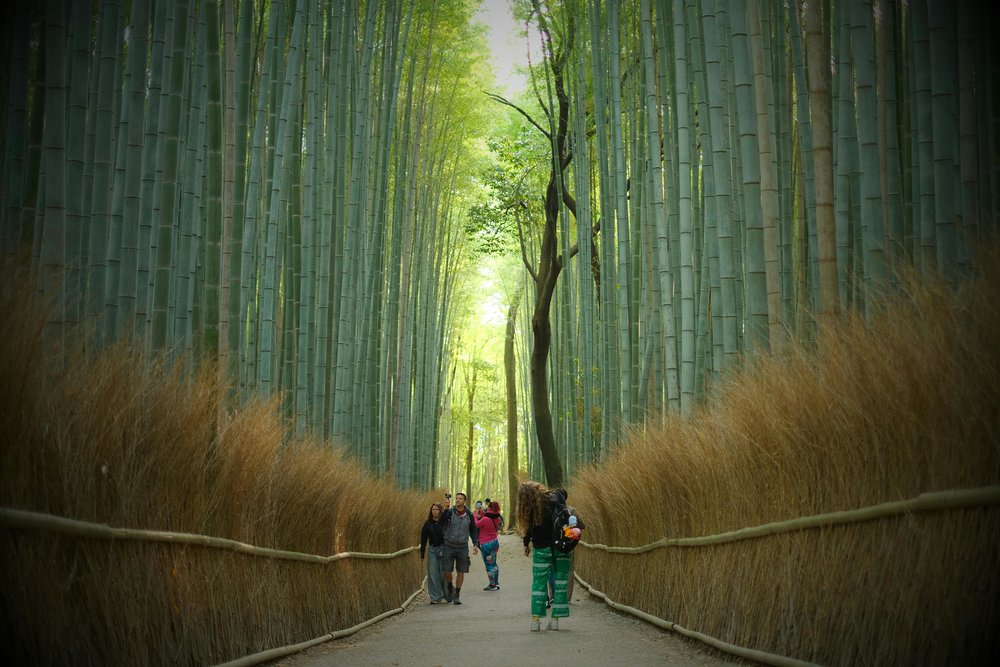
- Arashiyama Bamboo Forest – Walking through this lush bamboo forest feels like stepping into another world, offering a tranquil and awe-inspiring experience.
3. Indulge in Osaka’s vibrant food scene and lively atmosphere
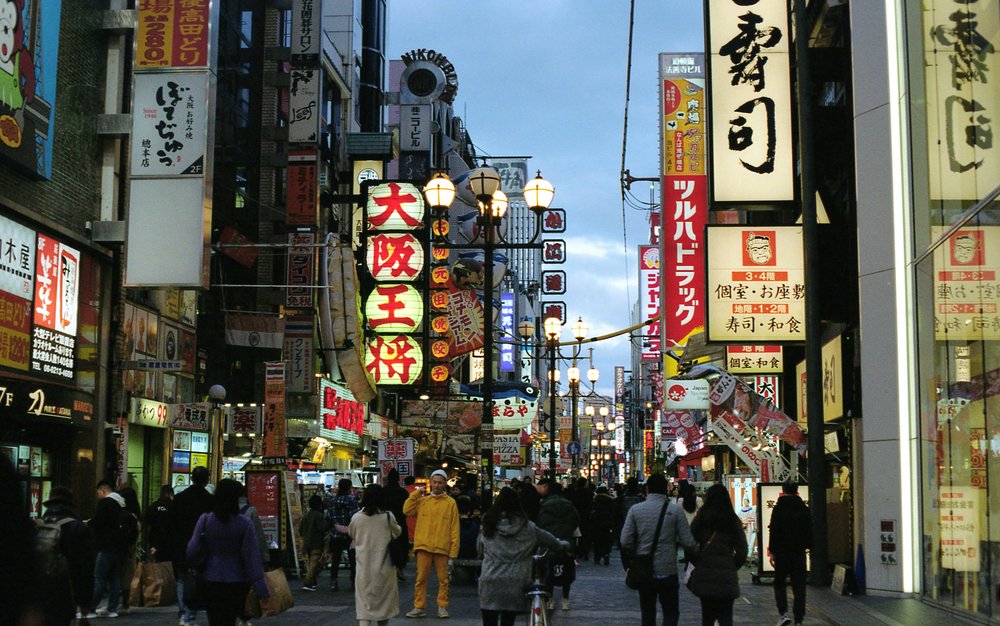
Vibrant Osaka streets illuminated by neon signs, showcasing the city's lively atmosphere. | Photo from Alan Wang on Pexels
Best time to visit: Visit Osaka during spring (March to May) for the cherry blossoms or autumn (September to November) for cooler temperatures and lovely foliage.
Osaka is a city that offers a unique mix of experiences. Known as Japan’s kitchen, this city is famous for its street food like takoyaki (octopus balls) and okonomiyaki (savoury pancakes). If you're visiting the giant Glico billboard in Dotonbori or shopping at the trendy Shinsaibashi, Osaka is the city that will keep you engaged and entertained!
If you’re travelling on a budget, Osaka offers a great mix of affordable activities, especially if you're willing to go beyond the high-end shopping districts. Street food is popular and cheap, with delicious bites like takoyaki (octopus balls), okonomiyaki (savoury pancakes), and kushikatsu (fried skewers) costing as little as £2-£4.
Osaka also has a wide variety of budget hotels and hostels available, though some areas like Namba and Umeda can be pricier.
Budget Tips:
Explore Osaka’s street food scene for affordable meals (around £3-£6 per dish) and use the Osaka metro system for easy access to attractions at a low cost. In terms of accommodation, budget hostels can cost between £20 and £40 per night. Overall, you can expect to spend about £45-£60 per day.
If you want to experience the diverse food scene of the city, you can book the Taste of Osaka food tour in advance! This guided tour takes you through the best street food spots, letting you sample Osaka’s famous takoyaki, okonomiyaki, and other delicious treats while learning about the city’s culinary culture.
Klook Tip: Get your Japan eSIM in advance for hassle-free internet access throughout your trip, ensuring you stay connected without the stress of finding Wi-Fi!
How many days should you spend?
2-3 days will give you enough time to explore Osaka’s culinary delights, Universal Studios Japan, and the Umeda Sky Building.
Top attractions you must visit in Osaka:
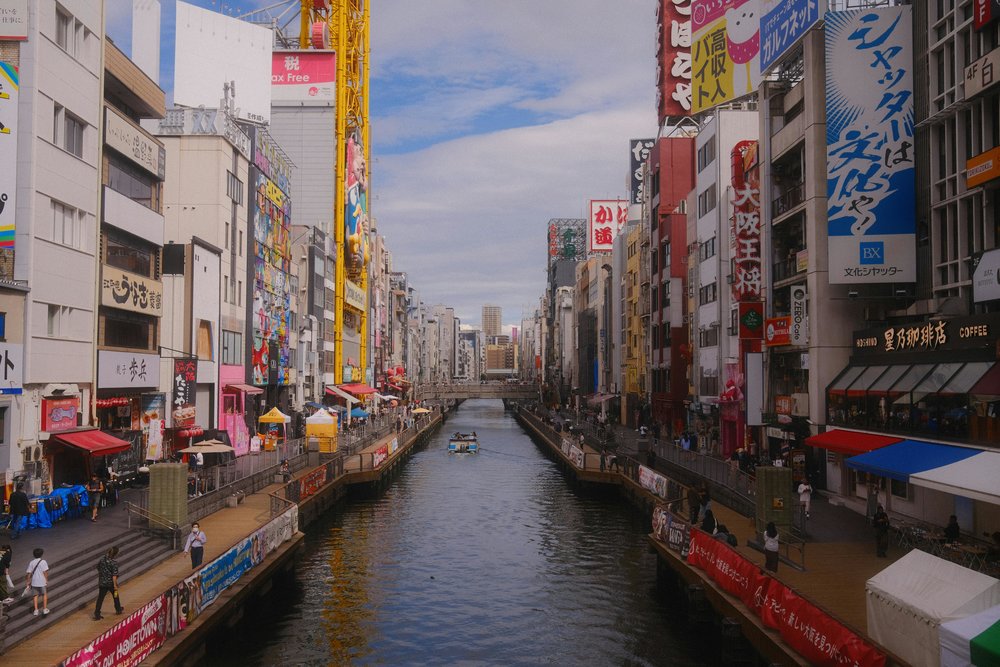
Vibrant streets of Osaka with neon lights, bustling shops, and a canal running through the city | Photo from Reinaldo Simoes on Pexels
- Osaka Castle – This historic attraction is a beautiful blend of traditional Japanese architecture and modern surroundings, with spectacular views of the city.
- Dotonbori – Known for its vibrant neon lights and delicious street food, Dotonbori is Osaka’s lively entertainment district.
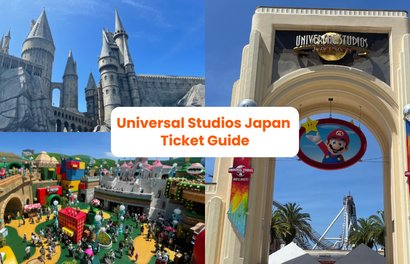
- Universal Studios Japan – A fun-filled destination for movie buffs, this theme park offers thrilling rides and immersive attractions based on popular films.
4. Relax in Hakone’s peaceful hot springs and stunning nature
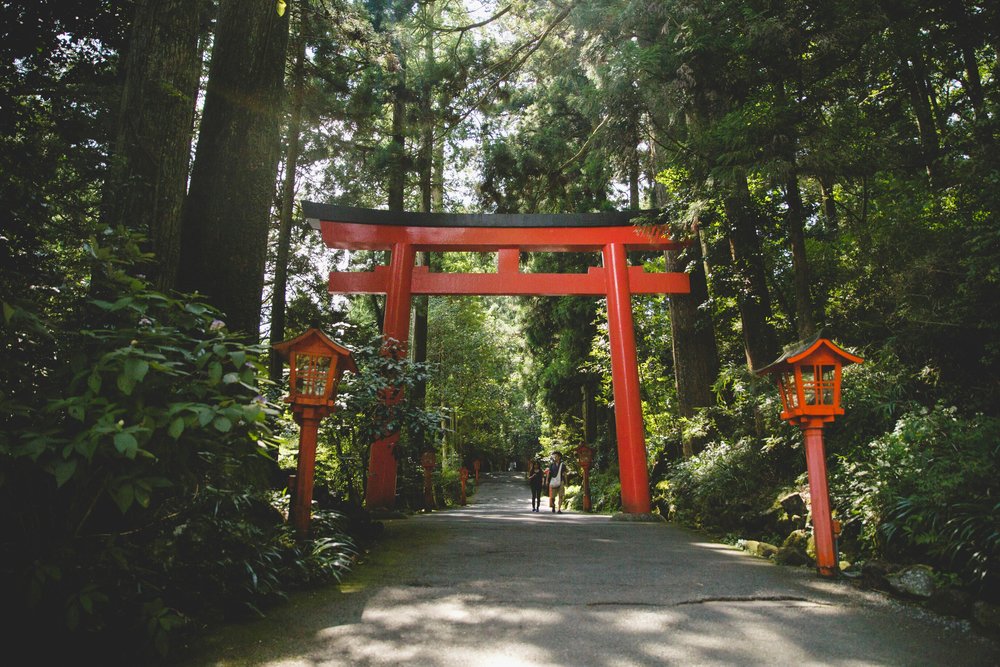
Stunning red torii gate at the entrance of a peaceful forest path in Hakone | Photo from Daniel Erlandson on Pexels
Best time to visit: The best times to visit Hakone are spring (March to May) and autumn (September to November), when the weather is mild and the natural surroundings are at their most beautiful.
If you’re looking to relax in the peaceful natural beauty of Japan, Hakone is an ideal destination. Famous for its hot springs, stunning views of Mount Fuji, and peaceful ryokan stays, Hakone offers a perfect retreat from the bustling cities. The combination of onsen (hot springs) resorts and nature makes it a great place to unwind.
Although Hakone can be on the pricier side when it comes to ryokan stays and hot spring resorts, there are budget-friendly options available, particularly if you choose a shared onsen experience or opt for simpler accommodation. Public transport to Hakone can also add up, but purchasing a Hakone Free Pass can save money on buses and trains.
Budget Tips:
While Hakone can be expensive, you can still enjoy its beauty by opting for budget-friendly activities like hiking or visiting free attractions such as the Red Torii gate. Onsen experiences vary, but you can expect to pay around £20-£40 for access. A day in Hakone can cost you approximately £55-£70.
To make the most of your Hakone trip, consider getting the Hakone Free Pass. This convenient pass gives you unlimited access to local trains, buses, and even the Hakone Ropeway, making it easy to explore the area’s top attractions, including Lake Ashi and Owakudani Valley, at a discounted price.
How many days should you spend?
1-2 days in Hakone is enough to enjoy the hot springs, visit the Hakone Open-Air Museum, and relax in a traditional ryokan.
Top attractions you must visit in Hakone:
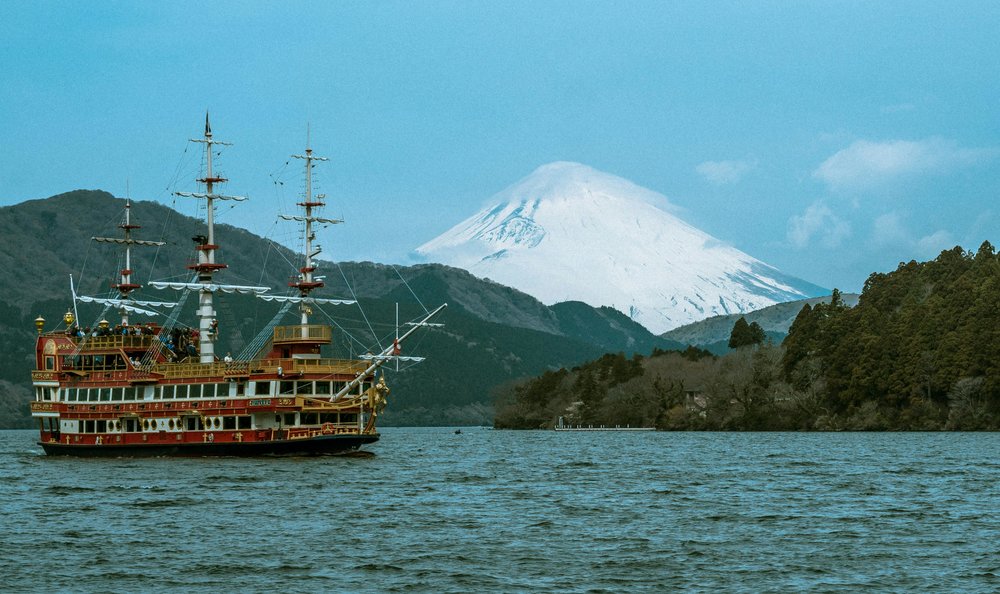
Scenic view of a pirate ship on Lake Ashi with Mt. Fuji in the backdrop in Hakone, Japan | Photo from Bjor Pierre on Pexels
- Owakudani – This volcanic area offers hot springs, black eggs, and views of Mount Fuji, making it a fascinating natural wonder.
- Hakone Open-Air Museum – A perfect blend of art and nature, this museum showcases beautiful sculptures set against stunning outdoor landscapes.
- Lake Ashi – Enjoy boat rides with views of Mount Fuji or stroll along the lake’s scenic trails for a serene experience in nature.
5. Look back on Hiroshima’s powerful history and serene landscapes
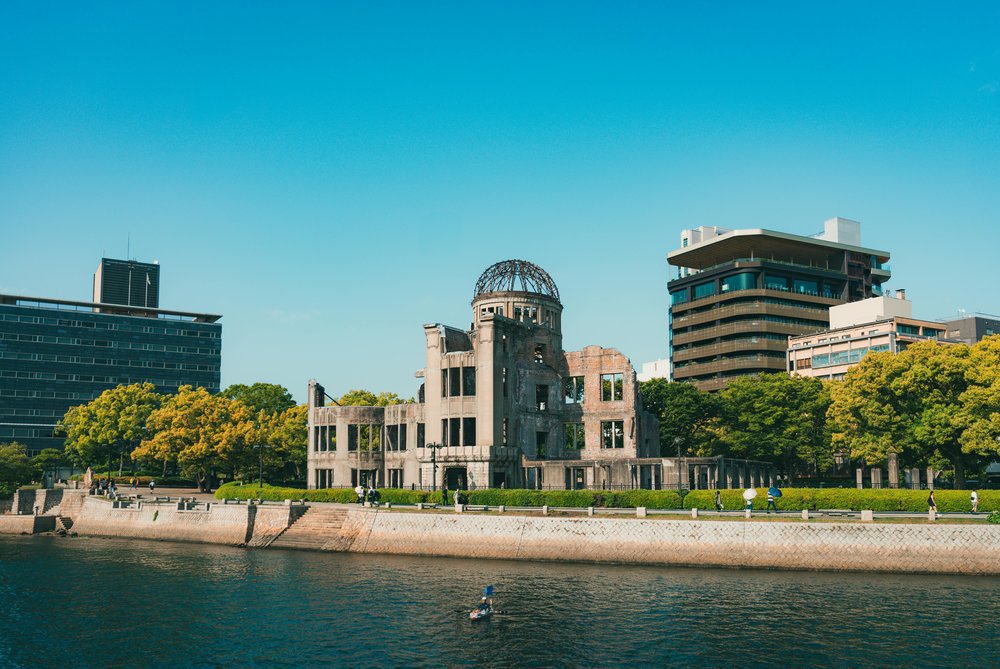
The iconic Hiroshima Peace Memorial, a symbol of resilience and peace, standing by the river | Photo from Lawrence Lam on Pexels
Best time to visit: Spring (late March to early April) and autumn (October to November) are the best times to visit Hiroshima, with comfortable weather and the beauty of cherry blossoms and autumn leaves.
Hiroshima gives you both a sombre history and a hope for the future. Hiroshima’s history as the site of the first atomic bombing gives it a unique significance, and visiting the Peace Memorial Park is a moving experience.
Hiroshima is a relatively affordable city to visit. Accommodations range from budget hostels to mid-range hotels, and food options are reasonable, with many restaurants offering delicious meals for around £5-£10. Hiroshima-style okonomiyaki is a must-try and can be found at affordable prices throughout the city.
Budget Tips:
The Hiroshima Peace Memorial Park and Museum are free to visit, but donations are encouraged. Hiroshima-style okonomiyaki is a must-try and can be found at affordable prices throughout the city. A typical day in Hiroshima will cost around £45-£60, including meals and attractions.
To make your visit to Hiroshima even more convenient, consider the Hiroshima Klook Pass. This pass gives you access to various popular attractions in the city, including Hiroshima Castle and Miyajima Island, all while providing big discounts on entrance fees.
How many days should you spend?
1-2 days in Hiroshima allows for a meaningful visit to the Peace Memorial Park and a day trip to Miyajima.
Top attractions you must visit in Hiroshima:
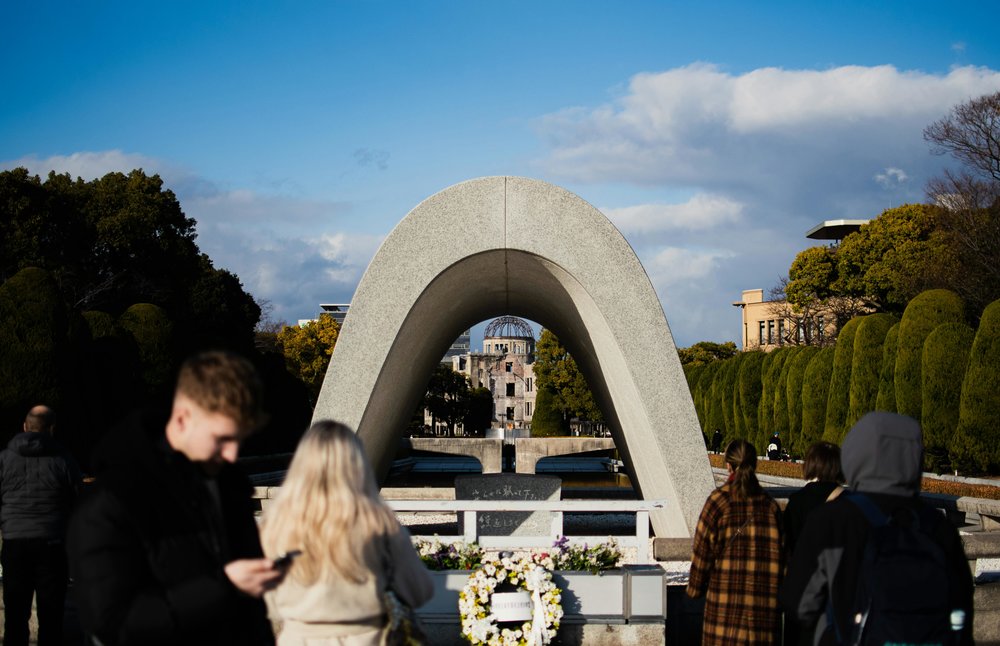
Hiroshima Peace Memorial Park, honoring the victims of the atomic bombing with a stunning monument | Photo from Hoi Wai on Pexels
- Hiroshima Peace Memorial Park – A powerful and moving site, this park commemorates the lives lost in the atomic bombing and promotes peace.
- Miyajima Island – Famous for its "floating" torii gate, this beautiful island offers picturesque landscapes and cultural landmarks.
- Hiroshima Castle – A symbol of resilience, this historic castle offers a glimpse into Hiroshima’s past and stunning views of the city.
FAQs about how much a 2-week Japan trip costs
How expensive is a 2-week trip to Japan?
The cost of a 2-week trip to Japan depends on your travel style. On average, you can expect to spend between £2,000 and £4,000. This includes flights, accommodations, food, and activities. However, if you’re looking for a budget-friendly trip, sticking to hostels, budget meals, and the JR Pass can help lower costs.
How much budget for Japan trip from the UK?
A reasonable budget for a 2-week trip from the UK would be around £2,500 to £3,500, including flights, accommodation, and spending money. It’s also essential to consider local transport costs, such as the Japan Rail Pass, which can save you money on long-distance trains.
How much money should I bring to Japan for 2 weeks?
It’s recommended to bring around £500 to £800 in cash for a 2-week trip, especially for smaller purchases or places that don’t accept cards. Many places in Japan also accept credit cards, but it’s always good to have cash on hand.
Is $1000 enough for a week in Japan?
While $1000 can cover basic expenses for a week in Japan, it’s on the lower end. Budget-conscious travellers can manage on this amount by staying in hostels, eating at affordable restaurants, and using public transport. However, if you plan on visiting luxury restaurants or attractions, you might need a higher budget.
Ready for your Japan adventure?
Now that you have a good idea of how much a 2-week Japan trip costs from the UK, it’s time to start planning your adventure!
Japan offers something for everyone – from the modern cities to tranquil temples and stunning landscapes. Whether you’re travelling on a budget or splurging on a luxury experience, there’s a way to make your dream trip to Japan come true. Book your Klook passes and start your journey today!
What is Klook?
Klook is a leading pan-regional experiences platform in Asia Pacific, purpose built to digitalize experiences and make them accessible to every traveler.
Our mission is to build the digital infrastructure for the global experience economy — empowering merchants to share their passions and travelers to discover the heartbeat of each destination. We operate a mobile-first, curated platform featuring diverse experiences across global destinations.
✨ Follow us for more deals and inspiration for your upcoming travels