

With so many countries, climates, and cultural events happening year-round, planning a trip to Europe can get overwhelming. So, if you're trying to pick the perfect time for your European adventure, we’ve broken it down by country and season.
After a few trips in Europe across all four seasons, we’ve compiled the best places to visit according to what they offer each season. This guide will show you when crowds are low, when the weather is best, and what months you might want to avoid if you’re not a fan of the cold (or heatwaves!).
Best months to visit Europe
Europe is beautiful all year-round, but the kind of experience you’re after depends on when and where you want to go. The best time to visit comes down to whether you want fewer crowds, warmer weather, or magical winter festivities. From blooming spring gardens in Paris to snowy Christmas markets in Germany, every season has its own unique charm.
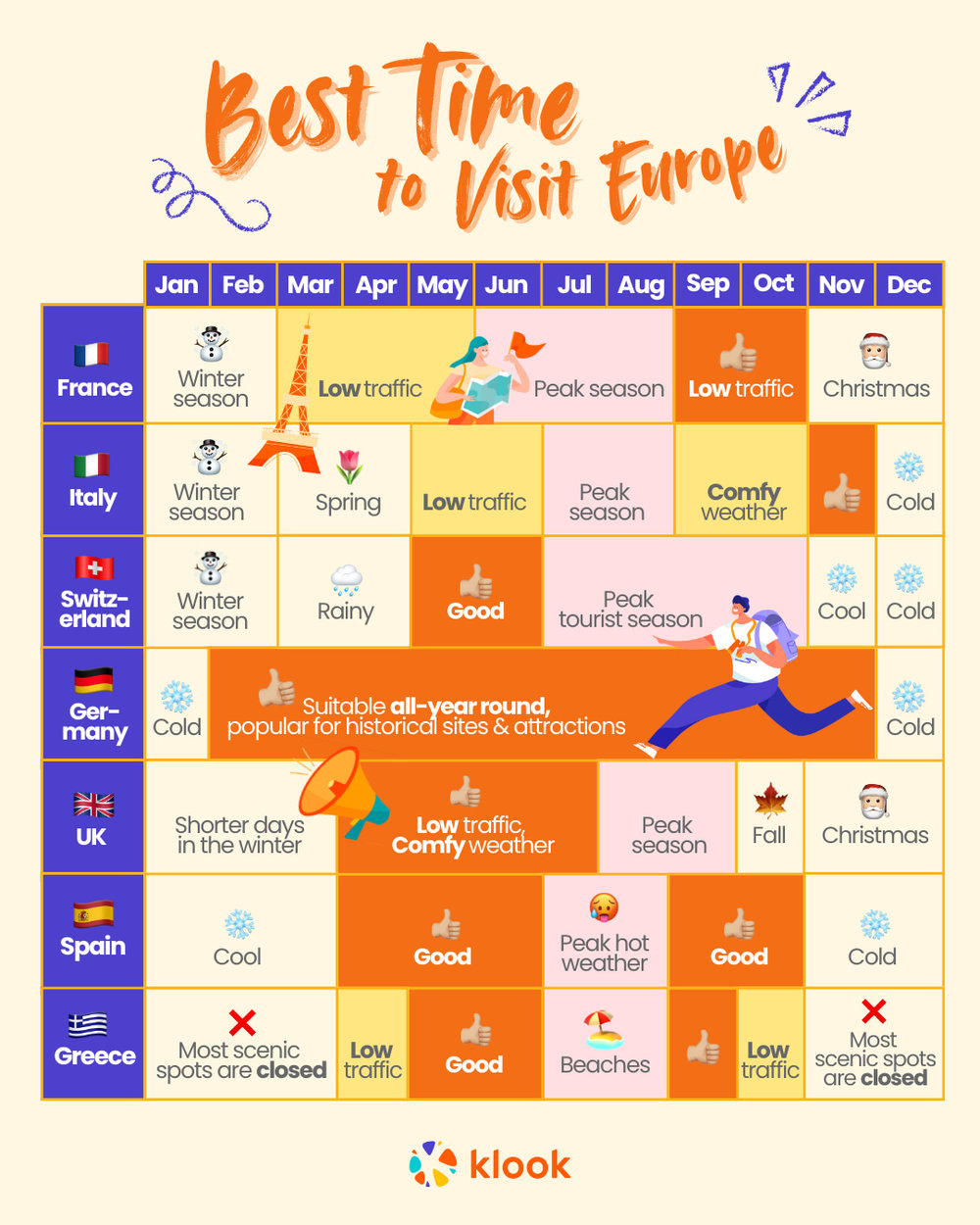
Our top destinations to visit in Europe based on seasons, crowds and events.
Klook Tip: If you’re planning to explore different parts of Europe and experience different seasons, you should get your hands on the Eurail Global Pass. This pass gives you unlimited train rides to 33 European countries and offers a convenient, hassle-free travel experience.
Spring in Europe (March - May)
Europe’s temperature in spring varies significantly by region, but if you’re looking to visit Europe during this season, then the best places to visit are Netherlands, Germany, England, France and Portugal. Their temperature ranges from 12°C (53°F) to 24°C (75.2°F), making an ideal itinerary for sightseeing, coastal walks and garden visits. It’s the most beautiful spring season as parks come alive and flowers bloom across cities.

Colorful Amsterdam canal with boats, bicycles, and historic houses
What makes spring in Europe so special is the transformation of the landscapes. Cities and countryside alike burst into colour, from cherry blossom streets in Germany to tulip fields in the Netherlands. People start to lay out their picnic mats, cafés spill out onto sidewalks, and iconic landmarks are framed with vibrant blooms.
You’ll also get to enjoy lower prices on flights and accommodations as well as shorter queues at major attractions like the RHS Chelsea Flower Show in London and Koningsdag (National King's Day) in Amsterdam.
Summer in Europe (June - August)
Summer is Europe’s busiest and hottest season. The sun’s out and the beaches and festivals are in full swing. In top summer destinations like Spain, Portugal, Greece and Italy, temperatures can often exceed 35°C (95°F), so be prepared for sunburns and heatwaves. The long daylight hours (often until 10pm in some parts!) also allow you to fit in more sightseeing, activities and late dinners.

Dip your feet in the ocean and soak in the sunlight at Amalfi Coast, Italy.
On a good note, Summer in Europe is a great blend of relaxation and adventure, making it perfect for long beach days and non-stop action. The warm weather makes every street buzz with energy, so you don’t have to worry about running out of things to do.
Autumn in Europe (September - November)
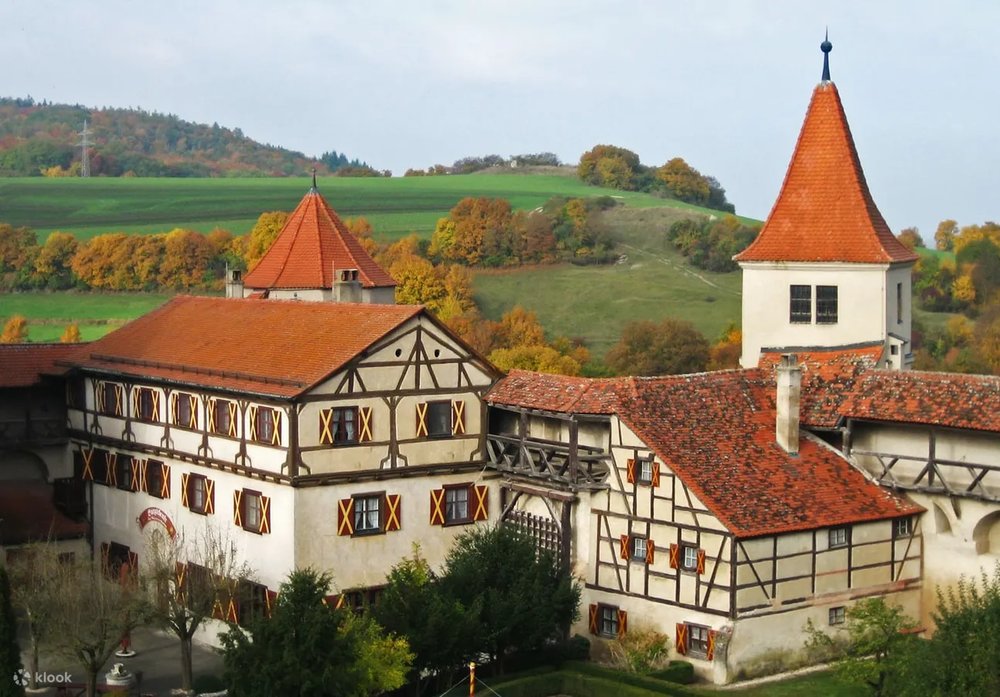
If you prefer cooler temperatures, cosy cafes and colourful landscapes, then you should visit Europe during Autumn. The season kicks off in September with temperatures dropping to 5°C - 15°C (41°F - 59°F) in popular autumn destinations like Germany, Austria, Ireland and Czech Republic. Cities like Prague, Munich, and Edinburgh are covered in hues of gold, amber, and crimson, offering the perfect backdrop for both romantic getaways and family vacations.
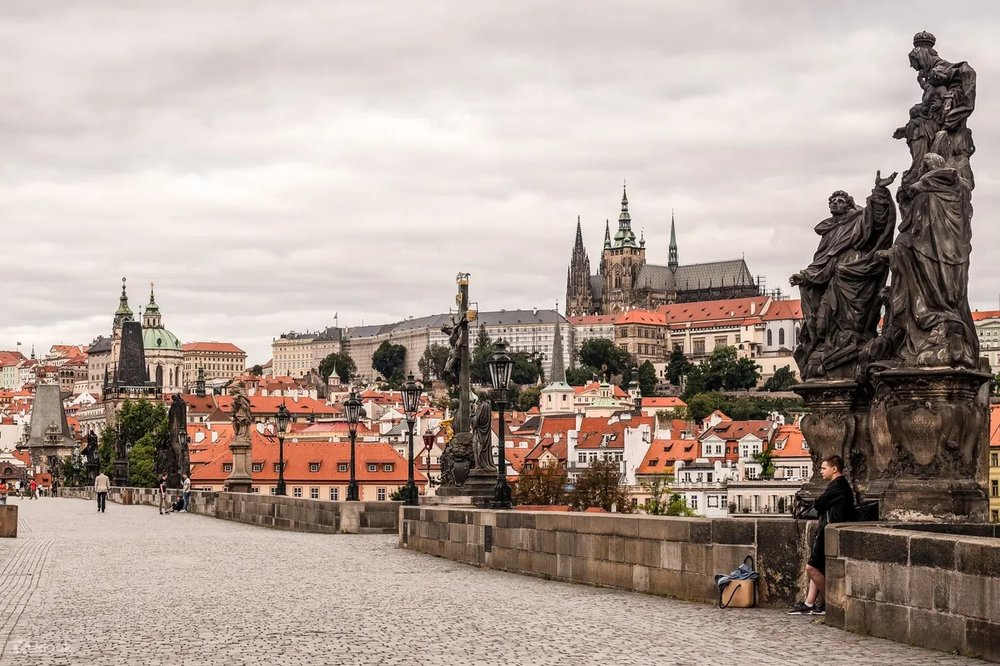
Take in the golden hues of autumn at Prague, Czech Republic.
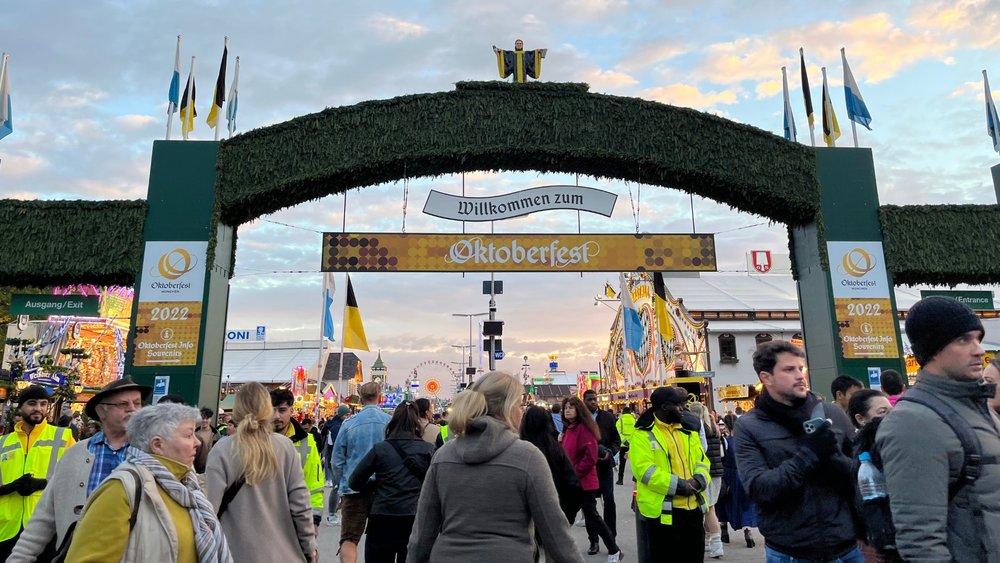
This season is also packed with authentic local festivals! Think Oktoberfest in Germany, spooky Halloween celebrations in Ireland, and harvest and wine festivals. These events offer a glimpse into Europe’s traditions and are often less commercial and more community-driven than their summer counterparts.
Winter in Europe (December - February)
Winter in Europe is known for festive charm and snowy adventures. Expect extremely cold temperatures across most of the continent, with daytime averages ranging from -5°C (23°F) to 5°C (41°F) in Germany, Poland, and Austria, and slightly milder temperatures of 5°C (41°F) to 12°C (53.6°F) in Portugal and Southern Spain.
Countries like Germany and Austria are famous for their Christmas holiday markets, featuring handmade gifts, glowing lights, and the irresistible scent of cinnamon and roasted nuts.
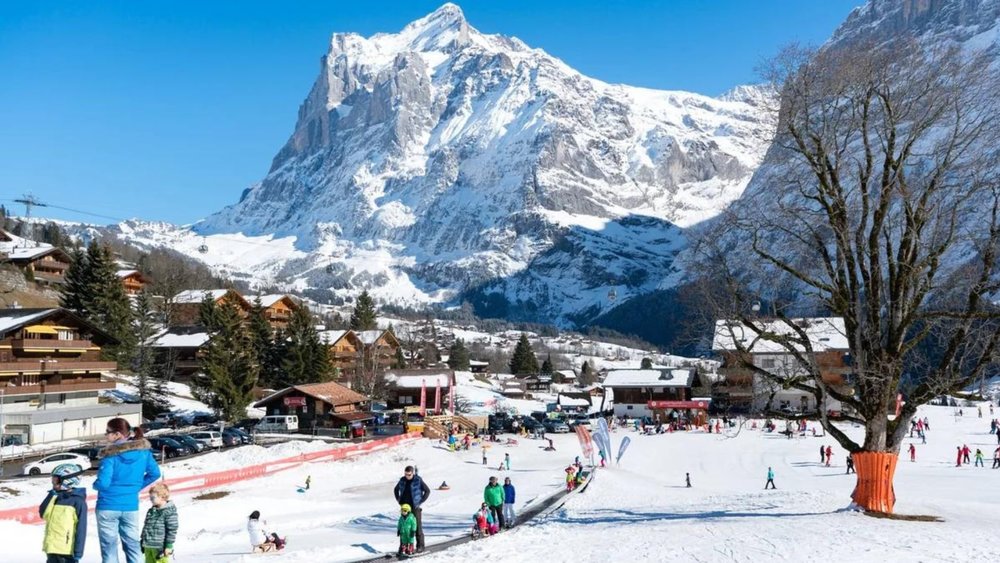
The best time to visit Switzerland and enjoy skiing is during the peak winter season.
Winter is also the ultimate getaway to world-class ski resorts and snow sports in Switzerland and France, with temperatures ranging from -3°C to 7°C. Think scenic alpine villages, snow-covered castles, roaring fires, and spa hotels nestled in the mountains.
Countries to visit in Europe by seasons
Now that we have explained how the four seasons vary in different regions, here are some of the best countries to visit in Europe during each season!
Best Euro Destinations to visit in Summer
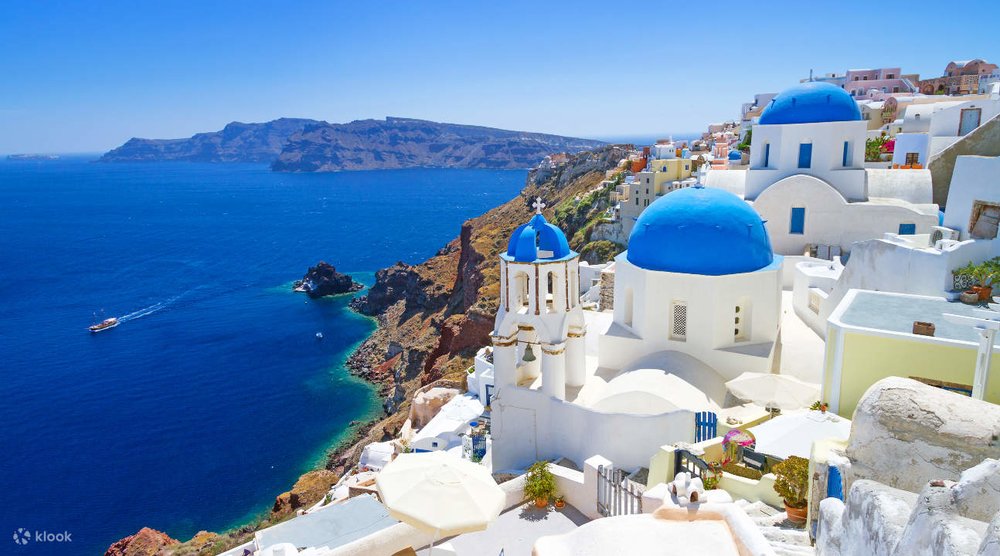
Santorini, Greece
Known for its stunning sunsets, crystal-clear waters and iconic whitewashed buildings perched on cliffs, Santorini is a summer icon. The island offers a perfect blend of relaxation and adventure. Summer is considered the best time to visit due to its perfect weather, although it can get incredibly busy during this time of the year. The weather is hot and dry as temperatures can go up to 30°C (86°F), creating an ideal itinerary for outdoor adventures like hiking, beach hopping or sailing.
Barcelona, Spain
Spain in summer is vibrant, colorful, and alive. Barcelona is one of the top destinations in Europe as it offers a unique combination of beach culture, buzzing nightlife and the picturesque Park Guell by Antoni Gaudí. The weather is reliably warm, making it perfect for seaside escapes and alfresco tapas dinners.
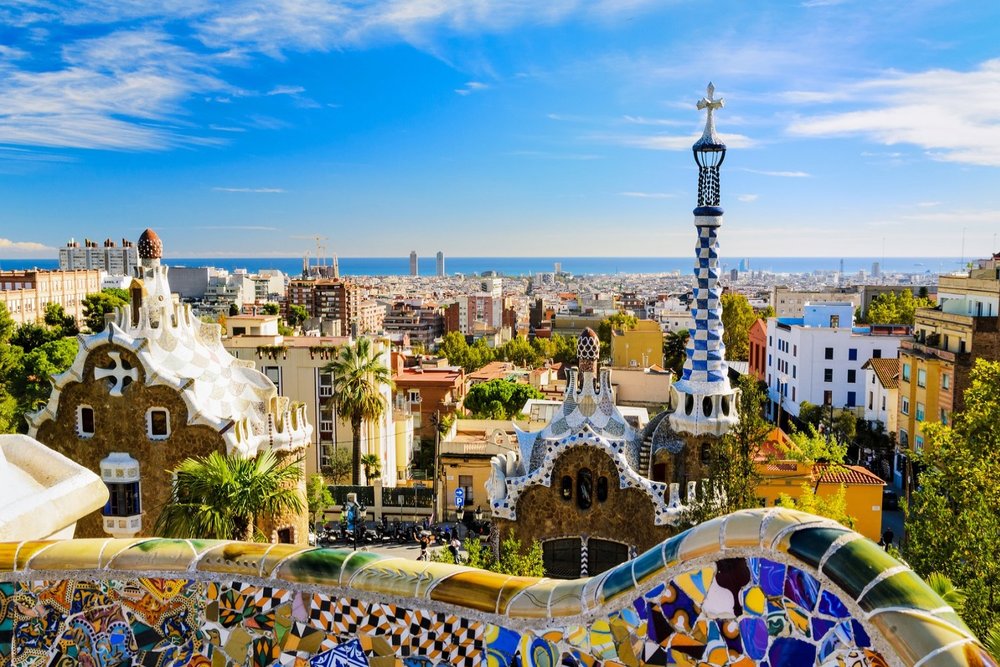
Park Guell is the perfect attraction to visit if you’re looking for a tranquil escape from the bustling city.
If you need help planning for your Barcelona trip, we have a full guide on the best things to do while you’re there!
French Riviera, France
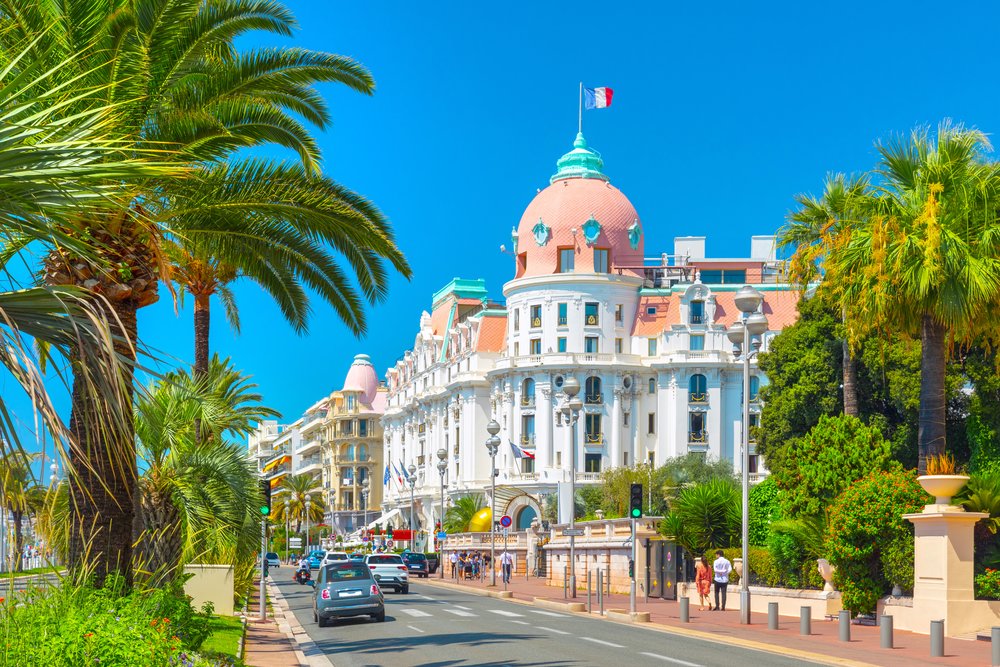
The French Riviera, or Côte d’Azur, stretches along the sun-soaked Mediterranean coastline. This glamorous region is home to iconic spots like Nice, Cannes, Saint-Tropez, and the glittering Monaco. During summer, the Riviera comes alive with azure beaches, luxury yachts, seaside cafés, and cultural festivals like the Cannes Film Festival. Whether you’re lounging on pebbled beaches, exploring hilltop villages like Èze, or sipping rosé under the sun, the French Riviera offers the perfect blend of relaxation, elegance, and adventure.
Amalfi Coast, Italy
When it comes to Amalfi Coast, think of dramatic seaside cliffs, charming villages like Positano, and coastal roads that wind through lemon groves and vineyards. The summer months are perfect for dining outdoors, swimming in the Mediterranean, and exploring iconic towns like Ravello and Amalfi. Italy’s rich culture, food, and landscapes make it a must-visit for summer lovers!
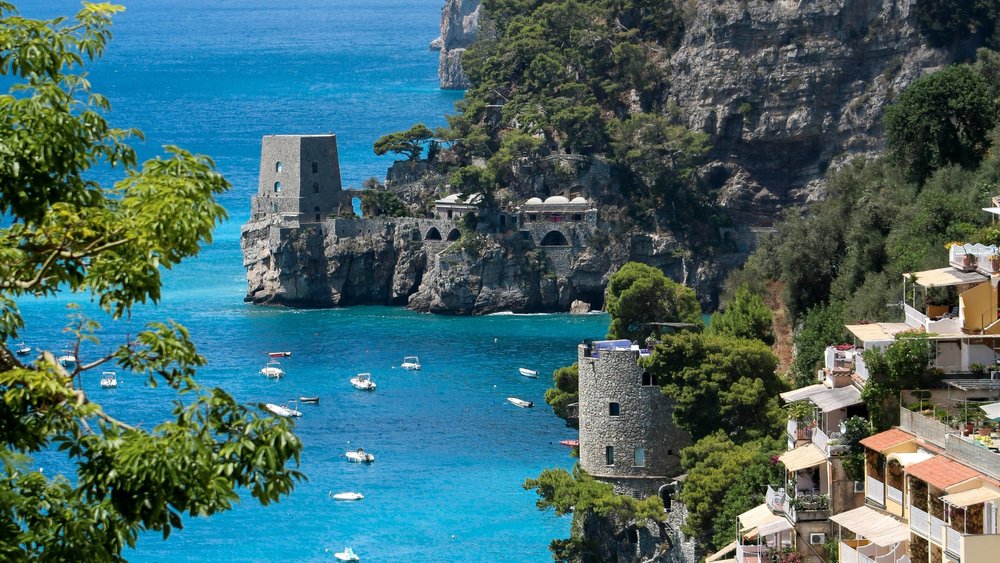
Sample the freshest seafood when you visit Sorrento and the Amalfi Coast.
Best Euro Destinations to visit in Spring
Amsterdam, Netherlands
Known as the tulip capital of the world, the Netherlands is one of the best places to visit in Europe during Spring. The famous Keukenhof Gardens features over 7 million flowers, and fields near Lisse turn into colorful carpets of blooms. Amsterdam’s Tulip Festival and King’s Day celebrations in April make spring not just scenic, but festive too.
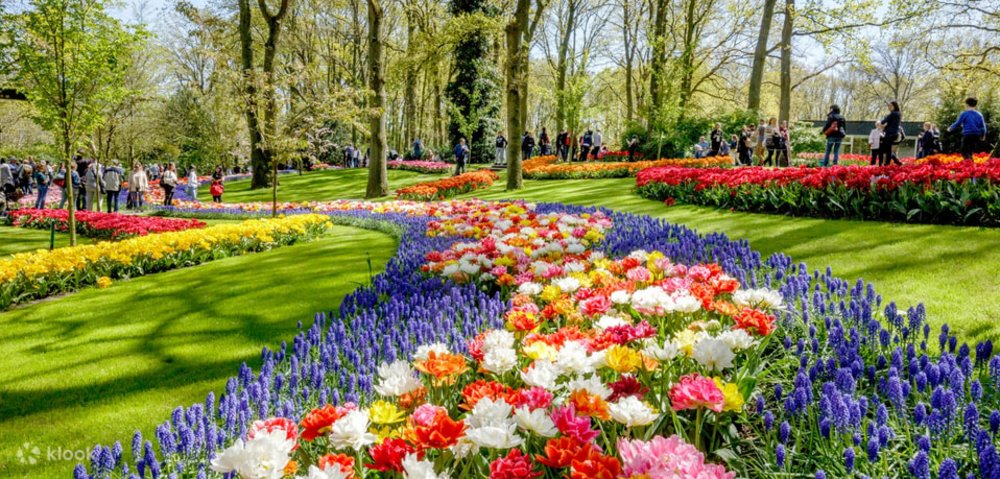
Visit one of the world's most famous tulip fields at Keukenhof Garden in Lisse, Netherlands.
London, England
Spring in London is absolutely gorgeous as iconic neighbourhoods are decorated with magnolias and wisteria. Parks like Royal Botanic Gardens and Regent’s Park bloom in vibrant colours. It’s also the season for the RHS Chelsea Flower Show, a globally renowned garden exhibition. Overall, Spring is a lovely time to enjoy London's historic sights, as well as its quieter side before summer crowds arrive.

While London is a beautiful destination, we highly recommend exploring beyond London and taking a day trip outside the city. Check out our full guide on 4 must-experience day trips from London.
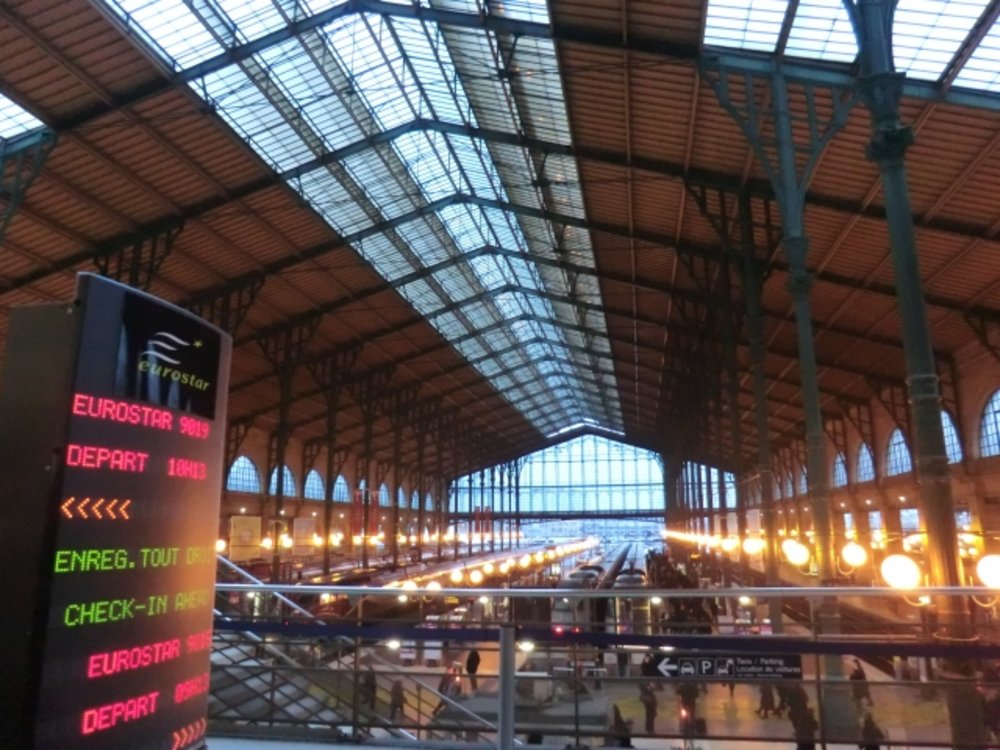
Alternatively, you can also make a day trip from London to Paris by car, train or plane. We recommend taking the Eurostar train to Paris as you’ll get there in just 2.5 hours!
Paris, France
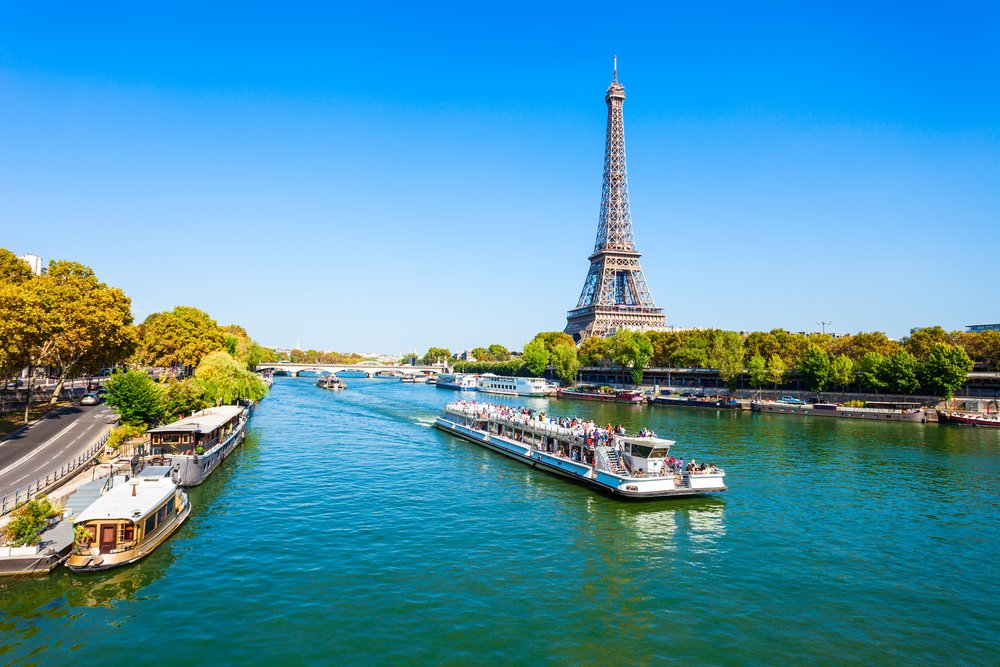
Paris in spring is one of the most amazing times to visit. Think café terraces, cherry blossoms along the Seine, and fewer tourists than the summer months. Iconic sites like the Eiffel Tower and Sacre Coeur Basilica look even better when framed by seasonal blooms. The weather is pleasant enough to ride the Seine River sightseeing cruise or have picnics in the park, making Paris a dreamy spring destination.
The Palace of Versailles is also a must-see attraction during spring as the stunning gardens are filled with flowers and sculptures.

Sintra, Portugal
Sintra is Portugal's spring highlight — a fairy tale town with palaces, castles, and enchanted forests. Visiting in spring means fewer crowds and a peaceful atmosphere to explore its UNESCO-listed wonders. Portugal during this time of the year is ideal for hiking, day trips, and exploring heritage-rich towns before the summer heat kicks in.

Best Euro Destinations to visit in Autumn
Munich, Germany
Germany in autumn is festive and colourful. It’s the season of Oktoberfest in Munich, wine festivals in the Rhine Valley, and pumpkin celebrations in Ludwigsburg. Plus, Bavaria’s forests and Alpine regions explode in autumn colours, offering some of the most scenic drives in Europe. It’s the best time to combine nature, tradition, and culinary experiences.
Edinburgh, Scotland
The Scottish Highlands, Edinburgh’s historic streets, and cozy countryside villages are all framed by vibrant fall colours. The season also brings cultural highlights like the Scottish International Storytelling Festival, and Halloween adds a spooky twist especially in Edinburgh, one of Europe’s most haunted cities.
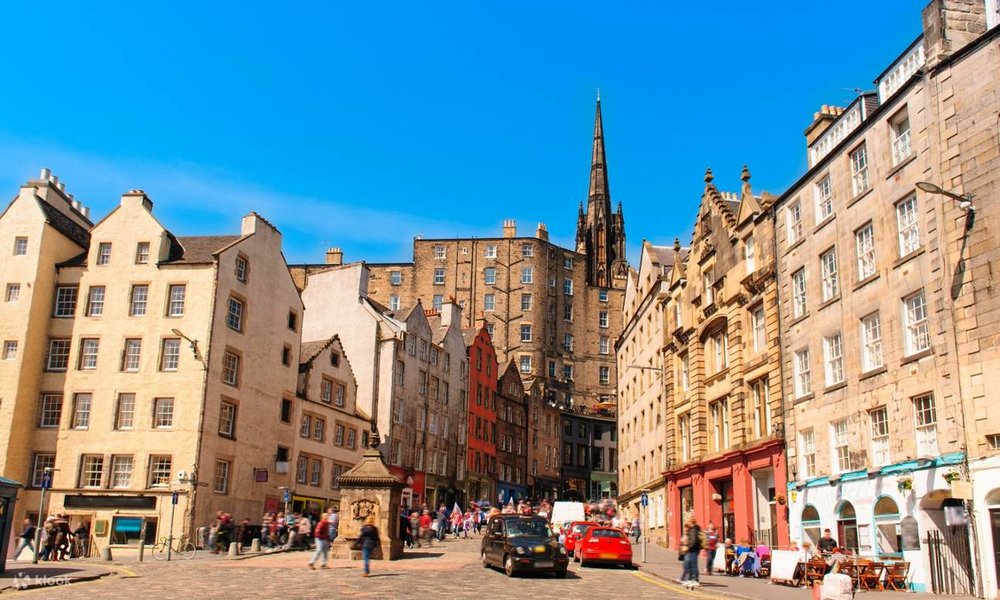
However, Edinburgh isn’t the only exciting part about Scotland during autumn. If you have the time to explore beyond the city, we recommend spending a few days touring around the Isle of Skye, The Highlands and Loch Ness.

Prague, Czech Republic
The Czech Republic, especially Prague, is stunning in autumn. The city’s fairytale architecture looks even more magical under golden foliage. Autumn is also a time for music festivals, like Strings of Autumn, and offers the chance to explore the medieval city of Cesky Krumlov or the eerie Sedlec Ossuary for Halloween! Get a chance to explore Old Town, cross the Charles Bridge and visit Prague Castle.
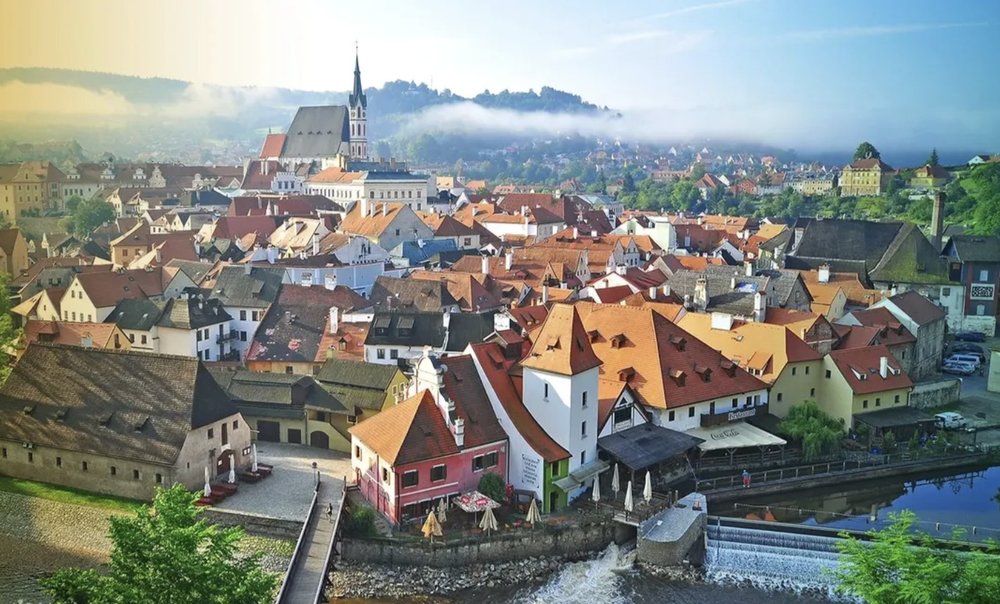
Visit the medieval city of Cesky Krumlov, which is just a 2-hour drive from Prague.
Amsterdam, Netherlands
Amsterdam becomes even more charming in autumn. Parks like Vondelpark offer a peaceful retreat with crunchy leaves underfoot and Amsterdam’s canal cruises let you enjoy the fall colours from the water. If you want a more upgraded experience, we have a full list of the best Amsterdam canal cruises that offer luxurious rides too!
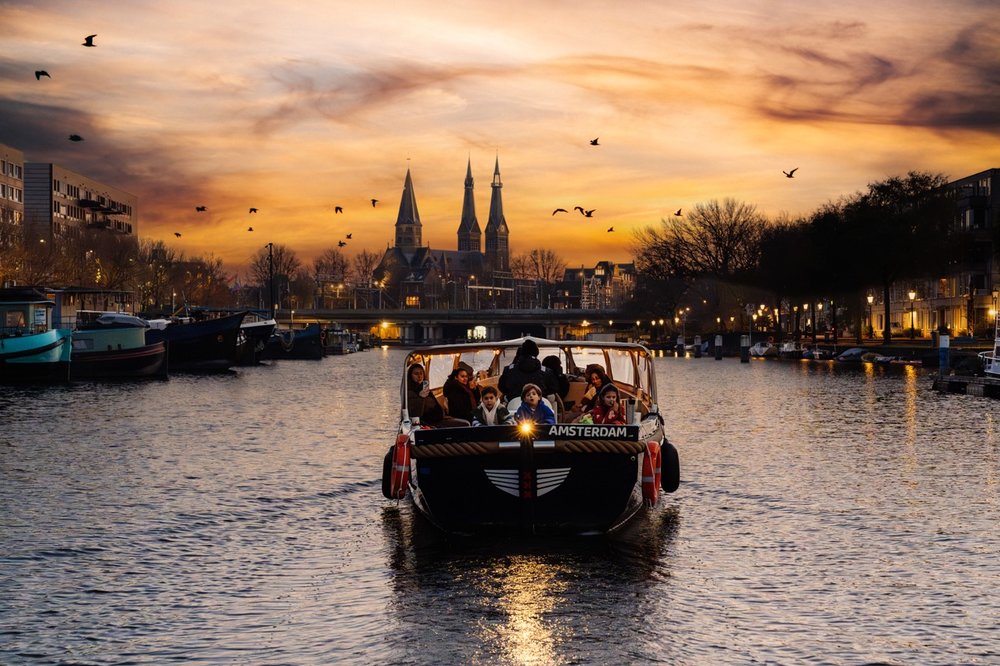
Known for their plethora of museums, Amsterdam is home to some of the most famous attractions like the Van Gogh Museum and Anne Frank House.

Inside Van Gogh Museum in Amsterdam.
Best Euro Destinations to visit in Winter
Germany
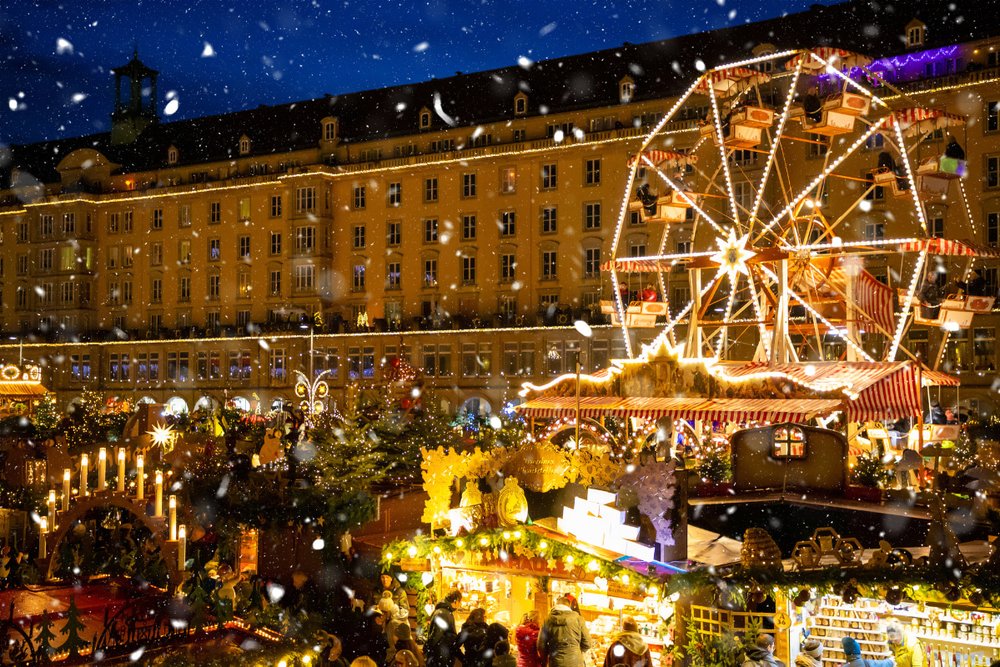
Germany is the undisputed king of Christmas markets. Cities like Frankfurt, Nuremberg, Cologne, and Dresden transform into glowing winter wonderlands, complete with handcrafted goods, glühwein (mulled wine), and festive cheer. The markets are steeped in tradition, some dating back hundreds of years, and each city has its own twist on the classic Christmas celebration.
Klook Tip: Each Christmas market has its own opening hours, so be sure to check their schedule before going!
Switzerland
Switzerland is the ultimate winter destination. Home to the Alps, it offers world-renowned ski resorts like Zermatt and St. Moritz, scenic train rides, and cozy mountain chalets. If you’re into snow sports, spa getaways, or jaw-dropping winter landscapes, Switzerland delivers on every front. You can also take the cable car to Mount Titlis and enjoy majestic views from the top.
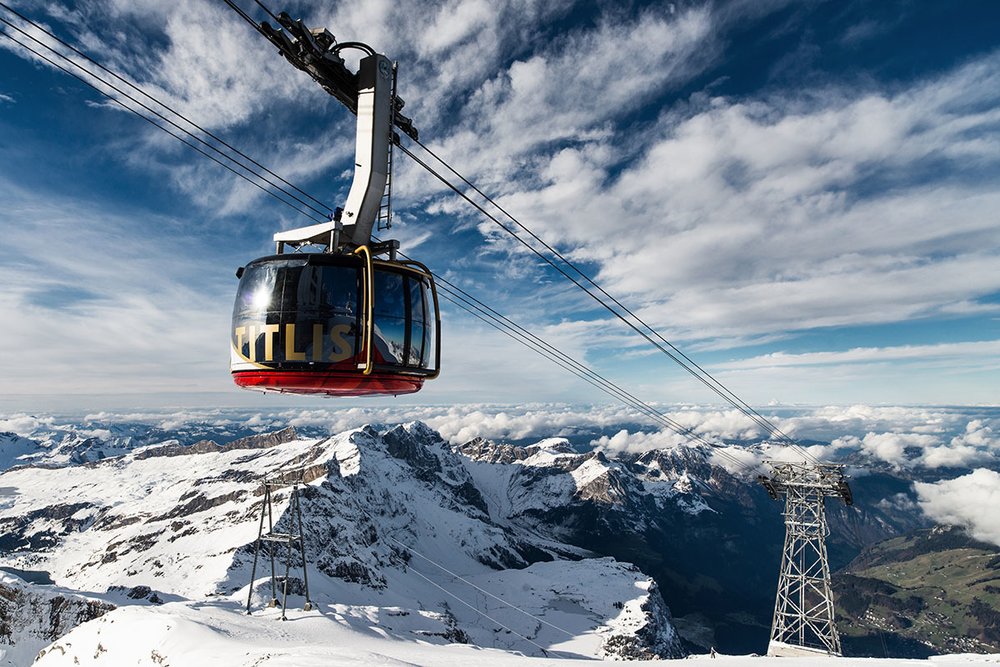
Take the cable car to Mount Titlis and enjoy breathtaking views.
The best part? You can get around Switzerland with just one single pass with the Swiss Travel Pass or Swiss Half Fare Card, depending on the length of your trip.
Budapest, Hungary
Budapest in winter is both magical and relaxing. The city glows with Christmas lights, and its famous Szechenyi Thermal Bath offers a unique way to stay warm while surrounded by chilly air. Attractions like the Hungarian Parliament Building, Buda Castle, and Fisherman’s Bastion look striking in winter, and festive markets fill the city’s squares throughout December.
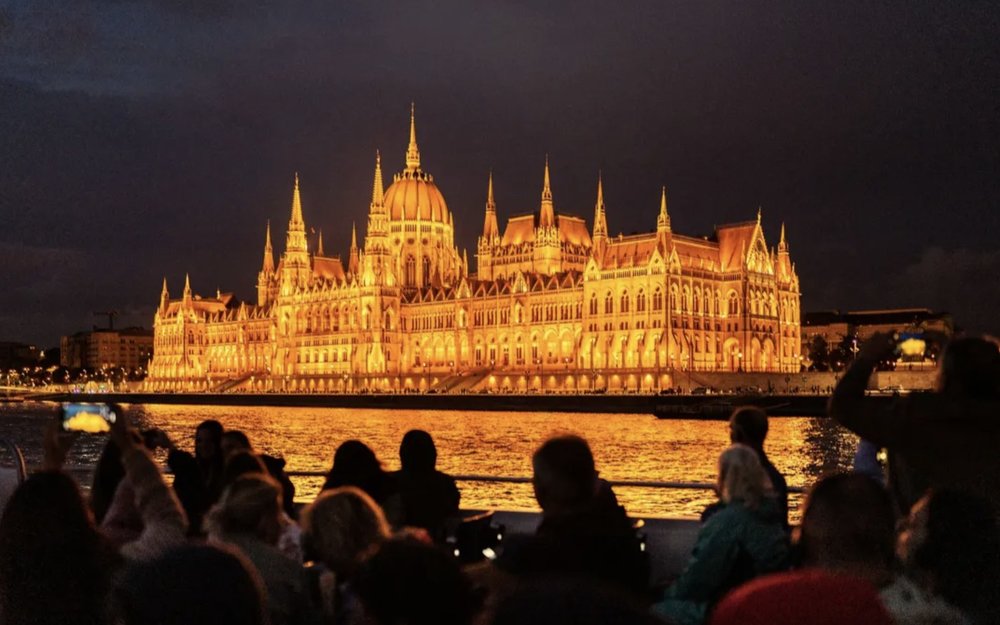
Take a cruise down the Hungarian Parliament Building.
Venice, Italy
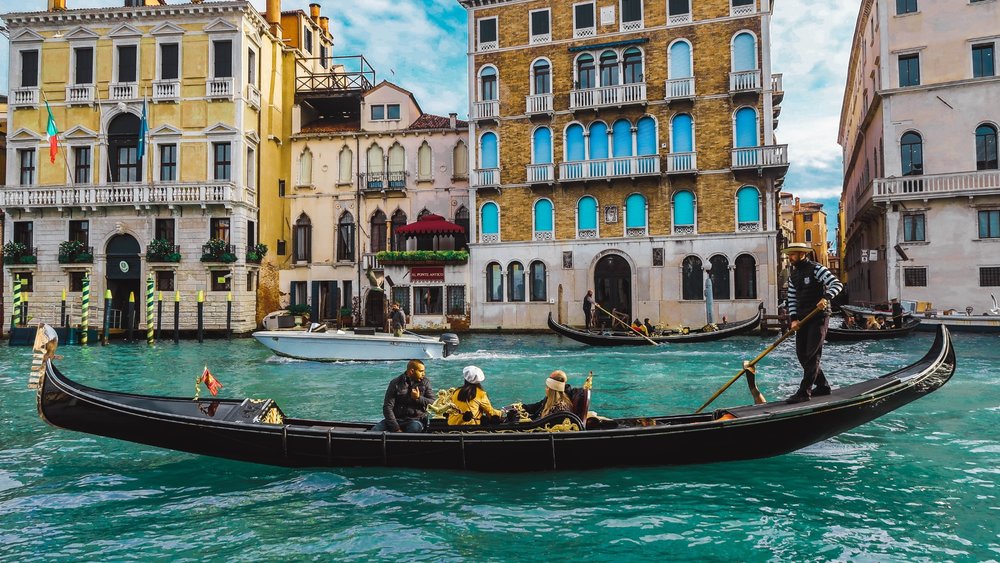
While Italy is famous for its summer scenes, Venice in winter is a different kind of beautiful. You get to experience misty canals, peaceful alleyways, and romantic gondola rides without the crowds. February is also when the Venice Carnival kicks off, with elaborate masks, costumes, and events throughout the city. It’s the perfect time to experience the city’s quieter, more mysterious side.
When is the worst time to visit Europe?
While Europe is beautiful year-round, some months bring extreme crowds, harsh weather, or closed attractions. That’s why knowing what to expect each month helps you plan better, save money, and avoid major letdowns.
Peak Euro Summer
Euro Summer, which happens from July to August, is the peak tourist season for major cities like Paris, Rome, Barcelona, and Amsterdam. Due to the popularity of summer in Europe, accommodation prices typically skyrocket and you’ll often find yourself queuing for hours at major attractions.
In Southern Europe like Greece, Spain, and Italy, the heat can go up to 35°C+/- (95°F+/-), and there's very little shade. It’s also the period when locals go on vacation, especially in countries like France and Italy, so smaller towns may feel deserted with shops and restaurants closed.

Winter in Northern and Eastern Europe
While winter is a wonderful time for skiing in Switzerland or experiencing Germany’s famous Christmas markets, travelling between November and February can be challenging especially in Nordic countries like Norway, Sweden, and Finland. These regions face significantly cold temperatures, often dropping as low as -10°C (14°F), which can make outdoor activities and travel conditions a bit more demanding.
The weather is cold, wet, and often miserable in places like the UK, Germany, Poland, and the Netherlands. Daylight is limited, with sunsets as early as 3:30pm to 4:00pm and this can hinder your sightseeing time.
Outdoor attractions are less enjoyable and winter storms can even cause transport delays or cancellations.
Post-Holiday Slump
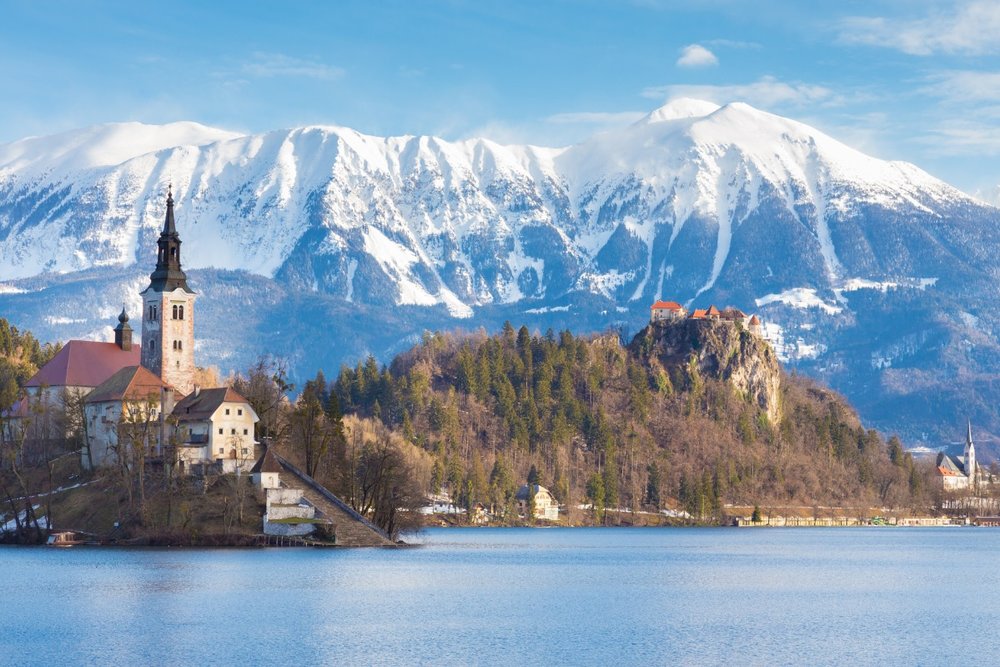
After Christmas and New Year, Europe slows down and experiences a post-holiday shutdown from January to February.
Most Christmas markets are over by early January, and festive lights come down quickly. Museums, attractions, and restaurants may close temporarily for renovations or rest, so many cities feel unusually quiet.
Travel Tips for Visiting Europe by Season
No matter when you decide to visit, each season in Europe comes with its own travel perks and challenges! Here are some travel tips for making the most out of your trip, season by season.

Tips to visit Europe in Spring
For the spring season, it’s important to pack warm clothes for layering. The weather can shift between chilly mornings and sunny afternoons, so it’s always good to dress comfortably and have outerwear on standby.
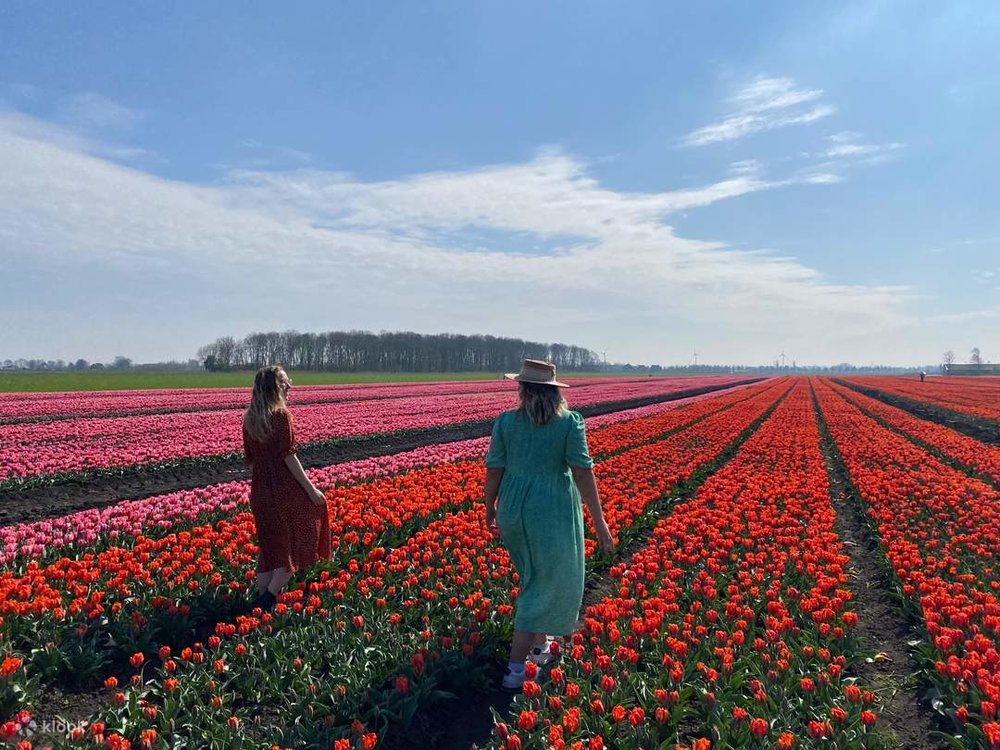
Countries like the Netherlands and France are bursting with tulips and cherry blossoms, so don’t forget to bring your camera to capture its beauty!
As Easter is a popular season among local travelers, we recommend traveling mid-to-late April to avoid Easter holiday crowds and book early before the prices spike.
Tips to visit Europe in Summer
Summer is the perfect time for beach holidays and island hopping, so pack light, breathable clothing and don’t forget sun protection! Midday heat in Southern Europe can be intense so remember to stay hydrated and plan sightseeing early.
As summer is the peak tourist season, we recommend booking everything in advance. Accommodations and tours sell out fast in popular cities like Rome, Paris, and Barcelona.
Tips to visit Europe in Autumn
It’s important to know that temperatures drop during this season, so pack warm clothes for layering. A waterproof jacket may also come in handy when it starts to rain.
As you’ll likely spend a lot of time outdoors admiring Europe’s autumn foliage, we recommend exploring in comfortable footwear and bringing along a camera to capture its stunning landscape!
Tips to visit Europe in Winter
For a winter trip in Europe, bring along warm clothes such as thermals, gloves, scarves, insulated coats and waterproof boots. As daylight hours in winter vary across different regions in Europe - some countries experience shorter days while others have long daytime - it’s essential to plan your itinerary accordingly.
Frequently Asked Questions
What’s the best month to visit Europe?
The best time to visit Europe is spring (May), summer (early June), or autumn (September). These months are part of Europe’s shoulder season, meaning the weather’s still lovely and the crowds are manageable.
When’s the cheapest time to travel to Europe?
The cheapest time to go to Europe is the off season during post-christmas (January and February) or early winter (November). Flights and hotels are often way more affordable, and you’ll get to enjoy famous sites without the crowds.
What time of year has the best festivals or events?
Europe’s calendar is packed with events year-round, so there’s always something exciting going on. Ultimately, it all comes down to the kind of culture, season and festival that you’re after. If you want to experience Europe’s Christmas markets, go in December. If you want to celebrate Oktoberfest, visit Europe in late September.
Is summer worth it, even with the crowds?
It depends on the kind of trip you’d like to enjoy. Although summer (June to August) means long days, sunshine, and buzzing city life, it also means bigger crowds and higher prices. If you don’t mind the hustle and want to experience that lively summer energy, you’ll love it. Just be sure to book ahead!
Which European destinations are best to visit in winter?
Winter destinations such as Switzerland, Germany and Austria are the best for winter activities like skiing and snowboarding while Scandinavian countries like Norway, Denmark and Sweden are great for chasing the Northern Lights.
What is Klook?
Klook is a leading pan-regional experiences platform in Asia Pacific, purpose built to digitalize experiences and make them accessible to every traveler.
Our mission is to build the digital infrastructure for the global experience economy — empowering merchants to share their passions and travelers to discover the heartbeat of each destination. We operate a mobile-first, curated platform featuring diverse experiences across global destinations.
✨ Follow us for more deals and inspiration for your upcoming travels