
The first worry about Tokyo in August is almost always the heat, and it's a fair one. It'll slow you down, sure, but it won't stop you. Think of Tokyo summer as a trip with a different rhythm: slow afternoons somewhere cool or by the sea, then lively evenings when the festivals and fireworks start.
This guide covers the dates worth planning around, the best August festivals and the easiest ways to cool off, including beach days and mountain towns. There's a short section for niche crowds too, like Comiket and the Mt. Fuji climbing season. If you're still deciding where to base yourself, start with Tokyo.
Tokyo in August at a glance
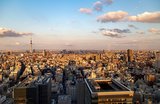
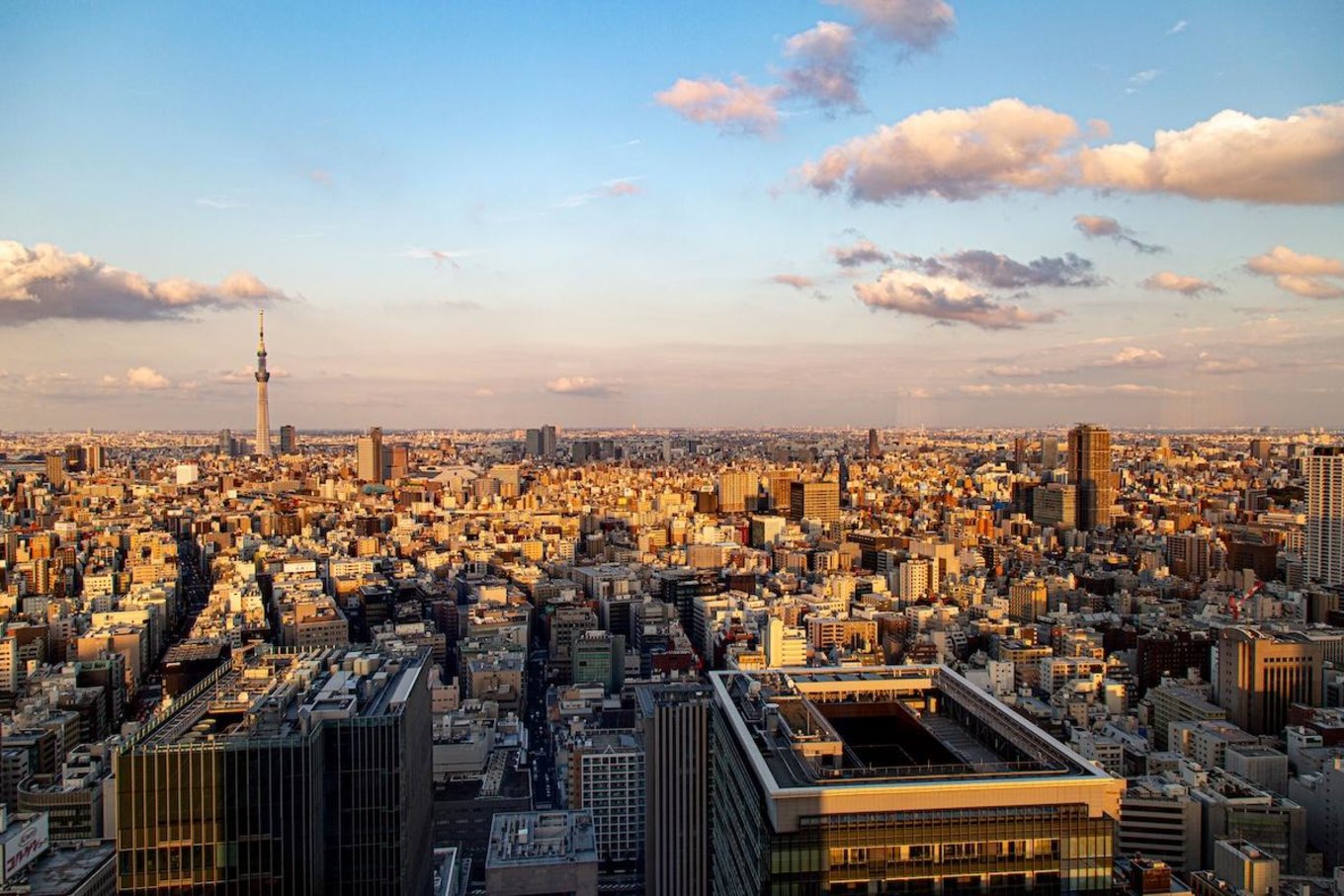
Tokyo, Japan | Image credit: Szymon Shields via Pexels
Tokyo weather in August is sticky all day and most of the night, so a little planning goes a long way. Here's the quick version before you book anything.
- Heat: Daytime highs average about 86°F (30°C) and often pass 93°F (34°C). Nights stay around 79°F (26°C), so there's no real cool-down after dark.
- Rain and typhoons: Short, heavy downpours are common, especially in the evening. Typhoons are possible too, so check the forecast before beach or mountain days.
- Obon week: Obon in Tokyo runs roughly Aug. 13 to 16, when locals head home across JP. Trains and highways fill up, and some small family-run restaurants and shops close for a few days. Big attractions and department stores stay open.
- Dates: Event dates shift a little each year, so check each festival's official page before you lock in plans.
Klook Tip: If you're leaving Tokyo around Aug. 12 or coming back on Aug. 16, the busiest travel days, book shinkansen seats as soon as they open, about a month ahead.
Asagaya Tanabata: festival shade for hot afternoons
Most August festivals wait for the sun to go down, but Asagaya Tanabata works at 2 p.m. because it's held under a covered shopping arcade. It usually starts in early August (Aug. 7 to 11 in 2026). It's a Tanabata (star festival) with a twist: bamboo decorations and giant paper-mache displays hang along about 750 meters of arcade.
The crowds build after work and on weekends, so go in the late afternoon on a weekday if you can. Regular shops and cafes along the arcade stay open too, so you can duck in for a cold drink between displays. Allow about an hour.
Address: Asagaya Pearl Center shopping arcade, Asagaya Minami, Suginami City
How to get there: JR Chuo Line to Asagaya Station, about 10 minutes from Shinjuku
Fukagawa Hachiman Matsuri: the one where you get soaked
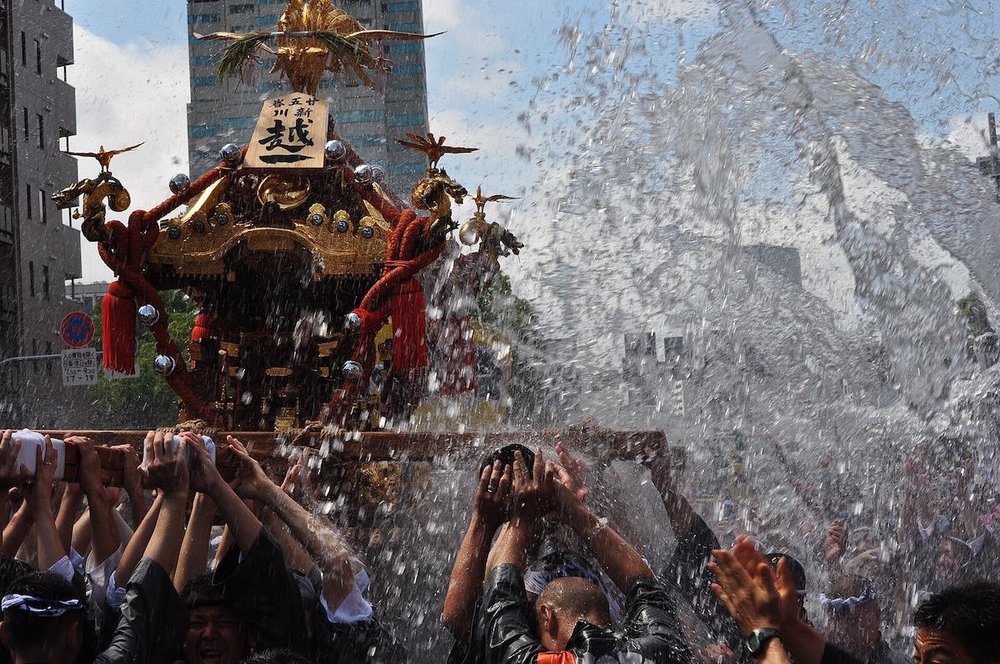
Fukagawa Hachiman Matsuri | Image credit: 江戸村のとくぞう (Edomura no Tokuzo), CC BY-SA 3.0, via Wikimedia Commons
If you want a festival where getting wet is the whole point, this is it. The Fukagawa Hachiman Matsuri runs around mid-August (Aug. 12 to 16 in 2026), when crowds line the streets near Tomioka Hachiman Shrine and splash water on teams carrying mikoshi (portable shrines). The main procession usually lands in Obon week, so expect busy trains.
The full-size parade with more than 50 mikoshi happens every three years, and 2026 was one of those, so 2027 may be a lower-key year. Wear clothes that dry fast and keep your phone in a zip bag. Kayabacho and Kiba stations sit along the parade route, so you can pick a spot away from the shrine's biggest crowds.
Address: Tomioka Hachiman Shrine, 1-20-3 Tomioka, Koto City
How to get there: Monzen-nakacho Station (Oedo or Tozai Line), a short walk from the shrine
Koenji Awa Odori: dancing as summer winds down
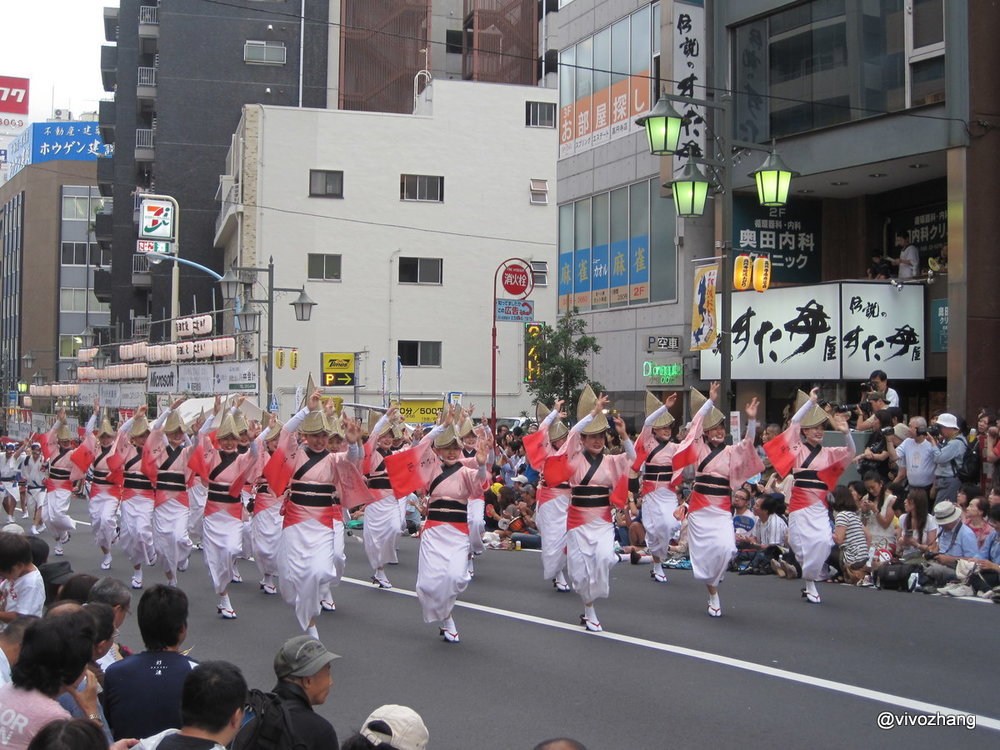
Koenji Awa Odori | Image credit: Vivozhang, CC BY-SA 3.0, via Wikimedia Commons
By late August the heat is still there, but the streets around Koenji Station are full of drums, flutes and dancers, and nobody seems to mind. Koenji Awa Odori is usually held on the last or second-to-last weekend of August (Aug. 29 to 30 in 2026). It's an awa odori (a Tokushima-style dance festival) with more than 10,000 dancers, and it's free to watch.
Dancing usually runs from about 5 to 8 p.m. Arrive by 4:30 p.m. to claim a spot along one of the main streets, or walk the side streets where the crowds thin out. Koenji Station is about 5 minutes from Shinjuku on the JR Chuo Line, but expect a packed platform on the way home.
Address: Streets around JR Koenji Station, Suginami City
How to get there: JR Chuo Line to Koenji Station
Tokyo fireworks in August: three shows to know
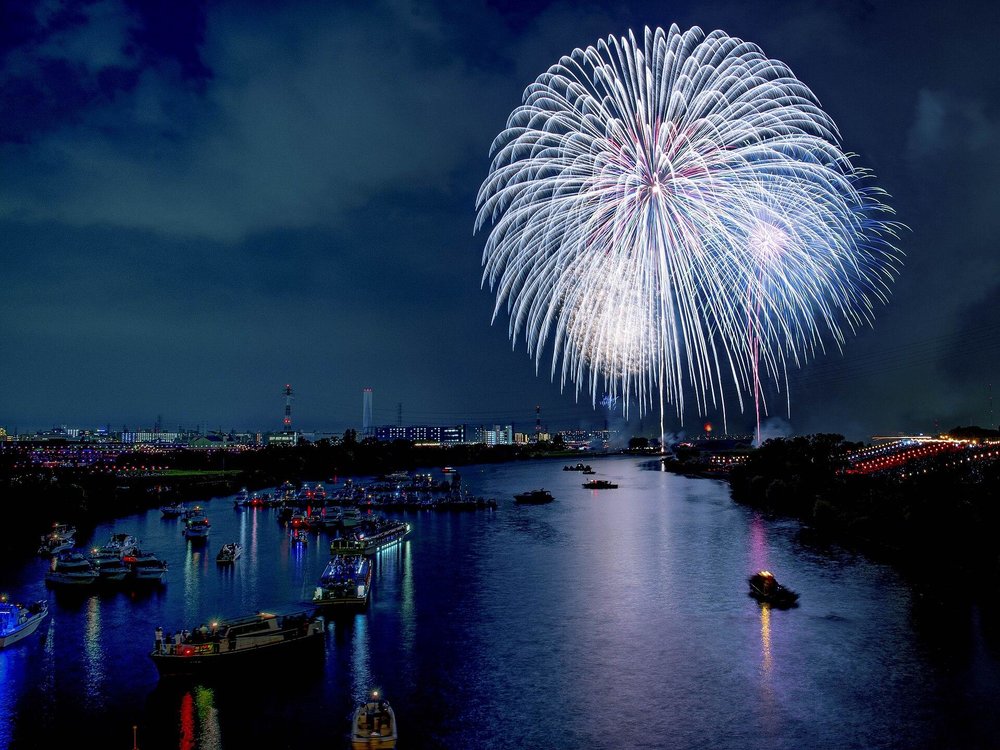
Itabashi Fireworks Festival | Image credit: 板橋区Open Photo, CC BY 4.0, via Wikimedia Commons
July gets the headline fireworks, but August still has a good lineup if you time it right. For Tokyo fireworks, August shows cluster in the first half of the month, and these three are the ones to know. The dates below are from 2026, so treat them as the usual timing.
- Itabashi Fireworks Festival: Aug. 1 in 2026, about 15,000 fireworks over the Arakawa River
- Edogawa Fireworks Festival: Aug. 1 in 2026, about 14,000 fireworks set to music, near Shinozaki Park
- Jingu Gaien Fireworks Festival: Aug. 8 in 2026, over 10,000 fireworks from 7:30 to 8:30 p.m., moved to the next day if the weather turns
Rain dates are real in typhoon season, so keep a spare evening free around each show. Free viewing spots fill up early, so arrive well before dark. For more shows across the country, our Japan fireworks festivals guide is a handy next read.
Enoshima beach and Kamakura: an easy day by the sea
When the city feels like a sauna, the sea is about an hour away. Enoshima Island is Tokyo's go-to summer beach day trip, with sand, a shrine, a lookout tower and plenty of snack stalls. Enoshima beach isn't the prettiest in Japan, but it's close and easy, which is the point on a hot day.
The Sea Candle lookout (JPY 500, about USD 3) shows Mt. Fuji on clear days, and the Iwaya Caves are another JPY 500 (about USD 3). August weekends are packed, especially on the main shopping street, so go on a weekday if you can.
Address: Enoshima, Fujisawa, Kanagawa
How to get there: From Shinjuku, take the Odakyu Line to Fujisawa, then the Enoshima Line to Katase-Enoshima Station. It takes about 1 hour and costs JPY 650 (about USD 4) one way. The Odakyu Romancecar runs direct for JPY 1,400 (about USD 9).
If you'd rather skip the train juggling, this Kamakura and Enoshima day trip costs from about USD 41 and runs 11.5 hours. It includes the Enoden train, a Great Buddha stop and a choice of Kamakura highlights or Yokohama. Enoshima is a morning stop, so it's more sightseeing than swimming.
Need an indoor break? Enoshima Aquarium tickets start around USD 14, and the aquarium is a 3-minute walk from Katase-Enoshima Station. It has a Sagami Bay tank, a jellyfish area and dolphin shows. In 2026, a free web reservation was required on Aug. 9 to 15, so check if the same applies in 2027.
Tokyo Summerland: the big water park
Water parks aren't the first thing people pack for Tokyo, but on a 93°F afternoon, Tokyo Summerland starts to make sense. It's in Akiruno, in west Tokyo. The outdoor Adventure Lagoon ran from July 4 to Sept. 27 in 2026 and has what the park calls JP's longest lazy river.
The indoor Adventure Dome stays open into October, so rain won't cancel your day. A one-day adult pass runs about JPY 2,600 to JPY 5,600 (roughly USD 16 to USD 35), and the price depends on the date. It's about 70 minutes from Shinjuku, so count it as a half-day each way.
Tattoos aren't allowed, even covered or stick-on ones. E-tickets go on sale up to 7 days ahead.
Klook Tip: Prices are set by date, so check the calendar and pick a quieter weekday if you can.
Address: 600 Kamiyotsugi, Akiruno City, Tokyo
How to get there: About 70 minutes from Shinjuku by train and bus, or about 30 minutes from Hachioji Station
Karuizawa and Hakone: cooler mountain air
Sometimes the best way to cool off is simply to go up. Karuizawa sits about 950 to 1,200 meters high, and its August average is around 69°F (20.5°C), roughly 10°F cooler than Tokyo. Hakone is milder around Lake Ashi and the higher viewpoints, though the lower towns still feel warm, so pack a light layer.
A Karuizawa day tour from Shinjuku costs about USD 57 for 10 hours. It covers Shiraito Falls, Kumoba Pond, Old Karuizawa Ginza Street and the outlet mall. The guide is listed as Chinese and Japanese speaking, so it works best if you're comfortable with that.
Prefer to go on your own? Our Tokyo day trips by train guide has routes and timings for easy escapes from the city.
Address: Karuizawa, Nagano Prefecture (the tour leaves from Shinjuku)
How to get there: About 70 minutes by shinkansen from Tokyo Station to Karuizawa, or about 90 minutes by Odakyu Romancecar from Shinjuku to Hakone
River cruises and observation decks after dark
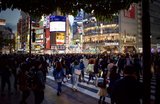
Evenings are when Tokyo in August feels most manageable, even if the air stays warm. A cruise on the Sumida River or Tokyo Bay gives you a breeze and a lit-up skyline. Shibuya Sky, a 229-meter rooftop, is a good pick around sunset, and you can stay as the city lights come on.
Book ahead if you want a sunset slot. For more evening ideas, our Tokyo at night guide has you covered.
Address: Shibuya Sky, 2-24-12 Shibuya, Shibuya City
How to get there: Connected to Shibuya Station through Shibuya Scramble Square
Comiket at Tokyo Big Sight
Comiket, the huge summer convention for doujinshi (self-published manga), is held at Tokyo Big Sight for a couple of days in mid-August. If you're into manga and anime, it's worth planning around. Exact 2027 days aren't confirmed yet, so check the official Comic Market site.
Entry wristbands start around JPY 1,210 (about USD 8), and PM entry is cheaper at JPY 440 (about USD 3) in advance. Buy ahead from retailers like Animate or Toranoana, because same-day queues get long. It's geared toward adults and die-hard fans, and some content is adult-oriented, so it isn't the best pick for families.
Address: Tokyo Big Sight, 3-11-1 Ariake, Koto City
How to get there: Kokusai-Tenjijo-Seimon Station (Yurikamome Line) or Kokusai-Tenjijo Station (JR Rinkai Line)
Mt. Fuji climbing season
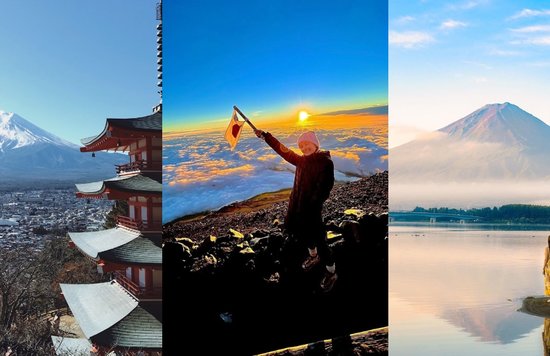
August is the sweet spot for climbing Mt. Fuji, since the trails are open and the snow is gone. On the Yamanashi side, the Yoshida Trail was open from July 1 to Sept. 10 in 2026.
Most people start at the 5th station, stay in a hut at the 7th or 8th station, and set off early for sunrise at the summit. There's a JPY 4,000 hiking fee per person (about USD 25), and the gate closes once 4,000 people have gone up that day.
The gate also closes from 2 p.m. to 3 a.m. unless you have a hut booking. Book your hut early, since beds are limited.
Our Mt. Fuji climbing tips and Mt. Fuji tour guide cover the full how-to.
Address: Yoshida 5th Station, Yamanashi Prefecture
How to get there: Most people start from the Subaru Line 5th Station, with a 5 to 6 hour climb to the summit
FAQs about Tokyo in August
Is August a good time to visit Tokyo?
Yes, if you're fine with heat and want festivals. August has dance festivals, fireworks and plenty of ways to cool off, but it's also hot and sticky, and Obon week gets crowded. Plan outdoor sightseeing for before 11 a.m. or after 4 p.m., and keep midday for museums, malls or the water.
How hot is Tokyo in August?
Hot and sticky: daytime highs average about 86°F (30°C) and often pass 93°F (34°C), with nights around 79°F (26°C). Carry a water bottle to avoid heatstroke. Short, heavy rain showers are common in the evening, so tuck a compact umbrella into your bag too.
What is Obon and how does it affect travel in Tokyo?
Obon is a Buddhist tradition honoring ancestors, usually around Aug. 13 to 16, when many people travel to their hometowns. It isn't an official public holiday, but trains and expressways get crowded, and reserved shinkansen seats can sell out weeks ahead.
Many small family-run restaurants and shops close for a few days, while major attractions and department stores stay open. Tokyo's business districts can feel a little quieter.
What festivals are held in Tokyo in August?
The three biggest are Asagaya Tanabata in early August, Fukagawa Hachiman Matsuri in mid-August and Koenji Awa Odori in late August. Smaller ones fill the gaps, like Hachioji Matsuri in early August and the Azabu Juban Summer Festival in late August. Dates shift each year, so check the official pages before you go.
When is Koenji Awa Odori?
It's usually held on the last or second-to-last weekend of August, with dancing from about 5 to 8 p.m. In 2026, it ran Aug. 29 to 30. Exact 2027 dates aren't announced yet, so check the official page closer to your trip.
Is there a typhoon season in Tokyo in August?
Yes, August falls inside typhoon season, but most storms pass by without a direct hit. They can still bring heavy rain and delayed trains. Check the forecast the day before beach or mountain trips, and keep a spare evening around fireworks shows, since they're moved if the weather turns.
What should you wear in Tokyo in August?
Light, breathable clothes: cotton or linen tops, shorts or loose pants, and comfy walking shoes. Bring a small towel or handkerchief for the sweat, plus sunscreen and a hat. Pack a thin layer for strong air conditioning indoors and for cooler spots like Karuizawa.
Time to plan your Tokyo summer
Here's an August day done right: an easy morning on the Enoden train, a cool hour at the aquarium, then a dance festival as the sun drops. It's all doable if you plan around the heat instead of fighting it. Start by marking Obon week on your calendar, then pick one cool-off day trip from Klook's Enoshima and Karuizawa options and build a festival evening around it.
More Tokyo travel guides for you


What is Klook?
Klook is a leading pan-regional experiences platform in Asia Pacific, purpose built to digitalize experiences and make them accessible to every traveler.
Our mission is to build the digital infrastructure for the global experience economy — empowering merchants to share their passions and travelers to discover the heartbeat of each destination. We operate a mobile-first, curated platform featuring diverse experiences across global destinations.