
If you're visiting Japan as a tourist, you can shop tax-free, meaning you skip the 10% consumption tax on eligible purchases. It's one of the best perks of traveling to Japan, and it can add up fast across electronics, cosmetics, and fashion.
Just note: the system is changing in November 2026, so here's everything you need to know before you shop. Get ready to say 'Arigato gozaimasu' to your savings and get set for a shopping adventure like no other!
Japan's new tax refund system from November 2026
Big changes are coming to tax-free shopping in Japan. From November 1, 2026, the system shifts to a "pay first, refund later" model, which means you'll pay the full tax-included price at checkout and claim your 10% consumption tax refund at the airport before departure.
The ¥5,000 minimum spend per store per day stays the same, but the old split between general goods and consumables is gone, so all your purchases at one store now count toward the same total.
To get your tax refund, head to the designated counters at the airport before you clear immigration, and make sure you've kept all your receipts. You'll need to complete the refund within 90 days of purchase. You’ll spend an extra 45–60 minutes at the airport if you've done a big shopping haul, especially in the first few months after the new system launches.
Klook Tip: Visiting before November 1, 2026? You can still get the instant tax exemption at the register, just present your passport at checkout. Arriving after? Save every receipt and allow extra time at the airport to claim your refund
Understanding tax-free shopping in Japan

Source: Jezael Melgoza of Unsplash
Shopping tax-free means you can purchase goods without paying the 10% consumption tax, as long as you meet a certain criteria. This benefit makes shopping in Japan more appealing, allowing you to save money and indulge in more of what you love.
Whether you're eyeing the latest gadgets, traditional souvenirs, or designer fashion pieces, tax-free shopping opens up a world of possibilities. Plus, with the convenience of claiming your tax refund at designated stores or airports, it's a hassle-free way to make the most of your shopping experience in Japan.
Who can shop tax-free?
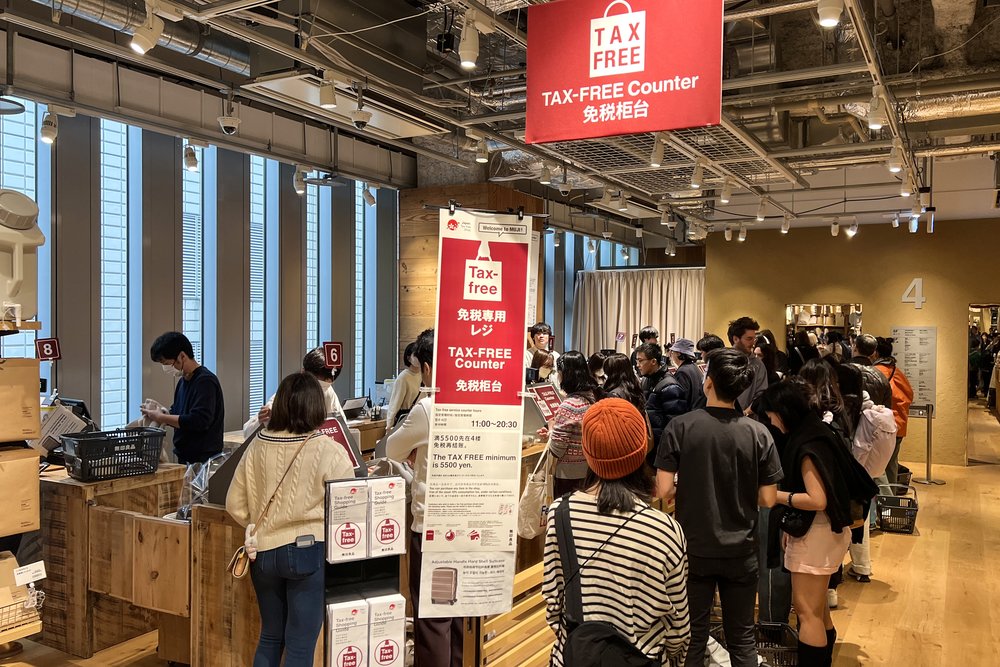
If you’re a non-resident or a foreign visitor staying for less than six months, you're eligible for tax-free shopping in Japan. Even Japanese nationals temporarily back in the country can enjoy this perk. Just remember to have your passport ready when making tax-free purchases to confirm your short-term visitor status.
Klook Tip: Make sure your passport gets stamped upon arrival. If you use an automated entry gate, you might miss out on this crucial stamp, which could make getting your tax exemption tricky.
How to shop tax-free (bring your passport everywhere!)
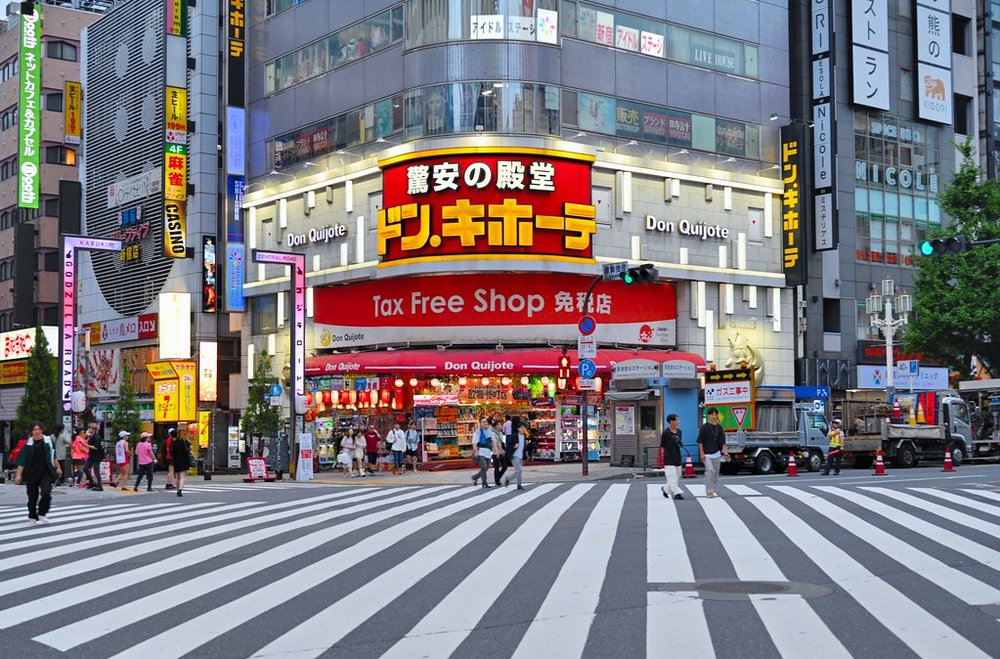
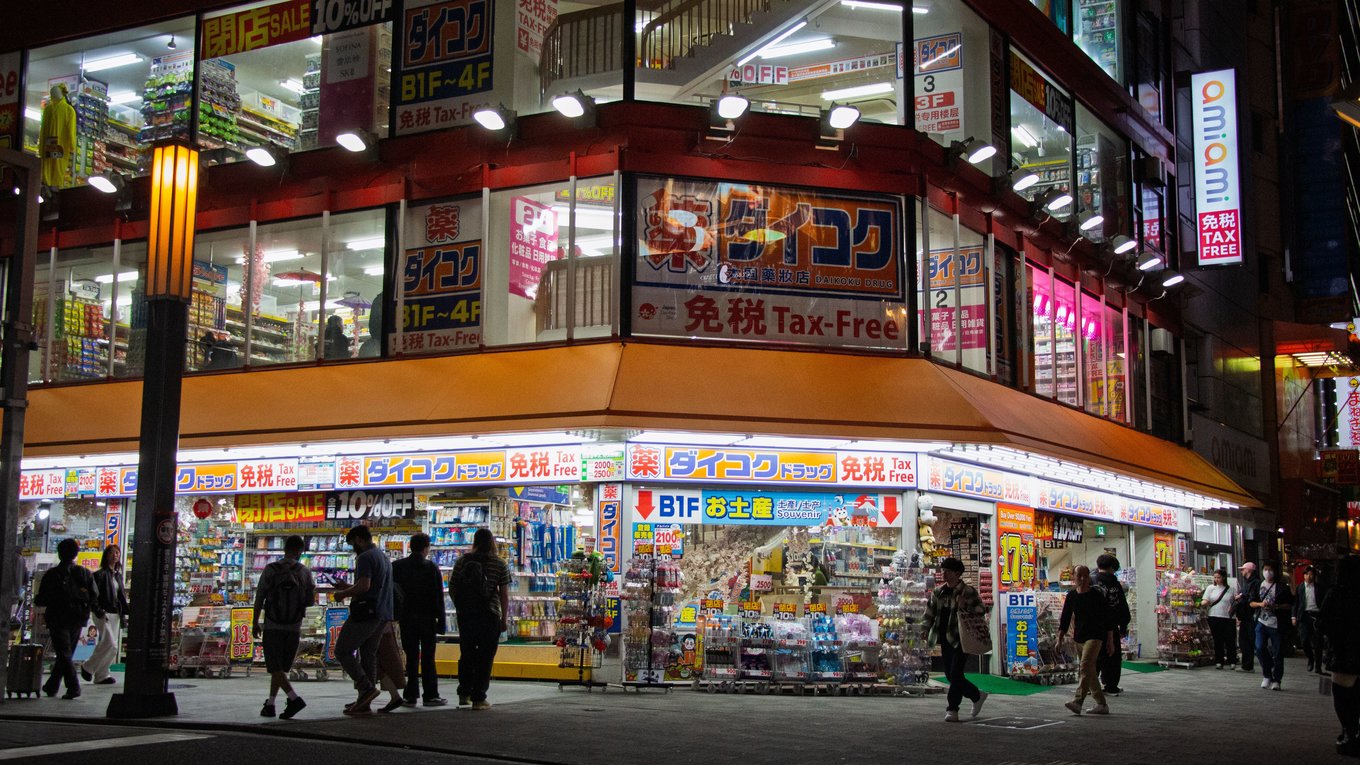
Don Quijote Kabukicho | Photo Credit: Flickr
To qualify for tax-free shopping, you need to spend at least 5,000 yen on a single store purchase on the same day. Start your shopping in popular areas like Ginza, Shibuya, and Shinjuku, which are dotted with "Japan Tax-Free Shop" logos.
Tax-free shopping is readily available at places like Bic Camera (electronics), Uniqlo & GU (apparel), Muji (household items), ABC-Mart (shoes), Don Quijote (discount store), Matsumoto Kiyoshi (cosmetics & souvenirs), as well as department stores such as Daimaru and Takashimaya.
When you’re ready to check out, present your passport to receive the tax exemption. Some stores will deduct the tax right away, while others will give you a refund form to process at a tax-free counter or the airport. Make sure to keep all your receipts and tax exemption forms, as you'll need them when you depart.
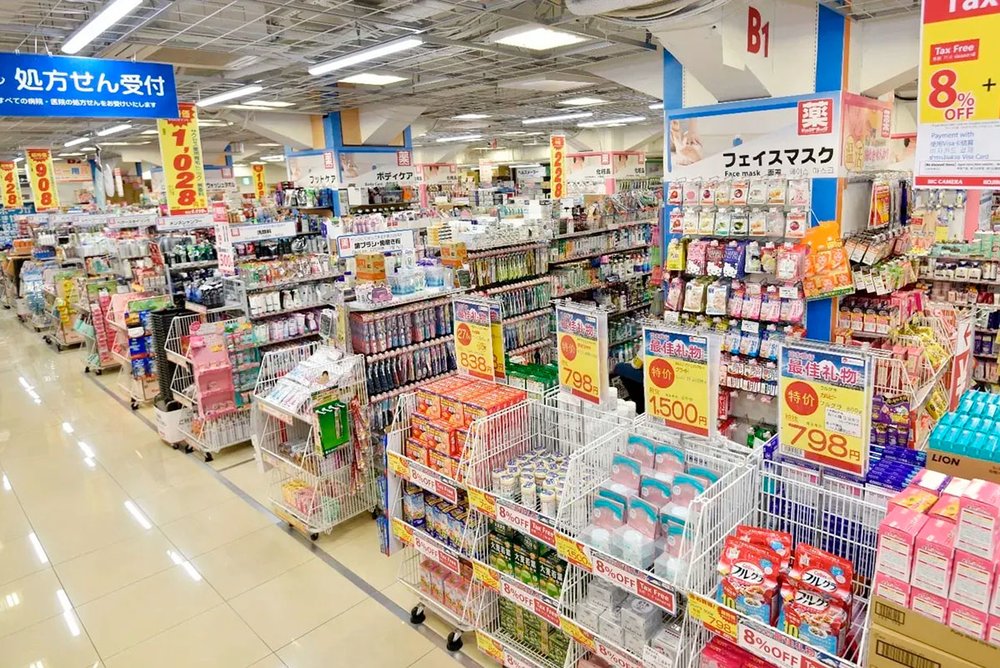
However, tax-free shopping in Japan doesn’t apply to every purchase. Only certain product categories are eligible, divided into “general items” and “consumables.”
General Goods refer to things like clothes, household items, bags etc, and you must spend a minimum of 5,000 yen before tax at a store in a single day to qualify. You’re allowed to use these items immediately after purchase.
Consumables refer to things like food, cosmetics, alcohol etc, and you must spend anywhere between 5,000 yen and 50,000 yen before tax at a store in a single day to qualify. These items will then usually be sealed in a clear plastic bag that you will have to bring out of the country as it is within 30 days. You can’t consume these items or even open the plastic bag while in Japan.
Take note: consumables and general items can't be combined to reach the minimum tax threshold. You need to spend 5,000 yen within each category separately to apply for the exemption. By following these guidelines, you can make the most of your shopping spree in Japan, enjoying great savings and a hassle-free experience.
Save more with discount coupons!
Besides saving 10% on tax-free shopping, many stores also offer additional discounts for tourists! All you have to do is to search for 'Discount Coupons' on the Klook app and show the cashier the QR code or discount voucher during check out to save even more!
Top destinations for tax-free shopping
Tokyo
Tokyo is Japan's lively capital and one of the best cities in the world for tax-free shopping. From the electronics stores of Akihabara to the luxury boutiques of Ginza and the department stores of Shinjuku, there's no shortage of places to spend. Visit Akihabara for gadgets and anime goods, or explore Ginza for high-end fashion and cosmetics.
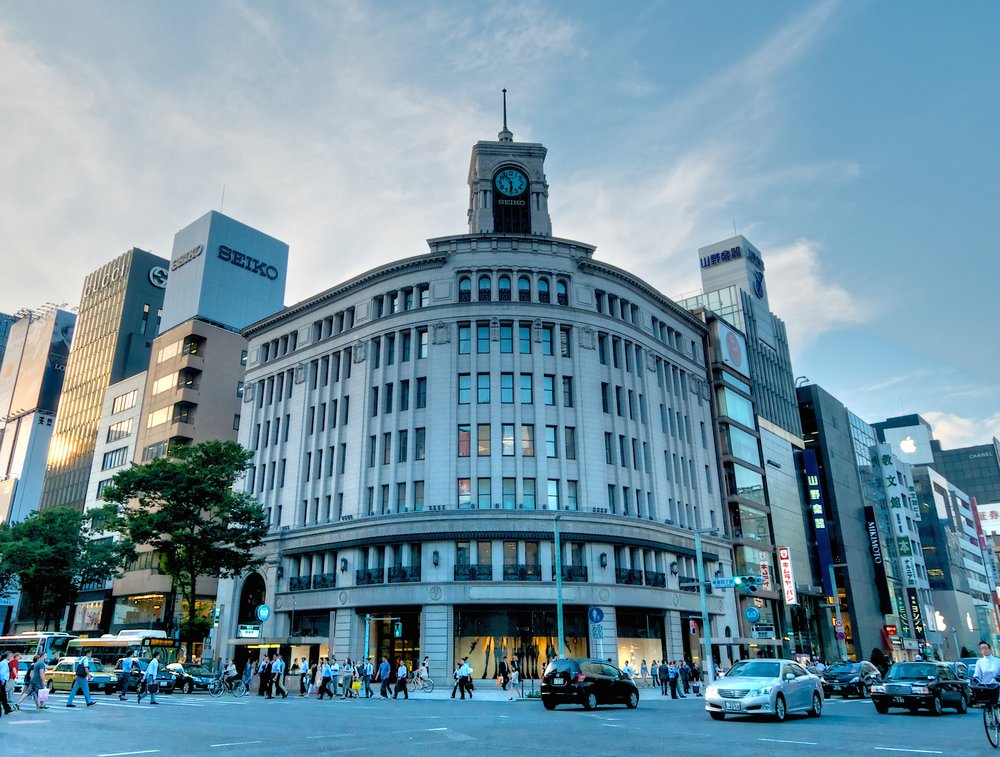
Ginza: Tokyo's most upscale shopping district, home to high-end international brands, chic boutiques, and flagship department stores like Mitsukoshi and Matsuya. It's the place to go if you're after luxury fashion, premium cosmetics, or fine jewelry, and with most stores offering tax-free shopping, that 10% saving goes a long way at these price points.
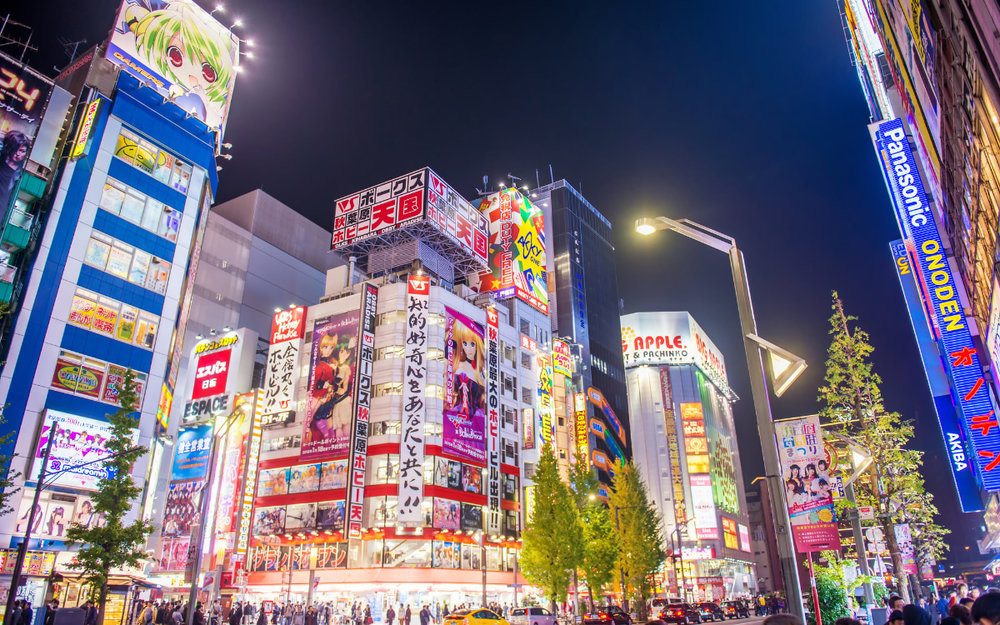
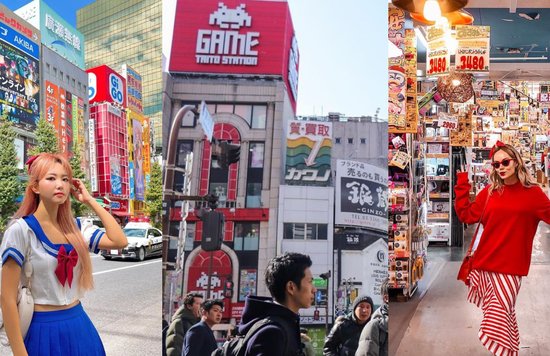
Akihabara: Explore a world of bright neon lights leading you to towering electronic stores filled with the latest gadgets. It’s a haven for anime fans, with shelves full of colorful figurines, rare collectibles, and iconic manga volumes.If you want to go beyond the main strip, the Akihabara hidden gems tour takes you through the lesser-known spots that most tourists walk right past.
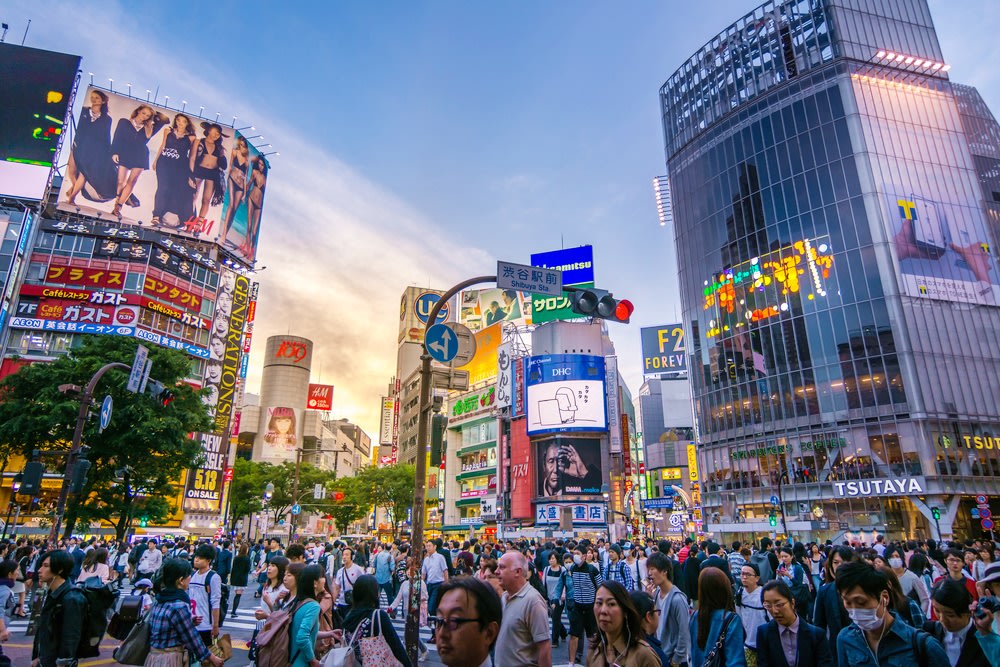
Shibuya Crossing: Go through the fashionista’s paradise, where billboards and trendy boutiques showcase the latest fashion trends.
Osaka
Osaka is a shopper's dream, packed with lively streets and popular tax-free stores at every turn. Don Quijote, Uniqlo, and Matsumoto Kiyoshi all have multiple branches here, making it easy to hit your ¥5,000 minimum in a single stop. The Shinsaibashi shopping corridor is the go-to spot, stretching for over a kilometre with everything from drugstores to designer brands.
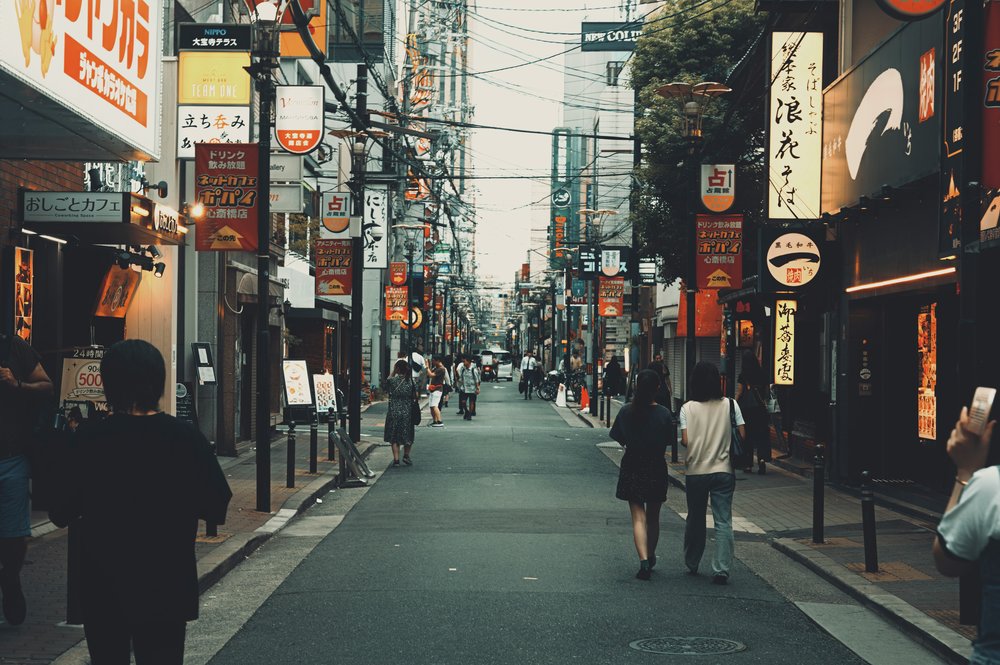
Source: Clark Gu of Unsplash
Shinsaibashi: Experience a lively and bustling shopping street filled with stylish Japanese fashion, unique accessories, and global trends all in one dynamic street. Enjoy tax-free shopping in major shopping malls like Shinsaibashi PARCO and Daimaru Shinsaibashi!
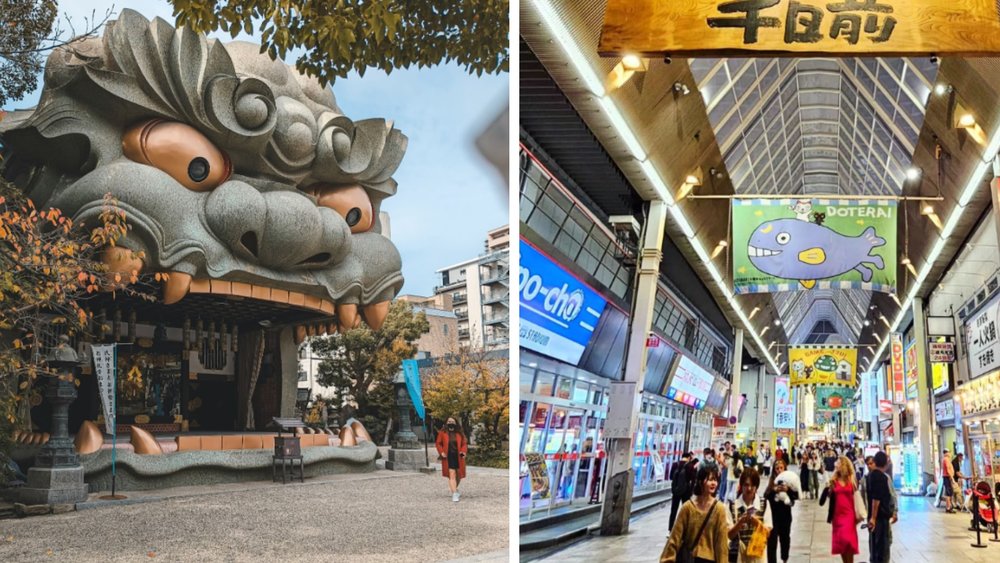
Photo credit: @Bennysaik on Instagram
Namba: Roam the enchanting streets of Namba where traditional crafts harmonize with modern storefronts. It's a great base for tax-free shopping, with Don Quijote, Uniqlo, and plenty of drugstores all within walking distance of each other. If it's your first time in the area, the Osaka three-hour private tour is a solid way to get your bearings before you start spending.
Kyoto
Kyoto offers a more relaxed shopping experience, where traditional crafts sit alongside modern cosmetics and fashion. You'll find tax-free options in department stores like Takashimaya and along Shijo Street, which has both mainstream and local shops. It's a great city to pick up souvenirs and everyday products while still taking advantage of the tax exemption.
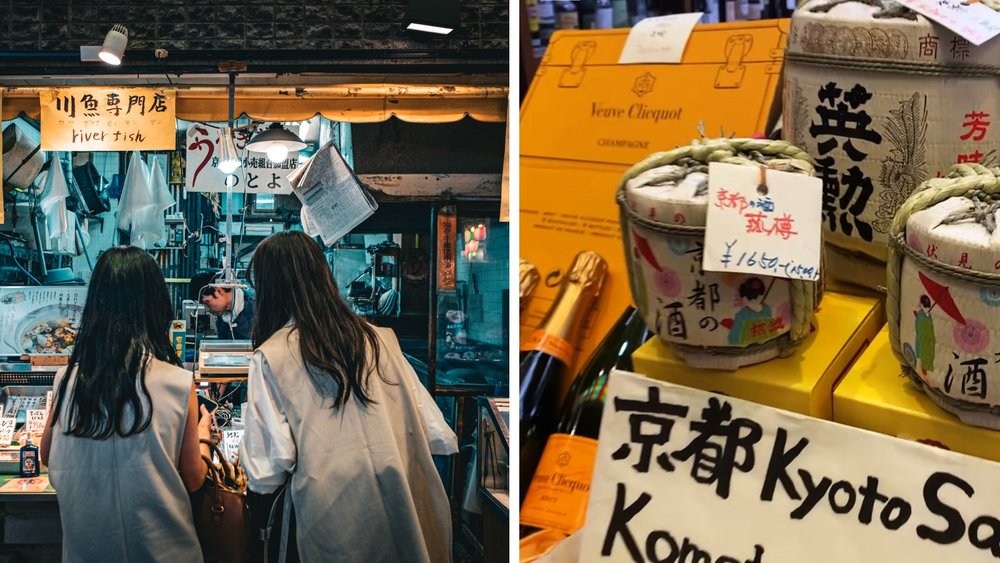
Source: Jessica Gale and Owen Roth of Unsplash
Nishiki Market: Also known as "Kyoto’s Kitchen," this market offers local delicacies and unique souvenirs. While you're browsing Nishiki Market's stalls for local snacks and souvenirs, the Nishiki Market food tour is a great way to sample seven of the best bites "Kyoto's Kitchen" has to offer.
Klook Tip: Only stores displaying the official "Japan Tax-Free" logo will process refunds or waive the tax
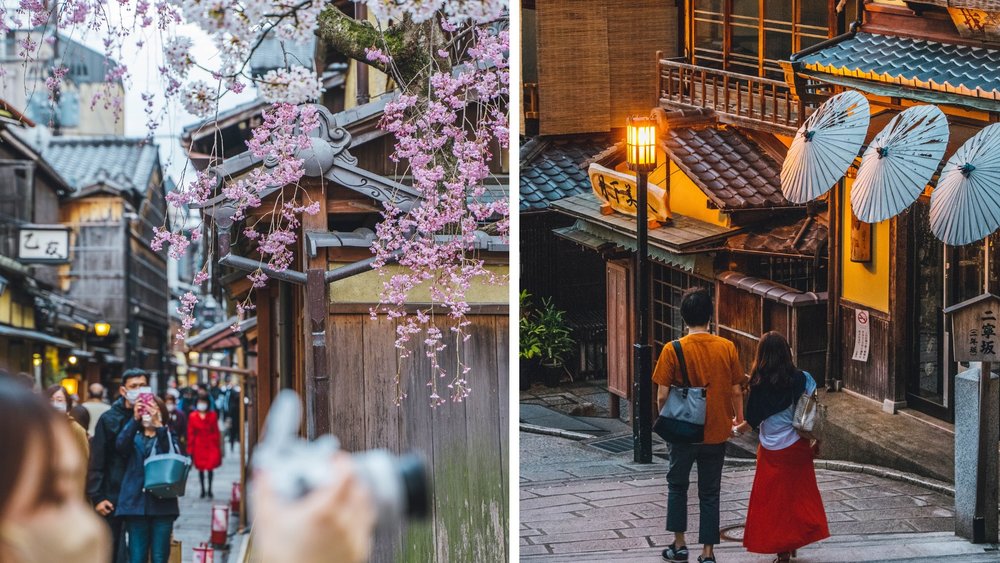
Source: Roméo A. of Unsplash
Gion: Kyoto's most iconic district, known for its historic lanes, traditional machiya townhouses, and the occasional geisha sighting. Find exquisite traditional crafts, Japanese chopsticks, handmade ceramics, and local textiles hidden within its streets, the kind of souvenirs you won't find anywhere else in Japan.
Make the most out of discounts in Japan
To find the best discounts in Japan, plan your shopping trips during major sales periods like New Year’s in January and the summer sales in July and August. Check out our guide on the best time to visit Japan to plan your trip around these deals.

Joining store memberships is another great way to save, as many stores offer additional discounts to members, and signing up is usually quick and free. You can also avail tax-free coupons and enjoy discounts ranging from 5–15% on popular brands like Don Quijote, Lotte Duty-Free, Sundrug, and Yamada.
FAQs about tax-free shopping in Japan
Who is eligible for tax-free shopping in Japan?
Tax-free shopping in Japan is available to short-term foreign visitors who entered the country on a temporary visitor status. You'll need to present your passport at the time of purchase to prove your eligibility. Japanese residents, long-term visa holders, and anyone on a work or student visa do not qualify, even if they hold a foreign passport.
What is the minimum amount you need to spend to shop tax-free in Japan?
You need to spend at least ¥5,000 (before tax) at a single store in a single day to qualify for tax-free shopping. Until November 2026, general goods (like electronics and clothing) and consumables (like food and cosmetics) are counted separately, so you can't mix the two categories to hit the threshold.
From November 1, 2026, that distinction is removed, all purchases at one store count toward the same total, making it easier to qualify.
What items can you buy tax-free in Japan?
Most goods sold at designated tax-free stores are eligible, and they fall into two categories: general goods and consumables. General goods include electronics, clothing, bags, and accessories, these can be used freely during your trip. Consumables cover food, drinks, cosmetics, and medicine, under the current system, these must be sealed and taken out of Japan without being used.
From November 2026, the sealed packaging rule is scrapped, so you can open your purchases while still in the country.
What is the difference between tax-free and duty-free shopping in Japan?
Tax-free shopping lets eligible tourists avoid Japan's 10% consumption tax at participating stores. Duty-free shopping is available at airports and relates to import/export duties instead. Both can save you money, but shopping tax-free in places like Akihabara is different from buying duty-free at Haneda or Narita Airport.
How will the new Japan tax refund system work from November 2026?
From November 1, 2026, Japan moves to a pay-first, refund-later model for tourist tax exemptions. You'll pay the full tax-included price at the register, then claim your 10% consumption tax refund at designated counters at the airport before you clear immigration. Keep all your receipts from every purchase, as you'll need them to process your refund, and make sure you complete the claim within 90 days of your purchase date.
Start shopping smarter in Japan
Japan is one of the best places in the world to shop, and the tax-free system makes it even better. From electronics in Akihabara to cosmetics at Matsumoto Kiyoshi and everything in between, the savings add up fast when you know how to use the system.
Just remember to bring your passport, hit the ¥5,000 minimum, and if you're visiting from November 2026, set aside some extra time at the airport to claim your refund. Ready to make the most of your Japan shopping trip? Book coupons and tours on Klook!
More Japan travel guides for you
What is Klook?
Klook is a leading pan-regional experiences platform in Asia Pacific, purpose built to digitalize experiences and make them accessible to every traveler.
Our mission is to build the digital infrastructure for the global experience economy — empowering merchants to share their passions and travelers to discover the heartbeat of each destination. We operate a mobile-first, curated platform featuring diverse experiences across global destinations.