
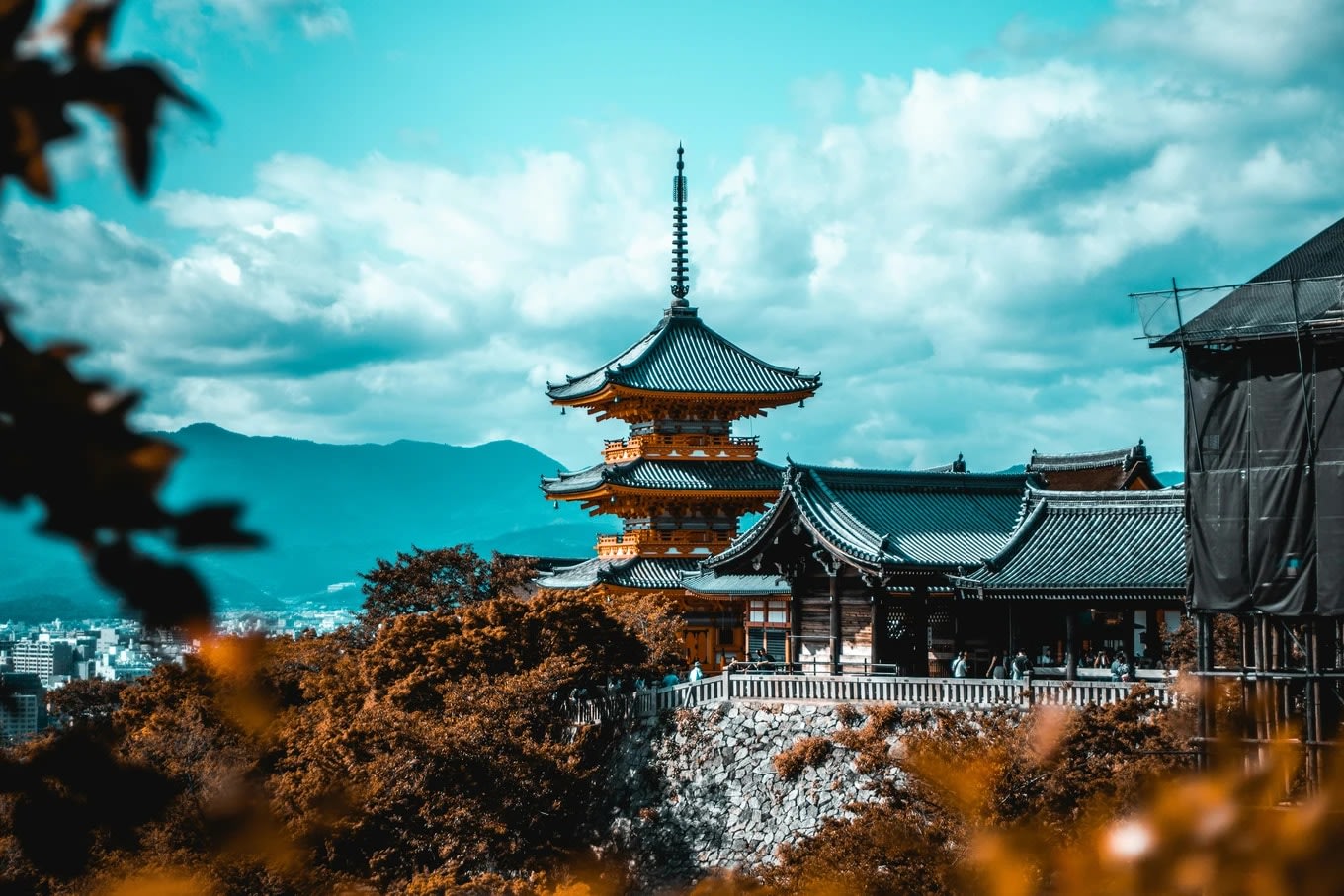
Welcome to Kyoto, the cultural heart of Japan! We heard you’re visiting for the first time, and we all know how intimidating it can be to navigate a new city. With its unique historical charms and traditions, filled with thousands of Buddhist temples and zen gardens, there’s just so much to see.
Getting around the city might feel overwhelming, but luckily, Kyoto has an extensive and straightforward transportation system that’s easy to follow even if it’s your first time. Without further ado, here is your go-to Kyoto transportation guide so that you can explore this beautiful city with ease using its trains, subways, buses, and more!
How to get to Kyoto
By Shinkansen
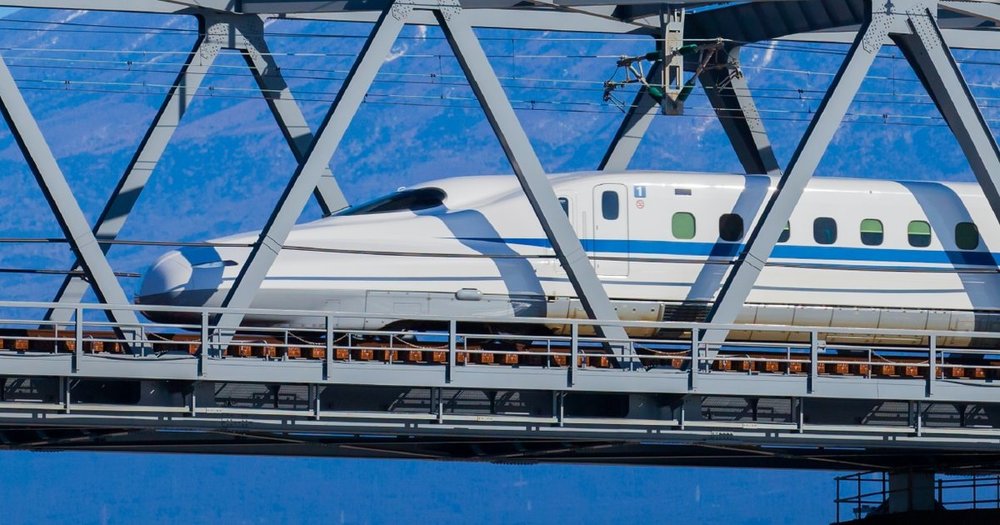
The Shinkansen, Japan’s high-speed bullet train
If you’re coming from Tokyo or other far cities and want to get to Kyoto fast, you can use the Shinkansen, Japan’s high-speed bullet train. It connects most of the major cities in the country and is known for its convenience, comfort, and efficiency.
You can purchase a ticket at the ticketing stations in Japan, but lines can get long during rush hour. We highly recommend booking your Shinkansen tickets before your trip so that you won’t have to rush or worry about it when you get to Japan. To learn more, you can also read our Shinkansen Tokyo to Kyoto transportation guide.
![[usxanz] tokyo to kyoto bullet train](https://res.klook.com/image/upload/fl_lossy.progressive,q_85/c_fill,w_550,h_356/v1730180273/zkdbfktdonwb6dtct8gr.jpg)
By JR Railway
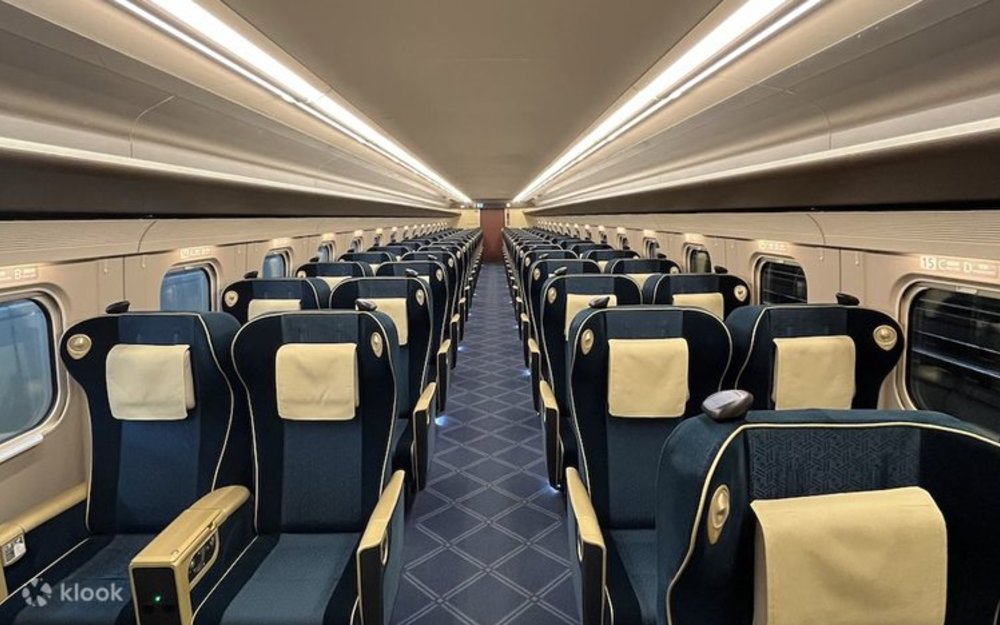
JR East Train’s green car seats
If you’re coming from a closer city like Osaka or Nara (or want a more affordable option), then regular trains might be a better option for you. Japan Railway lines (JR) span across Japan and can get you anywhere, including Kyoto.
Some main JR lines connecting to Kyoto Station (the city’s central hub) include:
- JR Sagano Line
- JR Kyoto Line
- JR Nara Line
Planning to explore beyond Kyoto? You might want to consider getting a JR Pass, which gives unlimited rides for up to 21 days to all JR lines and select Shinkansen lines. It also covers some bus tickets and airport transfers.
Getting around Kyoto
Tips for first-timers
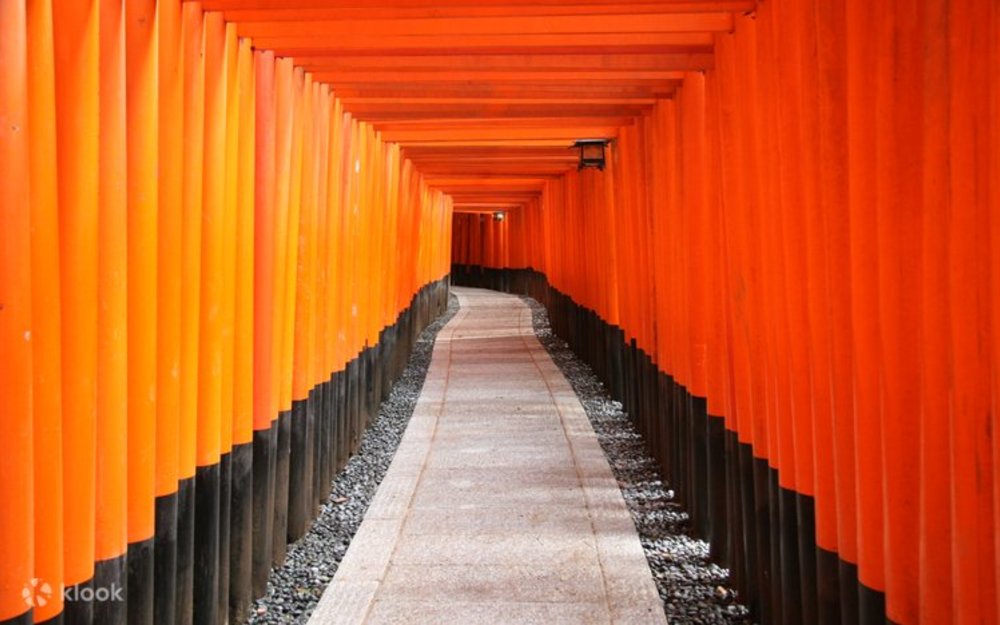
The Senbon Torii trail at the Fushimi Inari Taisha shrine in Kyoto
For our first-time visitors, here are Kyoto transportation guide tips that’ll have you exploring Kyoto like a pro in no time:
- IC card: Get an IC card like ICOCA or Suica for easier payments on trains, subways, and buses.
- Use subway and bus passes: Use the subway and trains to cover long distances and rely on buses to reach major attractions. Getting subway and bus day passes is especially useful if you plan on taking multiple rides in one day.
- Use navigating maps: Apps like Google Maps are especially useful
Stay near transport hubs: Consider booking accommodations located near subway stations and bus stops for easier access to transportation across the city. You can also check out our list of the best areas to stay in Kyoto here!

Public transport
For first-timers, it’s useful to know that the easiest way to get around Kyoto is through public transport. Kyoto transportation consists of a comprehensive network of subway lines, city buses, JR trains, and railways.
By train 🚉
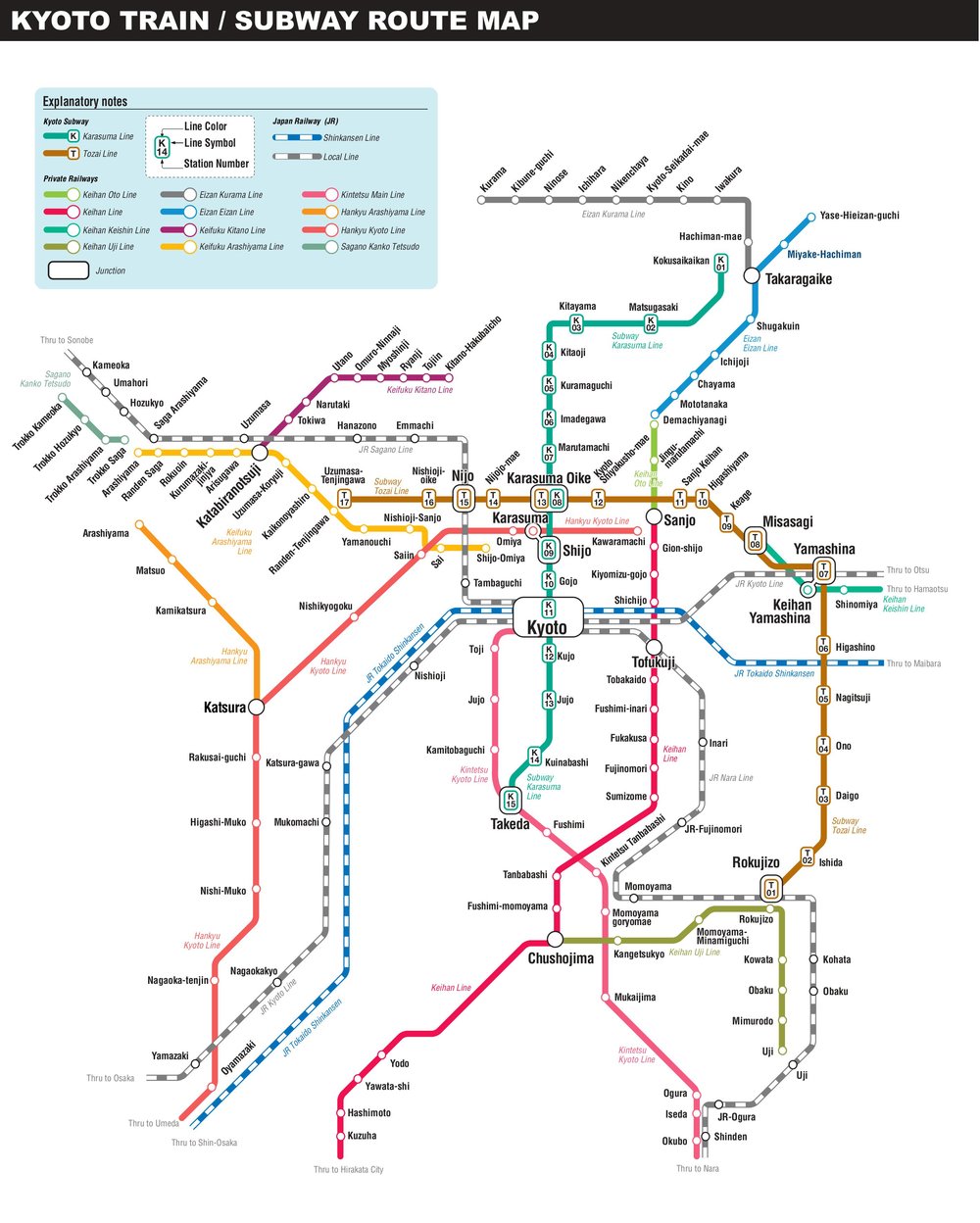
Kyoto Railway Map, Courtesy of JR Pass
The real trick to mastering any Kyoto transportation guide is understanding how the city’s subway and train lines connect to major tourist destinations. It’s one of the fastest ways to travel between major sightseeing areas.
While it may seem confusing at first, you’ll only need a few key lines to get around Kyoto comfortably.
Subway Lines
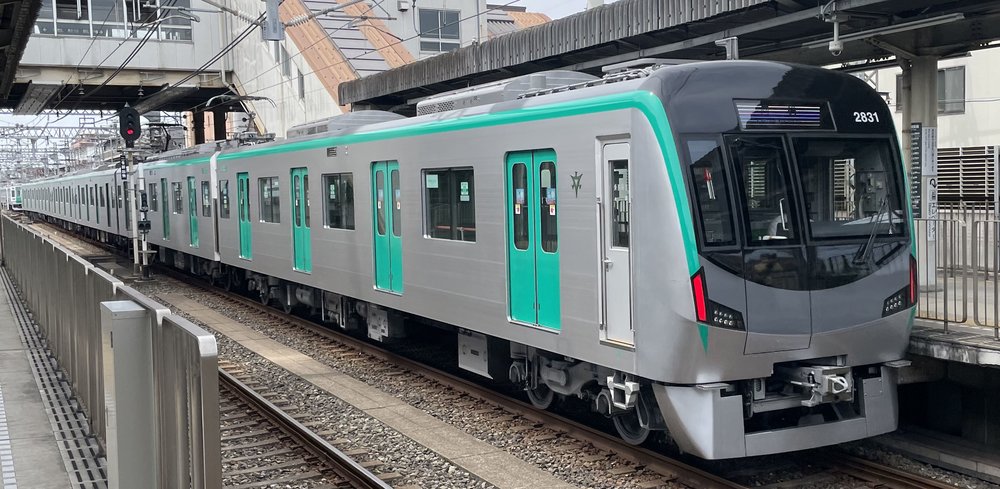
Train operating on Subway Karasuma Line
Kyoto has two subways, which serve as the main backbone of its train system.
The Subway Karasuma Line runs north to south, with Kyoto Station at the south end, while the Subway Tozai Line goes east to west. These two lines connect to other major Kyoto trains, giving access to more parts of the city.
- Subway Karasuma Connecting Lines: Subway Tozai Line, Hankyu Kyoto Line, JR Lines, Shinkansen, Kintetsu Line
- Subway Tozai Connecting Lines: Subway Karasuma Line, Keihan Line
Private Railways
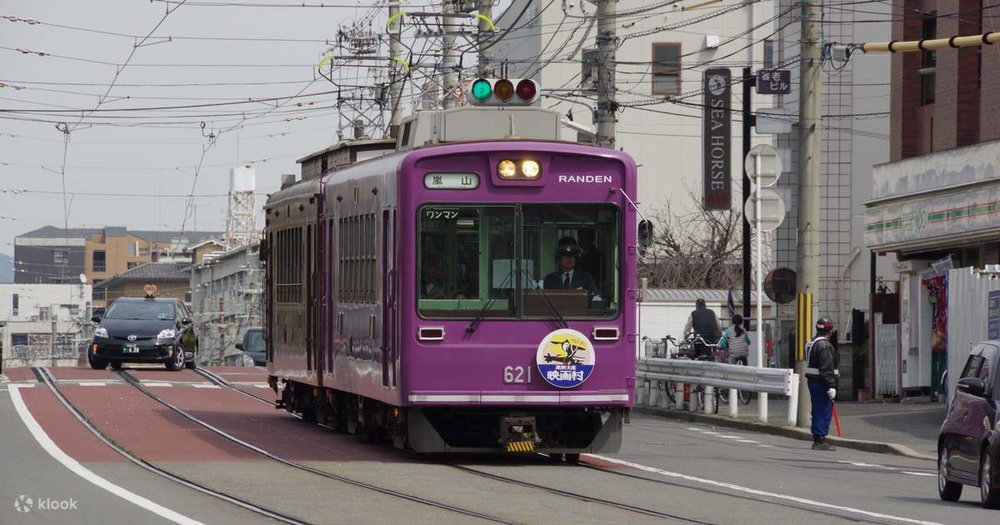
The Randen tram at Arashiyama, Kyoto
Kyoto’s private railway lines help connect the city to sightseeing districts outside the subway network and other nearby areas.
Some useful lines for your commute:
- Keihan Line: Connects eastern Kyoto and reaches attractions like Kamo River.
- Hankyu Kyoto Line: Connects Osaka to central Kyoto and attractions like Katsura Imperial Villa.
- Eizan Line: Electric railway leads to northern Kyoto and Mount Hiei.
- Keifuku Arashiyama Line: Randen tram to Arashiyama and the Bamboo Forest.
- Kintetsu Kyoto Line: Leads to southern Kyoto and Nara, including Fushimi areas.
By bus 🚍
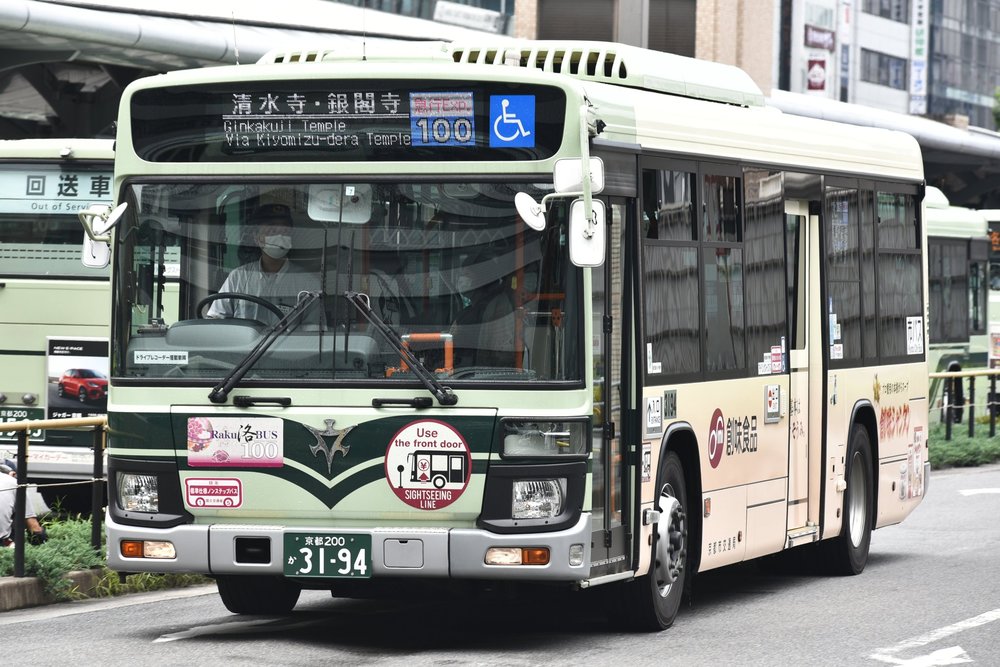
The Kyoto city bus | Photo by ドルフィン大佐 on Wikimedia Commons
While subways and trains might be ideal for covering longer distances, the Kyoto bus system is the way to go when reaching temples, shrines, and other popular sightseeing destinations that aren’t directly accessible by rail.
You’ll want to rely on the Kyoto city bus to travel between attractions like Kiyomizu-dera, Ginkaku-ji, and Gion.
Klook tip: Buses can get crowded during peak tourist seasons, especially around cherry blossom and autumn foliage seasons. Try to avoid rush hours from 7 AM to 9 AM and 5 PM to 7 PM, and use trains for longer routes.
For the best of both worlds, you might want to purchase a Kyoto subway and bus day ticket to cut costs and enjoy unlimited rides around the city.
Hop-on hop-off bus
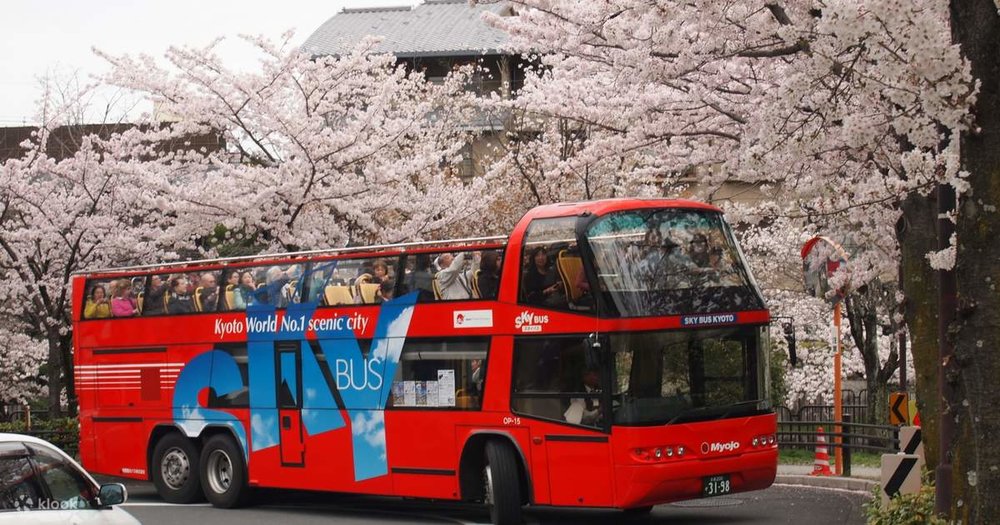
Kyoto hop-on hop-off bus during sakura season
Looking for a travel option intended for sightseeing spots? Getting on a Kyoto hop-on hop-off bus is a convenient option for a direct, no-nonsense trip around the city. It’s especially great for those who just want to see the sights rather than getting around like a local.
By taxi and private transfer 🚖
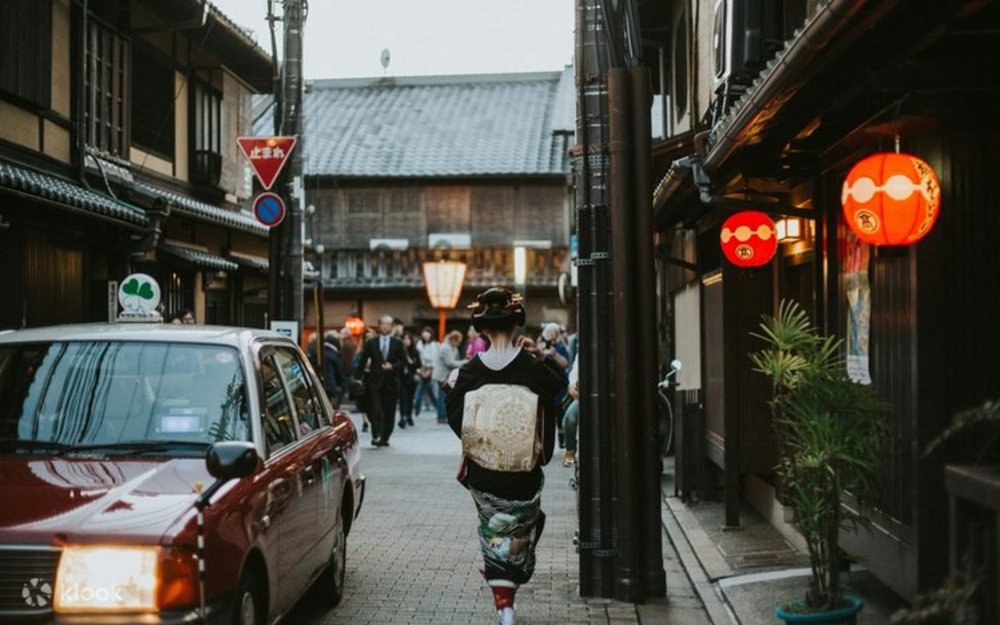
Red taxi along the historic Gion district in Kyoto
While you can count on major cities in Japan to have efficient and reliable public transportation, no Kyoto transportation guide would be complete without private options. Taxis, ride-hailing apps like Uber, and private transfers are definitely a more comfortable option, especially if you’re traveling with luggage, family, or bigger groups.
But if you just want to enjoy Kyoto at your own time and pace, you might be interested in booking a Kyoto private car rental, which comes with a driver who can make your trip even more special with local insights.
By bicycle 🚲
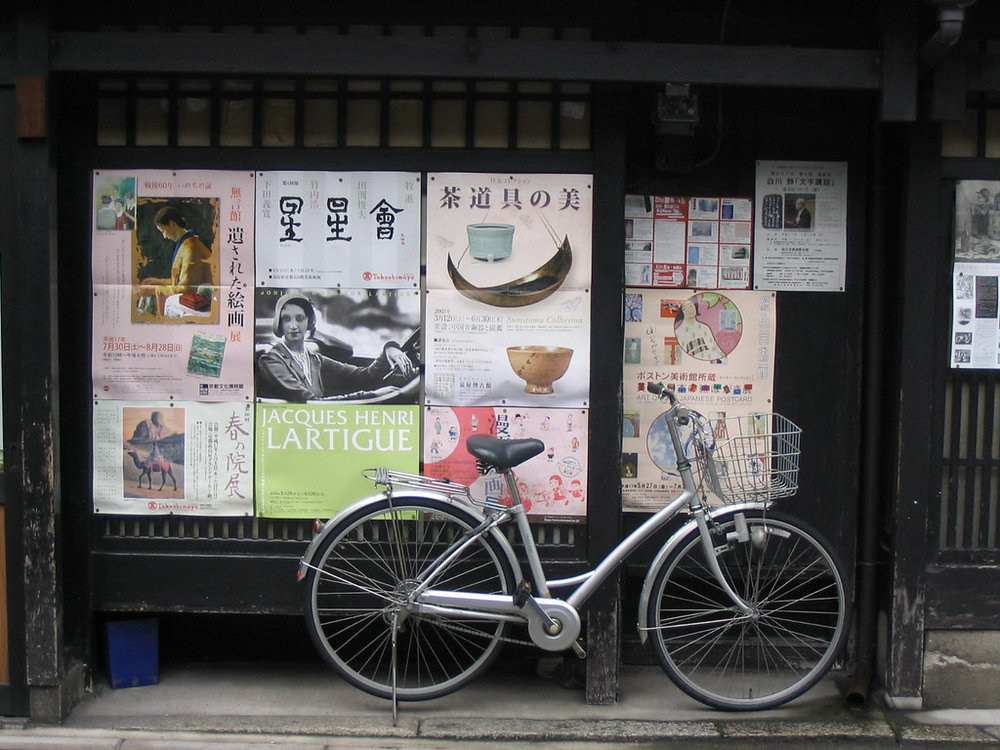
Parked bicycle in Kyoto | Photo by sodai gomi on Flickr
For our active and sporty travelers, cycling is another popular way of getting around Kyoto. The great thing about the city is that it’s relatively flat, and many sightseeing areas are close to each other. It’s also a useful option when you want to avoid traffic and peak tourist season.
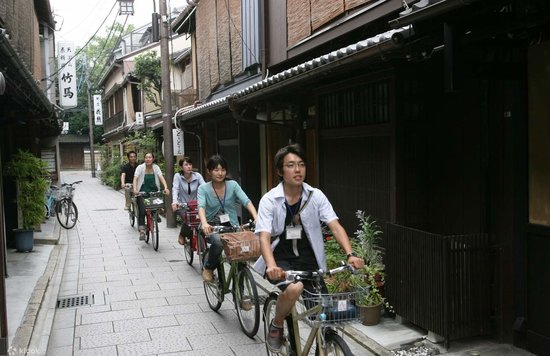
Many bike rental shops are located near Kyoto Station and popular tourist districts, with options ranging from standard city bikes to electric bicycles. Don’t want to bike alone? Consider joining a Kyoto half-day bike tour with a guide around the city.
Interested in cycling around the city? Check out our Kyoto transportation guide to Kyoto bike rentals.
IC Card: Explore Kyoto at ease
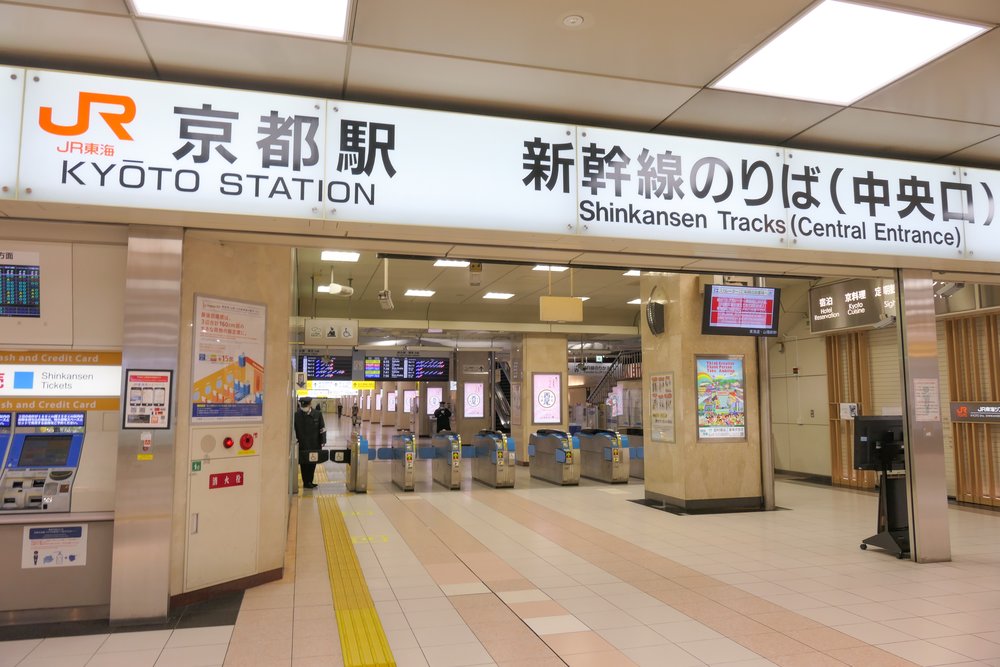
Ticket gate at JR Kyoto Station | Photo by MaedaAkihiko on Wikimedia Commons
For a quick and convenient commute during your Kyoto trip, we recommend getting an IC Card, which is a rechargeable prepaid card used on all subway lines, buses, JR trains, and more!
The ICOCA card is mainly used in the Kansai region (where Kyoto is) and can be purchased from JR West stations, subway stations, and Kansai Airport ticket machines. But the SUICA IC card (used in places like Tokyo)also works just fine for Kyoto transportation. Plus, it helps you save time and money, too.
FAQs
How do tourists get around Kyoto?
Tourists usually get around Kyoto by using a mix of trains, subways, buses, and walking. Trains are ideal for longer distances, while city buses help cover attractions not directly connected to train stations.
How do you pay for public transport in Kyoto?
IC cards (reloadable prepaid cards) are often used to get around Kyoto via public transport. You pay for subways, trains, and buses with the prepaid load charged in it; otherwise, you can pay with cash at the ticketing stations or machines, or buy train tickets online beforehand.
Can I use a Suica card in Kyoto?
The main IC card in the Kansai region is the ICOCA, but the Suica card would work just as well for the trains in Kyoto.
Can I use Uber in Kyoto?
Uber is available in Kyoto, though it usually connects users with local taxi services instead of private rideshare drivers. Regular taxis are also widely available throughout the city.
Is the Kyoto subway pass worth buying?
Absolutely! The Kyoto subway pass is especially worth it if you plan to visit several attractions in one day using public transportation. It’s also quite useful for first-timers sightseeing around central Kyoto.
Other Kyoto transpo guides
What is Klook?
Klook is a leading pan-regional experiences platform in Asia Pacific, purpose built to digitalize experiences and make them accessible to every traveler.
Our mission is to build the digital infrastructure for the global experience economy — empowering merchants to share their passions and travelers to discover the heartbeat of each destination. We operate a mobile-first, curated platform featuring diverse experiences across global destinations.