
Japan is a country loved and visited by people from all over the world. With so many wonderful cities that have their own unique charms and a culture so widespread and preserved, it’s no wonder that it’s such a popular place.
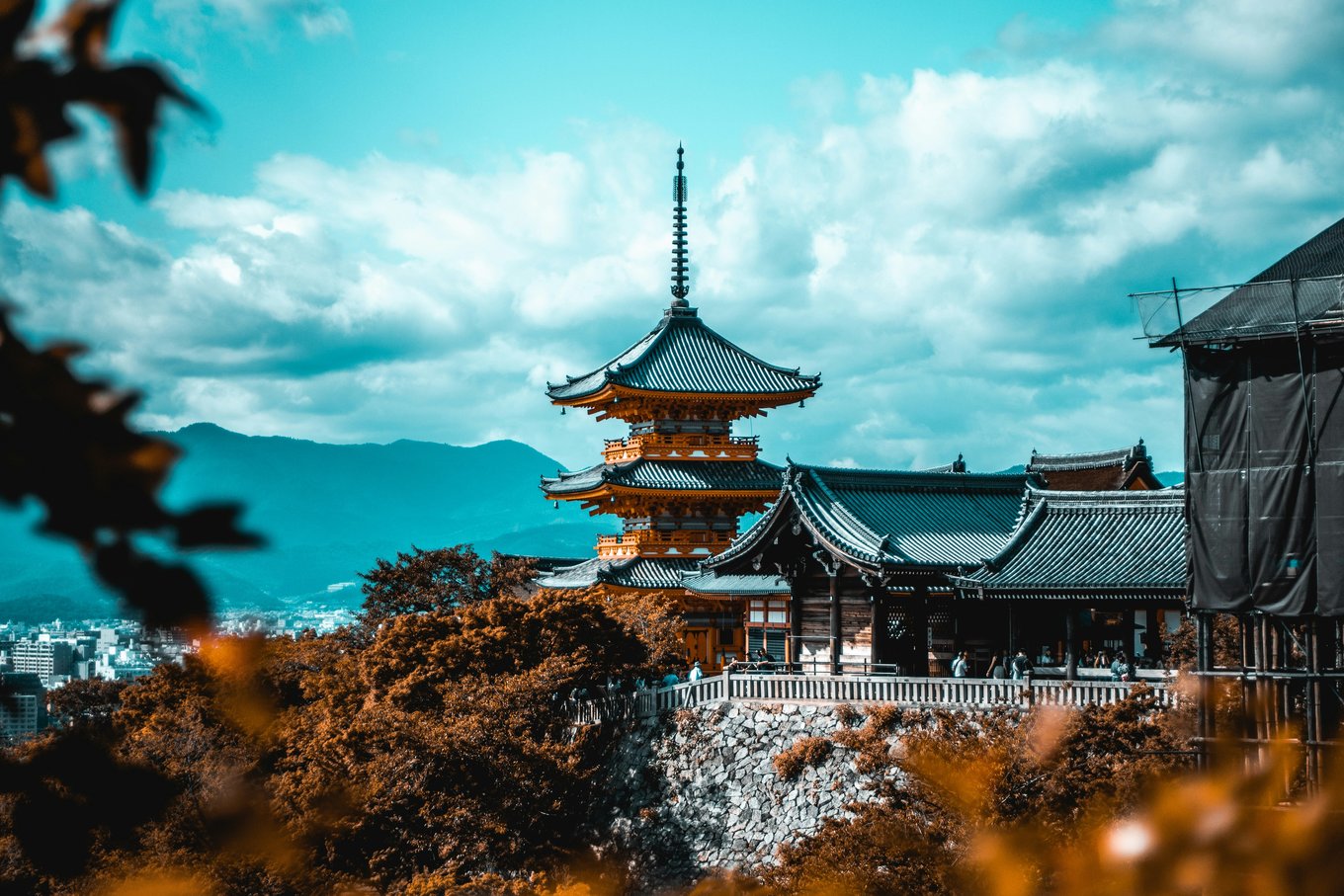
Unlike the bustling cities of Tokyo and Osaka, which are brimming with energetic streets and fast-paced culture, Kyoto is a city with its own vibrant and laid-back energy, colored by the days of the past—historical and traditional, but not left behind.
If the ancient capital of Japan is part of your trip, then you’re in for an adventure of history with attractions like the Kiyomizu Temple, Nijo Castle, Nishiki Market, and more!
Without further ado, here are the trains for getting to Kyoto and getting around Kyoto, so that you can explore this beautiful city with ease using its trains and subways.
How to get to Kyoto
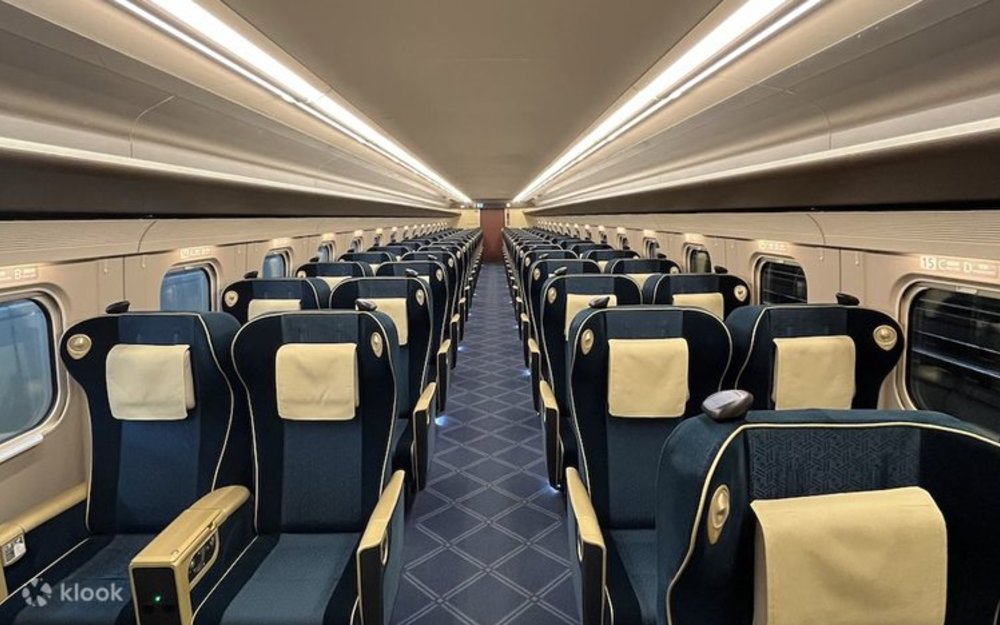
JR East Train’s green car seats
The country of Japan is known for its technology and organization, and that can easily be seen in its public transportation systems. Wherever you are, Kyoto travel won’t be difficult.
Shinkansen
If you’re coming from Tokyo or other far cities and want to get to Kyoto fast, you can use the Shinkansen. It’s Japan’s high-speed bullet train that connects most of the major cities in the country and is known for its convenience, comfort, and efficiency.
You can purchase a ticket at the ticketing stations in Japan, but lines can get long during rush hour. To make things easier and to guarantee you a seat, you can buy one online through Klook before your trip so that you won’t have to rush or worry about it when you get to Japan.
Know more about traveling from Tokyo to Kyoto by shinkansen through this guide:
![[usxanz] tokyo to kyoto bullet train](https://res.klook.com/image/upload/fl_lossy.progressive,q_85/c_fill,w_550,h_356/v1730180273/zkdbfktdonwb6dtct8gr.jpg)
Regular Trains
If you’re coming from a closer city like Osaka or Nara, or want a more affordable option, then using regular trains might be a better option for you. JR (Japan Railway) lines span across Japan and can get you anywhere, including Kyoto.
The JR Sagano Line, JR Kyoto Line, and JR Nara Line all connect to Kyoto Station, which is the city’s central hub. Like the Shinkansen, you can also purchase tickets for these trains through Klook to make your trip easier and smoother.
How to get around Kyoto
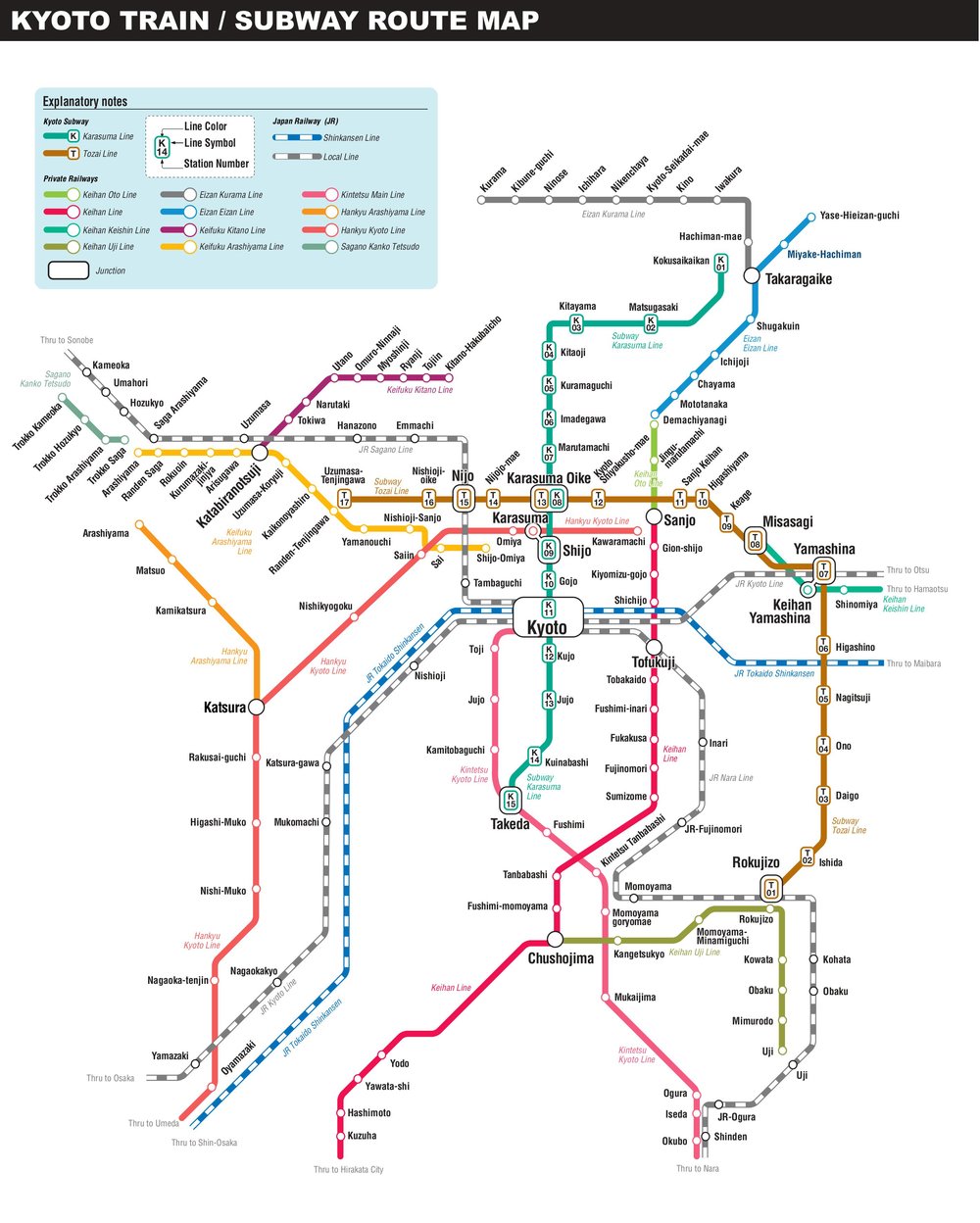
Kyoto Railway Map, Courtesy of JR Pass
When it comes to Kyoto travel, they have two subways, which are the main backbone of their train system. It goes north-south and west-east and connects to other major train lines, which lets you go to even more parts of the city.
Subway Karasuma Line
This is the line that goes north to south of the city, and where the Kyoto Station is. Through this line, you can go to attractions like the Kyoto Tower and the Kyoto Imperial Palace.
Connecting Lines: Subway Tozai Line, Hankyu Kyoto Line, JR Lines, Shinkansen, Kintetsu Line
Subway Tozai Line
This line goes east to west of Kyoto and connects to the Karasuma line at the Karasuma Oike Station. You can ride this train to go to attractions like the Gion District and Nijo Castle.
Connecting Lines: Subway Karasuma Line, Keihan Line
Keihan Line
This line goes north to south at the Eastern side of Kyoto. The Keihan Line will lead you to attractions like the Kamo River and the Kiyomizu Temple.
Connecting Lines: Subway Tozai Line, Eizan Line, JR Nara Line
Hankyu Kyoto Line
This line connects from Osaka to Central Kyoto. One of the attractions you can go to with this line is the Katsura Imperial Villa.
Connecting Lines: Subway Karasuma Line, Keifuku Arashiyama Line
Eizan Line
This is an electric railway that leads to Kyoto’s northern outskirts. You’ll be able to find attractions like the Shimogamo Temple and reach Mount Hiei.
Connecting Lines: Keihan Line
Keifuku Arashiyama Line
Also known as the “Randen,” this is the line that leads to Arashiyama, where the famous Arashiyama Bamboo Forrest can be found.
Connecting Lines: Hanyu Kyoto Line
Kintetsu Kyoto Line
This line leads to the southern parts of Kyoto and crosses over to the city of Nara. One of the attractions you can visit with this line is the Fushimi Sake Village.
Connecting Lines: Subway Karasuma Line, Keihan Line
How to make your train adventures easier
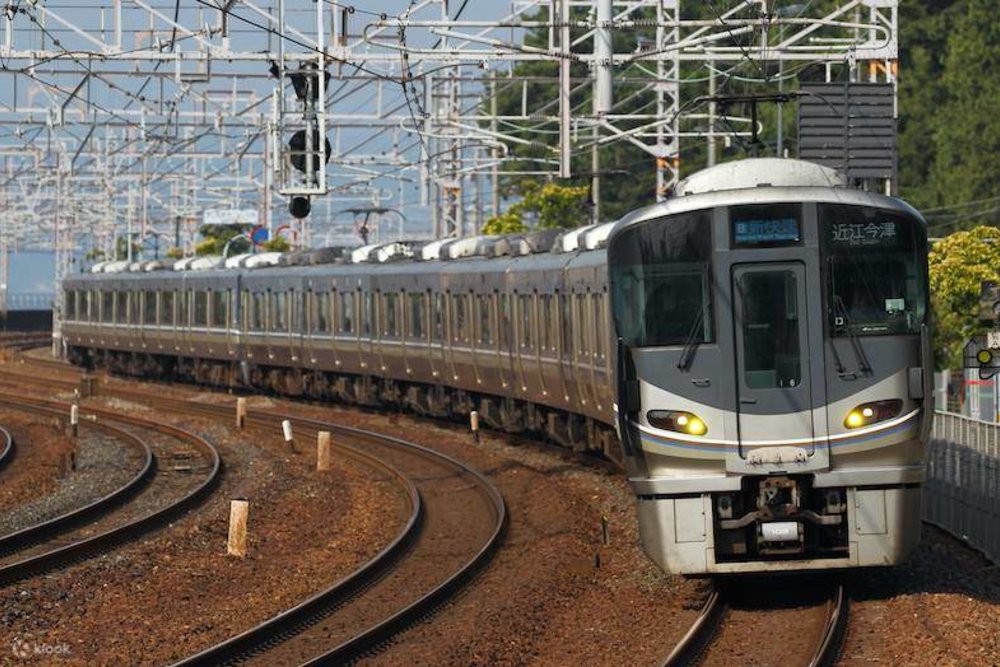
Exterior of one of many Japan Railway Trains
IC Card
If you plan on using the subways and trains during your Japan trip often, it would be a good idea to get an IC Card, which is a rechargeable prepaid card. It would let you ride trains faster because then you wouldn’t have to wait in long lines to purchase a ticket.
In the Kansai region, where Kyoto is, they mainly use the ICOCA Card, but the SUICA card, which is used in places like Tokyo, would also work just fine for Kyoto travel.
JR Pass
If Kyoto is only one stop in your trip and you plan on going to other cities and exploring a greater area of Japan, you might want to consider getting a JR Pass. This pass would give you unlimited rides in all JR lines and a select few Shinkansen lines. It also covers some bus tickets and airport transfers.
FAQs
How many days in Kyoto is enough?
If you want to truly experience Kyoto and see as much as you can, around 2-3 days could be enough. This gives you time to explore different areas of Kyoto and even experience staying in a traditional Japanese Inn or “Ryokan.”
Is Kyoto really worth visiting?
If you love learning about history, tradition, and exploring culture, Kyoto is the perfect city for you to visit. It was once the ancient capital of Japan, and up to today, so much art, architecture, and traditions have been preserved.
Can a Suica card be used in Kyoto?
The main IC card in the Kansai region is the ICOCA, but the Suica card would work just as well for the trains in Kyoto, so you can use it without any worries.
How do you pay for public transport in Kyoto?
Subways and trains can be considered the best way to get around Kyoto. If you have an IC card, you pay with the prepaid load charged in it; otherwise, you can pay with cash at the ticketing stations or machines, or you can also buy train tickets online beforehand.
Other Kyoto transpo guides
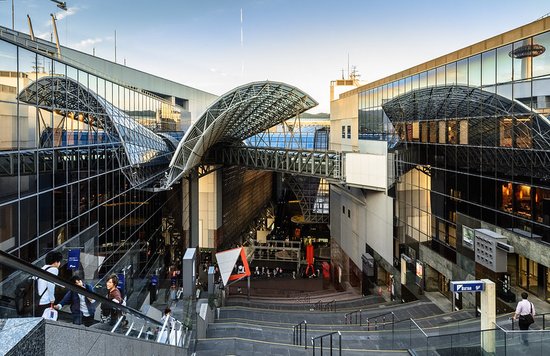
Ready for your Kyoto travel?
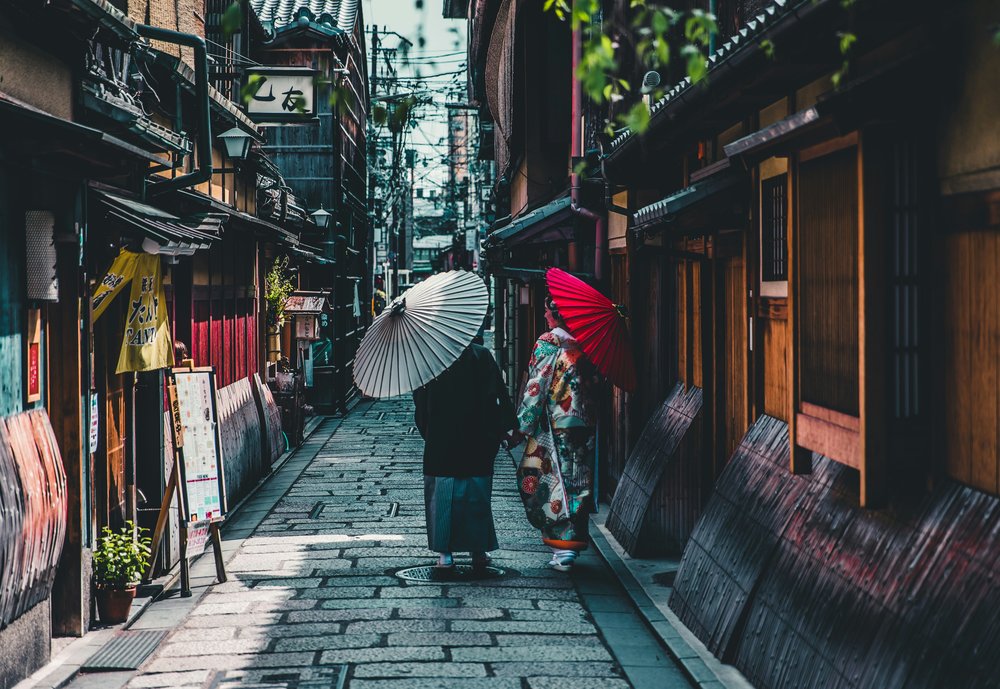
Photo from Andre Benz on Unsplash
Now that you know about the subways and trains that get you to and around Kyoto, you’ll no doubt have a breeze during your trip.
What is Klook?
Klook is a leading pan-regional experiences platform in Asia Pacific, purpose built to digitalize experiences and make them accessible to every traveler.
Our mission is to build the digital infrastructure for the global experience economy — empowering merchants to share their passions and travelers to discover the heartbeat of each destination. We operate a mobile-first, curated platform featuring diverse experiences across global destinations.
✨ Follow us for more deals and inspiration for your upcoming travels