
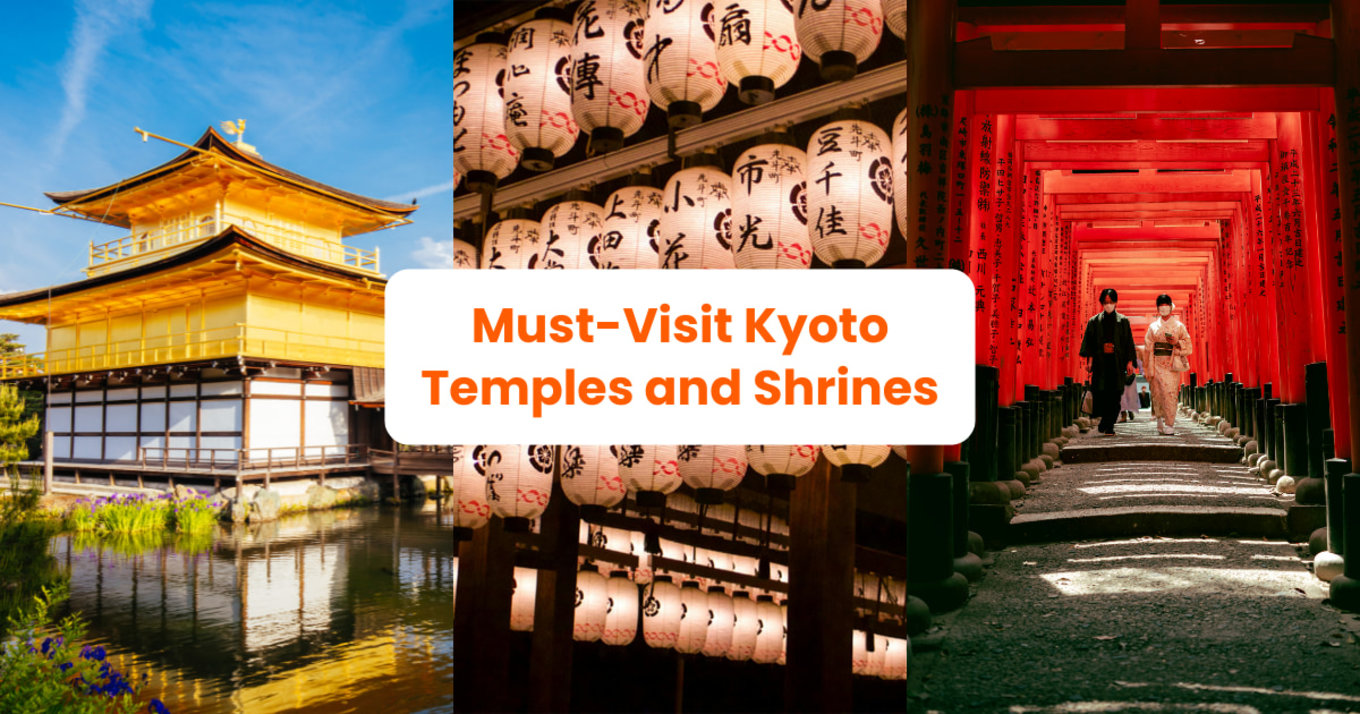
For many travelers, the first images of Japan that come to mind are the neon-lit streets of Tokyo or the bustling food scene of Osaka. Tokyo dazzles with its futuristic quirks, while Osaka – the most popular city in the Kansai region – has earned its reputation as the nation’s kitchen, serving up some of the best Japanese food you’ll ever taste. But just a quick train ride from Osaka lies Kyoto, a city that’s been steadily gaining popularity in recent years for its rich culture and timeless tradition. With over 1,600 Buddhist temples and Shinto shrines, Kyoto offers a glimpse into Japan’s history and spirituality and is considered the cultural heart of the country.
A trip to Kyoto is sure to transport you to another time, showing what life in Japan may have been like thousands of years ago. So whether you’re a history buff or not, you shouldn’t miss the chance to visit this city and its famous Kyoto temples, especially if your travels will take you to Japan’s Kansai region.
Why Are There So Many Temples and Shrines in Kyoto?
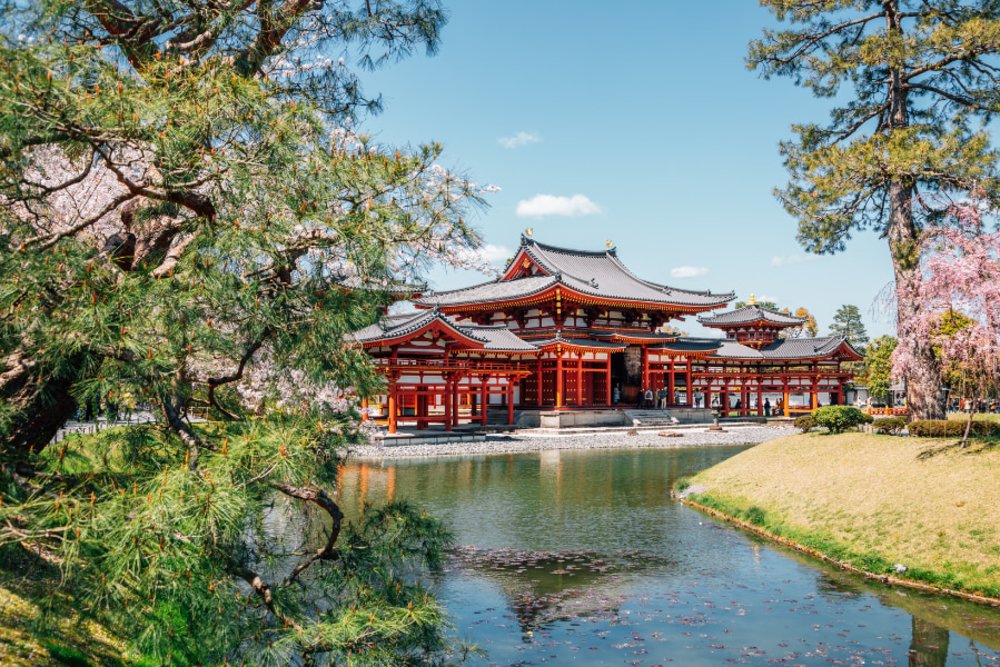
Byodo-In Temple in Kyoto, Japan
One of the most historic moments in Kyoto was when it became the imperial capital of Japan in the year 794. For hundreds of years, emperors, nobles, and monks shaped the city, leaving behind religious and cultural landmarks that continue to define Kyoto’s unique charm and as a place of worship to this day.
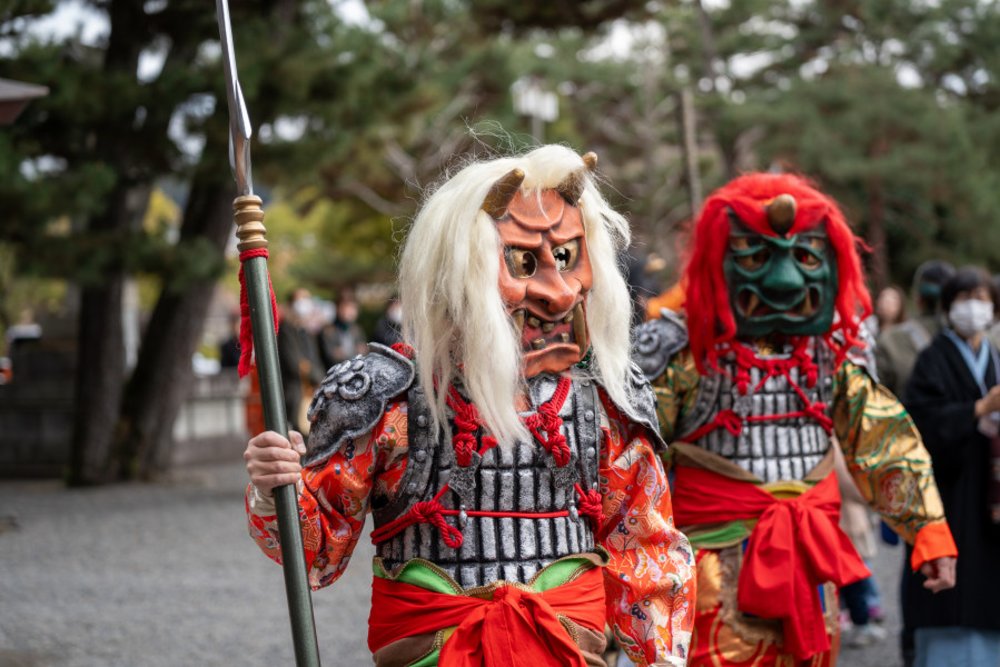
Setsubun Festival performers atHeian Shrine in Kyoto, Japan
But before we dive into the must-visit temples and shrines in Kyoto, here’s a quick look at Japan’s major religions and what these sites mean for the Japanese people. Shinto, Japan’s native religion, is based on the idea that spirits or deities exist in nature, such as mountains, rivers, and trees. This is why many rituals and ceremonies in Japan take place at shrines set in natural surroundings. If you’ve watched Japanese anime or films, you might have noticed godlike creatures and spirits often shown living in trees. This is inspired by Shinto beliefs.
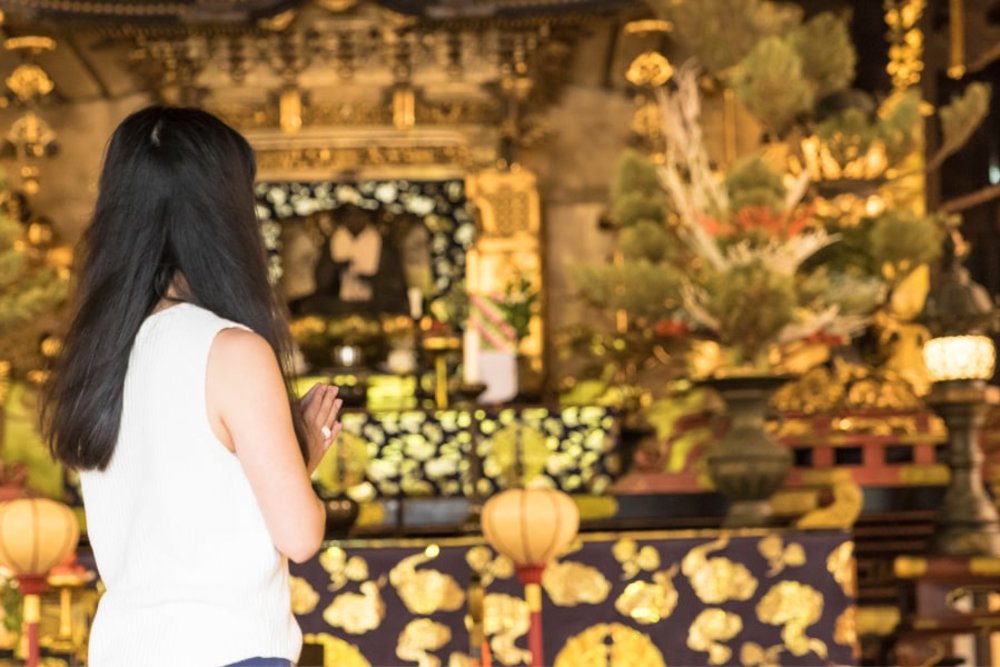
Japanese woman praying in a Kyoto temple
Buddhism, on the other hand, is the other major religion in Japan, brought over from China and Korea. Many Japanese temples are home to Buddhist statues, and it’s common for Japanese people to follow both Shinto and Buddhism. That’s why you’ll often see Japanese visiting both shrines and temples, especially during festivals and special celebrations.
Must-Visit Kyoto Temples and Shrines
Kinkaku-ji Temple (Golden Pavilion)
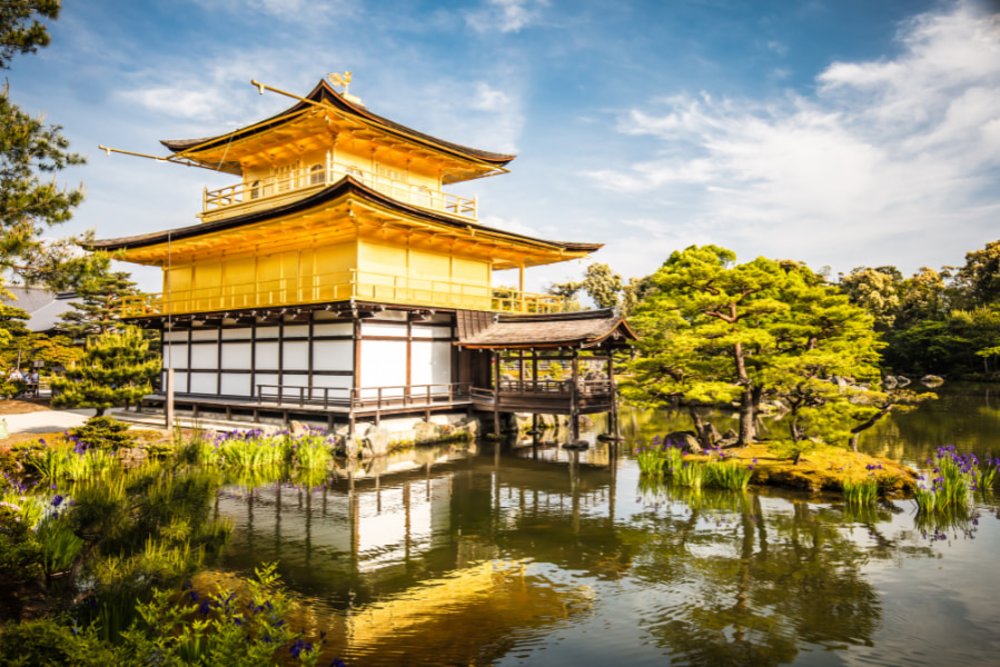
Kinkaku-ji Temple or the Golden Pavilion in Kyoto, Japan
Kinkaku-ji, also known as the Golden Pavilion, is one of the most famous temples in Kyoto. It was originally built as a retirement villa for the shogun in the 14th century but has later become a Zen Buddhist temple. Its top two floors are covered in gold leaf, a sight that’s sure to stop anyone in their tracks, especially when the sun hits just right and creates a stunning reflection of the temple on the pond that surrounds it. With beautiful gardens and scenic views all around, Kinkaku-ji is a must-visit for anyone exploring Kyoto.
Address: 1 Kinkakujicho, Kita Ward, Kyoto, 603-8361, Japan
Want to know more about this temple and how to get there? Read this complete guide before you visit!

Ginkaku-ji Temple (Silver Pavilion)
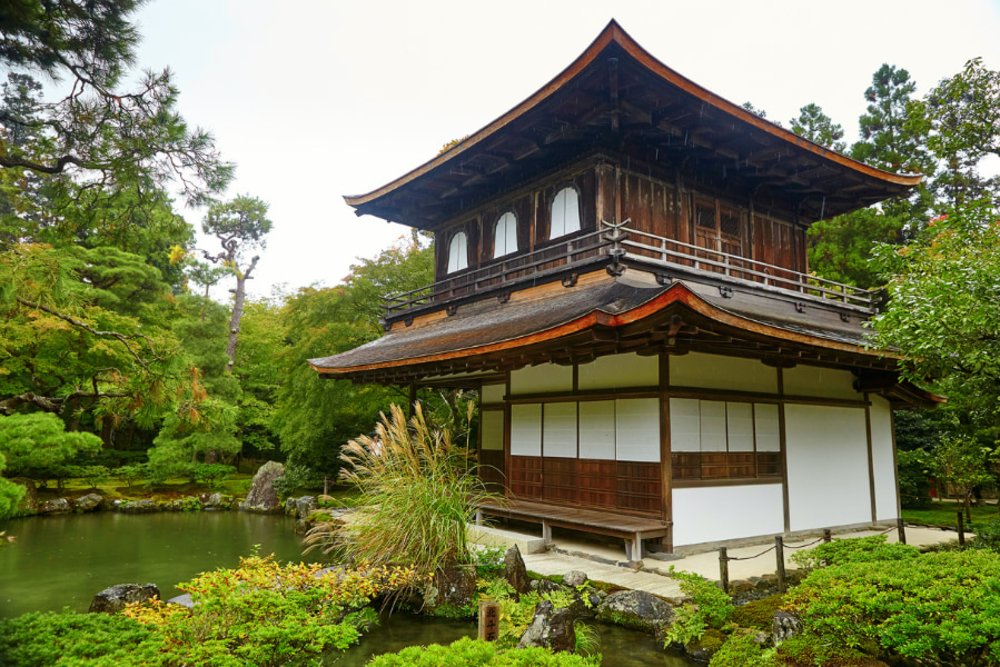
Ginkaku-ji Temple or the Silver Pavilion in Kyoto, Japan
If there’s a Golden Pavilion, there’s also the Silver Pavilion! Ginkaku-ji is another Zen temple in Kyoto known for its understated elegance. The name “Silver Pavilion” comes from the original plan to cover the upper floors of the temple in silver leaf, similar to the Golden Pavilion. However, that plan never came into fruition, possibly due to budget or political issues at the time. Despite that, the name stuck, and today Ginkaku-ji is celebrated for its subtle beauty, making it a peaceful spot to experience traditional Japanese aesthetics.
Address: 2 Ginkakujicho, Sakyo Ward, Kyoto, 606-8402, Japan
Kiyomizu-Dera Temple
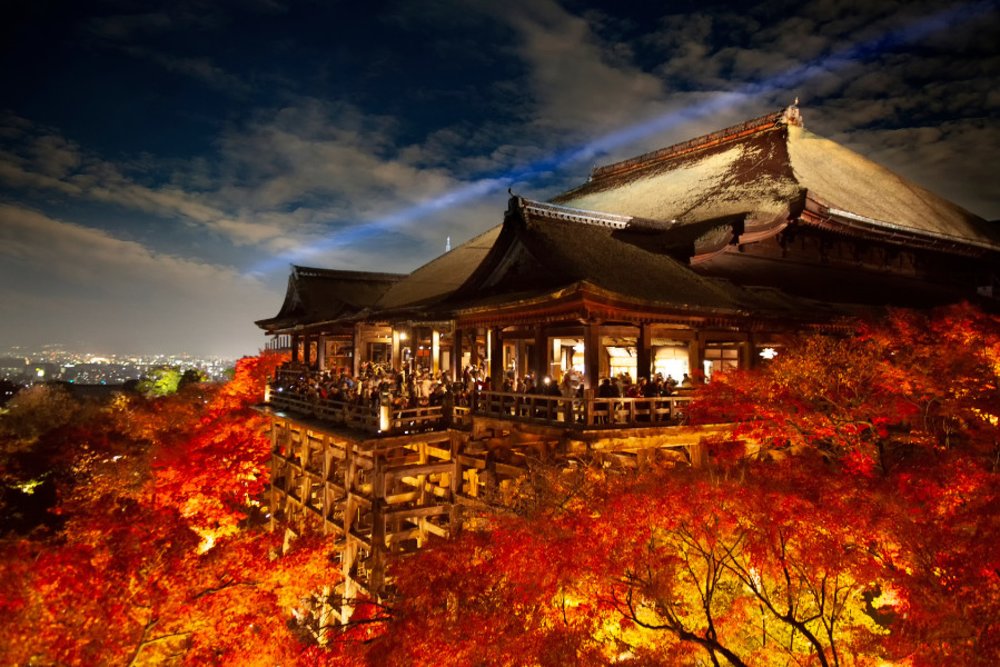
Kiyomizu-dera temple in Kyoto, Japan
Another one of the most iconic temples in Kyoto is Kiyomizu-dera, famous for its wooden stage that hangs out over the hillside, offering amazing views of the city and surrounding forests. The temple is also known for its sacred Otowa Waterfall, where visitors drink from three streams said to bring health, longevity, and success. If you do decide to try it, resist the urge to drink from all three, as doing so is considered greedy. Just pick one and enjoy the experience!
Address: 1 Chome-294 Kiyomizu, Higashiyama Ward, Kyoto, 605-0862, Japan
You can also check out our Kiyomizu-dera temple guide:

Sanjusangen-do Temple
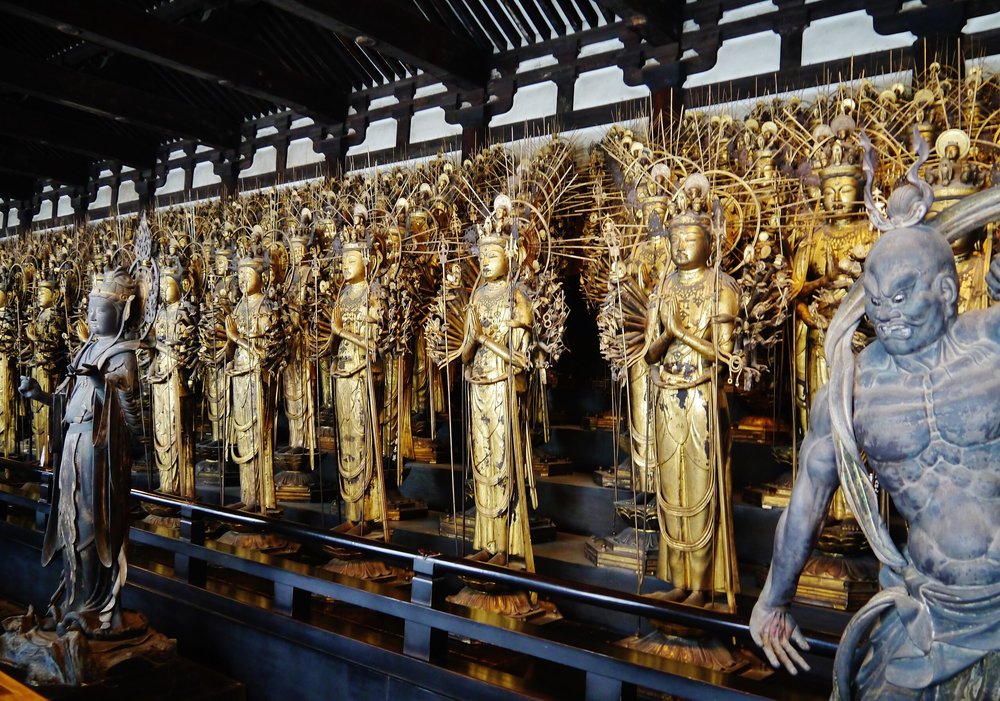
Inside the Sanjusangendo Temple in Kyoto / Photo from Wikimedia Commons
With 1,001 human-sized statues of the goddess Kannon (the god of compassion), Sanjusangen-do Temple is truly a breathtaking sight. Its wooden hall stretches 120 meters, making it the longest wooden structure in Japan. Walking through the temple hall is a surreal experience, with rows and rows of statues lined up in perfect symmetry. This Kyoto temple is definitely a must-visit for anyone interested in Japanese artistry, or to simply experience an incredible sense of awe!
Address: 657 Sanjusangendomawari, Higashiyama Ward, Kyoto, 605-0941, Japan
Fushimi Inari Taisha Shrine
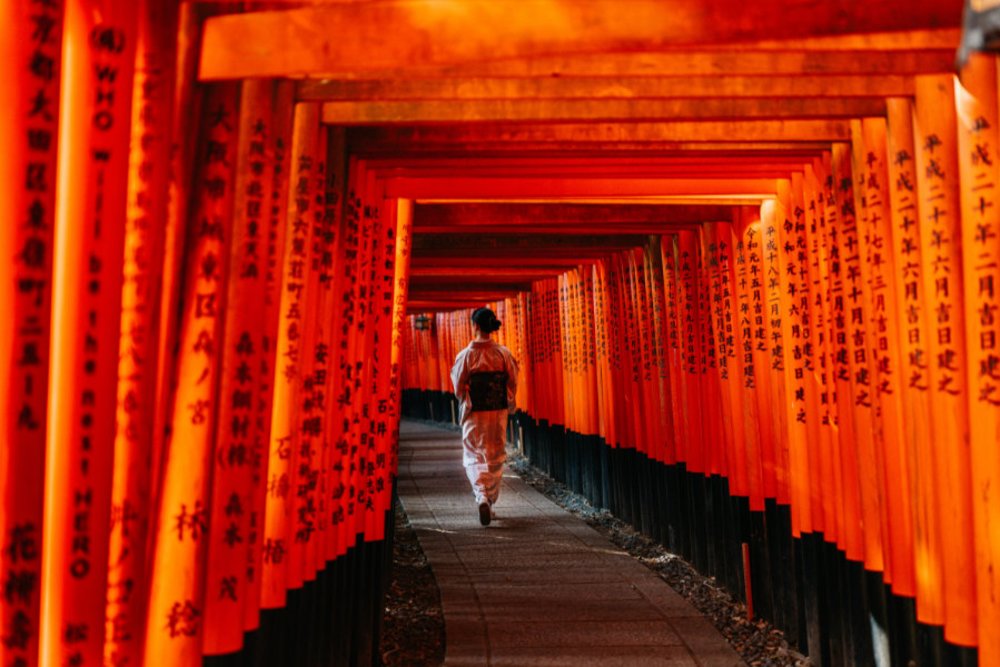
Inside the Sanjusangendo Temple in Kyoto / Photo from Wikimedia Commons
There are hundreds of shrines in Kyoto but perhaps the most photographed one (and the one that probably has the most stock photos) is the Fushimi Inari Taisha. It’s famous for its thousands of bright red torii gates (yes, that one) that form endless tunnels up the mountain. The shrine is dedicated to Inari, the god of rice and prosperity, and you’ll see fox statues throughout the grounds which are considered Inari’s messengers. Walking through these iconic red torii gates is a unique experience and the further you go, the more peaceful it gets. So if you’re up for a little adventure and for some amazing photos, try to walk deeper up the mountain and experience the peace and quiet the Shrine has to offer.
Address: 68 Fukakusa Yabunouchicho, Fushimi Ward, Kyoto, 612-0882, Japan
Shimogamo Shrine
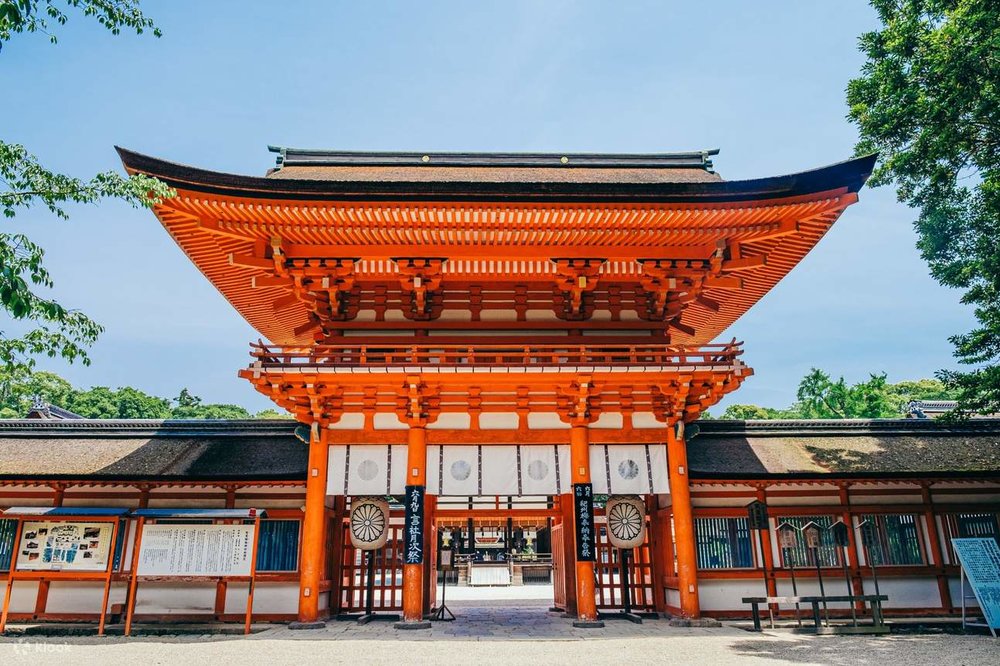
Shimogamo Shrine in Kyoto, Japan
Dating back over a thousand years, Shimogamo Shrine is one of Kyoto’s oldest shrines. It’s located in a beautiful forest called Tadasu no Mori, which feels like stepping into another world, which is why it’s no wonder it has earned its status as a UNESCO World Heritage Site. The shrine is especially famous during the Aoi Matsuri that’s celebrated annually every May 15th, one of Kyoto’s three main festivals (you can time your visit depending whether you’d like to avoid the crowds or experience the festival!). While it can get pretty busy during the festival season, outside of it, the shrine is a peaceful spot to wander and enjoy nature.
Address: Japan, 〒606-0807 Kyoto, Sakyo Ward, Shimogamo Izumikawacho, 59
Yasaka Shrine
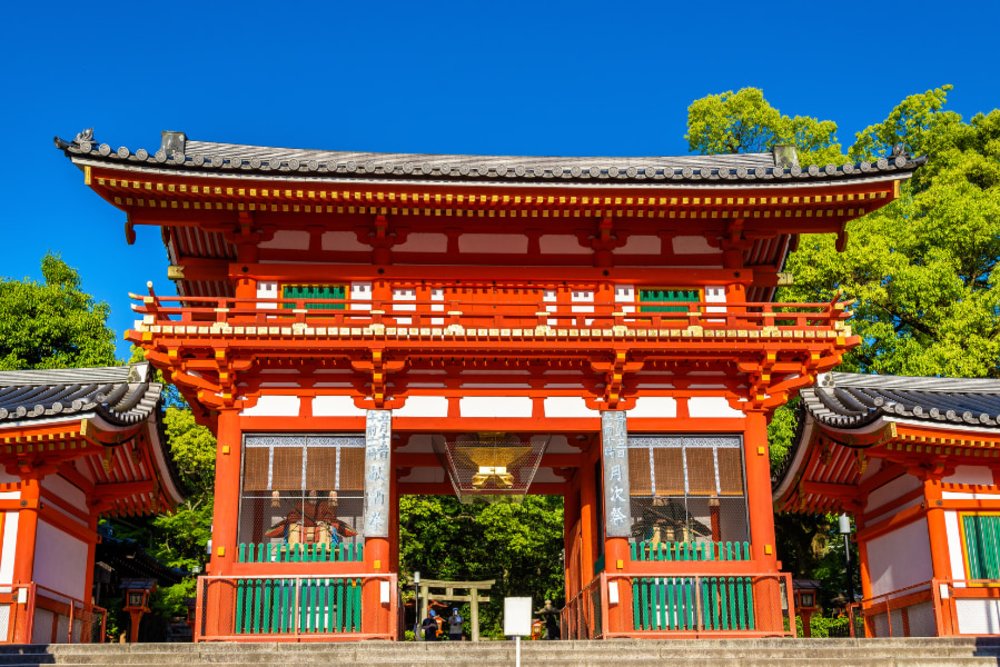
Yasaka Shrine in Kyoto, Japan
Sitting at the heart of Gion, Kyoto’s geisha district, the Yasaka Shrine is one of the city’s most lively and well-known shrines. Much like Shimogamo Shrine’s popularity during the festival season, Yasaka Shrine is especially famous for Kyoto’s Gion Matsuri, which is one of Japan’s biggest festivals and takes place over the entire month of July. But even on regular days, the shrine is worth a visit with its bright vermilion gates, lantern-filled grounds, and thanks to its central location, it’s a great stop while you’re exploring Gion!
Address: 625 Gionmachi Kitagawa, Higashiyama Ward, Kyoto, 605-0073, Japan
Heian Shrine
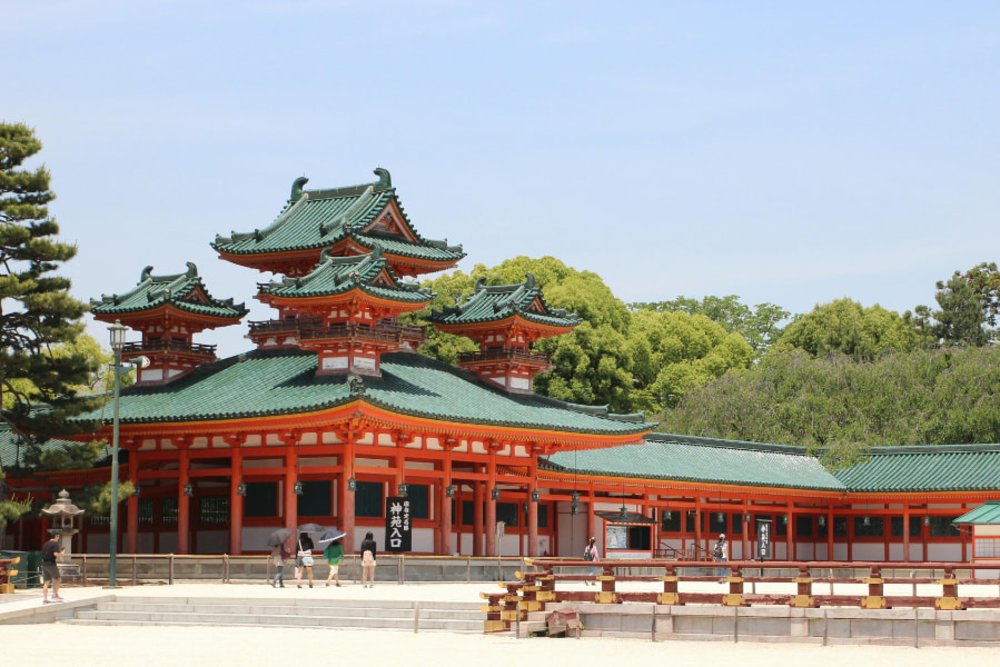
Heian Shrine in Kyoto, Japan
Inspired by the architecture of Kyoto’s original imperial palace, Heian Shrine is a must-stop on your temple-hopping tour of the city. Its massive torii gate and striking vermillion buildings are architectural wonders on their own, but the spacious grounds it sits on and the surrounding beautiful gardens also make it one of Kyoto’s most photogenic spots, especially during the cherry blossom season.
Address: 97 Okazaki Nishitennocho, Sakyo Ward, Kyoto, 606-8341, Japan
Tips for Temple-Hopping in Kyoto
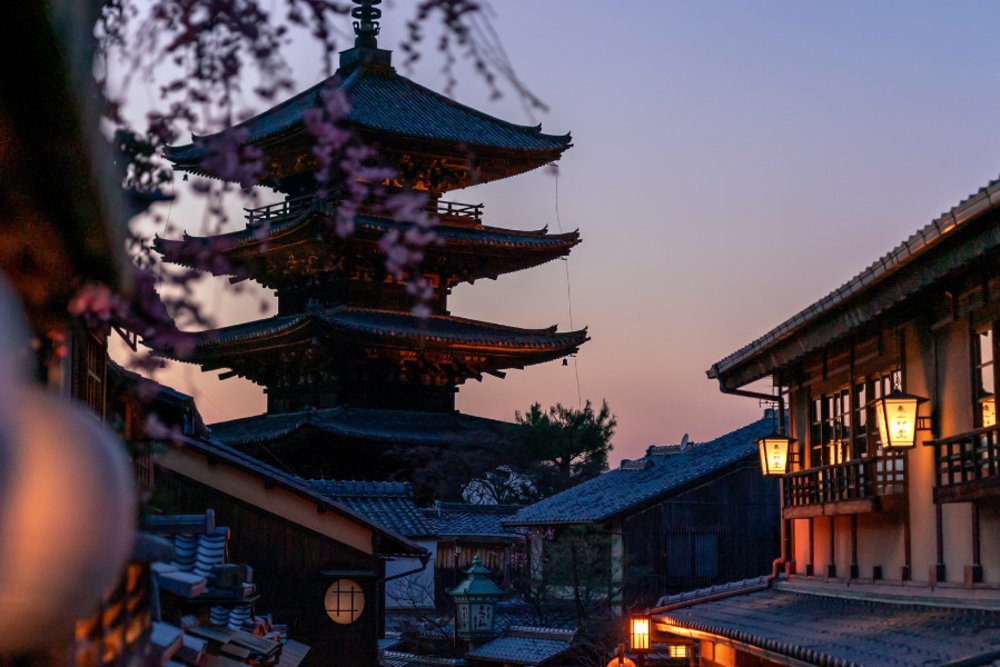
Pagoda in Kyoto, Japan
Join A Kyoto Temple-Hopping Tour
For a more convenient way of exploring the Kyoto temples and shrines, you can consider joining a Kyoto temples and shrines tour that will take you to some of the most iconic sites in the city. Some of these tours even have the option for you to rent a kimono and walk through the historic streets of Kyoto all dressed up! These photos make the perfect souvenirs so that’s a plus!
Stay Connected
Make sure to grab a pocket WiFi or an eSIM when traveling in Japan because this will make getting around so much easier! Public transport in Japan is an experience in itself, and chances are you’ll be looking up directions often to get from one spot to another (or in this case, one temple to the next). So having an internet connection on the go will save you time and stress!
Time Your Visits
Temples and shrines in Kyoto can get pretty busy depending on the time and season. Some are especially crowded during festivals or cherry blossom season, so it’s best to check ahead before your visit to be prepared for the crowds on your temple-hopping adventure. In general, early mornings and later afternoons are the best times to avoid the rush!
Be Respectful
When you go temple-hopping in Kyoto, remember that these sites aren’t just for sightseeing. These are active places of worship so remember to be mindful of your surroundings and show respect while you explore!
Beyond Kyoto’s Temples and Shrines
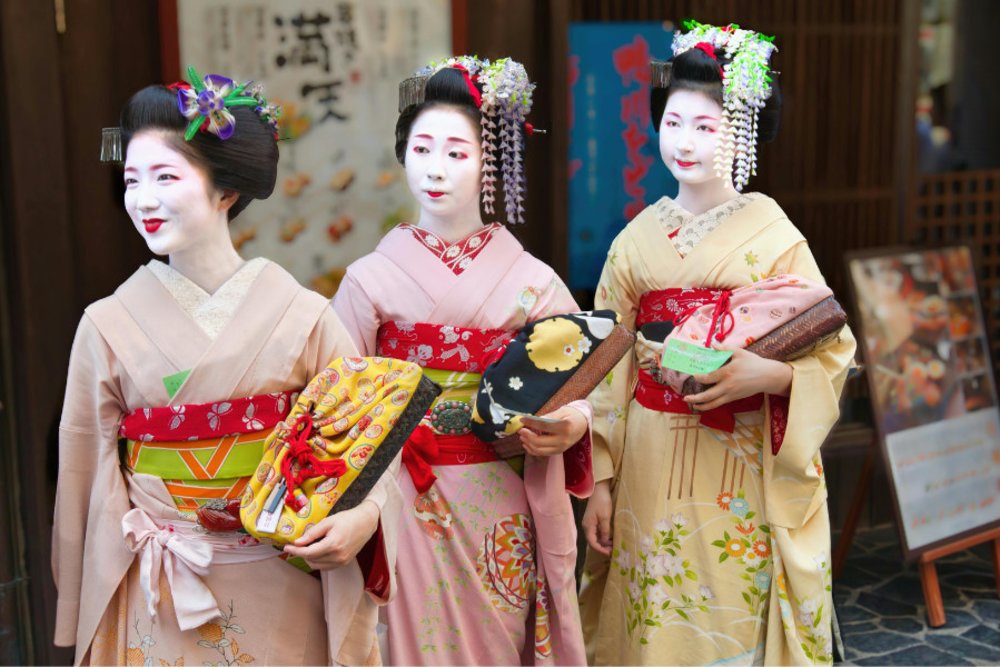
Japanese Geishas in Kyoto, Japan
Visiting Kyoto is an adventure in itself, with its rich cultural background and hundreds of historic and spiritual landmarks scattered throughout the city. While many travelers come to Japan for the food (and Kyoto is definitely known for its delicious udon), don’t miss the temples and shrines that make this city so unique.
Kyoto is also one of the best places to dive into Japanese culture, whether it’s watching a traditional arts performance in the Geisha district or joining a matcha tea ceremony. To make the most of it, check out Klook’s cultural pass in Kyoto, which will give you access to a variety of experiences you’ll remember for a lifetime!
FAQs
What are the five great temples of Kyoto?
While there are many great temples in Kyoto, but if we’re talking about the Five Great Zen Temples of Kyoto then this includes Tenryuji Temple, Shokokuji Temple, Kenninji Temple, Tofukuji Temple, and Manjuji Temple.
What temples should I see in Kyoto?
As there are hundreds of temples that you can see in Kyoto, which ones you should visit depends on the kind of traveler you are and perhaps, based on your current itinerary. For example, a lot of travelers visiting the Gion district check out the Kiyomizu-dera temple where as others often make their way up the northern part of Kyoto to see Kinkaku-ji (Golden Pavilion) to see its architectural beauty.
What are the three temples in Kyoto?
There are many temples in Kyoto but if you only have time to see three temples, then you should definitely visit Kinkaku-ji (Golden Pavilion), Kiyomizu-dera Temple, and Sanjusangen-do Temple.
Can you wear shorts at Kyoto temples?
There isn’t a strict dress code when visiting Kyoto temples, but keep in mind that these are places of worship so it’s best to dress modestly. We know it can get pretty hot in Japan during the summer so yes, you can still wear shorts, but best to avoid very casual ones like board shorts, micros and cut-offs!
What is Klook?
Klook is a leading pan-regional experiences platform in Asia Pacific, purpose built to digitalize experiences and make them accessible to every traveler.
Our mission is to build the digital infrastructure for the global experience economy — empowering merchants to share their passions and travelers to discover the heartbeat of each destination. We operate a mobile-first, curated platform featuring diverse experiences across global destinations.
✨ Follow us for more deals and inspiration for your upcoming travels