
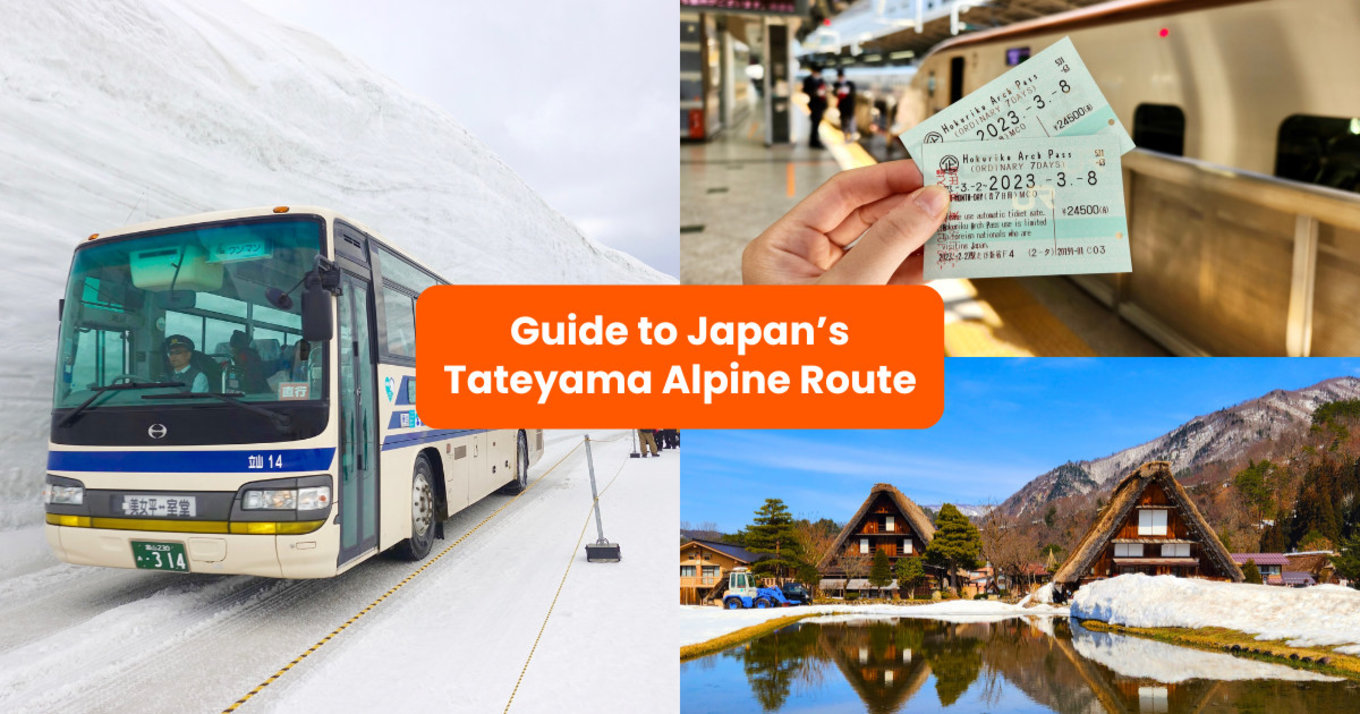
Tateyama Alpine Route Guide + How to Visit Shirakawa-go and Takayama
Tired of visiting the same old places in Japan? On your next trip, check out the Tateyama Alpine Route in the Japanese Alps, which can be visited on a day trip from either Tokyo, Osaka, or Nagoya. However, this will make for a long and tiring day; it’s best to stay for a night or two along the way to give yourself more time to soak it all in. Even better, you can extend your trip to include side trips to off-the-beaten-path destinations like Shirakawa-go and Takayama.
#KlookTip: You’ll need a good data connection to traverse the many parts of the route — arm yourself with a good and reliable Japan esim for a seamless journey.

What is the Tateyama Alpine Route?

As its name suggests, the Tateyama Alpine Route isn’t just a single place. It’s a whole journey that traverses along a one-way route, and getting there is a whole adventure in itself. You’ll have to use various means of transportation — think: trains, buses, cable cars, and even a ropeway — to get from one end to the other.
The route runs from Toyama city to Omachi Town in Nagano, and is only open from 15 April to 30 November each year. Known as the ‘Roof of Japan’, the route is inaccessible during winter due to large amounts of snowfall.
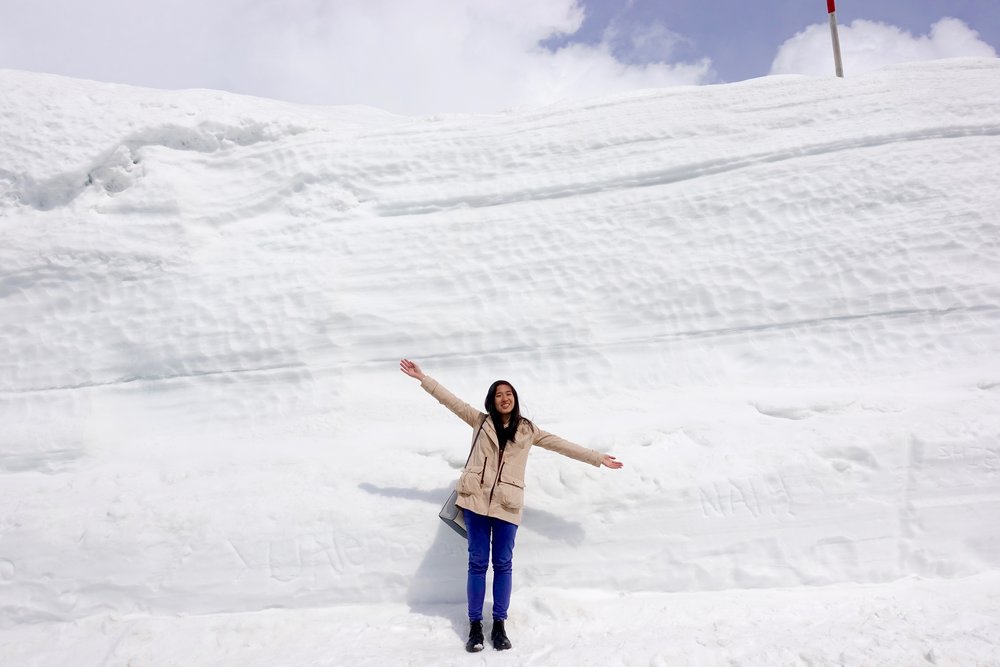
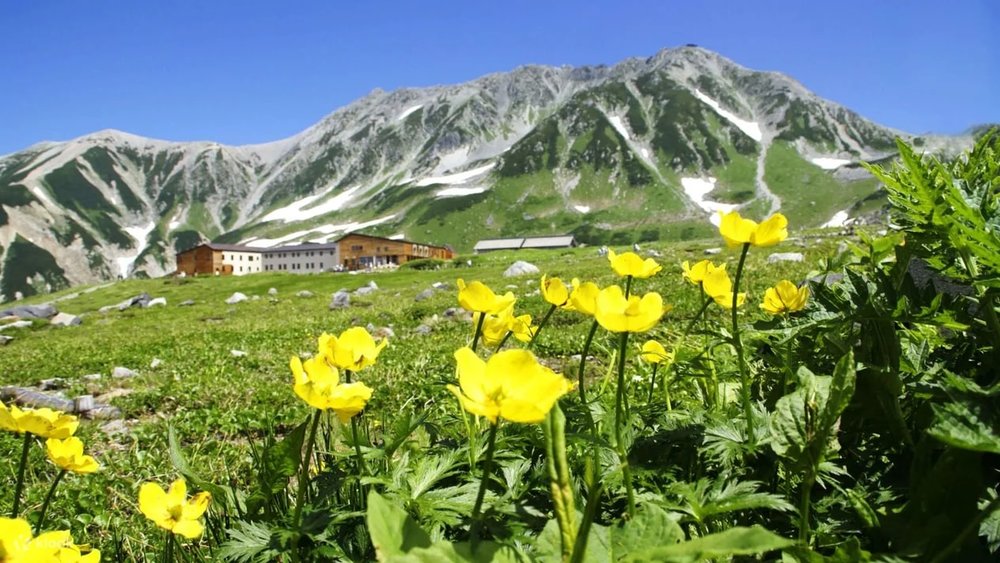
It’s a spectacular destination in spring and summer, where the alpine flowers explode in a brilliant pop of colour. In autumn, the route boasts splendid vistas in all shades of red, orange, and yellow. Hiking enthusiasts will love Murodo, the highest point along the route, where there are plenty of hiking trails. In spring (usually from 15 April to 25 June each year), there’ll even be a spectacular snow corridor.
How to get to the Tateyama Alpine Route from Tokyo
1. Tokyo to Nagano

Duration: 1 hour 20 minutes via the Shinkansen
A one-way shinkansen ticket from Tokyo to Nagano will cost 8,140yen (~S$75); the route is otherwise covered by the JR Rail Pass, JR East Nagano/Niigata Area Pass, and the JR Hokuriku Arch Pass. Hop on the shinkansen from Tokyo station, and grab a bento from Ekibenya Matsuri while you’re at it.
#KlookTip: You can choose to start the Tateyama Alpine Route from either Nagano or Toyama, but we recommend starting from Nagano as it’s said to be less congested.
What day trips can I take from Nagano?
Jigokudani Snow Monkey Park

Stay a couple of nights at Nagano to explore the surrounding area. Take a day trip to see the famous snow monkeys at the Jigokudani Snow Monkey Park, which can be reached via a 50-minute bus ride, followed by a magical 1.6-kilometre walk through a forest.
Kamikochi
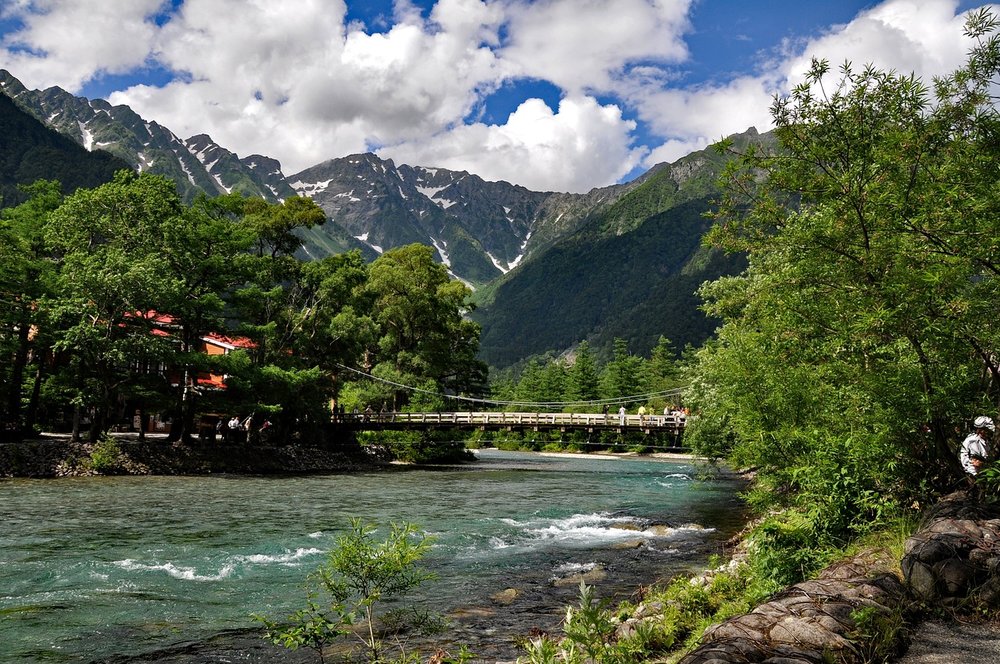
If you just want to immerse yourself in all things Japanese Alps-related, take a direct 3-hour bus to Kamikochi. Kamikochi is a hiking paradise, and is famous for the picturesque Kappa Bridge. On weekdays, there’s also a 1.5-hour bus from Nagano to the castle town of Matsumoto — where you can even go mountain biking, or have a ninja and samurai armour experience.
The mountain resort town of Karuizawa is also just 35 minutes away by shinkansen, where you can go shopping at the Prince Outlet Shopping Mall, or visit the Onioshidashi Volcanic Park.
P.S. If you’d like to sit back and relax, why not check out this 1-day Tateyama Alpine Route tour from Nagano?
2. Nagano to Ogizawa
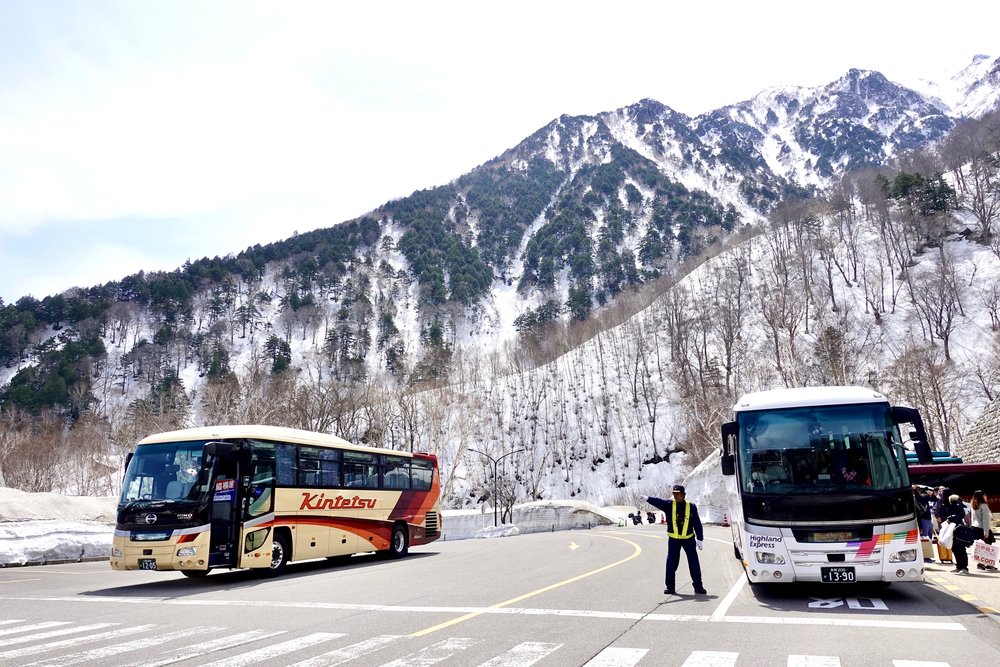
Duration: 100 minutes via the Alpico Express Bus
Head for the bus terminal on the ground floor of Nagano station, and take the Alpico Express Bus to Ogizawa. Enjoy the free wi-fi onboard, and watch as the scenery changes the further up into the mountains you go.
3. Ogizawa to Kurobe Dam
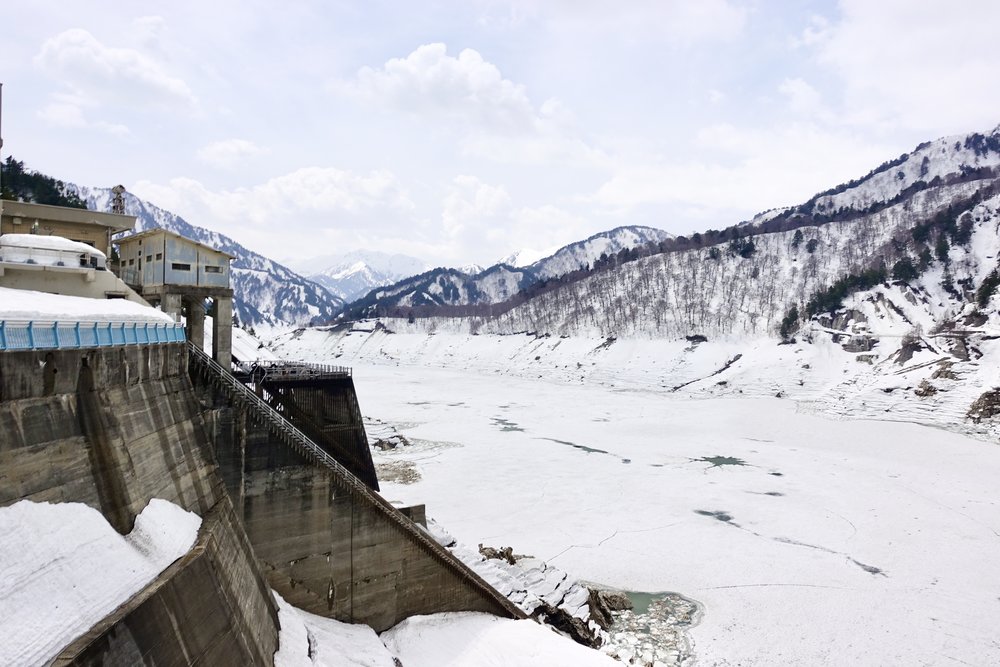
Duration: 16 minutes via the Kanden Tunnel Trolley Bus
Standing at a height of 186 metres, Kurobe Dam is the highest dam in Japan. If you’re visiting from late June to mid-October, you might even be able to watch the thundering torrent of water being discharged through its gates! From early June to early November, don’t miss out on a 30-minute sightseeing cruise along Kurobe Lake.
#KlookTip: Climb around 200 steps to the observatory for a gorgeous panoramic view of the Kurobe dam.
4. Kurobeko to Kurobedaira
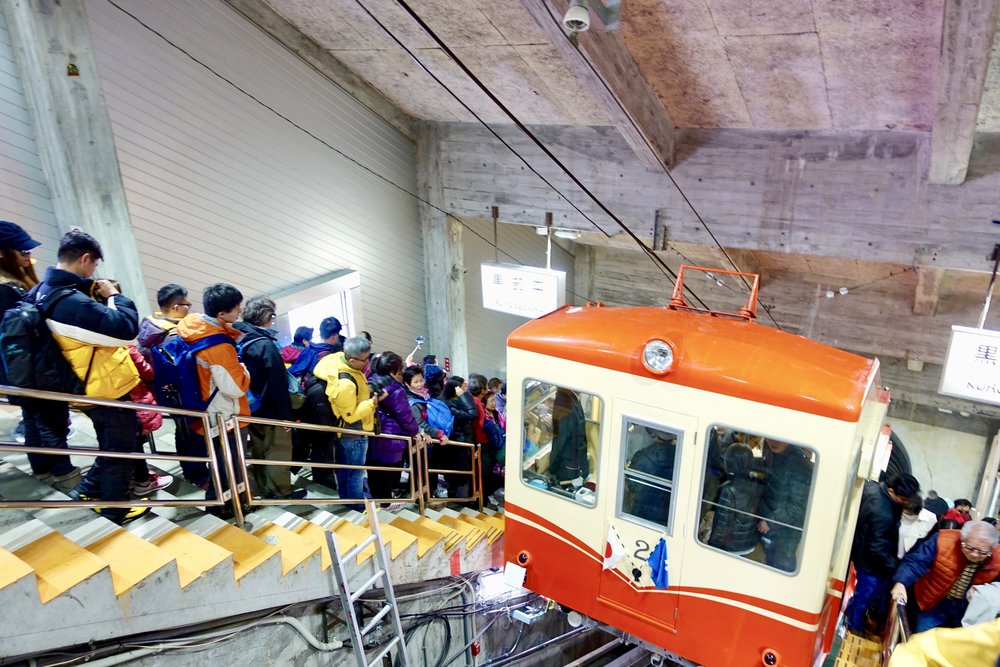
Duration: 5 minutes via the Kurobe Cable Car
Kurobeko can be reached in 15 minutes on foot across the dam — with scenic views every step of the way. Get a numbered ticket for the cable car from the ticket office, and join the queue for the cable car. Don’t worry, the queue moves fast so you won’t be waiting for long!
5. Kurobedaira to Daikanbo
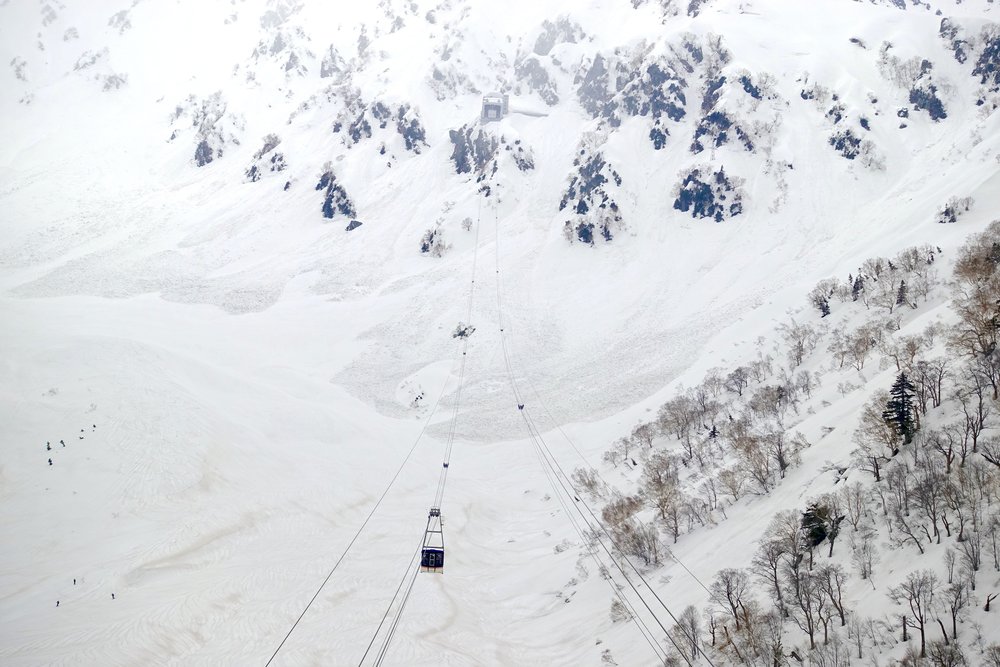
Duration: 7 minutes via the Tateyama Ropeway
Unfortunately, this is where you’ll probably encounter somewhat of a bottleneck. Get a numbered ticket from the ticket office, and be prepared to wait up to 1.5 hours (during peak season) for your turn on the ropeway. Head up to the sky garden to kill the time, or mull around in the waiting area.
#KlookTip: We recommend grabbing lunch whilst waiting, as there aren’t many other food options along the way.
6. Daikanbo to Murodo
Duration: 10 minutes via the Tateyama Trolley Bus
Fun fact: The bus goes through a tunnel, and is powered entirely by electricity.
Murodo Snow Corridor

This is undoubtedly the star of the show: the Snow Corridor is home to the Yuki-no-Otani Snow Wall, which can go up to a whopping height of 20 metres! Dress warm as the temperature can reach sub-zero levels; there are also rubber boots for rent if you lack the proper snow footwear.
#KlookTip: Check the live cameras before making the journey, as the snow corridor will be closed on days with heavy snow.
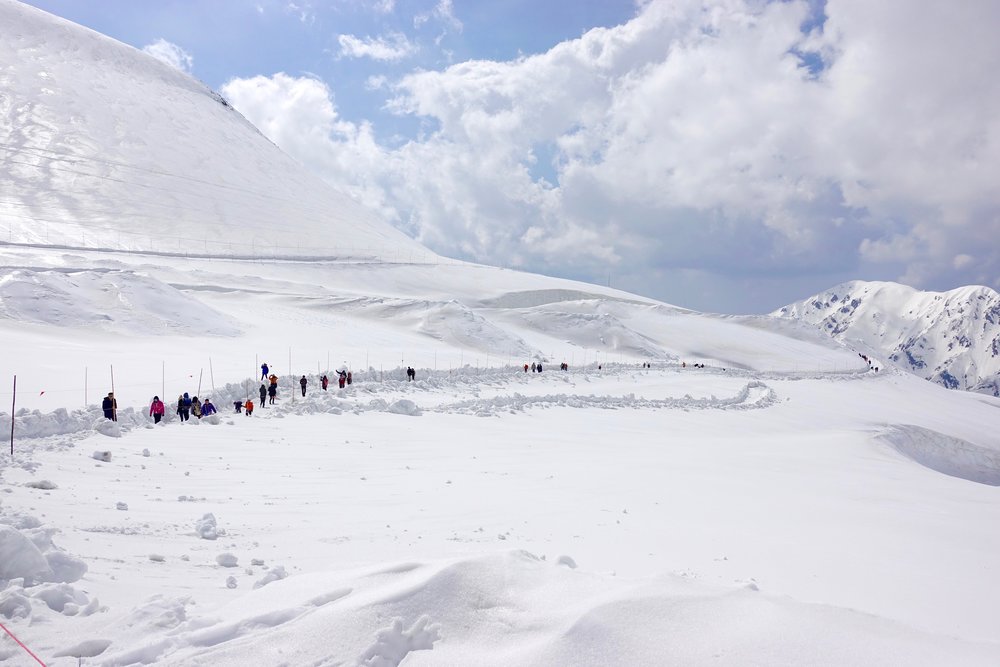
Enter winter wonderland on the Panorama Walk, soak in the Mikurigaike Onsen (the highest altitude hot spring in Japan at 2410 metres!), and marvel at Mukurigaike Pond. If you’d like, choose to spend the night here to enjoy magnificent sunrises and sunsets, on top of clear skies for stargazing. The most popular accommodation option is the huge Hotel Tateyama, alongside some mountain lodges.
7. Murudo to Bijodaira

Duration: 50 minutes via the Tateyama Highland Bus
Go on a ride through the snow corridor onboard the Tateyama Highland Bus. This is the only transport option available here, as private vehicles aren’t allowed on this part of the route.
You can also go hiking at Bijodaira, where you can explore a 200-year-old beech forest.
8. Bijodaira to Tateyama station

Duration: 7 minutes via the Tateyama Cable Car
Descend 500 metres in seven minutes in the Tateyama Cable Car!
9. Tateyama station to Dentetsu Toyama station

Duration: 1 hour via the Toyama Chiho Railway
For your final leg, take a train back to Dentetsu Toyama station, which is right next to JR Toyama station. Toyama is famous for its seafood (and this says a lot in the seafood paradise of Japan!), being home to some of the country’s most bountiful fishing grounds. How’s this for size: around 800 fish and shellfish species can be found in the Sea of Japan, 500 of these species can be found in Toyama Bay itself. It's definitely paradise for all you seafood and sashimi lovers!
Optional side trips from Toyama
Takayama

Venture to Takayama (also known as ‘Hida Takayama’) via a 1.5-hour train ride via the JR Hida Limited Express train. Takayama is a rustic 1500-year-old Japanese town that’s known as the mini Kyoto of Japan.

Its old town (Sannmachi Suji) is lined with buildings that date back to the Edo period, and is famous for its Hida beef sushi.
#KlookTip: If you have a JR Hokuriku Arch Pass, you’ll have to top-up for the route from Inotani to Takayama.
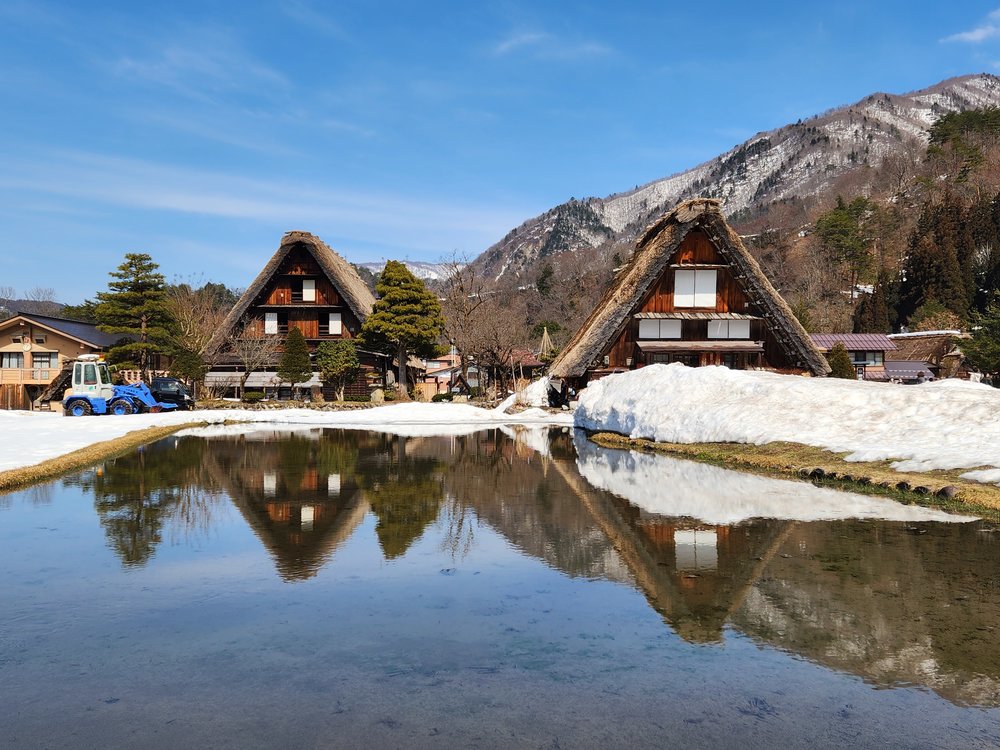
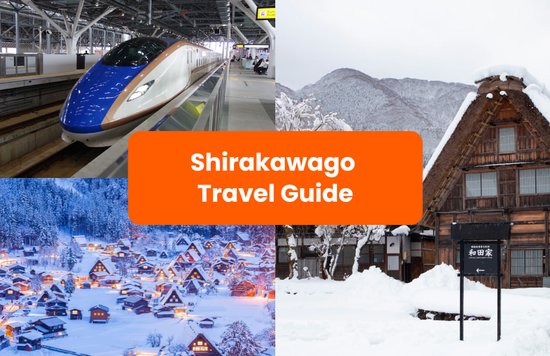
Takayama is usually visited together with Shirakawa-go, a UNESCO World Heritage site comprising a fairytale village nestled among mountains. Shirakawa-go can be reached in 1.5 hours via a bus from Toyama, or in 50 minutes via a bus from Takayama. Wander along Gassho-Zukuri houses, which are topped with iconic thatched roofs. If you have the time, you can make the trip to the lesser-visited Gokayama (also known as Suganuma Village), which also has the Gassho-Zukuri houses.
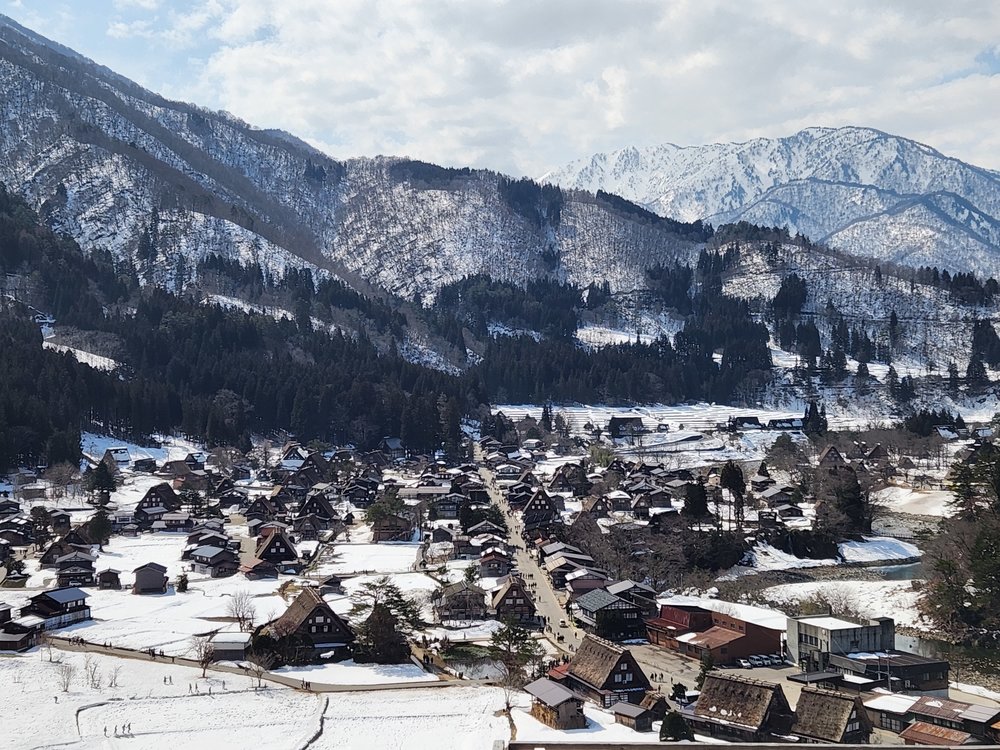
Take a bus, or walk up a hill, to reach an observation deck for an aerial view of the houses. For the full experience, stay overnight at one of the Minshuku (Japanese-style farmhouses) in Shirakawa-go. These book out really quickly, so do book your stay in advance.
Alternatively, check out the charming Kanazawa, which is just 22 minutes from Toyama via shinkansen. Find your zen at Kenroku-en, one of Japan’s three most beautiful gardens, visit a geisha district, explore a samurai district, load up on seafood at Omicho Market, and shop all things gold leaf-related (Kanazawa produces 99% of Japan’s gold leaf!).
10. Toyama to Tokyo
Duration: 2 hours 10 minutes via shinkansen
A one-way shinkansen ticket from Toyama to Tokyo will set you back around 12760yen (~S$118). If you’re planning on exploring other parts of Tokyo, your pocket might fare better with a handy JR Pass. Not sure which pass best suits your itinerary? Bookmark this nifty JR Pass calculator.
How to get to the Tateyama Alpine Route from Nagoya or Osaka
From Nagoya, take a 2-hour train via the JR Limited Express Shinano to Matsumoto, and change to a 1-hour train to Shinano-Omachi via the JR Oito line. From Shinano-Omachi, take a 40-minute local bus to Ogizawa, where your journey to the Tateyama Alpine Route begins!
If you’re coming from Osaka, you can either a) take a 2.5-hour via the JR Thunderbird Limited Express to Kanazawa, and transfer to a 22-minute shinkansen to Toyama; or b) take a 50-minute shinkansen to Nagoya.
What is Klook?
Klook is a leading pan-regional experiences platform in Asia Pacific, purpose built to digitalize experiences and make them accessible to every traveler.
Our mission is to build the digital infrastructure for the global experience economy — empowering merchants to share their passions and travelers to discover the heartbeat of each destination. We operate a mobile-first, curated platform featuring diverse experiences across global destinations.
✨ Follow us for more deals and inspiration for your upcoming travels