
If there’s one country that almost everyone has on their travel bucket list, it’s most probably Japan. With its glowing neon streets in Tokyo, peaceful temples in Kyoto, delicious ramen, and high-speed trains, it’s a country you deserve to visit at least once.
Although, there’s a common myth that visiting Japan costs a fortune. But as someone who’s been there multiple times, going on a budget trip to Japan is definitely possible if you plan ahead!
In this guide, we’ll walk you through practical tips on how to travel to Japan affordably, including ways to save on flights, transportation, accommodation, food, and attractions.
Now, let’s make that dream Japan trip happen, and keep reading our ultimate budget travel guide!
1. Travel during off-peak seasons

Friends enjoying a winter snowboarding day in Japan’s scenic mountain resorts
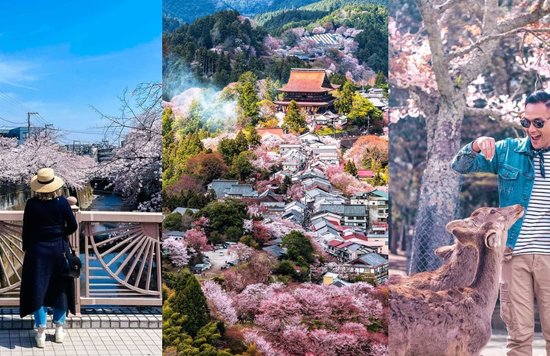
Timing can make a big difference when planning your budget travel to Japan. Flights and hotels usually cost more during peak seasons like cherry blossom season (late March to early April) and the Christmas holidays.
If you want cheaper prices, consider traveling in January, February, or early December. Autumn (late November) can also be affordable while still offering that beautiful orange scenery.
Flying midweek instead of on weekends usually brings better deals too. A little flexibility with your travel dates can save you hundreds of dollars.
2. Set a realistic Japan trip budget
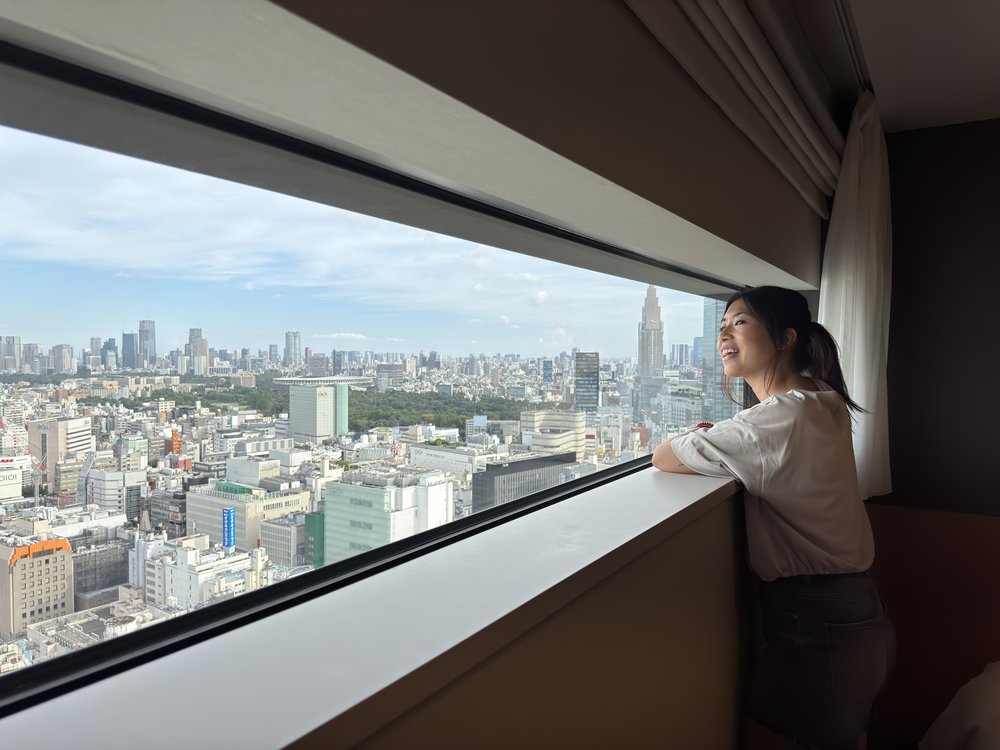
Enjoy Tokyo skyline views from a hotel room window
Before booking flights or hotels, make sure to estimate your Japan trip budget. Knowing roughly how much you’ll spend helps you avoid surprises along the way. Japan can be as affordable or as luxurious as you make it, but having a clear budget will help you make the most of your money.
Here’s a simple estimate for budget-conscious travelers:
• 1-week trip to Japan cost: USD $900-$1,500 (excluding flights)
• 2-week trip to Japan cost: USD $1,500-$2,500
These estimates usually include accommodation, food, transportation, and a few budget-friendly attractions like the Osaka Castle and the Tokyo Skytree. The biggest factors affecting your spending are where you stay, how you travel between cities, and what activities you choose.
To make your budget travel to Japan plan easier, here’s a rough daily breakdown you can follow:
• Accommodation: USD $25-$90 per night (hostels, capsule hotels, or budget hotels)
• Food: USD $15-$35 per day (ramen shops, convenience stores, casual restaurants)
• Transportation: USD $5-$20 per day for local trains and subways
• Attractions & activities: USD $5-$25 per day
With these numbers, you can comfortably spend around USD $60-$120 per day.

3. Hunt for cheap flights
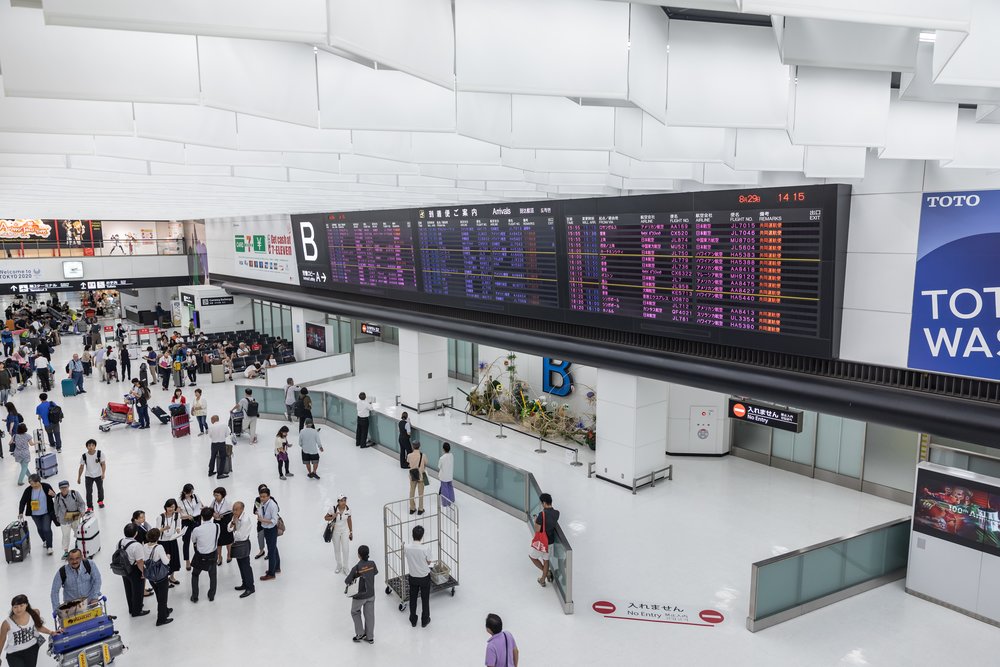
Travelers arriving at a busy Japanese airport terminal ready to explore the country
Flights are often the biggest cost when planning your budget travel to Japan. Here are some flight hacks to help you save:
• Book flights 2-4 months in advance
• Use flight comparison tools like Google Flights
• Fly midweek instead of weekends
• Consider nearby airports (like Narita International Airport in Tokyo)
Another smart trick is flying into Tokyo and out of Osaka (if you’re planning a day trip to Osaka). This route saves time and money because you won’t need to return to your starting city.
4. Be smart with long-distance trains

Passengers boarding the famous Shinkansen bullet train at a station platform in Japan
Japan’s famous Shinkansen (bullet train) is one of the fastest and most comfortable trains in the world. However, tickets can be a bit (reasonably) pricey, so if you're planning budget travel to Japan, it’s smart to choose when and how you use it.
For example, a one-way Tokyo-to-Kyoto Shinkansen ticket can cost around $120-$200 depending on the train type. If you're visiting several cities, these costs can add up quickly. That’s why many budget travelers mix transportation options to save money.
Some budget-friendly alternatives include:
• Overnight highway buses: These are a great way to save money while traveling between cities. You’ll also save one night of accommodation.
• Discount domestic flights: Surprisingly, flying between cities like Tokyo and Osaka can sometimes be cheaper than the bullet train.
• Regional train passes: Certain areas offer rail passes that are cheaper than buying individual tickets.
That said, riding the Shinkansen at least once is still worth it. The trains are smooth, punctual, and comfortable, turning travel time into part of the adventure. Watching Japan’s landscapes glide past your window at high speed is an experience you’ll definitely love.
You can also make booking easier by reserving tickets in advance. This helpful guide explains some of the most affordable ways to travel between Japan’s major cities:

5. Use subway passes in major cities like Tokyo and Osaka
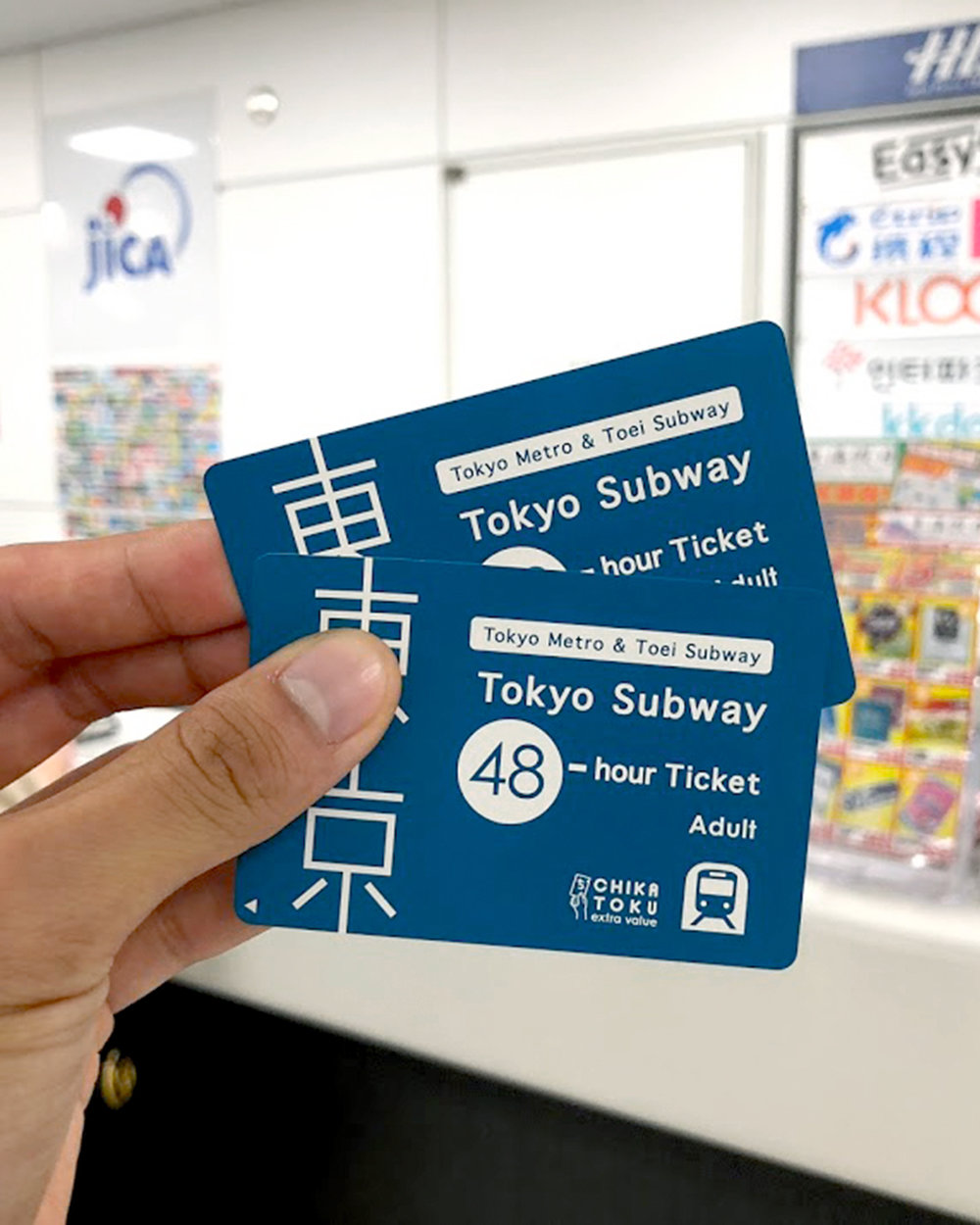
Tokyo subway pass cards used by travelers to explore the city efficiently
Public transportation in Japan is clean, fast, and reliable. In big cities like Tokyo and Osaka, the subway system connects major attractions, neighborhoods, and shopping districts. Which is why using subways instead of taxis or private transport is one of the easiest ways to save money.
If you’re staying in Tokyo and planning to visit famous landmarks like the Tokyo Tower, Senso-ji Temple, or Tokyo Skytree, then consider getting a Tokyo Subway Pass. Instead of buying individual tickets for every trip, with this pass you can get unlimited rides and freely hop between neighborhoods like Asakusa, Shibuya, Harajuku, and Shinjuku.
6. Choose a budget-friendly accommodation
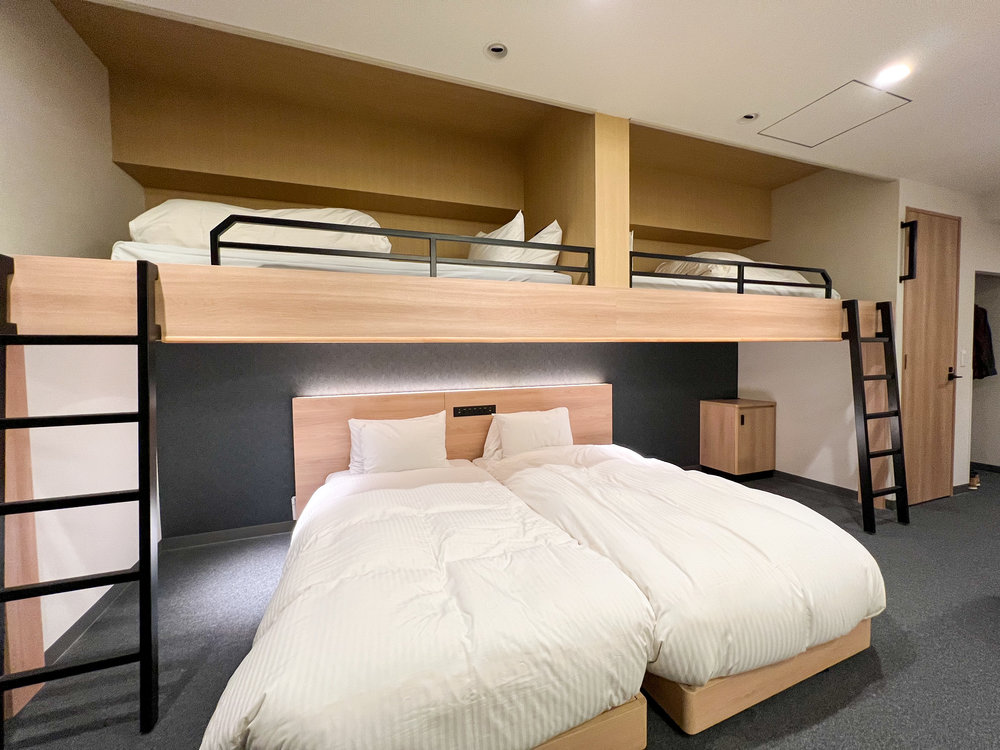
Spacious family-friendly room at Mimaru Osaka Namba, ideal for group stays in Japan
Your accommodation is often one of the biggest expenses on any trip, but luckily there are lots of affordable places to stay in Japan.
One popular choice is hostels, especially for solo travelers or backpackers. Dorm beds in cities
like Tokyo, Kyoto, and Osaka, they usually cost around $20-$35 per night, and many hostels offer clean facilities, shared kitchens, and social spaces where you can meet fellow travelers.
Another great option is business hotels, which are common across Japan. Chains like APA Hotels have compact but comfortable rooms with private bathrooms, typically costing $60-$100 per night.
If you want a uniquely Japanese experience, try staying at a capsule hotel. These sleeping pods provide a compact but cozy place to rest, usually priced between USD $30 and $50 per night.
And if you want to save even more, you can book accommodations slightly outside city centers. Neighborhoods just a few train stops away from central areas often offer cheaper rooms while still giving you easy access to attractions.
7. Explore free attractions like temples and public parks
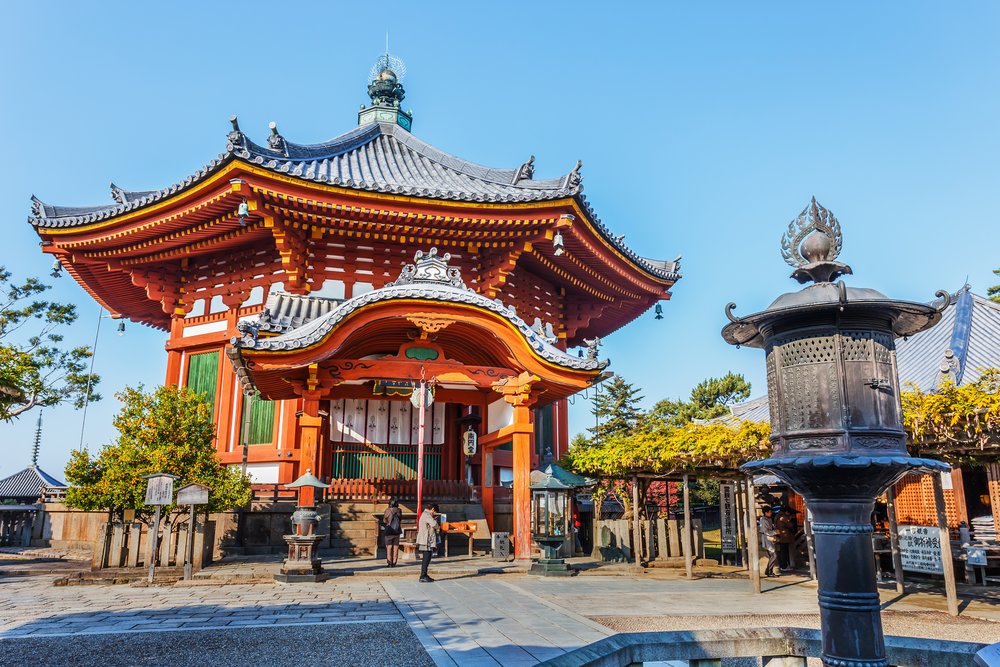
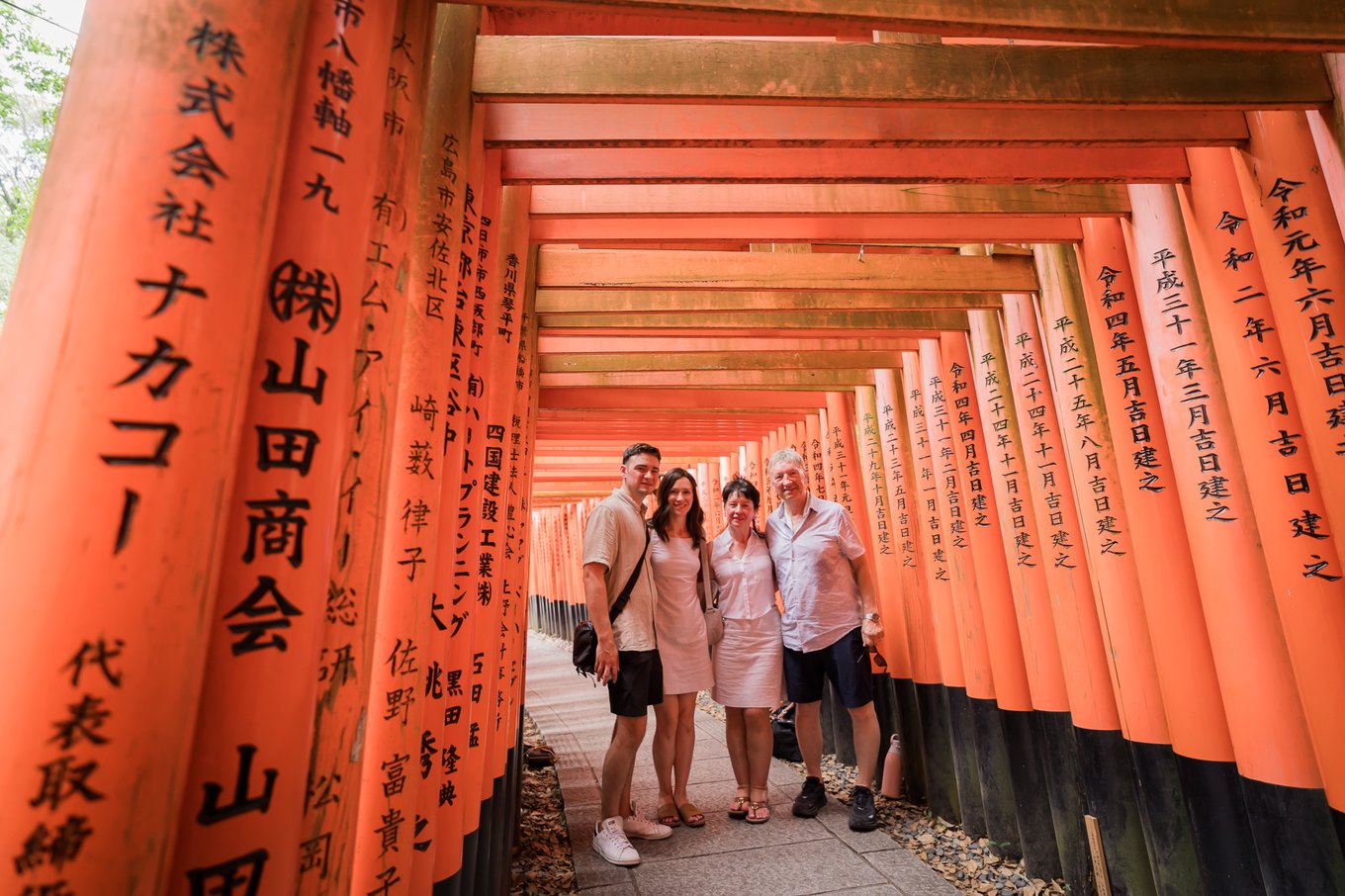
Traditional Japanese temple showcasing beautiful architecture and cultural heritage
One of the best parts of budget travel to Japan is that many amazing experiences cost little to nothing. You can explore peaceful temples and shrines, walk through traditional neighborhoods, relax in public parks, or admire city views from observation decks without spending much at all.
Walk through lantern-lined streets, browse small local shops, and enjoy the historic atmosphere in neighborhoods like Asakusa in Tokyo or Gion in Kyoto.
Many famous shrines and temples are free to enter, like the Kokufuji Temple grounds in Nara, while others charge small entrance fees of about USD $3-$7, which is still very affordable for such unique cultural experiences.
Klook Tip: If you’re visiting Tokyo and planning to visit multiple paid attractions like Sanrio Puroland and Tokyo Tower but still want to save, we suggest getting the Klook Pass Greater Tokyo! With this, you can bundle different attractions and get discounted entry.
FAQs about budget travel to Japan
Is USD $1000 enough for a trip to Japan?
Yes, USD $1000 can be enough for a short trip if flights are already covered. You can spend about USD $80-$120 per day on accommodation, food, and transport. Staying in hostels, eating at convenience stores or ramen shops, and using subway passes can help keep costs low.
How much budget do I need for a Japan trip?
A typical Japan trip budget depends on your travel style and trip length. Budget travelers usually spend $120-$180 per day, including accommodation, meals, and transport. Luxury travelers will spend significantly more.
What month is the cheapest to fly to Japan?
January and February are usually the cheapest months to fly to Japan. Travel demand is lower after the holidays, so flight prices drop. Early December can also be affordable before the Christmas rush begins.
How much money do you need for a budget trip to Japan?
A typical 1-week trip to Japan costs between USD $900 and $1,500, excluding flights. Budget travelers who stay in hostels and eat inexpensive meals can spend even less. A 2-week trip to Japan may cost from USD $1,500 to $2,500.
Is food expensive in Japan?
Food in Japan can actually be quite affordable. Convenience stores, ramen shops, and casual restaurants offer meals for USD $5-$10. Even sushi can be inexpensive at conveyor belt restaurants. Eating local meals is one of the best ways to enjoy Japan on a budget.
Start planning your budget-friendly Japan adventure
With this guide, now it’s your turn to make your Japan adventure come true! Start mapping out your itinerary, compare flights, and book your activities early. Then, you’ll realize your dream trip to Japan is closer (and much more affordable) than you think. 🇯🇵✈️
Related reads for your trip to Japan!


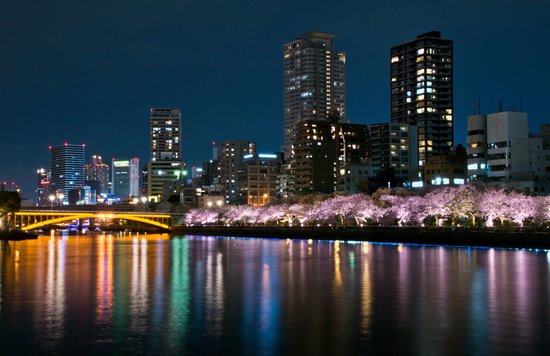

What is Klook?
Klook is a leading pan-regional experiences platform in Asia Pacific, purpose built to digitalize experiences and make them accessible to every traveler.
Our mission is to build the digital infrastructure for the global experience economy — empowering merchants to share their passions and travelers to discover the heartbeat of each destination. We operate a mobile-first, curated platform featuring diverse experiences across global destinations.
✨ Follow us for more deals and inspiration for your upcoming travels