If Monday is a national holiday or a long weekend, the museum will be open as usual.
Tuesday to Sunday: 09:00 - 17:00
Last admission: 16:30
Closed: Monday



 Valid for 180 days
 Free cancellation before redemption
 Instant confirmation


 Valid on the selected dateConditional cancellationInstant confirmation
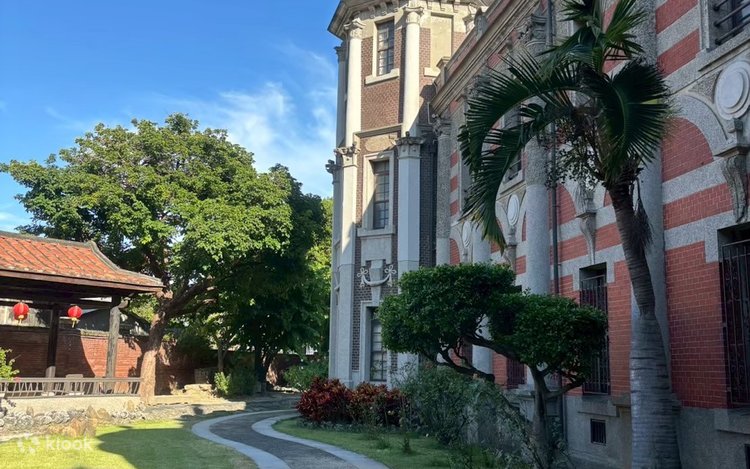
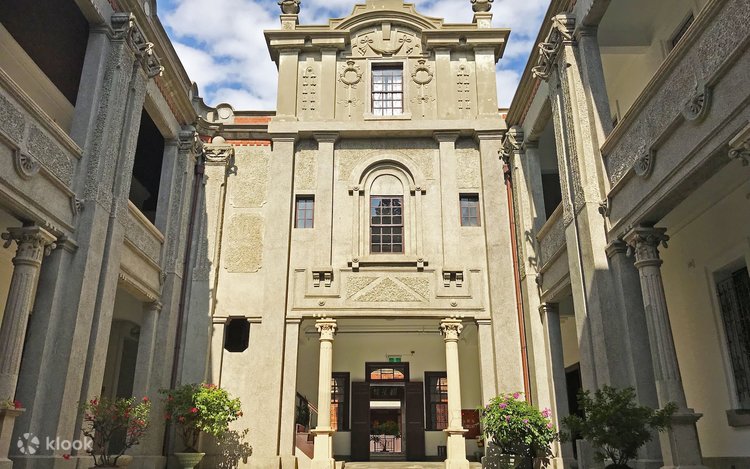
Originally the former residence of the Koo family, one of Taiwan's five prominent families, the building adopted a mixed Western-style mansion design from the Taisho period. It took six years to complete, and upon its inauguration in 1919, it was the first Western-style mansion in the area. Its integration of various Western classical architectural styles makes it a classic in Taiwan's architectural history, locally known as "Dahe Dacuo" (Great Harmony Grand House). It is also a private ancient residence of great historical significance and representation in Taiwan.
In 1973, upholding the spirit of "taking from society, using for society," the Koo family established the Lukang Folk Arts Museum Foundation, transforming their ancestral home into a cultural museum preserving Taiwan's living memories. The museum houses over 6,000 precious artifacts, covering food, clothing, housing, transportation, religious customs, and festival culture from the Qing Dynasty to the early Republic of China. From wedding artifacts and household furniture to religious rituals, each item tells a story of Taiwan's social landscape and aesthetic life over the past century.

If Monday is a national holiday or a long weekend, the museum will be open as usual.
Tuesday to Sunday: 09:00 - 17:00
Last admission: 16:30
Closed: Monday

Lukang Folk Arts Museum

Originally the former residence of the Koo family, one of Taiwan's five prominent families, the building adopted a mixed Western-style mansion design from the Taisho period. It took six years to complete, and upon its inauguration in 1919, it was the first Western-style mansion in the area. Its integration of various Western classical architectural styles makes it a classic in Taiwan's architectural history, locally known as "Dahe Dacuo" (Great Harmony Grand House). It is also a private ancient residence of great historical significance and representation in Taiwan.
In 1973, upholding the spirit of "taking from society, using for society," the Koo family established the Lukang Folk Arts Museum Foundation, transforming their ancestral home into a cultural museum preserving Taiwan's living memories. The museum houses over 6,000 precious artifacts, covering food, clothing, housing, transportation, religious customs, and festival culture from the Qing Dynasty to the early Republic of China. From wedding artifacts and household furniture to religious rituals, each item tells a story of Taiwan's social landscape and aesthetic life over the past century.