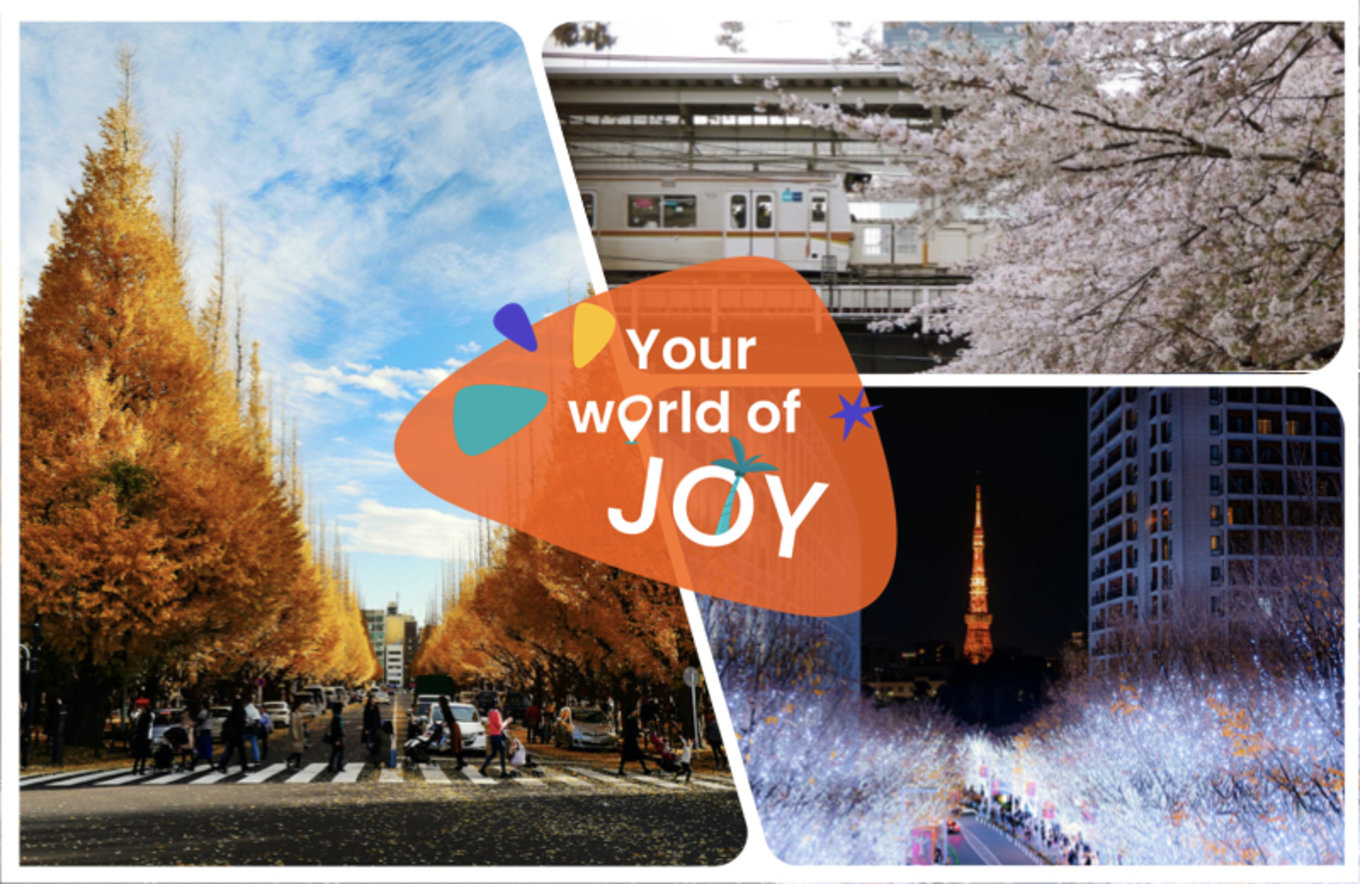
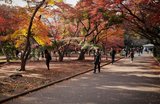
The best time to visit Tokyo depends on what you want out of the trip. Someone chasing cherry blossoms and someone dodging crowds will pick very different months.
For sakura, late March to early April gives you the best shot at peak bloom. For fall foliage and ginkgo trees, aim for mid-November to early December. If you just want comfortable weather, April to May and November are solid picks. To keep crowds down, go in June, which has no public holidays in Japan, while the April sakura season and November foliage season draw bigger crowds.
Weather data comes from the Japan Meteorological Agency. Every month below comes with blossom, festival, and booking tips so you can match your trip with your leave dates and Japan's holidays.
Best time to visit Tokyo by travel goal
The best time to go to Tokyo depends on the one thing you most want to do.
Travel goal | Best months | Why |
|---|
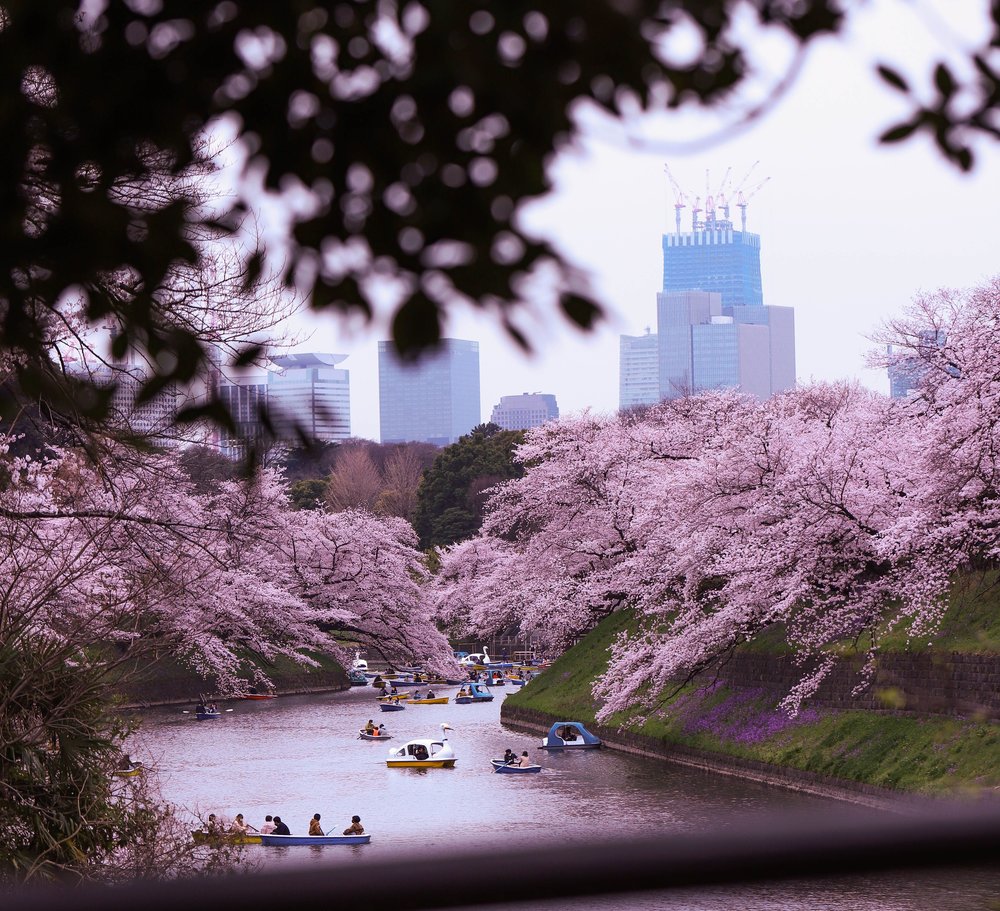
Cherry blossoms | Late March to early April | Tokyo's average first-bloom date is March 24 (it was March 19 in 2026), and full bloom follows about a week to 10 days later |
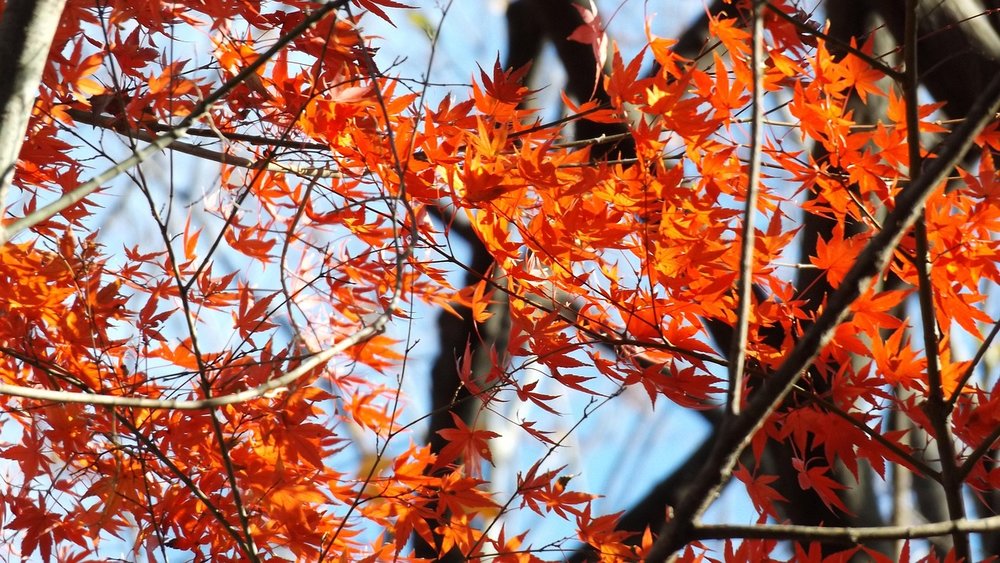
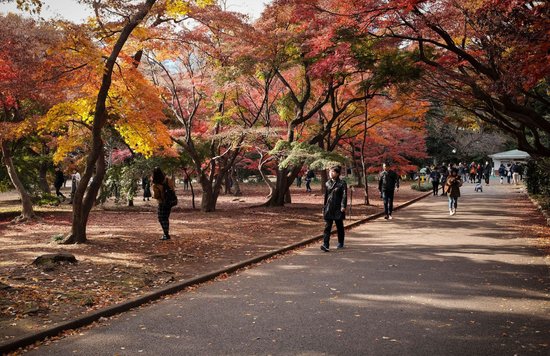
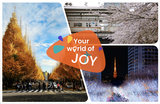
Fall foliage and ginkgo | Mid-November to early December | The ginkgo avenue at Jingu Gaien usually peaks in late November to early December |
Fireworks | Around the last Saturday of July | The Sumida River Fireworks Festival is held around this time every year, with about 20,000 fireworks in 2026 |
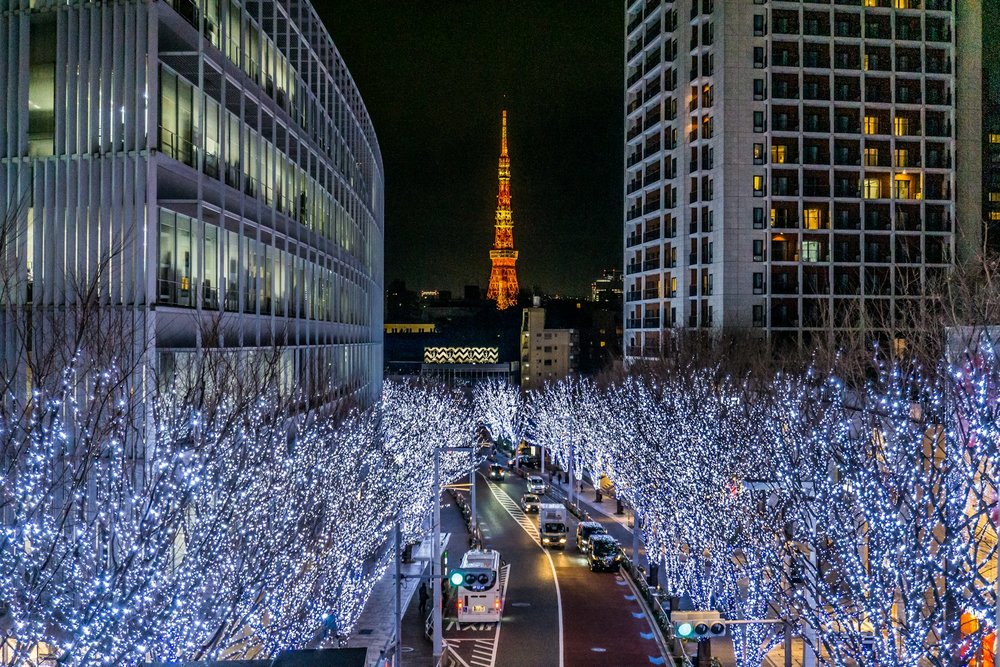
Illuminations | November to mid-February | Tokyo's light-up events usually start after Halloween and run until mid-February |
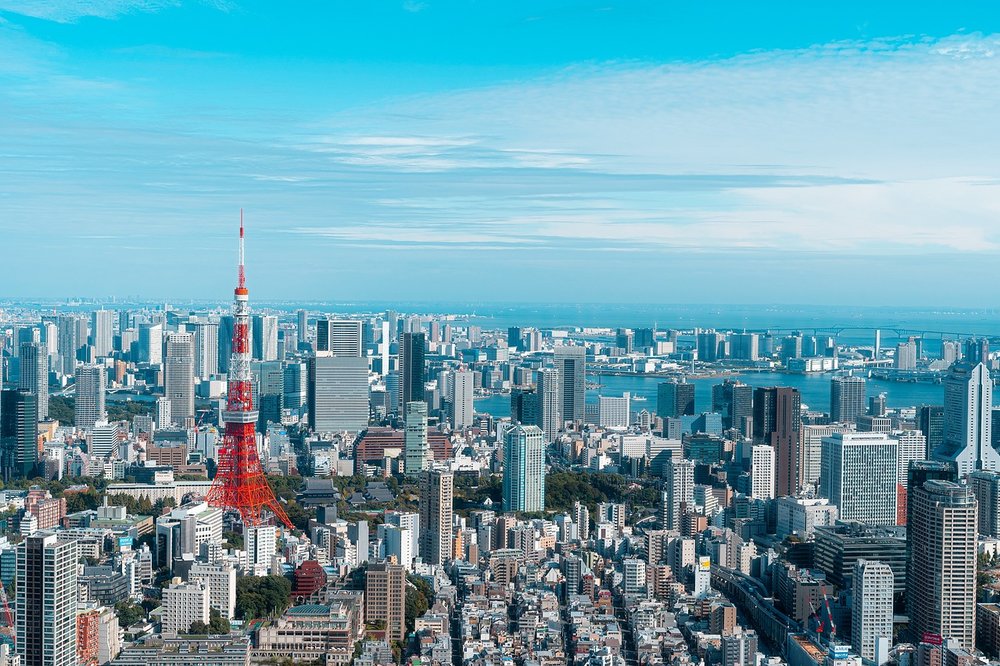
Mt. Fuji views | Winter | Clearer winter air gives you a chance to spot Mt. Fuji from Tokyo Skytree or Tokyo Tower |
Comfortable weather, less rain | November | Average temperature of 12.5°C and about 96 mm of rain, noticeably less than October |
Fewer crowds | June | No public holidays in Japan in June, so fewer long-weekend crowds |
New Year shrine visit | January 1 to 3 | Meiji Jingu usually draws more than 3 million visitors over these three days |
Tokyo's temperature and rainfall by month
Tokyo is coldest in January and hottest in August, with the most rain in September and October.
Month | Average temperature | Rainfall | Main highlights |
|---|
January | 5.4°C | 60 mm | Hatsumode (first shrine visit of the year), clear winter skies |
February | 6.1°C | 57 mm | Setsubun, plum blossoms, end of illuminations |
March | 9.4°C | 116 mm | Plum blossoms, early cherry blossoms |
April | 14.3°C | 134 mm | Cherry blossoms, Asakusa yabusame |
May | 18.8°C | 140 mm | Golden Week, Sanja Matsuri |
June | 21.9°C | 168 mm | Rainy season |
July | 25.7°C | 156 mm | Sumida River Fireworks Festival |
August | 26.9°C | 155 mm | Obon, extreme heat |
September | About 25°C early month, about 21°C late month | About 225 mm | Typhoons, autumn rain, Silver Week |
October | 18.0°C | 235 mm | Halloween, first fall colors |
November | 12.5°C | 96 mm | Fall foliage and ginkgo |
December | 7.7°C | 58 mm | Illuminations, bigger year-end crowds |
Temperature and rainfall are 1991 to 2020 normals from the Japan Meteorological Agency's Tokyo observation station.
When is the best time to visit Tokyo in spring (March to May)?
Spring in Tokyo starts with plum blossoms and early sakura in March and wraps up with traditional festivals in May. Average monthly temperatures climb through 9.4°C, 14.3°C, and 18.8°C over these three months.
March: early cherry blossoms and changeable weather
Tokyo's average March temperature is 9.4°C, with about 116 mm of rain, so you'll still want a jacket in the morning and evening. Cherry blossoms started blooming on March 19 in 2026, five days earlier than the usual March 24. Full bloom arrives about a week to 10 days after that, so late March already has a decent chance of catching the blossoms.
If you're planning around Holy Week, which usually falls between late March and April, note that it can line up with Tokyo's sakura season.
Want to see blossoms earlier? Head to Tokyo's plum blossom festivals between early February and mid-March. Plum trees bloom more slowly and handle the cold better, so the viewing period is longer than sakura. The Kyodo no Mori plum festival, Setagaya plum festival, and Bunkyo plum festival are some of the best-known plum events in the city.
Klook Tip: Cherry blossom dates change every year, so check the latest bloom forecast one to two weeks before you fly, then lock in your travel dates.
April: cherry blossom season
Tokyo's average April temperature is 14.3°C, with about 134 mm of rain. This is the month most travelers think of as Tokyo's sakura season. Based on the usual March 24 first-bloom date and full bloom about a week to 10 days later, peak viewing usually falls in late March to early April, though the real dates depend on that year's temperatures.
Asakusa also holds yabusame (traditional horseback archery) in April. Archers in traditional costume ride and shoot against a modern city backdrop, which makes it a different kind of spring event besides the blossoms.
May: Golden Week, then Asakusa's Sanja Matsuri
Tokyo's average May temperature is 18.8°C, with about 140 mm of rain, so it has warmed up. Golden Week, which runs in late April and early May, is the peak of domestic travel in Japan. In 2026 the longest break ran April 29 to May 6, with higher flight and hotel prices and the thickest crowds.
After Golden Week, May's highlight is Asakusa's Sanja Matsuri (one of Tokyo's biggest festivals). The three-day festival draws about 1.8 million visitors and is Asakusa's liveliest event of the year.
Tokyo in summer (June to August): rainy season, fireworks, and extreme heat
Summer in Tokyo starts with the rainy season, passes through fireworks festivals, and ends in extreme August heat, so each month needs planning around the weather.
June: rainy season and no long weekends
Tokyo's average June temperature is 21.9°C, with about 168 mm of normal rainfall. In the Kanto-Koshin region, the rainy season normally begins around June 7 and ends around July 19. In 2026 it began around June 7 and ended around July 20, close to normal.
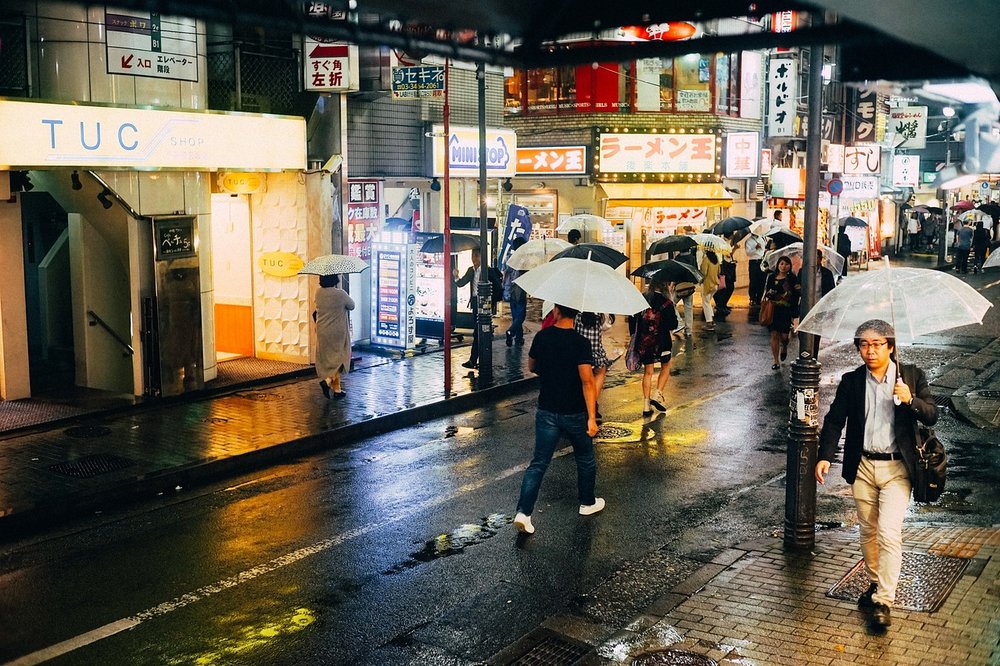
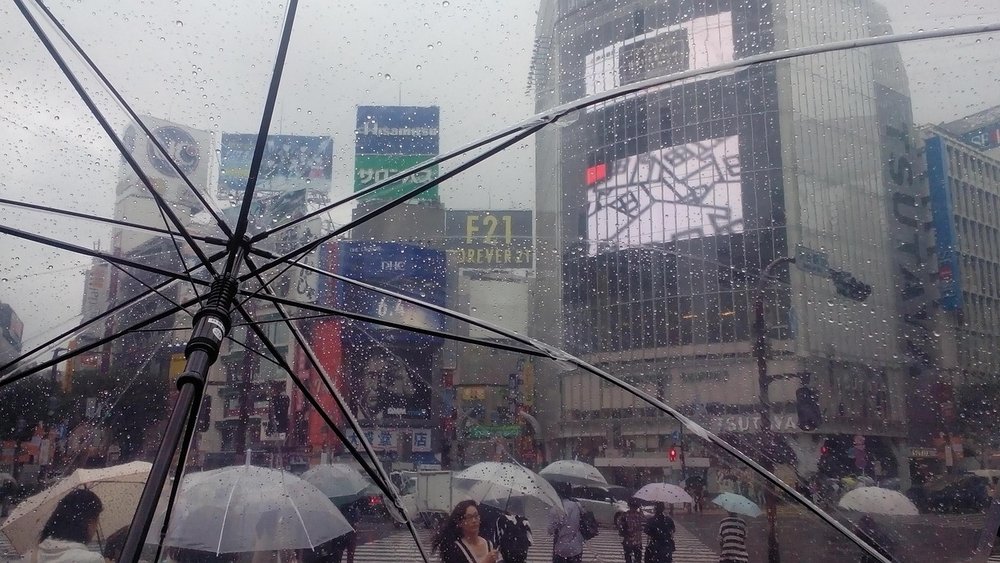
June 2026 was hit by three typhoons, and Tokyo's rainfall reached 436.5 mm, about 2.6 times normal and the third wettest June on record, so rainfall can vary a lot each year. Still, June has no public holidays in Japan, so trips are less affected by long weekends. Bring an umbrella and keep indoor backups handy.
teamLab Borderless is indoors, so it works on rainy days.
Klook Tip: Plan one swappable indoor activity for each day in June, so you can switch quickly when heavy rain hits.
July: Sumida River Fireworks Festival
Tokyo's average July temperature is 25.7°C, with about 156 mm of rain. The Sumida River Fireworks Festival takes place on the last Saturday of July. The 49th edition in 2026 ran on July 25 between 7:00 PM and 8:30 PM, with about 20,000 fireworks.
There are two venues. The first covers the stretch between downstream of Sakurabashi Bridge and upstream of Kototoi Bridge, and the second covers the stretch between downstream of Komagatabashi Bridge and upstream of Umayabashi Bridge. The festival is canceled in bad weather.
Klook Tip: The fireworks site gets very crowded, so wear light, easy-to-walk-in clothes and leave extra time for the trip back.
August: extreme heat and Obon
Tokyo's average August temperature is 26.9°C, with about 155 mm of rain. In August 2025 the monthly average hit 29.6°C, the highest for any August on record, so pack sunscreen and drink plenty of water when you head out in the daytime.
Obon, around August 13 to 16, is not an official public holiday, but many Japanese companies close so staff can go home to their hometowns, which makes trains and hotels busier. If midday is too hot, head out in the evening and go up
Tokyo Skytree to dodge the worst heat. Tokyo Skytree is 634 meters tall, and its Tembo Deck sits at 350 meters.
Tokyo in fall (September to November): typhoons, fall colors, and peak crowds
Fall in Tokyo opens with typhoon season in September and peaks with fall foliage and ginkgo season in November.
September: watch out for typhoons and autumn rain
In September, Tokyo's usual temperature is about 25°C in the first ten days and about 21°C in the last ten days. Rainfall for the month is about 225 mm, and typhoons are more likely. Between September 19 and 22, 2026, Typhoon No. 25 approached the Kanto region, and Edogawa Rinkai in Tokyo recorded 282.5 mm of rain in 24 hours, a record for that station.
Filipino travelers know typhoon season well, and in Tokyo it can still disrupt flights and trains, so keep your plans flexible. September 2026 also had a five-day Silver Week, which means more domestic travelers, so check the holiday dates before you go.
Klook Tip: If you're traveling in September, watch the typhoon forecast and choose hotels and transport that let you change dates.
October: cooler weather and more rain
Tokyo's average October temperature is 18.0°C, with about 235 mm of normal rainfall, the wettest month of the year. It's cooler, but you should still plan rainy-day options.
Leaves start changing in parts of Tokyo from late October, and many theme parks hold Halloween events in fall, such as
Sanrio Puroland. Tokyo's illumination events usually start after Halloween, so night strolls are possible from late October into November.
November: fall foliage and ginkgo season
Tokyo's average November temperature is 12.5°C, with about 96 mm of rain, much less than October. It's one of the months where temperature and weather line up best.
The ginkgo avenue at Jingu Gaien is about 300 meters long. It starts turning yellow in mid-November and goes golden in the second half of the month, with the usual peak in late November to early December. The Meiji Memorial Picture Gallery is undergoing seismic reinforcement and preservation work expected to last until the end of May 2027, so there is scaffolding around the area and the view looks a little different from usual. For night viewing, Rikugien, Showa Kinen Park, and Shiba Park have illuminated foliage spots.
For foliage farther out, join a
Mt. Fuji day tour. The leaves around the lakes near Mt. Fuji start changing around late October and last through November.
November has the foliage crowds, plus Culture Day on November 3 and Labor Thanksgiving Day on November 23, both public holidays in Japan, so book early.
Tokyo in winter (December to February): illuminations, hatsumode, and Mt. Fuji views
Winter temperatures in Tokyo average about 5°C to 8°C. It's cold but dry, which makes it the season for illuminations and observation decks. Manila never gets close to these temperatures, so pack warm layers, gloves, and a scarf.
December: illuminations and year-end crowds
Tokyo's average December temperature is 7.7°C, with about 58 mm of rain. Illumination events usually begin after Halloween and run until mid-February, and Roppongi and Shibuya are especially famous for theirs.
Late December to early January is Japan's New Year holiday period, so confirm your itinerary and reservations early. That also overlaps with the Philippine Christmas break, so book flights and hotels ahead.
January: hatsumode and clear skies
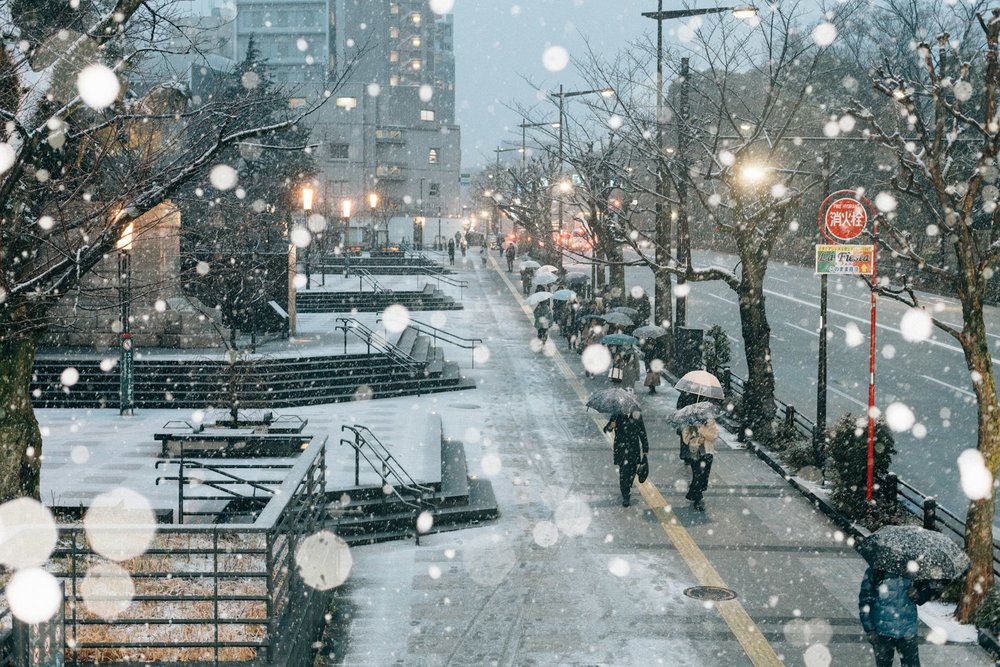
Tokyo's average January temperature is 5.4°C, the lowest of the year, with about 60 mm of rain. Snow isn't frequent in Tokyo, and trains and buses normally run as usual. Rail companies only plan suspensions when strong wind or heavy snow is forecast.
Meiji Jingu is the shrine with the most
hatsumode (first shrine visit of the year) visitors in Japan, and it usually draws more than 3 million people between January 1 and 3. Winter air is clearer, so you may spot Mt. Fuji from observation decks like
SHIBUYA SKY or Tokyo Skytree. SHIBUYA SKY sits at Shibuya Scramble Square at 229 meters.
Klook Tip: Arrive at the deck about an hour before sunset to catch the day view, the sunset, and the night view in one visit.
February: Setsubun and plum blossoms
Tokyo's average February temperature is 6.1°C, with about 57 mm of rain. February 3 is Setsubun (a bean-throwing festival), and Zojoji, Sensoji, Kanda Myojin, and Okunitama Shrine all hold events. At Zojoji, you can join the bean-throwing ceremony.
Tokyo's plum blossoms start opening in early February, and the Daffodil Festival at Kasai Rinkai Park is also held in February. Illuminations can still be seen in early February before they gradually end.
Tokyo's peak and off-peak seasons: when is it most crowded?
Tokyo's busy seasons are driven mainly by Japanese public holidays, blossom season, and fall foliage season.
Period | Dates | Effect |
|---|
New Year holidays | Late December to early January | Extremely crowded at Meiji Jingu for hatsumode |
Coming of Age Day | Second Monday of January (January 12 in 2026) | Longer queues at Tokyo's Disney parks |
Golden Week | April 29 to early May (longest break ran to May 6 in 2026) | Highest flight and hotel prices, thickest crowds |
Obon | Around August 13 to 16 | Not an official holiday, but trains and hotels get busier |
Silver Week | September (five days off in 2026) | More domestic travelers |
Labor Thanksgiving Day | November 23 | Overlaps with fall foliage season |
To avoid crowds, pick June, when Japan has no public holidays. If you have to travel during Golden Week, avoid the eve of the first day off and the last two days of the break.
How many days should you spend in Tokyo?
Klook's Tokyo page suggests spending 5 days in Tokyo. Five days is enough for city observation decks, theme parks, and a day trip outside the city, with a spare day in case of rain or a typhoon. For getting around the city, consider a
Tokyo subway ticket.
FAQs about the best time to visit Tokyo
What is the best time to visit Tokyo?
The best time to visit Tokyo depends on your goal. Go in late March to early April for cherry blossoms and mid-November to early December for fall colors and ginkgo. If you want to dodge both the rainy season and extreme heat, April to May and November are the better picks.
When is the best time to see cherry blossoms in Tokyo?
It depends on the year. The usual first-bloom date is March 24, and in 2026 it was March 19. Full bloom comes about a week to 10 days after that, so late March to early April gives you the best chance. Check the latest bloom forecast one to two weeks before you fly to be safe.
When can you see fall foliage in Tokyo?
Fall foliage in Tokyo mostly falls between mid-November and early December. At Jingu Gaien, a popular spot, the ginkgo avenue usually peaks in late November to early December. The leaves around the lakes near Mt. Fuji start changing around late October.
Is June a good time to visit Tokyo?
June is rainy season in Tokyo, with about 168 mm of rain in a normal year. But Japan has no public holidays in June, so trips are less affected by long weekends. Bring an umbrella and plan some indoor activities.
How early should I book Tokyo activity tickets?
For busy periods like sakura season, Golden Week, the November foliage season, and the year-end holidays, book as early as you can, since popular attractions and time slots fill up. Quieter months like June give you more room to decide later.
Does it snow in Tokyo in winter?
Tokyo gets snow now and then, but not often, and it almost never piles up. January and February are the coldest months, and December to February averages about 5°C to 8°C, so bring a warm coat, gloves, and a scarf.
Which month has the fewest crowds in Tokyo?
June, because Japan has no public holidays that month. The busier times are April's sakura season, Golden Week, Obon, November's foliage season, and the New Year holidays.
Can you visit Tokyo during Golden Week?
Yes, but crowds are at their thickest and flight and hotel prices are at their highest. In 2026 the longest break ran April 29 to May 6. If you have to go, avoid the eve of the first day off and the last two days of the break.
How long is the Manila to Tokyo flight?
A nonstop flight between Manila and Tokyo takes about 4 to 4.5 hours, depending on the airline and which airport you land at, Narita or Haneda. Actual times vary by flight.
Do Filipinos need a visa to visit Tokyo?
Yes, Philippine passport holders need a visa for a short tourist stay in Japan. Requirements and application channels can change, so check the Embassy of Japan in the Philippines' official visa page before booking flights. Visit Japan Web is optional, but registering your immigration and customs details ahead of time can save time on arrival.
The best time to visit Tokyo comes down to what you want to see, how many crowds you can handle, and how much weather risk you're okay with. Sakura and fall foliage trips need dates that match the bloom and color calendar. If you want fewer crowds, June is the safer pick. Once you've picked a month, head to Klook's
Tokyo attractions page to book observation decks, theme parks, and day tours.
🔍 More Tokyo travel guides
What is Klook?
Klook is a leading pan-regional experiences platform in Asia Pacific, purpose built to digitalize experiences and make them accessible to every traveler.
Our mission is to build the digital infrastructure for the global experience economy — empowering merchants to share their passions and travelers to discover the heartbeat of each destination. We operate a mobile-first, curated platform featuring diverse experiences across global destinations.