
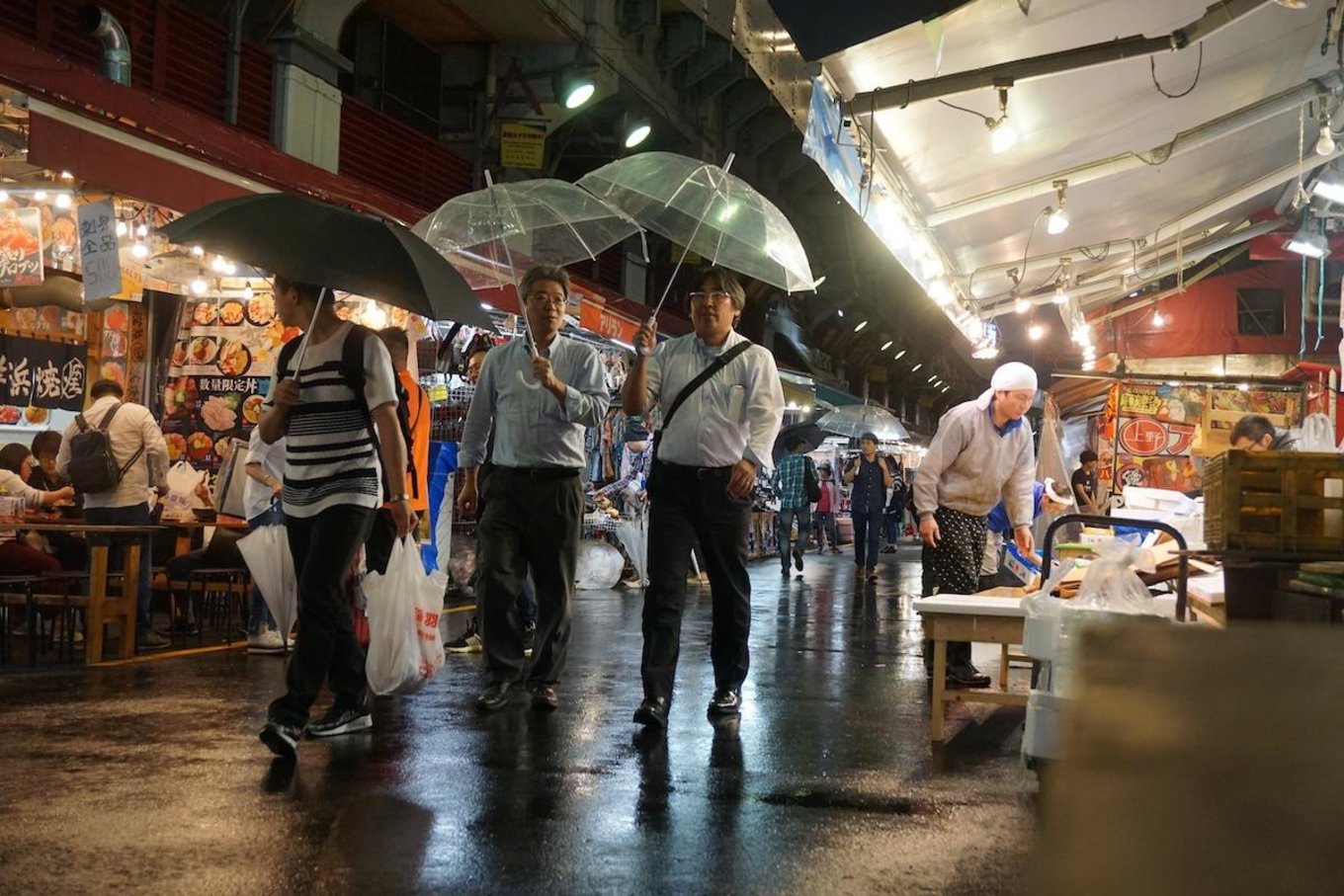
Tokyo in June | Image credit: victoraf via Pixabay
If you grew up with June downpours in the Philippines, Tokyo in June won't faze you. Yes, it's rainy season, but those damp weeks are also when the city's gardens fill with blue and pink blooms. The crowds thin out and hotel prices often dip too. With an umbrella and a flexible plan, this could be the most relaxed month to see Tokyo.
Here's the plan: hydrangeas, irises, glowing fireflies, a centuries-old festival, and indoor backups that won't wreck your budget. We've listed ticket prices in pesos so your barkada can plan together.
Tokyo in June at a glance
Tokyo weather in June is warm and humid, with a lot of gray sky. Think of the tsuyu (rainy season) as Tokyo's tag-ulan: it's when the city's early-summer color shows up, and June is when it kicks off.
- Tokyo rainy season:Usually starts in the first or second week of June and wraps up in mid to late July. The Japan Meteorological Agency announces the official dates each year.
- Rainfall:Around 150 to 175 mm (6 to 7 inches) over roughly 12 rainy days. Expect gray skies and drizzle, with the odd downpour.
- Temperatures:Highs of 25 to 26°C (77 to 79°F) and lows of 18 to 19°C (mid-60s°F).
- Humidity:Often around 80%, close to a typical Manila day, so it feels warmer than the thermometer says.
- Crowds and prices:Far fewer tourists than cherry blossom or fall foliage season, which often means easier bookings and better hotel deals. That makes it one of the more sulit months to go.
It rains less than you'd think. Plenty of days are cloudy but dry, and many of the sights below look better with wet leaves and glossy petals. If a day does turn properly wet, the Tokyo National Museum is a solid indoor fallback. If you're comparing months, our guide to the best time to visit Japan covers the full year.
Klook Tip: June sits outside Tokyo's peak seasons, so watch for airline seat sales and compare hotel rates early.
Hakusan Shrine hydrangea festival: petal power in the city
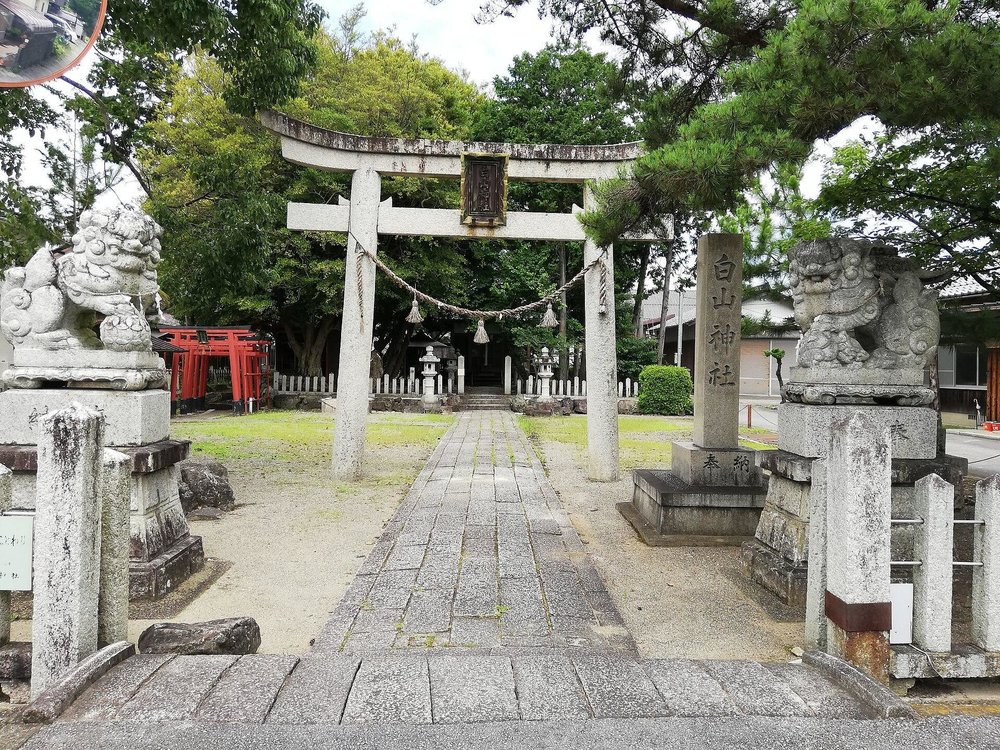
Hakusan Shrine, Japan | Image credit: 先従隗始, CC0, via Wikimedia Commons
The Hakusan Shrine hydrangea festival (officially the Bunkyo Hydrangea Festival, or Ajisai Matsuri) is the easiest way to see Tokyo hydrangeas without leaving the city. More than 3,000 plants fill the shrine grounds and neighboring Hakusan Park, and entry is free. In 2026 it ran June 6 to 14, and it tends to follow a similar early-to-mid June window. It's a classic early-summer ritual across Japan.
Go early for fewer people and softer light. The shrine hill is packed with ajisai (hydrangeas) in blue, pink and purple. During the festival you'll find snack stalls, small performances and weekend events. An umbrella is handy here, since the hill paths can be damp.
Address: Hakusan Shrine, 5-31-26 Hakusan, Bunkyo City, Tokyo
- How to get there:2-minute walk from Hakusan Station (Toei Mita Line, Exit A3)
Meiji Jingu iris garden: a purple patch in Harajuku
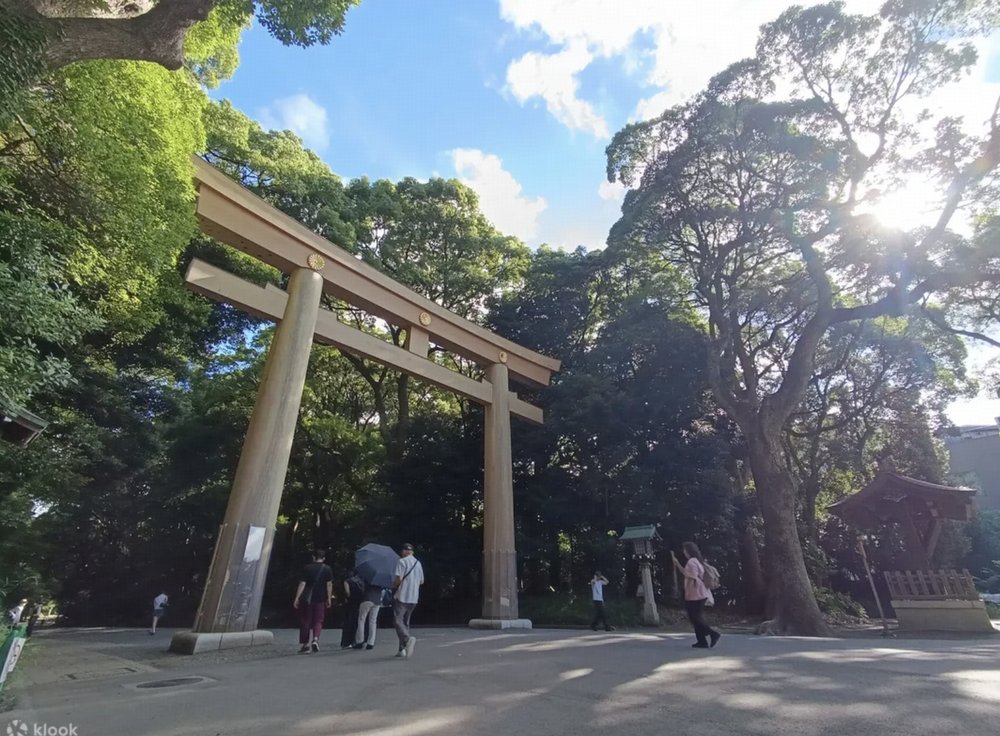
Meiji Jingu Shrine
The Inner Garden inside Meiji Jingu Shrine is where the Meiji Jingu iris garden blooms each June, with about 1,500 plants across 150 varieties. Entry to the Inner Garden is about PHP 200 (JPY 500), and the shrine grounds themselves are free to walk. Take the shaded forest path from the main torii gate first, and don't miss Kiyomasa's Well while you're there.
The shrine doesn't publish fixed bloom dates, so check its news page before making a special trip. Weekday mornings are calmer, and the iris field is much quieter in light rain.
Address: 1-1 Yoyogikamizonocho, Shibuya City, Tokyo
- How to get there:Harajuku Station (JR Yamanote Line) or Meiji-jingumae Station
Horikiri Iris Garden: free entry, Edo-era fame
If you want irises without the Harajuku crowds, head east to Horikiri Iris Garden in Katsushika. This one has been famous since the Edo period, and it even appears in Hiroshige's woodblock prints. Entry is free, and the garden sits along a river with winding paths and small bridges.
The Katsushika Iris Festival here ran from late May to mid-June in 2026. It's a good pick for a slow morning, then you can wander the local streets nearby for lunch. Sticking to a budget? Our list of free things to do in Tokyo has more zero-JPY stops like this one.
Address: Horikiri Shobuen, 2-19-1 Horikiri, Katsushika City, Tokyo
- How to get there:About 10 minutes on foot from Horikiri-shobuen Station (Keisei Main Line)
Kamakura hydrangeas: the big blue day trip
No list of Tokyo in June highlights is complete without Kamakura hydrangeas. Meigetsu-in, nicknamed the hydrangea temple, is famous for pale blue hydrangeas along its stone steps. Hase-dera has a hillside hydrangea path with sea views, and it charges a small extra fee in season. Kamakura is about an hour from Tokyo by train.
Go on a weekday morning, because the queues build fast. It's an easy day trip, so you can be back in Tokyo for dinner.
Klook Tip: Arrive at Meigetsu-in early, since queues build by mid-morning in peak hydrangea season.
Address: Meigetsu-in, 189 Yamanouchi, Kamakura, Kanagawa
- How to get there:About 10 minutes on foot from Kita-Kamakura Station (JR Yokosuka Line). Hase-dera is a 5-minute walk from Hase Station (Enoden Line).
Hakone hydrangea train: a ride through the blooms
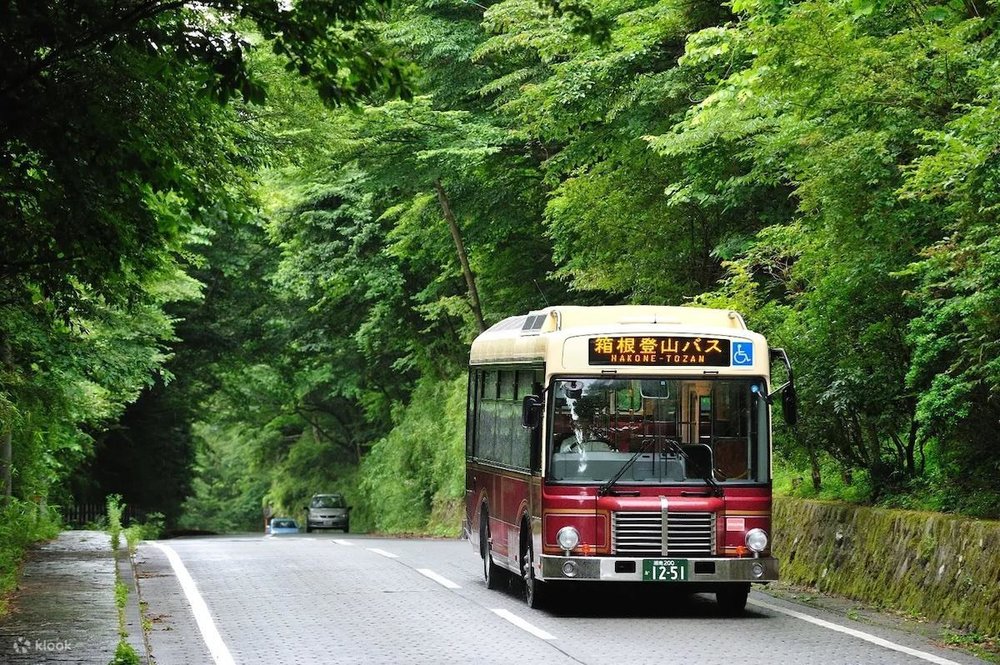
Hakone Kamakura Pass
The Hakone hydrangea train is as scenic as it sounds. The Hakone Tozan Railway zigzags up the mountain between Hakone-Yumoto and Gora, and the flowers grow so close to the tracks they almost touch the windows. Blooms usually appear in mid-June, and the peak creeps uphill through mid-July.
In 2026 there was also an evening Night Hydrangea Train, a reserved-seat ride with a seat fee of about PHP 200 (JPY 500) on top of the fare. The lit-up flowers glowed from 6:30 to 10:00 PM. Check the railway's site for 2027 details.
Address: Hakone-Yumoto Station, Hakone, Kanagawa
- How to get there:About 1.5 hours from Shinjuku by Odakyu Romancecar
Firefly viewing in Tokyo: a glow-up at Chinzanso
Firefly viewing in Tokyo is rarer than you'd expect, but Hotel Chinzanso in Bunkyo has hosted firefly nights since 1954. Its garden fills with hotaru (fireflies) from mid-May through June, and the glow near Benkei Bridge is the highlight. Garden access is tied to the hotel's firefly events and dinner buffet, so check the details and reserve ahead.
Yomiuriland's flower park also runs evening firefly nights in the same season. Dates shift a little with the weather every year. Keep your voice low and skip the flash, because the fireflies are shy.
Address: Hotel Chinzanso Tokyo, 2-10-8 Sekiguchi, Bunkyo City, Tokyo
- How to get there:About 10 minutes on foot from Edogawabashi Station (Exit 1A, Tokyo Metro Yurakucho Line)
Sanno Matsuri at Hie Shrine: Edo's big June party
Sanno Matsuri is the big June festival at Hie Shrine, counted among Edo's three great festivals. It's held in mid-June. The full grand procession (Jinko-sai), with hundreds of people in Edo-period dress, only runs in even-numbered years. 2026 was a main year, with the procession on June 12.
That means 2027 will be the smaller version, centered on rituals at the shrine rather than a citywide parade. It's still worth a visit for the quiet shrine grounds and seasonal rituals, and the full parade returns in 2028.
Klook Tip: The 2027 dates haven't been announced yet, so check Hie Shrine's official site before you lock in your plans.
Address: Hie Shrine, 2-10-5 Nagatacho, Chiyoda City, Tokyo
- How to get there:A few minutes on foot from Tameike-sanno Station (Ginza and Namboku lines)
teamLab and Art Aquarium: indoor art for wet days
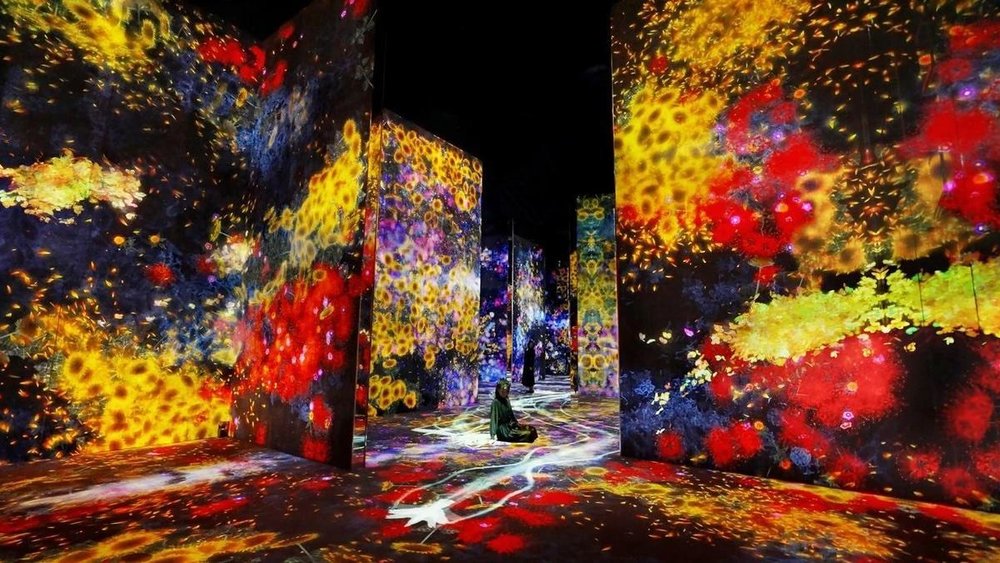
Teamlab borderless Tokyo
Tokyo in June comes with a few properly wet days, so head indoors when the sky opens. teamLab Borderless is a digital art museum in Azabudai Hills where the rooms move and change around you. Tickets run about PHP 1,400 to PHP 1,600 depending on the date, and you'll want 2 to 3 hours. Entry is for a fixed date and can't be cancelled, so double-check your plans before you book.
Address: teamLab Borderless, Azabudai Hills Garden Plaza B, B1, 1-2-4 Azabudai, Minato City, Tokyo
- How to get there:5 to 7 minutes on foot from Roppongi-itchome Station (Namboku Line) or Kamiyacho Station (Hibiya Line)
Want to get your feet wet, literally? teamLab Planets in Toyosu has you walk barefoot through knee-deep water, so wear shorts or roll-up pants. Tickets cost about PHP 1,400 to PHP 1,700, and it stays open in light rain.
Address: teamLab Planets, 6-1-16 Toyosu, Koto City, Tokyo
- How to get there:1-minute walk from Shin-Toyosu Station (Yurikamome Line)
For something calmer, Art Aquarium Museum Ginza fills a floor of a department store with glowing goldfish tanks. A fixed-date ticket starts around PHP 1,075 and a visit takes about 1 to 2 hours. Buy-2-get-1-free offers have run on adult tickets, which is handy for a barkada of three.
Klook Tip: Both teamLab venues sell timed tickets, so arrive on time. Free lockers are available for small bags.
Address: Art Aquarium Museum Ginza, Ginza Mitsukoshi New Building (9th floor), 4-6-16 Ginza, Chuo City, Tokyo
- How to get there:Direct access from Ginza Station (Ginza, Marunouchi and Hibiya lines)
Sensoji and the Tokyo National Museum on a wet day
Tokyo's oldest temple, Sensoji Temple in Asakusa, is a good rainy-day wander because the grounds are free to enter. Walk under the big Kaminarimon gate, browse the Nakamise shopping street and warm up with a snack.
Address: Sensoji Temple, 2-3-1 Asakusa, Taito City, Tokyo
- How to get there:About 5 minutes on foot from Asakusa Station
In Ueno, the Tokyo National Museum is Japan's oldest national museum. A ticket costs about PHP 405 and stays valid for 60 days from booking. Kids under 18 get in free, and you'll want 2 to 3 hours, or longer if you love samurai swords and ceramics.
Address: Tokyo National Museum, 13-9 Ueno Park, Taito City, Tokyo
- How to get there:About 10 minutes on foot from JR Ueno Station (Park Exit)
What to pack for Tokyo in June
Bring a compact umbrella, quick-dry layers and shoes that can handle puddles. A light rain jacket plus breathable clothes beats heavy waterproofs in the humidity. Observation decks are great too, but save them for a clear spell.
Want more wet-weather ideas? Check our Tokyo in the rain guide.
Klook Tip: Pack a small towel or handkerchief. Trains and cafés can feel chilly when you're damp, and most shops have umbrella bags at the door.
FAQs about Tokyo in June
Is June a good time to visit Tokyo?
Yes, Tokyo in June works well as long as you don't mind some rain. You'll find fewer tourists, easier bookings and often lower hotel prices, which is good news for your budget. It's also peak season for hydrangeas, irises, fireflies and Sanno Matsuri, so you get seasonal color you won't see in other months.
When is the rainy season in Tokyo?
The Tokyo rainy season usually starts in the first or second week of June and ends in mid to late July. The exact dates change every year, and the Japan Meteorological Agency announces them. Think of June as the start of it, with the weather settling into a damp, humid pattern through July.
How much does it rain in Tokyo in June?
You'll usually see about 150 to 175 mm (6 to 7 inches) of rain across roughly 12 days. Most of it comes as drizzle or short showers, with the occasional heavy downpour. There are plenty of dry, cloudy days in between, so don't plan around constant rain.
Where can you see hydrangeas in Tokyo?
Hakusan Shrine in Bunkyo is the classic city pick, with more than 3,000 plants. Takahata Fudo Temple in Hino is another popular spot. For bigger displays, take a day trip to Kamakura or ride the Hakone Tozan Railway.
What festivals are held in Tokyo in June?
Sanno Matsuri at Hie Shrine is the big one, held in mid-June, with the full parade in even years and a smaller version in 2027. The Bunkyo Hydrangea Festival at Hakusan Shrine and the Katsushika Iris Festival at Horikiri also run in early to mid-June. Dates shift slightly each year, so check closer to your trip.
What can you do in Tokyo on a rainy day?
Head to teamLab Borderless or teamLab Planets for immersive digital art, or spend a few hours at the Tokyo National Museum, which costs about PHP 405. Sensoji Temple in Asakusa is free to enter and good for a drizzly wander. Observation decks are fun on clear spells, so keep a couple of indoor backups saved.
What should you wear in Tokyo in June?
Think light, breathable layers that dry fast, since it's warm and humid, much like a Manila day. Bring a compact umbrella or a light rain jacket, plus shoes that won't mind puddles. A thin cardigan helps in air-conditioned trains and cafés.
Ready for Tokyo in June?
Pick a couple of flower stops, save a day for Kamakura or Hakone, and keep an indoor backup in your back pocket. Lock in your teamLab, museum and aquarium tickets before you go, so a cloudy forecast doesn't change your plans. Then pack that umbrella and enjoy the quieter, greener side of the city.
More Tokyo travel guides for you


What is Klook?
Klook is a leading pan-regional experiences platform in Asia Pacific, purpose built to digitalize experiences and make them accessible to every traveler.
Our mission is to build the digital infrastructure for the global experience economy — empowering merchants to share their passions and travelers to discover the heartbeat of each destination. We operate a mobile-first, curated platform featuring diverse experiences across global destinations.