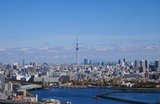
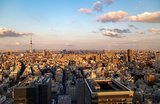
Tokyo has tens of thousands of restaurants and you only have a few days, so it pays to plan every meal. Beef tongue, sukiyaki, sushi and ramen all have popular spots, and they're spread across different parts of the city. Searching one by one often leaves you with a route that doubles back on itself. From KLIA or KLIA2, it's about a 7-hour direct flight to Tokyo, and Tokyo is 1 hour ahead of Malaysia.
If you're not sure what to eat in Tokyo, Klook has rounded up 12 must-try dishes: Sendai-style charcoal-grilled beef tongue, wagyu sukiyaki, Tsukiji seafood bowls, rich ramen, grilled eel on rice, yakiniku, gyukatsu (breaded beef cutlet), tendon (tempura rice bowl), yuzu ramen, monjayaki, yakitori and jumbo melon pan (Japanese sweet bun). Each one comes with a recommended spot, address, opening hours and a price guide.
Tokyo must-try food at a glance
This table lists all 12 dishes with a recommended spot, area and price guide, so you can pick a category first and then check the details below.
No. | Dish | Recommended spot | Area | Price guide |
|---|
1 | Sendai charcoal-grilled beef tongue | Rikyu (Tokyo Skytree branch) | Oshiage | Set meal prices vary, check the menu in store |
2 | Wagyu sukiyaki | Asakusa Imahan | Asakusa | 4,950-5,390 JPY (about 127-139 MYR) |
3 | Tuna and seafood bowls | Tsukiji Outer Market | Tsukiji | 1,000-2,000 JPY per snack (about 26-51 MYR) |
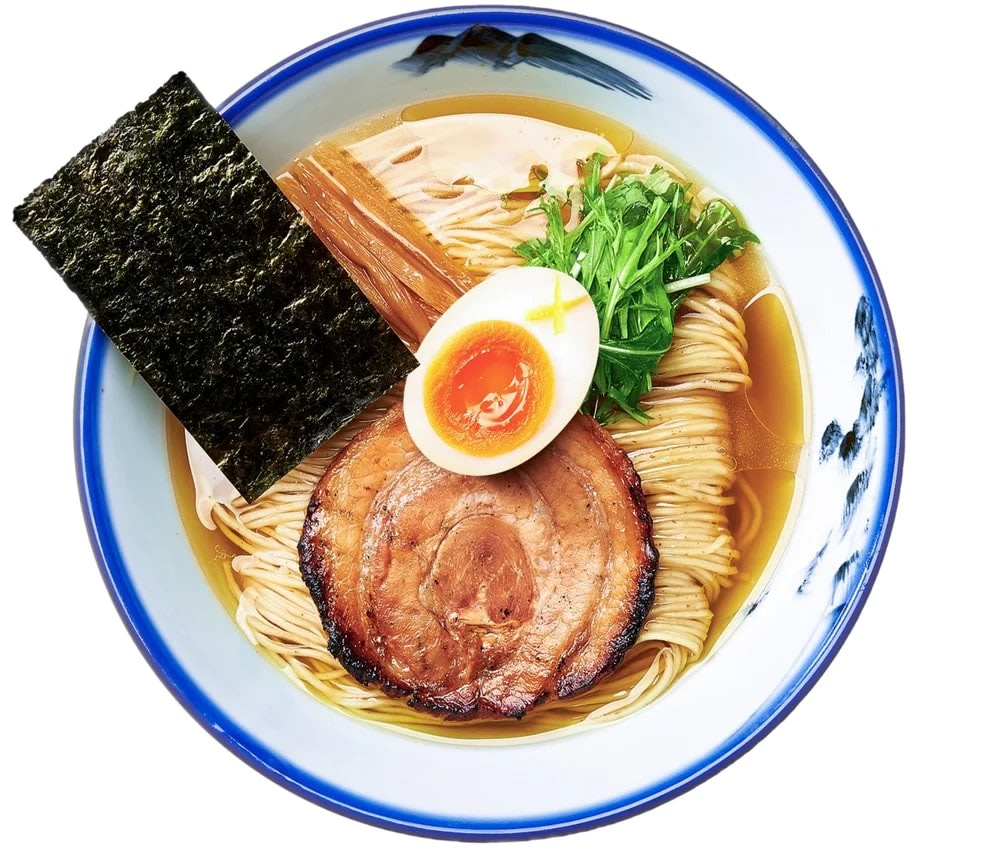
4 | Rich tonkotsu and seafood ramen | Mutekiya Ikebukuro | Ikebukuro | About 1,200 JPY (about 31 MYR) |
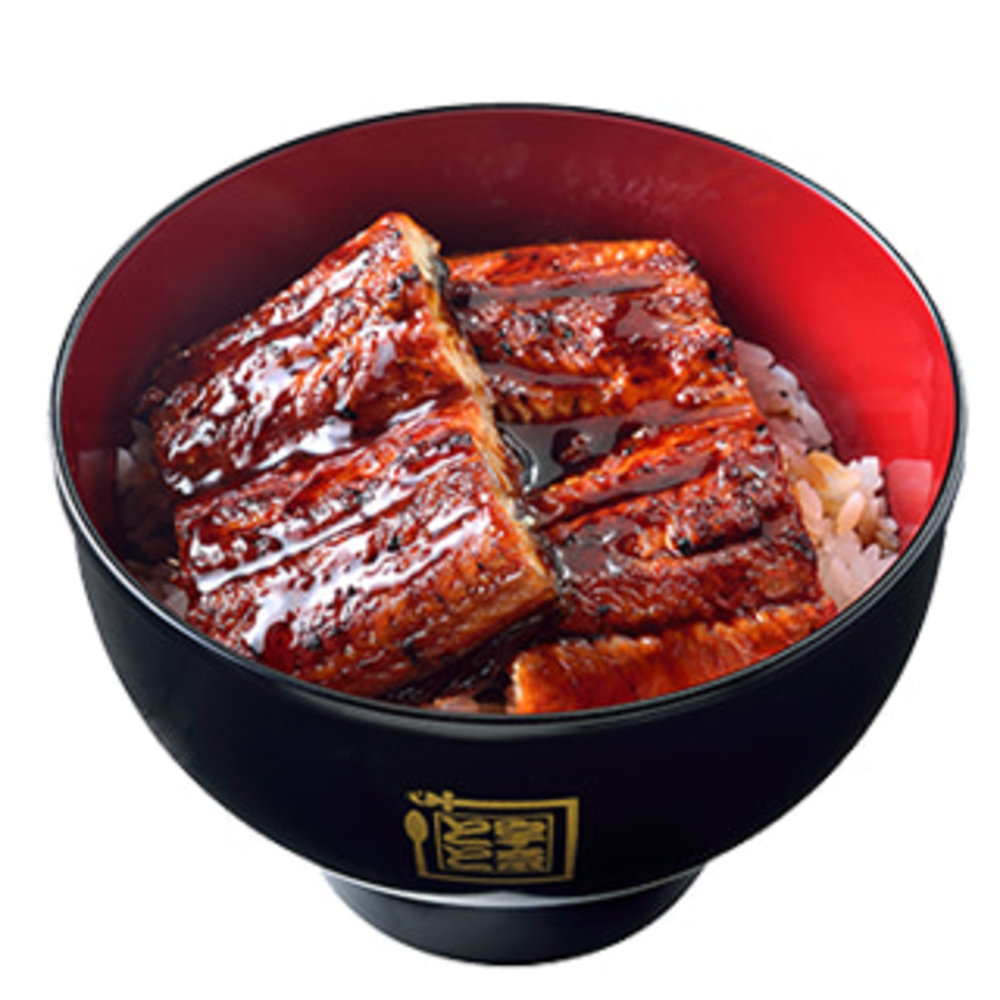
5 | Grilled eel on rice | Meidai Unatoto (Ueno) | Ueno | About 640 JPY (about 16 MYR) |
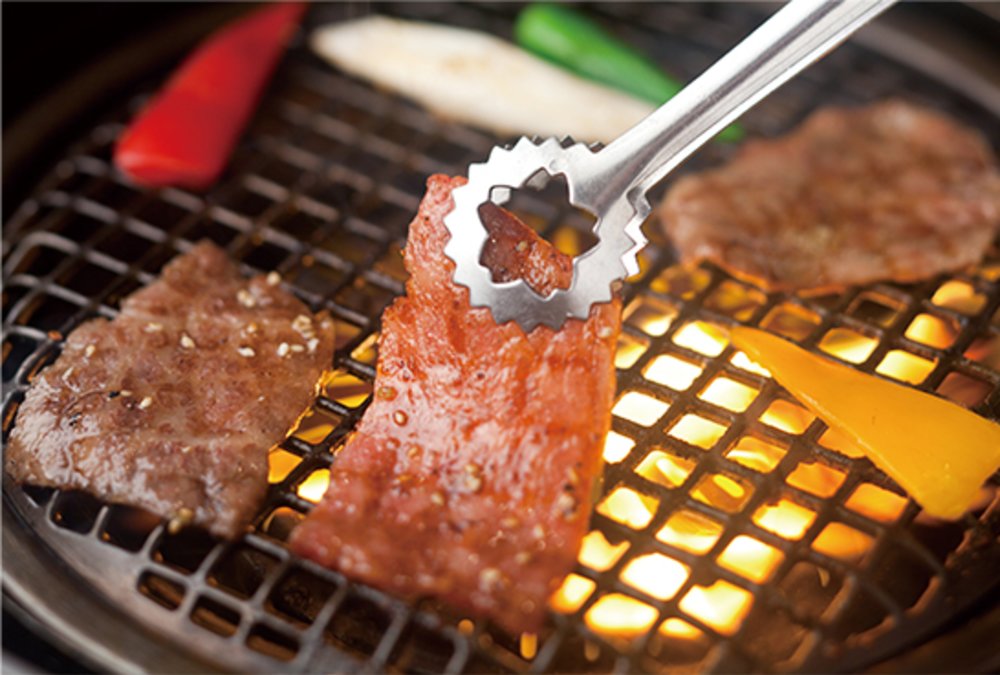
6 | Salted beef tongue and wagyu yakiniku | Jojoen (Opera City 53 branch) | Shinjuku | 5,500-18,000 JPY (about 141-463 MYR) |
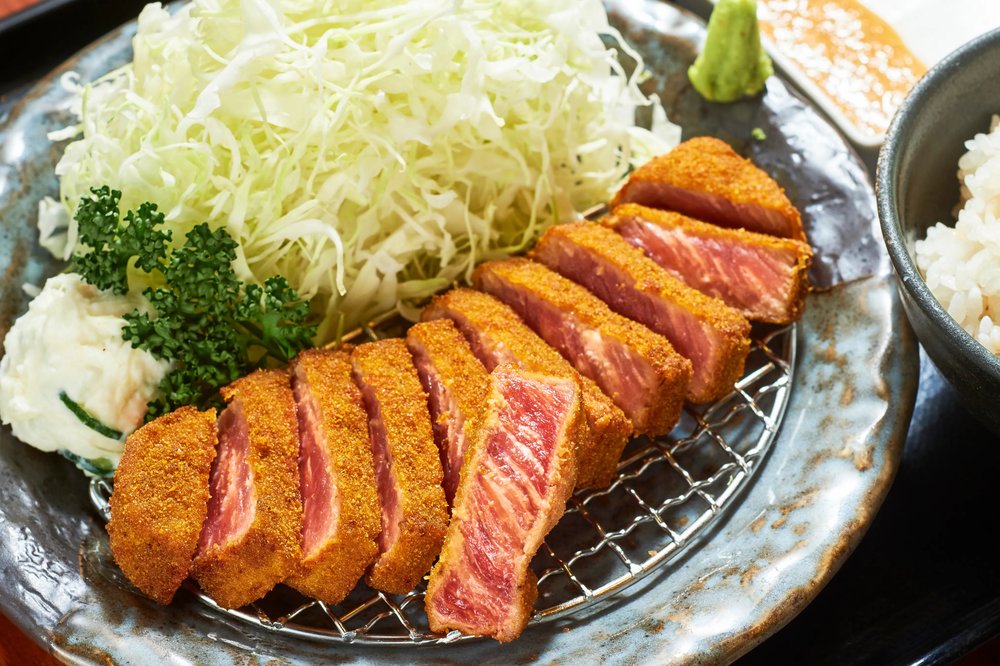
7 | Medium-rare gyukatsu | Gyukatsu Motomura (Shibuya branch) | Shibuya | Check the menu in store |
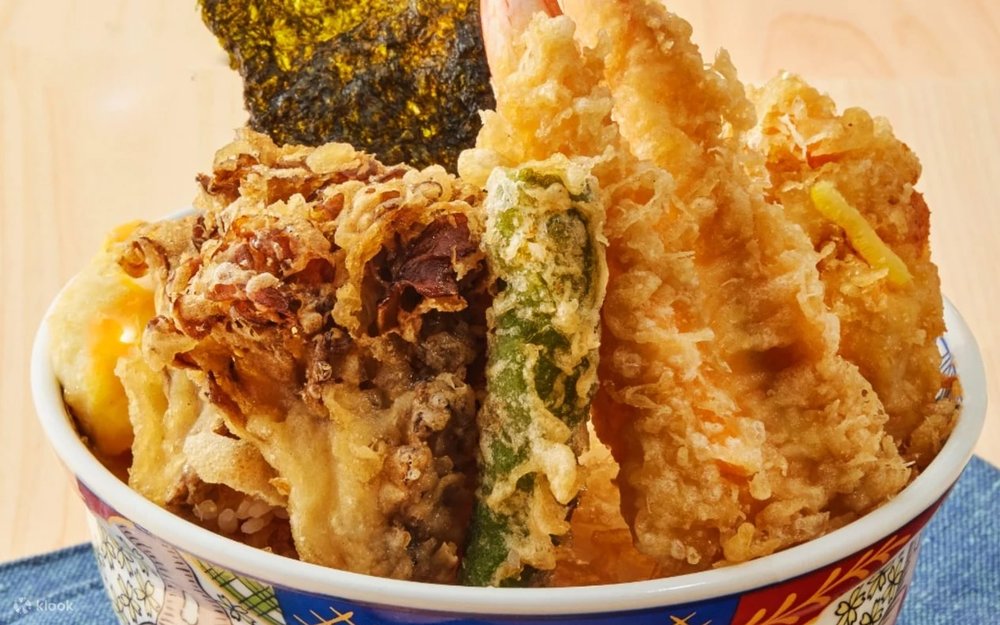
8 | Edomae tendon | Kaneko Hannosuke (Nihonbashi) | Nihonbashi | About 1,600 JPY |
9 | Yuzu ramen | AFURI (Shinjuku) | Shinjuku | Check the menu in store |
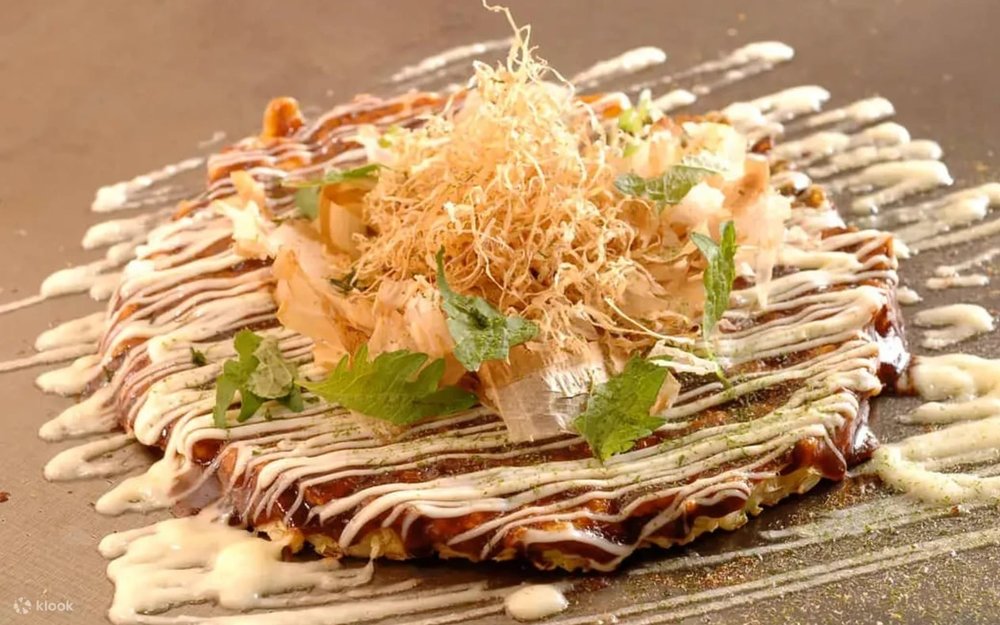
10 | Tokyo monjayaki | Tsukishima Monja Street | Tsukishima | Check each shop's menu |
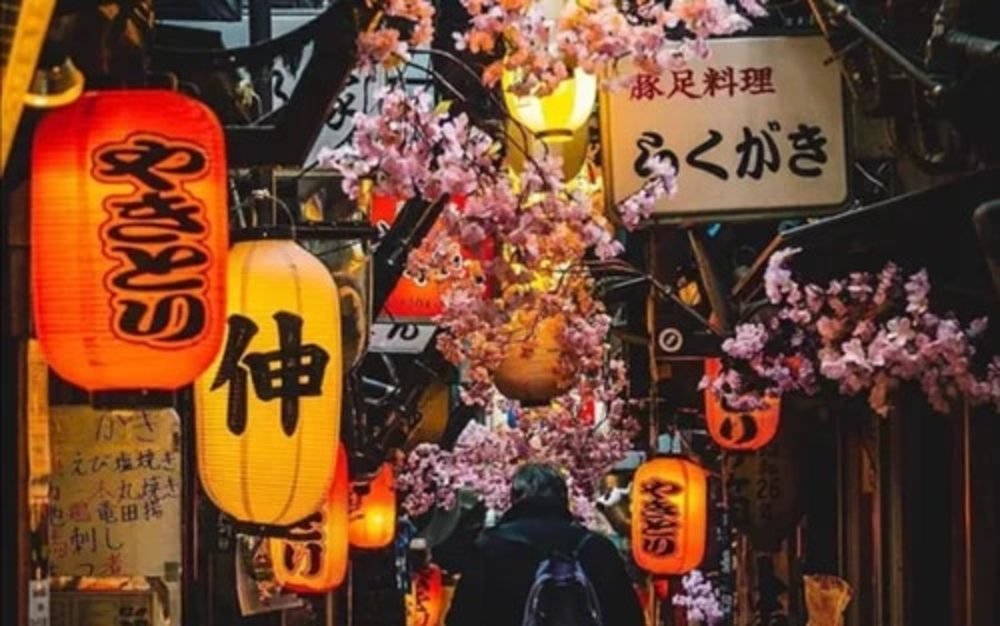
11 | Yakitori and offal skewers | Omoide Yokocho | Shinjuku | Check each shop's menu |
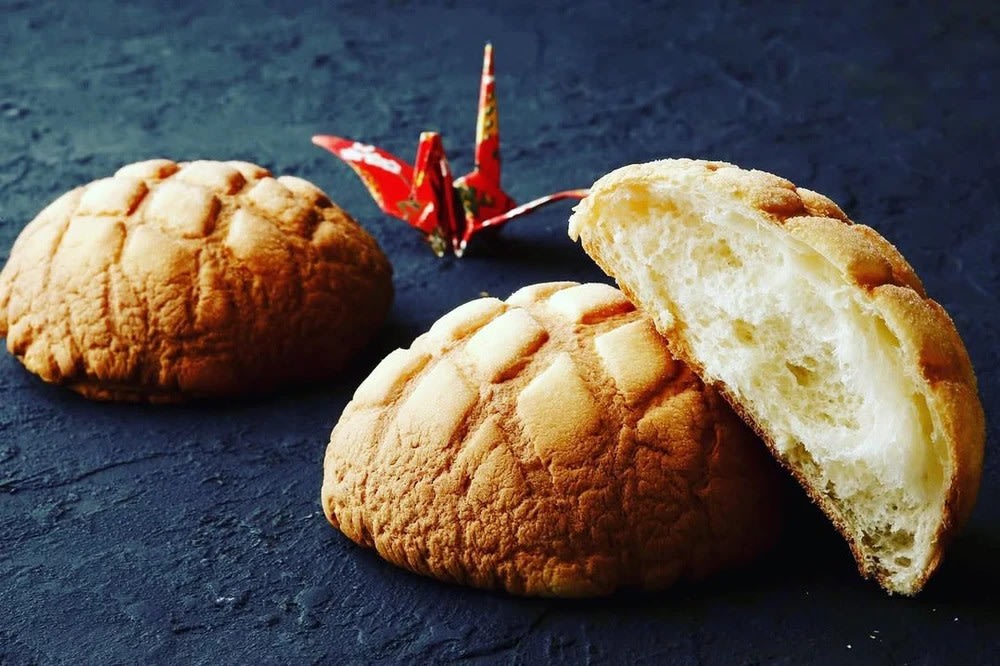
12 | Jumbo melon pan | Asakusa Kagetsudo | Asakusa | Check the price list in store |
Prices are a guide only. Check the menu at each restaurant for current prices. MYR amounts are rough conversions at about 26 MYR per 1,000 JPY.
How to plan what to eat in Tokyo by area
Grouping what to eat in Tokyo by area lets you fit several dishes into one day's route and spend less time on trains. For a short trip, two or three areas a day is plenty.
Area | Dishes you can combine | Matching picks |
|---|
Asakusa and Skytree | Sukiyaki, melon pan, beef tongue | 2, 12, 1 |
Tsukiji and Tsukishima | Seafood bowls, monjayaki | 3, 10 |
Ueno | Grilled eel on rice | 5 |
Nihonbashi | Tendon | 8 |
Ikebukuro | Dipping noodles and ramen | 4 |
Shinjuku | Yakiniku, yuzu ramen, yakitori | 6, 9, 11 |
Shibuya | Gyukatsu | 7 |
Tsukiji to Nihonbashi | Seafood bowls and tendon | 3, 8 |
This is just one way to group them. Check a Tokyo subway map to pick routes with fewer transfers.
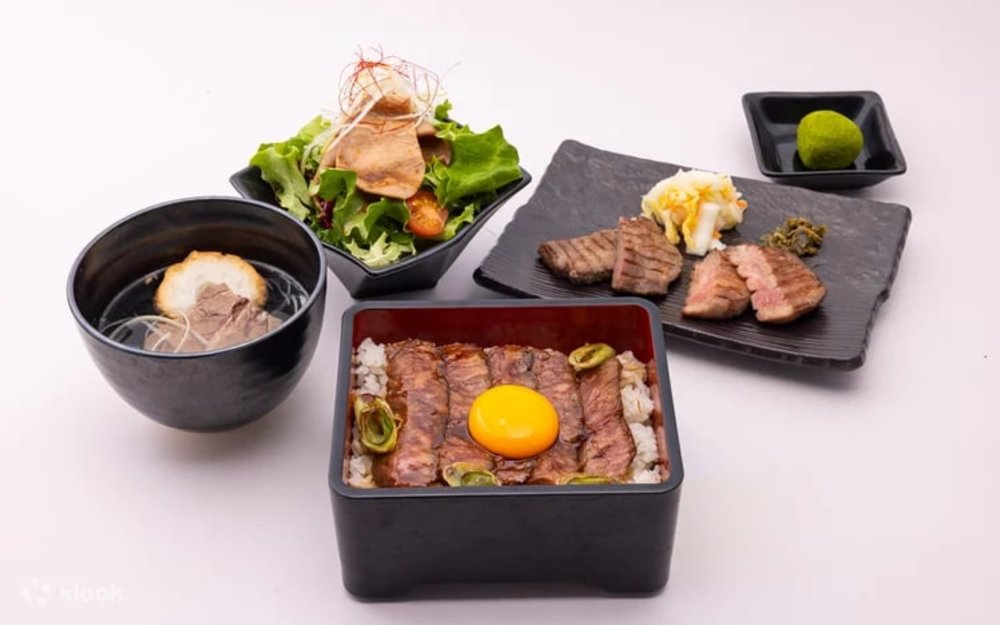
1. Rikyu: Sendai charcoal-grilled beef tongue set
Rikyu is a beef tongue specialist from Sendai, founded in 1988. Charcoal-grilled beef tongue in the Sendai style dates back to around 1948. The tongue is cut thick and grilled over charcoal, so the outside is slightly charred while the inside stays chewy. It comes as a set with barley rice, oxtail soup and pickles.
The Tokyo Skytree branch is on the 6th floor of Tokyo Solamachi and has 76 seats, so it's easy to fit in before or after visiting the tower. It gets busy at peak times, so try to avoid 12pm-1pm.
Address: 6F Tokyo Solamachi, Tokyo Skytree Town, 1-1-2 Oshiage, Sumida City, Tokyo
Getting there: About 1 minute on foot from Tokyo Skytree Station (Tobu Skytree Line)
Opening hours: 11:00-23:00 (last order 22:30)
Price: Set meal prices vary, check the menu in store
Suggested time: About 1 hour
Klook Tip: Weekday early evenings are quieter. Browse the mall first, then come back for dinner.
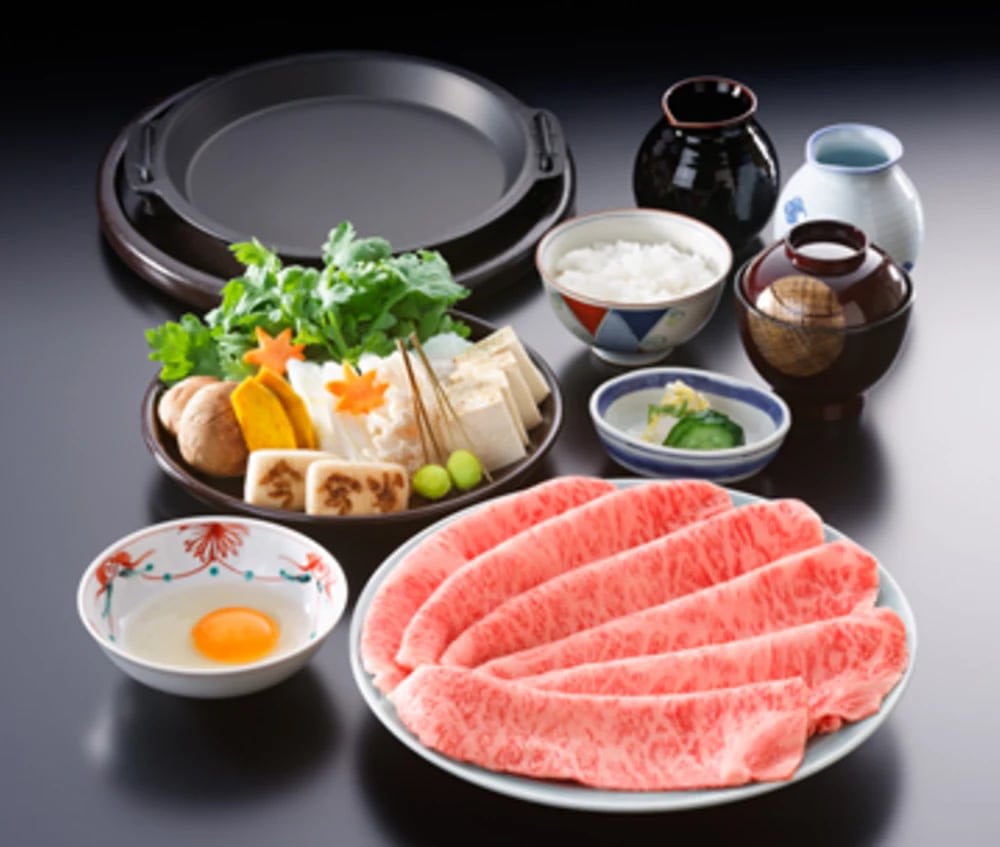
2. Asakusa Imahan: wagyu sukiyaki
Asakusa Imahan opened in 1895 and is one of Tokyo's long-running sukiyaki restaurants. The wagyu is simmered in an iron pot with warishita (a sweet soy-based sauce), then dipped in raw egg, which brings out both the sweetness and the flavour of the beef. The lunch set is better value than dinner, so it's a popular pick for first-time sukiyaki eaters.
Lunch doesn't take reservations, and a queue forms around 10:30am. The 100-year beef bowl is limited to 20 portions a day, so arrive early if you want one. To fit sukiyaki into your trip, try this Asakusa food tour, which also covers other snacks in the area.
Address: 3-1-12 Nishi-Asakusa, Taito City, Tokyo
Getting there: About 1 minute on foot from Asakusa Station Exit A2 (Tsukuba Express)
Opening hours: Lunch 11:30-14:00; dinner hours follow the official announcement
Price: 4,950-5,390 JPY
Suggested time: About 1.5 hours
Klook Tip: Lunch has no reservations, so join the queue before 10:30am.
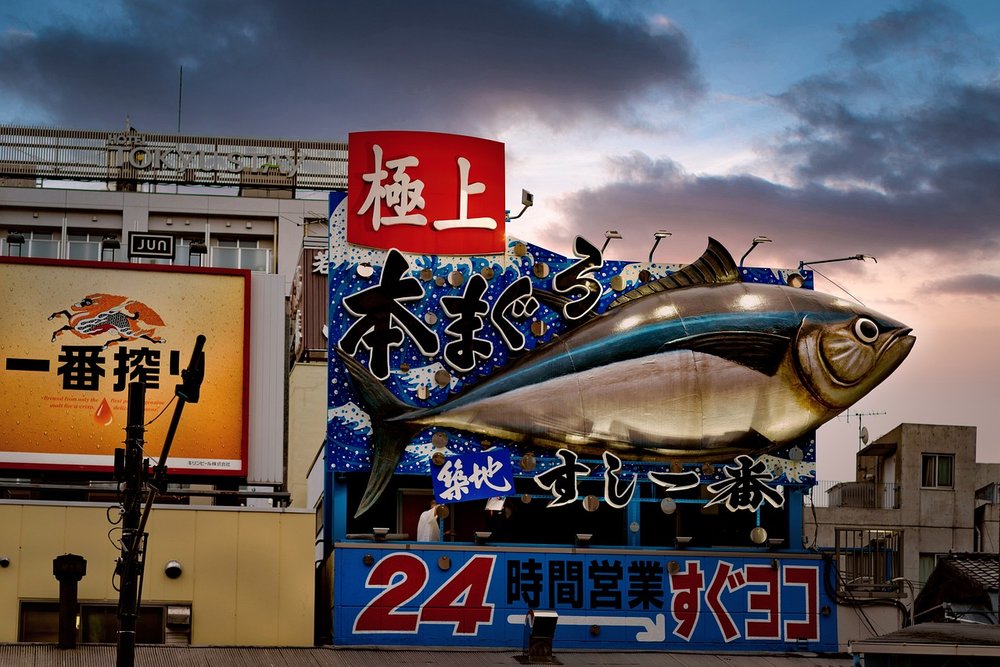
3. Tsukiji Outer Market: tuna and seafood bowls
Tsukiji Outer Market is a bit like a wet market where you can eat on the spot, with more than 400 shops selling seafood bowls, tamagoyaki (Japanese rolled omelette), sushi and grilled seafood skewers. Tekkaya, on the 3rd floor of the Tsukiji Uogashi Shokudo food hall, serves the TOROHON TEKKA, which lets you try lean tuna (akami), medium-fatty tuna (chutoro) and fatty tuna (otoro) in one bowl. It's a good pick if you want to compare tuna cuts.
The food street opens at 7am and Tekkaya opens at 10am. The best time to browse is 9am-1pm. Many shops close on Wednesdays, Sundays and public holidays, so check opening days before you go. If you'd like help choosing stalls, try this Toyosu and Tsukiji food tour.
Address: Tsukiji 4-chome area, Chuo City, Tokyo
Getting there: Right outside Tsukiji Market Station Exit A3 (Toei Oedo Line)
Opening hours: Food street from 7:00, Tekkaya from 10:00, varies by shop
Price: 1,000-2,000 JPY per snack
Suggested time: About 1.5-2 hours
Klook Tip: More shops close on Wednesdays, Sundays and public holidays, so try to avoid those days.
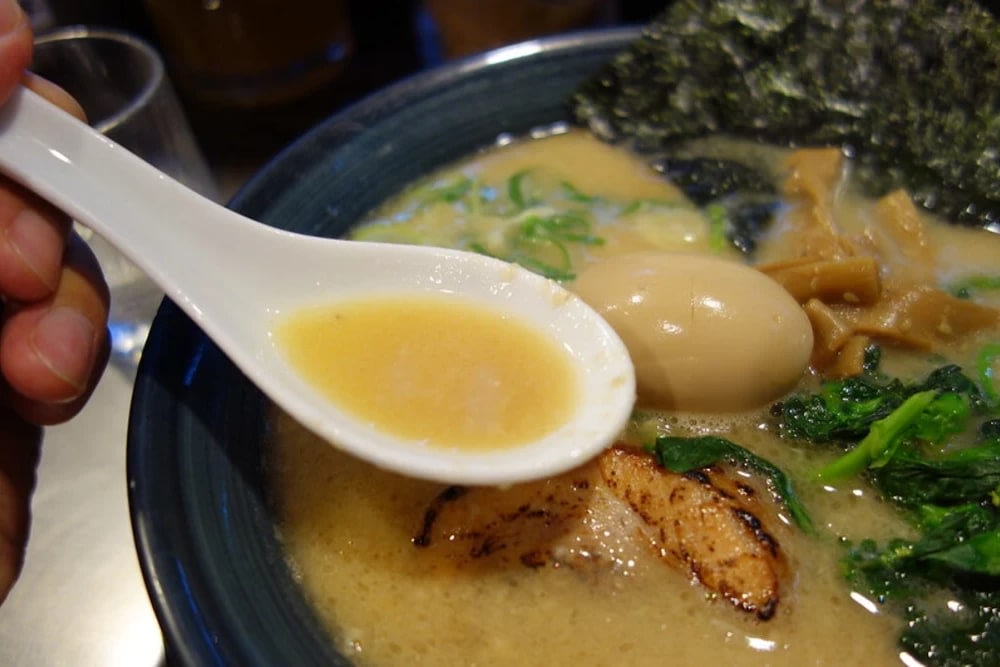
4. Mutekiya Ikebukuro: rich ramen simmered for 13 hours
Mutekiya in Ikebukuro opened in 1994 and is the only branch in Japan. It's known for a thick broth simmered for 13 hours. The signature ニクタマ (Nikutama) costs about 1,200 JPY (2023 data), and the broth is rich enough to cling to every noodle.
The shop has only 16-17 counter seats and takes cash only. It's open until 3:30am, so a late-night visit can help you skip some of the queue.
Address: 1-17-1 Minami-Ikebukuro, Toshima City, Tokyo
Getting there: A few minutes on foot from JR Ikebukuro Station
Opening hours: 10:30-3:30 (next day)
Price: About 1,200 JPY
Suggested time: About 30 minutes
5. Meidai Unatoto: charcoal-grilled eel on rice
The Ueno branch of Meidai Unatoto sits under the railway arches near Ameyoko. A bowl of unadon (grilled eel on rice) costs about 640 JPY, far cheaper than most eel specialists, so it's an easy way to try eel in Tokyo. The eel is charcoal-grilled with a fairly sweet sauce, which suits anyone who wants to try it on a small budget.
Ueno is also a popular shopping area, so you can browse Ameyoko after your meal.
Address: 6-11-15 Ueno, Taito City, Tokyo
Getting there: A few minutes on foot from JR Ueno Station and Okachimachi Station
Opening hours: Mon-Sat 11:00-22:30, Sun 11:00-22:00
Price: Unadon about 640 JPY
Suggested time: About 30 minutes
Klook Tip: This price comes from past data, so confirm it in store or on the official website before you go.
6. Jojoen: salted beef tongue and wagyu yakiniku
Jojoen is a well-known Japanese yakiniku chain. Its signature dish is negi-shio beef tongue: thin slices topped with spring onion and salt, which need only a quick grill. The Opera City branch on the 53rd floor has high-rise views, so it's a good fit if you'd like to enjoy Shinjuku's night skyline with dinner.
You can reserve online for free, with seats bookable from the next day at the earliest. A 5% service charge applies except at lunch and for takeaway (information dated 11 November 2026). Budget about 5,500-18,000 JPY, depending on the meat you order. For a more predictable cost, check out all-you-can-eat yakiniku in Tokyo.
Address: 53F Tokyo Opera City, 3-20-2 Nishi-Shinjuku, Shinjuku City, Tokyo
Getting there: About 1 minute on foot from Hatsudai Station East Exit (Keio New Line)
Opening hours: Weekdays 11:30-21:30 (last order); closed 15:00-16:00 on weekdays
Price: 5,500-18,000 JPY
Suggested time: About 1.5-2 hours
Klook Tip: Reserve online first and set aside an extra 5% for the service charge.
More yakiniku options in Tokyo:
7. Gyukatsu Motomura: medium-rare beef cutlet on a stone plate
Gyukatsu Motomura is known for its medium-rare gyukatsu, a beef cutlet coated in breadcrumbs and fried. You finish each slice on a small stone plate, cooking it to the doneness you like. The Shibuya branch is in a basement, and weekend queues run about 1-2 hours.
The shop closes on irregular days, so check the official announcements before you go.
Address: B1F Ono Building No. 2, 3-18-10 Shibuya, Shibuya City, Tokyo
Getting there: About 5 minutes on foot from Shibuya Station
Opening hours: 11:00-22:00 (last order), irregular closures
Price: Check the menu in store
Suggested time: About 1 hour
8. Kaneko Hannosuke: Edomae tendon
Kaneko Hannosuke's Edomae tendon is tempura fried in sesame oil and laid over white rice with a rich sauce. A bowl costs about 1,600 JPY (based on online reviews), which makes it a mid-range option.
The Nihonbashi branch is in Muromachi. There is also a branch in Tsukiji, opposite Tsukiji Hongwanji Temple, which you can combine with a visit to the outer market on the same day.
Address: 1F-2F, 1-11-15 Nihonbashi-Muromachi, Chuo City, Tokyo
Getting there: About 2 minutes on foot from Mitsukoshimae Station Exit A4
Opening hours: Weekdays about 11:00-22:00, follow the official announcements
Price: Edomae tendon about 1,600 JPY
Suggested time: About 45 minutes
9. AFURI: refreshing yuzu ramen
AFURI was founded in Kanagawa in 2001. Its signature bowl is yuzu ramen in a white soy sauce broth: light, with a fresh citrus aroma, and a clear contrast to Mutekiya's rich style. The menu also has a yuzu dipping-noodle (tsukemen) option.
The Shinjuku branch is in Shinjuku SUBNADE in Kabukicho, about 2 minutes from the JR Shinjuku Station East Exit, so it's handy for a bite after shopping.
Address: Shinjuku SUBNADE, 1-2-1 Kabukicho, Shinjuku City, Tokyo
Getting there: About 2 minutes on foot from JR Shinjuku Station East Exit
Opening hours: 11:00-22:30
Price: Check the menu in store
Suggested time: About 30 minutes
10. Tsukishima Monja Street: cook your own Tokyo monjayaki
Tsukishima Monja Street has more than 80 shops. Tsukishima was reclaimed from the sea in 1892, and monjayaki became the area's signature snack. You cook the batter and toppings on a hotplate and eat straight from it with a small spatula. The texture is softer than Osaka-style okonomiyaki (savoury pancake).
It's about 3 minutes on foot from Tsukishima Station, and you can pick your toppings from each shop's menu.
Address: 1-8-1-103 Tsukishima, Chuo City, Tokyo (Tsukishima Promotion Association)
Getting there: About 3 minutes on foot from Tsukishima Station
Opening hours: About 11:00-20:00, varies by shop
Price: Check each shop's menu
Suggested time: About 1 hour
11. Shinjuku Omoide Yokocho: charcoal-grilled yakitori and offal skewers
Shinjuku Omoide Yokocho has about 80 small shops, and more than 20 of them specialise in yakitori (grilled skewers) and offal skewers. The narrow alleys formed around 1947. Kabuto, founded in 1948, is one of the older shops in the alley, and most shops have an English menu.
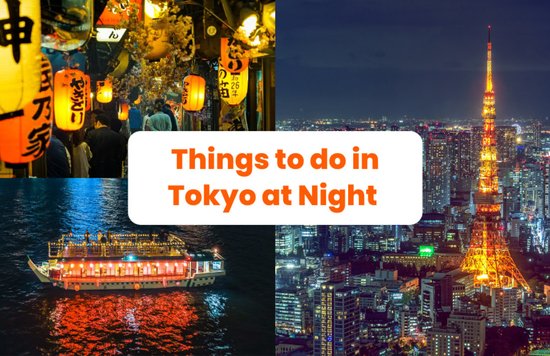
After dinner you can see Shinjuku at night. For more evening ideas, check out things to do in Tokyo at night. If you'd like a guide to pick the shops, try this Shinjuku food tour.
Address: Nishi-Shinjuku 1-chome, Shinjuku City, Tokyo
Getting there: About 2 minutes on foot from JR Shinjuku Station West Exit
Opening hours: Varies by shop, most open from early evening
Price: Check each shop's menu
Suggested time: About 1-1.5 hours
Klook Tip: Most shops charge a minimum spend or seating fee, so confirm before you sit down.
12. Asakusa Kagetsudo: palm-sized jumbo melon pan
The Asakusa Kagetsudo main shop is at Asakusa 2-7-13 and opened in 1945. It sells 2,000-3,000 melon pan (sweet buns with a cookie-like crust) a day. They're as big as your palm, crisp outside and soft inside, and they sell out around 4pm.
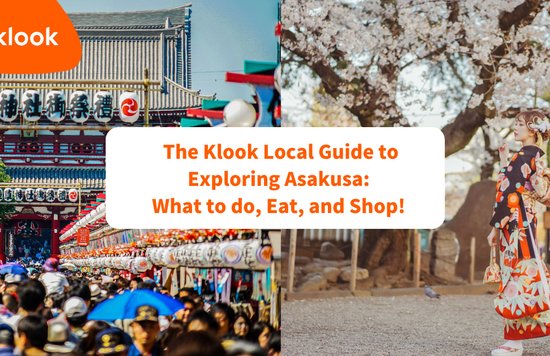
The main shop is open 9:00-17:00 and is about 5-10 minutes on foot from Asakusa Station (Tsukuba Express). For more snacks nearby, see Klook's local guide to Asakusa.
Address: 2-7-13 Asakusa, Taito City, Tokyo
Getting there: About 5-10 minutes on foot from Asakusa Station (Tsukuba Express)
Opening hours: 9:00-17:00, while stocks last
Price: Check the price list in store
Suggested time: About 20 minutes
Klook Tip: Melon pan sell out around 4pm, so go in the morning or around lunchtime.
Plan your Tokyo food trip
When you plan what to eat in Tokyo, start with the 3-4 dishes you want most, then group them by area. Leave a little room in your luggage if you'd like to bring snacks home. Book a food tour or reserve a table before you go, and your Tokyo meals will be easy to fit into the itinerary.
Halal note: we haven't confirmed halal certification for any of the 12 spots above, so treat them as not halal-certified unless the restaurant says otherwise. Mutekiya's ramen uses a tonkotsu (pork bone) broth, and sauces like sukiyaki's warishita often contain mirin or sake. Muslim travellers should check with the restaurant, or look for a halal-certified alternative, before booking.
FAQs about what to eat in Tokyo
What to eat in Tokyo?
The must-try dishes are Sendai charcoal-grilled beef tongue, wagyu sukiyaki, Tsukiji seafood bowls, rich ramen, grilled eel on rice, yakiniku, gyukatsu, tendon, yuzu ramen, monjayaki, yakitori and melon pan. See the 12 picks above for details.
Do I need to book Tokyo restaurants?
It depends on the restaurant. Jojoen takes online reservations, Asakusa Imahan doesn't take lunch reservations, and Mutekiya is queue only. Check each restaurant's official announcements before you go.
How much should I budget for food in Tokyo?
It depends on what you choose. Eel on rice is about 640 JPY (about 16 MYR), ramen about 1,200 JPY (about 31 MYR), sukiyaki about 4,950-5,390 JPY (about 127-139 MYR) and yakiniku can reach 5,500-18,000 JPY (about 141-463 MYR).
Is food in Tokyo halal?
Not all of it. Tokyo has halal-certified restaurants, but none of the 12 spots in this guide is confirmed halal. Pork broth, mirin and sake are common in Japanese cooking, so check with the restaurant or ask staff about ingredients before you order.
Can I pay by cash or credit card in Tokyo restaurants?
Payment methods vary by restaurant. Mutekiya takes cash only, while most of the other chains accept credit cards. Carry both cash and a card, and note that tipping isn't expected in Japan.
What can I eat in Tokyo if I'm travelling solo?
Ramen shops, eel restaurants and tendon shops with counter seats are good solo options. Mutekiya and Unatoto both suit solo diners.
How do I plan what to eat in Tokyo by area?
Group Asakusa's sukiyaki and melon pan into one day, Tsukiji and Tsukishima into another, and Shinjuku's yakiniku, ramen and yakitori into a third.
Where can I eat sushi in Tokyo?
Try Tsukiji Outer Market, which has more than 400 shops. At Tekkaya you can taste lean, medium-fatty and fatty tuna.
Where can I eat yakiniku and wagyu in Tokyo?
Jojoen is a good choice for yakiniku, and Imahan serves wagyu sukiyaki. Both are pricier, so set aside a bigger budget.
How long are the queues at Tokyo restaurants?
It depends on the time of day. Gyukatsu Motomura has a 1-2 hour queue at weekends, and a line forms at Imahan around 10:30am for lunch.
Which Tokyo food tours does Klook offer?
Klook has several Tokyo food tours, including the Asakusa food tour, the Toyosu and Tsukiji food tour, the Shinjuku food tour and all-you-can-eat yakiniku. Pick the one that fits your itinerary.
🔍 More Tokyo travel guides
What is Klook?
Klook is a leading pan-regional experiences platform in Asia Pacific, purpose built to digitalize experiences and make them accessible to every traveler.
Our mission is to build the digital infrastructure for the global experience economy — empowering merchants to share their passions and travelers to discover the heartbeat of each destination. We operate a mobile-first, curated platform featuring diverse experiences across global destinations.