
If you've pencilled Tokyo in July into your calendar, you're probably holding two thoughts at once. The festivals look great, and the weather forecast looks scary. The month starts grey and showery, then turns properly hot once the rainy season lifts, and the festivals follow that rhythm.
This guide follows the month in date order, starting with the early-July markets in Asakusa and ending with the big fireworks on the last Saturday. It also covers the Mt. Fuji climbing season and the cooler corners of Tokyo, so you can plan around the heat instead of fighting it. Tokyo is around 4.5 hours from Hong Kong on a direct flight, which makes it an easy long-weekend trip.
Tokyo in July at a glance
These six things shape when in the month you should go.
- Rainy season: it usually ends around 19 July in the Tokyo area, though some years it finishes earlier and others drag into late July. Early July is the damp stretch, and our Tokyo in the rain guide has plans for the wet days.
- Heat and humidity: Tokyo weather in July averages a high of about 30°C and a low of about 23°C, with humidity hovering around 75%. That's a touch cooler than a typical Hong Kong summer day, but the sun on concrete can still catch you out. Once the rains clear, 35°C days are common, and Tokyo hit that mark right after the rainy season ended in 2026.
- School holidays: Hong Kong schools break for summer around mid-July and Japanese schools follow in the last week of July, so family-friendly spots, trains and fireworks viewpoints get busier from then on.
- Marine Day: the national holiday falls on Monday, 19 July 2027, which gives locals a three-day weekend.
- Time difference: Tokyo is 1 hour ahead of Hong Kong, so there's no jet lag to plan around.
- Entry: HKSAR passport holders can visit Japan visa-free for up to 90 days. Check the latest rules before you fly.
Early July is for flower markets and Tanabata, with an umbrella close at hand. By mid-July the rain eases and the skies clear, which suits lantern-lit shrine visits, fireworks nights and Mt. Fuji hikes.
Klook Tip: HKSAR Establishment Day falls on Thursday, 1 July 2027. Take Friday off for a four-day trip that lines up with the start of the Mt. Fuji climbing season, which has opened on 1 July in recent years.
Tokyo summer festivals in July
July is when Tokyo summer festivals hit their stride, and the dates line up neatly through the month, ending on the last Saturday. Here's the order to plan them in.
Iriya morning glory festival (6-8 July)
The Iriya morning glory festival is the unofficial start of summer in Tokyo. Growers set up around 120 stalls selling potted asagao (morning glories) around Iriya Kishimojin temple, alongside roughly 100 food stalls. Close to 400,000 people come over the three days, so it gets lively.
Get there early. The stalls open around 5am, the flowers look best in the morning light, and the heat is still manageable before 9am. It costs nothing to walk around, and it's a short, easy stop before the rest of your day.
- Entry: free
- Address: 1-12-16 Shitaya, Taito City
- Getting there: about a 1-minute walk from Iriya Station (Hibiya Line)
Klook Tip: Many festival stalls take cash only, so keep some yen handy.
Tanabata Tokyo (7 July)
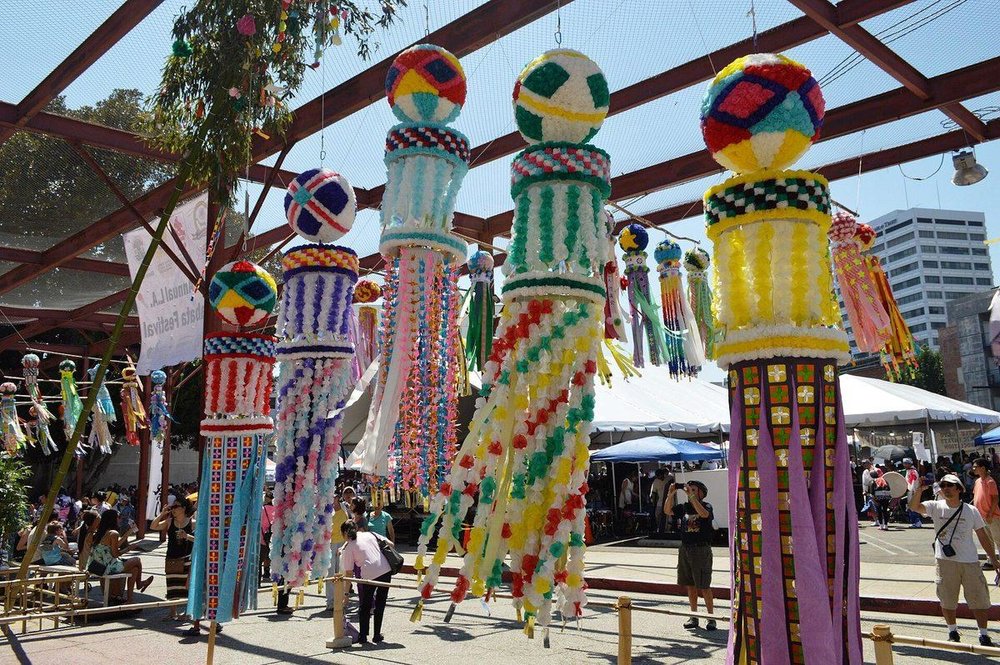
Caption: Tanabata Little Tokyo | Image credit: Nandaro, CC BY-SA 4.0, via Wikimedia Commons
Tanabata, the Star Festival, falls on 7 July. The story goes that two stars, Orihime and Hikoboshi, are separated by the Milky Way and only meet once a year. People write wishes on tanzaku (small paper strips) and tie them to bamboo branches.
For Tanabata Tokyo style, head to the Shitamachi Tanabata Matsuri on Kappabashi-dori in Asakusa. It runs for several days around the date, with decorations along the street and parades and stage shows on the weekend. You'll also spot bamboo wish trees in shrines and shopping centres across the city. Spending the day in Asakusa? Our Asakusa guide by locals covers where to wander and eat nearby.
- Entry: free to stroll the street
- Address: Kappabashi-dori, Taito City
- Getting there: a short walk from Asakusa Station
Hozuki Market at Senso-ji (9-10 July)
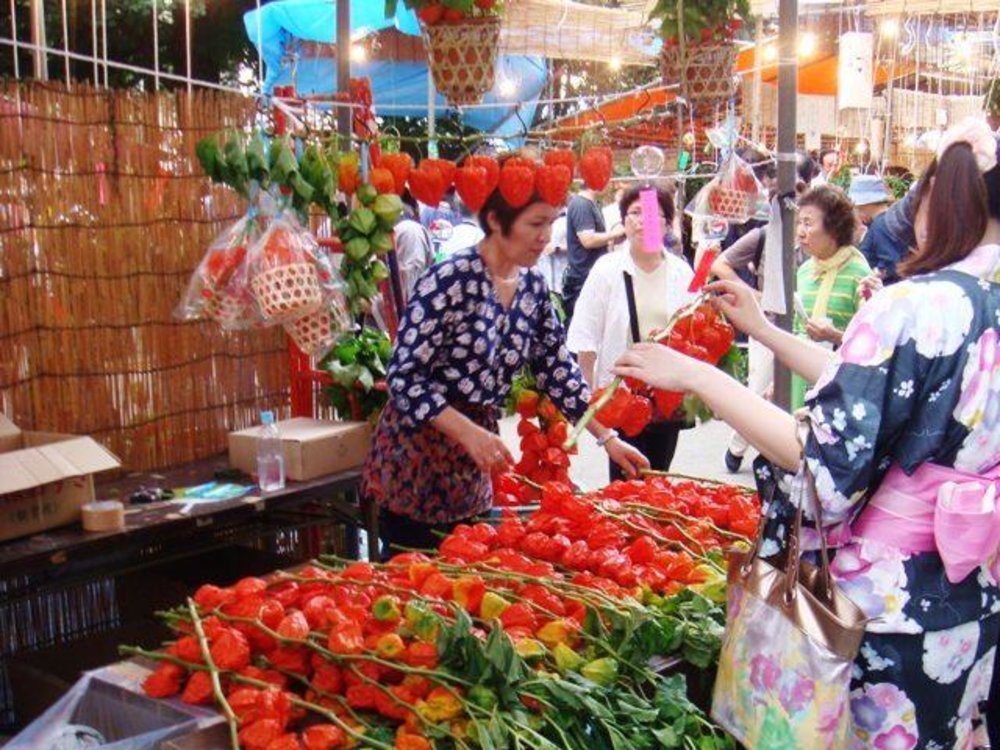
Caption: Hozuki Fair, Asakusa | Image credit: Shoestring at wts wikivoyage, CC BY-SA 4.0, via Wikimedia Commons
The Hozuki Market Senso-ji hosts is one of Asakusa's most colourful days. Hozuki are Chinese lantern plants with bright orange, papery pods, and over 100 stalls fill the temple grounds selling them in pots. Wind chimes ring overhead, and plenty of people turn up in yukata (light cotton summer kimono).
Both days are said to count for 46,000 days' worth of prayers, which is why the temple gets so crowded. Come in the morning if you want space to browse. If you'd like to dress the part, an Asakusa yukata rental starts from HK$145 and puts you a few minutes from the gates. The shop provides yukata between 1 June and 15 September, so July is covered.
- Entry: free
- Address: 2-3-1 Asakusa, Taito City
- Getting there: a 3-minute walk from Asakusa Station (Ginza Line, Asakusa Line, Tsukuba Express)
Mitama Matsuri at Yasukuni Shrine (13-16 July)
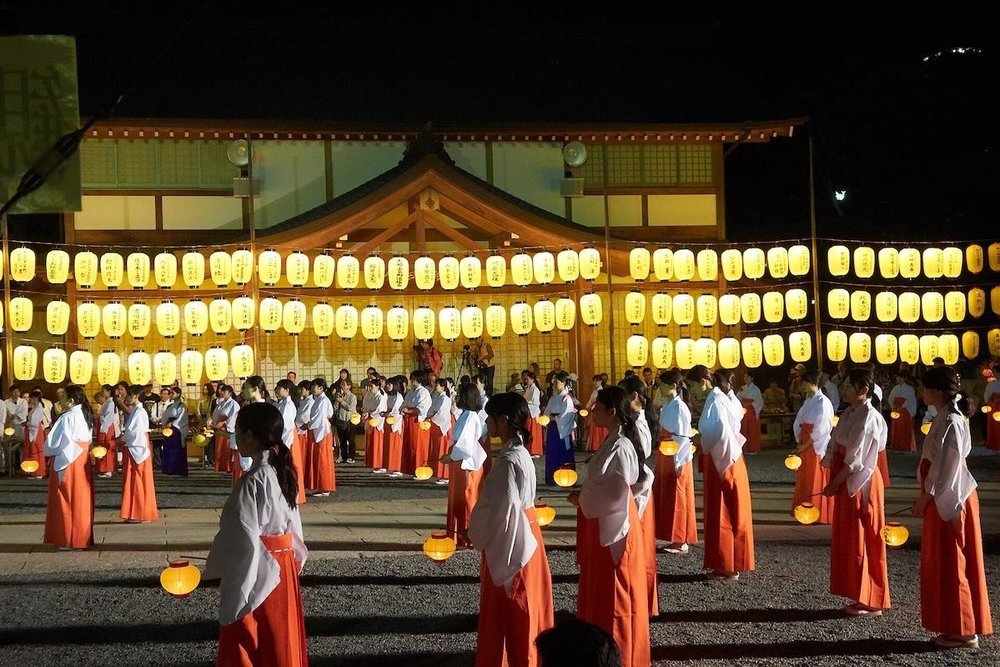
Caption: Celuici, CC BY-SA 3.0, via Wikimedia Commons
After dark, the grounds of Yasukuni Shrine glow with more than 30,000 lanterns. About 10,000 large ones line the approach and another 20,000 smaller ones hang inside. The lights come on around 6pm and stay lit until about 9.30pm.
Mitama Matsuri is an Obon festival that honours the spirits of the dead, so the mood is more reflective than rowdy, even with food stalls around. Past years have also included mikoshi (portable shrine) processions, Aomori Nebuta floats and Awa Odori dancing. It's held in light rain, and it draws around 300,000 people, so aim for a weekday evening.
- Entry: free to walk the grounds
- Address: 3-1-1 Kudan-kita, Chiyoda City
- Getting there: a short walk from Kudanshita Station
Sumida River Fireworks (last Saturday of July)
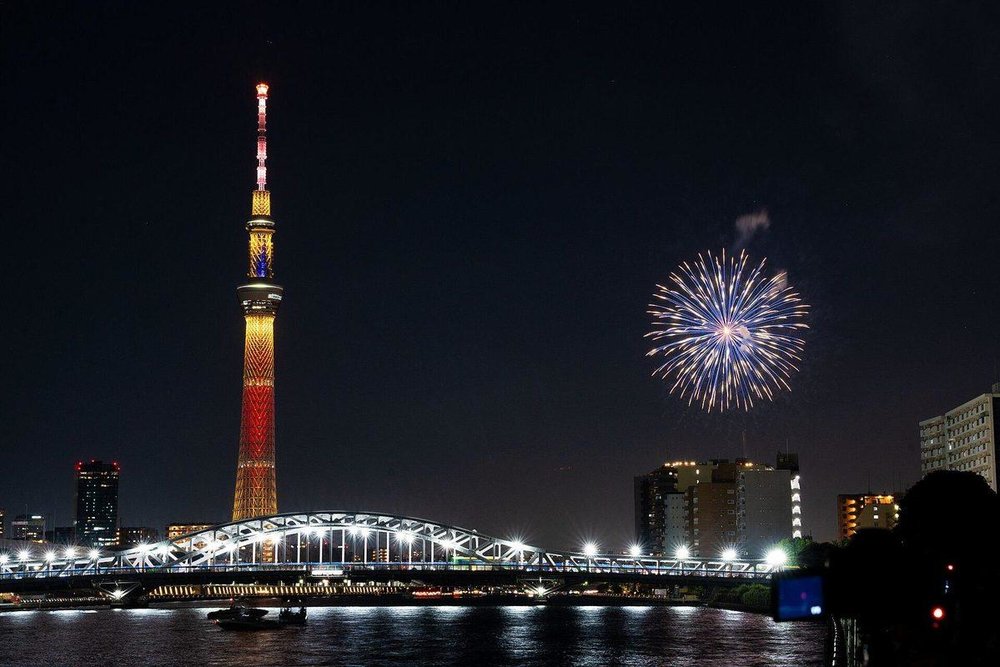
Caption: Sumida River Fireworks | Image credit: Dick Thomas Johnson from Tokyo, Japan, CC BY 2.0, via Wikimedia Commons
The Sumida River Fireworks are the headliner. Around 20,000 shells go up from two launch sites along the river near Asakusa, usually between 7pm and 8.30pm. The festival traces back to 1733, which makes it one of Tokyo's oldest summer traditions.
It always falls on the last Saturday of July, which is 31 July in 2027. Good viewing spots along the Sumida River fill up hours ahead, and over a million people turn out, so arrive early and pack water.
- Entry: free
- Where: both banks of the Sumida River near Asakusa
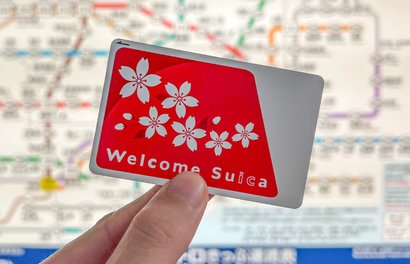
- Getting there: walk from Asakusa, Kuramae or Tokyo Skytree Station (expect street closures and crowd control on the day). A Suica or Pasmo card works much like Octopus on Tokyo's trains
Klook Tip: Wearing a yukata to the fireworks? Pick it up the day before so you're not rushing on a packed Saturday.
Mt. Fuji climbing season (July to early September)
The official Mt. Fuji climbing season opens in July, which makes it an easy add-on to Tokyo in July if you're up for a hike. Most climbers start from Mt. Fuji 5th Station. Here's the quick version, based on the 2026 season:
- Trail opening: the Yoshida and Subashiri trails opened on 1 July, and the Fujinomiya and Gotemba trails followed on 10 July. All four close on 10 September, and snow or weather can push dates back.
- Climbing fee: ¥4,000 (about HK$190) per hiker on all four trails. Mountain huts are booked and paid for separately.
- Hiker limits: the Yoshida Trail caps entry at 4,000 climbers a day, and its gate is closed between 2pm and 3am.
- Getting there: the 5th Station is a bus ride from Tokyo.
These rules change every year, so check the official Mt. Fuji climbing site for the 2027 details before you book.
Klook Tip: Huts book out fast. Lock in your climb dates first, then plan your Tokyo days around them.
Beat the heat: practical tips for Tokyo in July
Tokyo heat is real, but it's very manageable once you adjust your day. Locals do it every year, and the same tricks work for you.
- Drink early and often. Vending machines and convenience stores are on almost every block, so carry a bottle and refill it before you feel thirsty.
- Watch for heatstroke alerts. Japan issues official heatstroke alerts on the hottest days. If one is active, move your outdoor plans indoors and take it easy.
- Sightsee early and late. Do temples, parks and markets in the morning or after 5pm. Save the 12pm to 4pm stretch for lunch, museums and air-conditioned shops.
- Pack like a local. Light, breathable clothes, a hat, sunscreen, a small towel and a handheld fan make a big difference. A compact umbrella earns its space too, for rain in early July and sun later on.
Cool-down ideas: beer gardens, river cruises and indoor stops
Tokyo beer gardens are the classic reward after a hot day. Many department stores and hotels open rooftop beer gardens for the summer, with cold drinks, grilled food and city views once the sun drops. Go early in the evening if you want a good table.
For a breeze, get out on the water. A yakatabune dinner cruise costs HK$781 and takes you across Tokyo Bay on a traditional Edo-style houseboat. The price covers a sukiyaki dinner, unlimited soft drinks and a live music performance, with views of Odaiba and the Rainbow Bridge. Alcohol costs extra, at around ¥500 a can. The sukiyaki is beef by default; you can request pork or a vegetarian version 3 days ahead.
Klook Tip: Arrive at Etchujima Pier 15 minutes before departure. Shoes come off before you enter the cabin.
When the afternoon gets too hot, duck inside. Museums, aquariums, department store food halls and the underground shopping streets around the big stations all have strong air-con, and they fill the midday gap nicely.
FAQs about Tokyo in July
Is July a good time to visit Tokyo?
Yes, especially if you love festivals. July has flower markets, lantern-lit shrines, fireworks and the start of the Mt. Fuji climbing season, and most of the festivals are free to enter. The trade-off is the weather: early July is rainy and the rest of the month is hot and sticky. Late July is also busier because schools break for summer.
How hot is Tokyo in July?
Tokyo weather in July averages a high of about 30°C and an overnight low of around 23°C. Humidity sits near 75%, so it feels hotter than the number suggests. After the rainy season ends, 35°C days are common, so plan outdoor sightseeing for mornings and evenings.
When does the rainy season end in Tokyo?
The average end date for the Tokyo area is around 19 July. In recent years it has ended somewhere around 18 to 22 July, so there's no fixed date. Pack a compact umbrella for the first half of the month, and expect the heat to jump quickly once the rain stops.
When is the Sumida River Fireworks Festival?
The Sumida River Fireworks Festival is held on the last Saturday of July, which is 31 July in 2027. The show usually runs between 7pm and 8.30pm with around 20,000 fireworks, and it's free to watch. Arrive early, because the best riverside spots fill up hours before the first shell.
What festivals are held in Tokyo in July?
The big ones follow a neat calendar. The Iriya morning glory festival runs 6-8 July, Tanabata falls on 7 July, and the Hozuki Market at Senso-ji is on 9-10 July. Mitama Matsuri lights up Yasukuni Shrine on 13-16 July, and the Sumida River Fireworks close out the month.
When does Mt. Fuji climbing season start?
The official season starts in early July. In 2026, the Yoshida and Subashiri trails opened on 1 July and the Fujinomiya and Gotemba trails opened on 10 July, with all four closing on 10 September. The 2026 fee was ¥4,000 (about HK$190), so check the official climbing site for the exact 2027 dates, fee and daily limits before you book.
What should you wear in Tokyo in July?
Go light and breathable. Cotton, linen and quick-dry fabrics work best, along with comfortable walking shoes, a hat and sunscreen. Bring a thin rain jacket for early July and a light layer for chilly air-con indoors. If you're heading up Mt. Fuji, pack warm layers too, since the summit stays cold even in summer.
Ready for Tokyo in July?
That's Tokyo in July: damp at the start, scorching by the end, and full of reasons to stay out late. Pick a festival or two, save the afternoons for air-con, and build the rest of your trip around your dates. Ready to lock in the fun parts? Book your yukata, cruise and Fuji plans early, and check our Japan travel guide for more ideas.
More Tokyo travel guides for you

What is Klook?
Klook is a leading pan-regional experiences platform in Asia Pacific, purpose built to digitalize experiences and make them accessible to every traveler.
Our mission is to build the digital infrastructure for the global experience economy — empowering merchants to share their passions and travelers to discover the heartbeat of each destination. We operate a mobile-first, curated platform featuring diverse experiences across global destinations.