
Planning a trip to Vietnam is exciting until you realise the country stretches over 1,600 kilometres from top to bottom. That's roughly the distance from London to Rome! With so much ground to cover, figuring out the Vietnam regions and which one suits you best can feel a little overwhelming.
Good thing we’ve got you covered! You just need to figure out whether you want misty mountains, ancient temples, or beach sunsets, and then we’ll help you decide which region to go to.
In this guide, we’ll break down North vs Central vs South Vietnam so you can stop second-guessing and start packing. 🇻🇳
🏔️ North Vietnam
North Vietnam is where you’ll find those limestone peaks, winding mountain roads, and cities that move at their own frantic yet charming rhythm. It’s a region that feels a bit more traditional compared to the south, and that’s precisely what makes this place memorable.
The best time to visit North Vietnam is October to April, when the weather is cooler and much more comfortable for exploring, especially if you’re planning long days on your feet or trekking in the mountains. Summers (May to September) bring heavy rain and occasional typhoons, though Sapa in the highlands can be beautifully lush and green during this period.
Top places to visit in North Vietnam
Hanoi
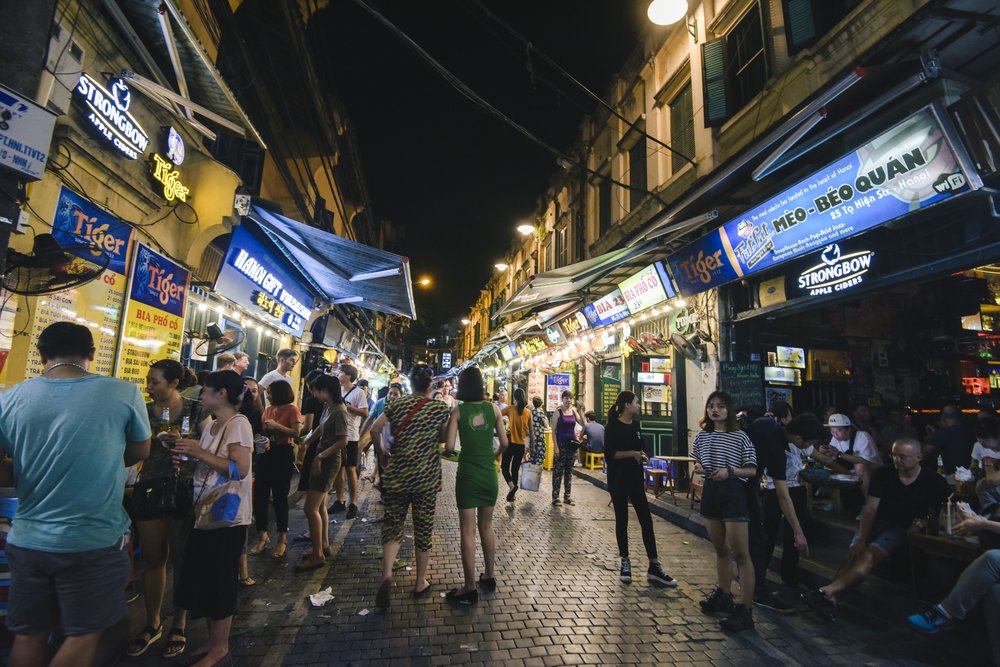
Experience the energy of Hanoi's Old Quarter, where every corner offers a new food discovery or sight to see
Hanoi, Vietnam’s lively capital, should definitely be in your itinerary if you’re planning to visit North Vietnam. The Hanoi Old Quarter is where most travellers pitch up, with narrow streets packed with food stalls, cafés, and tiny shops. It’s easy to lose a few hours just wandering about, stopping for a snack or a quick brew.
Do try an egg coffee at a local café, watch the sea of motorbikes swirl around you, and take a breather by Hoan Kiem Lake.
If you’ve got one whole day to spare, go on a Hanoi City day tour and visit historic landmarks like Tran Quoc Pagoda and the Temple of Literature in just one day!
Ha Long Bay
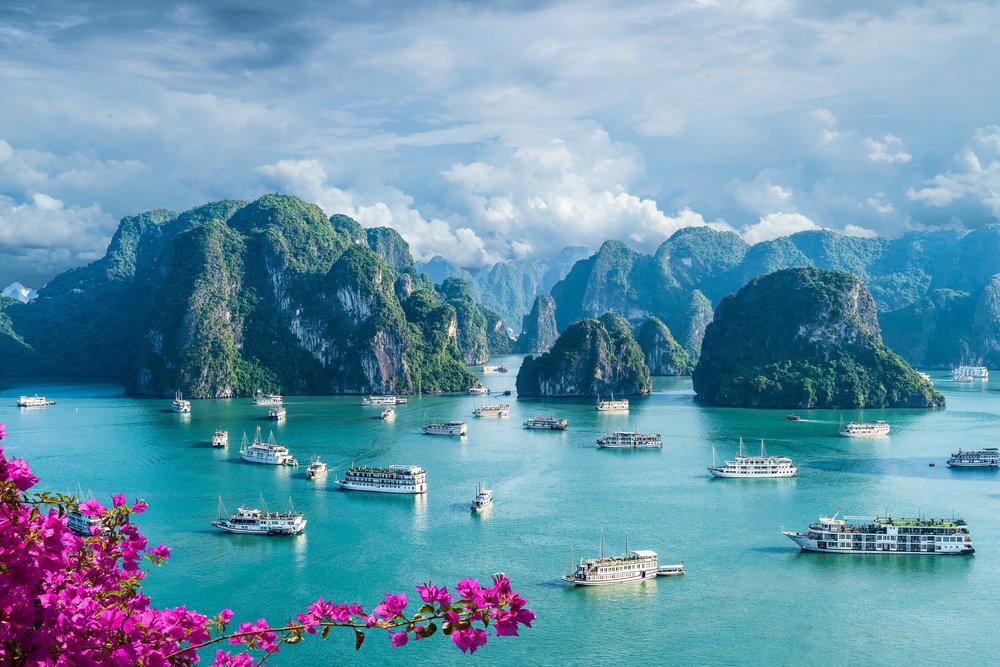
The iconic limestone islands of Ha Long Bay are a world-famous sight that absolutely lives up to the traveller's hype!
One of the most iconic sights in Southeast Asia, Ha Long Bay is one of those spots that actually lives up to the hype. The limestone islands scattered across the water create a landscape unlike anywhere else in Vietnam. You can go on a Ha Long Bay half-day trip to experience the place without spending the night.
Sapa
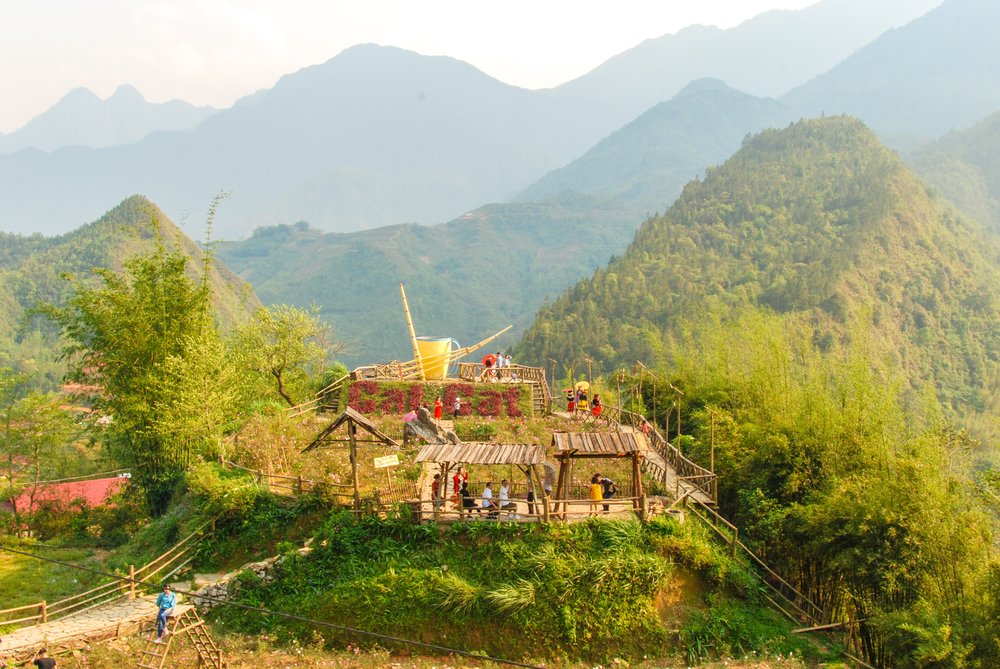
The cool mountains of Sapa are perfect for trekking through vast, layered rice fields and meeting local communities
Up in the mountains of Sapa, the air is crisp and the views stretch across layered rice terraces and remote villages. Trekking is the main draw here, and it’s worth a go even if you aren’t a seasoned hiker. You’ll walk through local communities, get a glimpse of daily life, and see parts of Vietnam that feel relatively untouched.
For something a little different, book the Sapa Instagram tour, so you can stroll through the charming Cat Cat Village with a thrilling alpine roller coaster ride and the most Instagrammable spots in the area.
Local food in North Vietnam
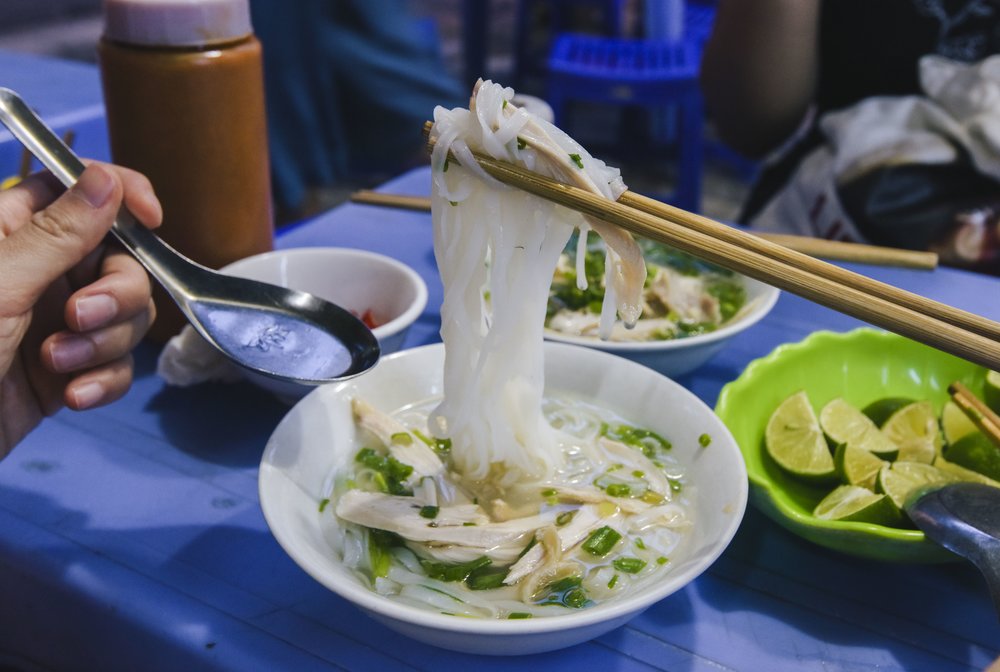
Pho is a must-try in North Vietnam; grab a bowl from a street cart in Hanoi for the most authentic experience.
North Vietnamese food is known for being lighter and more subtle in flavour. We recommend trying:
• Pho: The iconic noodle soup that the whole world's obsessed with. Try it from a street cart in Hanoi for the real deal!
• Bun Cha: Grilled pork served with vermicelli noodles and dipping sauce
• Banh Cuon: Steamed rice rolls filled with pork and mushrooms, served with a delicate dipping sauce
🏛️ Central Vietnam
If you’re looking for the cultural soul of the country, Central Vietnam is the place for you! This region is a beautiful mix of old imperial history, world-famous heritage sites, and some of the most beautiful beaches in Southeast Asia. It’s a great middle ground if you want to see history and relax without having to rush between extremes.
To make the most of those beach days, aim to visit between February and August when you'll get the most sunshine. The rainy season is usually from September to January, and while flooding can happen around Hoi An, don't let that completely scare you off! Even during the shoulder months, the region remains gorgeous and much less crowded.
Top places to visit in Central Vietnam
Da Nang

Don't miss the Dragon Bridge light show in Da Nang at the weekend—it actually spits fire and water over the river!
This lively coastal city, Da Nang, is far more than just a beach city. You’ve got good food, easy access to the Marble Mountains, and it’s a great base for trips to Hue and Hoi An. If you’re around on the weekend, head to the Dragon Bridge at night; it actually breathes fire and water, which is fun to see in person!
For the best view of the Dragon Bridge show and the city lights, why not treat yourself to a Han River evening cruise?
Hoi An
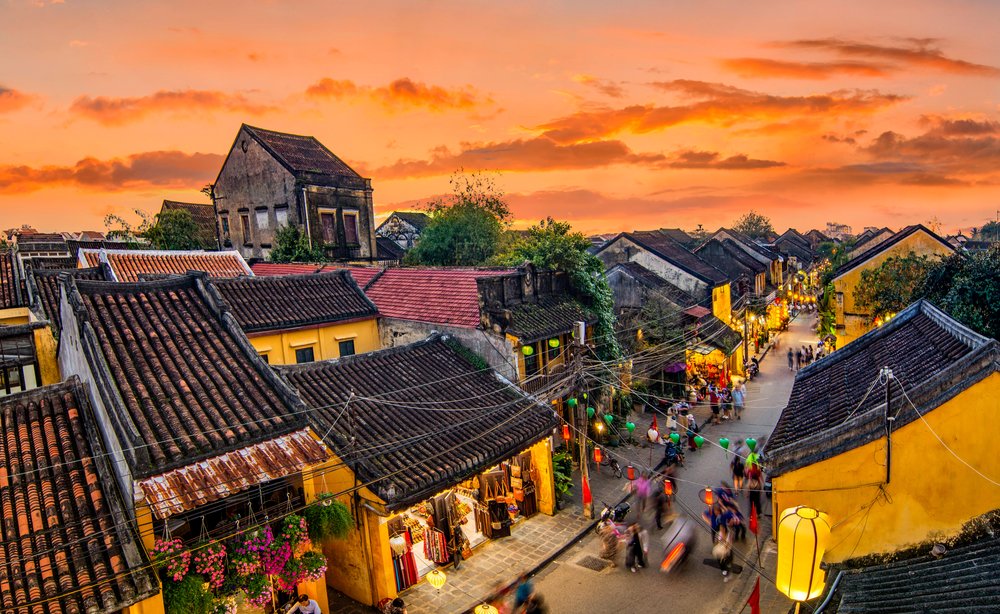
Hoi An's lantern-lit streets and traditional architecture make it one of the most charming towns in all of Asia.
Considered by many to be one of the prettiest towns in Asia, Hoi An is truly something special. Expect streets glowing with lanterns, master tailors on every corner ready to whip up a bespoke suit in a flash, and a distinctive feel that you’ll immediately fall for.
Be sure to wander across the iconic Japanese Covered Bridge, spend time exploring the historic old town, and sample plenty of the wonderful local food on offer, like cao lau!
Klook Tip: If you’re looking for a stress-free way to see the best of the region, we suggest booking a private tour of Hoi An. It’s a brilliant way to explore at your own speed with a local driver, taking you from the Marble Mountains straight to the ancient town.
Hue
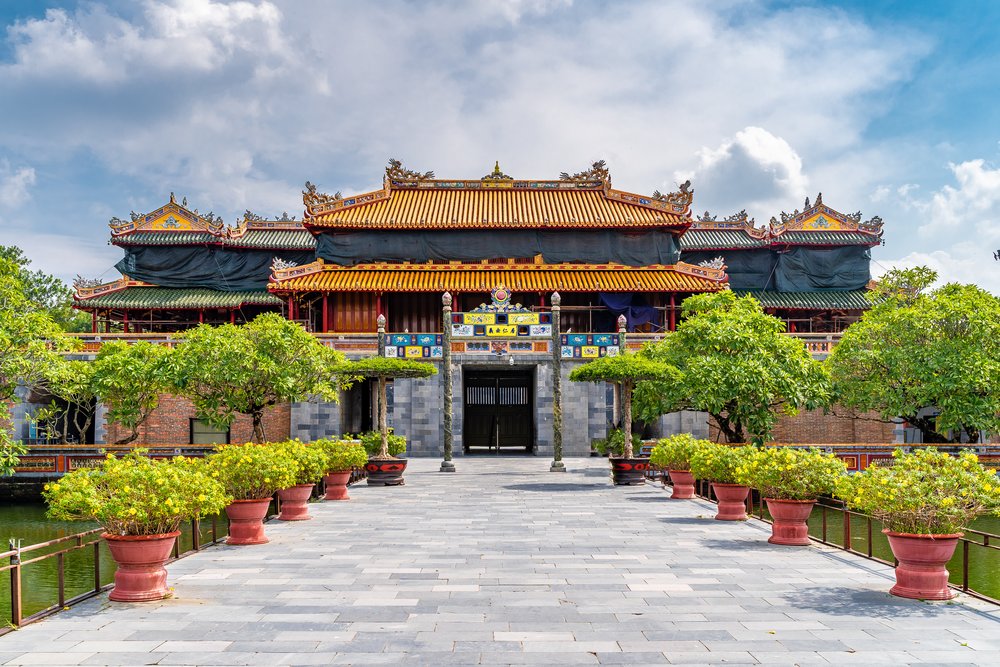
Explore the history of Vietnam’s former imperial capital at Hue’s peaceful walled citadel and grand royal tombs.
With its old walled citadel, grand royal tombs, and decorated pagodas, Hue gives you a brilliant look into the nation’s past. It’s definitely quieter than Hoi An but every bit as worthwhile for a few days of sightseeing. It's an excellent stop if you want to swap the crowds for a bit of reflection.
To make sure you don't miss the must-sees, consider a Hue full-day tour so you can explore the city's highlights, like the Hue Imperial Citadel!
Local food in Central Vietnam
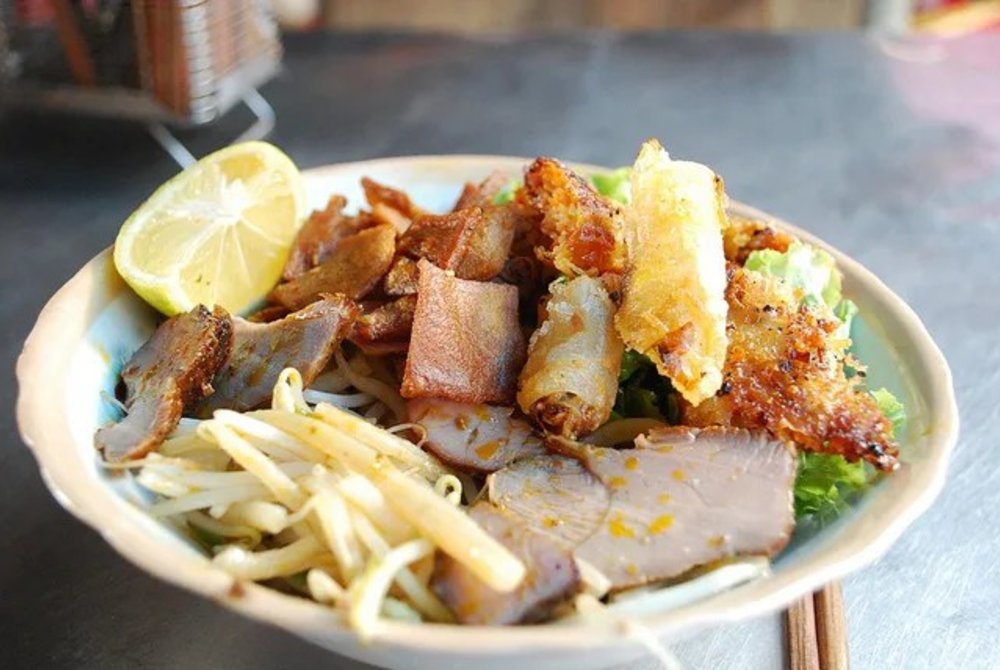
Hoi An Noodles (Cao lầu)
Food from Central Vietnam is generally more powerful and spicier than the dishes you find further north, a nod to its history with royalty. Some local dishes include:
• Cao Lau: This dish is exclusive to Hoi An. It’s made with fat noodles, slices of pork, and crunchy croutons in a wonderfully flavourful, reduced broth. It's a genuine local specialty you have to try.
• Bun Bo Hue: A fiery beef noodle soup that comes from Hue. If you like a bit of heat, this bowl of goodness makes regular pho seem a bit tame.
• Banh Mi: While you can grab this famous sandwich anywhere across Vietnam, many reckon Hoi An serves up the absolute best banh mi in the country
🌴 South Vietnam
South Vietnam gives you that big-city excitement, proper tropical island holidays, and boat trips along the vast Mekong Delta all rolled into one memorable trip.
For the best weather, plan your visit between November and April. This is the dry season, so you’ll get lots of sunshine and clear skies. From May to October, you’ll still get warm days, but with short, heavy showers in the afternoon. They don’t usually last long, so you can still get out and enjoy your day.
Top places to visit in South Vietnam
Ho Chi Minh City
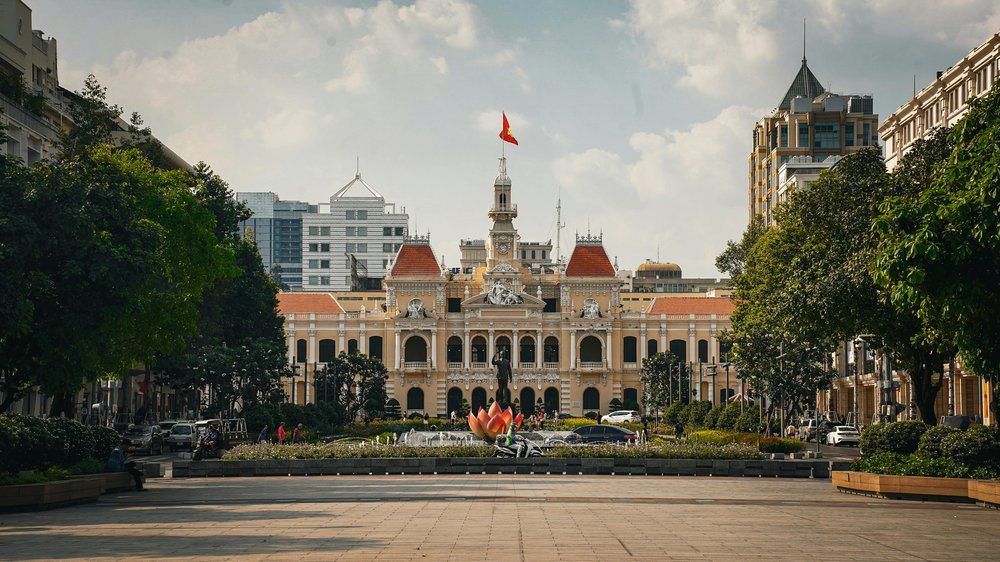
The bustling streets and towering buildings of Ho Chi Minh City capture the fast-paced, energetic spirit of the South | Photo by LUC1US on Pexels
You’ll likely hear people still call it Saigon, and once you arrive, you’ll see why. Ho Chi Minh City is busy, energetic, and always on the go. If you’re interested in history, head to the War Remnants Museum for a closer look at Vietnam’s past. You can also visit the Cu Chi Tunnels just outside the city to understand how people lived during the war.
Nha Trang
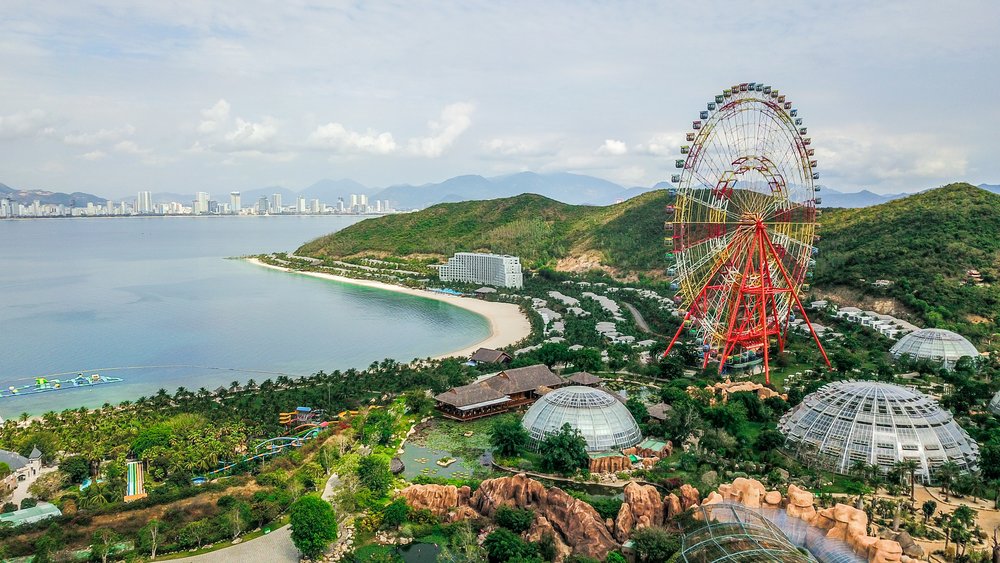
Nha Trang is a brilliant city for a classic seaside holiday, featuring great beaches and plenty of boat trips
Nha Trang is a famous coastal resort city where you'll find blue waters, plenty of boat trips for island hopping, and a buzzing seafood dining scene. It’s a perfect spot if you’re looking to tick off the classic Vietnam beach holiday with everything conveniently laid on.
To get out on the water, you can easily book a Nha Trang island-hopping trip to places like Mun Island and Tranh Beach to enjoy the best swimming and snorkelling spots.
Phu Quoc
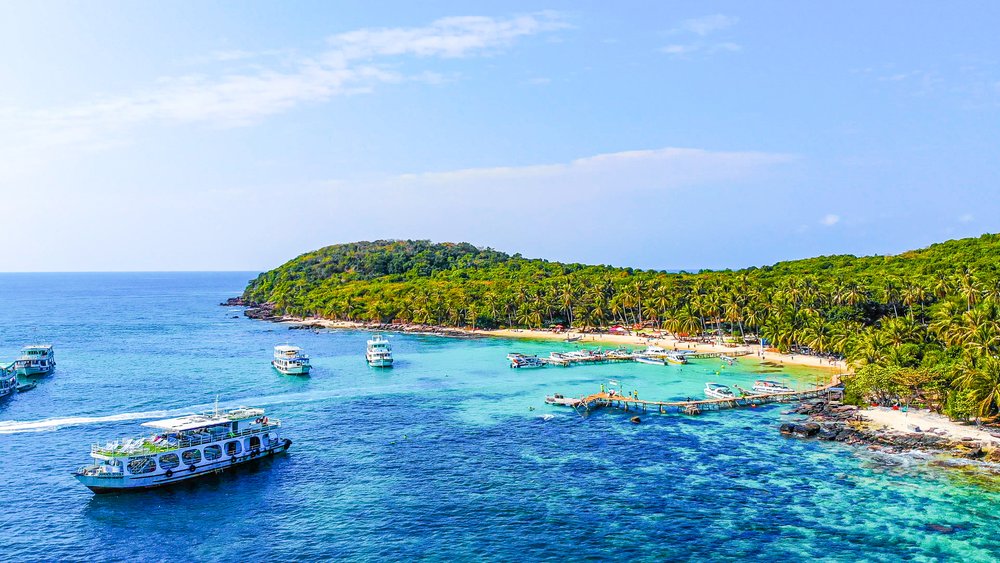
Head to Phu Quoc for a proper tropical island retreat with calm seas and long stretches of white sand
Phu Quoc, Vietnam’s biggest island, is where you go when you want a retreat. Here, you can expect calm seas, stretches of white-sand beaches, sunset spots for a late-afternoon pint, and a developing high-end resort scene.
If you want to discover the best swimming and snorkelling spots, you can spend a day island-hopping in Phu Quoc to places like Fingernail, Dam Ngang, and May Rut islands.
Mekong Delta
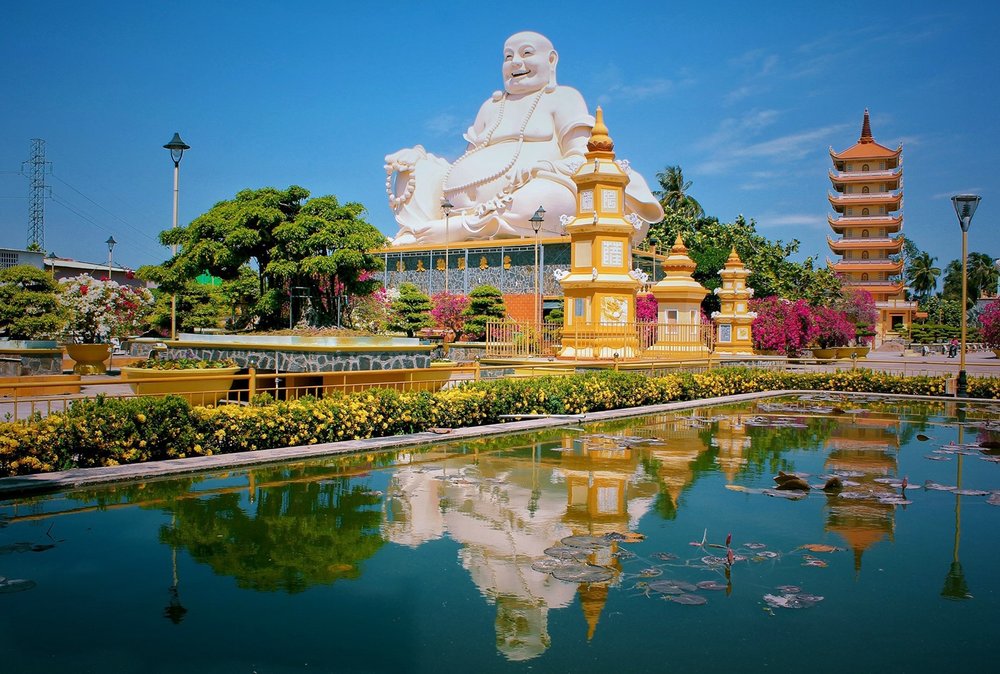
Experience the unique waterway system of the Mekong Delta, often called the "rice bowl" of Vietnam
Often called the ‘rice bowl’ of Vietnam, Mekong Delta / Can Tho is a massive river network that is a world away from the busy cities. Hop aboard a small boat to weave your way through floating markets, green rice fields, and villages built right onto the water. A full-day tour to the Mekong Delta is a brilliant way to spend a day and see this unique slice of Vietnamese life.
Local food in South Vietnam
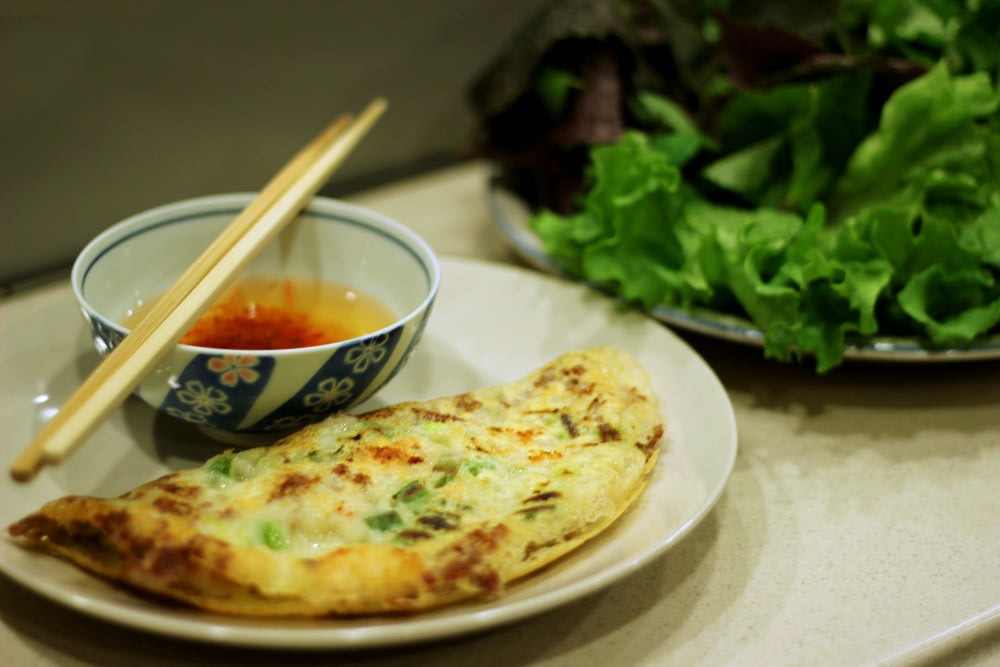
A plate of banh xeo with nuoc cham dipping sauce | Photo from Vivian D Nguyen on Wikimedia
The food down south is sweeter and uses more fresh herbs than in the north, which is all down to the tropical weather and the many different cultures living here.
• Banh Xeo: These sizzling, golden pancakes are famously crunchy and come packed with prawns, pork, and fresh bean sprouts. The traditional way to eat them is to wrap a piece in rice paper with fresh herbs and dunk it into the nuoc cham dipping sauce.
• Hu Tieu: A popular breakfast dish in Ho Chi Minh City, this is a light, clear noodle soup that is often topped with pork and seafood. It's perfectly refreshing for a hot morning.
• Fresh fruits (mangosteen, rambutan, & more!): Because of the climate, the south grows fantastic fruit. Make sure you visit a local market to try the lot, from mangosteen and dragon fruit to rambutan.
FAQs
Which is better, North, Central, or South Vietnam?
Honestly, when it comes to north vs central vs south Vietnam, there's no wrong answer, as it really depends on what you're after. If you love nature, landscapes and deep culture, the north is your pick. If history and beach towns are your thing, central Vietnam hits the sweet spot. South Vietnam wins for city energy, island getaways, and river adventures.
Which region of Vietnam is best for first-time visitors?
When thinking about where to go in Vietnam first time, the classic route combines Hanoi in the north, Hoi An in the centre, and Ho Chi Minh City in the south.
How do weather and seasons vary across North, Central, and South Vietnam?
Vietnam's climate varies quite a bit across its three Vietnamese regions. The north has four distinct seasons, with cool winters (November to March) and hot, humid summers.
Central Vietnam gets the most rain from September to January, while its summer months are long, sunny, and warm.
The south is tropical year-round, with a clear dry season from November to April and a wet season the rest of the year. Because of these differences, Vietnam can actually be visited any time, you just need to know which part to head to for your travel dates!
What types of experiences is each region best known for?
When comparing north vs central vs south Vietnam by experience type, the regions each shine in their own way. The north is famous for its landscapes (Ha Long Bay, Sapa terraces), cooler temperatures, and rich cultural history.
The centre is where you go for UNESCO World Heritage Sites, royal history, and beautiful beach towns like Hoi An.
The south has world-class city travel in Ho Chi Minh City, tropical island escapes in Phu Quoc, and the unique magic of the Mekong Delta. If adventure, culture, beaches, and city life are all on your list, Vietnam north to south (or south to north) is the ultimate itinerary.
Should I travel to Vietnam north to south or south to north?
Both directions work brilliantly, and the Vietnam north-to-south or south-to-north debate mostly comes down to your flights.
Many UK travellers fly into Hanoi and out of Ho Chi Minh City (or vice versa) for a one-way route that avoids doubling back. Flying into Hanoi first gives you cooler weather to start, while starting in Ho Chi Minh City puts you straight into the heat and energy of the south. Either way, domestic flights between cities are cheap and fast, so don't stress too much about the direction and just go!
Which Vietnam region suits you best?
And if you’re still not sure which part of Vietnam to go to, here’s your cheat sheet!
If you love adventure and the outdoors: Head to North Vietnam. Trek Sapa's rice terraces, cruise Ha Long Bay, and lose yourself in landscapes that look straight out of a fantasy film.
If you're a foodie: You'll want to eat your way through all three regions, but Central Vietnam takes the crown with its royal cuisine and the legendary banh mi of Hoi An.
If you want a beach holiday: Go South. Phu Quoc and Nha Trang have the white sand, clear water, and sundowner vibes you're after.
If you love city energy and nightlife: Ho Chi Minh City in the south is your base. It's loud, fast, delicious, and completely addictive.
If you're travelling with family: Central Vietnam keeps the whole family happy with calm beaches, easy culture, and kid-friendly activities in Da Nang and Hoi An
More Vietnam guides for you ✨
What is Klook?
Klook is a leading pan-regional experiences platform in Asia Pacific, purpose built to digitalize experiences and make them accessible to every traveler.
Our mission is to build the digital infrastructure for the global experience economy — empowering merchants to share their passions and travelers to discover the heartbeat of each destination. We operate a mobile-first, curated platform featuring diverse experiences across global destinations.