

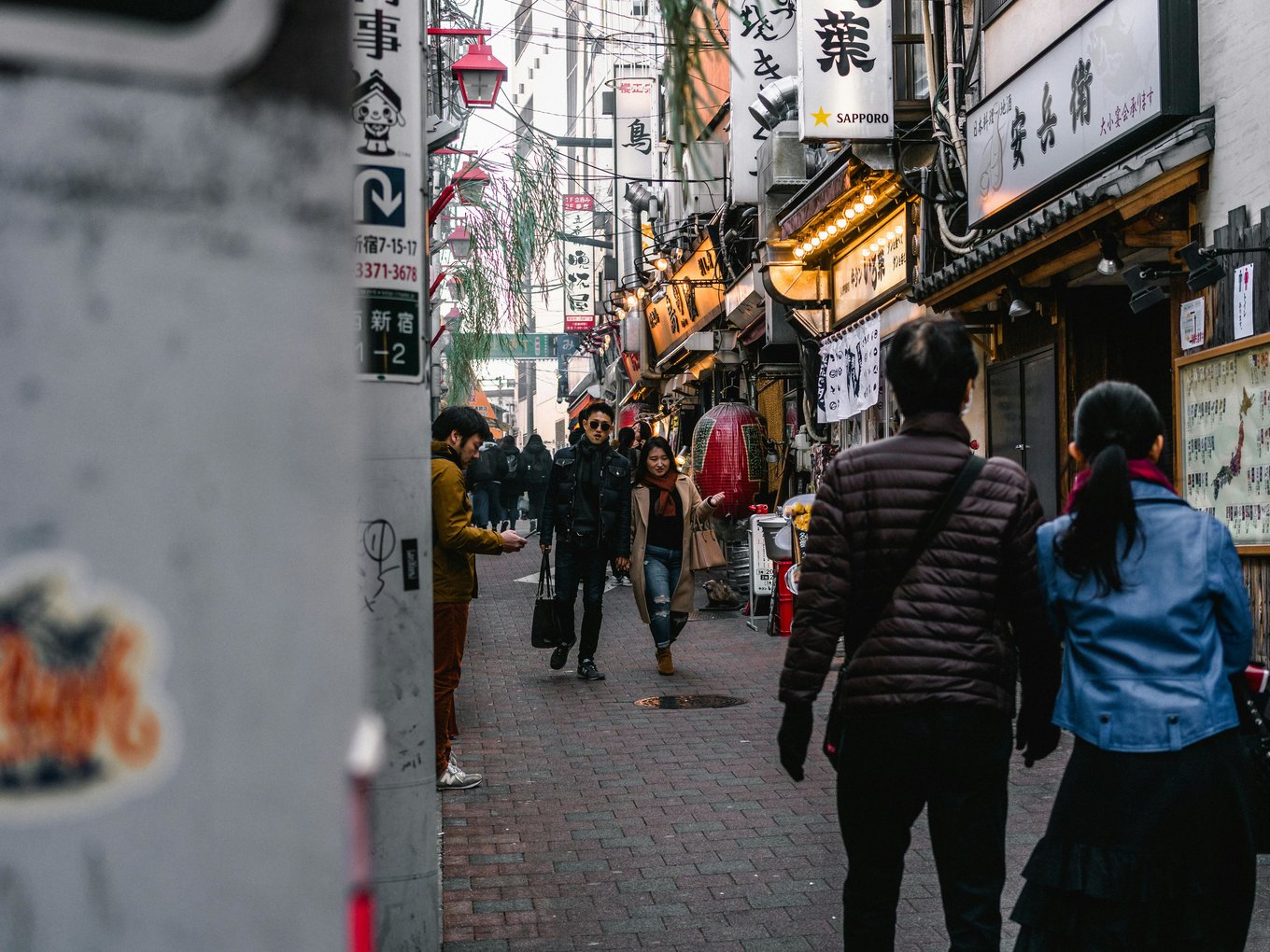
Planning your first trip to Japan is exciting. But, if you’re coming from the UK, it's usually a 12 to 14-hour flight, which means you want everything to go smoothly once you land. And thankfully, Japan makes a great first impression: trains run on time, the food is incredible, and even grabbing a snack from a convenience store feels like part of the experience.
But it's also a country with its own very specific rules and tricks, and first-timers often walk straight into the same mistakes. This guide covers the most common mistakes, plus practical Japan travel tips to help you avoid them and start your trip the right way!
❌ Buying pocket Wi-Fi at the airport
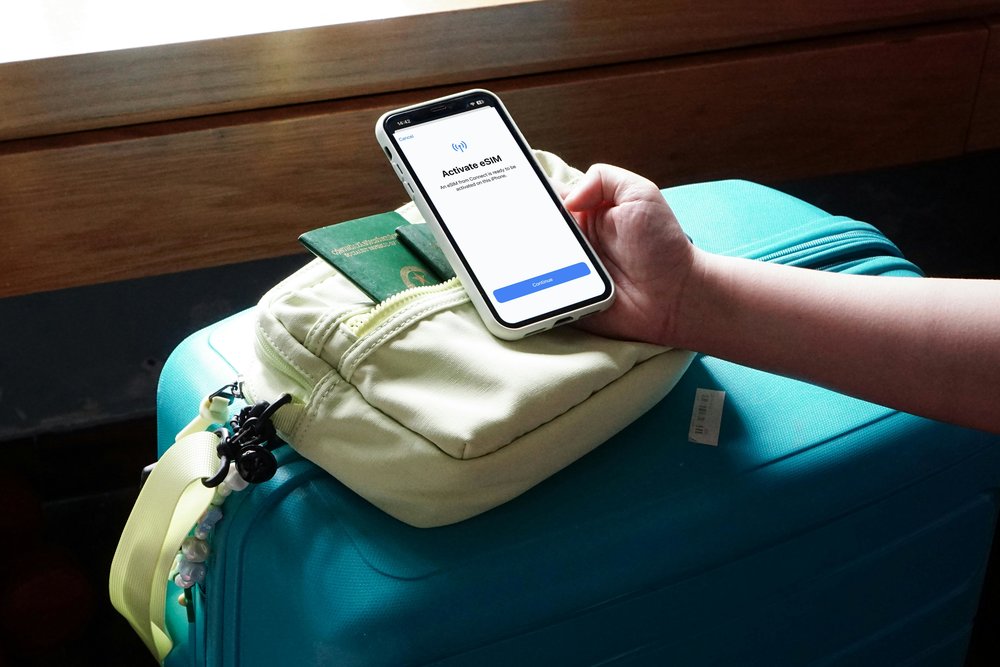
Activating eSIM | Photo Credits: Joey Tran on Pexels
It seems like a logical thing to sort on arrival, but airport Wi-Fi rental desks in Japan are almost always pricier than booking in advance. After a 12-hour-plus flight from the UK, the last thing you want is to stand in a queue to pick up a device you'll need to charge and bring for the entire trip.
A Japan eSIM is a far better choice. You activate it before you leave home, and the moment your plane lands, you're connected. This means no queueing, no extra hardware, no hassle. It's also way cheaper than airport rental rates, which can add up over a two-week holiday.
❌ Buying individual train tickets every time
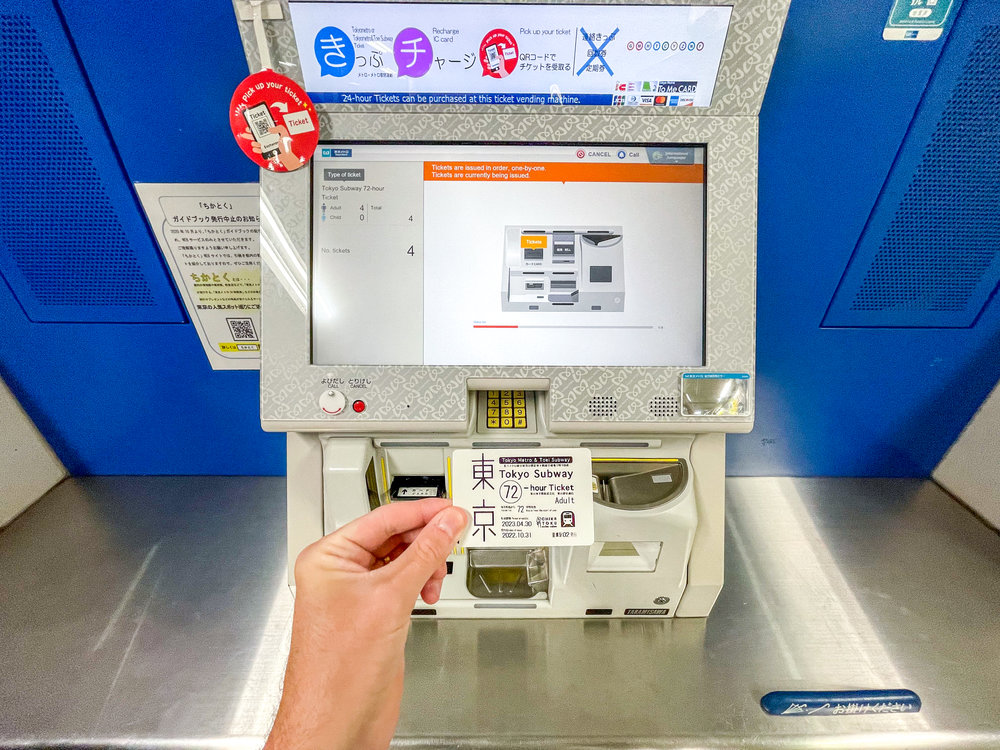
Tokyo Subway Pass
Japan's rail network is one of the best in the world, but buying a separate ticket for each journey quickly becomes a faff, and an expensive one. You'll be fumbling with the fare machines, holding up the queue, and spending more than you need to.
The sensible fix is a Suica card, a rechargeable IC card that works on almost all trains, buses, and metros in Japan. You can top it up at station machines and convenience stores like 7-Eleven and FamilyMart. Most machines have an English option, so you just select an amount, tap your card, and pay in cash.
If you’re mainly staying in Tokyo, a better option would be the Tokyo Subway Pass. It gives you unlimited rides for 1 to 3 days on the metro, and can work out cheaper than topping up a Suica.
❌ Trusting five-star Google reviews for Japan restaurants
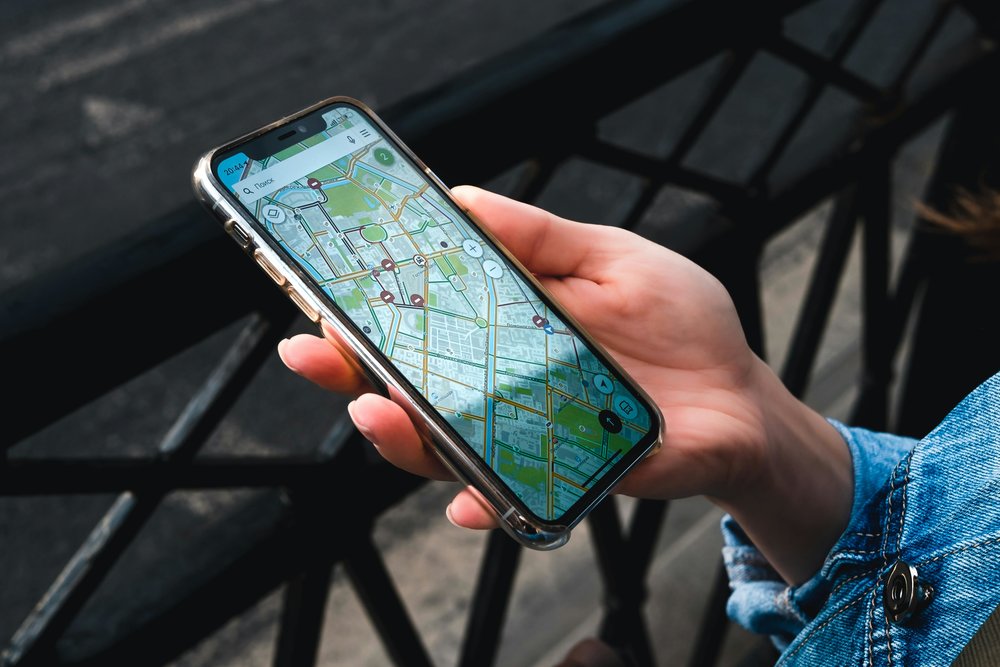
Finding restaurants in Japan | Photo Credits: Stanislav Kondratiev on Pexels
Google ratings in Japan are sometimes unreliable, especially near tourist hotspots. A lot of those glowing reviews come from visitors who don't know the local food scene, and some places actively inflate their scores.
That top-rated sushi spot near Asakusa? There's a decent chance it's charging tourist prices for a very average meal.
Japanese locals use Tabelog instead. It's the country's most trusted restaurant review app, and the ratings are much harder to game. A 3.5 on Tabelog is legitimately good; anything above 3.8 is worth going out of your way for.
❌ Flying into Narita Airport
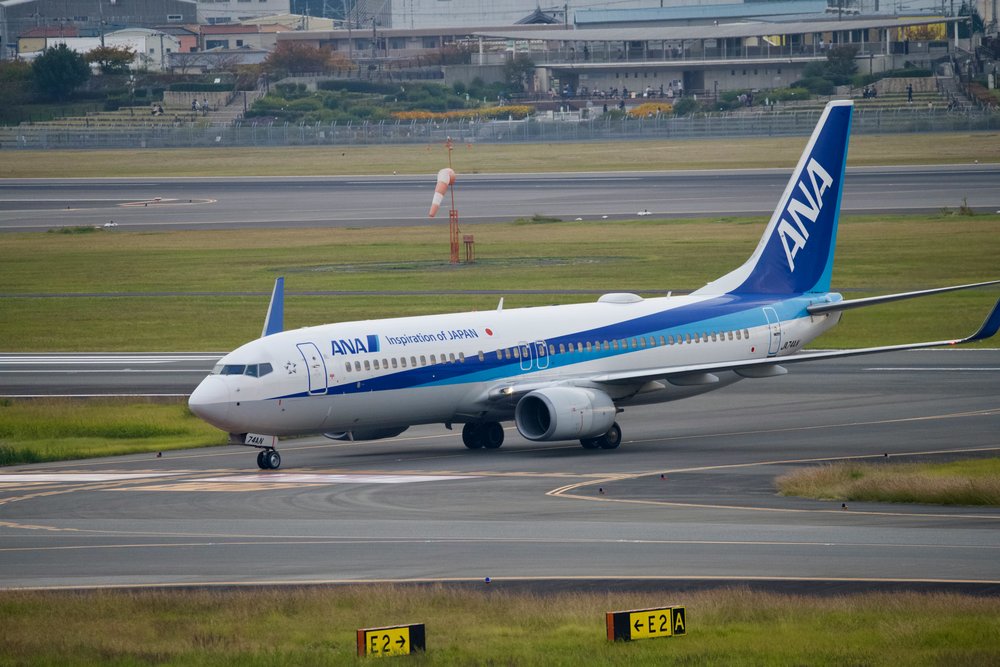
Ana airplane at Haneda airport | Photo Credits: Guohua Song on Pexels
Narita Airport is the airport most people associate with Tokyo, but it's a good 60 to 90 minutes from the city centre depending on your route. That's a painful transfer after a long-haul flight from the UK.
Haneda Airport is the much better option. It's only about 25 minutes from central Tokyo, and the transport links are excellent. British Airways, Japan Airlines, and ANA all operate direct routes from London into Haneda, so it's worth checking when you book your flights rather than defaulting to Narita.
If you do arrive at Haneda, the Haneda Airport Limousine Bus is a comfortable, stress-free way into the city with direct drop-offs at major hotels.
❌ Eating only at Japan chain restaurants
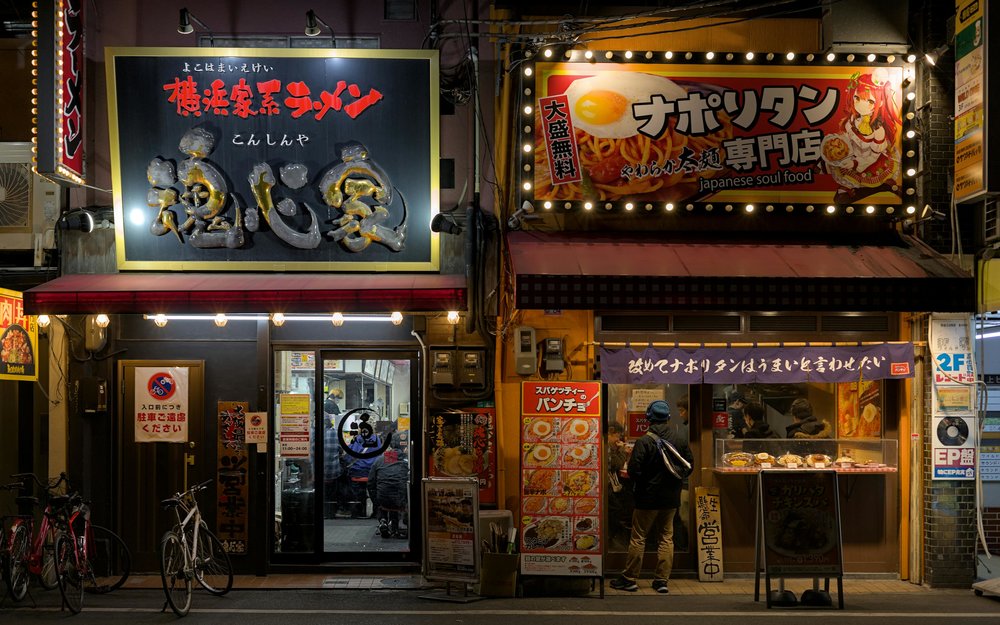
Izakayas in Japan | Photo Credits: Julien on Pexels
Japan's chain restaurants like Yoshinoya, Sukiya, and Matsuya are cheap and reliable, but leaning on them for every meal means missing out on what Japanese food is actually about. The best eats in Japan happens in small, local spots with handwritten menus, a few bar seats, and a chef who's been making the same dish for 20 years.
Izakayas are the perfect place to start. Think of them as Japanese gastropubs, you order a spread of small dishes alongside drinks. The food is almost always better value than anything aimed at tourists. They're where locals actually relax after work, and they're good fun.
If you're in Tokyo, try the Shinjuku Izakaya Crawl. It’s a guided evening through local bars and izakayas in one of the city's most lively neighbourhoods.
❌ Falling for "Kobe Beef" and "A5 Wagyu" on tourist menus
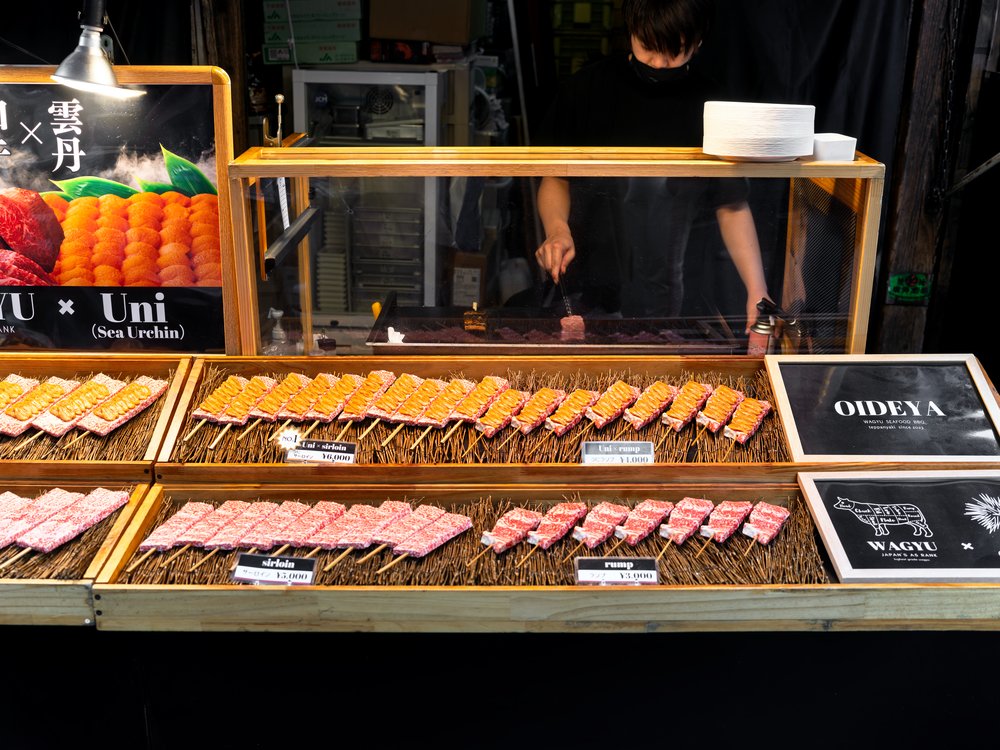
Wagyu beef at Tsukiji Market | Photo Credits: Dale Cruse on Flickr
You'll see these labels plastered across menus near every major tourist attraction in Japan, especially in Tsukiji Market. And while genuine Kobe beef and A5 wagyu do exist, the chances of that £15 wagyu burger being the real thing are slim to none.
If you want the real deal, go for proper yakiniku spots or book tasting experiences rather than street-side deals that look a bit too good to be true. Places like Yakiniku-Tei Rokkasen or Ginza VIP A5 Rank Wagyu Tour are a much safer bet for trying proper, authentic wagyu.
❌ Dragging a large suitcase onto rush-hour trains
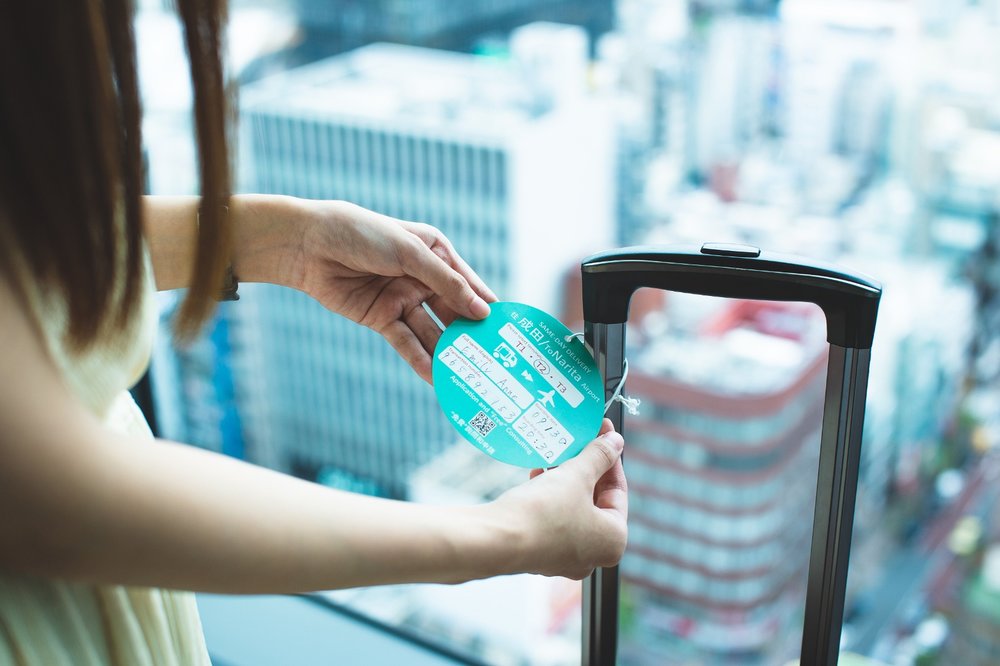
Luggage delivery service in Japan
This is one of the most common mistakes UK travellers make on their first time in Japan. Tokyo's major lines during rush hour (roughly 7:30 AM to 9:30 AM and 5:30 PM to 8 PM) are absolutely packed. Trying to squeeze a large wheeled suitcase into a full carriage makes you unpopular very quickly, and it makes for a miserable journey for everyone.
The solution Japan has had for years is a luggage forwarding service that sends your bags directly from one hotel to the next. They typically arrive the following morning, the cost is reasonable (usually a few hundred yen per bag), and you get to travel light on moving days.
Book a luggage delivery service in Tokyo and Osaka, and spare yourself the suitcase struggle!
FAQs about first time in Japan
What are some common mistakes that tourists make in Japan?
Common mistakes include not getting an eSIM before arrival, skipping a Suica card and buying single train tickets, and flying into Narita when Haneda is closer to central Tokyo. Many tourists also stick to chain restaurants instead of local spots, and drag large suitcases onto rush-hour trains instead of using luggage forwarding.
What is the 5-minute rule in Japan?
In Japan, being “on time” usually means being early. The 5-minute rule means arriving at least five minutes before meetings, tours, or reservations. Being late, even by a few minutes, is seen as disrespectful. It’s a simple habit that makes a big difference in how you’re perceived locally.
What are the do's and don'ts in Japan?
Do queue properly, take off your shoes indoors, carry cash, and keep your voice down on public transport. Don’t tip, as it’s not expected and can be seen as rude. Avoid eating while walking in most areas, and don’t stick chopsticks upright in rice, as it’s associated with funeral rituals.
What not to wear as a tourist in Japan?
There’s no strict dress code, but modest clothing is best for temples and shrines, covering shoulders and knees. Easy-to-remove shoes are also useful since you’ll take them off often. If visiting an onsen, check tattoo policies in advance as some still restrict entry.
Is it okay to eat while walking in Japan?
It depends on where you are. Eating right after buying street food is fine, but walking and eating through public or residential areas is considered bad manners. Most locals stop to finish their food before moving on, so it’s best to do the same.
More Japan travel guides for you
What is Klook?
Klook is a leading pan-regional experiences platform in Asia Pacific, purpose built to digitalize experiences and make them accessible to every traveler.
Our mission is to build the digital infrastructure for the global experience economy — empowering merchants to share their passions and travelers to discover the heartbeat of each destination. We operate a mobile-first, curated platform featuring diverse experiences across global destinations.