The UK isn't just one food culture, it's four. England, Scotland, Wales, and Northern Ireland each have their own signature dishes, shaped by local history and whatever the land (or sea) had to offer. If you're planning a trip, knowing what to eat and where is the best place to start."
From smoky haddock soups in Scotland to cheesy toasts in Wales, authentic British food tells the story of the people who made it and every bite is worth the journey. Get ready to explore four incredible regions and the must-try foods that make each one unforgettable!
📍England
English food is all about comfort and tradition, with golden pastries, slow-cooked stews, crispy batter puddings, and filling meals. From the coastlines of Cornwall to the lively streets of London, every region has its own signature dish, and they're all worth tracking down.
1. The Cornish Pasty
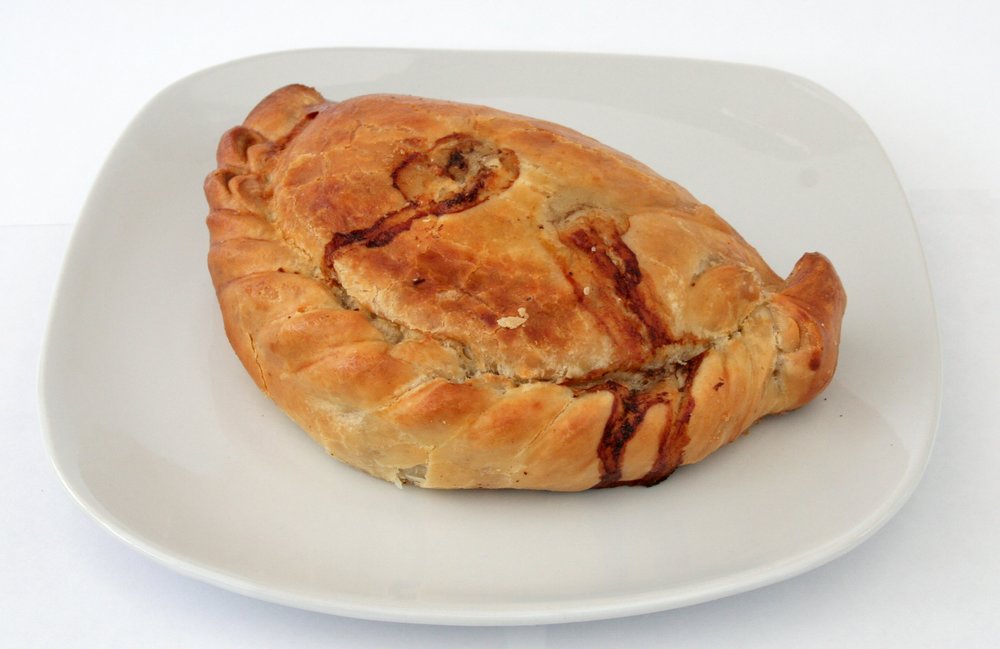
Cornish Pasty from Cornwall | Photo Credit: Wikimedia Commons
If you can only try one regional dish in England, make it the Cornish pasty. This golden, crimped pastry is stuffed with beef, potato, swede, and onion. The thick crust on one end was even designed as a "handle" so miners could eat without getting their dirty hands on the food.
Today, a true Cornish pasty carries a Protected Geographical Indication (PGI) status, meaning only pasties made in Cornwall can officially carry the name. You'll find them in every bakery and market across the county. Grab one and enjoy it on a walking tour through Cornwall, the best way to eat like a local.
Where to eat: Rowe's Bakery, Proper Cornish, local farmers' markets across Cornwall
Price range: $3–$6 USD
2. Yorkshire Pudding and Curd Tart
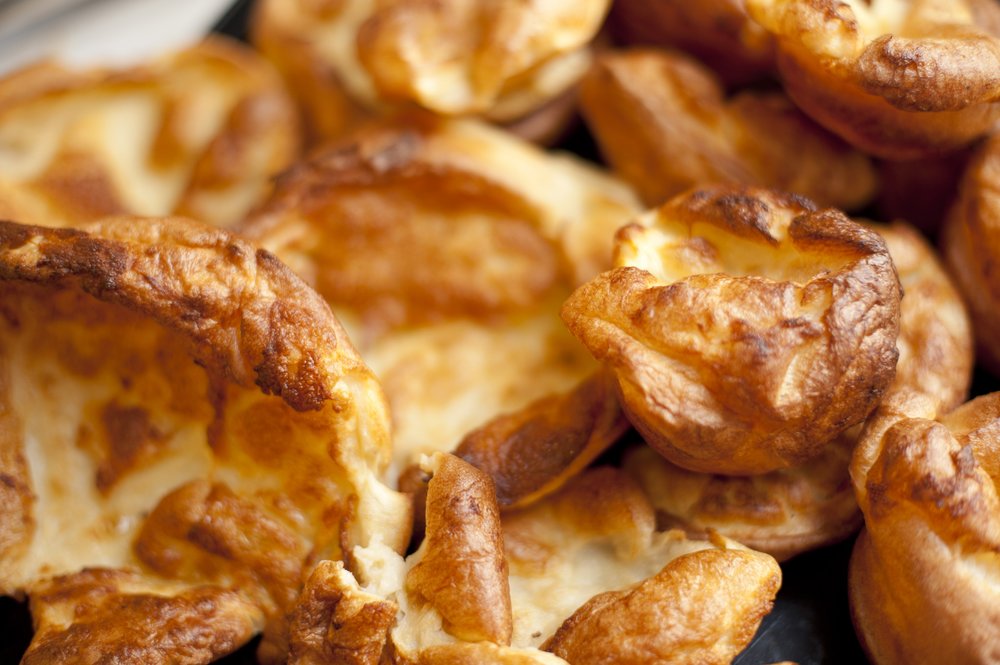
Crispy and golden Yorkshire Pudding | Photo Credit: Free Food Photos
Yorkshire pudding is the star of a traditional British meal, served alongside a classic Sunday roast with beef, roasted vegetables, and rich gravy. Don't let the name fool you, it's not a dessert! It's a crispy, golden, hollow batter baked in hot fat, and it's absolutely glorious when done right.
Yorkshire also gives us the Yorkshire curd tart: a delicate pastry filled with creamy curd cheese, lemon zest, and currants. It's subtle, slightly sweet, and surprisingly addictive.
The best way to work up an appetite for both? A full-day guided tour through Yorkshire Dales National Park, stunning scenery, and a proper roast waiting at the end sound like a perfect day.
Where to eat: Betty's Tea Rooms (Harrogate & York), local pubs and Sunday roast restaurants throughout Yorkshire
Price range:
- $10–$20 USD for a full Sunday roast
- $3–$5 USD for a curd tart
3. Hotpot, Eccles Cakes, and Manchester Tart
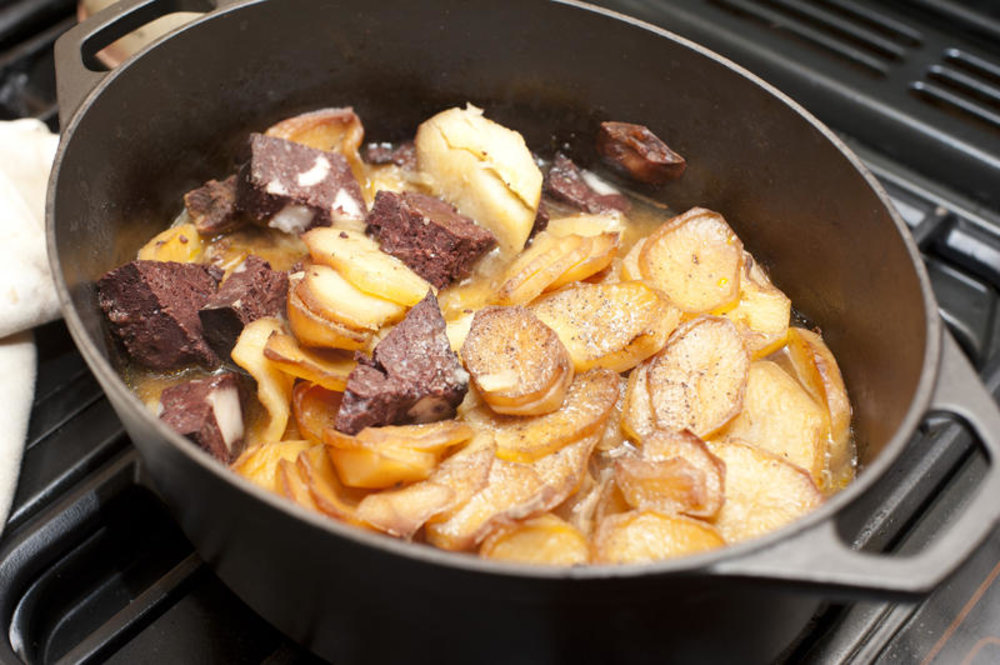
Casserole with Lancashire Hot Pot, a stew made with beef or lamb and potatoes | Photo Credit: Free Images Live
Lancashire is known for its no-fuss, full-flavoured comfort food. The Lancashire hotpot is a slow-cooked lamb and potato stew, topped with sliced potatoes that crisp up in the oven. It's the kind of dish that warms you from the inside out,perfect after a long day of sightseeing.
Then there are Eccles cakes: small, flaky pastry rounds packed with currants and spiced butter, dusted with sugar and best enjoyed with a strong cup of tea. And don't sleep on the Manchester tart, a shortcrust pastry base filled with custard, raspberry jam, and coconut flakes.
Manchester is a food city through and through, and you can experience it firsthand on a Manchester Northern Quarter food tour that takes you through the city's best bites.
Where to eat: local pubs across Lancashire for hotpot; Slattery Patisseur (Manchester) for Manchester tart; Marks & Spencer for Eccles cakes
Price range
- $8–$15 USD for hotpot
- $2–$4 USD for Eccles cakes or tart slices
4. Pie, Mash & Liquor + Jellied Eels
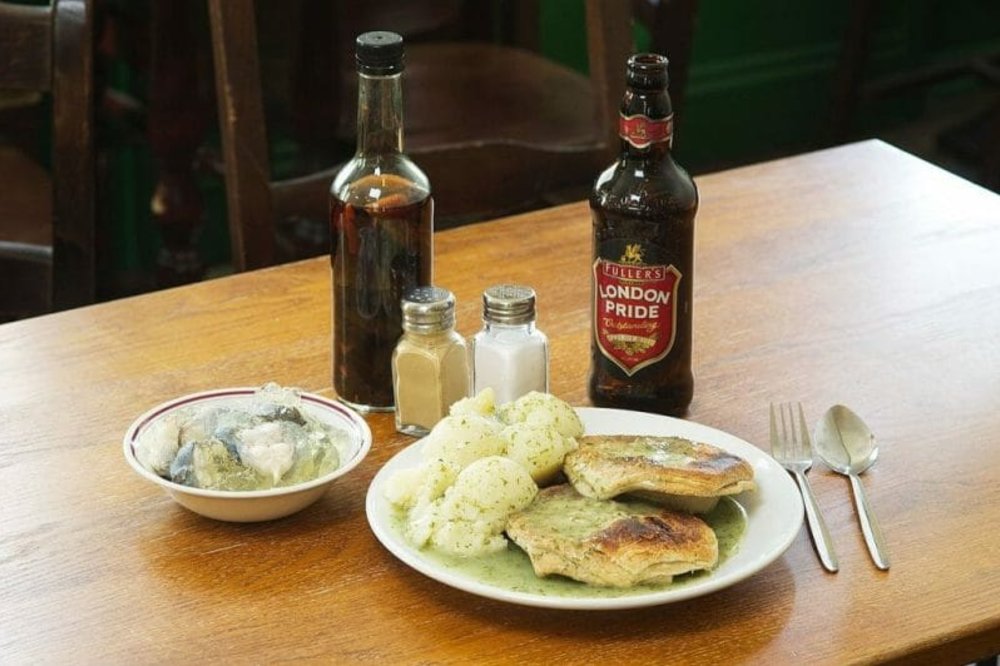
Mash & pie with jellied eels on the side | Photo Credit: Wikimedia Commons
London has its own chapter in the British food story where pie, mash, and liquor (a bright green parsley sauce, not the alcoholic kind!) was the fuel of East End London for generations. It's cheap, filling, and nostalgic.
Jellied eels are exactly what they sound like, chunks of eel cooked and set in a savory jelly, served cold. They've been a London street food staple for over 200 years.
If you want to explore London's incredible food scene beyond the tourist trail, jump on a Camden market food tour in London and browse through independent shops and vintage stalls. If you love anything with cheese, the London cheese tour is an absolute treat.
Where to eat: M. Manze (Borough, Bermondsey, Tower Bridge) for pie and mash; Tubby Isaacs stall in Whitechapel for jellied eels
Price range:
- $5–$10 USD for pie, mash, and liquor
- $4–$7 USD for jellied eels
📍Scotland
Scottish food is tied to the land and sea. You’ll taste smoky, robust flavours in smoked fish, slow-cooked offal, warming soups, and buttery bakes that pair perfectly with whisky. It's rustic cooking done with real pride, and once you try it, you'll understand why Scots are so passionate about their food.
5. Haggis with Neeps and Tatties
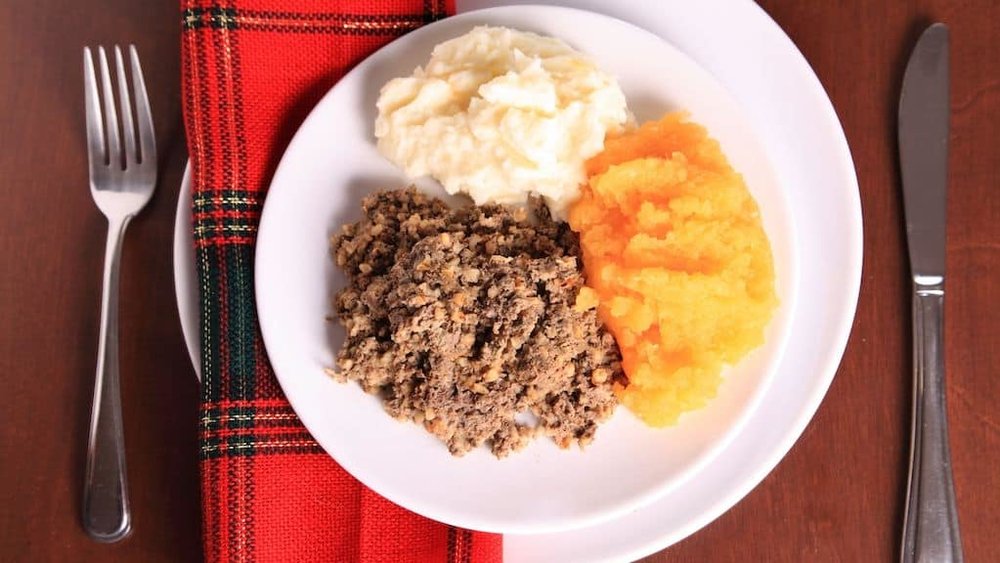
Haggis with Neeps and Tatties | Photo Credit: Flickr
Haggis might sound intimidating, but give it a chance, it's one of the most beloved regional dishes UK travelers are surprised to enjoy. Made from sheep's offal, oatmeal, onions, and warming spices, it's packed into a casing (traditionally a sheep's stomach) and steamed until perfectly savory and tender.
Served with "neeps and tatties" (mashed turnip and potatoes), it's a deeply comforting dish that's central to Scottish identity, especially on Burns Night every January. The flavour is earthy and spiced and paired with a dram of Scotch whisky.
Experience haggis the proper way with a Scottish haggis and whisky tasting experience in Edinburgh!
Where to eat: The Haggis Box (Edinburgh), Balmoral Hotel, traditional Scottish pubs throughout Edinburgh and Glasgow
Price range: $10–$18 USD
6. Cullen Skink and Arbroath Smokie
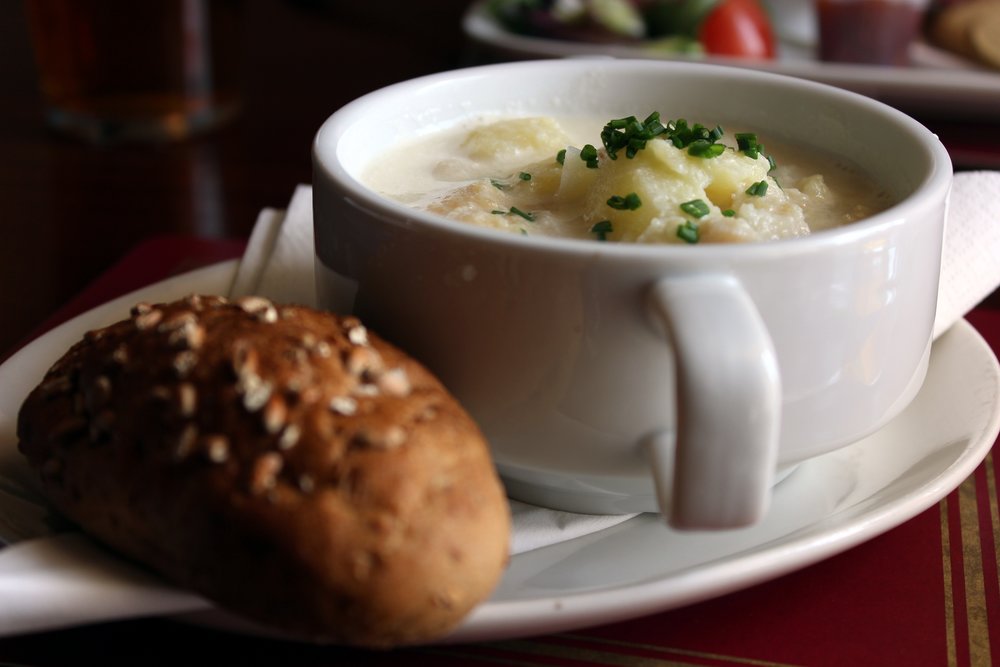
Cullen Skink with toasted bread | Photo Credit: Wikimedia Commons
Scotland's coastal food scene is equally impressive. Cullen Skink is a thick, creamy soup made with smoked haddock, potatoes, and onions, originally from the fishing village of Cullen in Moray. It's smoky, silky, and incredibly warming on a cold Scottish day.
Similarly, the Arbroath Smokie, whole haddock hot-smoked over hardwood, is another gem from the Scottish coast. Like the Cornish pasty, it holds PGI status, so only fish smoked in Arbroath can carry the name. Pair them with Scottish shortbread and a bowl of cranachan (whipped cream, raspberries, oats, and whisky) for a full taste of Scotland.
Where to eat: The Seafood Shack (Ullapool), Crannog Seafood Restaurant (Fort William); Arbroath smokies available at local fishmongers and farmers' markets
Price range:
- $10–$20 USD for Cullen Skink
- $8–$15 USD for Arbroath Smokie
📍Wales
With a strong farming and fishing heritage, Welsh food leans on quality local ingredients, sharp cheddar, fresh seaweed, lamb, and dried fruit, transformed into dishes that are way more exciting than they sound.
7. Welsh Rarebit and Welsh Cakes
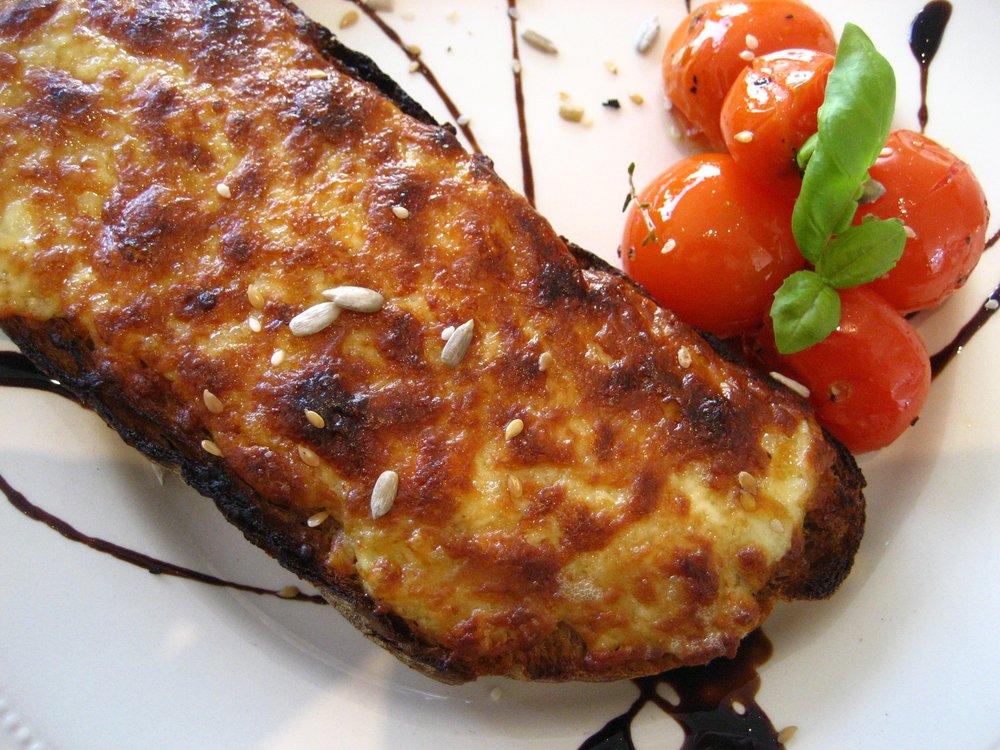
Welsh Rarebit with tomatoes on the side | Photo Credit: Wikimedia Commons
Welsh rarebit is the ultimate cheese toast, but so much more than that. A rich, savoury sauce made from melted cheddar, mustard, Worcestershire sauce, and Welsh ale is poured over thick bread and grilled to bubbling perfection. It's indulgent, tangy, and deeply satisfying.
Welsh cakes, on the other hand, are small, round griddle cakes made with dried fruit and mixed spice. They're cooked on a griddle (not in an oven), giving them a unique texture: crispy outside, soft inside. You'll find them at almost every Welsh market, still warm off the griddle and dusted with sugar.
Where to eat: The Hardwick (Abergavenny) for Welsh rarebit; Cardiff Market and Swansea Market for Welsh cakes
Price range:
- $5–$12 USD for Welsh rarebit
- $1–$3 USD for Welsh cakes
8. Bara Brith and Laverbread
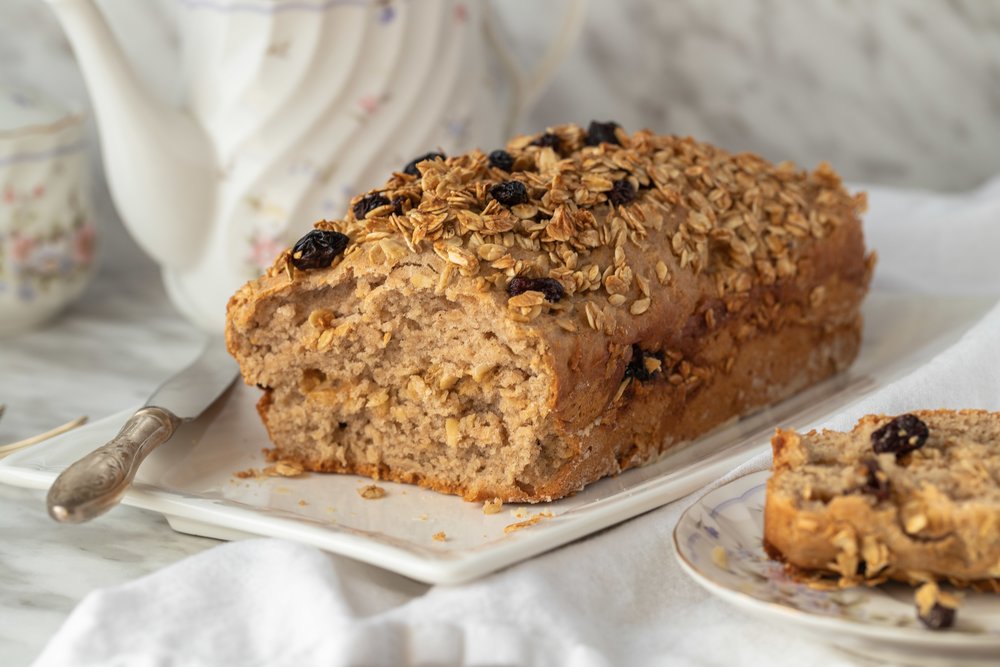
Bara Brith, a traditional fruit tea bread in Wales | Photo Credit: PxHere
For something more unique, try Bara Brith, a traditional Welsh fruit tea bread made by soaking dried fruit in strong tea overnight, then baking it into a moist, spiced loaf. It's sliced thick and spread with salted butter, and it's absolutely perfect with a cup of tea.
Laverbread is Wales's most distinctive dish: made from edible seaweed harvested off the Welsh coast, cooked into a dark, silky paste that's mixed with oatmeal and fried into cakes. It sounds unusual, but it's a genuine Welsh delicacy with a mild, briny flavor and is often served alongside a Welsh breakfast.
Where to eat: Cardiff Market for both bara brith and laverbread; Ultracomida deli (Aberystwyth and Narberth)
Price range:
- $3–$5 USD for bara brith
- $5–$10 USD for laverbread dishes
📍Northern Ireland
Northern Irish food is generous, grounding, and full of heart. The cuisine here reflects a culture that values community and good hospitality: big, satisfying breakfasts, sweet homemade treats, and fresh seafood from the coast.
9. Ulster Fry
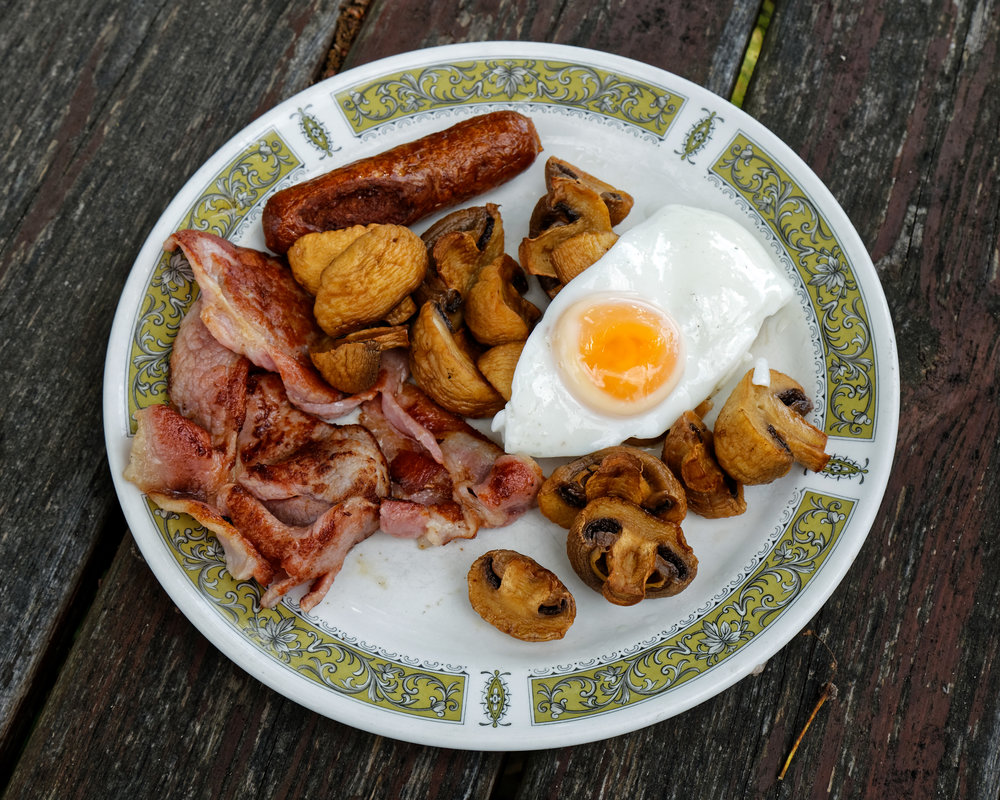
Ulster Fry, a local spin on a full cooked English breakfast | Photo Credit: Wikimedia Commons
No trip to Northern Ireland is complete without an Ulster Fry, the local spin on a full cooked breakfast and one of the most beloved regional dishes UK-wide.
What sets it apart from a standard English fry-up is the inclusion of two types of bread: soda bread (soft, slightly tangy, and made with buttermilk) and potato bread (dense, doughy, and utterly comforting). Add bacon, eggs, sausages, and black pudding, and you've got a plate that'll keep you going all day.
Where to eat: The Sunflower Bar (Belfast), Maggie May's (Belfast), local cafés throughout Northern Ireland
Price range: $8–$14 USD
10. Fifteens
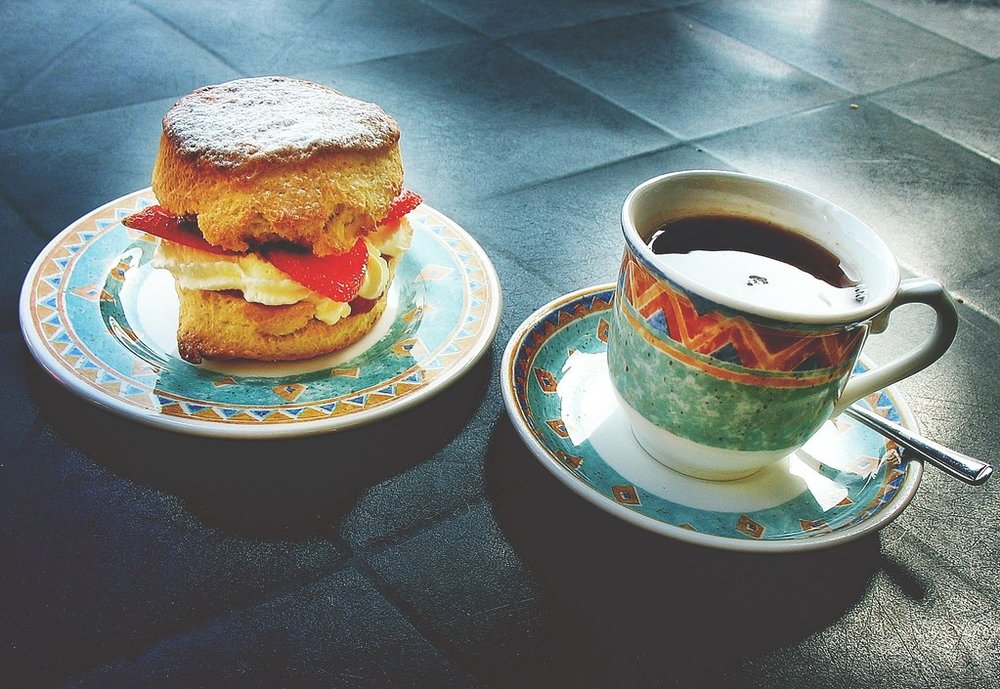
Fifteens paired with cream tea | Photo Credit: Flickr
Save room for something sweet! Fifteens are Northern Ireland's favorite no-bake treat, named after the fact that the recipe traditionally uses exactly 15 each of digestive biscuits, marshmallows, and glacé cherries.
Everything gets rolled in desiccated coconut, chilled in the fridge, and sliced into satisfying rounds. They're sweet, chewy, and completely addictive, the kind of thing you'll find at every bake sale and family gathering across the country. Pair them with a proper Irish tea and enjoy!
For more sweet inspiration from across the UK, explore our guide about desserts in the UK!
Where to eat: Local bakeries and supermarkets across Northern Ireland; Belfast's St George's Market on Fridays and Saturdays
Price range: $2–$4 USD per portion
FAQs about UK regional cuisine
What are some regional British dishes?
British food varies by region, making it one of the most diverse national cuisines in Europe. Some well-known regional dishes include Cornish pasties from Cornwall, haggis from Scotland, and the Ulster Fry from Northern Ireland. Each dish reflects the geography, history, and culture of the area it comes from so eating your way through the UK is basically edible sightseeing!
What are some regional English specialties?
England has all kinds of regional dishes that go far beyond fish and chips. Yorkshire pudding is a staple of the Sunday roast in northern England, while Bakewell pudding hails from the Derbyshire village of Bakewell. Head to Cornwall for a proper Cornish pasty, to Lancashire for a warming hotpot, or to London for pie and mash with liquor.
What are must-try Welsh dishes?
Wales has a surprisingly vibrant food culture that often gets overlooked. Must-try Welsh dishes include Welsh rarebit (a seriously elevated cheese on toast), Welsh cakes (griddle-cooked fruit cakes best eaten warm), bara brith (a moist, tea-soaked fruit bread), and laverbread (a seaweed delicacy beloved by locals).
Cardiff Market and Swansea Market are great starting points for tasting authentic Welsh food and you'll find friendly locals who are more than happy to point you toward the best bites.
What are traditional foods from Northern Ireland?
Northern Ireland's food scene is warm, hearty, and deeply traditional. The Ulster Fry is the crown jewel, a full cooked breakfast featuring soda bread, potato bread, bacon, eggs, and sausages that's become a cultural icon.
Beyond breakfast, Fifteens are a beloved local sweet treat made with digestive biscuits, marshmallows, cherries, and coconut. Northern Ireland also has a fantastic seafood scene, with Strangford Lough producing some of the finest oysters in the world. The food here is honest, generous, and absolutely worth the trip.
More UK travel guides for you

What is Klook?
Klook is a leading pan-regional experiences platform in Asia Pacific, purpose built to digitalize experiences and make them accessible to every traveler.
Our mission is to build the digital infrastructure for the global experience economy — empowering merchants to share their passions and travelers to discover the heartbeat of each destination. We operate a mobile-first, curated platform featuring diverse experiences across global destinations.