
There are dishes you eat on holiday, and then there are dishes that make you understand why people fly to a city just to eat. Cacio e pepe is very much the latter kind. Rome's most deceptively simple pasta, made with nothing but Pecorino Romano, black pepper, and pasta, has a following that spans decades, and the best versions in the city are worth going to.
In this guide, we’ll cover seven of the best cacio e pepe spots in Rome, along with tips on how to get there. But first, let us give you a quick intro on what you're actually ordering.
What is cacio e pepe?
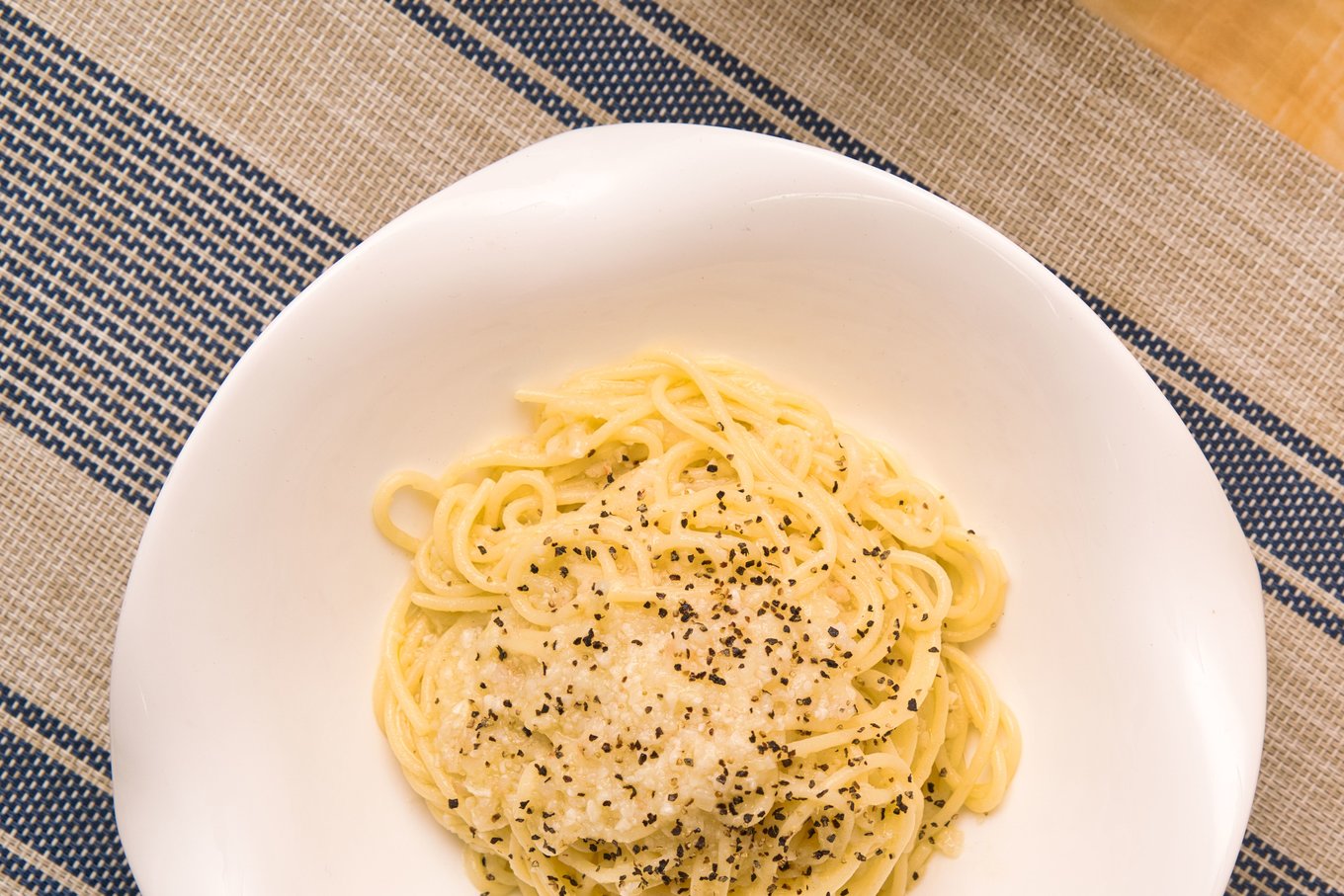
“Cacio e pepe” translates as "cheese and pepper," and those are the two main ingredients in the dish, alongside pasta and a splash of starchy cooking water. No cream, no butter, no garlic. The pasta is traditionally tonnarelli (a thick, square-cut egg pasta) or spaghetti, both of which hold the sauce well.
What makes it so hard to make is the emulsification. Pecorino Romano, a sharp, aged sheep's milk cheese, must be combined with warm pasta water at precisely the right temperature to form a smooth, glossy sauce. The result, when done right, is a pasta that coats every strand in a creamy sauce.
It's one of four popular Roman pasta dishes, alongside carbonara, amatriciana, and gricia, and the one that shows the most skill with the fewest ingredients. If you want to try making a classic Roman pasta dish like carbonara while you're in the city, you can always join a carbonara cooking class in Rome.
Now, ready your notes because we’re listing down where to find the best cacio e pepe in Rome!
1. Felice a Testaccio
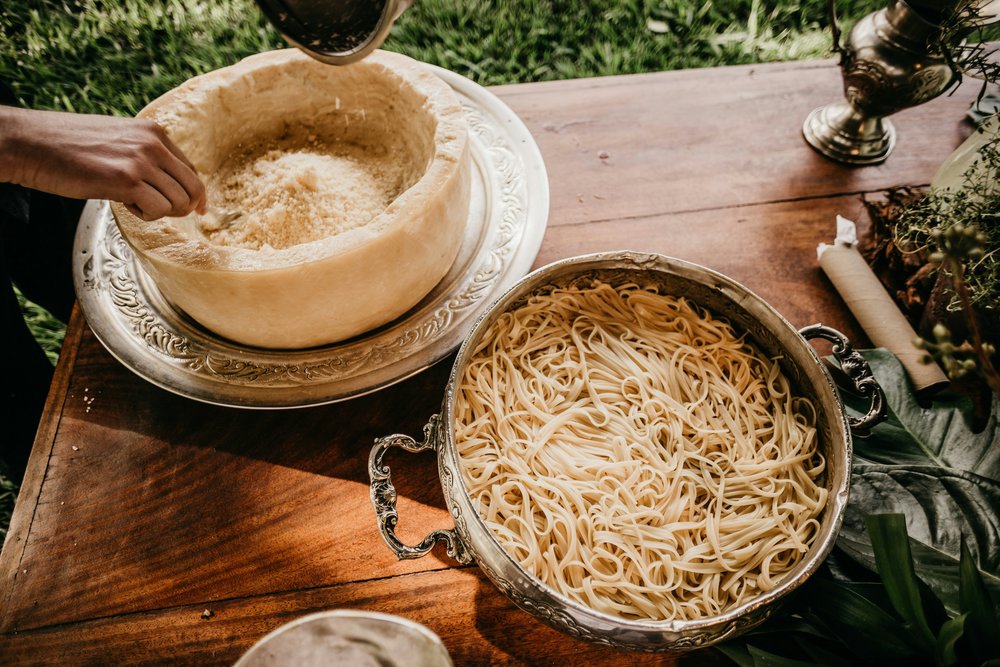
Pasta and a hollowed wheel of cheese | Photo by Jonathan Borba on Unsplash
Address: Via Mastro Giorgio, 29, Testaccio
Nearest stop: Piramide Metro (Line B) (10-minute walk)
Felice a Testaccio is one of the most famous names in Roman food. Open since 1936, this Testaccio institution has been serving traditional Roman pasta to generations of locals and, more recently, to foodies who know enough to book ahead. The cacio e pepe here is made tableside, where the waiter tosses the tonnarelli in a hollowed wheel of aged Pecorino Romano.
The result is a sauce that’s exceptionally smooth and cheesy, with a pepper hit that builds as you work through the bowl. It's one of the most famous versions of the dish in the city, and the restaurant's legacy speaks for itself. Just make sure to reserve a table first, as this place fills up days in advance, especially on weekends.
Klook Tip: Book at least a week ahead for dinner. If you want to learn the techniques behind dishes like this, a typical Roman cooking class is a great way to spend a morning in the city.
2. Hosteria Grappolo d'oro
Signage outside the Hosteria Grappolo d'oro | Photo by Andy Montgomery on Flickr
Address: P.za della Cancelleria, 80, 00186 Roma RM, Italy
Nearest stop: Bus to Largo di Torre Argentina
You’ll find Hosteria Grappolo d'Oro on a quiet square just off Campo de' Fiori, close to both the Pantheon and Piazza Navona. It's a classy Roman restaurant with a short seasonal menu and a kitchen that doesn't deviate from tradition. The cacio e pepe here is made with spaghetti and is one of the more restrained, elegant versions in the city.
The sauce leans slightly lighter than the Testaccio style, less cheesy, with the pepper carrying more of the flavor. It works well as part of a longer meal, and the wine list is good for the price.
If you want to do the cooking, you can go to a pasta cooking class in Piazza Navona! You’ll learn how to craft the perfect Italian Aperol Spritz before diving into fresh pasta making.
3. Roscioli Salumeria con Cucina
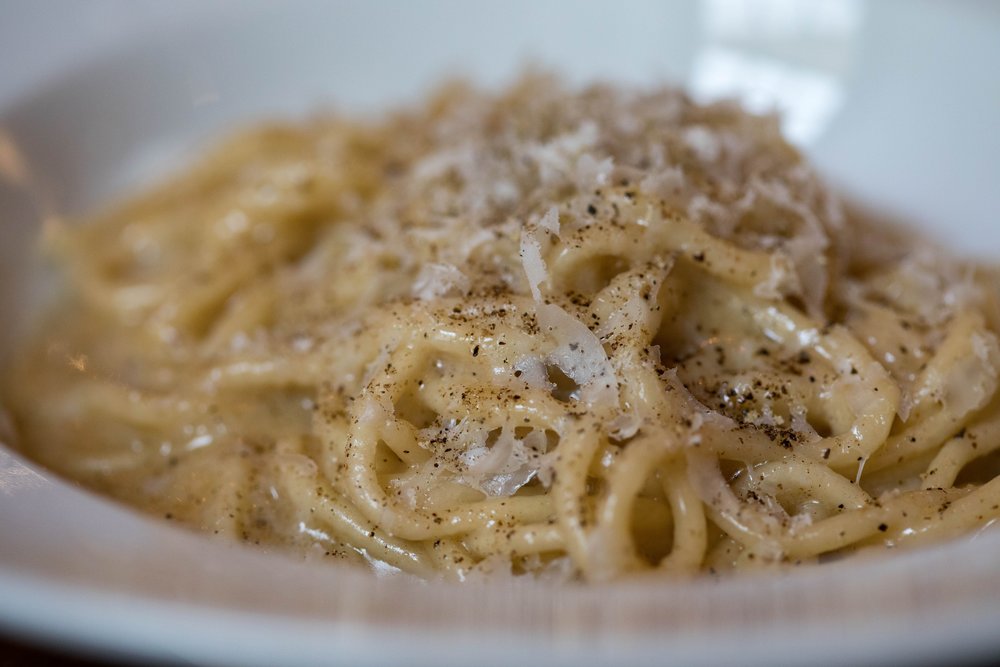
Creamy cacio e pepe | Photo by Valeria Boltneva on Pexels
Address: Via dei Giubbonari, 21, 00186 Roma RM, Italy
Nearest stop: Arenula/Cairoli tram stop (2-minute walk)
Roscioli is one of Rome's most globally celebrated restaurants. The family has been in the food business since 1972, and the restaurant side of the operation takes its pasta seriously. The cacio e pepe at Roscioli uses top-quality Pecorino Romano and is executed with the kind of technical precision that comes from a kitchen that knows exactly what it's doing.
The result is richer and more refined than what you'll find at a typical neighborhood trattoria; the sauce is glossy and perfectly seasoned, with a pepper note that lingers without overwhelming.
Klook Tip: If you can't get a dinner reservation, the deli counter at the front sells Pecorino Romano and tonnarelli to take home. Perfect for attempting your own version back at the apartment.
4. Pasta Imperiale
Address: V. dei Coronari, 160, 00186 Roma RM, Italy
Nearest stop: Lgt Tor Di Nona/Rondinella bus stop (3-minute walk)
Pasta Imperiale is a younger entry on Rome's cacio e pepe scene, but it has earned its reputation quickly among locals looking for a reliably great bowl at a fair price. The cacio e pepe is made with tonnarelli and comes out with a satisfying creaminess that doesn't tip into heaviness.
It's a solid choice if you’re staying near the Trastevere area or looking for good traditional Roman pasta without the wait times attached to the city's more famous spots. If you want to explore the area more deeply, the Trastevere food and wine tasting tour starts nearby and covers some of Rome's best traditional eating.
Klook Tip: Via dei Coronari is one of Rome's most beautiful streets for an evening walk. Combine dinner here with a stroll down to the Tiber for a classic Roman evening.
5. Gruppo Di Rienzo
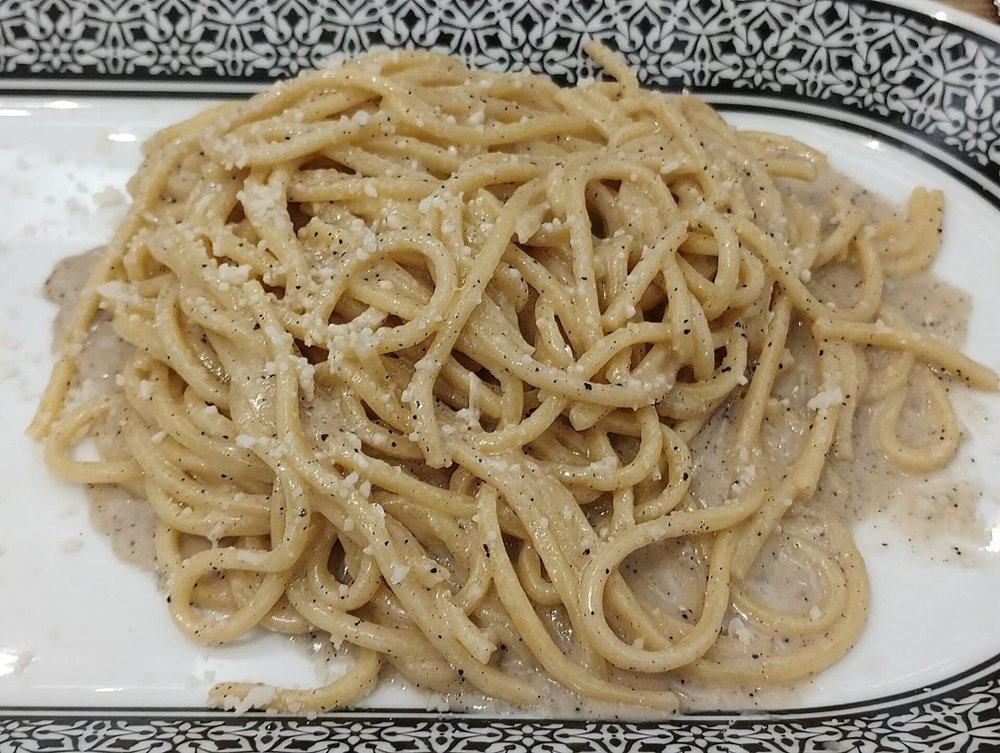
A plate of creamy spaghetti cacio e pepe | Photo by it:Markx89 on Wikimedia
Address: Piazza della Rotonda, 8, 00186 Roma RM, Italy
Nearest stop: Argentina (7-10 minute walk)
Gruppo Di Rienzo is on Piazza della Rotonda, right by the Pantheon, making it a practical stop if you’re spending the day around the historic center. The restaurant traces its roots back to 1952, when the Di Rienzo family started with a dairy shop on the same square, and today it serves a broad Italian and Roman menu in one of Rome’s busiest sightseeing areas.
It’s a good option if you want an easy sit-down meal near the Pantheon rather than trekking across town for pasta, though the setting feels more historic-center classic than hidden-neighborhood trattoria.
6. Hostaria Romana
Address: Via del Boccaccio, 1, 00187 Roma RM, Italy
Nearest stop: Barberini Metro (Line A)
Hostaria Romana has been one of the go-to places for traditional Roman pasta in the historic center since the 1960s. It’s between the Trevi Fountain and the Spanish Steps, which puts it in prime tourist territory, but the kitchen has never adjusted its cooking to suit international tastes, and the regulars keep coming back because of it.
The cacio e pepe here is a proper Roman version: tonnarelli, well-aged Pecorino Romano, and black pepper. It's one of the more established cacio e pepe restaurants in Rome's center, and the consistency over six decades earns it a place on any serious list.
Klook Tip: Come for lunch after a morning near the Trevi Fountain, the restaurant is quieter at midday and you'll avoid the evening queue without needing a reservation.
7. Trattoria Da Enzo
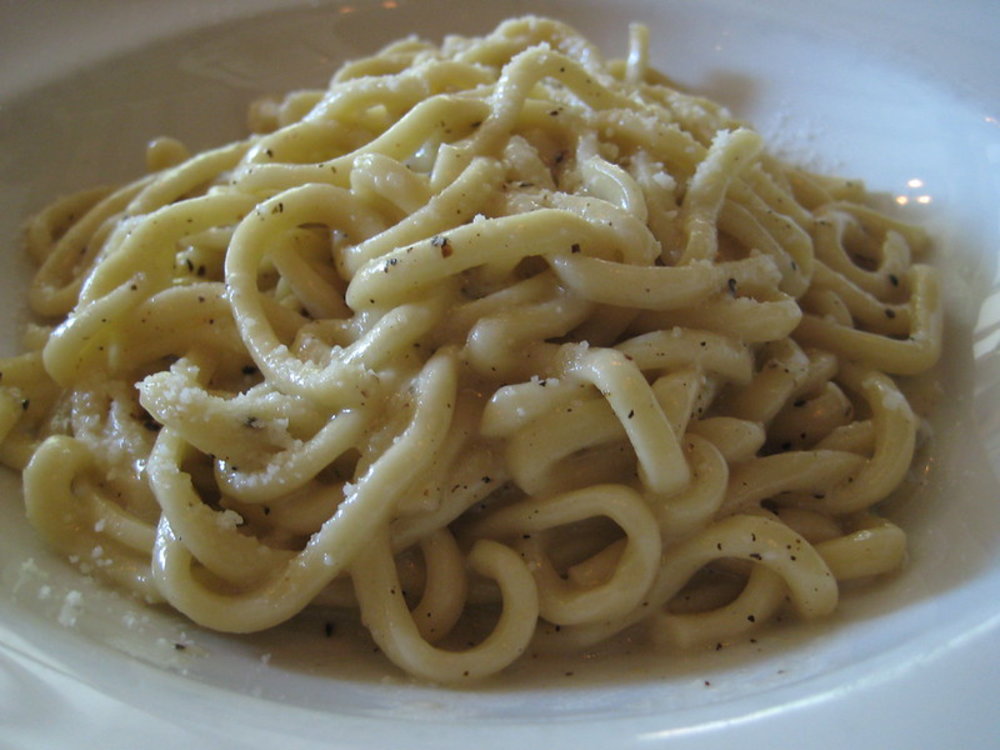
A plate of cacio e pepe using tonnarelli pasta | Photo by cchen on Flickr
Address: Via dei Vascellari, 29, 00153 Roma RM, Italy
Nearest stop: Tram 8 to Piazza Sonnino
Trattoria Da Enzo al 29 in Trastevere is one of the best places for cacio e pepe in the city. The dining room holds around 30 people, the menu changes with the seasons, and the cacio e pepe has been made with the same care since the trattoria opened.
Getting a table requires planning. Reservations open a few days ahead and go quickly, particularly for weekend dinners. If you can only eat cacio e pepe at one place in Rome, most people who know the city would point you here.
FAQs about the best cacio e pepe in Rome
What makes a good cacio e pepe in Rome?
A great cacio e pepe comes down to three things: quality Pecorino Romano, freshly cracked black pepper, and technique. The cheese must be emulsified with pasta water at the right temperature to create a smooth, glossy sauce. The pepper should be coarsely ground and assertive, not a background note.
Which neighborhood in Rome has the best cacio e pepe?
Testaccio is Rome's most traditional food neighborhood and home to Felice a Testaccio, one of the most famous versions of the dish in the city. Trastevere rivals it with Da Enzo al 29, which many regard as the overall best. Both neighborhoods are worth visiting, and the right choice depends on where you're based and what kind of atmosphere you're after.
What pasta is traditionally used for cacio e pepe?
The classic choice is tonnarelli, a thick, square-cut pasta made with egg dough, similar to spaghetti alla chitarra. It has a firm texture and rough surface that holds the sauce well. Regular spaghetti is equally traditional and widely used.
How much does cacio e pepe cost in Rome?
Expect to pay $10-15 USD in neighborhood spots like Testaccio and Prati. Trastevere tends to run $13-19 USD. The historic centre and destination restaurants like Roscioli can reach $20-25 USD for the pasta course. A full dinner with wine and a starter typically comes to $28-50 USD per person.
What is the difference between cacio e pepe and other Roman pasta dishes?
Rome has four signature pasta dishes: cacio e pepe, carbonara, amatriciana, and gricia. Cacio e pepe is the simplest, with just cheese, pepper, and pasta. Gricia adds guanciale (cured pork cheek). Carbonara adds egg yolk and guanciale for a richer sauce. Amatriciana uses tomato, guanciale, and Pecorino Romano for a more robust, saucy result.
Rome's best cacio e pepe is waiting
The seven spots on this list span Rome's best dining neighborhoods, from a nine-decade institution in Testaccio to a beloved Trastevere trattoria that books out every night of the week. What they share is a refusal to cut corners on a dish that has nowhere to hide. No cream, no shortcuts, just Pecorino Romano, black pepper, and pasta done right.
Plan a few evenings around these restaurants and you'll leave Rome with a much better understanding of why this three-ingredient dish has been made the same way for generations.
More Rome food travel guides for you
What is Klook?
Klook is a leading pan-regional experiences platform in Asia Pacific, purpose built to digitalize experiences and make them accessible to every traveler.
Our mission is to build the digital infrastructure for the global experience economy — empowering merchants to share their passions and travelers to discover the heartbeat of each destination. We operate a mobile-first, curated platform featuring diverse experiences across global destinations.