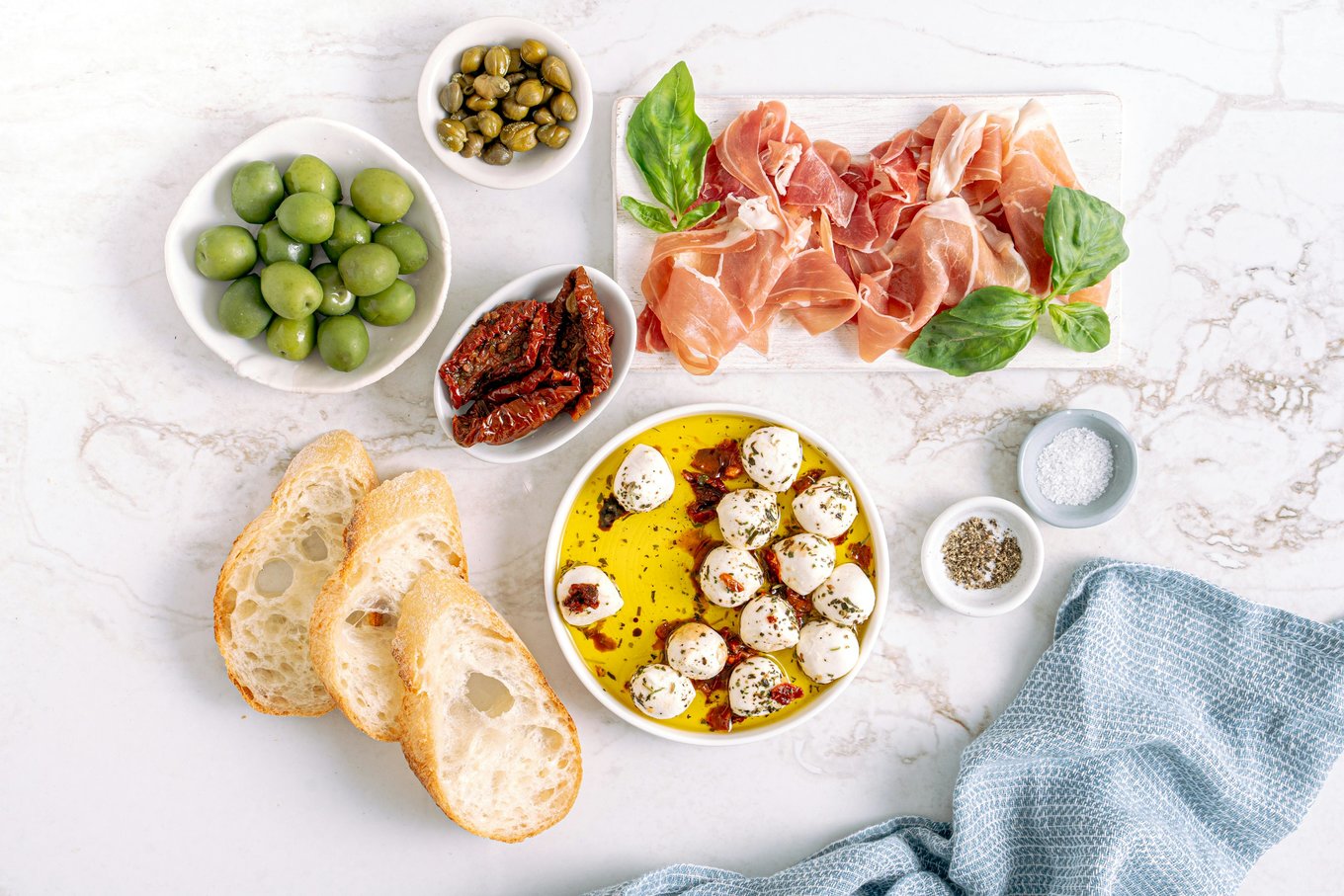
Italy is one of the most exciting places to eat. Every region has its own specialties, and the flavors change from one place to the next. That’s the magic of Italian cuisine—there’s no single “Italian food,” but many unique food traditions shaped by local ingredients and history.
If you're craving creamy risotto in Milan, pizza in Naples, or truffle pasta in Umbria, Italy’s food is as rich as its culture. This guide covers must-try dishes from Northern, Central, and Southern Italy (plus the islands), so you know what to eat and where to find it.
For more ideas, check out our guide to the best food in Italy, it's the perfect starting point before you plan your trip.
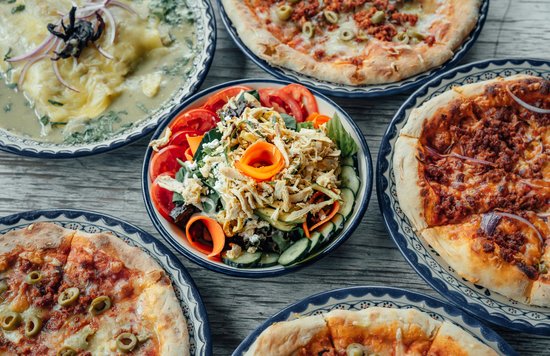
Northern Italy: rich and hearty
Northern Italian food is bold and filling. Enjoy creamy sauces, slow-braised meats, butter instead of olive oil, and cheese in almost everything. The colder climate up north called for heartier cooking, and the results are absolutely delicious.
1. Lombardy (Milan): Risotto, Ossobuco & Gorgonzola
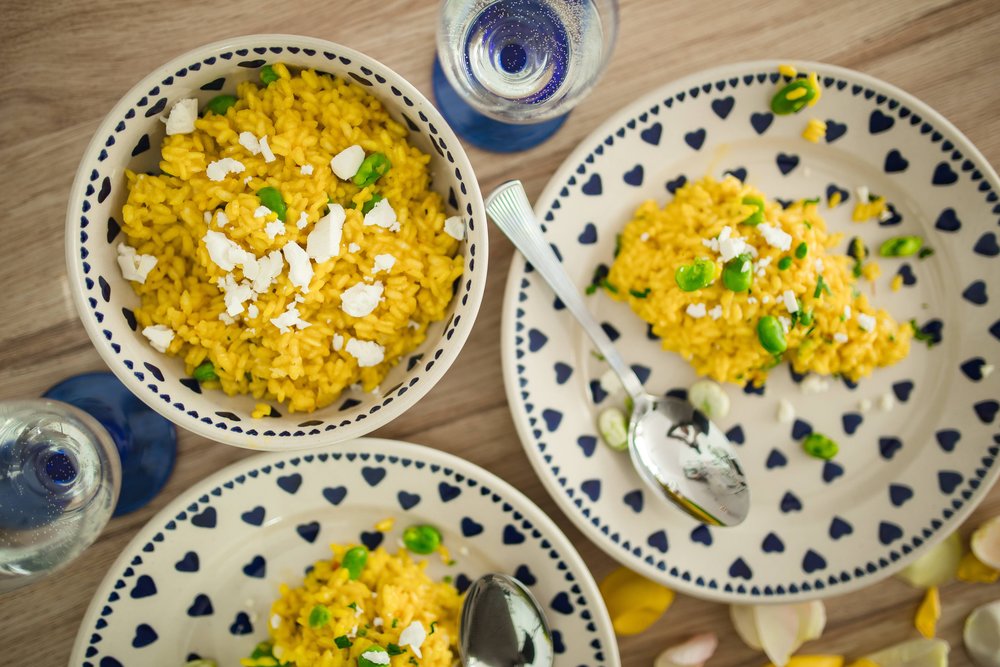
Risotto alla Milanese | Photo Credit: PickPik
Milan might be Italy's fashion capital, but food is just as serious business here. Lombardy is home to some of the most iconic dishes in Italian regional cuisine. Start with risotto alla milanese—a golden, saffron-tinted rice dish that's creamy, rich, and unlike any risotto you've had before.
Pair it with ossobuco, slow-braised veal shanks that fall right off the bone, and you've got yourself a meal that Milan has been proud of for centuries. Top things off with a slice of gorgonzola, the region's famous blue cheese, sharp and creamy in equal measure. Lombardy's food scene is the perfect intro to what northern Italian cooking is all about. Want to make the most of your Milan visit? Join a hands-on pasta and tiramisu class!
Where to eat: Ristorante Berton (Milan), Trattoria del Nuovo Macello (Milan), Mercato Metropolitano
- Price range: USD$15–$45 per person
- Gorgonzola at local cheese shops: USD$5–$12 per wedge
2. Emilia-Romagna: Tagliatelle al Ragù, Parmigiano & Prosciutto
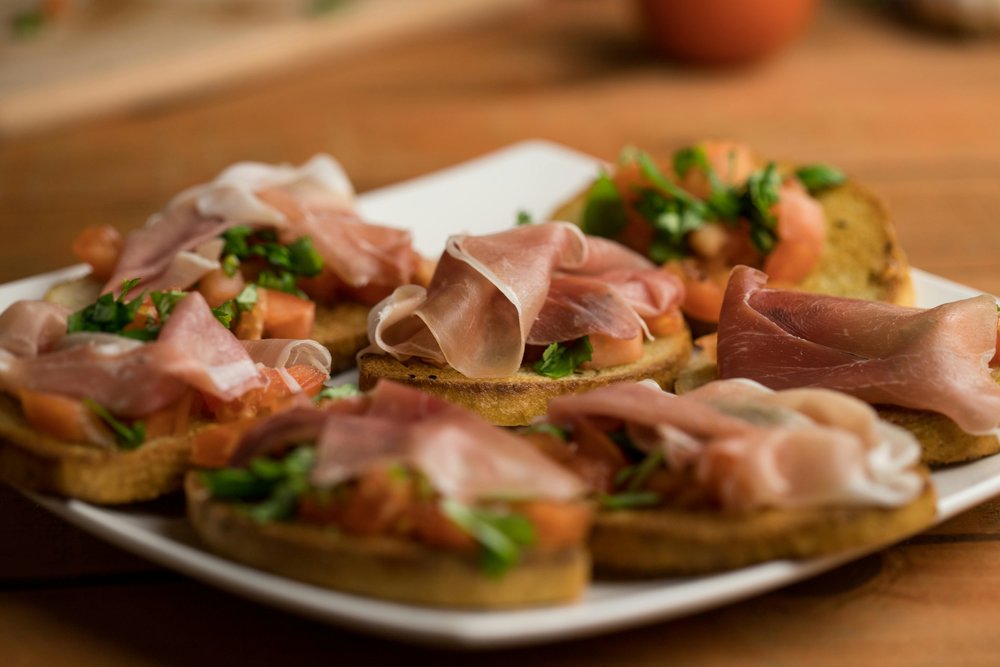
Prosciutto di parma on bread | Photo Credit: Mateusz Feliksik on Pexels
If there's one region that could claim the title of Italy's food capital, it's Emilia-Romagna. This is where tagliatelle al ragù was born — yes, the original Bolognese, made with egg pasta and a slow-cooked meat sauce that simmers for hours.
Here, you'll also find parmigiano reggiano (the real Parmesan!), prosciutto di parma, and traditional balsamic vinegar from Modena, which is aged for years and tastes nothing like the stuff you find in supermarkets.
Every product in this region carries centuries of craft, and you can taste that care in every bite. A food and sightseeing tour in Modena is one of the best things you can do in Italy, full stop.
Where to eat: Trattoria Anna Maria (Bologna), Osteria Francescana (Modena), Mercato di Mezzo (Bologna)
- Price range: USD$20–$60 per person for a full meal
- Prosciutto at the market: USD$5–$10 per 100g
3. Veneto (Venice): Squid Ink Risotto & Cicchetti
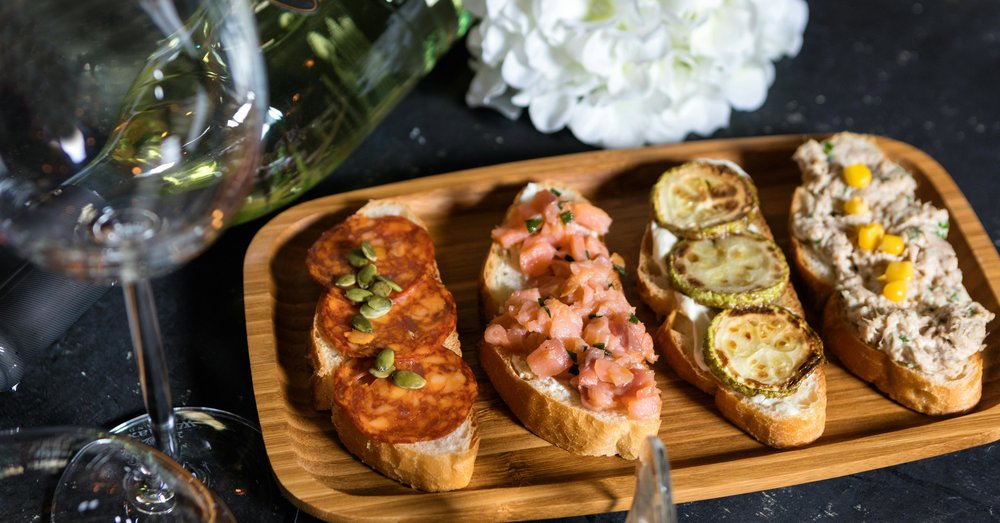
A variety of cicchetti with unique toppings | Photo Credit: Farhad Ibrahimzade on Pexels
The food scene in Venice is unlike anywhere else in Italy. Surrounded by lagoons and the sea, the Veneto region leans heavily into seafood. Don't miss risotto al nero di seppia — squid ink risotto that turns your plate jet black and packs an intense, briny flavor. It's dramatic and delicious.
Then there are cicchetti, Venice's version of tapas: small bites served at local bacari (wine bars) alongside a glass of prosecco or local wine. Enjoy marinated sardines, creamy baccalà spread on crusty bread and tiny meatballs. It's the best way to eat your way through Venice without committing to a single restaurant.
Make sure to explore the narrow streets near the Rialto Market or join a street food walking tour and follow the locals, they always know the best spots.
Where to eat: Osteria All'Arco (Venice), Cantina Do Spade (Venice), Rialto Market food stalls
- Cicchetti: USD$1.50–$3 per piece
- Full risotto meal: USD$20–$40 per person
4. Piedmont: Agnolotti del Plin
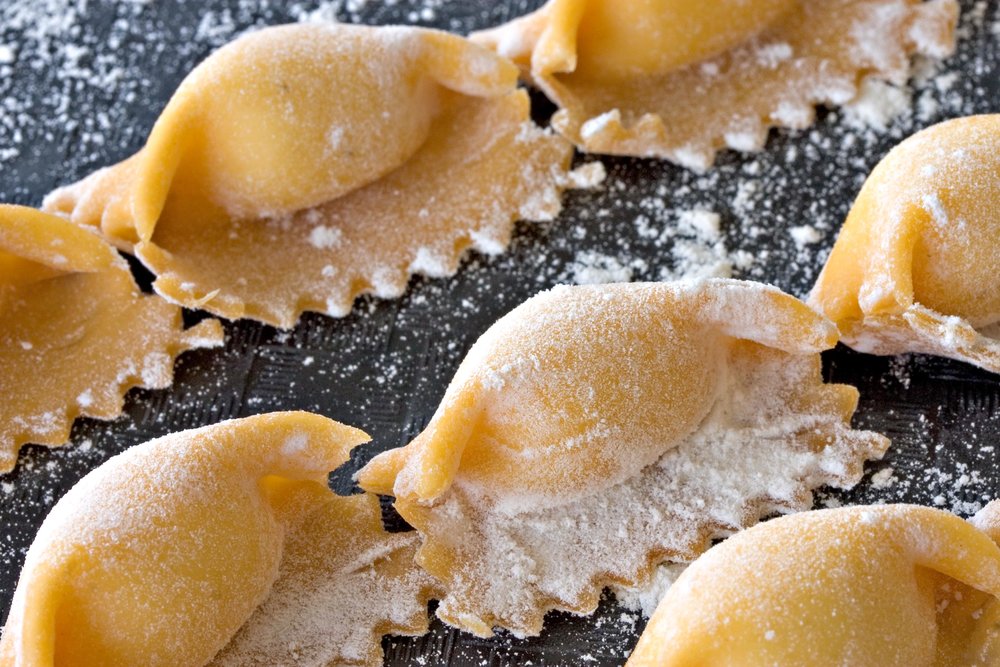
Prepping Agnolotti del Plin | Photo Credit: Wikimedia Commons
Piedmont is all about elegance and depth of flavor. Hidden in the northwest corner of Italy, bordering France and Switzerland, Piedmont has its own proud food identity. The standout dish is agnolotti del Plin — tiny, pinched pasta parcels stuffed with slow-cooked meat, usually served with butter, sage, or a light pan dripping sauce.
They're delicate, rich, and hard to stop eating. Piedmont is also known for truffle (especially the prized white truffle from Alba) and home to Barolo wine, one of Italy's finest reds. If you want to experience the culinary regions of Italy at their most refined, Piedmont belongs on your itinerary.
Where to eat: Osteria del Vignaiolo (La Morra), Ristorante Guido (Serralunga d'Alba), local markets in Alba during truffle season
- Agnolotti dish: USD$18–$35 per person
- Truffle-topped dishes (seasonal): USD$30–$80+ per person
Central Italy: simple, rustic, and full of soul
Central Italian dishes are built on the idea that great ingredients don't need much fussing over. Tuscany, Lazio, and Umbria each bring something unique to the table, from grilled Florentine steaks to Rome's legendary pasta dishes to Umbria's earthy truffles and roasted pork.
5. Tuscany (Florence): Bistecca, Ribollita & Pappa al Pomodoro
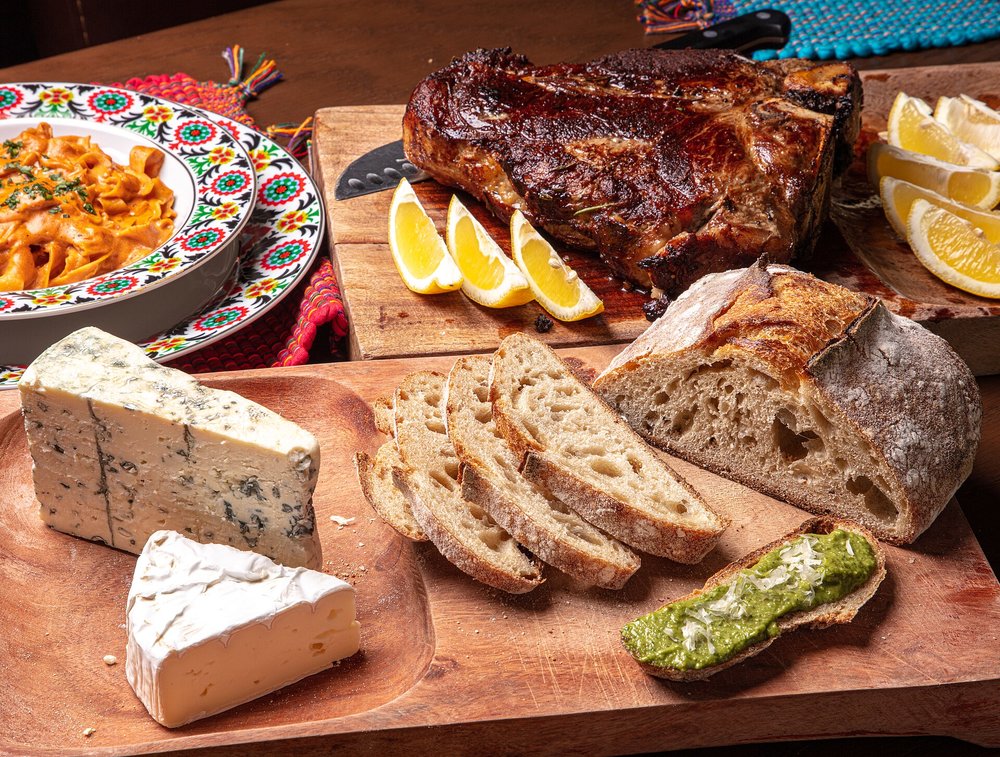
Three-course meal including Bistecca alla fiorentina | Photo Credit: Wikimedia Commons
Tuscany is the heartland of central Italian cooking, and Florence is its crown jewel. The star dish here is bistecca alla Fiorentina — a thick-cut, grass-fed T-bone steak, seasoned simply with salt and olive oil, then grilled over wood or charcoal. It's massive, it's smoky, and it's one of the best things you'll ever eat.
On the humbler side of the table, try ribollita, a hearty bread and vegetable soup that farmers have been eating for generations, or pappa al pomodoro, a thick tomato and bread dish that's rustic and incredibly comforting. Tuscany proves that Italian regional cuisine at its best is often the simplest.
Try these iconic dishes yourself in a Florence food and wine tasting tour to taste your way through the city's best spots with a local guide.
Where to eat: Trattoria Sostanza (Florence), Il Latini (Florence), Mercato Centrale
- Bistecca alla Fiorentina: USD$40–$80 per kilo (shared)
- Ribollita or Pappa al pomodoro: USD$10–$18 per bowl
6. Lazio (Rome): Carbonara, Cacio e Pepe & Roman street eats
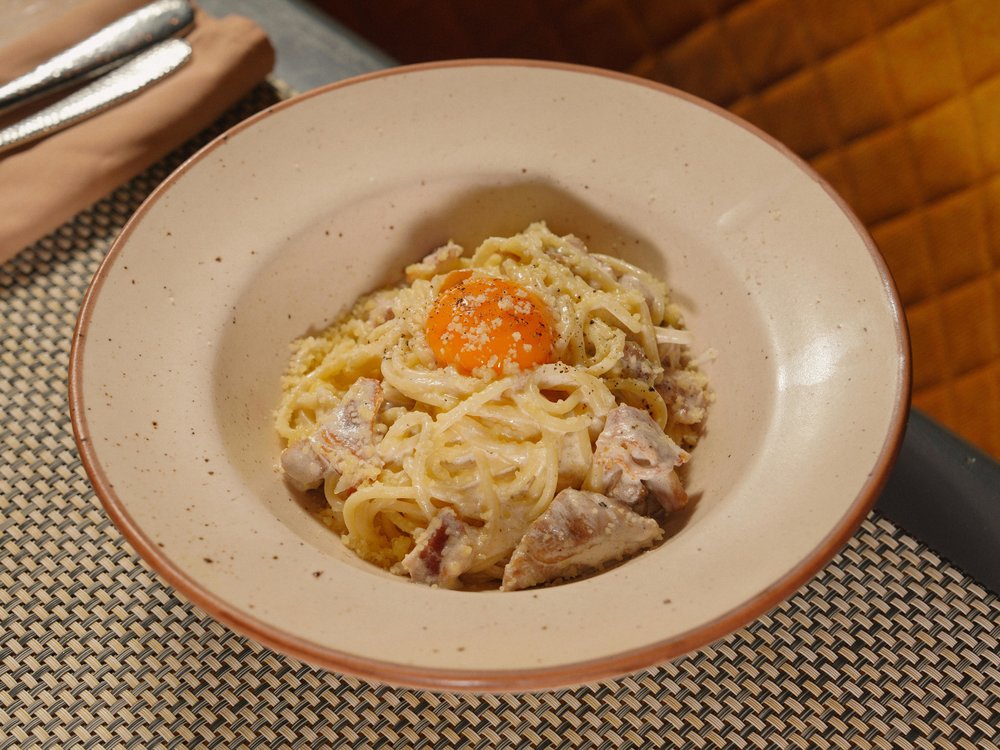
Classic Italian carbonara topped off with egg | Photo Credit: Nadin Sh on Pexels
Rome is a pasta lover's paradise, and Lazio's Italian regional cuisine is built around four legendary pasta dishes: carbonara (egg, guanciale, Pecorino, and black pepper — no cream!), cacio e pepe (cheese and pepper, impossibly simple and delicious), amatriciana (tomato, guanciale, and Pecorino), and gricia (guanciale and Pecorino without the tomato).
Each one is a masterclass in using a few quality ingredients to create something extraordinary. Beyond pasta, look out for roman Pinsa, an ancient style of flatbread that's lighter and crispier than regular pizza.
Explore Rome's food scene on a Trastevere food tour. It’s one of the city's most charming neighborhoods and an amazing place to eat.
Where to eat: Trattoria Da Enzo al 29 (Trastevere), Roscioli (Rome), Tonnarello (Trastevere)
- Pasta dish: USD$12–$22 per person
- Roman Pinsa slice: USD$3–$6
7. Umbria: Porchetta & Truffles
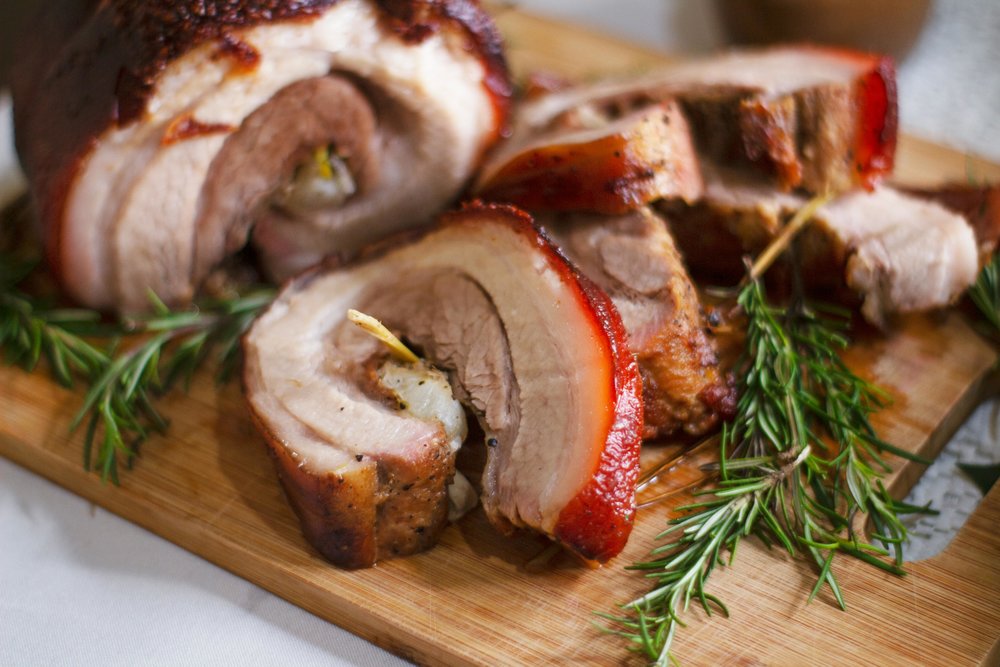
Delicious roasted porchetta slices | Photo Credit: Cleo Vergara on Pexels
Umbria is Italy's green heart and one of the most underrated food destinations in the country. The region is famous for porchetta, whole roasted pork stuffed with rosemary, garlic, fennel, and other herbs, then slow-roasted until the skin crackles and the inside melts. You'll find it carved fresh at markets and street stalls across the region.
Umbria is also a top destination for black truffles, which grow in the forests around Norcia and Spoleto. Shaved over pasta or eggs, truffles here are affordable and incredibly aromatic. If you love earthy, honest flavors, Umbria is the kind of place that stays with you long after the trip.
Want to see more of Umbria? Take a day trip from Rome and explore its hill towns along with Tuscany on this scenic guided Umbria and Tuscany tour.
Where to eat: Ristorante Vespasia (Norcia), local porchetta stands in Perugia, Mercato Coperto (Perugia)
- Porchetta sandwich: USD$4–$8
- Truffle pasta dish: USD$15–$35 per person
Southern Italy & the islands: bold and spicy
Head south and the food gets spicier, brighter, and more Mediterranean. Olive oil replaces butter, tomatoes take center stage, and the seafood is stunning. This part of Italy: Campania, Puglia, Sicily, and Sardinia is where so many of the dishes the world calls "Italian food" were actually born.
8. Campania (Naples): Pizza, Mozzarella & Sfogliatelle
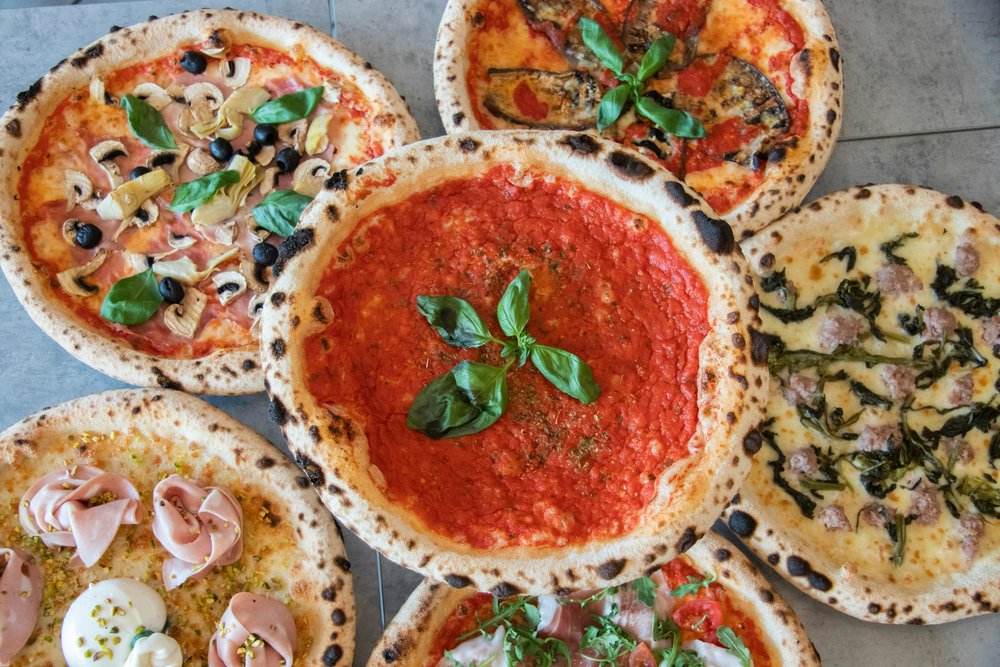
An assortment of fresh Italian pizzas | Photo Credit: Giona Mason on Pexels
Naples is the birthplace of pizza, and Campania's Italian regional cuisine is a source of immense local pride. Pizza margherita here is different from anything you've had before—thin, blistered crust, San Marzano tomatoes, fresh mozzarella di bufala (buffalo mozzarella, creamy and slightly tangy), and a drizzle of olive oil.
Save room for sfogliatelle, shell-shaped pastries filled with ricotta and orange zest. one of Naples' most beloved sweets. Campania's street food scene is equally amazing, with deep-fried pizza and fresh mozzarella sold right on the street.
Grab your spot on a Naples pizza and street food tour and let a local guide show you exactly where to eat.
Where to eat: Pizzeria Gino Sorbillo (Naples), L'Antica Pizzeria da Michele (Naples), street stalls along Via dei Tribunali
- Pizza Margherita: USD$5–$12
- Sfogliatella pastry: USD $2–$4
- Buffalo mozzarella at a deli: USD$4–$10 per ball
9. Puglia: Orecchiette, Focaccia & Taralli
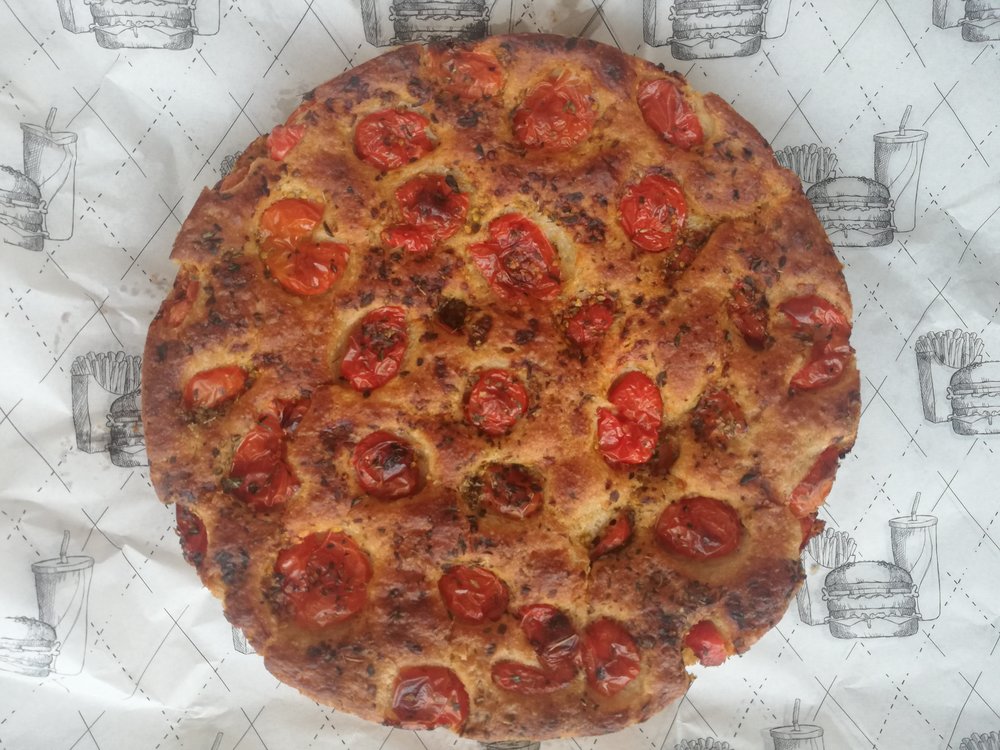
Focaccia pugliese | Photo Credit: Wikimedia Commons
Puglia is one of the most food-focused regions in the south. The signature pasta here is orecchiette con cime di rapa—little ear-shaped pasta tossed with broccoli rabe, garlic, anchovies, and olive oil. It's punchy and satisfying, and you can watch local women hand-making the pasta on the streets of Bari.
Focaccia pugliese is another must-try; it's thick, doughy, topped with tomatoes and olives, and absolutely addictive. Round things off with taralli, small ring-shaped snacks that are crunchy, slightly savory, and perfect with wine. Puglia is the kind of place where you eat well without even trying.
Where to eat: Osteria delle Travi (Bari), Panificio Fiore (Bari Vecchia), local bakeries throughout the old town
- Orecchiette pasta dish: USD$10–$20
- Focaccia slice: USD$2–$4
- Bag of Taralli: USD$3–$6
10. Sicily: Arancini, Caponata & Cannoli
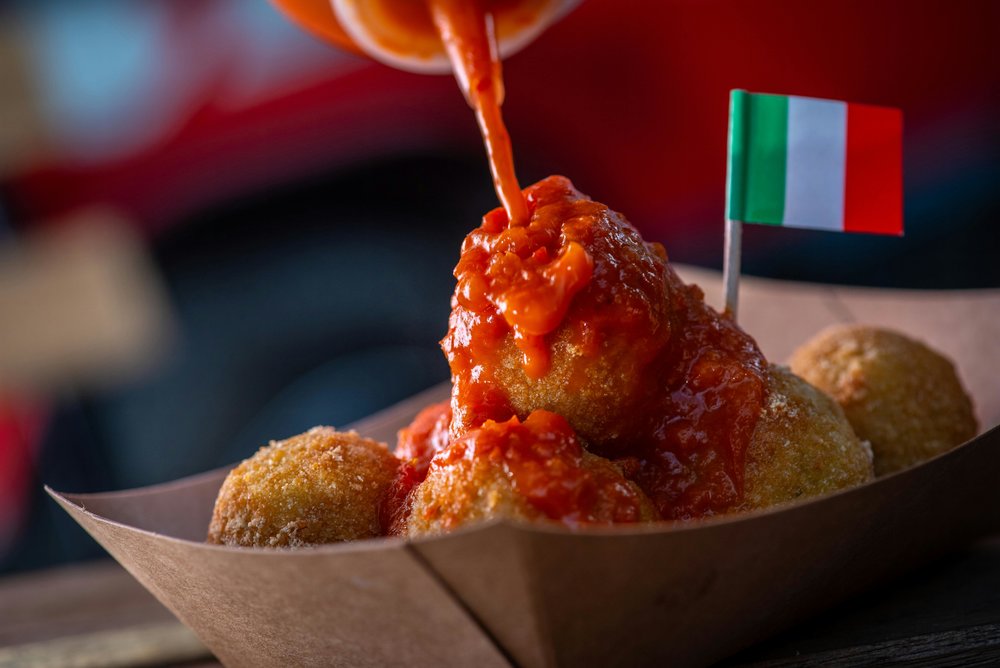
Italian arancini drizzled with rich tomato sauce | Photo Credit: Peter Benedetti on Pexels
Sicily feels like its own world, shaped by Greek, Arab, and Norman influences that shine through in its food. Arancini are fried rice balls, usually stuffed with ragù or cheese, golden and crispy on the outside and steaming inside. Caponata is a sweet-and-sour eggplant dish, packed with capers, olives, and tomatoes.
And then there are cannoli: crispy pastry shells filled with sweet ricotta cream, usually topped off with chocolate chips or candied peel. Curious how these Sicilian dishes are made? Join a market tour and cooking class in Palermo.
Where to eat: Pasticceria Cappello (Palermo), Mercato di Ballarò (Palermo), street food stalls in Catania's fish market
- Arancini: $2–$4 each
- Cannolo: $2–$5 each
- Full Sicilian meal: $15–$35 per person
11. Sardinia: Pane Carasau & Pasta con Bottarga
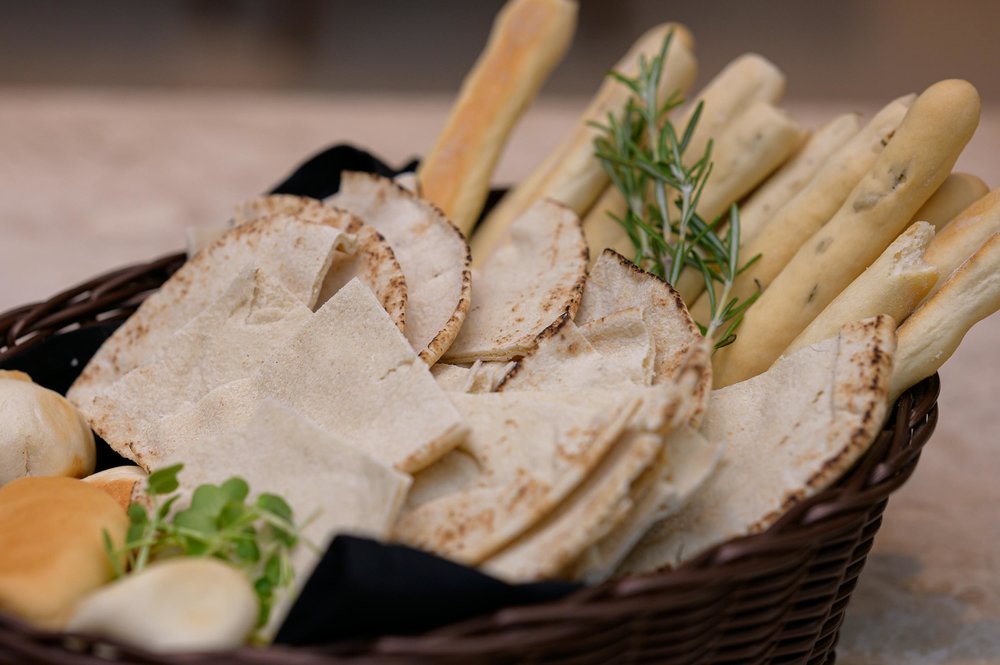
Crispy flatbread with breadsticks on a basket | Photo Credit: Daniel Duarte on Pexels
Sardinia is Italy's second-largest island and one of its most culinarily distinctive. Pane carasau is Sardinia's famous crispy flatbread. It’s paper-thin, incredibly crunchy, and made to last for weeks (it was the traditional food of shepherds on long journeys). Eat it plain, drizzled with olive oil, or layered with tomato and egg to make pane frattau.
Pasta con bottarga is another Sardinian classic: simple pasta tossed with bottarga (dried, cured fish roe), olive oil, and garlic. The bottarga adds a deep, salty, ocean-rich flavor that's unlike anything else.
Where to eat: Ristorante Su Gologone (Oliena), Trattoria Lillicu (Cagliari), local markets throughout Alghero and Sassari
- Pane carasau (to take home): USD$5–$10 per pack
- Pasta con bottarga: USD$15–$28 per person
FAQs about Italian regional cuisine
What are the most famous regional dishes in Italy?
Italy has many iconic dishes, but a few stand out: carbonara from Rome, pizza margherita from Naples, risotto alla milanese from Lombardy, and tagliatelle al ragù from Bologna. They’re known worldwide but taste best in their home regions, where local ingredients and traditions bring them to life.
How does Italian cuisine vary by region?
Italian food changes a lot by region. The north uses more butter, cream, rice, and polenta. Central Italy focuses on simple, rustic flavors with olive oil and meats. The south is bold and Mediterranean, with tomatoes, seafood, and chili. Sicily and Sardinia have their own unique influences.
What foods is Northern Italy known for?
Northern Italy is known for rich, comforting dishes like risotto, ossobuco, and fresh egg pasta. It’s also famous for specialties like truffles, parmigiano reggiano, prosciutto di parma, and balsamic vinegar from Modena.
What are the signature dishes of Southern Italy?
Southern Italy is known for bold flavors. Highlights include pizza margherita, buffalo mozzarella, orecchiette pasta, arancini, caponata, and cannoli, along with many spicy, rustic dishes.
Which Italian regions are best known for pasta dishes?
Emilia-Romagna is the pasta capital, known for tagliatelle, tortellini, and lasagne. Lazio (Rome) is famous for carbonara and cacio e pepe, while Puglia and Sicily each have their own unique pasta traditions.
Craving an Italian food journey? 🍝
Italy’s food is as diverse as its landscapes. If you're enjoying carbonara in Rome, handmade orecchiette in Bari, or a fresh arancino in Palermo, every meal tells a story. Italian cuisine isn’t just about the food: it’s about tradition, people, and place.
The best way to experience it? Join a food tour on Klook, visit local markets, and try everything you can.
Check out these Italy travel guides before you go!
What is Klook?
Klook is a leading pan-regional experiences platform in Asia Pacific, purpose built to digitalize experiences and make them accessible to every traveler.
Our mission is to build the digital infrastructure for the global experience economy — empowering merchants to share their passions and travelers to discover the heartbeat of each destination. We operate a mobile-first, curated platform featuring diverse experiences across global destinations.