61 resultados encontrados
Recomendado pela Klook
Ordenar por:
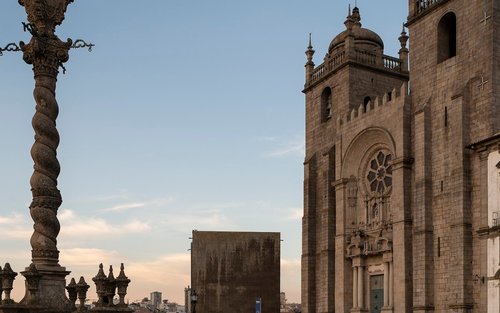
Admissão à Catedral do Porto
(41) • 20K+ reservado
¥ 30
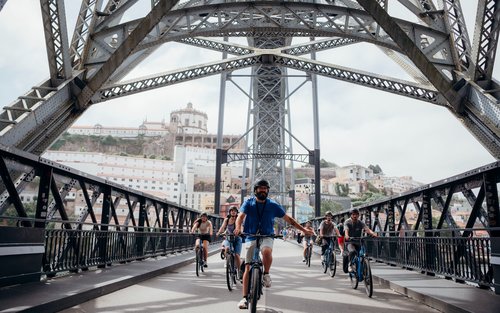
Destaques do Porto em Tour de Bicicleta Elétrica
(4) • 50+ reservado
A partir de
¥ 315
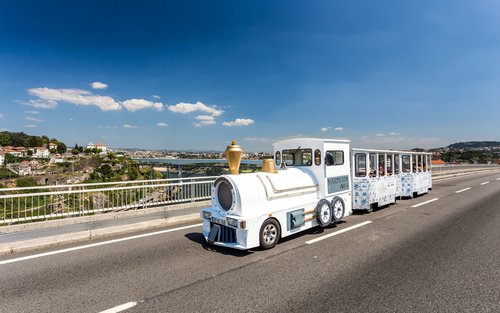
Tour de Meio Dia pelo Centro da Cidade do Porto e Catedral com Degustação de Vinhos
(13) • 300+ reservado
¥ 105
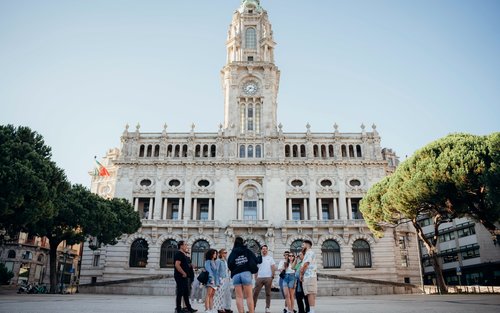
Tour pelos Destaques da Cidade do Porto
(3) • 200+ reservado
A partir de
¥ 208

A partir de
¥ 169
A partir de
¥ 417
Tour de Segway pelos Destaques da Cidade do Porto
50+ reservado
¥ 520
A partir de
¥ 786
Passeio de Tuk Tuk Ecológico Privado de 3 Horas no Porto
Nova atividade
A partir de
¥ 1,102
Experiência de Comida e Vinho de Tuk Tuk Ecológico no Porto
Nova atividade
A partir de
¥ 1,554
Bilhete da Livraria Lello no Porto
(26) • 800+ reservado
¥ 226
O que as pessoas dizem sobre as melhores experiências
클룩 고객
2026-08-29 07:33:49
This was the first cathedral I saw in Portugal, and it was absolutely wonderful! It rained in the morning, so the view was a bit cloudy at first, which was a shame, but after a while, the weather cleared up and it was cool, so the view from the observation deck was truly the best, haha. The bell sounds were also magnificent, and when I entered around 10:30 AM in late August, there was a moderate number of people, which was nice :) For reference, the cathedral is located uphill, so I recommend taking a tram or bus up to São Bento Station and then coming here, haha.
Klook User
2026-09-16 08:03:31
Great tour, well paced despite hills and great history and learning. Felipe was easy to talk to, happy to take photos and getting to chat over a coffee break was great
Paris ****
2026-06-25 10:45:21
We enjoyed the tour with a variety of wine tastings. Our tour guide, Thomas, explained the history, economy, and industry of Porto. It was very insightful. Also, our driver Carlos drove very gently, making the long journey comfortable. The food was good, and the only thing I would like to mention is the quality of the coffee. I didn't drink the coffee after a small taste, and I noticed other participants didn't finish theirs either. Overall, it was a good experience and worth joining the tour.
Chin *****
2026-08-03 08:11:20
Un grand voyage touristique, la vue est magnifique, un événement à ne pas manquer à Porto.
Lee **************
2026-05-21 18:53:30
Uma experiência incrível na adega da Taylor para conhecer a história do vinho do Porto.