Although my day trip to Wuzhen was short, walking through Dongzha and Xizha from morning till night still allowed me to experience the unique charm of a Jiangnan water town. By day, it's a misty, rainy town; by night, it's illuminated by countless lights. The same river and the same rooftops present completely different scenery at different times.
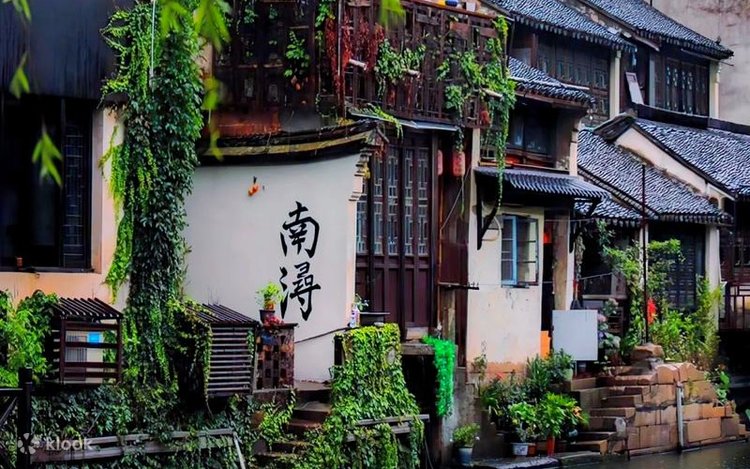
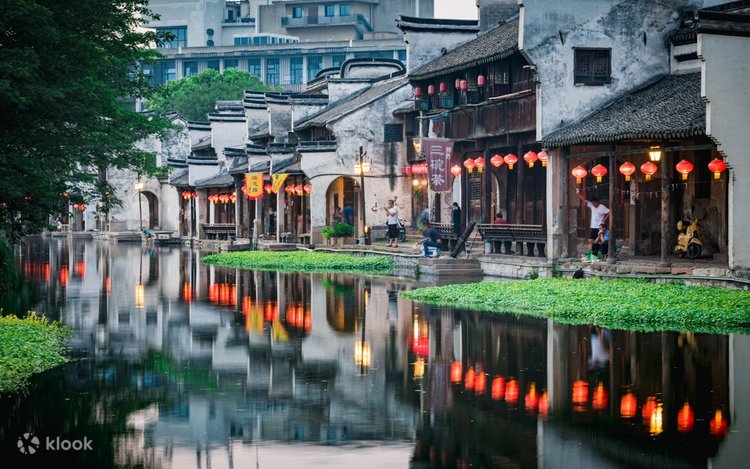
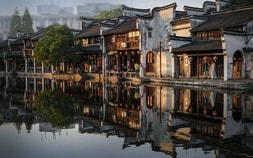
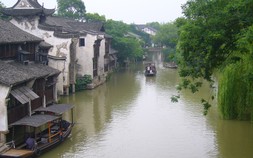
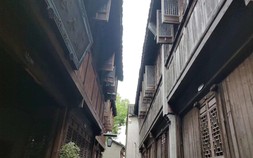
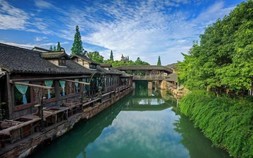
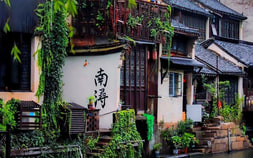
I started in Dongzha in the morning. Dongzha retains a more original sense of daily life. In the narrow alleys of the old street, you'll find residential houses with clothes drying and couplets hanging, and the stone-paved paths underfoot are polished smooth by time. Strolling along the river, with white-walled, black-tiled houses on one side and gently flowing water on the other, and lanterns occasionally hanging from the eaves, the scene comes alive like old photographs. Stepping into various small museums, such as the Blue Calico Printing and Dyeing Workshop and the Wine Brewery, you can see the tools and processes of traditional handicrafts, and better understand that an "ancient town" is not just a backdrop for photos, but a way of life that truly existed.
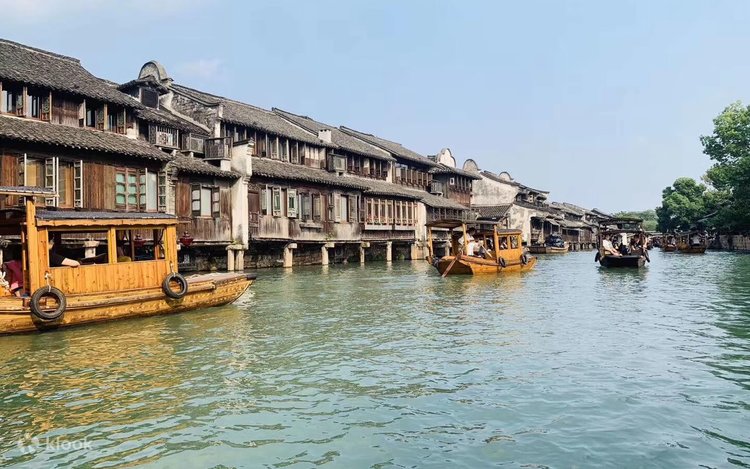
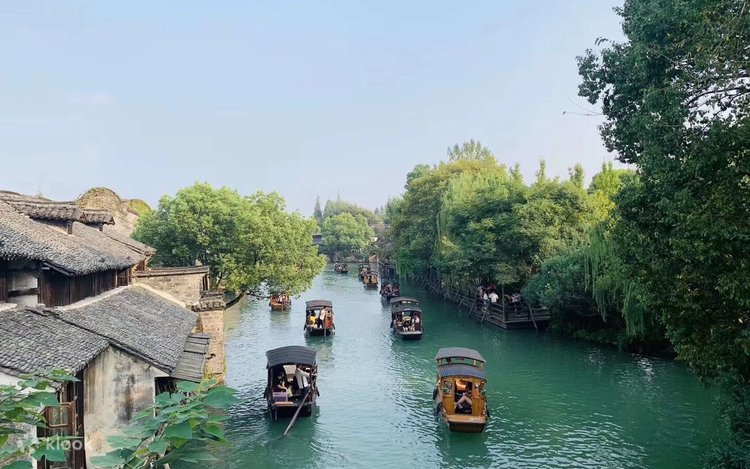
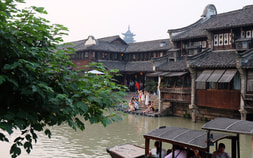
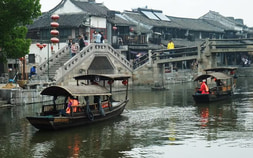
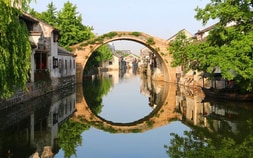
In the afternoon, I moved to Xizha, where the atmosphere was distinctly different. Xizha's streets are wider and its planning is more complete, with guesthouses, coffee shops, and creative cultural stores one after another. Compared to Dongzha's sense of daily life, Xizha has more of a resort town feel. I specifically took a sculling boat ride, slowly moving towards the end of Xizha along the waterway. Sitting on the boat and looking out at both sides, I could see riverside inns, wooden windows, and stone bridges slowly passing by, as if I had become part of this ink wash painting. Compared to walking, boating truly conveys the meaning of "water town."
On the way back, walking along the water's edge, I could see many inns built by the river, with river views right outside their wooden windows. I made a special effort to queue up for the famous local shredded radish cake. A long line snaked in front of the small shop, and the air was filled with the aroma of fried dough and radish. When it was my turn, I received a freshly baked, still warm shredded radish cake. Taking a bite, the outer crust was crispy, and the inside was savory, juicy, and delicious. Standing on the stone-paved street of the ancient town, enjoying the evening breeze and a hot snack, that moment was more satisfying than any formal meal and became one of my most "human-touch" memories of Wuzhen.
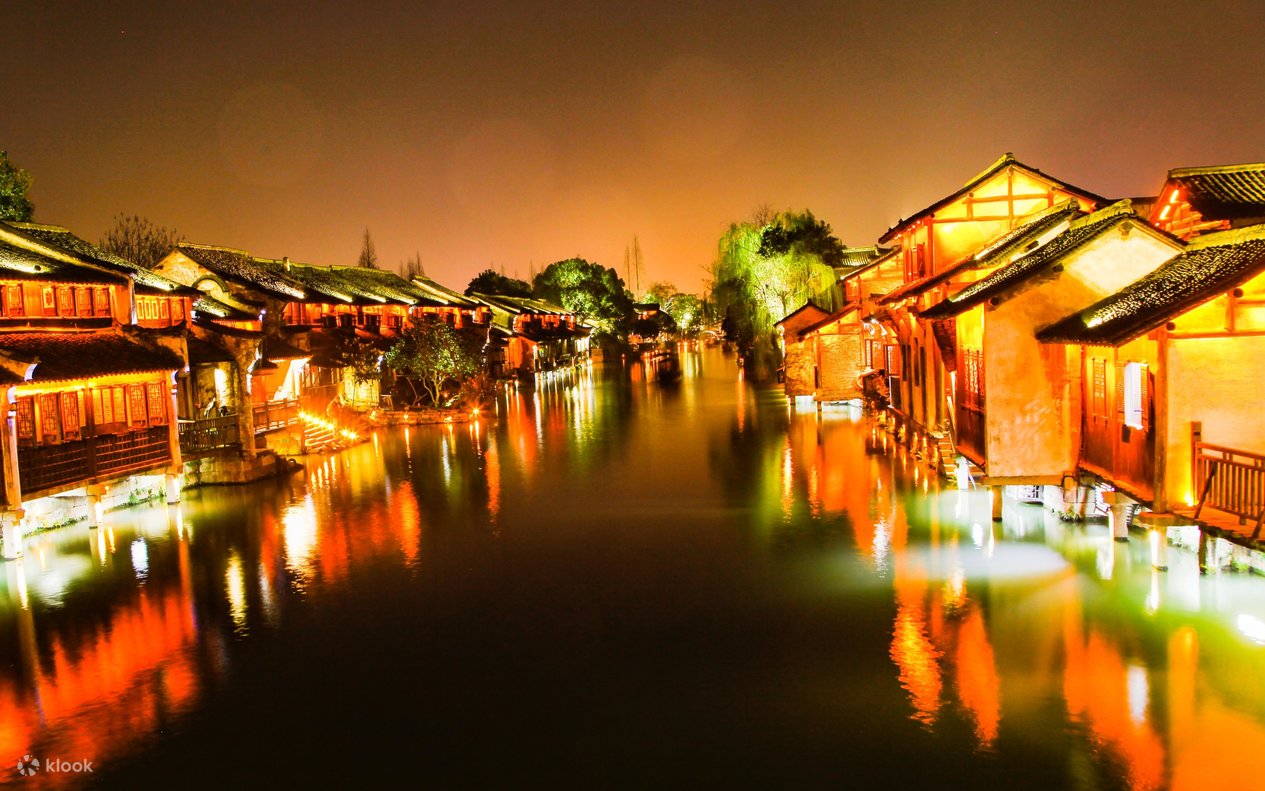
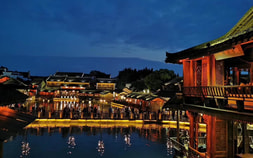
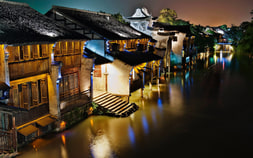
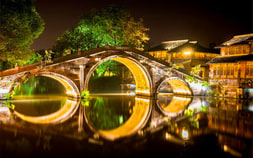
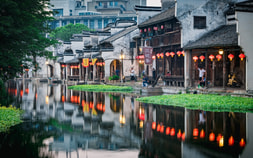
After dusk, Xizha's night view was the highlight of the entire trip. As the sky slowly darkened, the lanterns along the river and the outline lights of the buildings lit up one by one, reflecting on the water, making the entire river seem illuminated. There were more tourists, but in some quieter corners, I could still find an alley with only myself and the sound of the water.
This day trip to Dongzha and Xizha, though a bit rushed with many places only seen in passing, still yielded many rewards. Dongzha showed me more "authentic" traces of life, allowing me to imagine the daily routines of residents washing clothes, drying them, and chatting there in the past. Xizha, on the other hand, felt like a stage prepared for modern travelers, with the ancient town decorated to be more comfortable and photogenic, and more suitable for a leisurely stay. The combination of these two styles gave me a more three-dimensional impression of a "water town."
On the way back, recalling the stone-paved paths of the day and the illuminated river at night, I felt that the value of travel might not lie in "how many sights you visit," but in whether you truly slow down at some moment and attentively observe the scenery around you. Wuzhen gave me just such an opportunity to temporarily press the fast-forward button on life.
Ver mais







 Guia turístico ao vivo: Chinês
 Refeições