
Nagoya is the largest city in the Chubu region, sitting on the Shinkansen line between Tokyo and Osaka. Most people only think of it as a transfer point, but Nagoya attractions cover a lot more ground than a quick stopover suggests. You get a rebuilt castle with real samurai history, one of Japan's most important shrines, a shopping district that feels like old Tokyo, and Ghibli Park, one of the newest theme parks in the country.
Nagoya also grew up as an industrial city, home to Toyota and a big part of Japan's manufacturing story. That mix of history, spirituality, and industry gives Nagoya a different personality than Kyoto or Osaka, and it holds up on its own for a full day or two. Here's a rundown of the top attractions in Nagoya and how to plan around them.
Nagoya at a glance
Attraction | Highlight | Good For | Distance from Central Nagoya |
|---|---|---|---|
Rebuilt Honmaru Palace, samurai-era grounds | History buffs, half-day trip | In the city center | |
Studio Ghibli-themed forest park in Nagakute | Families, full-day trip | ~40 min by train and bus | |
1,400s-era Buddhist temple, monthly flea market | Culture and shopping combo | In the city center | |
Covered arcades, street food, vintage shops | Casual browsing | Right next to Osu Kannon | |
One of Japan's most sacred shrines, ancient camphor forest | Quiet, spiritual side trip | Short subway ride | |
Nagoya City Science Museum | World's largest planetarium dome | Families, rainy-day plan | In Sakae, central Nagoya |
Toyota Commemorative Museum | Working looms and cars tracing Toyota's history | Industrial history fans | Nishi Ward, short subway ride |
Nagoya Castle: the city's most recognizable landmark
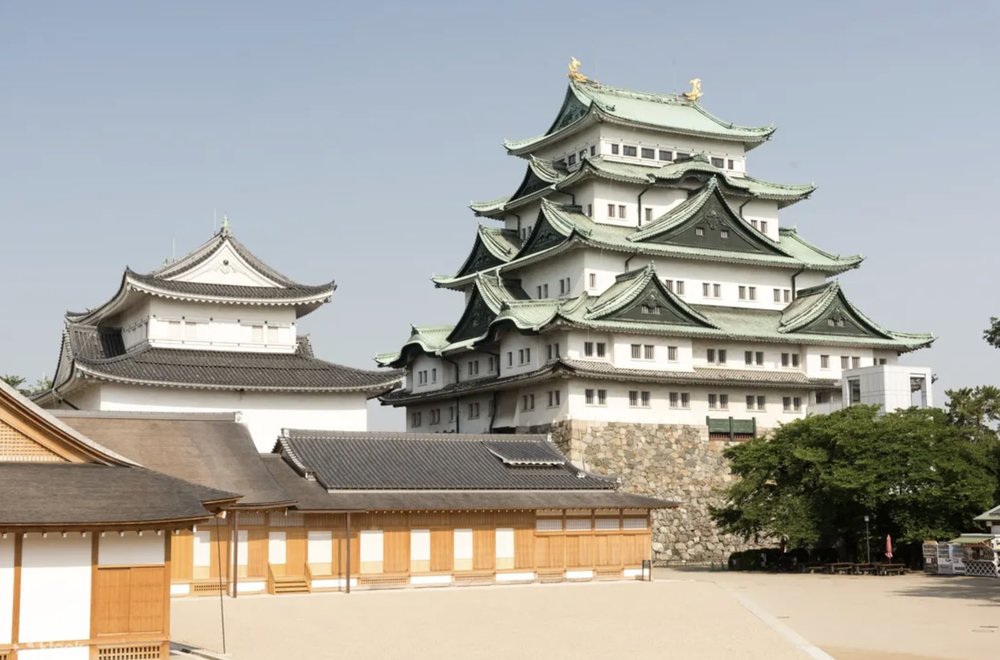
Nagoya Castle
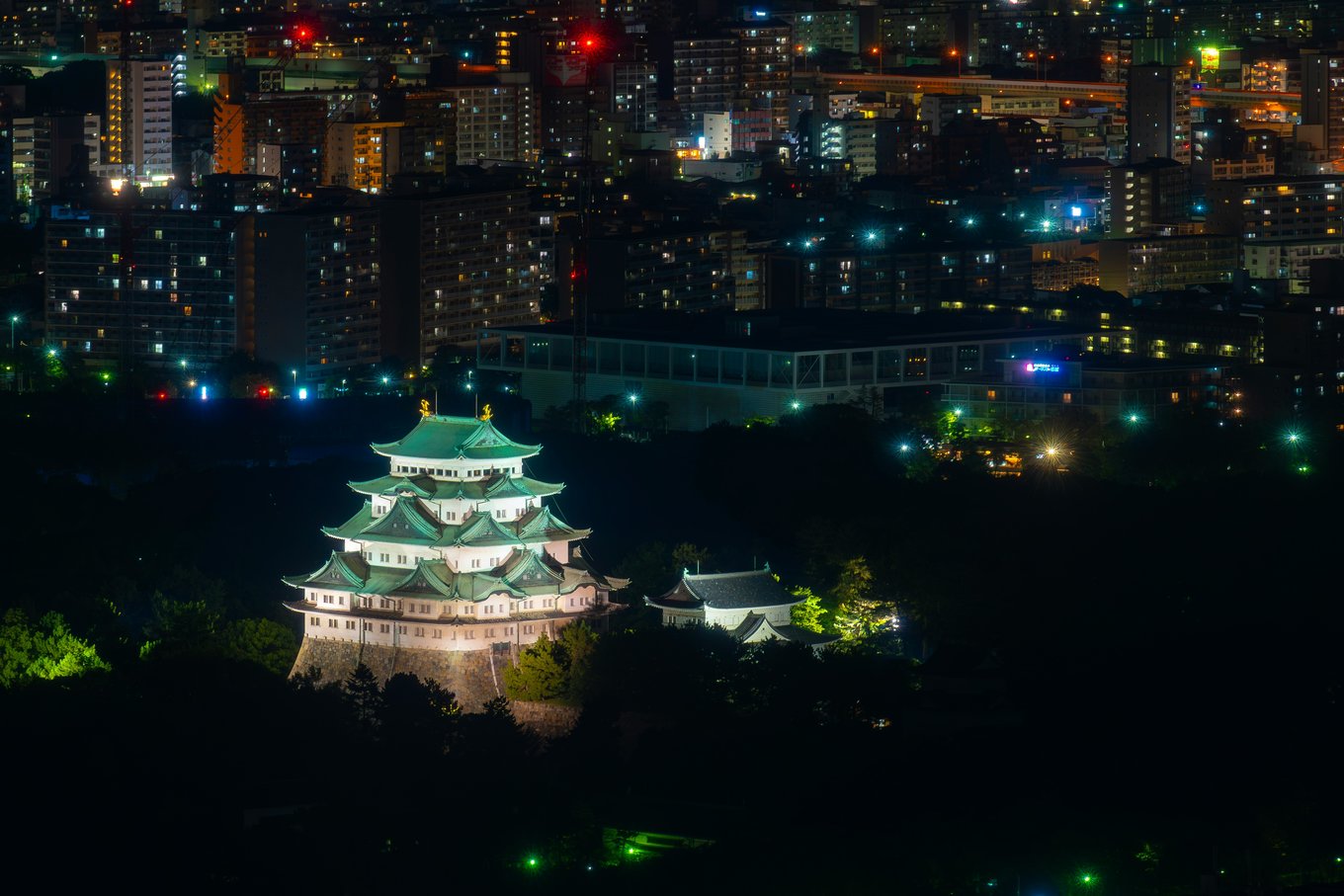
Nagoya Castle is the single most photographed attraction in the city, and it's usually the first stop on any Nagoya sightseeing list. The original structure dates back to 1612, and even though most of it was rebuilt after World War II, the grounds, moat, and golden shachihoko (mythical dolphin-tiger ornaments) on the roof still give you a real sense of the castle's original scale.
Inside, you'll find exhibits on the castle's history, plus the Honmaru Palace, a full reconstruction of the interior using traditional carpentry techniques. Cherry blossom season (late March to early April) is the busiest time to visit, so early mornings work best if you want fewer crowds. Grab your Nagoya Castle ticket ahead of time to skip the ticket line.
Address: 1-1 Honmaru, Naka Ward, Nagoya, Aichi 460-0031, Japan
Ghibli Park: worth the day trip
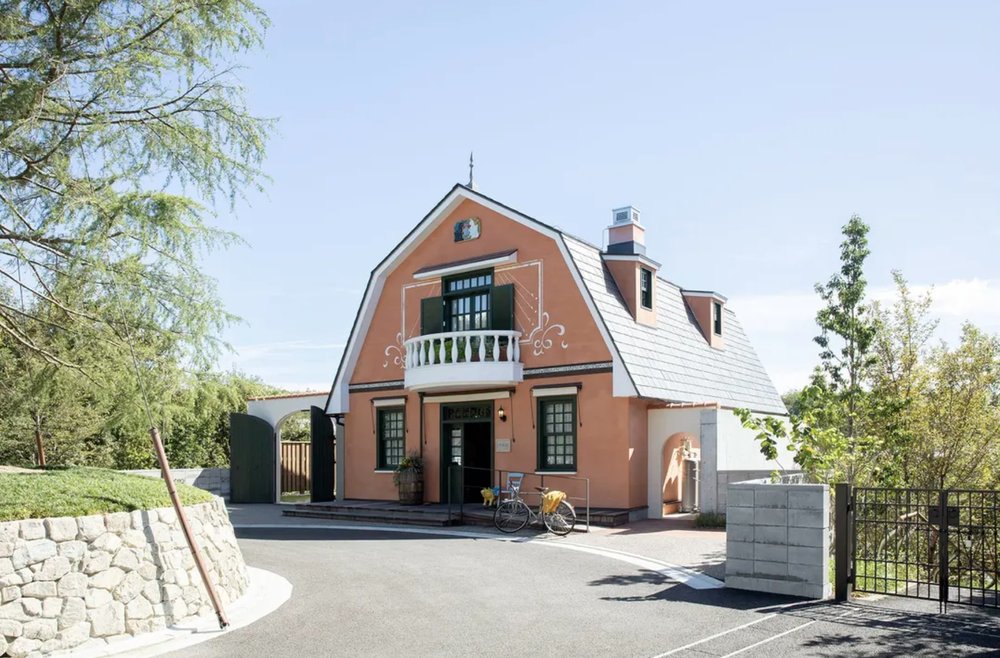
Ghibli Park
Ghibli Park is the newest name on any Nagoya attractions list, and it pulls in visitors from across the country on its own. The park sits inside Aichi Commemorative Park in Nagakute, with different themed areas based on Studio Ghibli films instead of one central park layout, so you walk between sections through the forest.
Here's the part first-timers usually miss: Ghibli Park isn't actually in central Nagoya. It's about 40 minutes from downtown by train and bus, so plan for most of a day if you want to see it properly. A guided tour handles the transit questions and usually pairs the park with other spots in Nagakute.
Klook Tip: Ghibli Park sells timed-entry tickets that sell out weeks ahead, so lock in a spot before you land in Japan.
Book the Ghibli Park day tour and let someone else handle the transfers.
Osu Kannon: Nagoya's spiritual heart
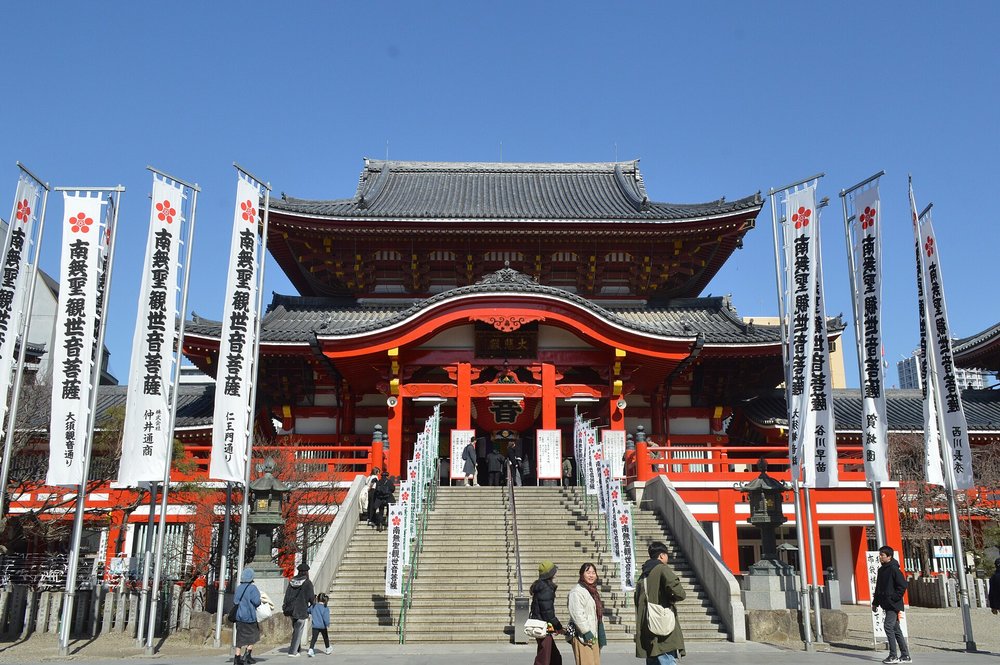
Osu Kannon main hall | Image Credit: Asturio Cantabrio, CC BY-SA 4.0 via Wikimedia Commons
Osu Kannon is a Buddhist temple right in the middle of the city, and it's one of the easiest must-see Nagoya spots to pair with a walk through the surrounding streets. The current building was rebuilt in the 1970s after a fire, but the temple's history as a religious and cultural center goes back to the 1400s.
A flea market sets up around the temple grounds on the 18th and 28th of each month, selling antiques, old kimono, and secondhand goods. If you want a local guide to walk you through the temple and the food stalls nearby, the Osu walking tour covers both in about two hours.
Atsuta Jingu: one of Japan's most important shrines
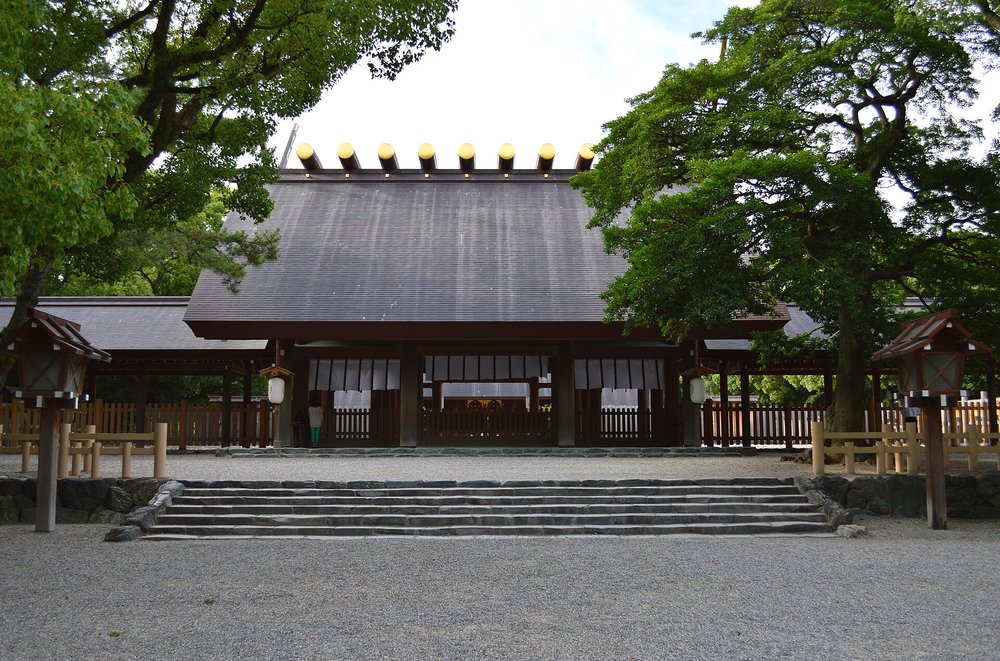
Atsuta Jingu | Image Credit: Saigen Jiro, CC0, via Wikimedia Commons
Atsuta Jingu ranks just behind Ise Grand Shrine in religious importance, and it's said to house one of the three Imperial Regalia of Japan, the sacred sword Kusanagi. You won't see the sword itself since it's kept out of public view, but the shrine grounds make up for it with a forest of 1,000-year-old camphor trees that block out most of the city noise.
The shrine dates back roughly 1,900 years, and it still hosts around 70 festivals a year. If your trip lines up with one, it's worth rearranging your schedule around it. Otherwise, plan on 45 minutes to an hour to walk the main grounds at a relaxed pace.
Nagoya City Science Museum: science under a giant dome
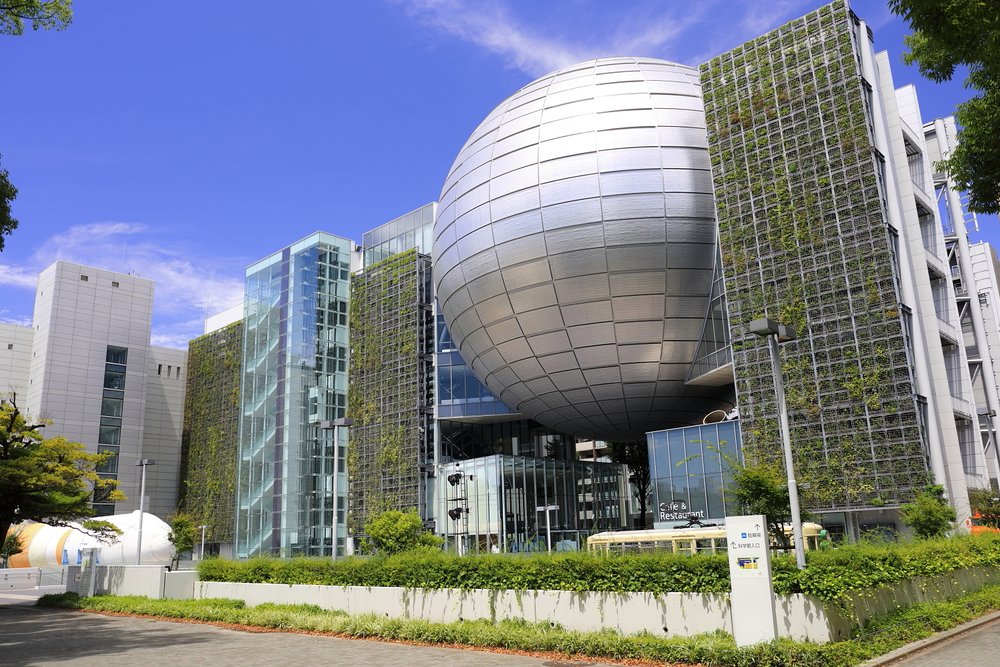
Nagoya City Science Museum | Image Credit: Tomio344456, CC BY-SA 4.0, via Wikimedia Commons
The Nagoya City Science Museum sits in Sakae, right next to Shirakawa Park, and it's a good pick if you're traveling with kids or just want a break from temples and shrines for an afternoon. The Brother Earth dome is the world's largest planetarium screen, and the exhibits cover everything from space to electricity in ways that don't need much Japanese to follow.
Tickets for the planetarium sell out on weekends and school holidays, so grab yours as soon as you arrive or reserve online if you can. Give yourself at least two hours to get through the main exhibits without rushing.
Toyota Commemorative Museum of Industry and Technology: Nagoya's industrial story
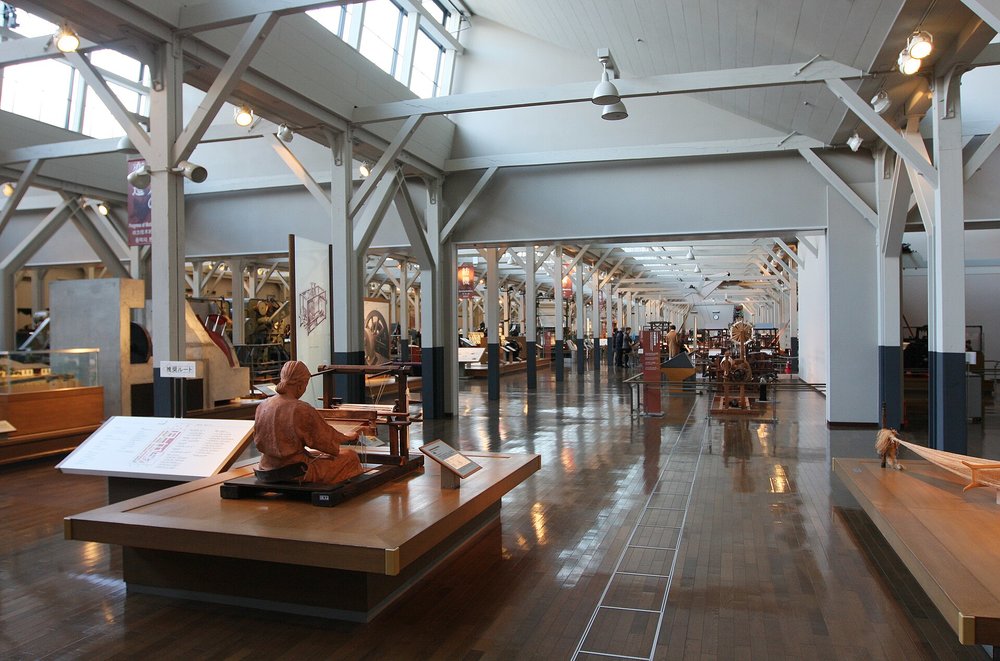
Toyota Commemorative Museum of Industry and Technology | Image Credit: Morio, CC BY-SA 3.0 via Wikimedia Commons
Toyota started as a loom manufacturer before it became one of the biggest carmakers in the world, and this museum in Nagoya's Nishi Ward tells that story with working machines from each era. Staff demonstrate the original automatic looms at set times throughout the day, and the noise and motion make the history a lot more interesting than reading it off a plaque.
The car section covers early Toyota models through more recent production techniques, including a working assembly line demonstration. Plan on two to three hours if you want to catch the demonstrations rather than just walk through.
FAQs about Nagoya attractions
What are the top attractions and must-see places in Nagoya?
Nagoya Castle, Ghibli Park, Osu Kannon, and Atsuta Jingu cover the highlights, with Osu Shopping District and the Toyota Commemorative Museum of Industry and Technology rounding things out if you have extra time.
Is Nagoya worth visiting or just a stopover?
It's worth a dedicated stop, not just a transfer. Between the castle, Ghibli Park, and the shrines, there's enough here for two or three days without repeating yourself.
How far is Ghibli Park from central Nagoya?
About 40 minutes by train and bus to Nagakute, where the park sits inside Aichi Commemorative Park. A guided day tour handles the transit for you.
What is Nagoya most famous for?
Nagoya Castle, Atsuta Jingu, and its ties to Toyota and Japan's auto industry are what most people associate with the city, along with Ghibli Park more recently.
Is one day enough to see Nagoya's main attractions?
You can cover Nagoya Castle, Osu Kannon, and Atsuta Jingu in one day since they're close together by subway. Ghibli Park needs its own separate day.
Is Nagoya Castle worth visiting?
Yes. The rebuilt Honmaru Palace and the castle grounds give you a clear picture of the city's samurai-era history, and it's an easy stop to combine with Osu Kannon afterward.
Ready to plan your Nagoya trip
Nagoya attractions cover castles, shrines, theme parks, and factory museums, so book your must-see stops ahead of time and build the rest of your schedule around subway stops. Klook has tickets and tours for most of what's on this list, so you can lock in the ones that fill up fastest before you go.
Related Articles

What is Klook?
Klook is a leading pan-regional experiences platform in Asia Pacific, purpose built to digitalize experiences and make them accessible to every traveler.
Our mission is to build the digital infrastructure for the global experience economy — empowering merchants to share their passions and travelers to discover the heartbeat of each destination. We operate a mobile-first, curated platform featuring diverse experiences across global destinations.