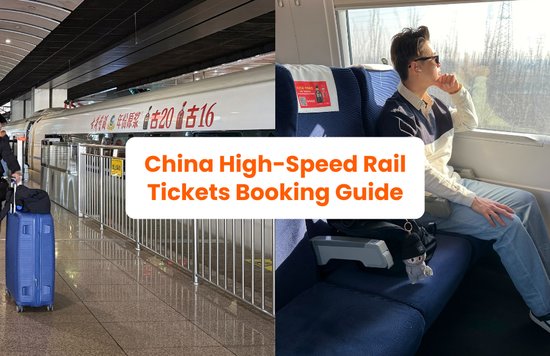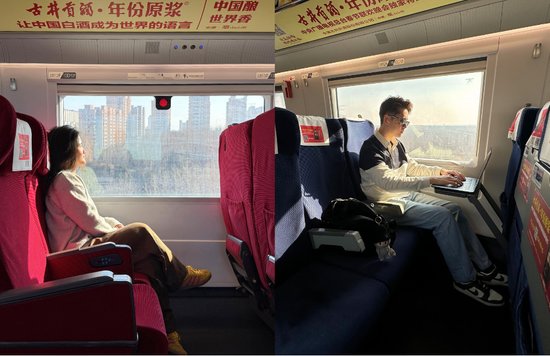

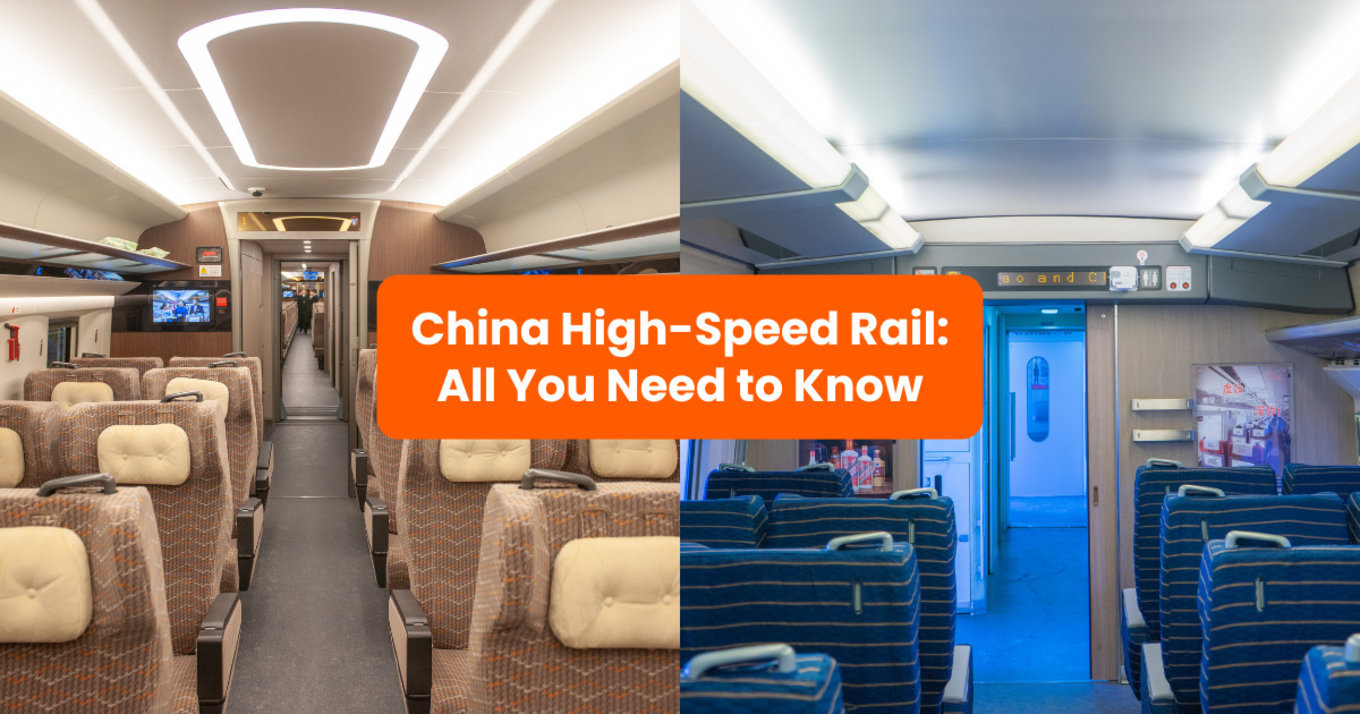
Intercity Travel in China via High-Speed Rail: The fastest and most convenient way to travel
Planning a trip to China and wondering how to travel efficiently between cities? Trust me, there’s no better way to get around than China’s High-Speed Rail (HSR) — the largest and busiest network in the world, and for good reason.
I’ve ridden it all over the country, from the bustling cities like Shanghai and Beijing to the lesser-known gems like Changsha and Zhangjiajie, and I can tell you firsthand, it’s a game-changer.

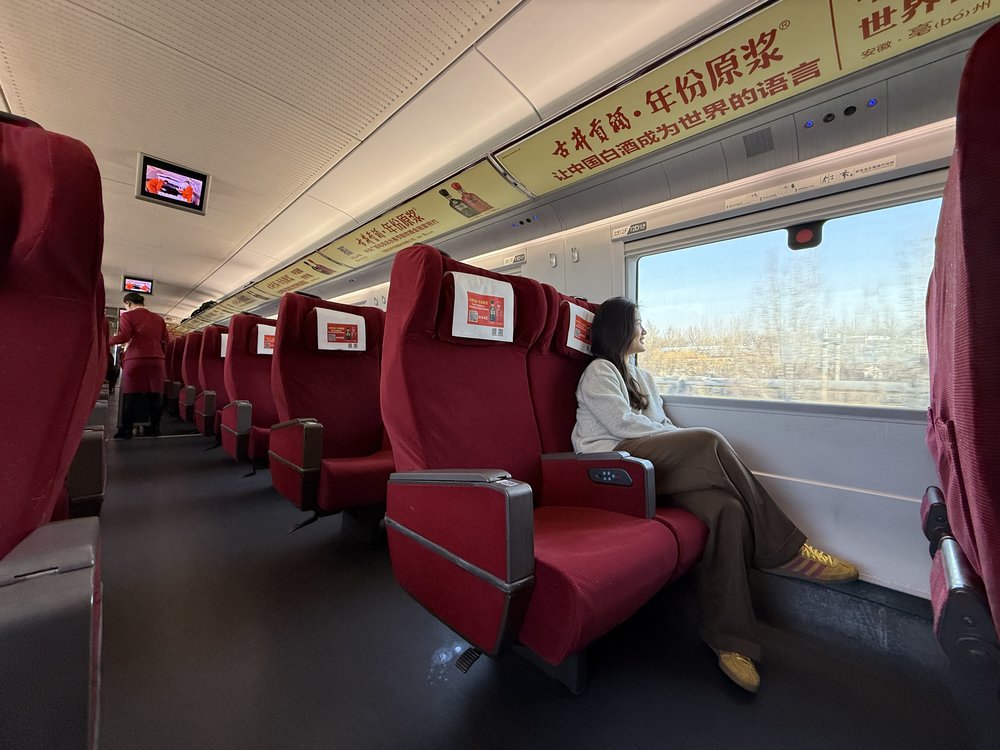
Whether you’re zipping from Shanghai to Beijing in under 5 hours, soaking in the breathtaking views between Changsha and Zhangjiajie, or making your way from Xiamen to Longyan, the high-speed train is often not just faster, but way more comfortable and convenient than flying.
Oh, and to make things easier, you can book your point-to-point China High-Speed Rail tickets on Klook, so you can spend less time stressing and more time enjoying your trip. If you're planning to explore China, riding the high-speed trains is hands down one of the best ways to do it.
P.S. you can even take a High Speed Rail from Hong Kong to China or vice versa! Check out more below.
Introduction to the China High-Speed Rail
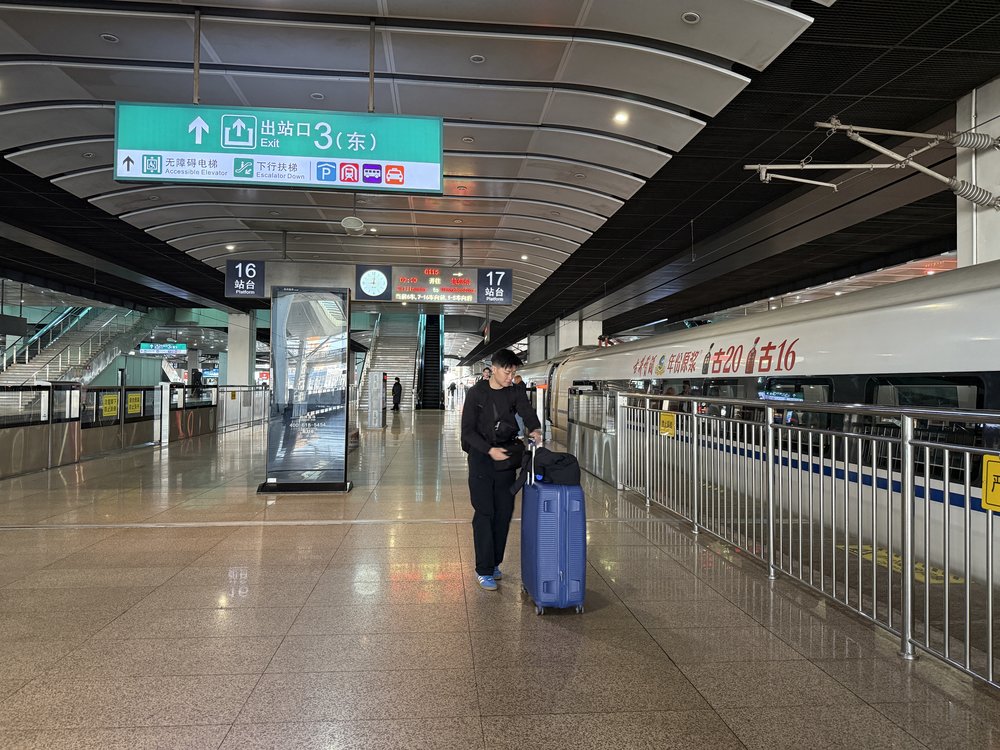
China’s high-speed rail network is the longest and most extensively used in the world, stretching over 45,000 kilometers and connecting more than 550 cities across the country. These bullet trains can reach speeds of up to 350 km/h (217 mph), making travel between major cities incredibly fast and efficient.
Operated by the China Railway Corporation under the China Railway High-Speed (CRH) brand, the network is renowned for its reliability and speed. And China’s ambitious plans don’t stop here — by 2035, the country aims to expand its railway network to an astonishing 200,000 kilometers, with 70,000 kilometers dedicated to high-speed rail!
Popular Routes on the China High-Speed Rail
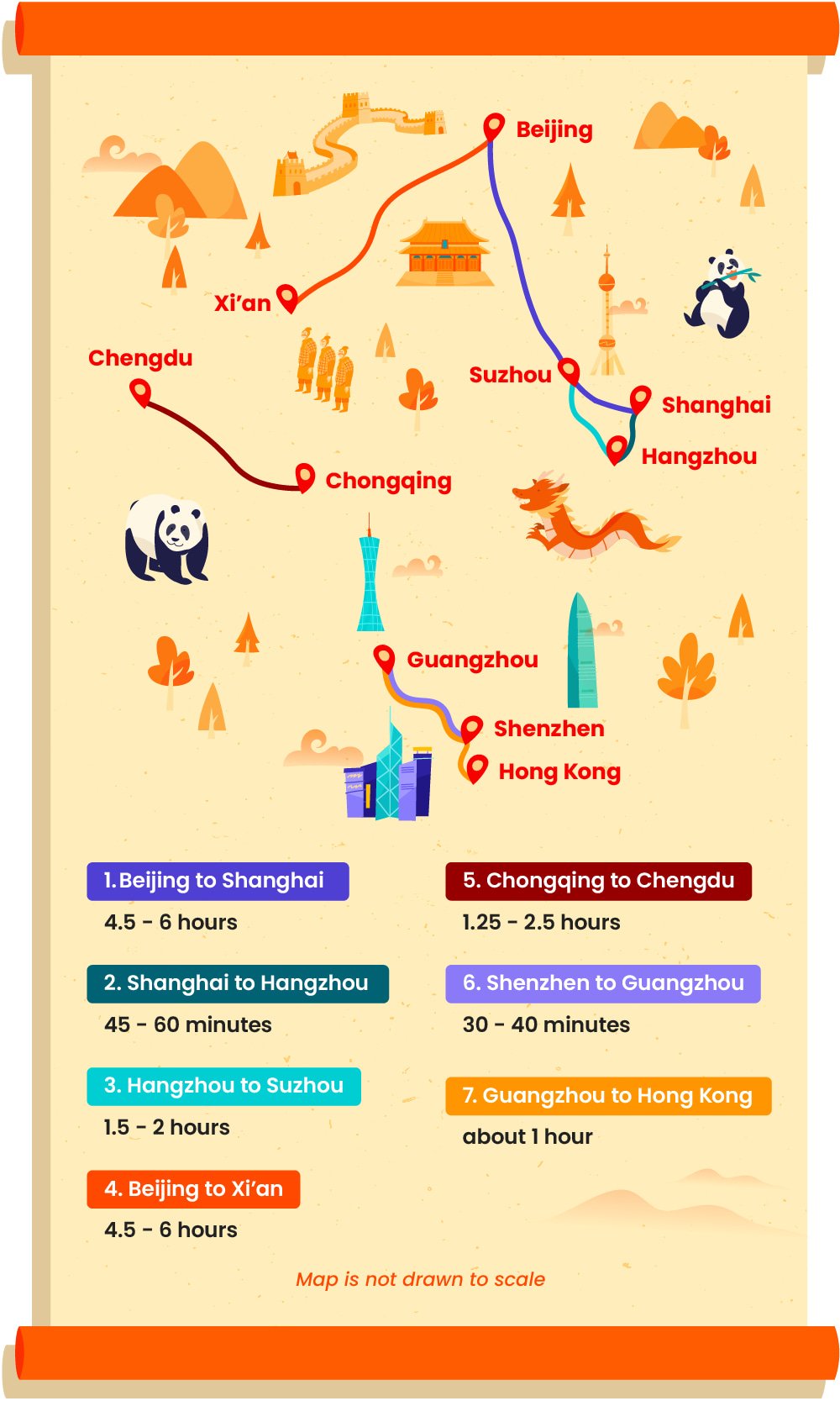
China’s high-speed rail connects over 550 cities, making it incredibly easy to get from one city to the next. Some of the most popular routes include:
1) Beijing to Shanghai
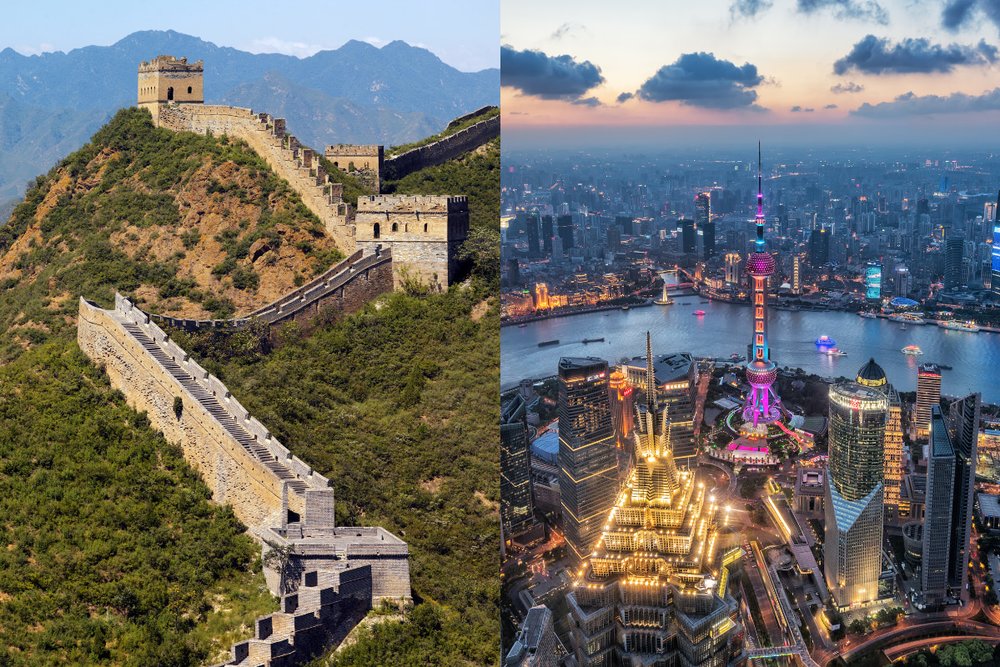
Credit: SteveAllenPhoto and bingdian via Getty Images Pro
Beijing and Shanghai are no doubt two of the most iconic cities in China. Beijing is China’s bustling capital, offering a captivating blend of ancient landmarks like the Forbidden City and Great Wall.
Then there's Shanghai, with its futuristic skyline, historic Bund waterfront, and electric blend of East-meets-West culture — where you can stroll through old-world alleyways by day and soak up neon-lit nightlife by night. Shanghai Disneyland also has the world's first Zootopia-themed land!
I've been to almost a dozen cities in China, and Shanghai is one of my favorites.
Covering a distance of 1,318 km (819 miles), the train journey from Beijing to Shanghai takes approximately 4.5 to 6 hours. This popular route passes through 7 provinces, stopping at Tianjin, Jinan, Nanjing, and more!
Take note: both cities have multiple stations, but Beijing's main station is South Beijing while Shanghai's is Shanghai Hongqiao — right beside Shanghai Hongqiao International Airport. If you want to be closer to the city center, you can also choose to alight at Shanghai or Shanghai South stations.
2) Shanghai to Hangzhou
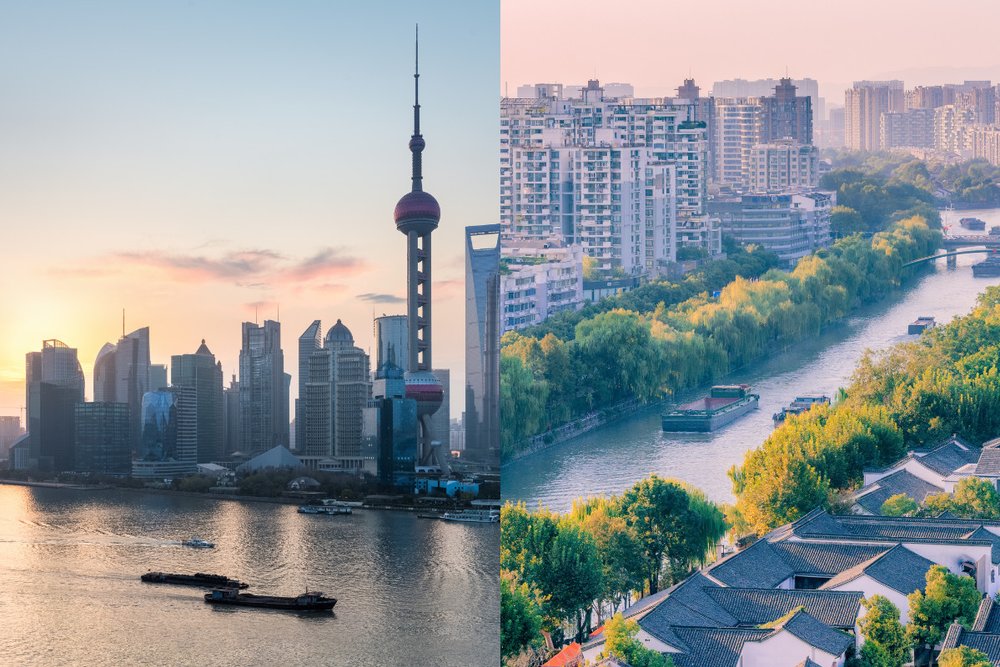
Credit: chuyu and george via Getty Images
A popular day trip for those based in Shanghai, the high-speed train covers a distance of approximately 169 km (105 miles) to Hangzhou — taking about 40 minutes!
Stroll around the stunning West Lake, known for its picturesque landscapes and historic temples, and visit the scenic tea plantations in the Longjing village to taste some of China’s finest green tea.
3) Hangzhou to Suzhou

Credit: Zi You and Toni Laaveri via Getty Images
This picturesque route offers travelers the opportunity to experience two of China's most charming cities, Hangzhou and Suzhou. The journey takes around 1.5 to 2 hours via high-speed rail and covers 160 km (99 miles), so these cities are often grouped on a single trip.
In Suzhou, explore the city’s famous classical gardens, like the Humble Administrator’s Garden, and take a relaxing boat ride along the ancient canals.
Don't miss out on a day trip to Jinxi Ancient Town from Suzhou! Known for its peaceful ambiance, this picturesque water town offers a glimpse into traditional Chinese life with charming museums, local crafts, and scenic boat rides.
4) Shenzhen to Guangzhou
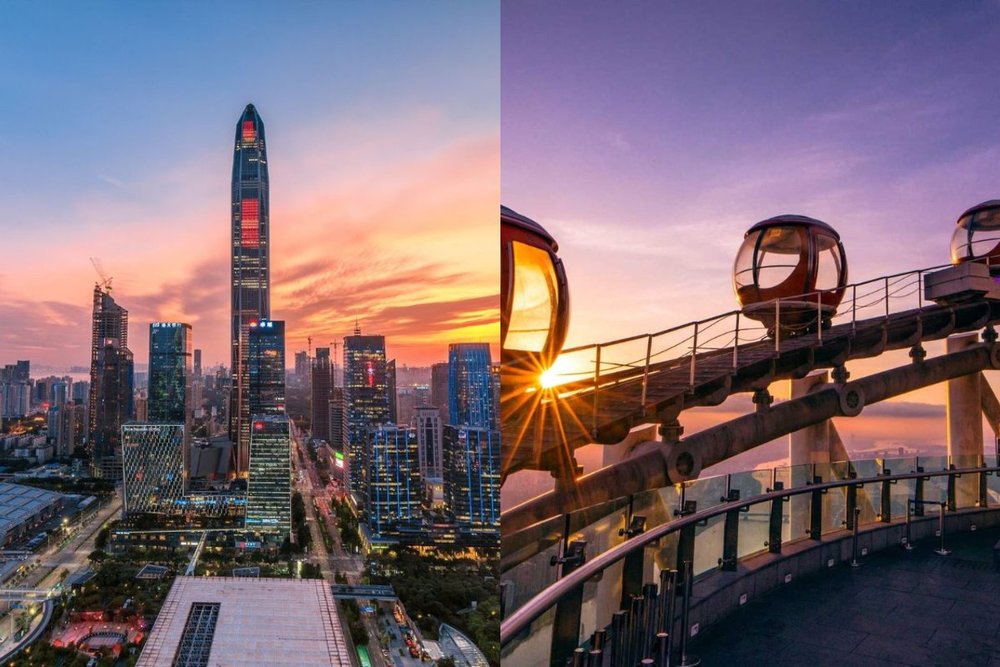
Shenzhen to Guangzhou is another popular route! Shenzhen offers a mix of attractions, from the innovative technology hub of Nanshan Science and Technology Park to cultural spots like OCT Loft and Dafen Oil Painting Village, plus family-friendly spots like Shenzhen Xiaomeisha Ocean World and Window of the World
On the other hand, Guangzhou is known as the "City of Flowers" and there's no shortage of things to do here either. Visit the iconic Canton Tower, bustling Shangxiajiu Pedestrian Street, mega theme parks like Guangzhou Sunac Land — and dig into the city's food scene, famous for authentic Cantonese dim sum.
Review: China Railway Guangzhou East to Shenzhen
"Very convenient, the order was confirmed in less than 24 hours! And you can use it by showing your passport! It is really very convenient and fast! I recommend everyone to buy and use it!"
⭐️⭐️⭐️⭐️⭐️ Review by Leon (22 Aug 2024)
Taking the high-speed rail from Shenzhen to Guangzhou is a quick and convenient way to travel between these two vibrant cities. Covering roughly 140 kilometers, the journey takes just 30–40 minutes, making it a popular option for both business and leisure travelers.
Trains depart frequently from Shenzhen North Station and arrive at Guangzhou South Station, providing a seamless, high-speed journey with comfortable seating and scenic views of the bustling Guangdong province. With trains running throughout the day, it’s easy to plan a day trip or continue your travels into the heart of Guangzhou or beyond.
Types of High-Speed Trains
China’s high-speed rail system features three main types of trains, each offering a different travel experience to suit your needs:
- G-Trains (Gaotie): These are China’s fastest high-speed trains, reaching speeds of up to 350 km/h. G-trains are ideal for long-distance travel between major cities like Beijing and Shanghai, cutting travel time significantly. They offer first and second-class seats as well as business class, which provides more spacious, reclining seats.
- D-Trains (Dongche): Slightly slower than G-trains, D-trains travel at speeds of up to 250 km/h and are perfect for shorter routes and overnight trips. These trains are popular for routes that connect cities within the same region or for budget-conscious travelers. Some D-trains offer sleeper berths for a more comfortable overnight journey.
- C-Trains (Chengji): Typically used for intercity travel, C-trains operate at speeds up to 200 km/h and serve shorter distances between cities. They are common in highly populated areas like the Beijing-Tianjin corridor and are convenient for daily commuting or day trips, offering quick, efficient service with comfortable seating.
These three train types make it easy to explore China efficiently, offering speed, comfort, and a range of options to suit various travel plans and budgets.
Types of Train Classes
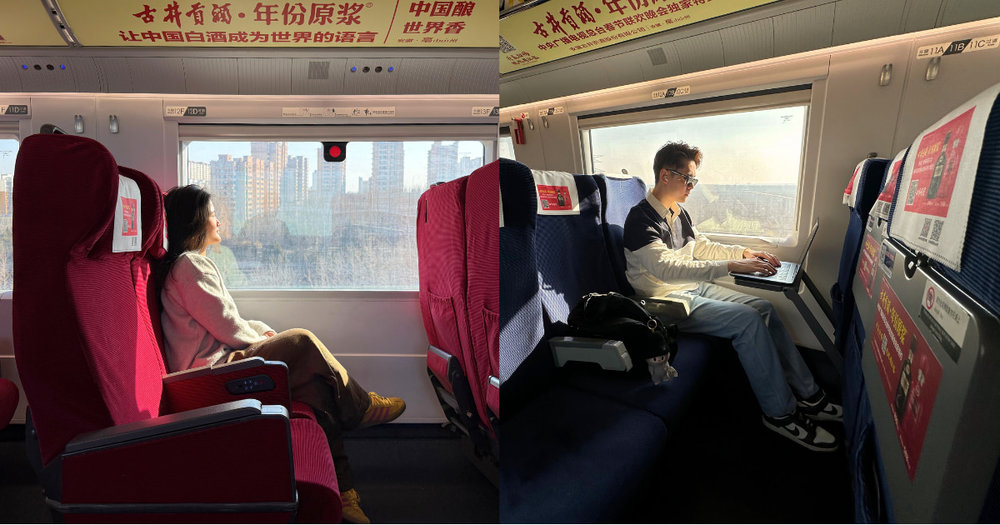
China’s high-speed trains offer a range of ticket options to suit different budgets and comfort levels. The main seat classes are first and second class, though some trains also offer business class, VIP class and sleeper cabins.
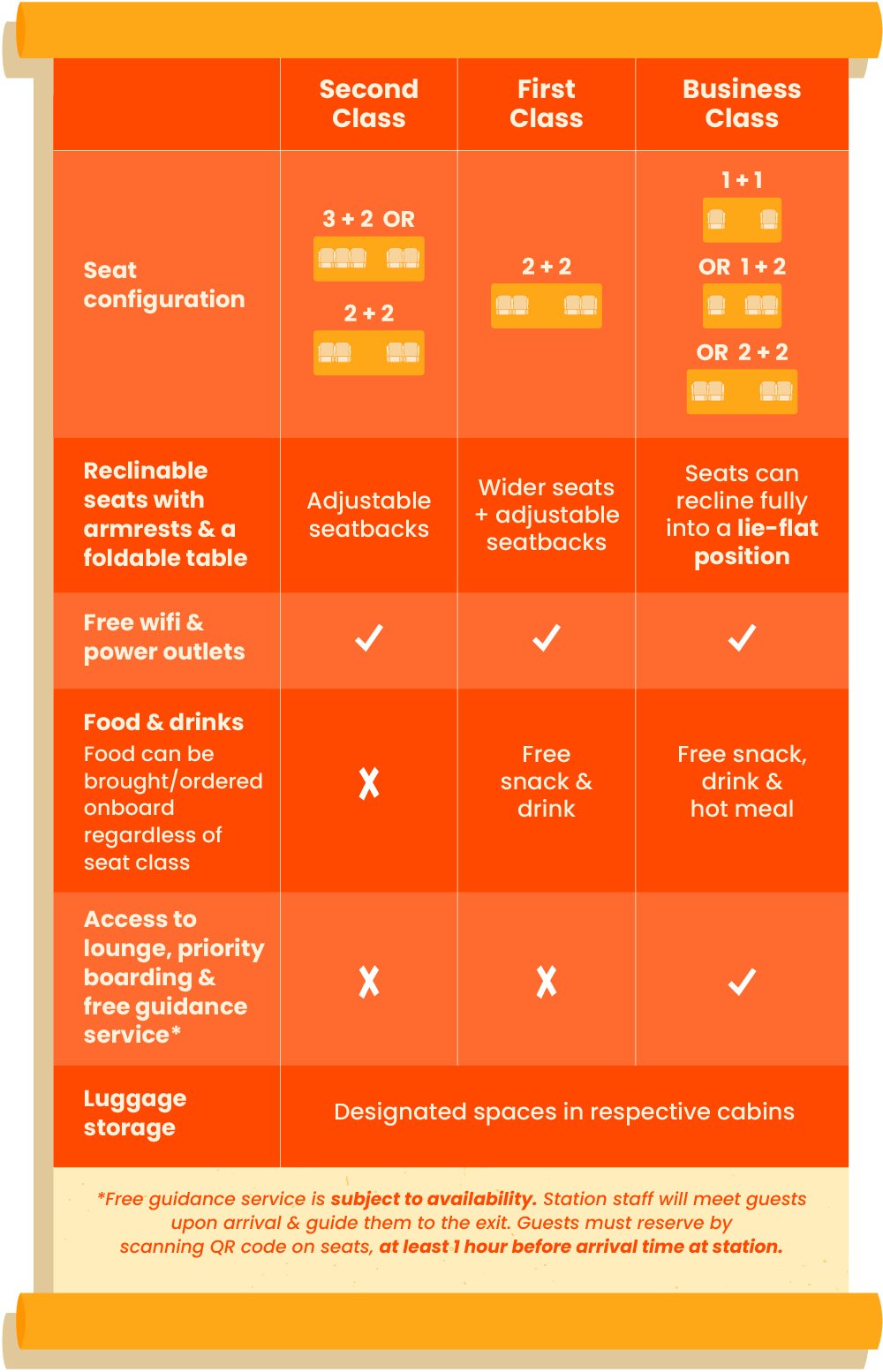
First Class
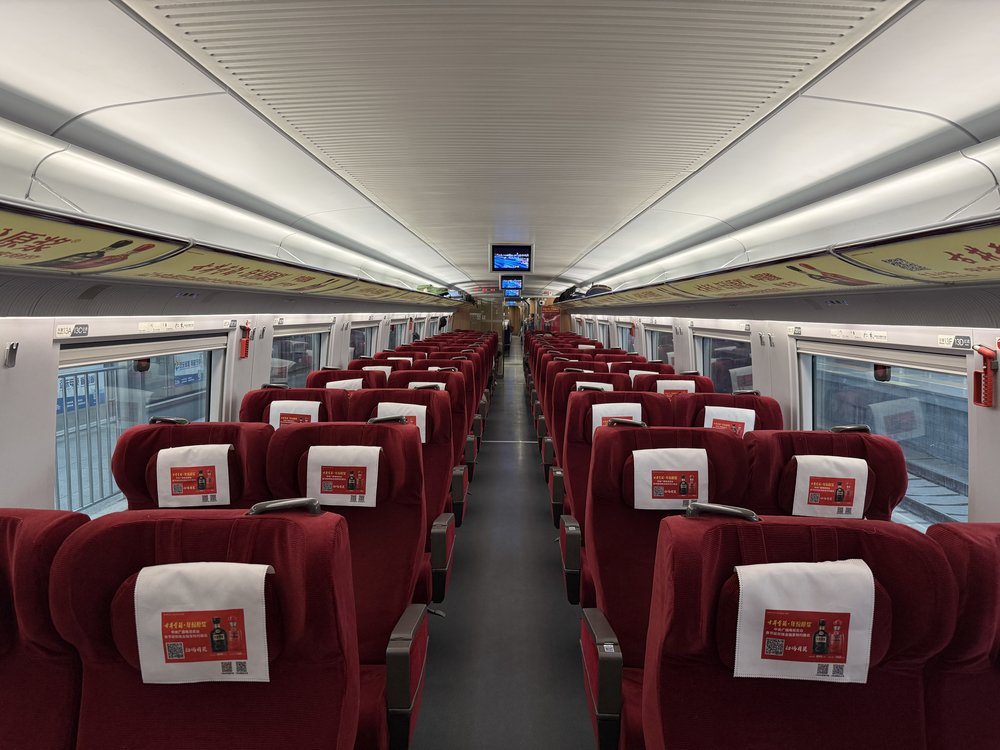
First Class seats on the Beijing to Shanghai high-speed rail offer a comfortable and spacious travel experience. The seats are arranged in a 2+2 layout, providing more room compared to Second Class.
With wider, cushioned seats, extra legroom, and a greater recline, passengers can relax throughout the journey. The carriage is quieter and less crowded, making the ride much more enjoyable.
Second Class
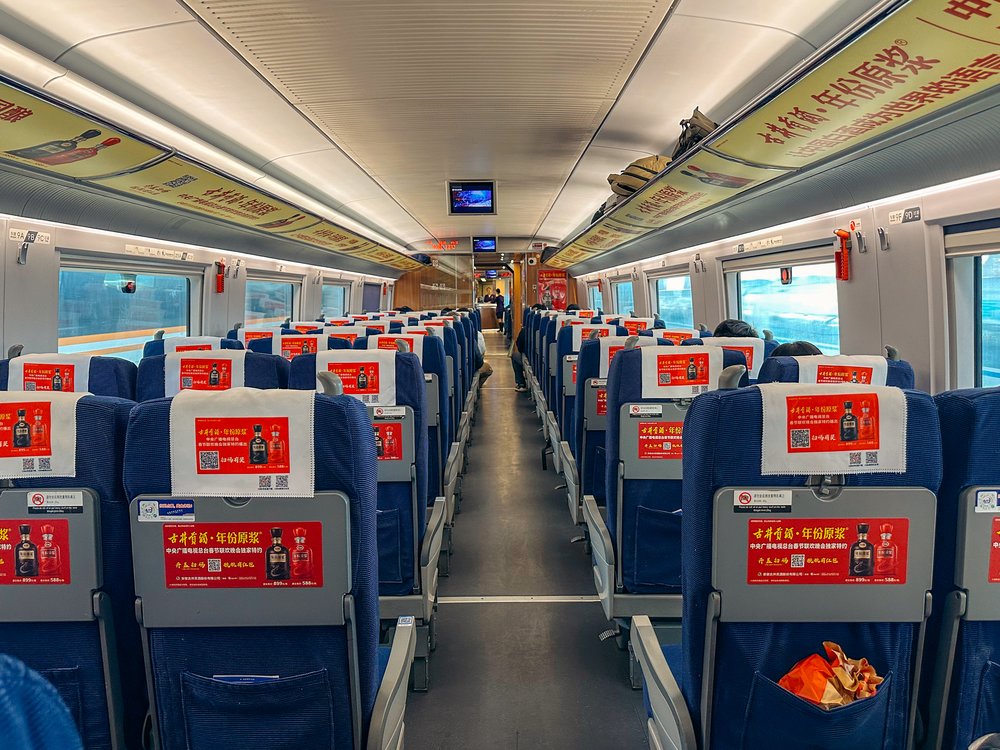
Second Class seats on the high-speed rail are the most affordable way to experience China’s famous bullet trains. Seats are arranged in a 3+2 layout, so they’re a bit cozier than First Class, but still comfortable enough for long journeys.
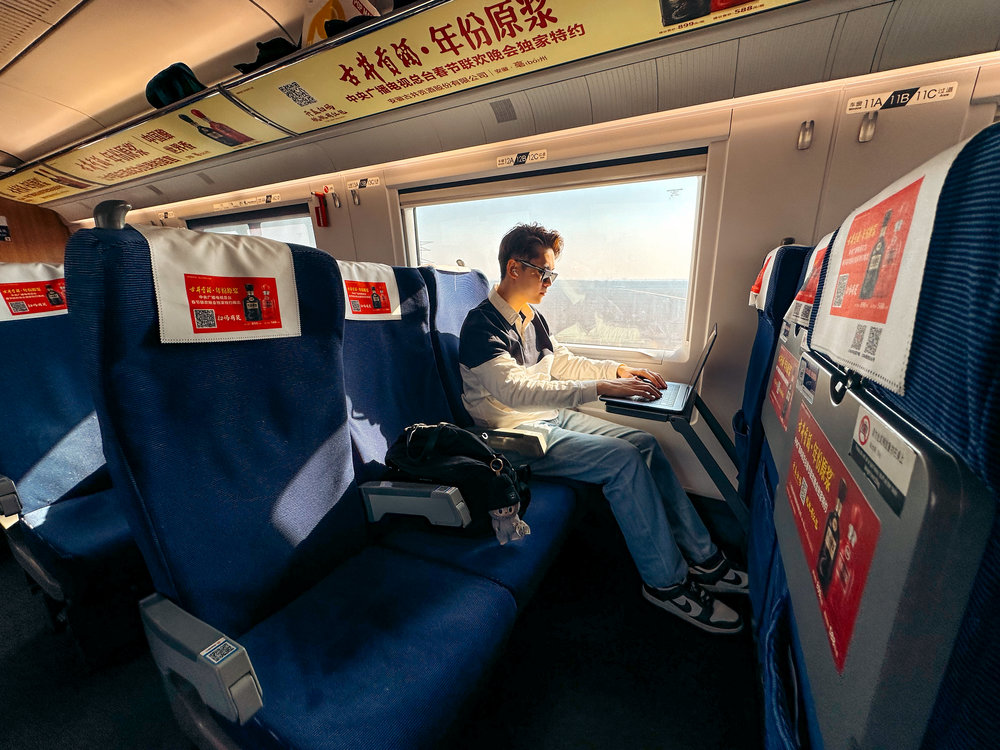
Each seat comes with a foldable tray table, armrests, and power outlets to keep your devices charged on the go. Although these carriages tend to be busier, the trains are modern, clean, and smooth, making Second Class a great option for budget-conscious travelers who don’t want to compromise on comfort.
Business Class
Business Class on China’s high-speed trains offers a premium travel experience with added comfort and convenience.
The seating layout follows a 2-2 configuration, with two seats on each side of the aisle, providing ample space and extra legroom. These wider, reclining seats ensure a more relaxed and exclusive atmosphere. Passengers also enjoy larger tables, a quieter environment, priority boarding, and access to special lounges at stations!
How to Buy China High-Speed Rail Tickets on Klook
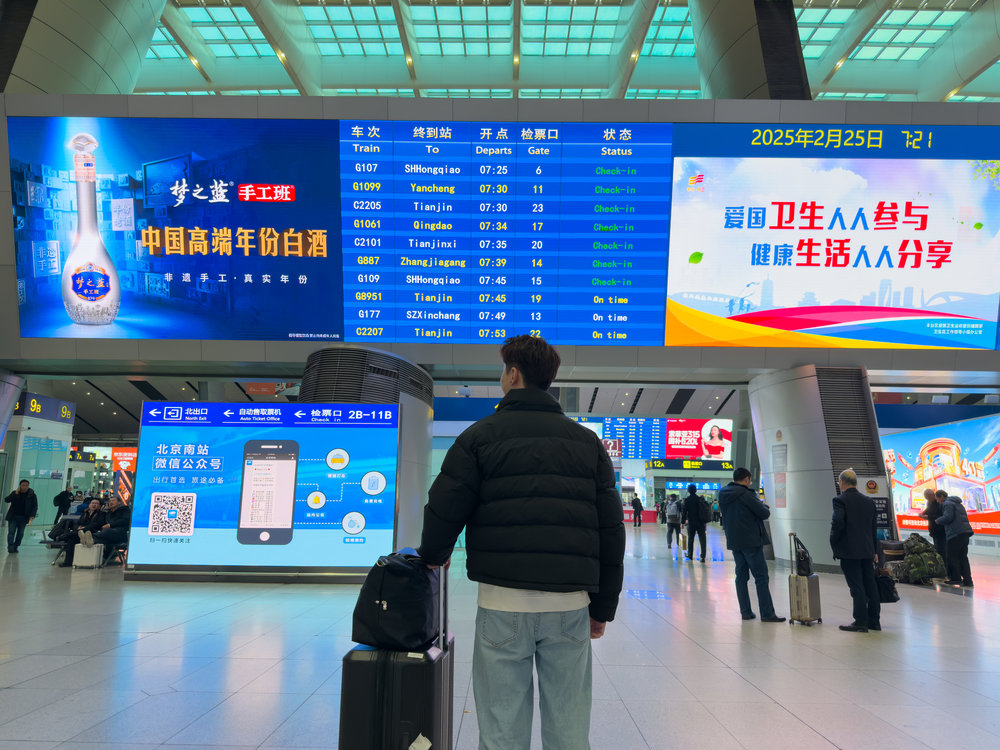
Booking your China high-speed rail tickets on Klook is highly convenient and takes only minutes. We walk you through the process in this step-by-step guide.
Klook Tip: Book your tickets as early as possible — especially if you’re traveling during peak times and national holidays like China's Golden Week. Tickets usually open for booking 30 days in advance, though some routes allow up to 60 days.
Tips for Taking China's High-Speed Trains
China’s train stations are impressive but can be overwhelming! Major hubs like Beijing South and Shanghai Hongqiao are enormous, so it is crucial to arrive early at the railway station, to ensure a smooth travel experience and allow extra time to navigate these bustling places.
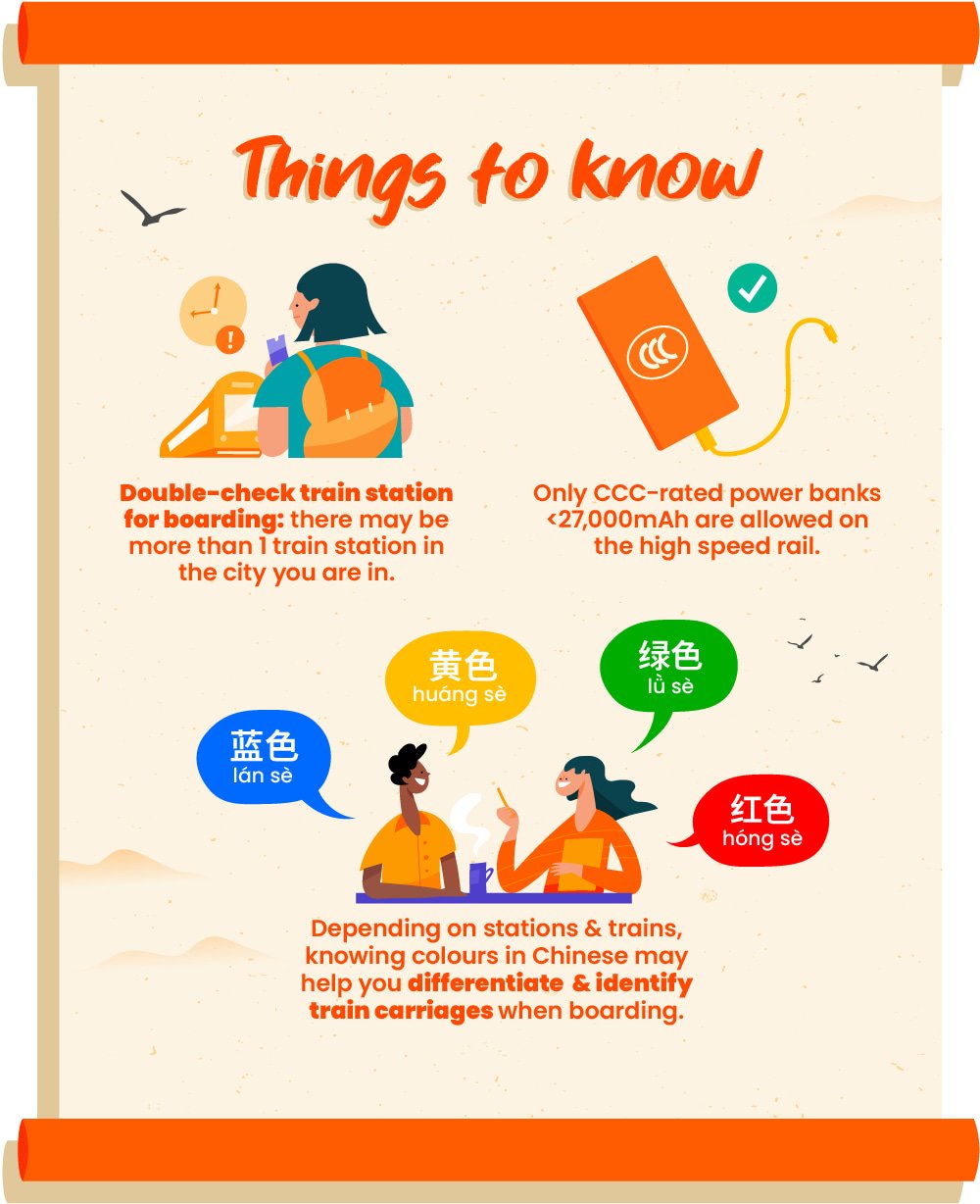
1) Double-check your train station
Major cities like Shanghai and Beijing have multiple high-speed rail stations, so it’s crucial to verify your departure station before heading out.
For example, Shanghai has both Shanghai Hongqiao and Shanghai Railway Station serving high-speed trains. Make sure you’re heading to the correct station to avoid confusion and last-minute scrambling!
2) Don't forget your passport
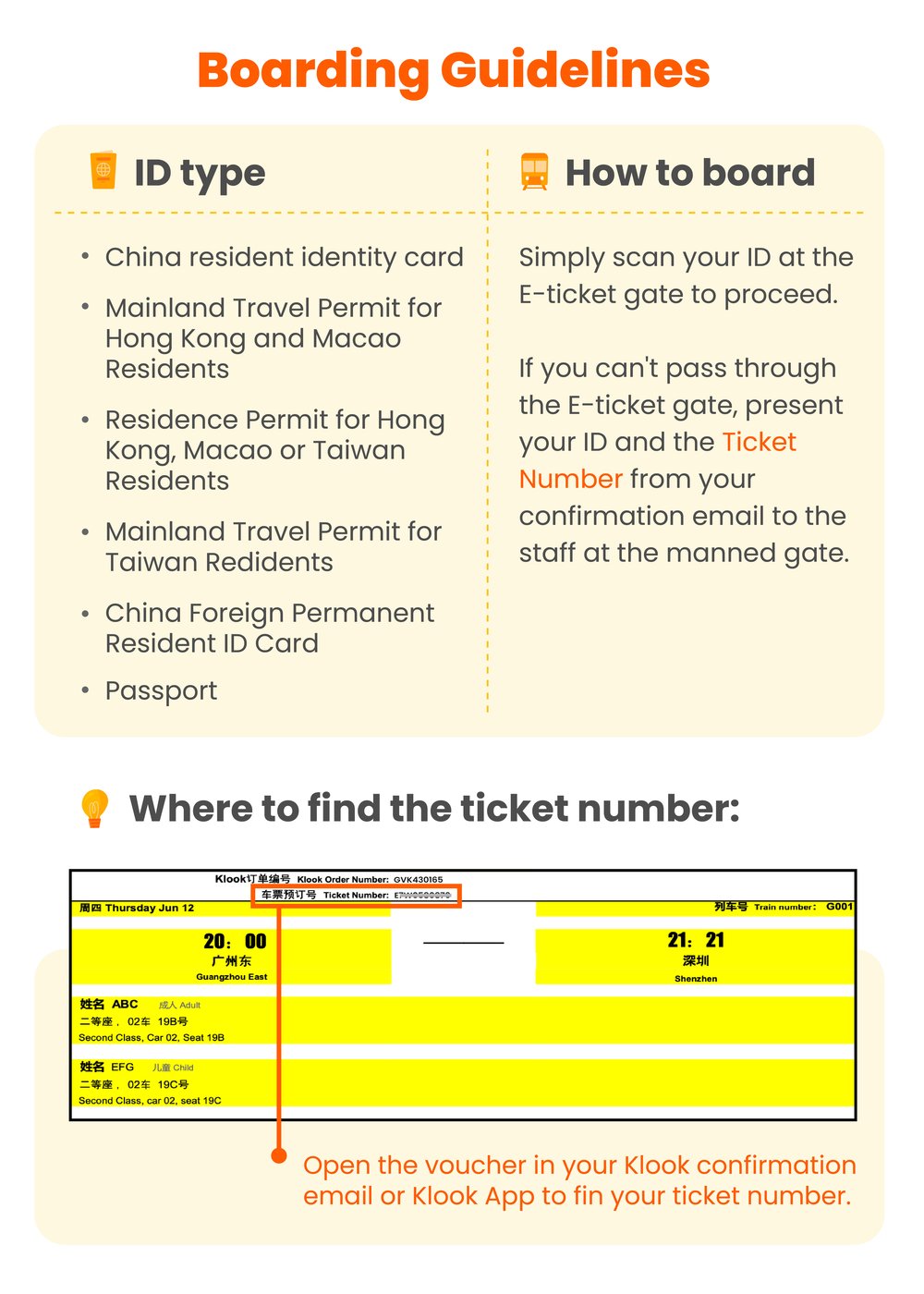
Unlike local passengers who use their ID cards, foreign travelers only need their passport, as it is automatically linked to their ticket.
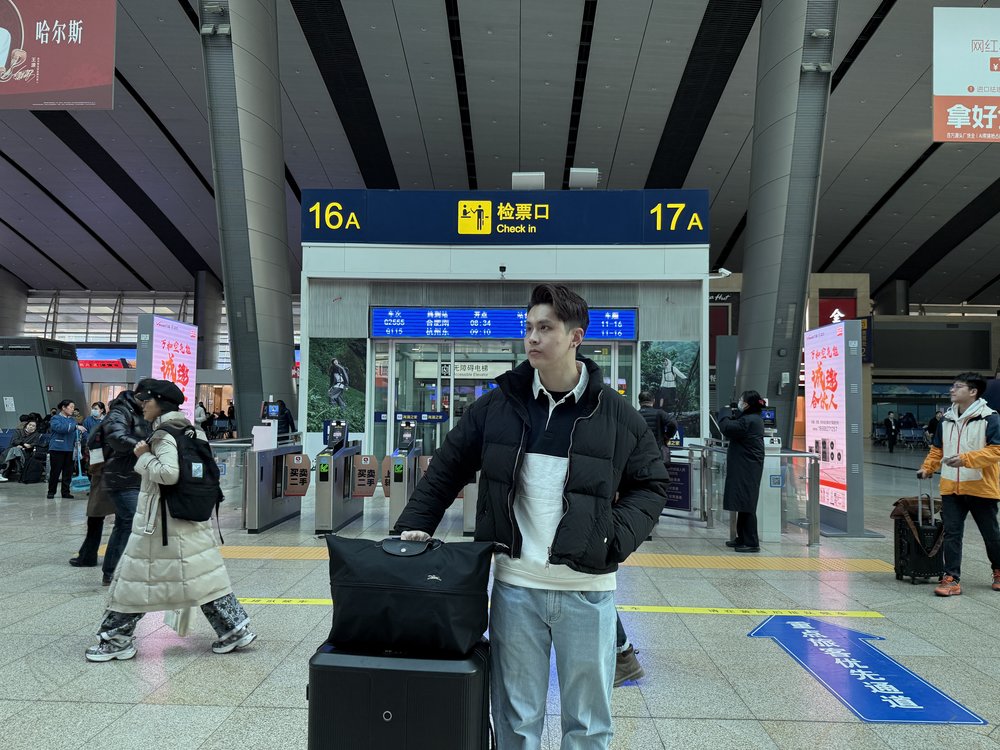
Simply scan your passport at the automated gates, and the system will verify your booking before allowing entry. If there are any issues, station staff are available to assist.
3) Arrive early for security checks
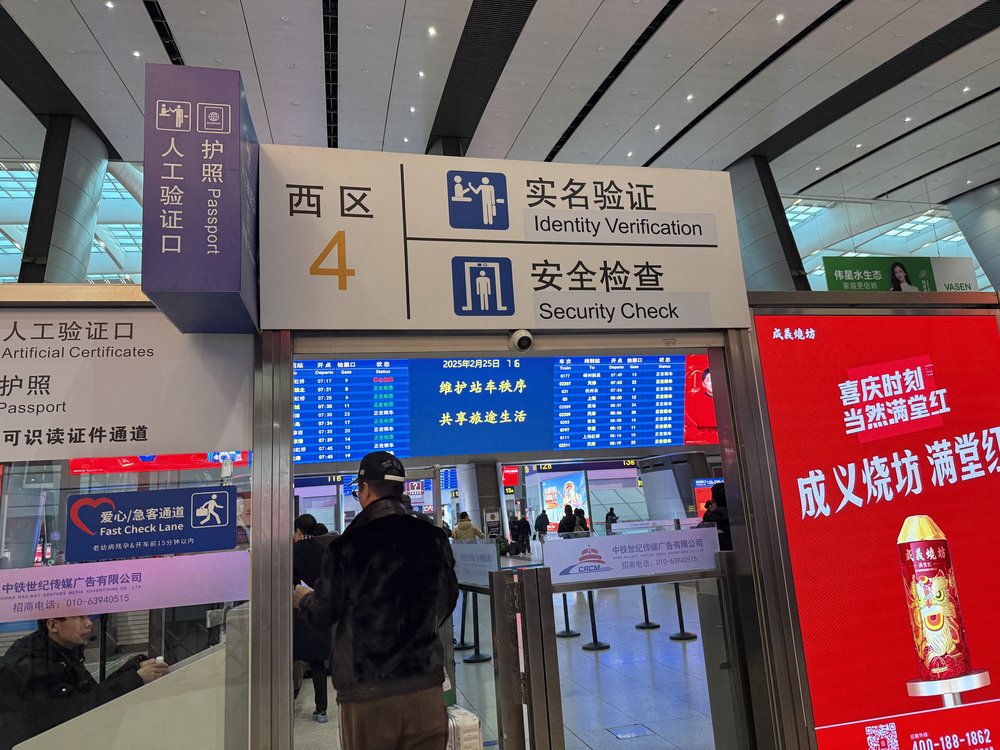
All passengers are required to pass through a security check before entering the train station — similar to airport security. You'll need to scan your luggage through an X-ray machine and walk through a body scanner at the station entrance.
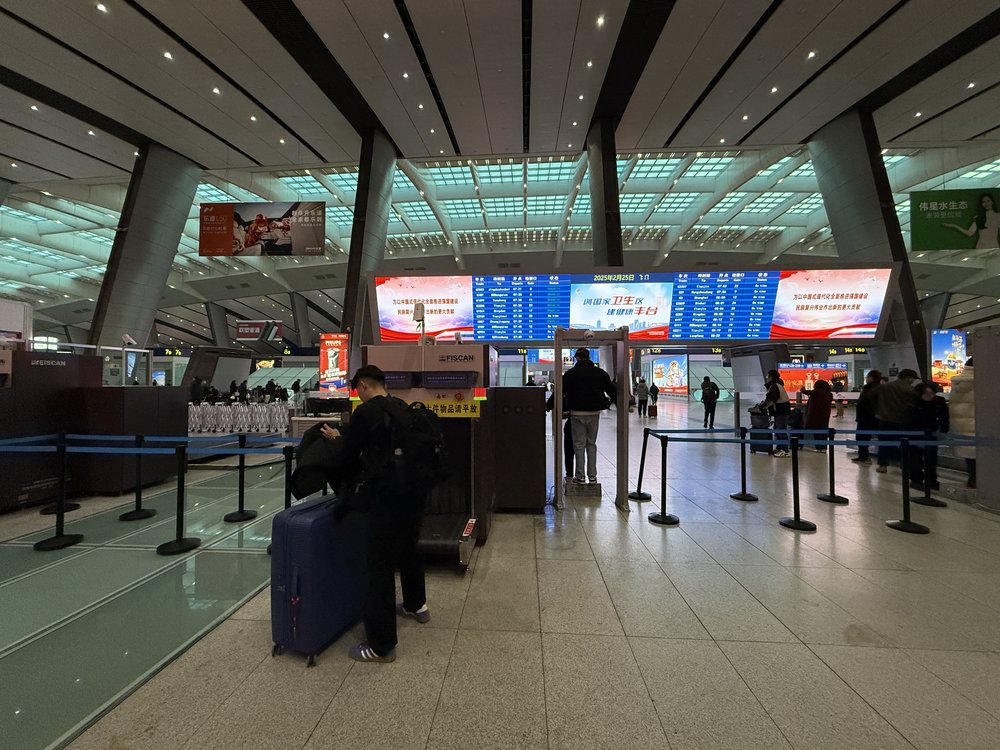
Although the process is usually quick and well-organized, it’s a good idea to arrive at least 45 minutes before your train departs, especially during busy times. Giving yourself extra time means you can get through security without stress and find your platform with ease.
4) Download China travel apps in advance
Before your trip, be sure to download essential China travel apps to make navigating the country much easier. WeChat is a must-have — not only is it China’s go-to messaging app, but it’s often used for mobile payments, ticket collection, and even scanning QR codes at stations.
Since access to app stores and internet might be limited in China, it’s a good idea to download and set up these apps before you arrive. Having Google Translate (with offline mode) is also helpful for reading signs and communicating with staff. A bit of prep will make your high-speed rail journey smooth and stress-free!
How to Board (and Upgrade) Your High-Speed Train in China
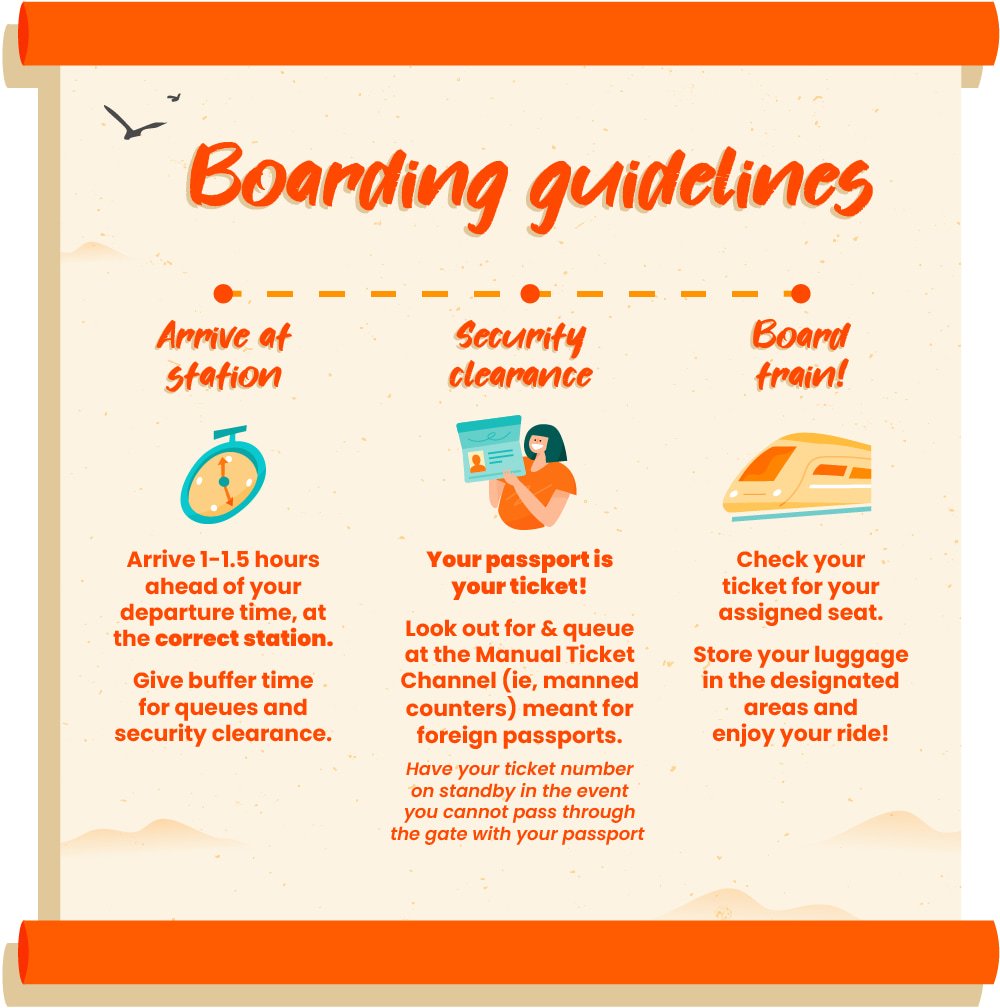
Once you arrive at the station, you’ll first go through security and bag checks, followed by a passport scan. The process is straightforward, just allow a little buffer time in case of queues.
If you’re hoping to upgrade your ticket, you may head to the Customer Service counter before entering the boarding area. If an upgrade is available, they’ll handle it on the spot. Your original Klook booking purchase will be refunded (exclusive of booking fee) and you’ll make payment directly for your upgraded ticket.
If you’re not upgrading, simply proceed to your boarding gate, the gate number will be clearly printed on your ticket.
At the Boarding Gate
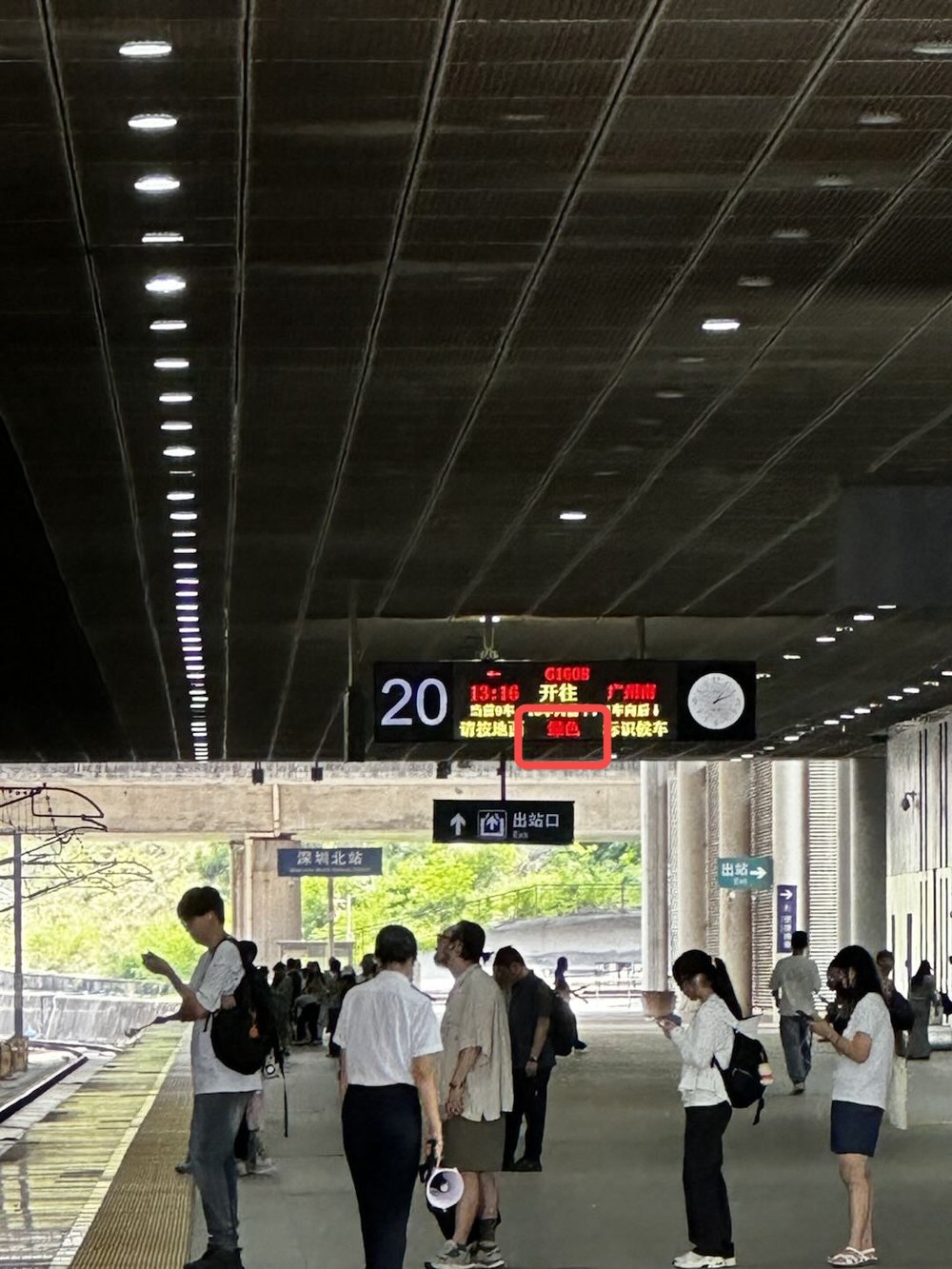
Look out for the Manual Ticket Channel (this is the lane for foreign passport holders). Gate opening times will be displayed on the screens overhead (keep an eye on the timing!).
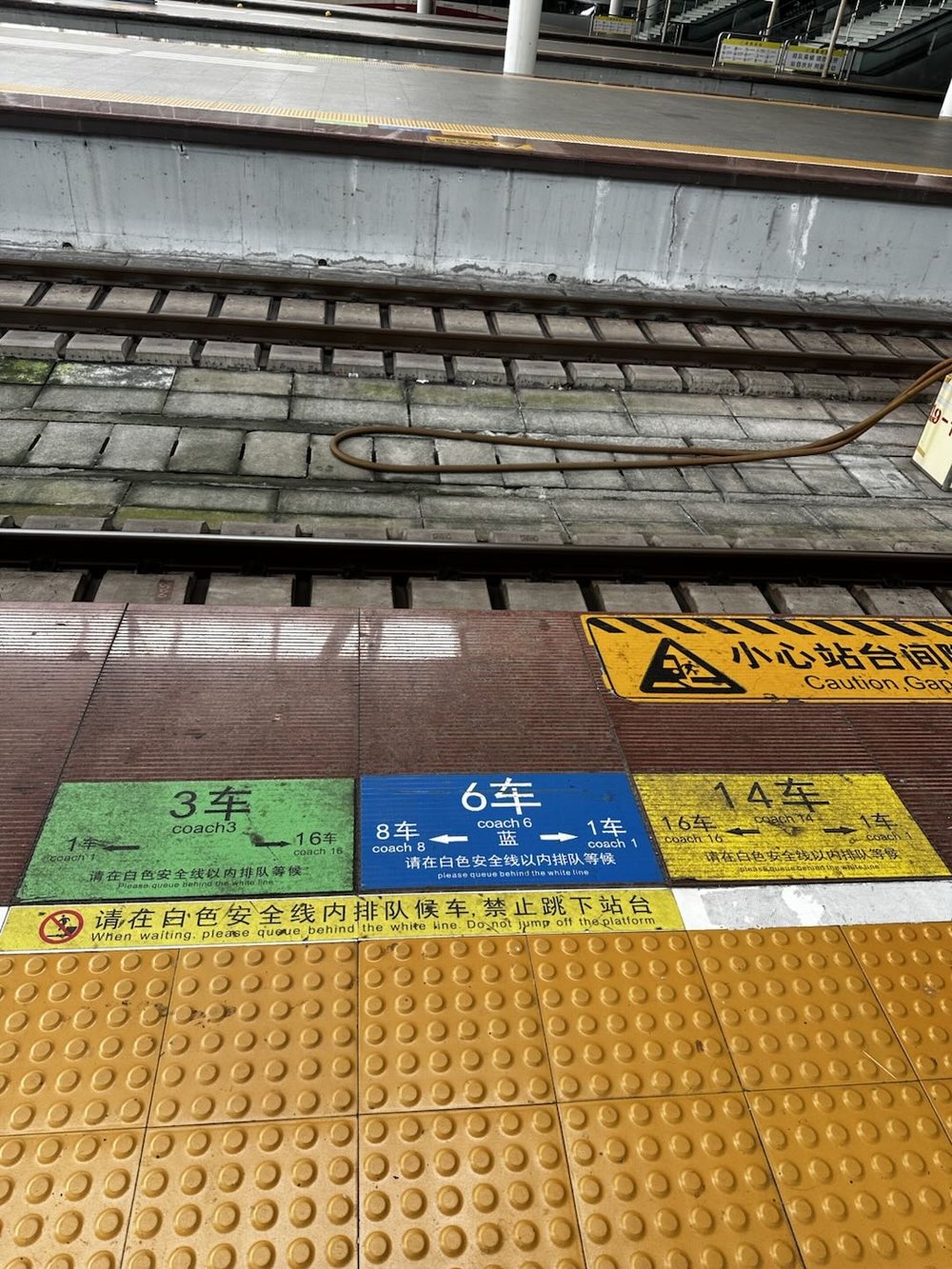
After you pass the gate, head to the platform. You’ll see a digital screen showing a colour. Just match the colour on the screen to the car number on your ticket and you are all set!
Bonus: The Business Class Experience
Here's what you can expect if you upgrade to Business Class! You will find that Business Class feels calm and private, with fewer than 10 pods in the cabin. It's also more relaxing as the seats here can recline fully into a lie-flat position, which is especially comfortable for longer journeys.
Psst...You’ll also be welcomed with a towel, drinks and light snacks too! Talk about the ultimate experience.
Planning a Trip to China
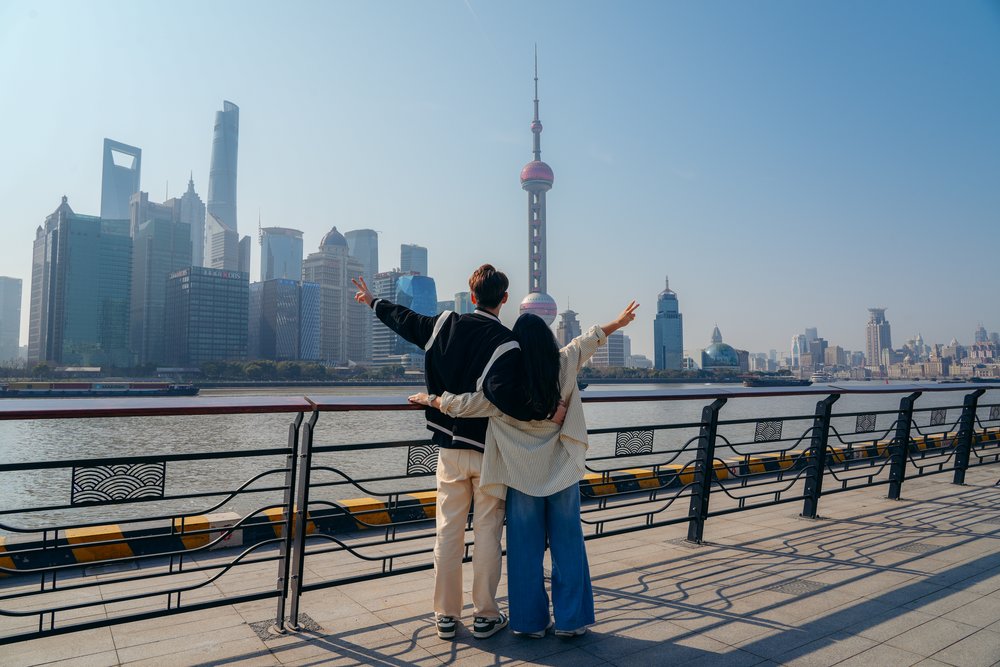
China’s high-speed rail is a fantastic way to explore the country, offering incredible convenience and connectivity. Plan ahead, book your tickets early, and get ready for an exciting journey through some of China’s most beautiful destinations.
To ensure a smooth trip to China, ensure you get all your documents in order and download these essential apps like WeChat and DiDi before flying.
Ready to experience the future of rail travel? Book your China high-speed rail tickets on Klook today for an easy, hassle-free experience!
Frequently Asked Questions about China’s High-Speed Rail
How do I buy China High-Speed Rail tickets?
The easiest way is to book online in advance — especially during busy travel seasons. You can buy tickets directly at train stations, but queues can be long, and language barriers may be an issue.
For a smooth and hassle-free experience, booking your China high-speed rail tickets on Klook. It lets you search routes, check seat availability, and reserve tickets in English, all from your phone.
Can I bring large luggage on the train?
Yes, you can — but luggage space is somewhat limited, especially in second class. Overhead racks and space behind the last row of seats are available, but if you're carrying bulky items or multiple suitcases, it’s worth considering a luggage transfer service to make your journey more comfortable.
How early should I arrive at the station?
Aim to arrive at least 1 to 1.5 hours before departure. High-speed rail stations in China are more like airports than traditional train stations, with security checks, ID verification, and large terminals to navigate. Arriving early gives you enough time to find your platform without stress.
Is English signage available on trains and at stations?
Yes, most major stations and high-speed trains have English signage and announcements. However, in smaller or more rural stations, English may be limited — having your ticket details saved or written down in Chinese can be a big help.
More China Travel Inspiration