
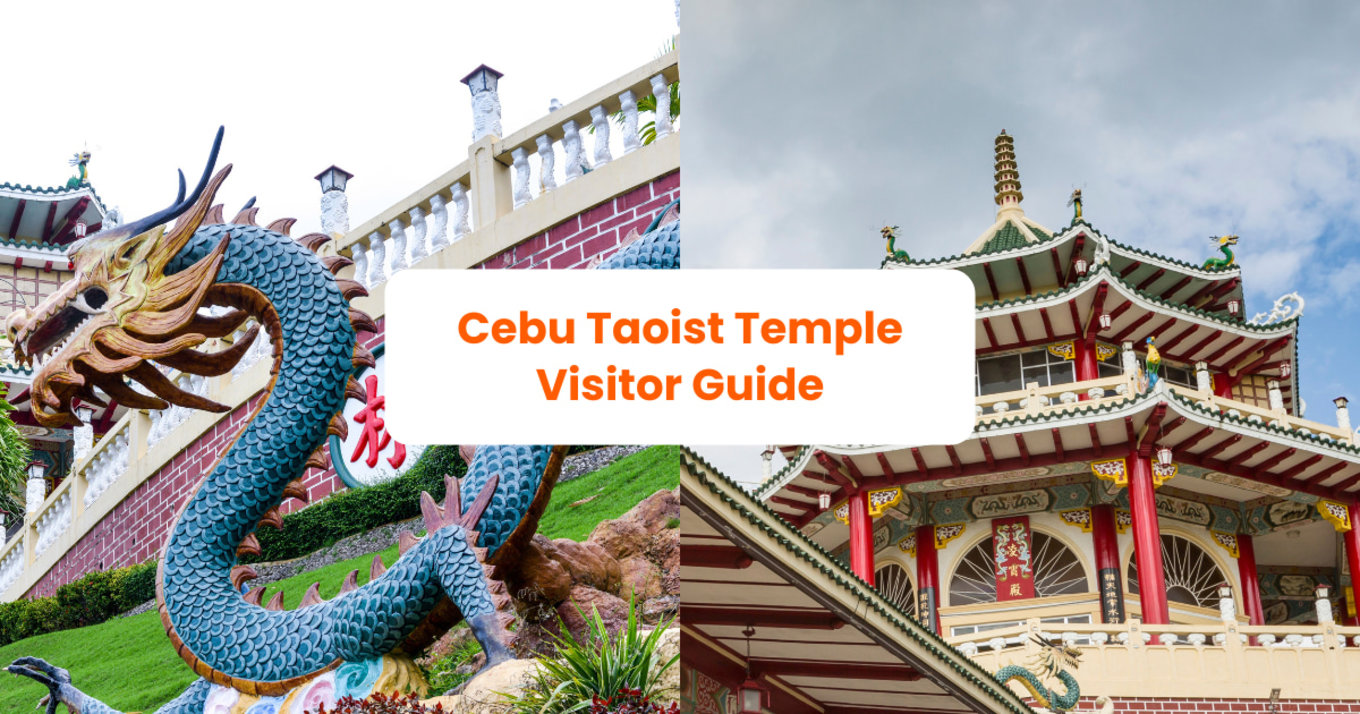
Cebu Taoist Temple offers a peaceful break from Cebu City’s traffic, malls, and busy sightseeing routes. The colorful architecture piques interest in cultural details, while the city views from high above add to the sense of escape.
Cebu Taoist Temple’s Cultural Stamp on Cebu City
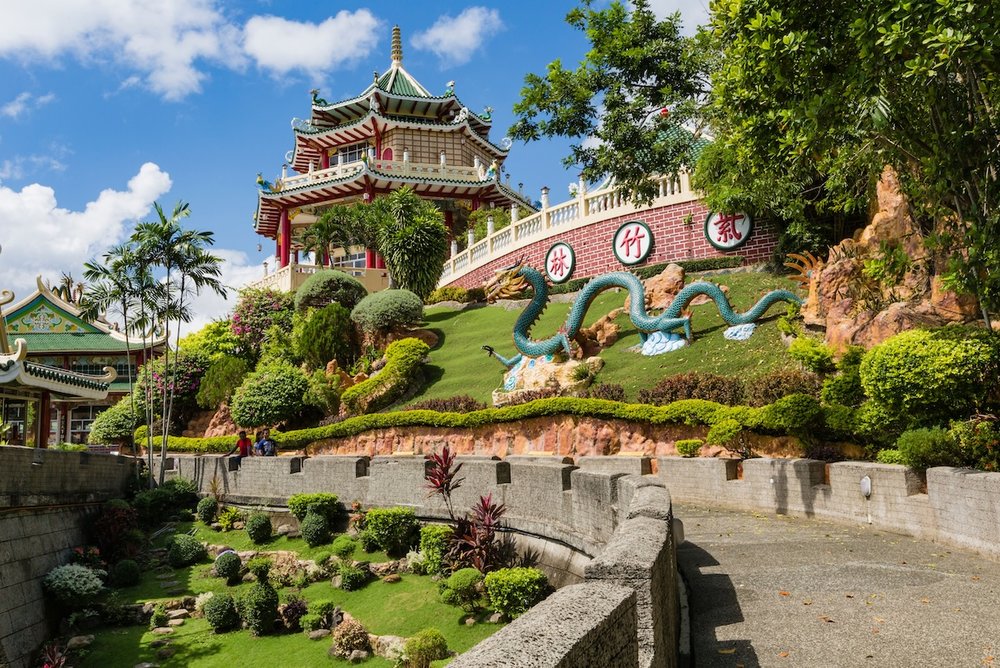
The Cebu Taoist Temple is one of the city’s most recognizable cultural landmarks and one of the best places to see Cebu’s Chinese-Filipino heritage. Set inside Beverly Hills Subdivision in Lahug, on a hillside overlooking Cebu City, the location makes it an easy addition to a Cebu city tour. It combines perfectly with an itinerary of downtown heritage sites, mountain viewpoints, and nearby cultural stops.
Unlike many Catholic churches and Spanish-era landmarks in Cebu, the Taoist Temple reflects a different side of the city’s history. Its dragon sculptures, red-and-green rooflines, pagoda-style details, and symbolic motifs show the influence of Chinese architecture and Taoist belief. Dragons often suggest protection, strength, and good fortune, while the temple’s elevated setting adds to its sense of calm and reflection.
Visitors may also see devotional practices such as lighting incense, praying quietly, or using wooden blocks in a traditional Taoist ritual to seek guidance. These rituals are part of the temple’s living religious purpose, so it’s best to observe quietly and avoid interrupting worshippers.
Cebu Taoist Temple quick facts:
Detail | What to know |
Location | Beverly Hills Subdivision, Lahug, Cebu City |
Built | 1972 |
Built by | Cebu’s Chinese community |
Entrance fee | Free, though donations are welcome |
Usual opening hours | Around 9:00 AM to 5:00 PM daily |
Best for | Culture, architecture, city views, quiet sightseeing |
Common tour pairing | Tops Lookout, Temple of Leah, downtown Cebu landmarks, or a Simala shrine day trip |
The temple also makes a thoughtful cultural stop if you’re visiting Cebu during the Sinulog festival, when the city is at its busiest and most festive. It offers a calmer contrast to the parades, street parties, and religious processions downtown.
What to expect at the Cebu Taoist Temple
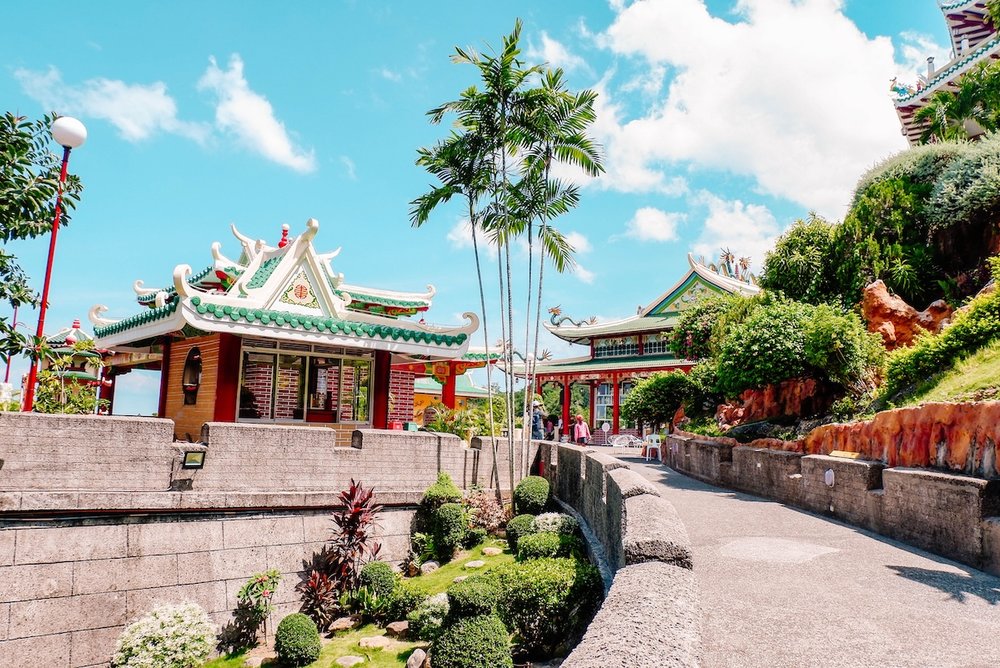
The ideal visit is slow and simple: walk through the gates, admire the ornate details and manicured gardens, climb stairs, take in the view, and spend a few minutes enjoying the breeze from the terraces.
The architecture is the highlight. You’ll see curved rooflines, bright painted details, dragon figures, tiled walkways, decorative arches, and prayer areas. Some parts are open for photos, while inner prayer spaces may have stricter rules. Always respect the posted signs, especially around shrines and areas where worshippers are praying.
The climb is manageable for most visitors, sometimes with sloped paths instead of steps. Wear comfortable shoes and take your time, especially in the midday heat. Most travelers spend about 30 minutes to an hour here, depending on how many photos they take and whether they’re with a guided tour.
How to get to the Temple and how much it costs
The easiest way to reach the Temple is by taxi, the Grab app, or a private tour vehicle. Being located in a residential subdivision means public transport usually only gets you part of the way there.
Option | Typical cost | Notes |
Entrance | Free | Donations are optional |
Taxi or Grab | Varies by distance and demand | Most convenient from hotels in Cebu City |
Jeepney + motorcycle taxi | Usually the budget option | Take a jeepney toward Lahug, then a habal-habal uphill |
Private city tour | Higher cost, but convenient | Often combines the temple with other Cebu attractions |
If you’re arranging your own route, ask your driver to take you to the Taoist Temple in Beverly Hills, Lahug. For a smoother visit, book round-trip transport or ask your driver to wait nearby, since taxis may be harder to find inside the subdivision.
What to wear at the Temple
The temple is a religious site, so dress modestly and comfortably. Cebu is warm year-round, but you can still dress respectfully without overheating.
- Lightweight shirt with sleeves or a shawl to cover shoulders
- Shorts or skirts are acceptable as long as they’re not too short
- Comfortable walking shoes or sandals with grip
- Hat or sunglasses for sunny terrace areas
- Avoid beachwear, revealing outfits, and loud clothing that makes a statement
You may be asked to remove shoes before entering certain prayer areas. Even where rules feel relaxed, respectful clothing helps visitors avoid standing out for the wrong reasons.
When to visit the Cebu Taoist Temple
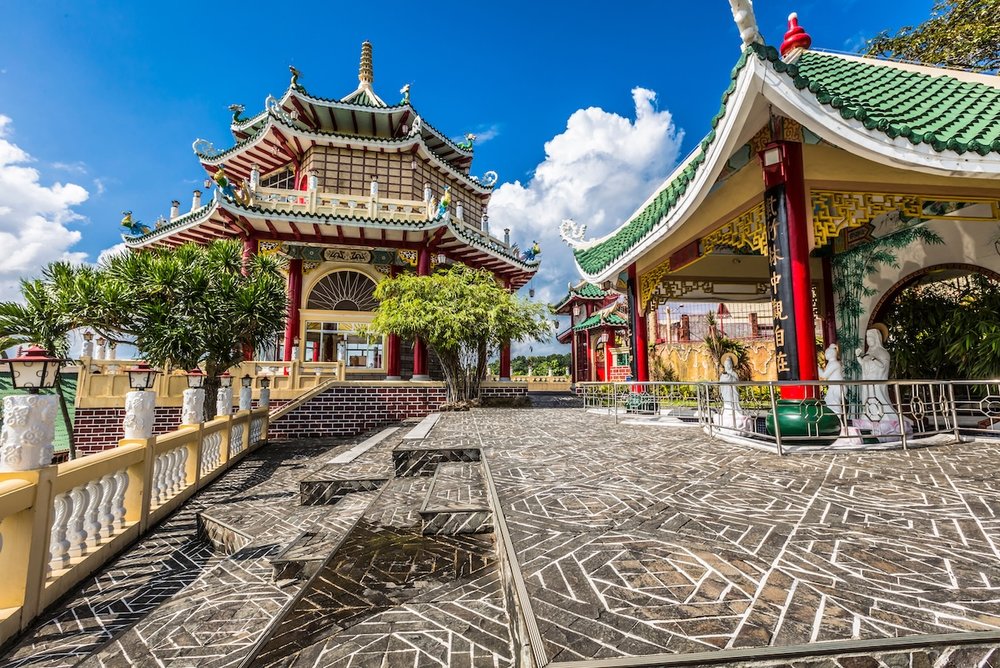
The Temple is open year-round, but timing affects the experience. For the coolest weather and best light, go in the morning, shortly after opening or later in the afternoon before closing. Midday visits can be hot, especially on the steps and open terraces.
Weekdays are usually calmer than weekends. If you want photos without too many people in the background, avoid local holidays and peak tour hours. Chinese New Year and major Taoist observances can be meaningful times to visit, but they may also be busier and more focused on worship.
For weather, Cebu’s drier months are generally better for city sightseeing. Rain can make stairs slippery, so bring an umbrella or light rain jacket if you’re visiting during the wetter part of the year.
Cebu Taoist Temple FAQs
Is the Cebu Taoist Temple free to visit?
Yes. The Cebu Taoist Temple usually has no entrance fee, making it one of the easiest cultural attractions to add to a Cebu City itinerary. Donations may be accepted, but they are not required.
How long do you need at the Cebu Taoist Temple?
Most visitors spend around 30 minutes to an hour at the temple. That gives you enough time to walk around, enjoy the city views, take photos in permitted areas, and appreciate the architecture without rushing.
Can tourists enter the Cebu Taoist Temple?
Yes. Tourists are welcome, but the temple is still an active place of worship. Keep your voice low, follow photo restrictions, dress modestly, and give worshippers plenty of space
What is Klook?
Klook is a leading pan-regional experiences platform in Asia Pacific, purpose built to digitalize experiences and make them accessible to every traveler.
Our mission is to build the digital infrastructure for the global experience economy — empowering merchants to share their passions and travelers to discover the heartbeat of each destination. We operate a mobile-first, curated platform featuring diverse experiences across global destinations.