Fort San Pedro Tickets & Tours
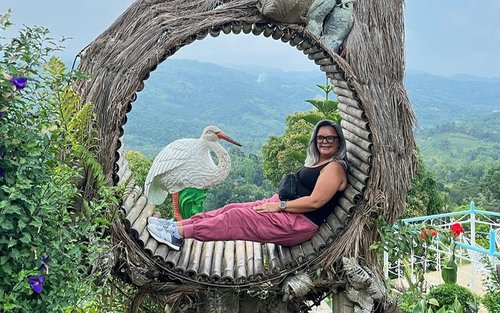
Cebu City Half-Day Tour with Hillyland
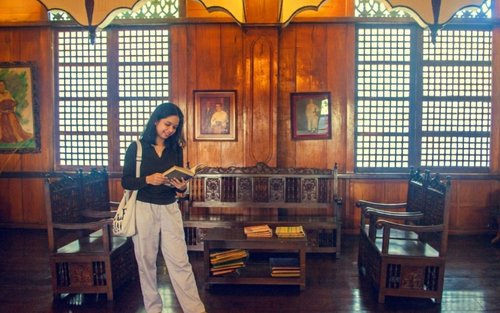
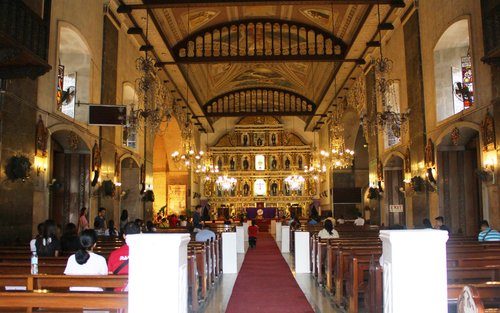
Private Cebu & Mactan Twin City Tour
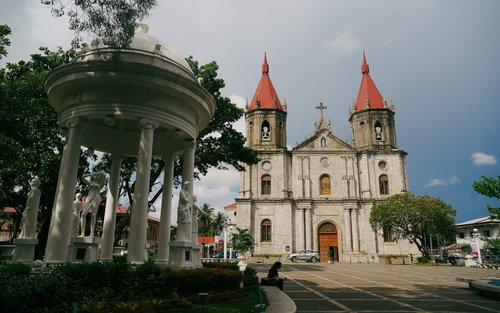
Experience Iloilo: Joiner & Private Ultimate City Tour

Cebu City Half-Day Joiner Tour
Iloilo City Half-Day Heritage Tour with Snacks at Agatona 1927 Musuem Cafe
Cebu City with Sirao Garden Half Day Historical Tour
Bacolod and Iloilo All-In Tour Packages
Cebu City Half-Day Historical & Street Food Tour
Sugbo Walking Tour in Cebu
Where to stay in Fort San Pedro
Transport to & from Fort San Pedro
Private Fort San Pedro Port Transfers for Iloilo
Cebu Car Rental with Driver
Cebu Private Transfers between Moalboal, Oslob, Alegria, and More
Cebu Car Rental with Driver
Private Transfer between Cebu Pier and Cebu City/Mactan
Cebu Private Transfers between between Danao, Hagnaya and more
Cebu Private Transfers between Cebu City/Mactan and Cebu Pier
Private Transfers between Cebu Pier and Mandaue, Liloan and More by Southwest Tours
Restaurants near Fort San Pedro
Meatogether Grill & Shabu-Shabu in Ayala Malls Central Bloc Cebu
Earth All Day Dining in Cordova at Solea Mactan
Marble + Grain Steakhouse at bai Hotel Cebu
In Room Dining at bai Hotel Cebu
Ume Japanese Cuisine at bai Hotel Cebu
Lobby Lounge at bai Hotel Cebu
More to explore
Mactan-Cebu International Airport Meet & Greet Service by ALLWAYS
Fort San Pedro Reviews
Popular places near Fort San Pedro
FAQs about Fort San Pedro
What is the best time to visit Fort San Pedro in the Philippines?
What is the best time to visit Fort San Pedro in the Philippines?
How can I get to Fort San Pedro in Cebu City?
How can I get to Fort San Pedro in Cebu City?
What local dishes should I try when visiting Fort San Pedro?
What local dishes should I try when visiting Fort San Pedro?
What are the opening hours for Fort San Pedro?
What are the opening hours for Fort San Pedro?
What are the transportation options to reach Fort San Pedro?
What are the transportation options to reach Fort San Pedro?
How much is the entrance fee for Fort San Pedro?
How much is the entrance fee for Fort San Pedro?
What to know about Fort San Pedro
Remarkable Landmarks and Must-Visit Sights
Triangular Bastion Fort
Step into history at the oldest triangular bastion fort in the Philippines, Fort San Pedro. With its robust stone walls and three bastions—La Concepción, Ignacio de Loyola, and San Miguel—this fort stands as a testament to the strategic military architecture of its time. Positioned with two sides facing the sea, it played a crucial role in the defense of Cebu. As you explore, imagine the fort's storied past and the echoes of its defensive might.
Museum and Artifacts
Uncover the rich tapestry of Cebu's colonial history at the museum within Fort San Pedro. This treasure trove of Spanish artifacts includes well-preserved documents, paintings, and sculptures that narrate the story of a bygone era. Outside, the statues of Miguel López de Legazpi and Antonio Pigafetta stand as guardians of history. Dive into the exhibits and let the artifacts transport you to a time when the fort was a pivotal player in the region's history.
Inner Yard and Cultural Events
Find tranquility and culture in the inner yard of Fort San Pedro, a beautifully maintained park adorned with lush greenery and vibrant flowers. This serene oasis is not only perfect for a peaceful stroll but also serves as a lively venue for cultural events. Experience the vibrant 'Gabii sa Kabilin,' Cebu's version of 'The Night of Museums,' and immerse yourself in the rich cultural tapestry that this historic site offers.
Culture and History
Fort San Pedro served as the nucleus of the first Spanish settlement in the Philippines. It played a pivotal role during the Philippine Revolution and has witnessed various historical events, including its use as a stronghold by Filipino revolutionaries. The fort stands as a testament to Cebu's rich history, from its construction in 1565 by Spanish forces to its role during American and Japanese occupations. It has witnessed significant historical events, including the end of Spanish rule and the celebration of Philippine independence. Built to protect against invasions, it has served various roles throughout the years, from a penitentiary to a classroom, marking a turning point in Cebu's colonial history and influencing the island's cultural landscape.
Architectural Marvel
Built in the Italian-Spanish style of fortification, Fort San Pedro's masonry structure and coral stone restoration highlight its architectural brilliance. The fort's walls, towers, and cannons stand as a testament to its enduring legacy, showcasing the craftsmanship and strategic design of its time.
Local Cuisine
While visiting Fort San Pedro, indulge in Cebu's renowned local cuisine. Savor the flavors of dishes like lechon (roast pig), sinigang (sour soup), and puso (hanging rice), offering a delightful culinary experience that complements your historical journey. Although the fort itself doesn't offer dining options, nearby you can explore Cebu's vibrant culinary scene, indulging in local favorites like Cebu lechon or venturing into Southeast Asian flavors with dishes like Nasi Padang and Chicken Jalfarezi.