


Planning a trip to China? Malaysians can now enter Mainland China visa-free for up to 30 days per entry, capped at 90 days within any rolling 180-day period. This became a permanent arrangement on 17 July 2025, replacing the earlier temporary trial. So the Mainland China entry requirements Malaysia travellers face in 2026 are simpler than they have ever been.
This guide covers the China travel requirements you need to know, a checklist of what to bring and the situations where you still need a China visa Malaysia travellers must apply for in advance. We also include a quick primer on the gateway cities most Malaysian flights land in. If you're still choosing a destination, start with Mainland China.
Mainland China entry requirements Malaysia travellers should know
Under the China-Malaysia mutual visa exemption, Malaysians with an ordinary passport can enter, leave or transit through China without a visa. This covers tourism, visiting family and friends, business and a few other short-term purposes. Each stay can last up to 30 days.
The 30 days are counted per entry, not per year. The clock starts at 0:00 the day after you arrive and runs until 24:00 on day 30. Separately, your total visa-free time in China cannot pass 90 days within any 180-day window, counted back from the day you enter.
There is no limit on how many times you can enter, as long as you stay inside that 90-day cap. Days spent in China on a visa or residence permit don't count towards it. Three full 30-day trips in six months would use up your allowance.
Klook Tip: Count your days before booking back-to-back trips. The 90-day cap is tracked on a rolling window, not a calendar year.
What to bring: your China entry checklist
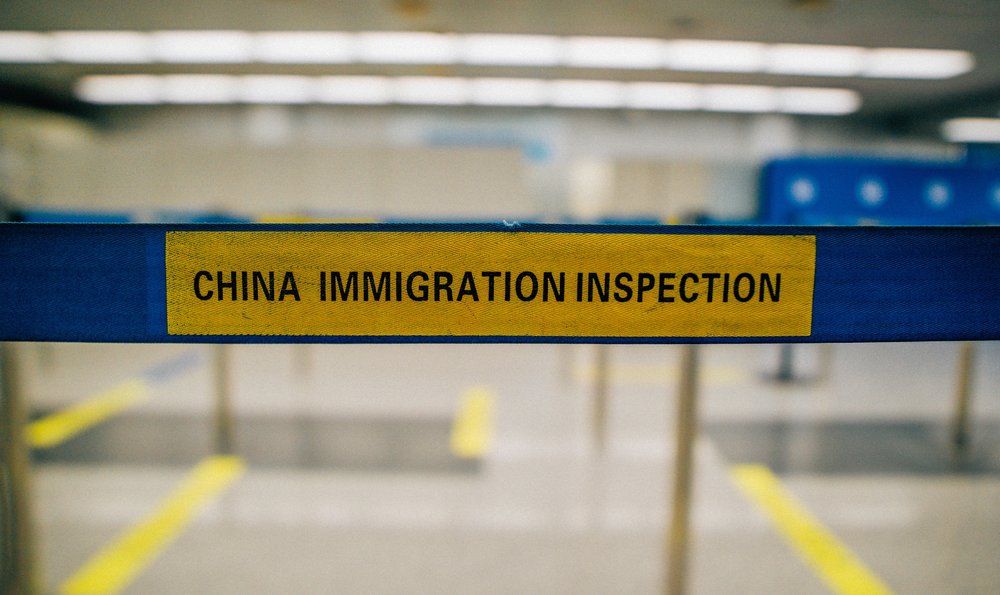
China Immigration Inspection | Image Credit: Christian Lue via Unsplash
Visa-free doesn't mean paperwork-free. Immigration officers can ask for these at the border, so keep them handy:
- A passport valid for at least six months
- Proof of a return or onward ticket
- An accommodation booking or an invitation letter
- A printed or offline copy of your itinerary, in case your phone connection drops
If your plans change and you need to stay longer, or you're travelling for work or study, you'll need a proper visa first. Applying through the China visa service saves you a trip to the visa centre. It's a handy backup if you're booking last-minute and unsure which category applies.
Sort out your connectivity before you fly. Many apps that Malaysians use daily, such as Google Maps and WhatsApp, don't work reliably on local Chinese networks. A 4G WiFi for China device keeps you online from the moment you land, and you can share it with your travel group.
Klook Tip: China is nearly cashless. Set up Alipay or WeChat Pay with your Malaysian card before you leave, since even street stalls prefer QR payments.
When you still need a visa for China
Visa-free entry is for short trips only. The exemption does not cover residence, employment, study or media activities. So you still need to apply for the right visa category in these cases:
- Work: a work visa (Z category) arranged through your employer
- Study: a student visa (X category) with your school's admission documents
- Long stays: anything beyond 30 days in one go, even if you're a tourist
- Media work: journalism and reporting need their own accreditation
China's entry requirements can sometimes be a little confusing, and "visa-free" doesn't necessarily mean you're covered for every type of trip. If you're unsure, it's always best to check with the Chinese Embassy in Kuala Lumpur before booking your flights.
Gateway cities: where Malaysian flights land

Shanghai, China | Image Credits: Spike Hu via Unsplash
Direct flights from Kuala Lumpur reach Beijing, Shanghai, Guangzhou and Shenzhen, which is why most first-timers start there. With 30 visa-free days, pairing two cities is easy. Here's a quick primer on each.
Beijing
Beijing is the classic first stop, and the imperial history is the main draw. Give yourself a full morning at the Forbidden City, China's former imperial palace and the top search draw for first-timers. Book tickets ahead, as slots can sell out in peak season.
A day trip to the Mutianyu Great Wall is the easiest way to see a well-preserved section of the wall. It's less crowded than some other sections and has good facilities. A private transfer to Mutianyu takes the stress out of getting there, especially if you're travelling as a family.
Shanghai
Shanghai is the best pick if you like skylines and food. Head to The Bund at dusk, when the riverfront lights come on and the Pudong towers glow across the water. It's free and easy to walk.
Your first hour in a new city is often the most tiring part of the trip. Booking a private Shanghai airport transfer means a driver is waiting when you land, so you skip the taxi queue after a long flight.
Guangzhou and Shenzhen
These two southern cities are the closest to Malaysia by flight time, which makes them great for shorter trips. Guangzhou is known for dim sum and Cantonese food, while Shenzhen is a modern city with easy rail links to Hong Kong.
FAQs about Mainland China entry requirements Malaysia
Do Malaysians need a visa to visit China in 2026?
No, not for short trips. Malaysians with an ordinary passport can enter China visa-free for tourism, family visits, business and a few other purposes, under a permanent arrangement that began on 17 July 2025. You'll still need a visa for work, study or stays beyond 30 days.
How long can Malaysians stay in China without a visa?
You can stay up to 30 days per entry. Your total visa-free stay is also capped at 90 days within any 180-day period.
What documents do I need to enter China as a Malaysian traveller?
Bring a passport valid for at least six months, proof of a return or onward ticket, and an accommodation booking or invitation letter. Keep digital and printed copies in case you're asked at immigration.
Is the 30-day visa-free stay counted per entry or per year?
It's counted per entry. A separate 90-day cap applies within any rolling 180-day period, so you can make multiple trips as long as your total stays within that limit.
Do Malaysians still need a visa for work or study in China?
Yes. The visa exemption doesn't cover work, study, residence or media activities. You'll need to apply for the correct visa category before you travel.
What happens if I overstay the visa-free period in China?
Overstaying breaks immigration rules, and you could face fines, detention or problems entering China in future. If your plans change, contact the local public security bureau's exit-entry office before your 30 days run out, and apply for the right visa if you need more time.
Ready to plan your China trip?
The China travel requirements for Malaysians are easy to follow once you know the rules: bring the right documents, count your days and apply for a visa if your plans go beyond a short holiday.
What is Klook?
Klook is a leading pan-regional experiences platform in Asia Pacific, purpose built to digitalize experiences and make them accessible to every traveler.
Our mission is to build the digital infrastructure for the global experience economy — empowering merchants to share their passions and travelers to discover the heartbeat of each destination. We operate a mobile-first, curated platform featuring diverse experiences across global destinations.