Sarawak Cultural Village
Monday-Sunday: 09:00-17:00
Last admission: 2 hour(s) before closing
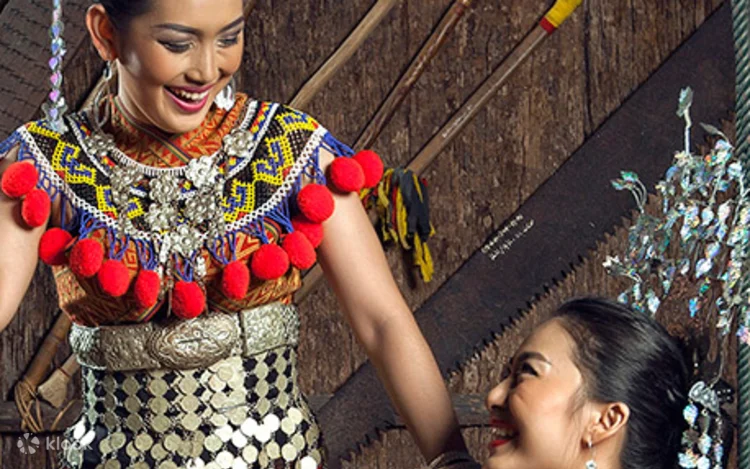



“See Sarawak in Half a Day” is the claim made by Sarawak Cultural Village, a unique award-winning living museum offering an excellent introduction to local cultures and lifestyles.
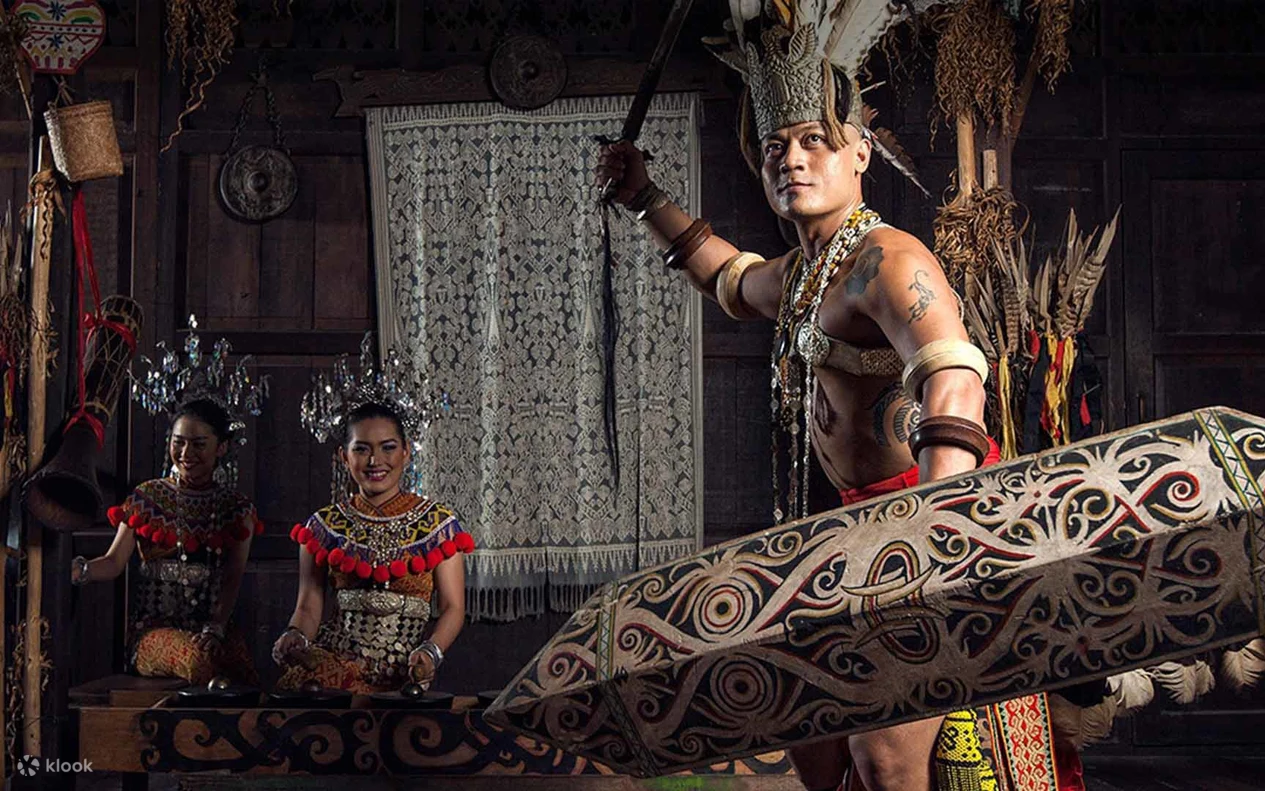
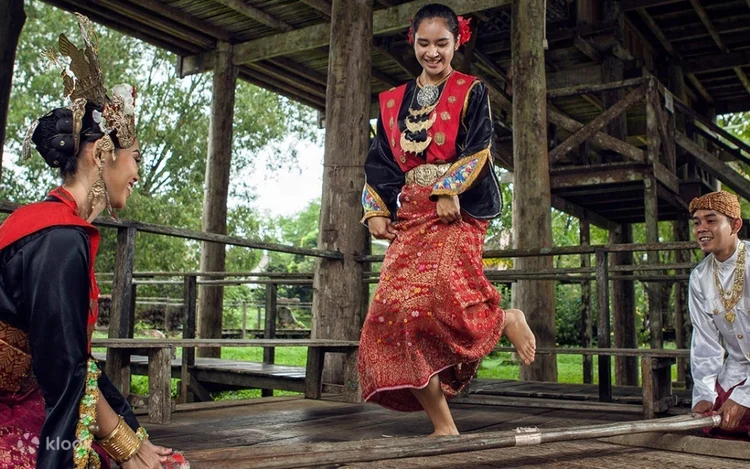
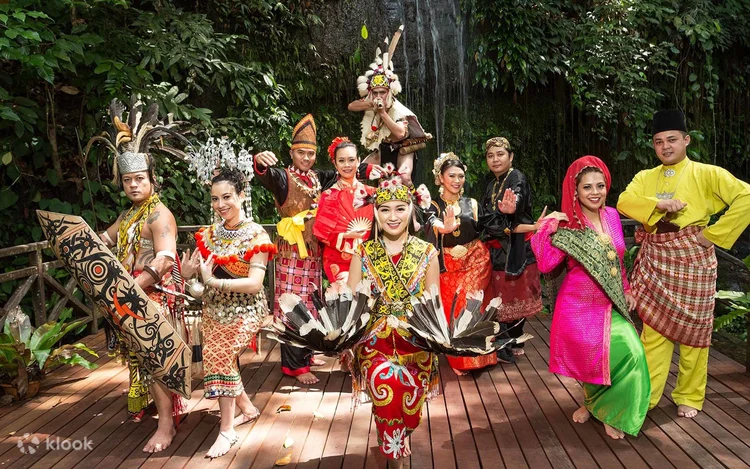
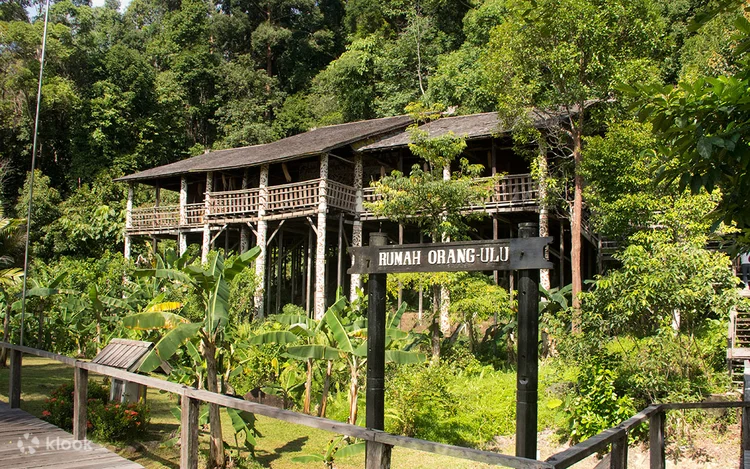
One of Malaysia’s best-known and most iconic cultural attractions, Sarawak Cultural Village is a unique award-winning living museum offering and exciting and informative introduction to local cultures and lifestyles. Nine authentic replica buildings represent every major ethnic group in Sarawak; Bidayuh, Iban and Orang Ulu longhouses, a Penan jungle settlement, a Melanau tall-house, a Malay town house, a Chinese farmhouse and pagoda. Each is staffed with members of their respective ethnic groups, in traditional costume, carrying out traditional activities. Every house has a “storyteller” who is an expert in describing and interpreting traditional cultures and lifestyles.
After touring the village, visitors can enjoy a multi-cultural dance performance in the village’s own theatre, or even take dance, music and craft lessons. There is also a good ethnic restaurant and a handicrafts shop on-site.


Sarawak Cultural Village
Monday-Sunday: 09:00-17:00
Last admission: 2 hour(s) before closing

Sarawak Cultural Village Pantai Damai, Santubong, P.O.Box 2632, 93752 Kuching, Sarawak, Malaysia.

“See Sarawak in Half a Day” is the claim made by Sarawak Cultural Village, a unique award-winning living museum offering an excellent introduction to local cultures and lifestyles.
One of Malaysia’s best-known and most iconic cultural attractions, Sarawak Cultural Village is a unique award-winning living museum offering and exciting and informative introduction to local cultures and lifestyles. Nine authentic replica buildings represent every major ethnic group in Sarawak; Bidayuh, Iban and Orang Ulu longhouses, a Penan jungle settlement, a Melanau tall-house, a Malay town house, a Chinese farmhouse and pagoda. Each is staffed with members of their respective ethnic groups, in traditional costume, carrying out traditional activities. Every house has a “storyteller” who is an expert in describing and interpreting traditional cultures and lifestyles.
After touring the village, visitors can enjoy a multi-cultural dance performance in the village’s own theatre, or even take dance, music and craft lessons. There is also a good ethnic restaurant and a handicrafts shop on-site.