Tokyo's most popular attractions are spread across central Tokyo, Toyosu, Tama and even Chiba. Pack too much into one day and you'll probably remember only the train transfers.
If it's your first time in Tokyo, start with SHIBUYA SKY, Senso-ji Temple and one of the teamLab museums. All three are easy to reach, and they cover city views, traditional culture and digital light art. Observation decks and museums are also popular experience categories on Klook.
Getting there from India is fairly easy: Delhi to Tokyo takes about 7.5 hours on a direct flight, and Tokyo is 3.5 hours ahead of IST.
This guide rounds up 15 fun things to do in Tokyo by interest, with approximate prices, transport and booking tips for each. For a 3 to 4 day trip, pick two or three spots in the same area each day and you'll have plenty of time. To see all the options first, browse
Tokyo tickets and activities.
Fun things to do in Tokyo at a glance
Attraction | Area | Best for | Entry fee (approx.) | Suggested time |
|---|
SHIBUYA SKY | Shibuya | Sunset and night views | 2,700-3,400 JPY (about 1,600-2,000 INR) | 1.5-2 hours |
Senso-ji Temple | Asakusa | History and street snacks | Free | Half a day |
Tokyo Skytree | Oshiage | High-up views | From 2,100 JPY (about 1,300 INR) for Tembo Deck | 1-2 hours |
teamLab Planets TOKYO | Toyosu | Digital light art | Varies by date | 1.5-3 hours |
teamLab Borderless | Azabudai | Digital light art | Varies by date | 2-3 hours |
Tokyo Disney Resort | Urayasu, Chiba | Families and theme parks | 8,900-12,400 JPY (about 5,300-7,400 INR) | Full day |
Sanrio Puroland | Tama | Families and cartoon fans | Varies by date | 3-5 hours |
Warner Bros. Studio Tour Tokyo | Nerima | Film fans and families | Varies by date | 3-4 hours |
Akihabara | Akihabara | Anime and electronics | Free | 2-3 hours |
Shinjuku Gyoen National Garden | Shinjuku | Strolls and blossoms | 500 JPY (about 300 INR) | 1-2 hours |
Sunshine Aquarium | Ikebukuro | Families and couples | 2,600-3,200 JPY (about 1,600-1,900 INR) | 1.5-2 hours |
Ginza | Ginza | Shopping and food | Free | 2-3 hours |
Ueno Zoo and Tokyo National Museum | Ueno | Animals and history | Zoo: 600 JPY (about 400 INR) | Half a day |
Tokyo Tower | Minato City | Night views and photos | Main Observatory: 1,500 JPY (about 900 INR) | 1-1.5 hours |
Mount Fuji day trip | Around Tokyo | Nature and scenery | Varies by tour and date | Full day |
Converted amounts are approximate. Exchange rates change daily, so check the Klook page for the latest price.
SHIBUYA SKY: an open-air rooftop deck above Shibuya
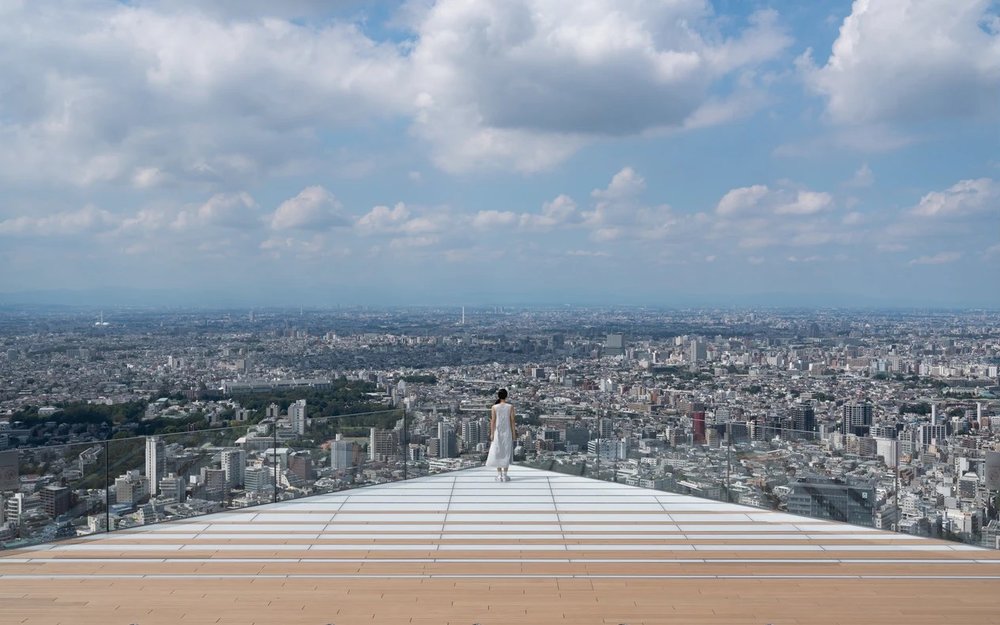
SHIBUYA SKY sits on top of Shibuya Scramble Square, 229 metres above the ground. The rooftop is fully open, with no glass in the way. Lean on the railing and you can watch the crowds cross Shibuya Crossing below, spot Tokyo Skytree and Tokyo Tower in the distance, and even see Mount Fuji on a clear day.
The route starts at SKY GATE, passes through the indoor SKY GALLERY and ends on the rooftop SKY STAGE. In strong wind, rain or thunder, SKY STAGE may close while SKY GALLERY stays open. It's worth checking the official site for live rooftop conditions before you go.
SHIBUYA SKY tickets are priced by entry time. Adult tickets bought online cost 2,700 JPY (about 1,600 INR) for entry before 15:00 and 3,400 JPY (about 2,000 INR) from 15:00 onwards. Pick your date and slot on the
SHIBUYA SKY tickets page. Sunset slots sell out first. Sunset in Tokyo is as early as about 16:30 in early December and as late as about 19:00 in late June and early July, so in winter a slot after 15:00 already catches the light around sunset, while in summer you'll need a later one. Aim to go in about 30 minutes before sunset. It's one of the best things to do in Shibuya.
Klook Tip: Your entry time is the one printed on your ticket. For example, with a 14:00 slot you need to arrive at the 14th-floor entrance between 14:00 and 14:20.
Address: Shibuya Scramble Square, 2-24-12 Shibuya, Shibuya City, Tokyo (14th-floor entrance)
Getting there: Directly connected to JR Shibuya Station
Opening hours: 10:00-22:30 (last entry 21:20), subject to official announcements
Admission: Adult tickets bought online 2,700-3,400 JPY (about 1,600-2,000 INR), depending on entry time
Suggested time: 1.5-2 hours
Senso-ji Temple: the Kaminarimon lantern and Nakamise-dori
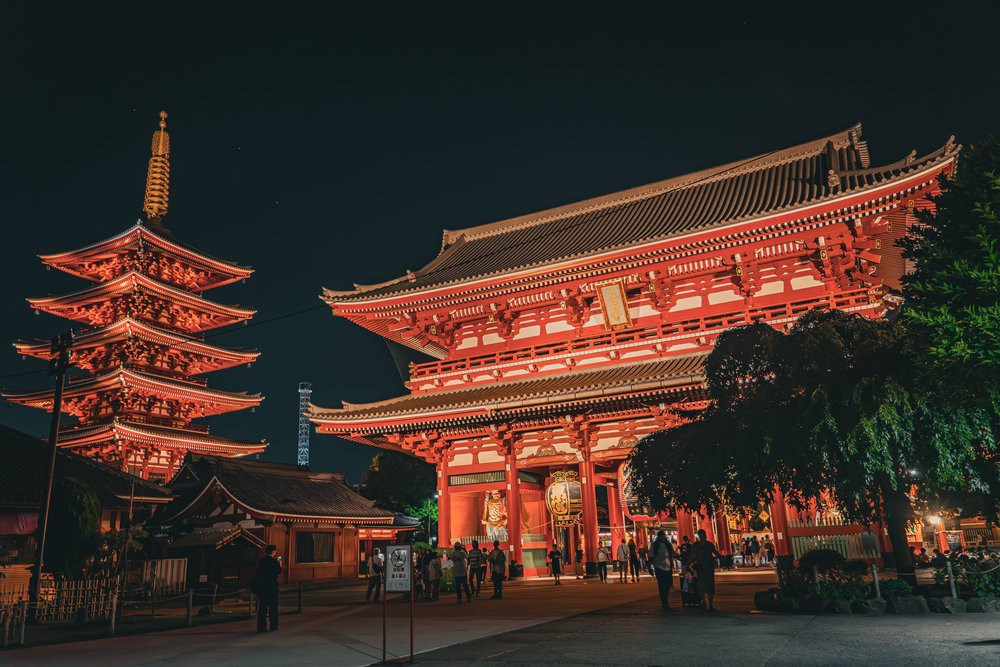
Senso-ji's Kaminarimon (Thunder Gate) is hung with a huge red lantern, and statues of the thunder god and wind god stand on either side. Walk through and you're on Nakamise-dori, a 250-metre lane that leads to the main hall.
About 90 shops line Nakamise-dori, selling snacks like ningyo-yaki (small cakes with sweet bean filling), senbei (rice crackers) and matcha desserts, plus plenty of souvenirs to take home. Senso-ji is the oldest temple in Tokyo and was founded more than 1,300 years ago. Visitors fan the incense smoke in front of the main hall towards themselves, as it's said to cure ailments. Many people wave it over the part of the body they want to heal. Vegetarians should ask about ingredients before buying, as some Japanese snacks and sauces use fish-based stock.
The temple grounds are open around the clock and free to enter, but most shops on Nakamise-dori close by early evening, so go during the day if you want to browse. Besides the temple itself, there are plenty more things to do in Asakusa. Look out for
Asakusa activities such as kimono rental and rickshaw rides.
Address: 2-3-1 Asakusa, Taito City, Tokyo
Getting there: About 5 minutes on foot from Asakusa Station
Opening hours: Grounds open 24 hours; main hall 6:00-17:00 (April to September) and 6:30-17:00 (October to March), subject to official announcements
Admission: Free
Suggested time: Half a day
Tokyo Skytree: Tembo Deck and Tembo Galleria
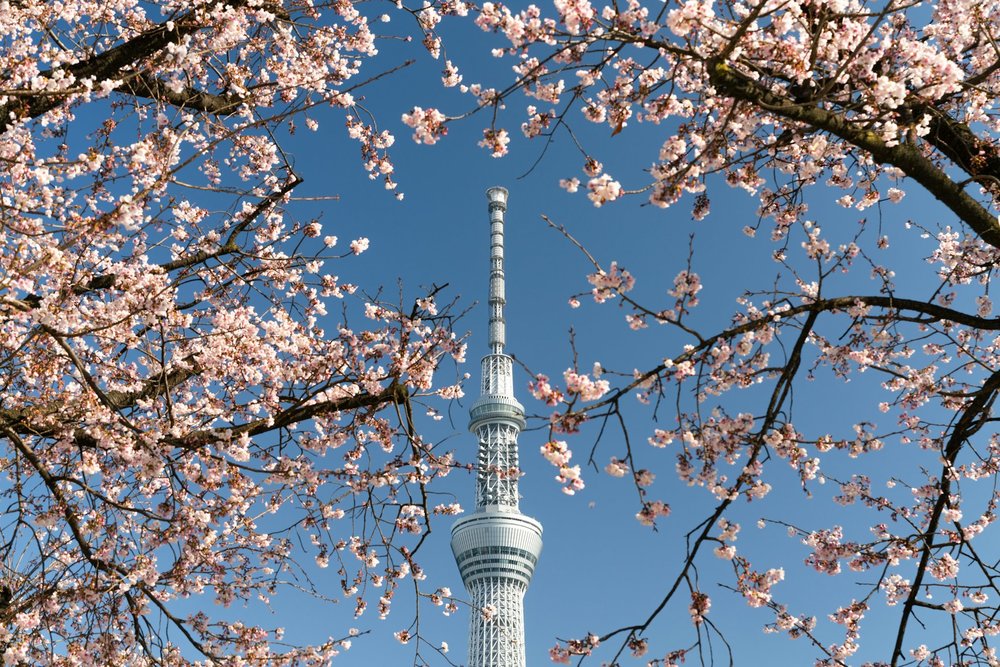
Tokyo Skytree stands 634 metres tall and has two observation levels. Tembo Deck is at 350 metres, with floor-to-ceiling glass all around. Tembo Galleria is at 450 metres, where a sloping glass corridor climbs between the 445th and 450th levels. On a clear day you can see Mount Fuji from Tembo Galleria.
Tokyo Skytree is in Oshiage, just one stop from Asakusa, so many travellers visit both on the same day. Adult tickets for Tembo Deck start from 2,100 JPY (about 1,300 INR), and the combo ticket for Tembo Deck and Tembo Galleria starts from 3,100 JPY (about 1,900 INR). Holiday prices are slightly higher than weekday prices. Book your date in advance with
Skytree tickets and you won't need to queue to buy a ticket on the day.
Klook Tip: Tembo Deck tickets cost about 200 JPY (roughly 120 INR) more on holidays than on weekdays, so go on a weekday if you can.
Address: 1-1-2 Oshiage, Sumida City, Tokyo
Getting there: Oshiage Station (Tokyo Metro Hanzomon Line or Toei Asakusa Line) or Tokyo Skytree Station (Tobu Skytree Line)
Opening hours: 10:00-21:00, subject to official announcements
Admission: Tembo Deck from 2,100 JPY (about 1,300 INR); combo ticket from 3,100 JPY (about 1,900 INR); higher on holidays
Suggested time: 1-2 hours
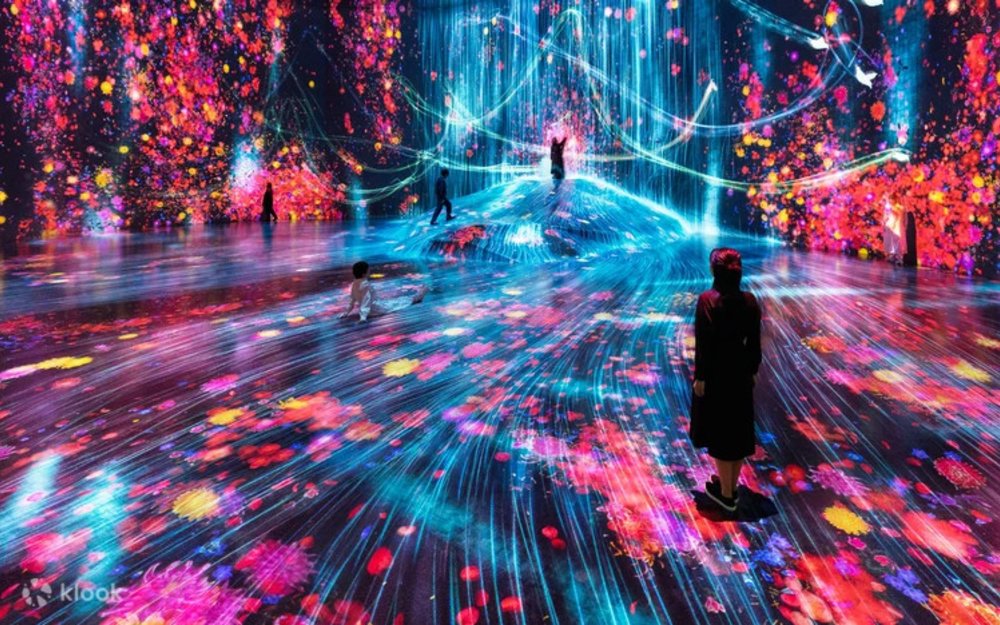
teamLab Planets TOKYO in Toyosu: an art space you walk through barefoot
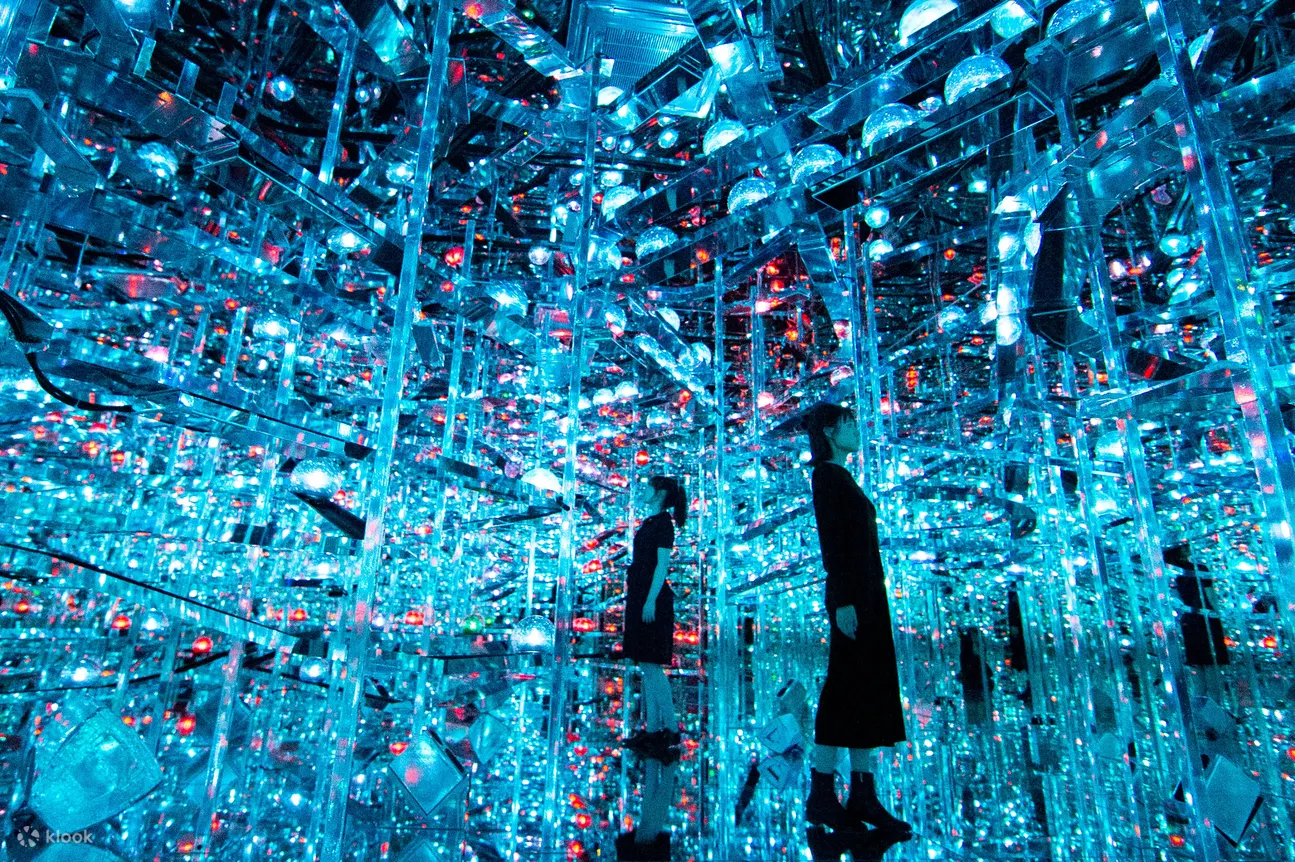
What makes teamLab Planets TOKYO special is that some of the rooms require you to go barefoot. After you enter, you leave your shoes in a locker and walk into water-filled spaces, where the light shifts as you move.
Inside, the Floating Flower Garden is made up of around 10,000 real orchids, and Infinite Crystal Universe uses thousands of LED lights to make it feel like you're floating in space. The route is fixed and usually takes 1.5 to 3 hours.
Ticket prices change by date and time slot, and popular days sell out early. Check the available dates on the
Planets tickets page. Children under 13 cannot enter alone and must be accompanied by a guardian aged 18 or over.
Klook Tip: You'll wade through water, so wear clothes with legs that roll up easily.
Address: 6-1-16 Toyosu, Koto City, Tokyo
Getting there: Shin-Toyosu Station on the Yurikamome line, or Toyosu Station on the Tokyo Metro Yurakucho Line
Opening hours: Open daily, hours vary by date, subject to official announcements
Admission: Varies by date and time slot; check the Klook page for current prices
Suggested time: 1.5-3 hours
teamLab Borderless in Azabudai: the museum without a map
teamLab Borderless used to be in Odaiba. In February 2024 it moved to Azabudai Hills, where it sits underground and connects directly to the subway station. There's no set route and the artworks have no boundaries, so you can wander freely in your shoes and slowly find the hidden rooms.
The museum shows more than 75 works, some of them new since the move. With no fixed route, the mix of works you see in the same room can change each time you walk in. Allow 2 to 3 hours so you don't have to rush.
teamLab Borderless and teamLab Planets TOKYO are two different museums. At Planets you walk barefoot through water, while at Borderless you keep your shoes on. Ticket prices depend on the date, and you can check them on the
Borderless tickets page.
Address: Azabudai Hills Garden Plaza B, B1, 1-2-4 Azabudai, Minato City, Tokyo
Getting there: Directly connected to Kamiyacho Station (Tokyo Metro Hibiya Line), or from Roppongi-itchome Station on the Namboku Line
Opening hours: 10:00-21:00 (last entry 60 minutes before closing), closing days vary, subject to official announcements
Admission: Varies by date; check the Klook page for current prices
Suggested time: 2-3 hours
Tokyo Disney Resort: Tokyo Disneyland and Tokyo DisneySea
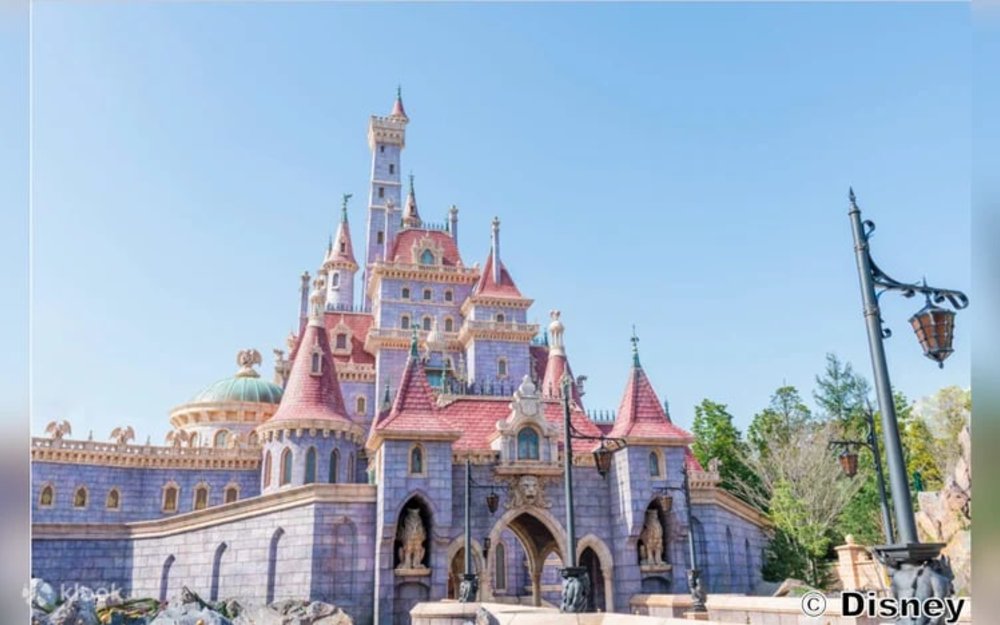
Tokyo Disney Resort has two parks, Tokyo Disneyland and Tokyo DisneySea, each with its own one-day passport. At Tokyo Disneyland, Big Thunder Mountain, Dumbo the Flying Elephant and "it's a small world" are family favourites.
Tokyo Disney Resort is in Urayasu, Chiba, so it isn't within Tokyo itself. From Tokyo Station you'll need to transfer to the JR Keiyo Line. Official one-day passports (adult) change by date and currently range from about 8,900 to 12,400 JPY (about 5,300-7,400 INR), with a big gap between weekday and holiday prices. Compare dates on the
Disney tickets page.
Klook Tip: The official calendar lists the opening hours and ticket price for each day, so check it before you book.
Address: 1-1 Maihama, Urayasu, Chiba
Getting there: Take the JR Keiyo Line or Musashino Line to Maihama Station
Opening hours: Varies by date, subject to the official operating calendar
Admission: One-day passport (adult) about 8,900-12,400 JPY (about 5,300-7,400 INR), depending on the date
Suggested time: Full day
Sanrio Puroland: Hello Kitty's indoor theme park
Sanrio Puroland is an indoor theme park in Tama, themed around Hello Kitty and the rest of the Sanrio cast. There are two main rides, the Sanrio Character Boat Ride and My Melody and Kuromi's Mymeroad Drive, plus character parades and stage shows.
The whole park is indoors, so rain won't spoil your plans. Plan on 3 to 5 hours to catch the parades and shows and browse the shops. Opening hours are generally around 10:00-17:00, vary by season and date, and closing days differ.
From Shinjuku, take the Keio Line or Odakyu Line to Tama Center Station, then walk about 5 minutes. To plan ahead, check ticket types for different dates on the
Puroland tickets page.
Address: 1-31 Ochiai, Tama City, Tokyo
Getting there: About 5 minutes on foot from Keio Tama Center Station or Odakyu Tama Center Station
Opening hours: Generally around 10:00-17:00, varies by season and date, closing days vary, subject to official announcements
Admission: Varies by date and ticket type; check the Klook page for current prices
Suggested time: 3-5 hours
Warner Bros. Studio Tour Tokyo: walk onto the film sets
Warner Bros. Studio Tour Tokyo, also known as The Making of Harry Potter, stands on the former Toshimaen amusement park site and opened on 16 June 2023. Inside you can walk through the Great Hall at Hogwarts, Diagon Alley and Platform 9¾, and take a close look at the sets and props used in filming.
Entry is by timed slot and a visit usually takes 3 to 4 hours. Tickets must be booked in advance. Adult tickets start from 6,600 JPY (about 4,000 INR) depending on the season, and popular slots can sell out, so reserve your date on the
Harry Potter studio tour tickets page. Opening hours vary by season and day, so check the official calendar before you go.
Klook Tip: If you arrive after your timed slot, you may lose your entry, so leave plenty of travel time.
Address: 1-1-7 Kasugacho, Nerima City, Tokyo
Getting there: On foot from Toshimaen Station (Seibu Ikebukuro Line or Toei Oedo Line)
Opening hours: Varies by season and day, subject to the official calendar
Admission: Adult from 6,600 JPY (about 4,000 INR), depending on season and date
Suggested time: 3-4 hours
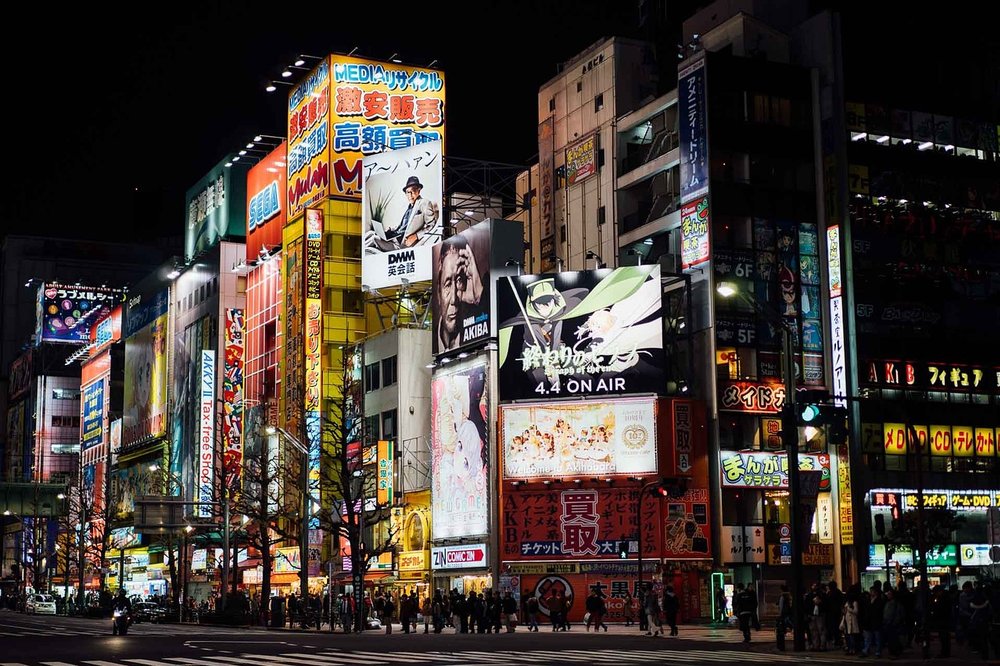
Akihabara: electric town and the world of anime
Akihabara started out after the war as a market for radio parts and electrical shops, and at its peak it packed around 1,000 electronics stores into less than 1 square kilometre. Today it's the centre of anime and gaming culture. Shops along Chuo-dori sell computers, anime goods, manga, games and models, and the side streets hide small shops for retro games and computer parts.
Every Sunday, Akihabara becomes a pedestrian zone closed to traffic, 13:00-18:00 between April and September and 13:00-17:00 between October and March. It may be cancelled in rain or strong wind. The Yodobashi Camera store here takes up six floors of a nine-storey building, so you can find electronics, toys and everyday items under one roof. It's open daily, 9:30-22:00.
After shopping, you can walk to the nearby Kanda Myojin shrine. For more things to do in Akihabara, see
Akihabara activities.
Address: Around Sotokanda, Chiyoda City, Tokyo
Getting there: Take the JR Yamanote Line, JR Keihin-Tohoku Line, Tokyo Metro Hibiya Line or Tsukuba Express to Akihabara Station; it's about 5 minutes on foot to the electric town exit
Opening hours: Varies by shop; the pedestrian zone runs only on Sundays, 13:00-17:00 (October to March)
Admission: Free
Suggested time: 2-3 hours
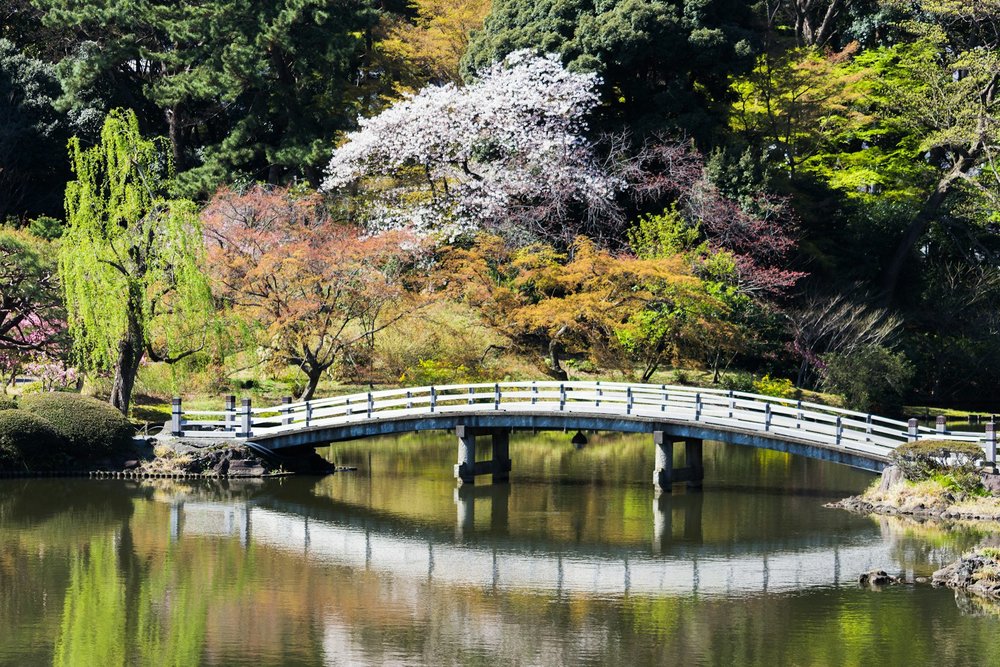
Shinjuku Gyoen National Garden: a huge garden in the city
Shinjuku Gyoen began as an imperial garden and has been open to the public since 1949. It's home to around 900 cherry trees. In late November the autumn leaves are changing colour, which makes it another great time for a stroll. It's one of the most relaxing things to do in Shinjuku.
Adult admission to Shinjuku Gyoen is 500 JPY (about 300 INR). The garden closes on Mondays and its opening hours change with the season, so check the official announcements before you go. To get between Shinjuku and spots like Asakusa and Ueno, consider the
Tokyo Subway Ticket, which gives you unlimited rides on Tokyo Metro and Toei Subway lines within its validity period.
Address: 11 Naito-cho, Shinjuku City, Tokyo
Getting there: About 5 minutes on foot from Shinjuku-gyoemmae Station (Tokyo Metro Marunouchi Line)
Opening hours: About 9:00-16:30 (varies by season, last entry 30 minutes before closing), closed Mondays, subject to official announcements
Admission: Adult 500 JPY (about 300 INR)
Suggested time: 1-2 hours
Sunshine Aquarium: an aquarium on a skyscraper rooftop
Sunshine Aquarium is on the top floor of the Sunshine City World Import Mart building, with around 70 tanks and about 550 species, 23,000 creatures in total. Its curved jellyfish tank is 14 metres wide and is one of the largest jellyfish tanks in Japan.
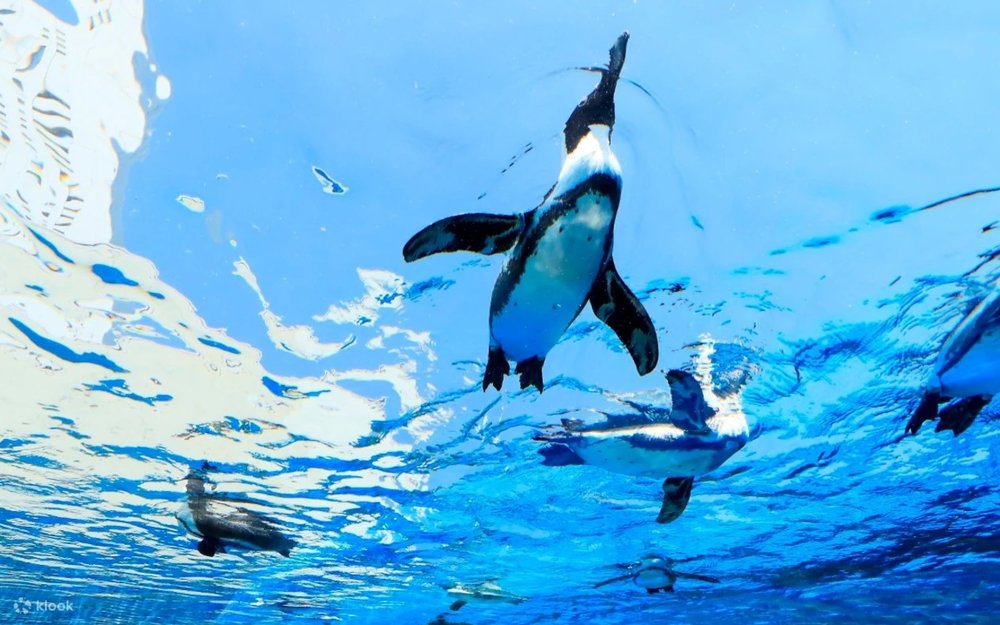
At the outdoor area on the roof, you can look up and watch sea lions and penguins swim overhead, with Ikebukuro's high-rises in the background. It's one of the easiest things to do in Ikebukuro on a rainy day, and the aquarium is open all year round. Admission is 2,600-3,200 JPY (about 1,600-1,900 INR), depending on the season and period, and last entry is 60 minutes before closing.
Address: Sunshine City World Import Mart Building (top floor), 3-1 Higashi-Ikebukuro, Toshima City, Tokyo
Getting there: About 10 minutes on foot from JR Ikebukuro Station, or about 5 minutes from Exits 6 and 7 of Higashi-Ikebukuro Station (Tokyo Metro Yurakucho Line)
Opening hours: Varies by season, last entry 60 minutes before closing, subject to official announcements
Admission: 2,600-3,200 JPY (about 1,600-1,900 INR), depending on season and period
Suggested time: 1.5-2 hours
Ginza: a pedestrian paradise at weekends
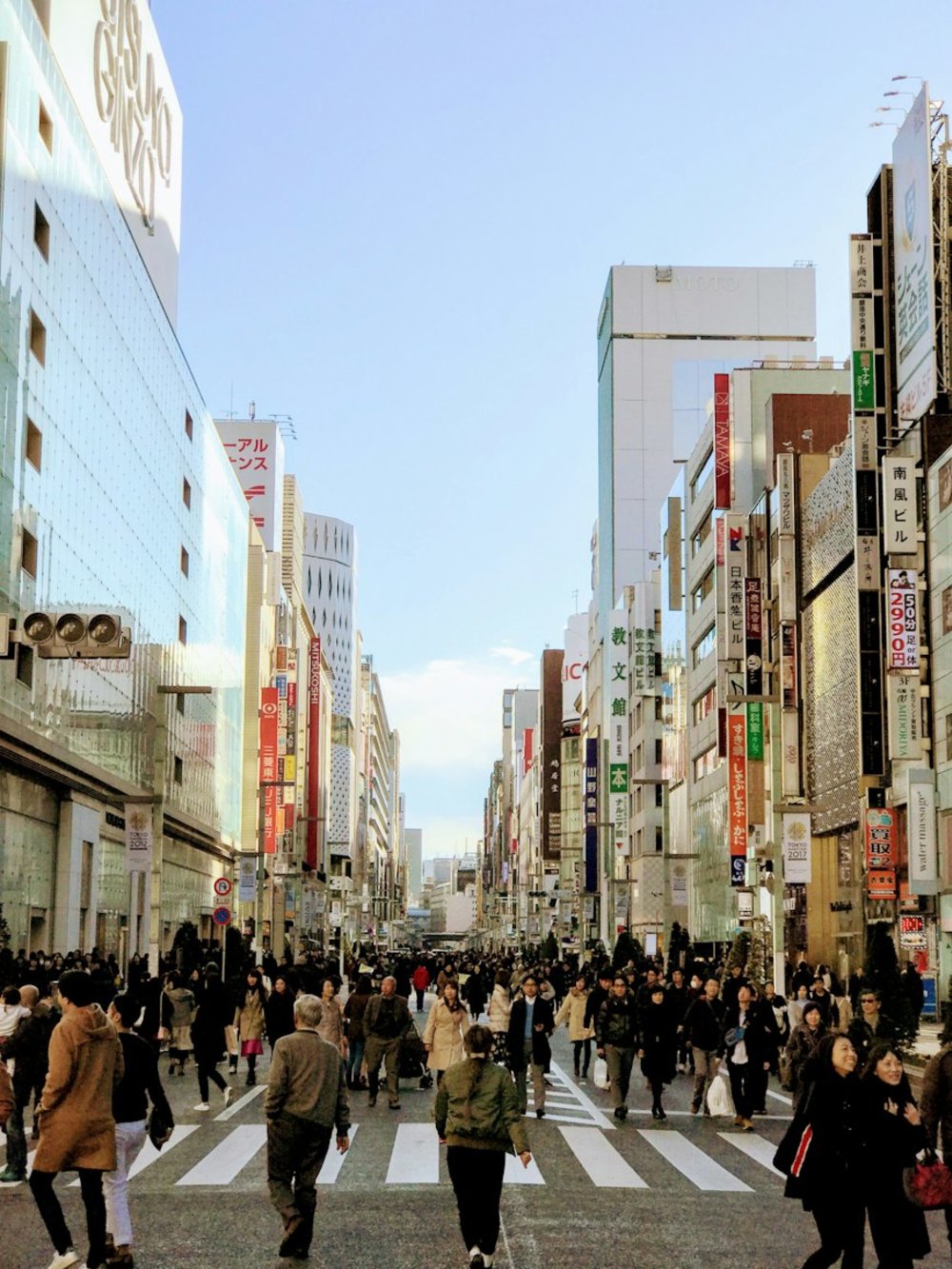
On Saturdays, Sundays and public holidays, Ginza's Chuo-dori closes to traffic from 12:00 and becomes a "pedestrian paradise" (hokosha tengoku) covering Ginza 1-chome to 8-chome. It lasts until 17:00 between October and March and until 18:00 between April and September. The scheme began on 2 August 1970, and Ginza, Shinjuku, Ikebukuro and Asakusa were the first areas to adopt it.
While the pedestrian paradise is on, street performances, stalls, gatherings and cycling are not allowed. Ginza has long-established department stores such as Ginza Mitsukoshi, Matsuya Ginza and Wako, plus newer complexes like GINZA SIX, Ginza Place and Ginza Sony Park. Most Michelin-starred sushi restaurants in Ginza have counter seats only, and some need a reservation. For more things to do in Ginza, see
Ginza activities. Sushi counters are seafood-focused, so vegetarians should look elsewhere for a meal.
Address: Chuo-dori, Ginza 1-chome to 8-chome, Chuo City, Tokyo
Getting there: Take the Tokyo Metro to Ginza Station
Opening hours: Varies by shop; the pedestrian paradise runs 12:00-17:00 at weekends and on holidays (October to March)
Admission: Free
Suggested time: 2-3 hours
Ueno: the zoo and the national museum
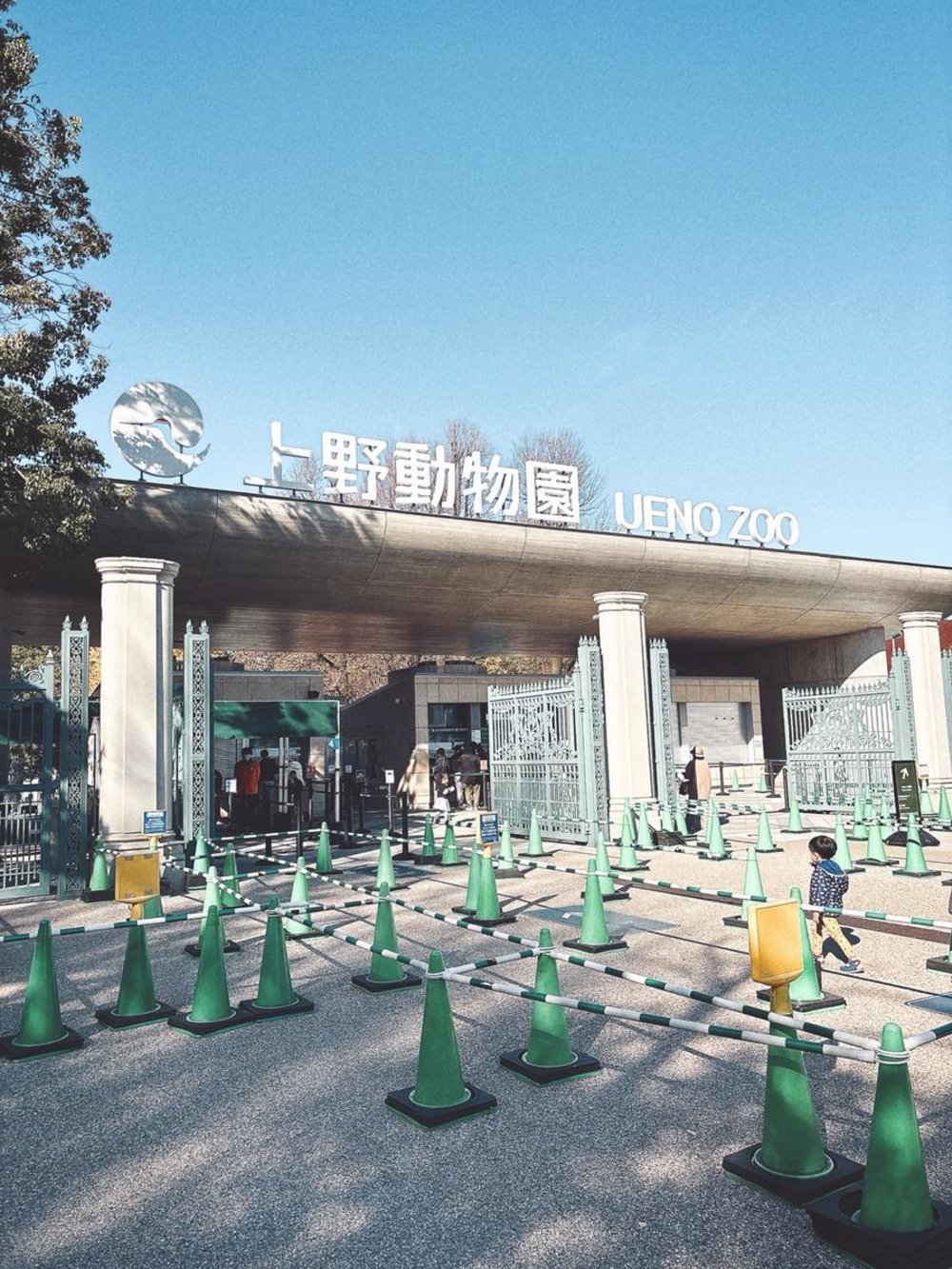
There are plenty of things to do in Ueno if you like to take your time. Ueno Zoo and the Tokyo National Museum cater to animal lovers and history buffs respectively. Ueno Zoo is open 9:30-17:00 (last entry 16:00) and closes on Mondays, or the next day if Monday is a public holiday. Adult admission is 600 JPY (about 400 INR), and elementary school children and younger go free.
The Tokyo National Museum holds a huge collection of Japanese art and historical artefacts, including Buddhist art, samurai-related exhibits and ceramics. There's more to see than many visitors expect, so allow a few hours rather than rushing through. Check ticket prices and entry arrangements on the
Tokyo National Museum tickets page.
Address: Around Ueno Park, Taito City, Tokyo
Getting there: Take the JR or Tokyo Metro to Ueno Station; it's about 5 minutes on foot from the Park Exit of JR Ueno Station to Ueno Park
Opening hours: Zoo 9:30-17:00 (last entry 16:00), closed Mondays
Admission: Zoo adult 600 JPY (about 400 INR); museum prices shown on the Klook page
Suggested time: Half a day
Tokyo Tower: the Main Observatory of the red-and-white icon
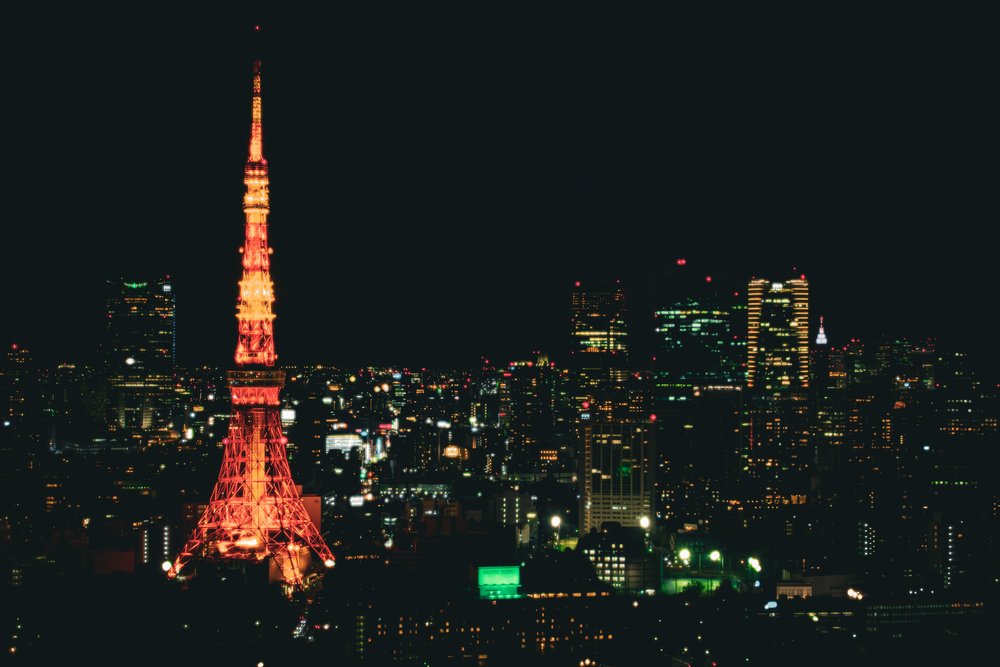
Tokyo Tower opened in 1958 and stands 333 metres tall. The Main Observatory is at 150 metres, and you can reach it by lift or by climbing around 600 steps on the outdoor staircase. Its Skywalk Window is a glass floor that lets you look straight down 145 metres to the ground.
The Top Deck at 250 metres has an installation of geometric mirrors and LED lights. A 2024 renovation added the TOKYO DIAMOND TOUR, limited to 70 people a day. On a clear day you can see Mount Fuji from the Main Observatory.
Tokyo Tower is open all year round, 9:00-23:00, and last entry is 30 minutes before closing. Adult tickets for the Main Observatory cost 1,500 JPY (about 900 INR), and you can book ahead with
Tokyo Tower tickets.
Address: 4-2-8 Shibakoen, Minato City, Tokyo
Getting there: About 5 minutes on foot from Akabanebashi Station (Toei Oedo Line), or about 7 minutes from Kamiyacho Station (Tokyo Metro Hibiya Line)
Opening hours: 9:00-23:00 (last entry 30 minutes before closing), open all year round
Admission: Main Observatory adult 1,500 JPY (about 900 INR)
Suggested time: 1-1.5 hours
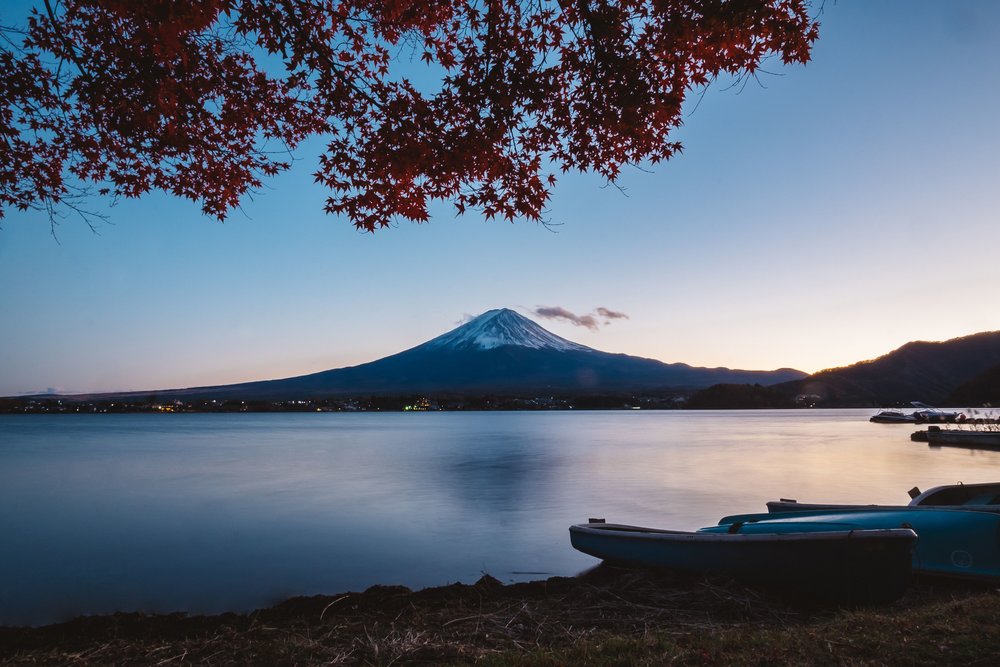
Mount Fuji day trip: Lake Kawaguchi and Oshino Hakkai
A Mount Fuji day trip is one of the best things to do near Tokyo. Tour buses leave from Tokyo Station or Shinjuku Station and head to the Mount Fuji area, with travel time depending on traffic. Klook's day tour itinerary includes the Chureito Pagoda at Arakurayama Sengen Park, the Hikawa Clock Shop, Oshino Hakkai, Oishi Park at Lake Kawaguchi, and the Lawson convenience store with Mount Fuji as its backdrop. The actual stops depend on the tour you choose.
Oshino Hakkai is a group of eight spring-fed ponds formed from Mount Fuji's snowmelt filtering through the ground for many years. The water is clear enough to see fish swimming. How much of Mount Fuji you see depends on the weather that day, so check the forecast before you go.
To skip the hassle of transfers and timing, book a
Mount Fuji day tour, which meets at Tokyo Station or Shinjuku Station depending on the tour you pick.
Address: Meeting point at Tokyo Station or Shinjuku Station (depending on the tour)
Getting there: By tour bus; travel time depends on traffic
Opening hours: Depends on departure date
Admission: Varies by date and tour; check the Klook page for current prices
Suggested time: Full day
FAQs about fun things to do in Tokyo
What are the fun things to do in Tokyo, and where should first-timers start?
For first-timers, the fun places in Tokyo to start with are SHIBUYA SKY, Senso-ji Temple and Tokyo Skytree. All three are easy to reach, and they cover city views, traditional culture and high-up views. If you like art, add teamLab Planets TOKYO or teamLab Borderless. Travelling with kids? Consider Tokyo Disney Resort or Sanrio Puroland.
How do I plan a 3 to 4 day itinerary for fun attractions in Tokyo?
For a 3 to 4 day trip, group the fun attractions in Tokyo by area to avoid backtracking.
Day | Suggested route |
|---|
Day 1 | Senso-ji Temple, Tokyo Skytree |
Day 2 | Shinjuku Gyoen, SHIBUYA SKY |
Day 3 | Tokyo Disney Resort |
Day 4 | teamLab Borderless, Tokyo Tower |
Asakusa and Oshiage are just one stop apart. teamLab Borderless connects directly to Kamiyacho Station, and Tokyo Tower is about 7 minutes on foot from the station, so you can do both on the same day. With an extra day, add Akihabara, Ueno or Sunshine Aquarium.
What are the best family-friendly things to do in Tokyo?
Family-friendly things to do in Tokyo include Tokyo Disney Resort, Sanrio Puroland, Sunshine Aquarium and Ueno Zoo. Ueno Zoo is free for elementary school children and younger. teamLab Planets TOKYO does not let children under 13 enter alone, so they must be accompanied by a guardian aged 18 or over.
What are the best things to do in Tokyo when it rains?
On a rainy day, the best things to do in Tokyo are indoors: teamLab Borderless, Sanrio Puroland, Warner Bros. Studio Tour Tokyo and the Tokyo National Museum. In bad weather the SHIBUYA SKY rooftop may close, but the indoor SKY GALLERY stays open.
Do I need to book tickets in advance for Tokyo attractions?
Among the fun things to do in Tokyo, SHIBUYA SKY sunset slots and Warner Bros. Studio Tour Tokyo tend to sell out first, so book early. Warner Bros. Studio Tour Tokyo sells tickets online only and requires advance booking. Popular teamLab dates also sell out quickly.
Do Indian passport holders need a visa to visit Tokyo?
Yes, Indian passport holders need a visa for Japan. Tourist e-visas have been available in India since 1 April 2024, and you can also apply through the Embassy of Japan in India. Check the official Embassy of Japan in India website (in.emb-japan.go.jp) for current fees, documents and processing times before you book. You can also fill in Visit Japan Web before you travel to register your immigration and customs details in advance. Japan plans to introduce the JESTA electronic travel authorisation system in fiscal year 2028, so trips before then are not affected.
How much is Japan's departure tax?
From 1 July 2026, Japan's departure tax rose from 1,000 JPY to 3,000 JPY (about 1,800 INR). It is charged each time you leave the country and is usually included in your airfare. Children under 2 and passengers transiting within 24 hours are exempt, and certain tickets issued before 30 June 2026 are still charged at the old rate.
When did Japan's new tax-free shopping system start?
Japan's new tax-free system started on 1 November 2026. You now pay the tax-inclusive price at the shop and get a refund after customs confirms your purchases at the airport when you leave. Items bought on or before 31 October still follow the old system. If you plan to claim a refund, arrive at the airport early to leave time for customs confirmation.
What is the time difference in Tokyo, and how long is the flight from India?
Tokyo is on UTC+9 all year, as Japan does not observe daylight saving time. That makes it 3.5 hours ahead of India (IST), so 9am in Delhi is 12.30pm in Tokyo. Direct flights from Delhi take about 7.5 hours. For other cities, check airline schedules, as flight times depend on the route.
When is the best time to visit Tokyo?
The best time to visit Tokyo depends on what you like. Cherry blossom season usually runs between late March and early April, and autumn leaves are usually at their best between mid-November and early December. The rainy season typically runs between early June and mid-July, and summers are hot and humid, so many visitors prefer spring and autumn. If you're travelling during the May to June summer holidays, you'll hit the start of the rainy season in early June, so carry a light rain jacket and keep a few indoor options handy.
Wrap-up
The fun things to do in Tokyo cover observation decks, digital light art, theme parks and traditional neighbourhoods. Pick three or four that match your interests, then group them by area, and you'll have plenty of time to enjoy them. Before you go, get a
Suica card to make taking trains and buses around Tokyo easier.
🔍️ More Tokyo travel guides
What is Klook?
Klook is a leading pan-regional experiences platform in Asia Pacific, purpose built to digitalize experiences and make them accessible to every traveler.
Our mission is to build the digital infrastructure for the global experience economy — empowering merchants to share their passions and travelers to discover the heartbeat of each destination. We operate a mobile-first, curated platform featuring diverse experiences across global destinations.