Mount Fuji Reviews
Popular places near Mount Fuji
FAQs about Mount Fuji
Why is Mount Fuji so famous?
Why is Mount Fuji so famous?
Where is Mount Fuji located?
Where is Mount Fuji located?
How tall is Mount Fuji in Japan?
How tall is Mount Fuji in Japan?
Can you see Mt Fuji from Tokyo?
Can you see Mt Fuji from Tokyo?
How to get to Mount Fuji from Tokyo?
How to get to Mount Fuji from Tokyo?
Can you climb Mount Fuji?
Can you climb Mount Fuji?
Where to go for the best views of Mount Fuji?
Where to go for the best views of Mount Fuji?
When's the best time to see Mount Fuji?
When's the best time to see Mount Fuji?
What to know about Mount Fuji
Explore Mount Fuji - Japan's Timeless Icon
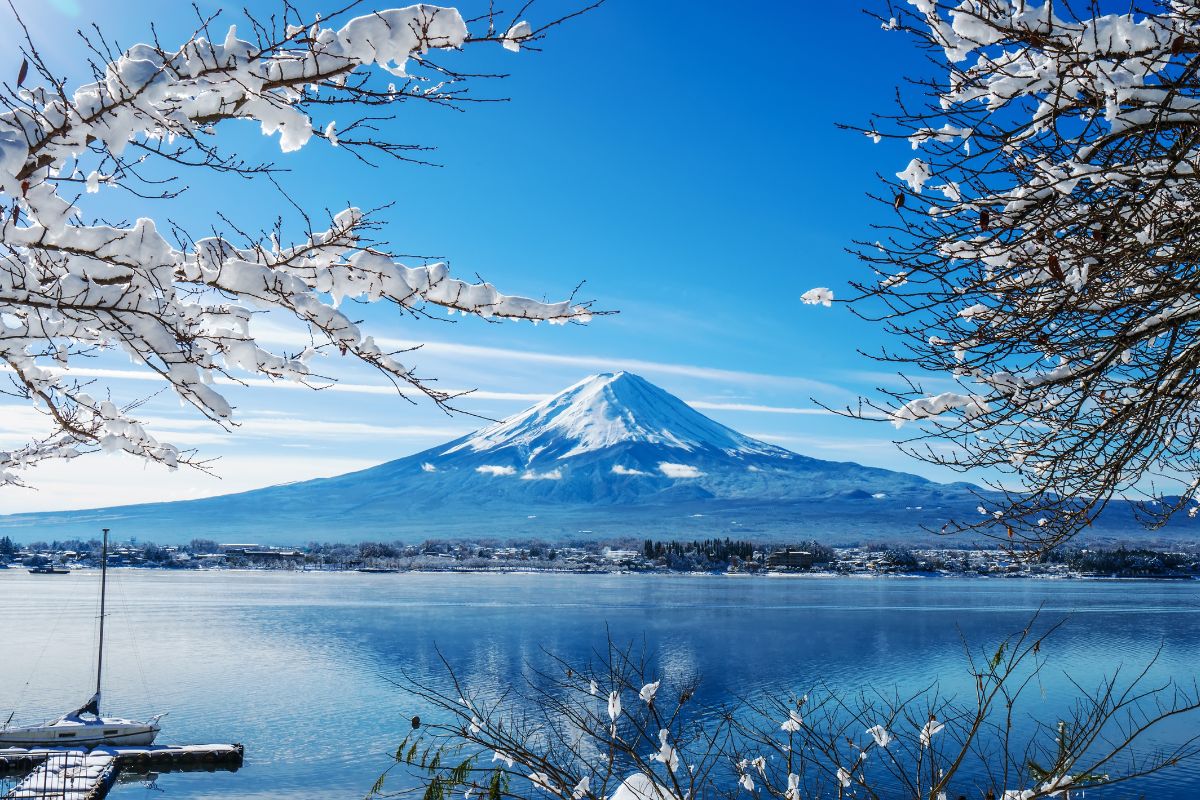
A trip to Mount Fuji offers an unforgettable blend of natural beauty, cultural heritage, and exciting activities. Japan's highest and most iconic peak, Fuji is surrounded by stunning landscapes like the Fuji Five Lakes, each offering serene views and outdoor adventures such as boating, hiking, and camping. Visitors can marvel at the breathtaking scene from spots like Chureito Pagoda or the Mt. Tenjo Observation Deck, enjoy thrilling rides at Fuji-Q Highland, or immerse themselves in traditional charm at Oshino Hakkai village. Whether you're seeking adventure, photography, or relaxation, Mount Fuji promises a truly magical experience in every season.
Mount Fuji's Geological Story: From Ancient Eruptions to Modern Icon
Mount Fuji is a majestic active volcano shaped by a long history of eruptions spanning hundreds of thousands of years. Its structure is made up of three overlapping volcanic cones-Komitake, Ko-Fuji (Old Fuji), and Shin-Fuji (New Fuji)—each marking a different phase in the mountain's geological evolution. Over millennia, successive layers of lava, ash, and volcanic rock gradually formed the mountain's iconic, symmetrical profile.
Mount Fuji: Japan's Sacred Mountain and Spiritual Symbol
Although it is currently dormant, Mount Fuji has experienced periodic eruptions, the most recent being the Hoei Eruption in 1707 during the Edo period. This event blanketed surrounding regions in volcanic ash, altering landscapes and affecting nearby communities. Today, scientists closely monitor Mount Fuji for any signs of renewed activity, given its significant geological and cultural importance.
Mount Fuji has long been revered in Japan as a sacred mountain, central to the tradition of mountain worship known as sangaku shinko. In both Shinto and Buddhist beliefs, the mountain is considered the dwelling place of deities and a gateway to the spiritual world. For centuries, pilgrims have climbed its slopes not only to reach the summit but also to purify their spirits, believing the journey itself to be a sacred act. Shrines such as Fujisan Hongu Sengen Taisha at its base honor the mountain's kami (divine spirit), and rituals, festivals, and artistic depictions reflect its deep spiritual significance in Japanese culture.
Best Places To See Mount Fuji San
Fuji Five Lakes
Surrounding the majestic Mount Fuji, the five lakes—Kawaguchiko, Yamanakako, Saiko, Shojiko, and Motosuko—offer some of the most stunning views of Japan's highest peak. Each has its own charm and activities, from boating and camping to peaceful lakeside strolls. Lake Kawaguchiko is the most popular, famous for its mirror-like reflection of Mount Fuji. From Tokyo, take the Tokaido Shinkansen to Mishima Station or the JR Chuo Line to Otsuki Station, then connect via local transport (note: visiting all five lakes in one day is difficult).
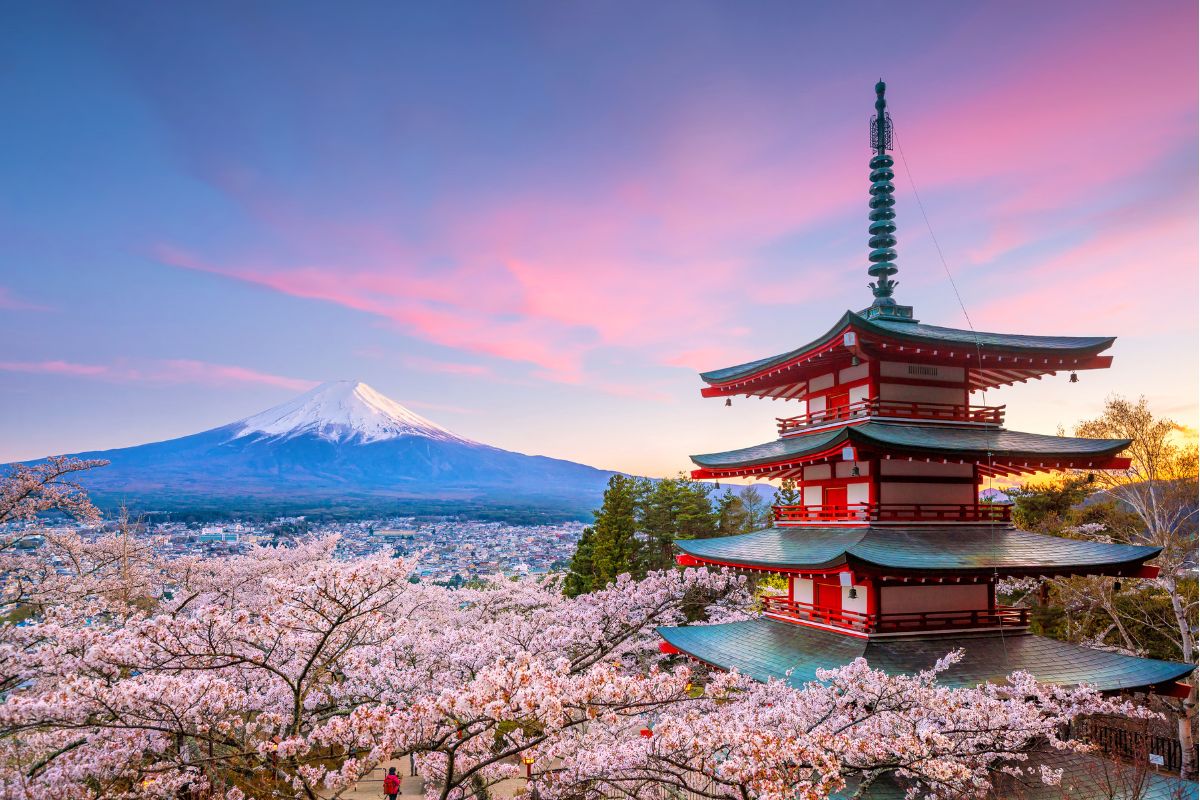
Chureito Pagoda
Located in Fujiyoshida City, this striking five-storey red pagoda was built to commemorate those who lost their lives in war. It's one of Japan's most photographed viewpoints, with the pagoda perfectly framed against Mount Fuji—especially magical during spring cherry blossom season. Be prepared for a 400-step climb to the viewing platform, where the breathtaking panorama makes every step worth it.
Mt. Fuji Panoramic Ropeway
This scenic ropeway links Lake Kawaguchiko with Mount Tenjo over a distance of 400 metres. The short ride offers sweeping views of the lake and Mount Fuji, making it a must-do for photographers and anyone seeking a bird's-eye perspective of the area.
Fujisan World Heritage Center
A modern facility dedicated to the history, geology, and cultural significance of Mount Fuji. Interactive exhibits make it an engaging stop for anyone wanting to understand why Fuji is such an enduring symbol of Japan.
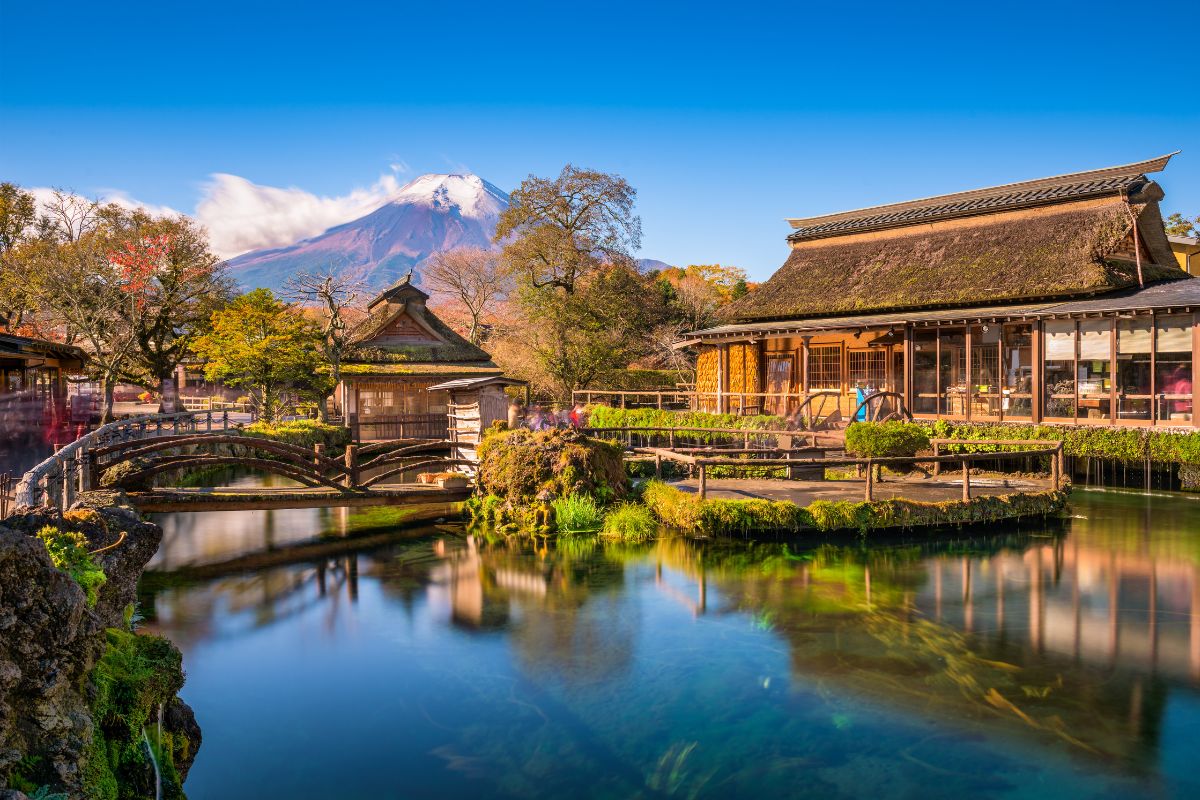
Oshino Hakkai
A charming village with eight crystal-clear ponds fed by snowmelt from Mount Fuji. Its traditional Japanese scenery and postcard-perfect Fuji views make it a favourite photography spot.
Mt. Tenjo Observation Deck
For one of the most spectacular views of Mount Fuji, head up Mt. Tenjo near Lake Kawaguchiko. Here, a panoramic viewing deck awaits—complete with giant 3.5-metre swings that let you soar with the sacred peak as your backdrop. It's the perfect spot to capture stunning photos, take in the breathtaking scenery, and add a playful twist to your Fuji experience.
Fuji-Q Highland
At the base of Mount Fuji lies one of Japan's most thrilling amusement parks. Known for record-breaking roller coasters like Eejanaika (the world's most spins), Fujiyama, and Dododonpa, it also features family-friendly attractions such as Thomas Land, plus a winter ice-skating rink. From Tokyo or Shinjuku, take the JR Chuo Line to Otsuki, then transfer to the Fujikyu Railway (not covered by JR Pass) to Fuji-Q Highland Station.
Recommended Activities Around Mount Fuji
Climb Mt. Fuji
From early July to early September, Mount Fuji's official climbing season offers a rare chance to reach Japan's highest point. Choose from four main trails—Yoshida, Subashiri, Gotemba, or Fujinomiya—each with different levels of difficulty, rest stations, and scenic highlights. Many climbers aim for an overnight trek to catch the sunrise, known as Goraiko, from the summit.
Nature Trails
For those who prefer to explore without summiting, the foothills of Fuji are filled with scenic hiking routes. Trails around Lake Kawaguchiko and the Fuji Five Lakes area provide gentle paths with stunning mountain views, forest walks, and seasonal flowers. The Aokigahara Forest, known as the "Sea of Trees," offers mysterious yet beautiful nature walks.
Scenic Viewing
Mount Fuji is breathtaking from every angle, but sunrise and sunset are particularly magical. Ride the Mt. Fuji Panoramic Ropeway for a bird's-eye view, relax by the lake shores, or visit the Chureito Pagoda for the perfect postcard shot. Winter mornings often bring the clearest skies for photography.
Join a Mount Fuji tour
Opting for a guided Mount Fuji tour is a convenient and enriching way to experience Japan's iconic peak. These tours offer comfortable transportation, knowledgeable guides, and thoughtfully planned routes that cover must-see spots around the mountain. Depending on the season, you may also enjoy special highlights like the vibrant cherry blossoms of spring or the stunning autumn foliage, adding extra charm to your journey.
Cultural Visits
Discover the mountain's deep spiritual significance at shrines such as Fujisan Hongu Sengen Taisha, the head shrine of over 1,300 Sengen shrines across Japan. These sacred sites celebrate Fuji as a dwelling place of deities and offer a peaceful space to learn about local traditions and rituals.
Onsen Experience
Unwind in a soothing hot spring while gazing at Fuji's majestic peak. Kawaguchiko Onsen, Yamanakako Onsen, and nearby ryokan provide outdoor baths with direct views—an ideal way to relax after a day of exploring or climbing.
Photography
Every season transforms Mount Fuji's appearance. In spring, pink cherry blossoms frame the peak; in summer, lush greenery surrounds its base; autumn brings fiery foliage; and winter crowns it with glistening snow. Famous spots like Lake Kawaguchiko, Oshino Hakkai, and the Arakurayama Sengen Park offer picture-perfect compositions.
Tips For Climbing Mount Fuji: A Once-in-a-Lifetime Experience!
Climbing Mount Fuji, just as generations of Japanese climb it every summer, is a bucket list dream for many and rewards you with one of the most beautiful sunrises of your life!
Official Climbing Season
The best and safest time to climb is from early July to early September only! During this period, the weather is ideal, the trails are snow-free, and the mountain huts are fully operational.
Choose the Right Trail for You
Fuji has 4 main trails, each with its own difficulty and charm.
Yoshida Trail (The Popular Choice for Beginners): This is the easiest trail to access from Tokyo and is fully equipped with mountain huts and facilities along the way. Perfect for first-time climbers.
Subashiri Trail: A less crowded trail that allows you to enjoy nature in peace at the start before merging with the Yoshida Trail near the summit.
Gotemba Trail: The longest and most challenging trail! Best suited for experienced hikers looking for a serious challenge.
Fujinomiya Trail: The shortest, but also the steepest trail. It's a popular choice for travelers coming from western Japan.
Klook Recommends: For first-timers, the Yoshida Trail is your best bet. Plan for an overnight stay at a mountain hut to rest up before making the final push to the summit to witness the spectacular sunrise (known as Goraiko) right on time!
Cultural Gems of Mount Fuji: Shrines, Villages & Heritage Sites to Explore
Fujisan Hongu Sengen Taisha Shrine
Located in Fujinomiya City at the southwestern base of Mount Fuji, this shrine is the head of over 1,300 Sengen shrines across Japan. It was originally built to protect the region from volcanic eruptions and to honor Konohanasakuya-hime, the Shinto goddess of Mount Fuji. The serene grounds feature a majestic main hall, a sacred spring-fed pond (Wakutamaike), and a torii gate framing Mount Fuji in the distance. In spring, cherry blossoms bloom around the shrine, creating a breathtaking scene. This shrine is also the traditional starting point for the historic climbing route up Mount Fuji.
Oshino Hakkai - Traditional Village
Nestled between Lake Kawaguchiko and Lake Yamanakako, Oshino Hakkai is a charming village known for its eight crystal-clear ponds formed from the snowmelt of Mount Fuji filtered through volcanic rock. The ponds are so pure that they're designated as a national natural monument. Visitors can stroll wooden bridges, sample local delicacies like grilled fish and handmade soba, and explore traditional thatched-roof houses that evoke old Japan. The location also offers postcard-perfect views of Mount Fuji reflected in the ponds — making it a favorite for photographers.
Fujisan World Heritage Center
This modern, architecturally striking facility in Fujinomiya is dedicated to showcasing Mount Fuji's natural beauty, history, and cultural significance. The building itself is designed to resemble Mount Fuji upside-down when reflected in the surrounding pond. Inside, exhibits combine multimedia displays, interactive models, and historical artifacts to explain the mountain's geology, spiritual heritage, and role in Japanese art and literature. Visitors can also enjoy a panoramic observation deck with direct views of Mount Fuji, making it a great starting or ending point for your trip.
Best Spots to See Cherry Blossoms Near Mt. Fuji
Chureito Pagoda (Arakura Sengen Shrine)
One of the most iconic places to view cherry blossoms near Mount Fuji, Chureito Pagoda at Arakura Sengen Shrine offers a postcard-perfect panorama. This five-story red pagoda, built as a peace memorial, stands above Fujiyoshida City with the majestic Mount Fuji rising behind it. In spring, a sea of soft pink sakura blooms surrounds the pagoda, creating a world-famous scene beloved by photographers and travelers alike.
Fuji Five Lakes Sakura Festival
Held each spring around Lake Kawaguchi, the Fuji Five Lakes Sakura Festival is a must for cherry blossom lovers. The lake's shores are lined with vibrant pink blossoms, perfectly framing the snow-capped peak of Mount Fuji. Visitors can enjoy food stalls, cultural performances, and magical nighttime illuminations when the sakura glow under the lights. On calm days, the lake reflects both the blossoms and the mountain, creating a mirror-like masterpiece.
Oshino Hakkai
A charming traditional village nestled between Lake Kawaguchi and Mount Fuji, Oshino Hakkai is renowned for its crystal-clear spring ponds and historic thatched-roof houses. During cherry blossom season, the village becomes a serene wonderland, with sakura branches arching over the water and Fuji's peak in the background. It's the perfect place for a leisurely stroll, sampling local treats, and capturing picturesque views in every direction.
Ubuyagasaki Peninsula
Jutting into Lake Kawaguchi, the Ubuyagasaki Peninsula is one of the most scenic spots for cherry blossom viewing. This tranquil location offers unobstructed views of Mount Fuji framed by rows of blooming cherry trees along the lakeshore. It's especially beautiful at sunrise, when the soft morning light casts a golden glow over the blossoms and the mountain.
Lake Yamanakako Flower Park
At Lake Yamanakako Flower Park, visitors can enjoy seasonal blooms with Mount Fuji as the perfect backdrop. In spring, the park bursts with cherry blossoms alongside tulips and other flowers, creating a colorful and vibrant setting. The wide-open spaces and clear views of Fuji make it an ideal spot for leisurely walks, photography, and picnics under the sakura trees.