Discover the best of Tokyo on a budget 🇯🇵
Tokyo has a reputation for being expensive, but Tokyo on a budget is easier than most people expect. It's only about 4 hours from Hong Kong on a nonstop flight, and Tokyo is 1 hour ahead of Hong Kong time, so a long weekend or a few days of annual leave goes a long way. Free city views, 24-hour subway tickets and filling meals from the corner convenience store cover a lot of the city's best parts for very little.
This budget travel Tokyo guide covers what a day costs, how to get around, where to sleep, what to eat, and what to see, with free stops first. Prices are shown in Japanese yen (JPY) with a rough HKD equivalent in brackets. We checked them in November 2026 and converted at about 49.97 HKD per 1,000 JPY, so confirm the latest rates before you book.
Heading beyond the capital? Browse more Japan travel ideas once your Tokyo plan is set.
How much do you need per day for Tokyo on a budget?
You can cover a Tokyo daily budget with about 5,000 to 8,500 JPY (about 250 to 425 HKD) as a backpacker, or around 12,000 to 18,000 JPY (about 600 to 900 HKD) if you want a private room and a few paid sights. These are rough estimates for one person, and they leave out flights and big shopping hauls.
Cost per day (per person) | Backpacker | Budget-conscious |
|---|---|---|
Sleep | 3,000 to 4,500 JPY (about 150 to 225 HKD) for a capsule or hostel dorm | 7,000 to 10,000 JPY (about 350 to 500 HKD) for a business hotel private room |
Food | 1,500 to 2,500 JPY (about 75 to 125 HKD) for konbini, gyudon and set lunches | 3,000 to 4,500 JPY (about 150 to 225 HKD) for set meals and a casual dinner |
Transport | 500 to 800 JPY (about 25 to 40 HKD) for walking plus a few rides | 800 to 1,200 JPY (about 40 to 60 HKD) for a subway ticket or IC card |
Sights | 0 to 500 JPY (0 to 25 HKD) for free spots first | 1,000 to 2,000 JPY (about 50 to 100 HKD) for one or two paid picks |
Total per day | About 5,000 to 8,500 JPY (about 250 to 425 HKD) | About 12,000 to 18,000 JPY (about 600 to 900 HKD) |
Hotel prices are the biggest swing factor, and they climb during cherry blossom season and autumn leaf season. Christmas, Easter and Lunar New Year holidays are popular times to fly from Hong Kong, so book early if you plan to go then or in the autumn leaf window. Splitting a twin or triple room with friends or family cuts the per-person cost a lot.
Highlight Section Name: [Central] Tokyo on a budget Klook Tip 1
Klook Tip: Prices were checked in November 2026 and converted at about 49.97 HKD per 1,000 JPY. Daily totals are estimates, so recheck rates for your travel dates.
Transport: get around Tokyo for less
Tokyo's trains and subways are clean and punctual, and far cheaper than taxis, which add up fast. The Tokyo Subway Ticket gives unlimited rides on all Tokyo Metro and Toei Subway lines for 24, 48 or 72 hours, at 1,000 JPY (about 50 HKD), 1,500 JPY (about 75 HKD) and 2,000 JPY (about 100 HKD). The clock starts at your first ride, so activate it in the morning to get the full value.
Tokyo Subway Ticket or IC card?
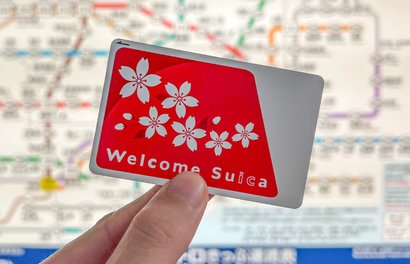
If you plan four to six subway rides in a day, the 24-hour ticket usually pays for itself, since many single rides cost roughly 180 to 330 JPY (about 9 to 16.50 HKD). If you mostly walk, or ride JR lines such as the Yamanote Line (not covered by the subway ticket), an IC card is simpler. It works like an Octopus card: tap in, tap out, and top up at any station. Tokyo's subway is as easy to use as the MTR once you're tapping through the gates.
Not sure how to get one? Our Welcome Suica guide walks you through it. You can also use both a ticket and a card. Cash still matters at smaller restaurants and market stalls, so carry some yen alongside your card.
Airport transfer and day-trip passes
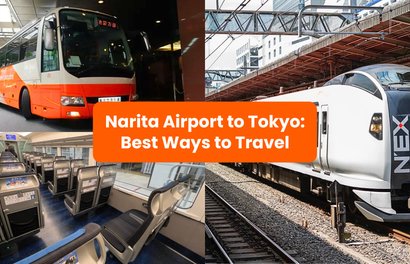
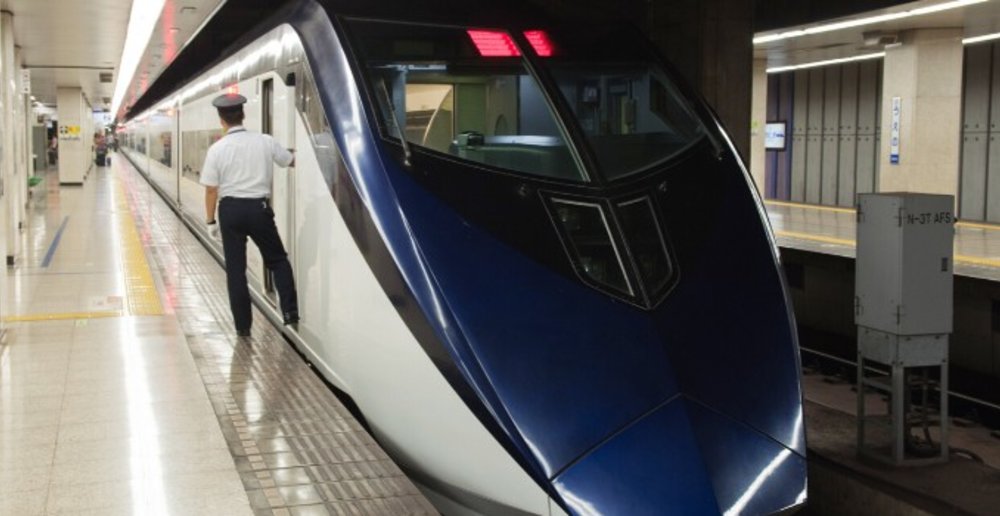
Landing at Narita after the 4-hour flight from Hong Kong? The Keisei Skyliner runs from the airport to Ueno in about 40 minutes for 2,470 JPY (about 123 HKD) one way. Local Keisei trains on the same route cost less if you're counting every yen, but the Skyliner is worth the spend with big luggage because every seat is reserved. Our Narita to Tokyo guide compares every airport transfer.
Planning day trips beyond central Tokyo? The Greater Tokyo Pass is a second transit option worth comparing, so check the pass page for covered lines and validity before you buy.
Sleep: capsule hotels, hostels and budget hotels
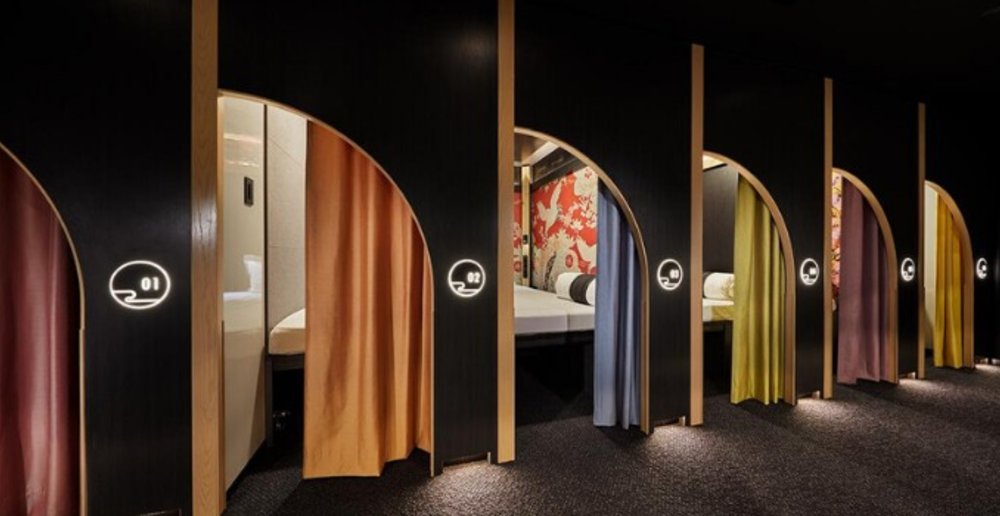
Cheap doesn't mean rough in Japan. Capsule hotels in Tokyo are clean and quiet, Tokyo hostels are social and safe, and budget business hotels give you a private room with its own bath. Here's how the three tiers compare.
Capsule hotels in Shinjuku
Capsule beds usually run about 3,000 to 5,000 JPY (about 150 to 250 HKD) a night. Shinjuku Kuyakusho-mae Capsule Hotel puts you in Shinjuku, one of the best-connected neighbourhoods for trains and late-night food.
Nearby, 9h nine hours Shinjuku-North is built around short, efficient stays. The "nine hours" name comes from the idea of one hour to shower, seven to sleep and one to get ready.
Hostels in Ueno
Dorm beds at Tokyo hostels generally cost 3,000 to 5,000 JPY (about 150 to 250 HKD) a night. Grids Tokyo Ueno Hotel & Hostel sits in Ueno, a handy base near Ueno Park and the Ameyoko market, and the Skyliner from Narita ends right here.
Budget business hotels in Kinshicho
For a private room, expect roughly 8,000 to 12,000 JPY (about 400 to 600 HKD) a night. Sotetsu Fresa Inn Tokyo-Kinshicho is on the east side of the city, where rooms often cost less than in the central hubs, and a short train ride gets you into the action.
Highlight Section Name: [Central] Tokyo on a budget Klook Tip 2
Klook Tip: Book at least two to three months ahead for cherry blossom season (late March to early April) and autumn leaves (late November to early December). Saturday nights often cost more, so shift a stay to a weeknight if you can. Pick a hotel within a short walk of a train station, since a taxi can wipe out your savings.
Eat: cheap eats in Tokyo
Food is where Tokyo on a budget gets fun. You can eat very well for roughly 300 to 1,000 JPY (about 15 to 50 HKD) a meal if you know where to look.
If you eat vegetarian or avoid pork, check ingredients first, since many bowls and broths contain meat or pork stock. Ask before you order.
Konbini meals
Japanese convenience store food is a real meal, not a last resort. Onigiri (rice balls), sandwiches, bento boxes and hot snacks at konbini like 7-Eleven, FamilyMart and Lawson are fresh and cost a few hundred yen (roughly 10 to 25 HKD). Grab a few for breakfast and save sit-down meals for lunch.
Gyudon and teishoku chains
Beef bowl chains like Yoshinoya, Sukiya and Matsuya serve gyudon (beef over rice) for well under 1,000 JPY (under 50 HKD). For a bigger meal, try a teishoku (set meal with rice, miso soup and a main) at chains such as Yayoi-ken or Ootoya. Lunch sets are often cheaper than dinner menus for similar food, so make lunch your main meal out.
Standing sushi and noodle bars
Standing sushi and soba shops near train stations skip the seating and the markup. You eat quickly, pay less and get back to sightseeing. Look for the ticket machines and short counters.
Depachika evening discounts
Department store basements hold depachika (food halls) full of bento, sushi and deli dishes. In the evening, shops usually mark down unsold items, often from around 7pm, so look for discount stickers and build a cheap dinner.
Street food and markets
Ameyoko Shopping Street in Ueno is a go-to market street for snacks and fresh fruit. For fish lovers, head to Tsukiji Outer Market. The inner wholesale market moved to Toyosu in 2018, but the Outer Market is still the place for tamagoyaki (rolled omelette) and seafood bowls, and the stalls are worth the queue.
In Shinjuku, the tiny yakitori alleys of Omoide Yokocho (Memory Lane) are good for grilled skewers. Share a few plates and keep drinks simple.
Highlight Section Name: [Central] Tokyo on a budget Klook Tip 3
Klook Tip: Want a Michelin meal on a budget? Check the current Michelin Guide Bib Gourmand list for ramen and soba shops, since listings change every year.
See and do: cheap things to do in Tokyo, free first
Tokyo Metropolitan Government Building observatory
The best free view in town is at the Tokyo Metropolitan Government Building in Shinjuku. Both twin towers have an observatory on the 45th floor, 202 metres up, and entry costs nothing. On a clear day you can even spot Mount Fuji.
The observatories open daily from 9.30am to 10pm, with last entry 30 minutes before closing. Each side closes on set days: the south observatory on the first and third Tuesday of the month, and the north on the second and fourth Monday. The building is about a one-minute walk from Tochomae Station on the Toei Oedo Line.
Highlight Section Name: [Central] Tokyo on a budget Klook Tip 4
Klook Tip: Check which observatory is open before you go, and arrive near sunset for day and night views in one visit.
Shrines, parks and free walking areas
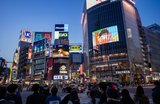
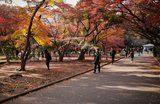
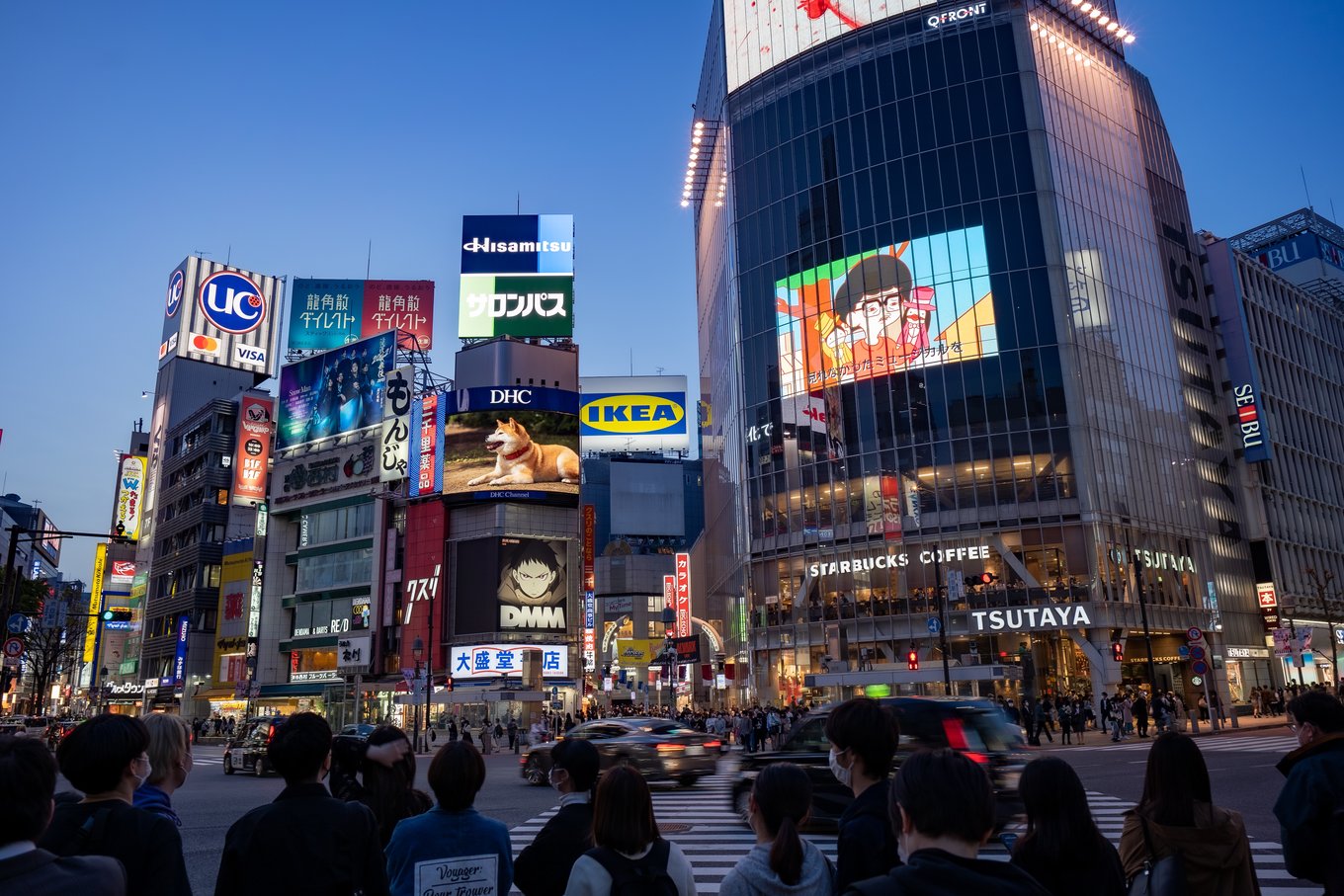
Senso-ji in Asakusa and Meiji Jingu in Harajuku are free to enter, and both are great for photos. Yoyogi Park and Ueno Park are good for a picnic with konbini food. For people-watching, walk across Shibuya Crossing, browse Takeshita Street in Harajuku, or wander Akihabara and the old-town lanes of Yanaka.
Cheap paid picks that are worth the spend
Once you've done the free stuff, spend on the experiences that deliver the most for the price. Pick two or three from this list and skip the rest, because a focused plan beats paying for every attraction.
Tokyo Skytree
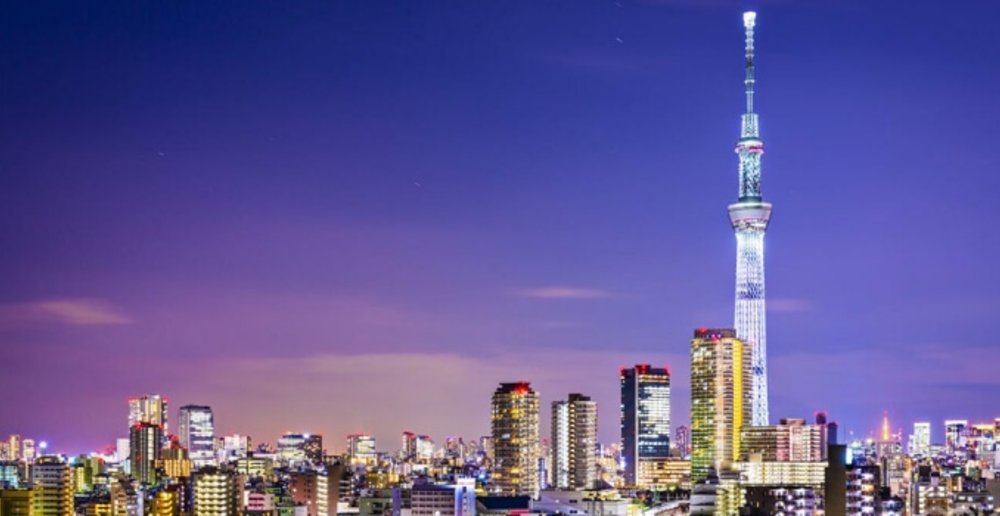
Tokyo Skytree is the tallest tower in Japan at 634 metres. Its observation decks sit at 350 and 450 metres, and the views stretch across the whole city. Go on a weekday morning for shorter queues, and pick a clear day so Mount Fuji has a chance to show up.
Shibuya Sky
Shibuya Sky is an open-air rooftop above Shibuya Crossing. Book a sunset slot if you want great photos. It costs more than the free observatory in Shinjuku, so pick one view upgrade rather than all of them to keep your budget on track.
Museums and art
The Nature and Science Museum in Ueno is a rainy-day winner. For something more colourful, the Art Aquarium Museum shows goldfish in glowing art displays.
Attraction pass tip
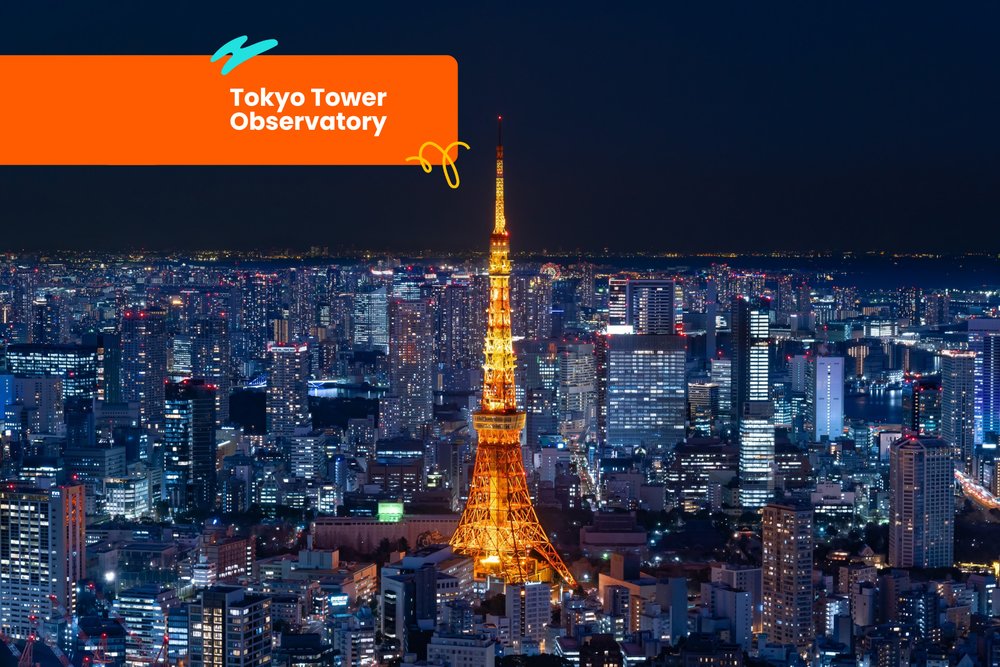
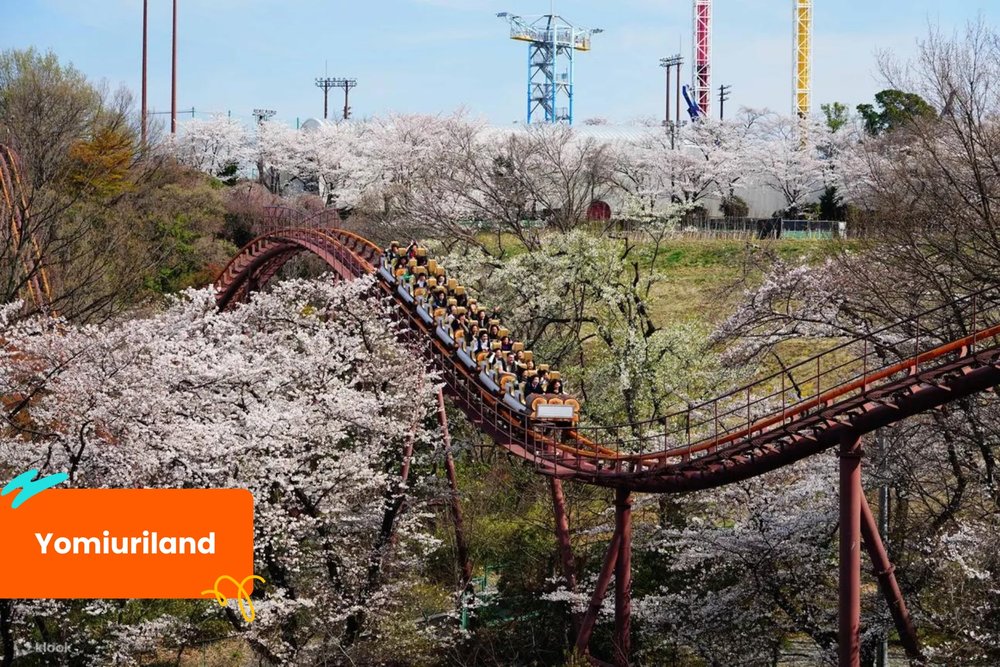
Planning three or more paid sights? The Klook Pass Greater Tokyo bundles attractions at a discount compared with buying tickets one by one. Check the pass page for the included sights before you choose.
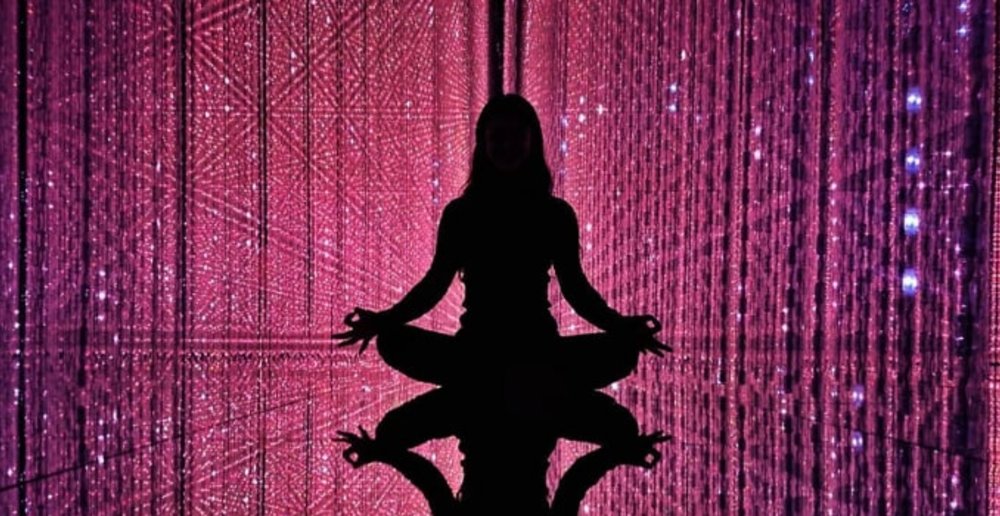
One splurge worth making:If you only spend big once, make it teamLab Planets. You walk barefoot through water and mirrors in rooms designed to be explored, and the photos alone are worth the ticket.
Shop smart: tax-free shopping in Japan
Japan's tax-free shopping rules changed on 1 November 2026. Stores now charge the full tax-inclusive price at the register, and you claim the consumption tax back when you leave the country. You still need to spend at least 5,000 JPY (about 250 HKD) before tax at one store on the same day.
Bring your passport and complete the customs step at a terminal or on Visit Japan Web before check-in. Items must be bought within 90 days of departure, and consumables can't be used before you leave. Discount stores like Don Quijote are popular for snacks and gifts, and the Don Quijote tourist coupon adds extra savings.
Highlight Section Name: [Central] Tokyo on a budget Klook Tip 5
Klook Tip: Each store handles refunds in its own way, so ask at the register how to claim yours.
More Tokyo budget tips
Use lunch sets:many restaurants sell set lunches at a lower price than dinner.
Shop at 100 JPY stores (about 5 HKD):Daiso, Seria and Can Do sell snacks, toiletries and souvenirs for 110 JPY (about 5.50 HKD) with tax.
Refill for free:most restaurants serve free water, and vending machine drinks add up.
Sort your data early:get a SIM or eSIM before you land and download offline maps, since free Wi-Fi can be patchy.
Pack for the cold:Tokyo winters are far colder than Hong Kong, so bring a proper jacket between December and February.
Bring an adapter:Japan uses two-pin Type A plugs, not Hong Kong's Type G.
Check entry rules:Hong Kong SAR passport holders can enter Japan visa-free for up to 90 days, but confirm current requirements with Japan's Ministry of Foreign Affairs before you fly.
For etiquette basics, read our Japan do's and don'ts.
FAQs about Tokyo on a budget
How much money do you need per day in Tokyo on a budget?
Plan on about 5,000 to 8,500 JPY (about 250 to 425 HKD) a day as a backpacker staying in a capsule or hostel and eating at konbini and bowl chains. If you want a private room and a couple of paid sights, budget around 12,000 to 18,000 JPY (about 600 to 900 HKD). Hotels make up the biggest part, so booking early and staying near a train station helps the most.
Is Tokyo expensive to visit?
Tokyo has a pricey reputation, but day-to-day costs are lower than many first-timers expect. Meals, public transport and many sights are very affordable, while flights and hotels in peak season are the big expenses. With free attractions and cheap eats, Tokyo on a budget is realistic.
What are the cheapest ways to get around Tokyo?
Walking within neighbourhoods is free, and trains and subways are the next cheapest option. The Tokyo Subway Ticket costs 1,000 JPY (about 50 HKD) for 24 hours, and an IC card lets you pay per ride on trains and buses. Skip taxis unless you're sharing a ride late at night.
Where can you eat cheaply in Tokyo?
Start with konbini meals, gyudon chains and teishoku set lunches, all usually under about 1,000 JPY (about 50 HKD). Standing sushi and soba bars are quick and affordable, and depachika food halls mark down dinners in the evening. For street snacks, head to Ameyoko in Ueno or Tsukiji Outer Market.
What are the best free things to do in Tokyo?
The Tokyo Metropolitan Government Building observatory is the top pick, with free views from 202 metres. Senso-ji, Meiji Jingu, Yoyogi Park and Ueno Park are also free to enter. Walking Shibuya Crossing, Harajuku and Akihabara costs nothing as well.
Where should you stay in Tokyo on a budget?
Capsule hotels in Shinjuku suit you if you're travelling solo and want a clean, central bed. Hostels in Ueno are good for meeting people and for easy Skyliner access, and business hotels in areas like Kinshicho give you a private room for less. Choose a place near a train station and book early for cherry blossom and autumn seasons.
Is the Tokyo Subway Ticket worth it on a budget?
It's worth it if you ride the subway four to six times in a day, or if you're packing in sights across Tokyo Metro and Toei lines. The ticket doesn't cover JR lines, so it's less useful if your route relies on the Yamanote Line. Count your planned rides first, then choose between the ticket and an IC card.
Ready for Tokyo on a budget?
Tokyo rewards you when you plan a little and spend smart. Grab a Tokyo Subway Ticket, lock in a capsule bed, and start your first day with the free views. The savings will go a long way towards your next meal.
Shop the article
Related articles


What is Klook?
Klook is a leading pan-regional experiences platform in Asia Pacific, purpose built to digitalize experiences and make them accessible to every traveler.
Our mission is to build the digital infrastructure for the global experience economy — empowering merchants to share their passions and travelers to discover the heartbeat of each destination. We operate a mobile-first, curated platform featuring diverse experiences across global destinations.