

Planning a trip to Japan? You probably already have a few expectations in mind — lightning-fast trains, polite locals, and perhaps the world’s most high-tech toilets. Fair enough. But even if you’ve watched the films, binged the anime, or scrolled through those Instagram reels, Japan still has a way of surprising you.
In this guide, we’ll walk you through eight things that tend to catch UK visitors off guard. Some are practical, some are cultural, and a few are just delightfully unexpected. Think of this as your friendly heads-up before you go—so you can spend less time puzzled and more time soaking up everything that makes Japan unforgettable.
1. Trains run to the second (literally!)
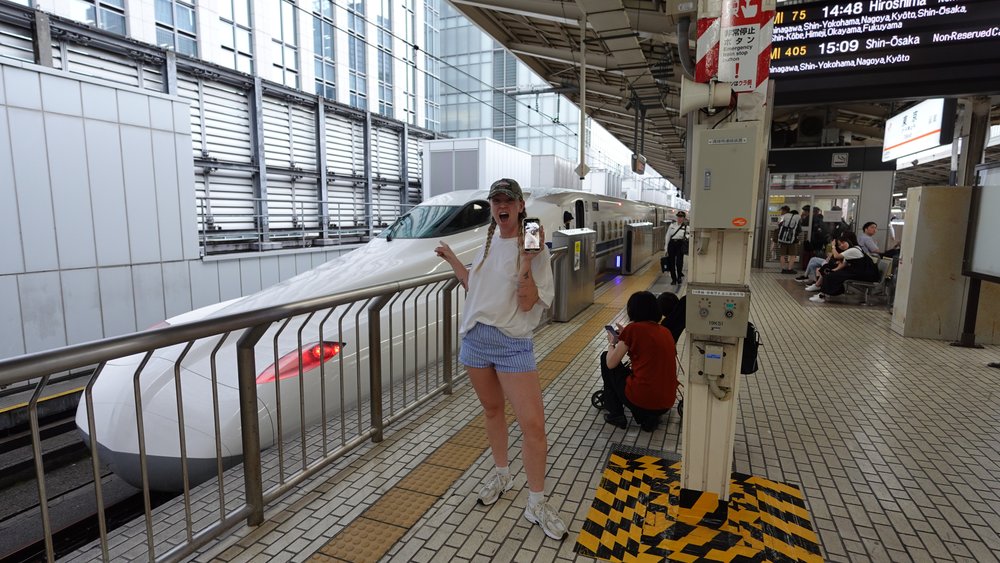
Trains arrive just on time!
In the UK, you may be used to a bit of wiggle room with train times. In Japan, however, a delay of even a few seconds is rare and usually considered a major issue. Yes, punctuality here is taken to an entirely new level.
The famous Shinkansen bullet trains, along with local trains, are known for their precise timetables. If your train is scheduled to leave at 14:03, you can bet that the doors will close at 14:03, no exceptions.
This level of precision is something you’ll quickly appreciate, especially when taking Japan tours across the country. Make sure to arrive early at the station because if you're late, the train won’t wait!
Klook Tip: Book your Shinkansen tickets ahead of time online, so all you have to worry about is arriving at the station on time!
Not sure how to get a Shinkansen ticket, either online or offline? Check out our guide below!
2. The streets are spotless, but there are no bins
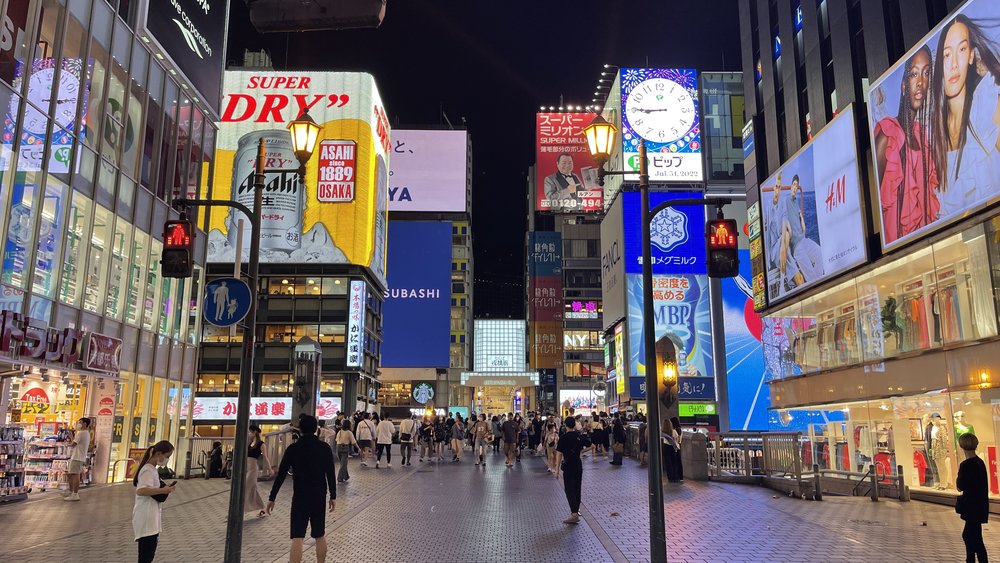
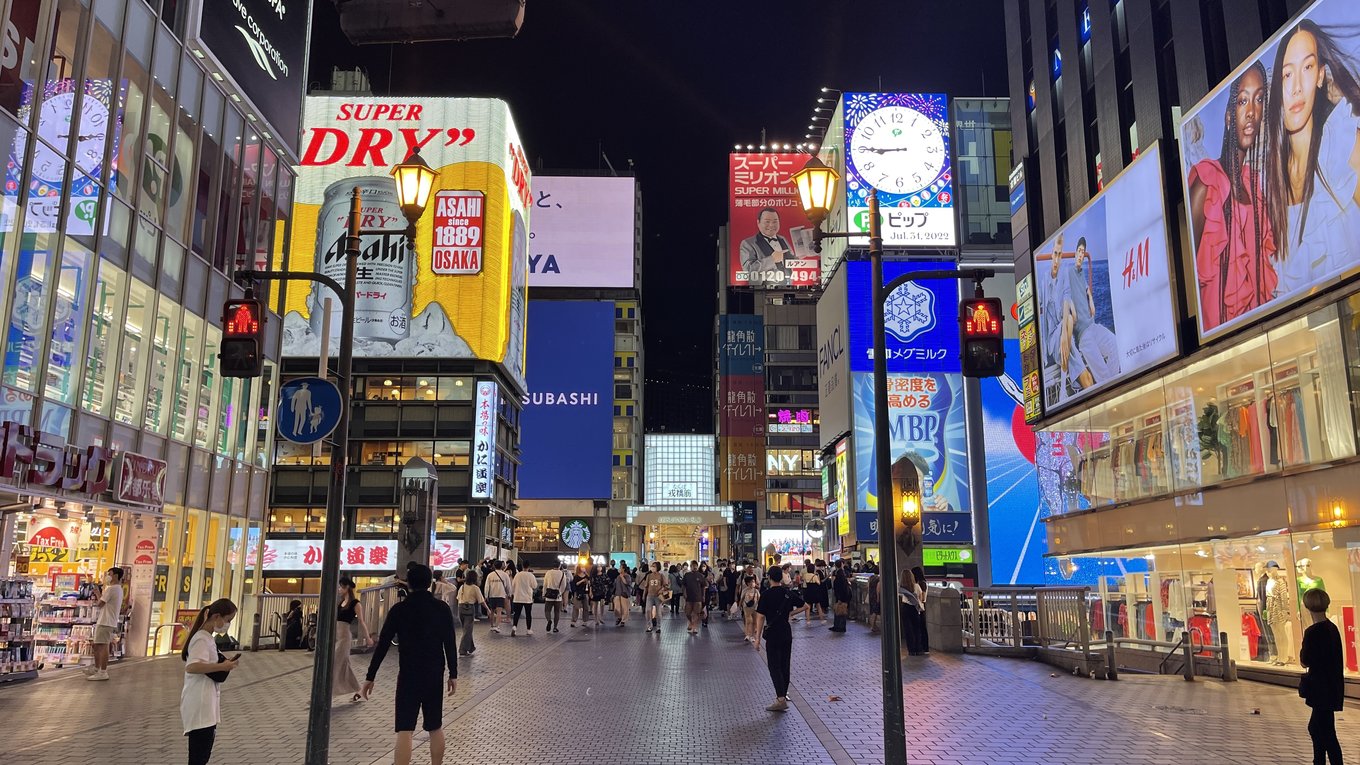
A clean street in Dotonbori, Osaka
In the UK, we’re used to seeing bins on every corner. In Japan, however, there’s a deep cultural understanding that people should carry their rubbish with them. This is because people take pride in keeping their country clean, and it's a national effort to avoid littering.
So, Japan’s streets are some of the cleanest you’ll find anywhere. But here's the twist: it's incredibly difficult to find a litter bin. That’s right; in many places, you’ll have to carry your rubbish with you until you find a store or station with bins.
Klook Tip: Finding those rare bins usually requires a strategic detour to a konbini (convenience store) or a train station. You might need an online map to find them, so a Japan eSIM will come in handy to keep you connected!
3. The underground world of Japan’s subway stations
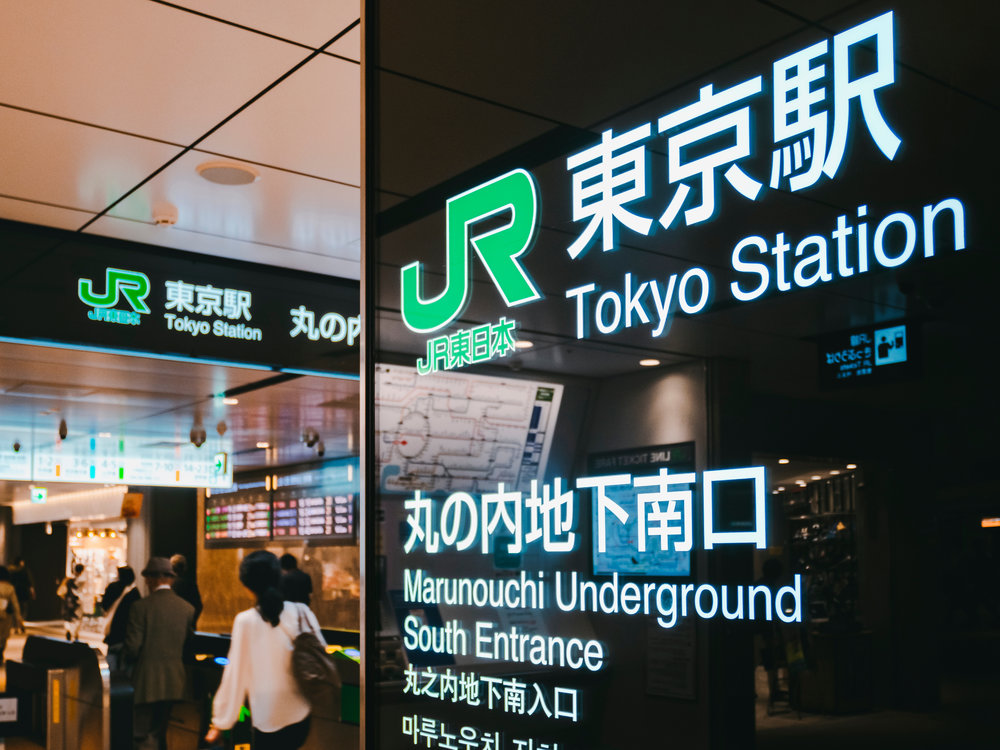
Tokyo Station is huge, with multiple underground entrances and a shopping street!
In the UK, we tend to dip into a train station for one reason: to catch the train—perhaps with a quick coffee in hand. In Japan, you could spend hours underground shopping, eating, and exploring, all without setting foot outside.
Japan is home to underground civilisations that take exploration to a whole new level. Major train stations like Shinjuku Station or Tokyo Station aren't just for catching a ride; they are huge subterranean hubs. You can find rows of restaurants, fashion boutiques, and even hotels hidden beneath the streets!
Klook Tip: Because these underground labyrinths can be a bit daunting to navigate on your own, a great way to find the best hidden gems is by joining a Shinjuku food tour.
4. The quietness on public transport

It’s best to maintain a hushed tone when talking with someone aboard a Japan train
Step onto a Tokyo subway train and you might notice something straight away: how quiet it is. Compared to a typical rush-hour commute in the UK, the atmosphere feels surprisingly calm. Conversations are kept low, phone calls are avoided, and most people simply travel in near silence.
In fact, there’s an unspoken rule known as “manner mode”, which dictates that people should avoid speaking on the phone and keep conversations quiet. It might feel strange at first, but you'll quickly get used to the quiet hum of the train and the general sense of respect for personal space.
Klook Tip: To keep your journey as quiet and seamless as the locals, grab a pre-loaded Suica card. It lets you enter through the ticket gates in local trains with a silent tap!
You can also check out our Suica card guide, so you’ll be an expert once you arrive in Japan!
5. High-tech toilets are everywhere
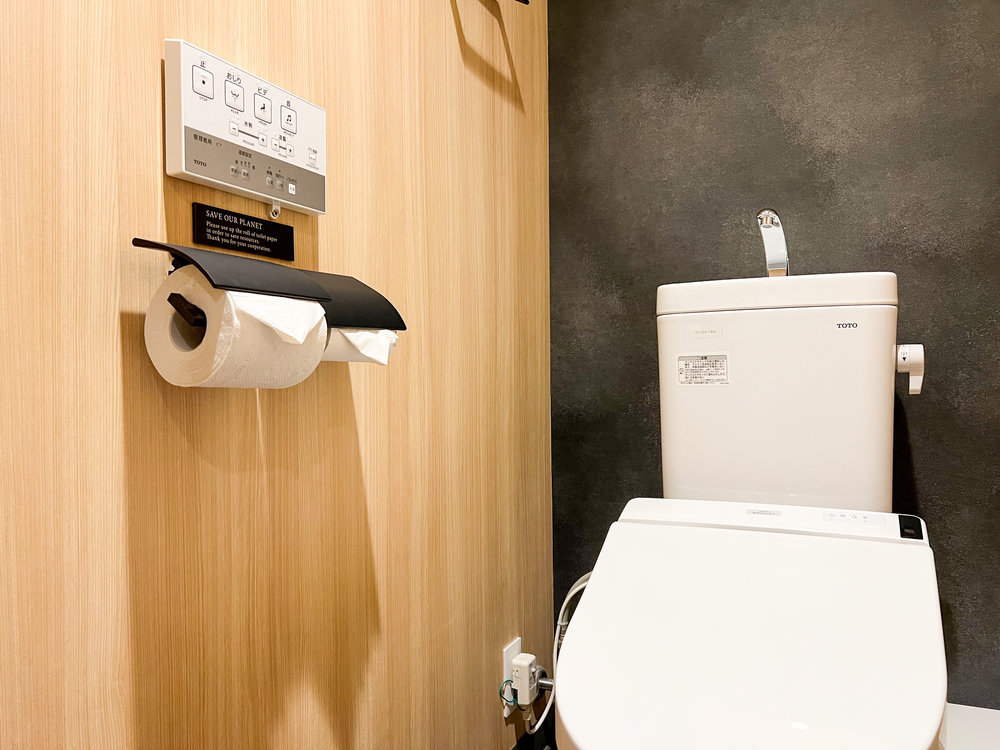
A modern toilet in Japan, complete with bidet functions
When it comes to high-tech toilets, Japan takes things to a whole new level. Heated seats, bidet functions, and even music to mask any unwanted sounds – these features are commonly found in public toilets across Japan.
However, some rural areas or traditional parks still have “squat” toilets, which might be a surprise if you’re not prepared!
Klook Tip: Japan can be very futuristic, which you can prove with a visit to Harajuku for some cutting-edge shopping and style, where high-tech features extend to every aspect of life.
6. There’s no tipping culture
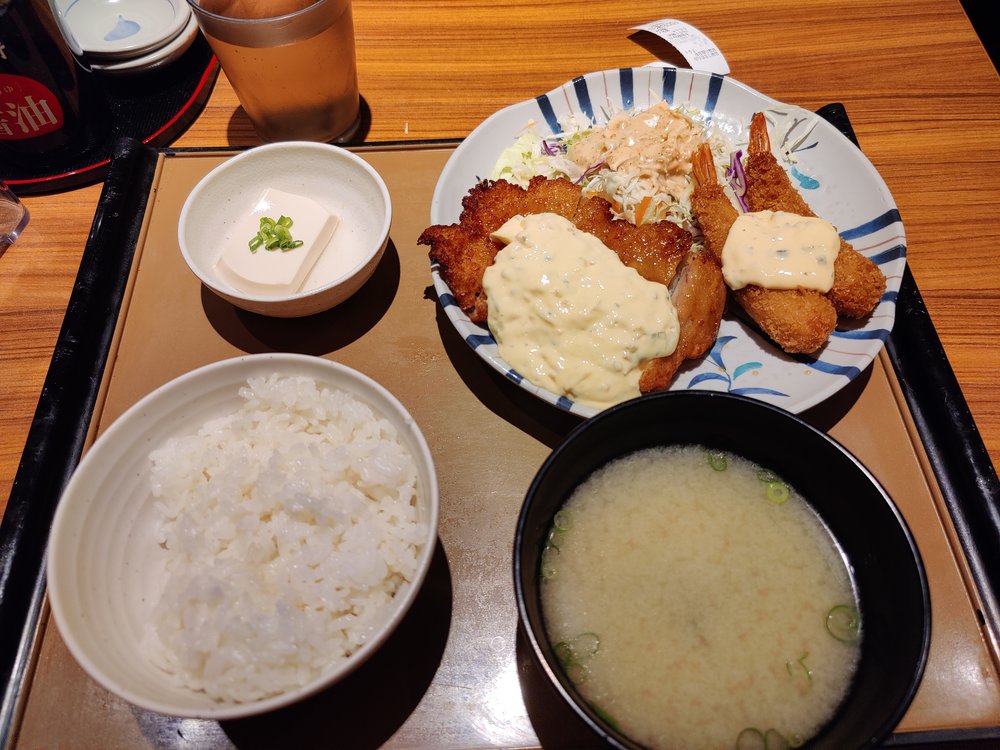
Happy with their service? A simple ‘arigatou’ is enough once you finish your meal
In the UK, a tip for great service is a nice way to show appreciation. But in Japan, tipping can be seen as a bit awkward, and some servers might even chase after you if they see you trying to leave a tip!
Japanese hospitality, or “omotenashi”, is rooted in the belief that excellent service is simply part of the experience. Staff don’t expect extra compensation – they take pride in their work. So, when you don’t leave a tip, they see it as a sign of respect.
Klook Tip: Experience Japan’s culture to the fullest and watch a sumo show in Shinjuku, and rest assured that no tip is needed!
7. Safety and the "lost and found" culture
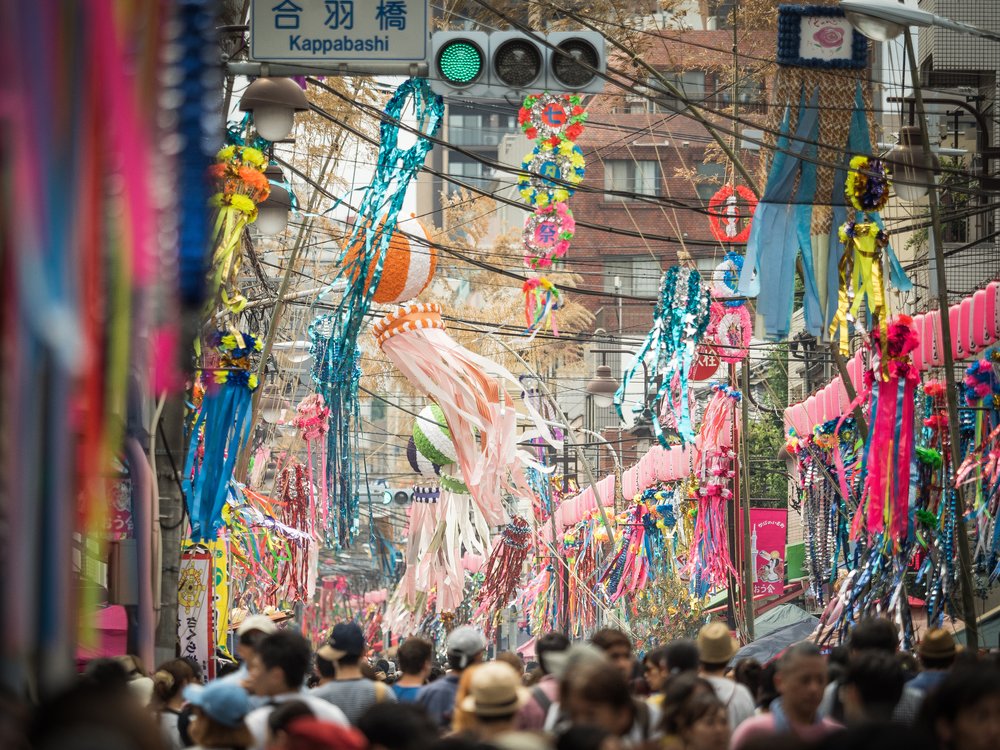
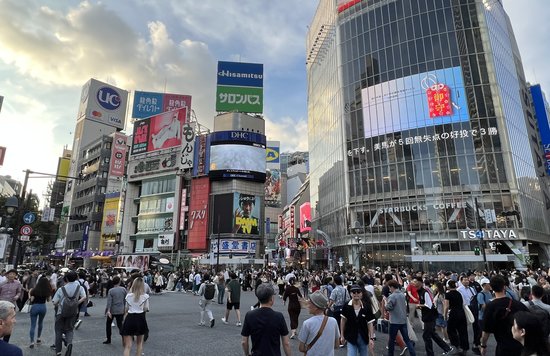
A crowded tourist spot in Tokyo, Japan
Japan is one of the safest countries in the world, and that’s no exaggeration. It's common to see people leave their bags or expensive smartphones unattended in cafes, yet still find them in the same spot when they return.
In the UK, we’re used to keeping a close eye on our belongings, especially in busy city centres and on public transport. But in Japan, the culture of honesty and respect runs deep, making it safe to travel and explore. If you lose something, there's a good chance you’ll get it back – and if it’s valuable, it’s likely to be handed in to the nearest police box.
Despite all these, we still suggest being mindful of your stuff, especially in crowded places and famous tourist spots, to avoid the stress of finding it.
Klook Tip: Enjoy peace of mind when exploring Japan’s most famous sites, like Shibuya Scramble Crossing. It’s known for being the most crowded place in Tokyo, yet you don’t have to worry about pickpockets here!
8. Vending machines have everything
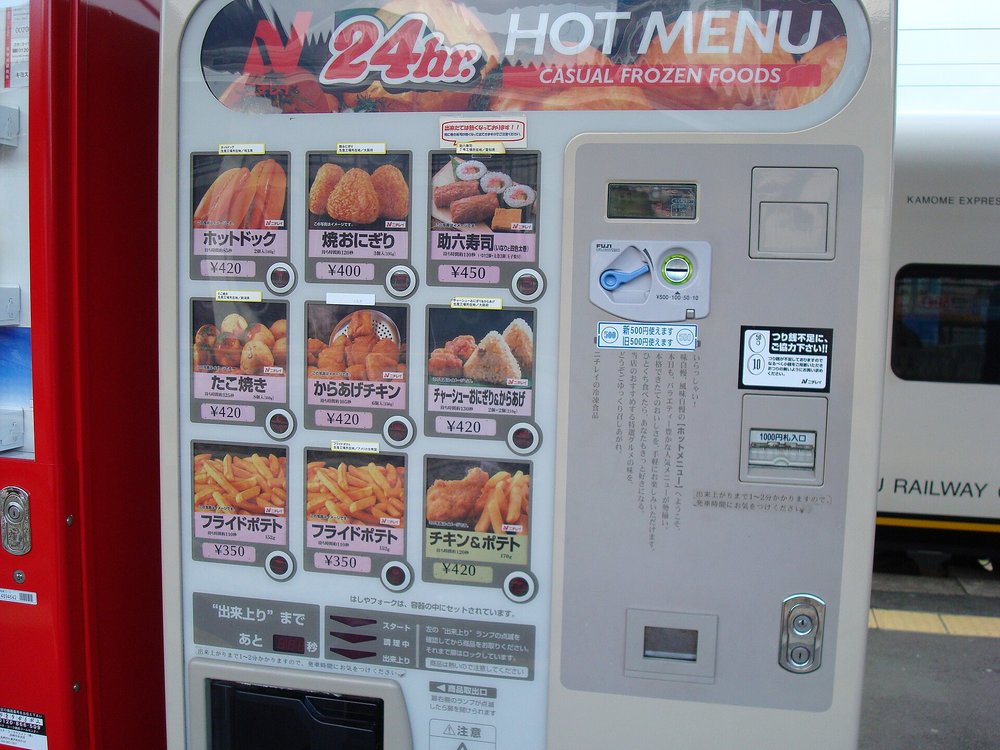
A unique vending machine in Japan | Photo from Tzuhsun Hsu on Wikimedia
Vending machines in the UK might offer you a snack or a drink, but in Japan, you’ll find machines that serve hot meals, clothing, and even umbrellas!
The variety of vending machines in Japan is mind-blowing. In addition to snacks and drinks, you’ll find options like hot coffee, ramen, and even shirts! These machines are not just convenient but also a part of everyday life in Japan.
Fun Fact: Did you know that there are over 5 million vending machines in Japan, that’s around 1 machine for every 23 to 30 people!
FAQs about Japan travel
What surprised you the most in Japan?
For many UK travellers, the biggest surprise is the peace and quiet on public transport. Despite Japan's densely packed cities, the trains and subways are quiet, making commuting a relaxed experience.
What is the 80% rule in Japan?
The "80% rule" refers to a Japanese cultural practice called Hara Hachi Bu, which means "eat until you are 80% full." It’s a principle that encourages mindful eating and prevents overeating. This tradition is particularly practised in Okinawa, a region known for its high life expectancy. The idea behind it is to promote a healthier lifestyle and longevity by avoiding the discomfort of overeating.
How does Japan keep its streets so clean?
Japan's streets are clean thanks to a deep-rooted cultural respect for public spaces. People are expected to carry their rubbish with them, as public bins are scarce. Plus, shopkeepers sweep the area in front of their businesses every morning.
Smoking is only allowed in designated areas, which helps reduce cigarette litter. The sense of personal responsibility and community contributes to keeping the environment spotless. Even in big cities like Tokyo, you’ll notice the streets are free of trash, which proves the Japanese culture of cleanliness and order.
Is Japan friendly with the UK?
Yes! Japan is known for its welcoming and friendly attitude towards visitors from the UK. While there may be a language barrier, most Japanese people are more than happy to help tourists, often using gestures or translation apps if needed.
Plan your trip to Japan, a country full of (good) surprises!
Japan is full of surprises – and that’s exactly what makes it such an exciting and unique destination for UK travellers. Whether you're marvelling at the punctuality of the trains, discovering hidden restaurants on upper floors, or experiencing Japan’s advanced toilet technology, there’s always something new around every corner.
So, what are you waiting for? Plan your Japan travel adventure today and prepare to be amazed by the Land of the Rising Sun!
What is Klook?
Klook is a leading pan-regional experiences platform in Asia Pacific, purpose built to digitalize experiences and make them accessible to every traveler.
Our mission is to build the digital infrastructure for the global experience economy — empowering merchants to share their passions and travelers to discover the heartbeat of each destination. We operate a mobile-first, curated platform featuring diverse experiences across global destinations.
✨ Follow us for more deals and inspiration for your upcoming travels