
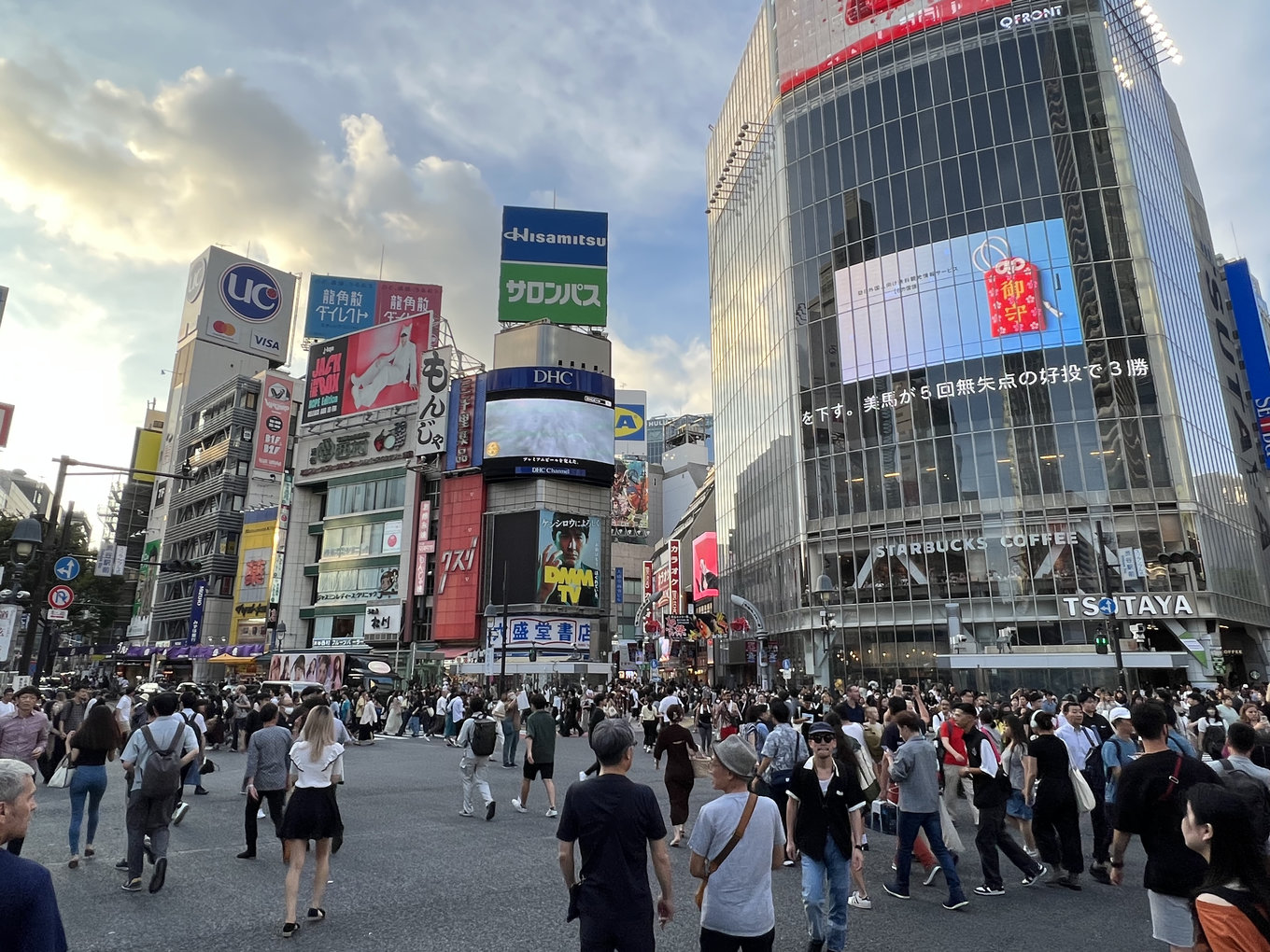
Let’s clear the air about Japan travel
From cherry blossom-lined streets to bullet trains that feel straight out of a sci-fi movie, Japan is one of the world’s most fascinating destinations. Yet for all its popularity, Japan is also one of the most misunderstood. Many travellers delay or skip a trip entirely because of stories they’ve heard, stories that often aren’t fully true.
These misconceptions about Japan usually come from outdated travel advice, pop culture stereotypes, or well-meaning warnings that miss the bigger picture. Some make Japan sound intimidating, expensive, or overly strict. Others paint it as a place only experienced tourists can handle.
In reality, Japan is welcoming, efficient, and surprisingly easy to explore, even if it’s your first international trip. In this guide, we’ll break down the most common myths about Japan, replace them with practical Japan travel facts, and share helpful tips so you can travel smarter, not stressed. Ready to see Japan in a whole new light? Let’s get into it!
Myth 1: You need to understand Japanese to travel around
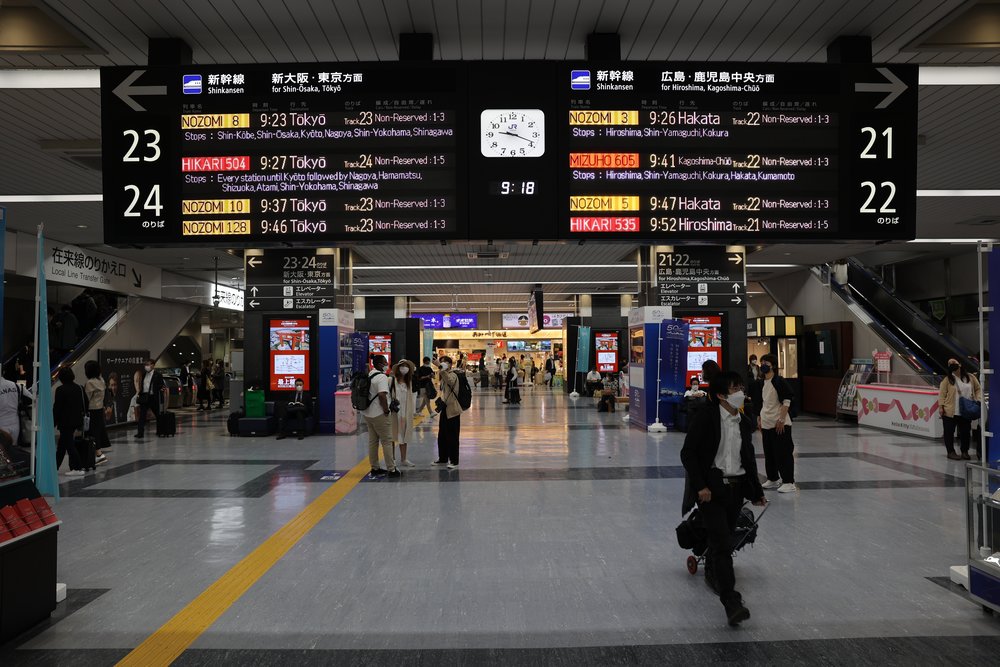
There are English translations available in most train stations!
This is easily one of the most common misconceptions about Japan, and it often scares off first-time visitors. Yes, it would help if you knew a bit of the language (a simple ‘arigatou’ or ‘sumimasen’ will do), but that doesn’t mean you can’t travel around Japan at all if you can’t speak fluent Japanese.
Japan is far more foreigner-friendly than you may expect. Major train stations, airports, and tourist attractions use English signage, icons, and colour-coded maps.
Restaurants usually have picture menus or plastic food displays that make ordering simple. Hotel staff and transport workers are also trained to assist international travellers, even if their English is basic. Plus, translation apps work wonders for menus, signs, and short conversations.
Klook Tip: If you’re still worried about the language barrier, stay connected with a Japan eSIM so you can use translators, Google Maps, and train apps wherever you go.
Myth 2: Traveling to Japan is always expensive
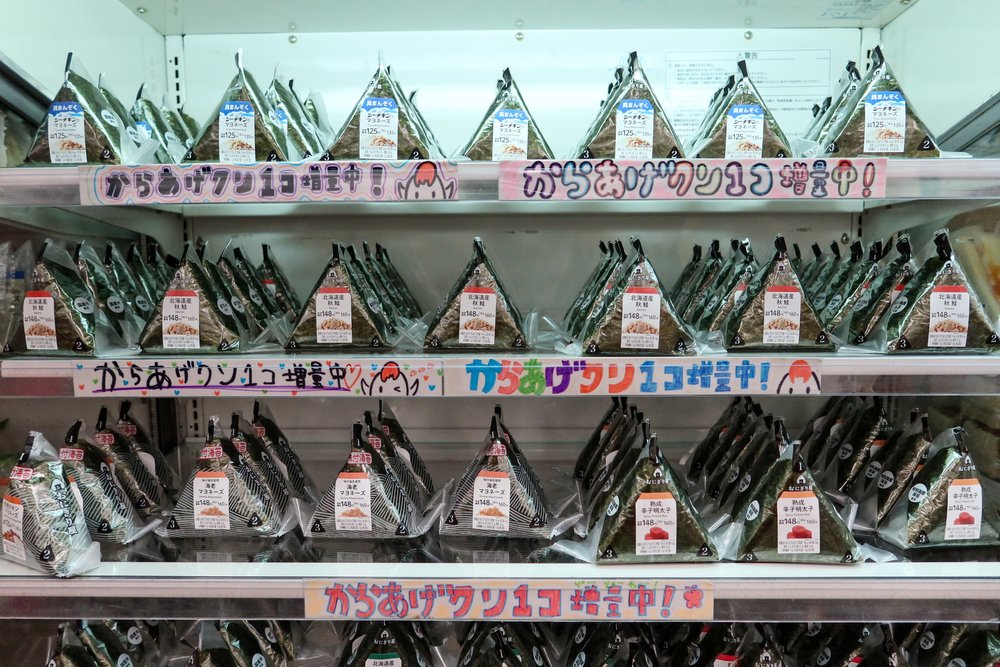
Choose from lots of onigiri flavors at a convenience store
Yes, Japan can be pricey, but it doesn’t have to drain your savings. When most people think of Japan, they picture the luxury ryokans, Michelin-star dining, and non-stop shopping in Tokyo. The truth is, the country offers great value no matter what your budget is.
There are plenty of affordable places to stay across Japan. Business hotels typically cost around £44-£80 per night, while capsule hotels and guesthouses can be even cheaper, starting from £22-€35 per night in major cities.
And if you’re hungry, a quick konbini (convenience store) run can cost as little as €3-€5 for onigiri or sandwiches, or around €6-€8 for a hot bento meal that’s surprisingly filling. Even sightseeing can be affordable, with many temples, parks, and neighbourhoods free to explore.
Transportation might seem costly at first glance, but Japan’s trains are efficient and reliable. If you plan your routes ahead, it’ll save you a lot of time and money.
Klook Tip: Book Shinkansen tickets in advance to secure your routes and avoid last-minute price stress.
Myth 3: You might offend people if you don’t know Japanese etiquette
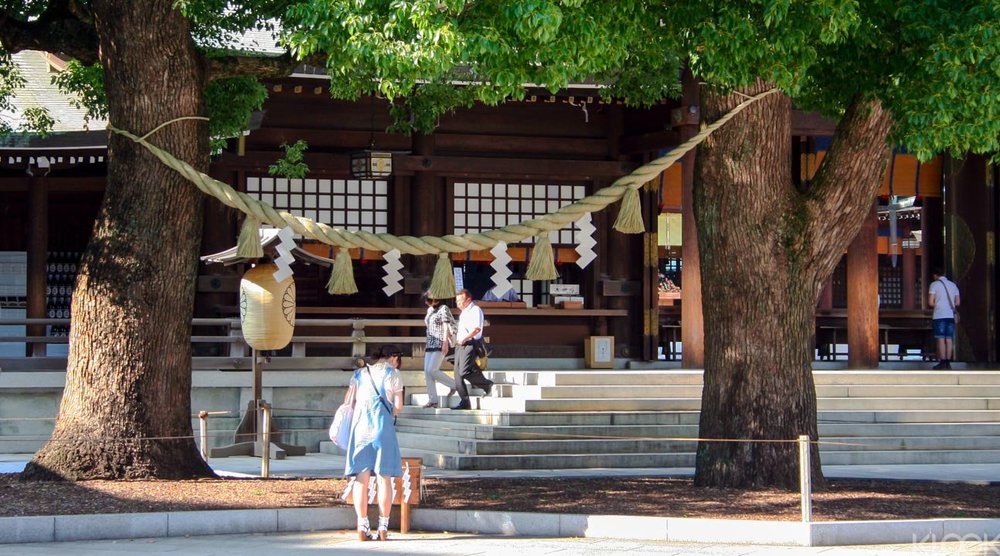
Always be mindful in public spaces, especially in shrines
Japan values politeness, but that doesn’t mean you’re expected to know every rule. This is one of those misconceptions about Japan that exaggerates cultural pressure. Locals understand that tourists come from different backgrounds, and genuine effort goes a long way.
Basic manners like lining up, speaking softly on public transport, and being respectful are usually enough. If you make a mistake, people are more forgiving than you’d expect. Observing others helps you naturally adapt as you go.
Klook Tip: Join a guided walking tour to learn cultural do’s and don’ts while exploring famous districts.
If you want to embrace Japan’s culture and tradition and go beyond just being a tourist, you can read our Japan etiquette guide!
Myth 4: Tokyo is too crowded and chaotic
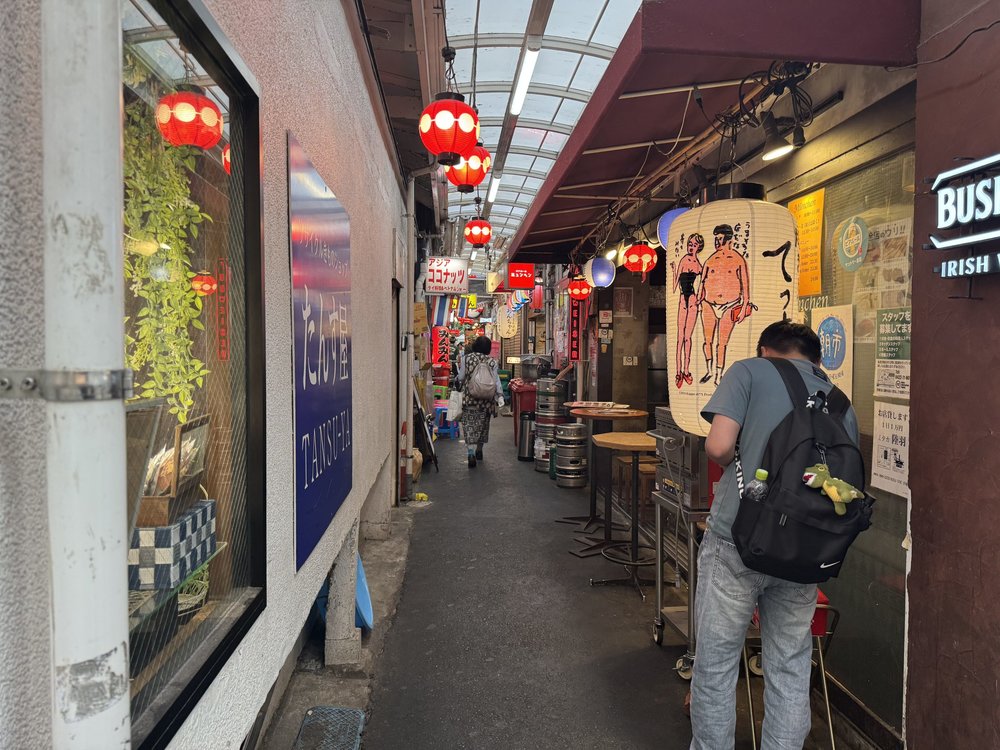
A small alley in Tokyo
It’s true that Tokyo is one of the world’s biggest cities, but “chaotic” isn’t the full picture. While places like Shibuya Crossing get busy, Tokyo is more organised than you imagine. Trains run on time, crowds flow smoothly, and public spaces are clean and orderly.
Step away from major hubs and you’ll find quiet residential streets, peaceful parks, and cosy cafés. Tokyo has both energy and calm; you just need to know where to look.
Klook Tip: Escape the crowds and go beyond the tourist spots! Try a hidden gems tour in Tokyo, where you’ll be discovering vintage shops and cafes not many tourists know about!
It also helps to time your visit well. If you’re worried about crowds, travelling outside Japan’s peak seasons can make a noticeable difference. January and February are some of the quietest months, especially after New Year’s celebrations wind down.
Early March is another sweet spot. You’ll arrive just before cherry blossom season begins, so the crowds haven’t yet rolled in, but the weather is starting to warm up. It’s an ideal time to explore Tokyo’s neighbourhoods at an unhurried pace, enjoy museums and cafés without queues, and see a calmer side of the city that many travellers miss.
Myth 5: Japan is a cash-only country
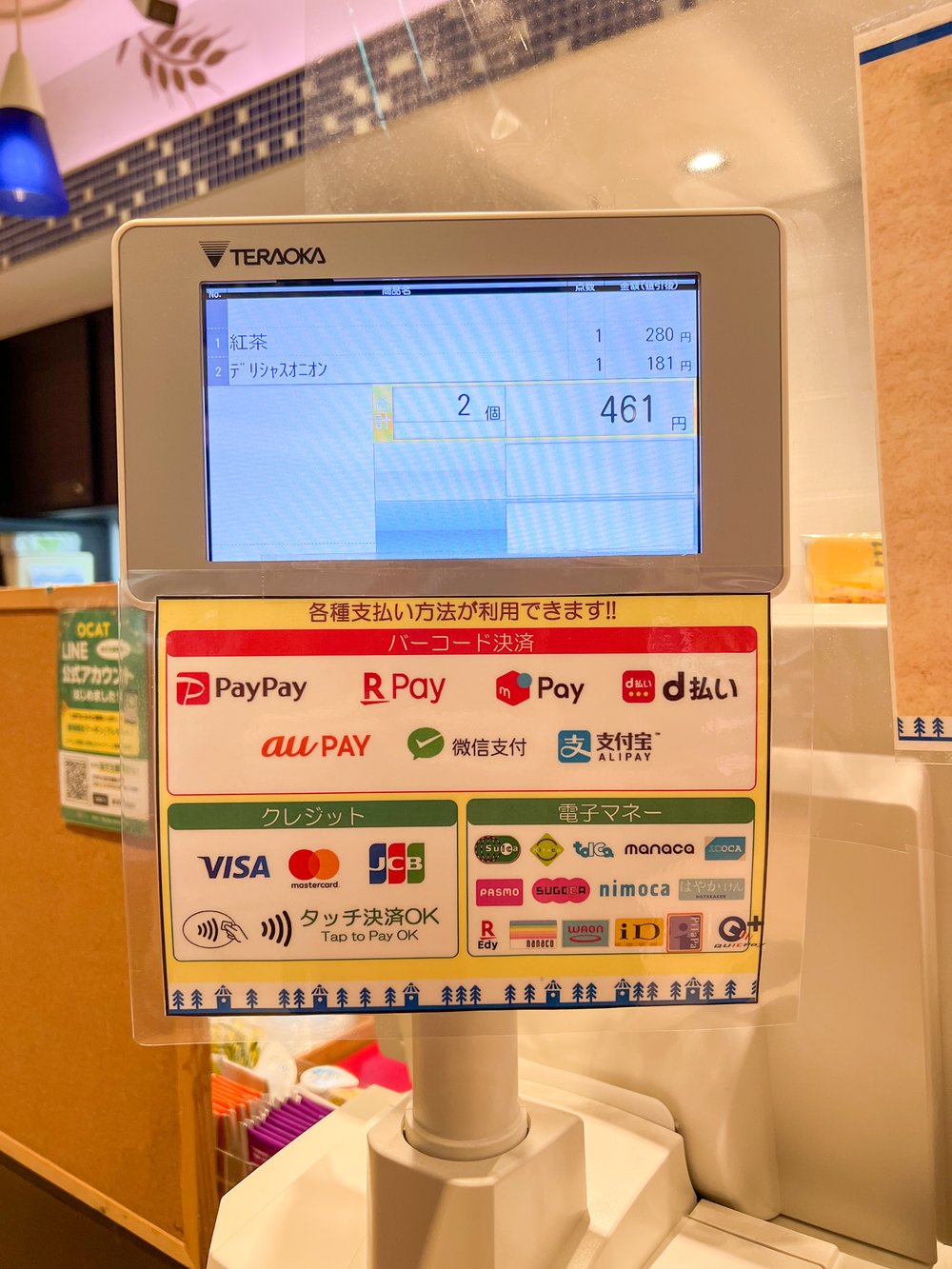
Different payment methods in a convenience store in Japan
This used to be true, but times have changed, and as we all know, Japan is a very innovative country. Credit cards are now widely accepted in hotels, shopping centers, convenience stores, and tourist attractions. Mobile payments are also growing, especially in cities.
That said, smaller restaurants, local markets, and rural areas may still prefer cash. It’s best to carry some cash for these instances, but otherwise there are lots of cash machines in convenience stores as well!
Klook Tip: If you’re riding the train frequently, it’s best to get a Suica IC card to pay for trains, buses, vending machines, and even some shops without fumbling for coins.
Myth 6: Japanese food is only sushi and ramen
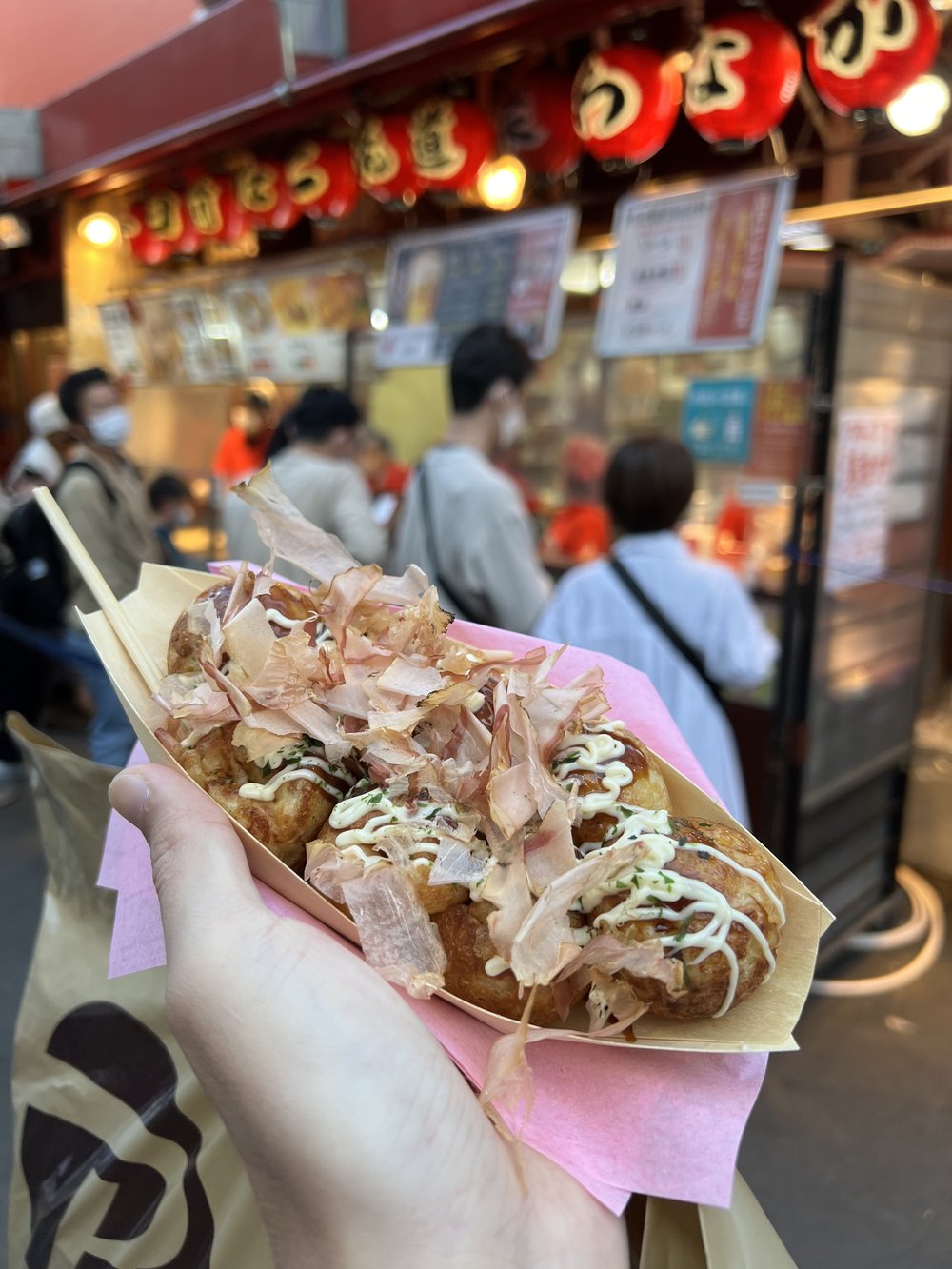
Try Japan’s classic street food, takoyaki
Sushi and ramen may be global favourites, but they’re just the beginning. Japan’s food scene is full of different dishes like curry rice, tempura, yakitori, okonomiyaki, donburi, and regional specialities that change from city to city.
Vegetarian, vegan, and dietary-friendly options are also becoming easier to find, especially in larger cities. Food exploration is part of the adventure.
Klook Tip: Join a food tour to sample local dishes while learning what makes each region unique.
Myth 7: You must plan every detail before you go
Japan is efficient, not rigid. While it helps to book major transport and popular attractions ahead, you don’t need to plan every minute. In Japan, you’ll find out that exploring neighbourhoods, popping into random cafés, and following local recommendations create the best memories.
FAQs
Is Japan really as expensive as people say?
Japan can be budget-friendly with smart planning. Affordable hotels, casual dining, and free attractions keep costs reasonable. Planning transport ahead also helps manage expenses.
Is Japan a cash-only country?
Not anymore. Cards are widely accepted in cities, though cash is still useful in smaller shops. Carrying both gives you flexibility.
Is it true that tattoos aren’t allowed everywhere in Japan?
Some traditional onsen restrict tattoos, but many are now tattoo-friendly. You can cover your tattoos or choose welcoming facilities just to be safe.
Do I need to tip in Japan?
No tipping needed. Japanese people pride themselves on providing great service, so a polite thank you is enough.
Do I need to speak Japanese to travel around Japan?
No, but learning a few phrases helps. English signage, apps, and friendly locals make navigation easy.
Travel Japan with confidence
Now that we’ve cleared up these misconceptions about Japan, the country doesn’t feel so daunting anymore. In fact, it starts to feel exciting. Japan really rewards travellers who turn up curious, open-minded, and happy to explore at their own pace.
More Japan guides for you 🇯🇵✨

What is Klook?
Klook is a leading pan-regional experiences platform in Asia Pacific, purpose built to digitalize experiences and make them accessible to every traveler.
Our mission is to build the digital infrastructure for the global experience economy — empowering merchants to share their passions and travelers to discover the heartbeat of each destination. We operate a mobile-first, curated platform featuring diverse experiences across global destinations.
✨ Follow us for more deals and inspiration for your upcoming travels