Monday to Sunday: 09:00-17:30 (Last entry at 17:30)
15
Yunnan Mufu Ticket
Save to wishlist

Opening hours

Suggested duration1-2 hour(s)

光义街官院巷49号
Packages
1 Oct
2 Oct
3 Oct
All
Yunnan Mu Mansion Day Ticket
 Valid on the selected date
 Free cancellation (24 hours notice)
 24-hour confirmation
 Package details
Retail: RM 29.20
RM 27.39
Yunnan Mu Mansion Day Ticket
Refresh to make things right again

Book now for tomorrow
See less

24-hour confirmation
See less

Valid on the selected date
The voucher is valid only on the specified date (and time if applicable)
See less

Free cancellation (24 hours notice)
You'll get a full refund if you cancel at least 24 hour(s) before the activity date (destination local time)
See less
About this package
What's included

See less
Not included

See less
Things to note
Amendment Policy
- Changes made at least 24 hour(s) before the activity are free
Eligibility
- Children under 1.2 meters (inclusive) or under 7 years old (exclusive) are exempt from tickets.
Additional information
- Only walk within the ancient city, wear comfortable flat shoes. The plateau has strong UV radiation, so prepare sunscreen and a sun hat. There are large temperature differences between morning and evening, so bring a light jacket.
- Cultural Relics and Conduct: Entirely wooden structure, smoking strictly prohibited; do not touch ancient buildings or exhibits, do not step on thresholds inside the hall (Naxi custom); turn off flash when taking photos to protect ancient books and murals.
- Culture and Safety: Respect Naxi customs, do not arbitrarily photograph sacrificial displays; pay attention to safety when climbing towers for sightseeing, and look after children; bring your own drinking water, as prices in the scenic area are high.
How to use
Usage validity
- The voucher is valid only on the specified date (and time if applicable)
Address
- No. 49 Guanyuan Lane, Guangyi Street, Dayan Ancient Town, Dayan Street, Gucheng District, Lijiang City, Yunnan Province
Reviews
Guide
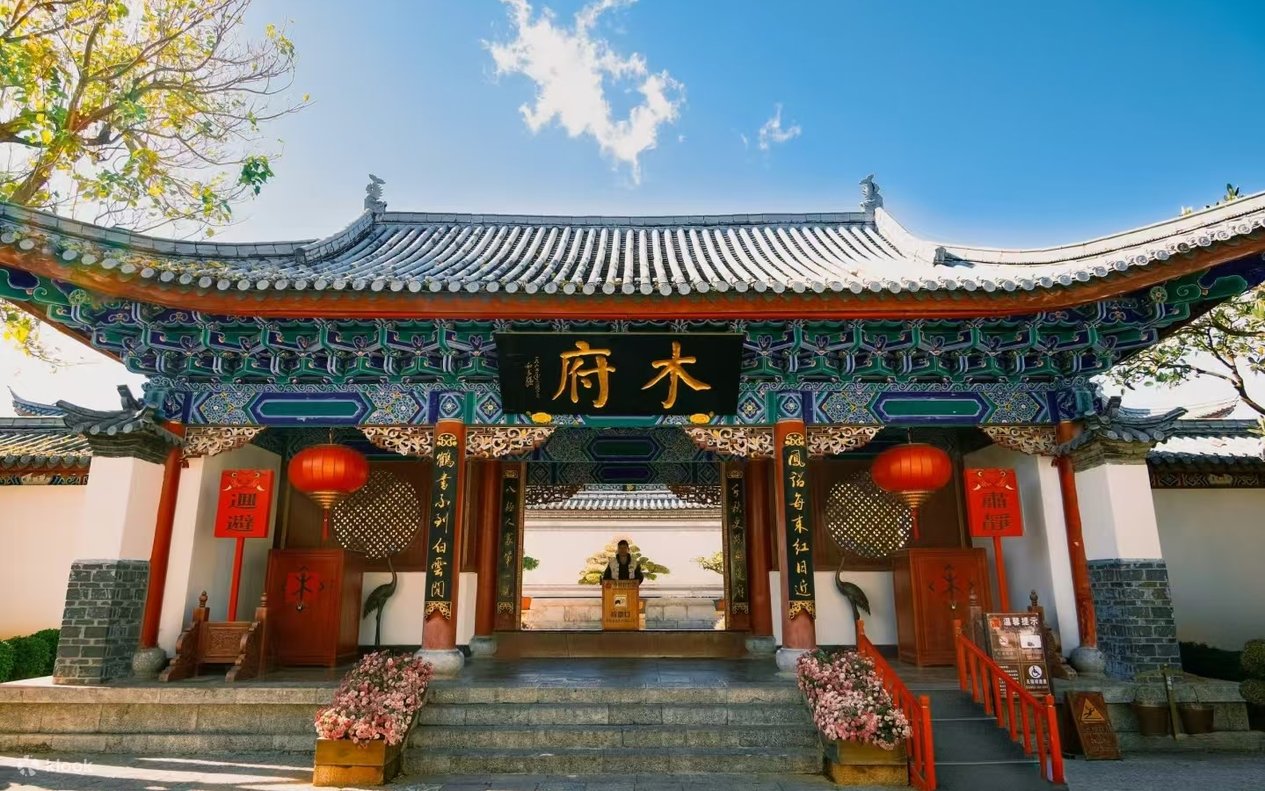
- Mu Mansion is known as "the Forbidden City in the North and Mu Mansion in the South." It is a proud work of the Lijiang Tusi's residence, with magnificent architecture, regular layout, and a step-by-step scenery, fully demonstrating the grandeur of the Dianxi palace and possessing great ornamental value.
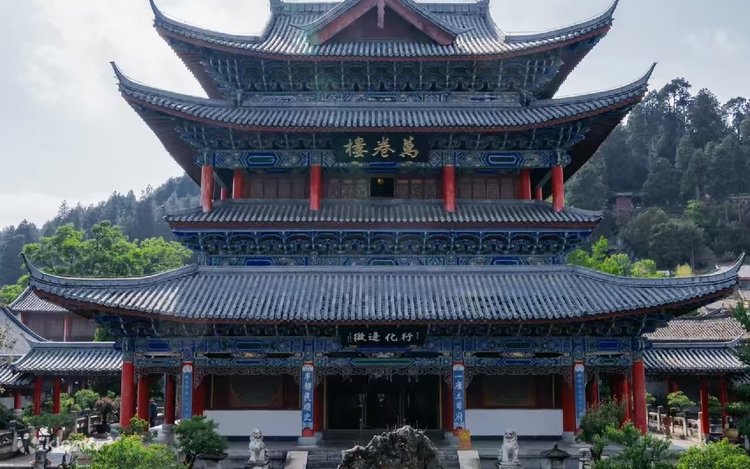
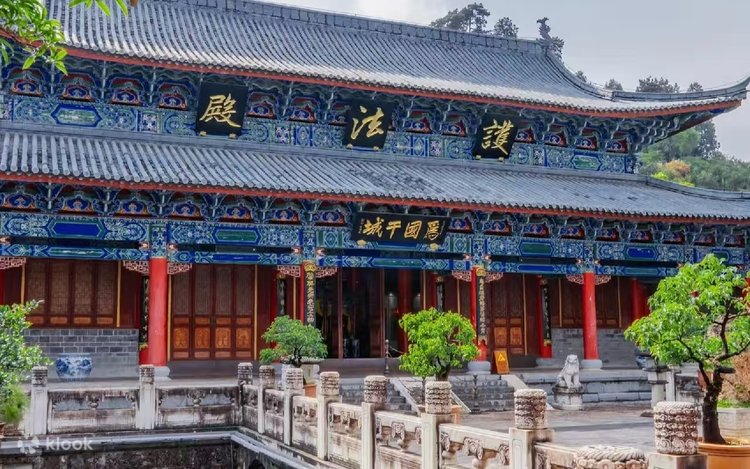
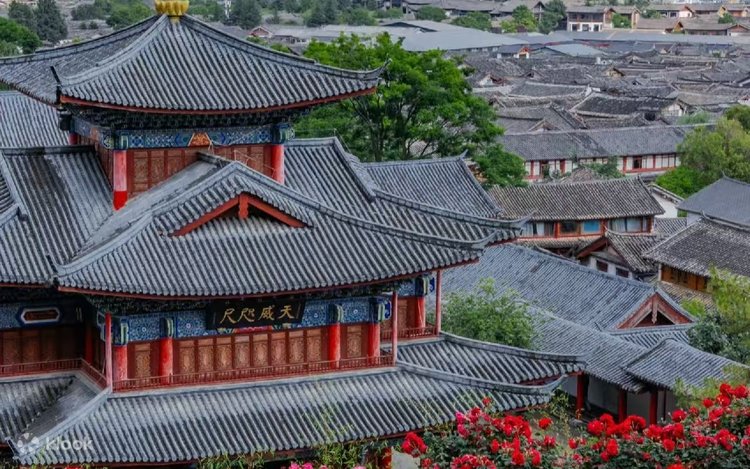
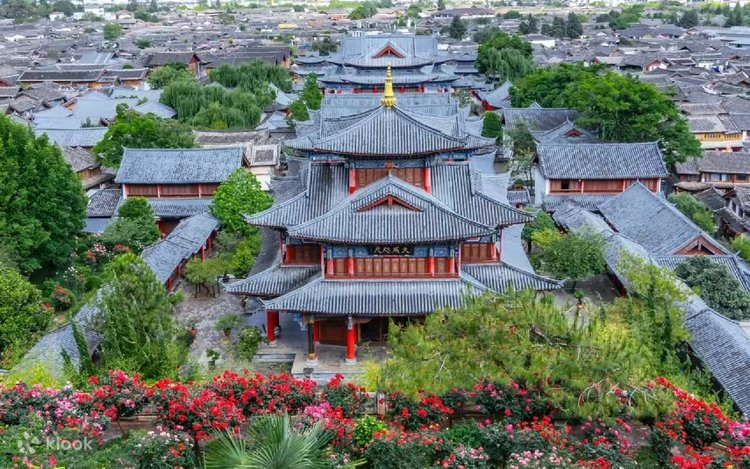
- It integrates the multi-ethnic architectural art of Han, Naxi, Bai, and Tibetan, with flying eaves and upturned corners, carved beams and painted rafters, and exquisite colorful paintings. It not only retains the Central Plains' regulations but also highlights ethnic characteristics, making it a living fossil of architectural art.
- It carries hundreds of years of Lijiang's history and culture, witnessing the legendary stories of the Mu Tusi's loyalty in defending the frontier and emphasizing culture and education. Ancient sites such as the Wanjuan Tower and Zhongyi Archway are spread throughout, with profound humanistic heritage hidden everywhere.
- Yunnan Mu Mansion is another name for the Lijiang Mu Tusi's yamen, and it is also a brilliant landmark where multi-ethnic cultures converge in northwestern Yunnan. This ancient architectural complex, known as the "Forbidden City of Lijiang," was first built in the fifteenth year of Hongwu in the Ming Dynasty. It has been passed down through 22 generations of Tusi over the Yuan, Ming, and Qing dynasties, taking more than 470 years to build. Although damaged by wars and earthquakes, it still perfectly preserves the essence of multi-ethnic architectural art of Han, Naxi, Bai, and Tibetan after reconstruction. It carries the rise and fall of the Naxi people, tells the moving stories of interaction, exchange, and integration among various ethnic groups in the southwestern frontier, and has become a core window for interpreting Lijiang's ancient city culture and appreciating the customs of western Yunnan.
- The soul of Mu Mansion lies in the rich multi-ethnic cultural integration it carries. This is not only the residence of the Mu Tusi but also a living example of interaction, exchange, and integration among various ethnic groups in the southwest. Architecturally, Han-style dougong (bracket sets) and flying eaves, Naxi-style chuandou (pier-and-tie beam) structures, Tibetan-style painted decorations, and Bai-style carved craftsmanship are perfectly integrated, built by skilled craftsmen from various ethnic groups working together. Culturally, the Mu Tusi actively absorbed Central Plains culture, promoting the harmonious coexistence of Han Buddhism, Tibetan Buddhism, Taoism, and local Dongba religion. The "life-and-death friendship" between Tusi Mu Zeng and Xu Xiake has become an eternal tale of cultural integration between the Central Plains and the frontier. Today, the mansion still displays Dongba scriptures, Naxi costumes, and folk artifacts, recreating the Tusi's daily life scenes.
- A single Mu Mansion carries half of the Naxi people's history, engraves the imprints of multi-ethnic integration, and demonstrates the "diverse yet unified" pattern of the Chinese nation. It is not only a treasure of architectural art but also an important carrier for inheriting loyalty culture, inclusive culture, and ecological culture, telling the legendary stories of the Mu Tusi's efforts to maintain national unity and promote ethnic integration. Today, this ancient princely mansion, having experienced many vicissitudes, still shines brightly, welcoming visitors from all directions, allowing every visitor to understand the thousand-year splendor of Lijiang and feel the profoundness of the Dianxi land amidst the carved beams and painted rafters.
You might also like...
Explore more on Klook
Top attractions in Lijiang
Everything you need for your Lijiang visit
Retail: RM 29.20
RM 27.39
All you need to know
Attraction info

Opening hours
See more

Location
Lijiang Ancient City Museum - Mu's Residence

Guidebook
- Mu Mansion is known as "the Forbidden City in the North and Mu Mansion in the South." It is a proud work of the Lijiang Tusi's residence, with magnificent architecture, regular layout, and a step-by-step scenery, fully demonstrating the grandeur of the Dianxi palace and possessing great ornamental value.
- It integrates the multi-ethnic architectural art of Han, Naxi, Bai, and Tibetan, with flying eaves and upturned corners, carved beams and painted rafters, and exquisite colorful paintings. It not only retains the Central Plains' regulations but also highlights ethnic characteristics, making it a living fossil of architectural art.
- It carries hundreds of years of Lijiang's history and culture, witnessing the legendary stories of the Mu Tusi's loyalty in defending the frontier and emphasizing culture and education. Ancient sites such as the Wanjuan Tower and Zhongyi Archway are spread throughout, with profound humanistic heritage hidden everywhere.
- Yunnan Mu Mansion is another name for the Lijiang Mu Tusi's yamen, and it is also a brilliant landmark where multi-ethnic cultures converge in northwestern Yunnan. This ancient architectural complex, known as the "Forbidden City of Lijiang," was first built in the fifteenth year of Hongwu in the Ming Dynasty. It has been passed down through 22 generations of Tusi over the Yuan, Ming, and Qing dynasties, taking more than 470 years to build. Although damaged by wars and earthquakes, it still perfectly preserves the essence of multi-ethnic architectural art of Han, Naxi, Bai, and Tibetan after reconstruction. It carries the rise and fall of the Naxi people, tells the moving stories of interaction, exchange, and integration among various ethnic groups in the southwestern frontier, and has become a core window for interpreting Lijiang's ancient city culture and appreciating the customs of western Yunnan.
- The soul of Mu Mansion lies in the rich multi-ethnic cultural integration it carries. This is not only the residence of the Mu Tusi but also a living example of interaction, exchange, and integration among various ethnic groups in the southwest. Architecturally, Han-style dougong (bracket sets) and flying eaves, Naxi-style chuandou (pier-and-tie beam) structures, Tibetan-style painted decorations, and Bai-style carved craftsmanship are perfectly integrated, built by skilled craftsmen from various ethnic groups working together. Culturally, the Mu Tusi actively absorbed Central Plains culture, promoting the harmonious coexistence of Han Buddhism, Tibetan Buddhism, Taoism, and local Dongba religion. The "life-and-death friendship" between Tusi Mu Zeng and Xu Xiake has become an eternal tale of cultural integration between the Central Plains and the frontier. Today, the mansion still displays Dongba scriptures, Naxi costumes, and folk artifacts, recreating the Tusi's daily life scenes.
- A single Mu Mansion carries half of the Naxi people's history, engraves the imprints of multi-ethnic integration, and demonstrates the "diverse yet unified" pattern of the Chinese nation. It is not only a treasure of architectural art but also an important carrier for inheriting loyalty culture, inclusive culture, and ecological culture, telling the legendary stories of the Mu Tusi's efforts to maintain national unity and promote ethnic integration. Today, this ancient princely mansion, having experienced many vicissitudes, still shines brightly, welcoming visitors from all directions, allowing every visitor to understand the thousand-year splendor of Lijiang and feel the profoundness of the Dianxi land amidst the carved beams and painted rafters.