Exploring the Real-Life World of Avatar — Towering Pillars, Glass Walkways, and Unforgettable Views
Zhangjiajie had been on my bucket list for years — and I finally made the trip! But as breathtaking as the views were, planning the itinerary? Not so straightforward.
I quickly realised that
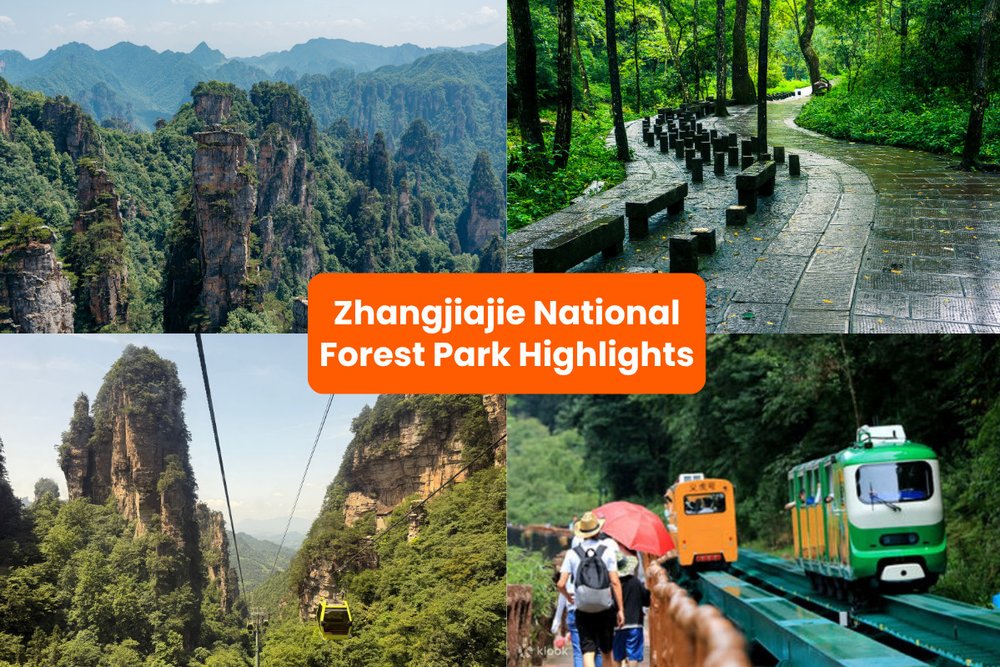
Zhangjiajie National Forest Park,
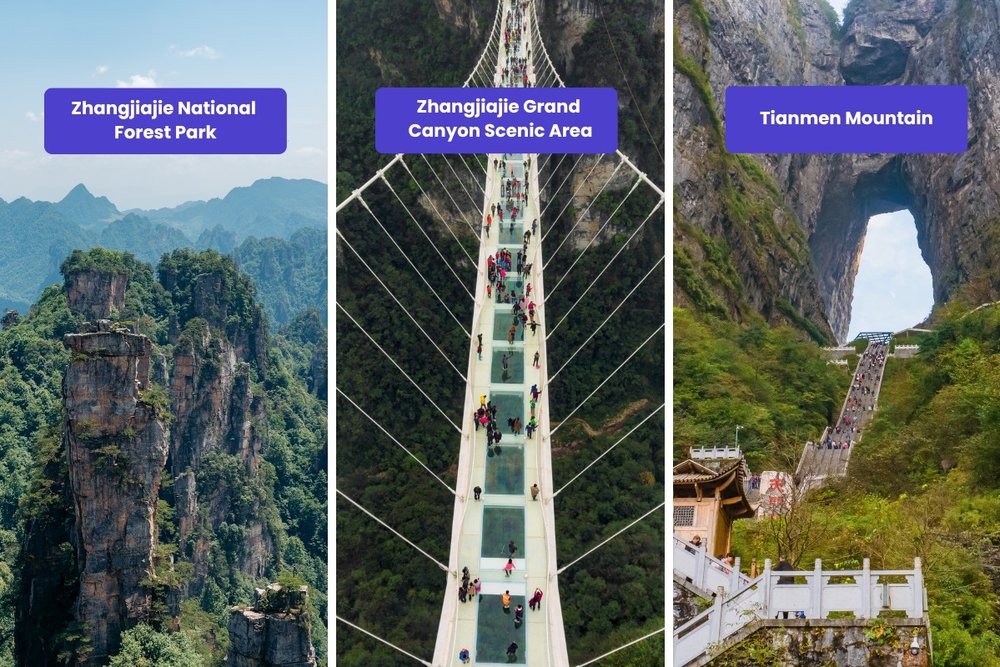
Tianmen Mountain, and the Grand Canyon Glass Bridge
are in completely different areas and require separate tickets, and figuring out how to get around was surprisingly confusing. I spent hours scrolling through Xiaohongshu posts just to piece together the right routes, entrances, and cable car choices.
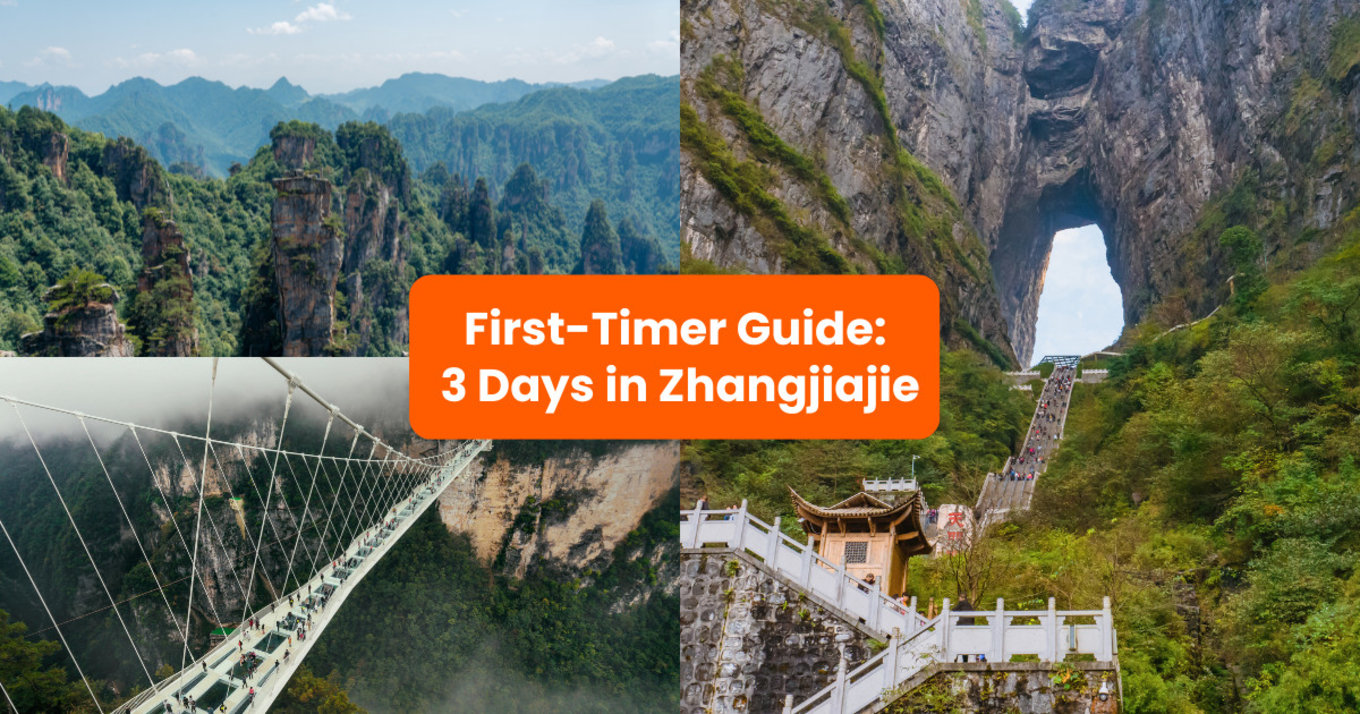
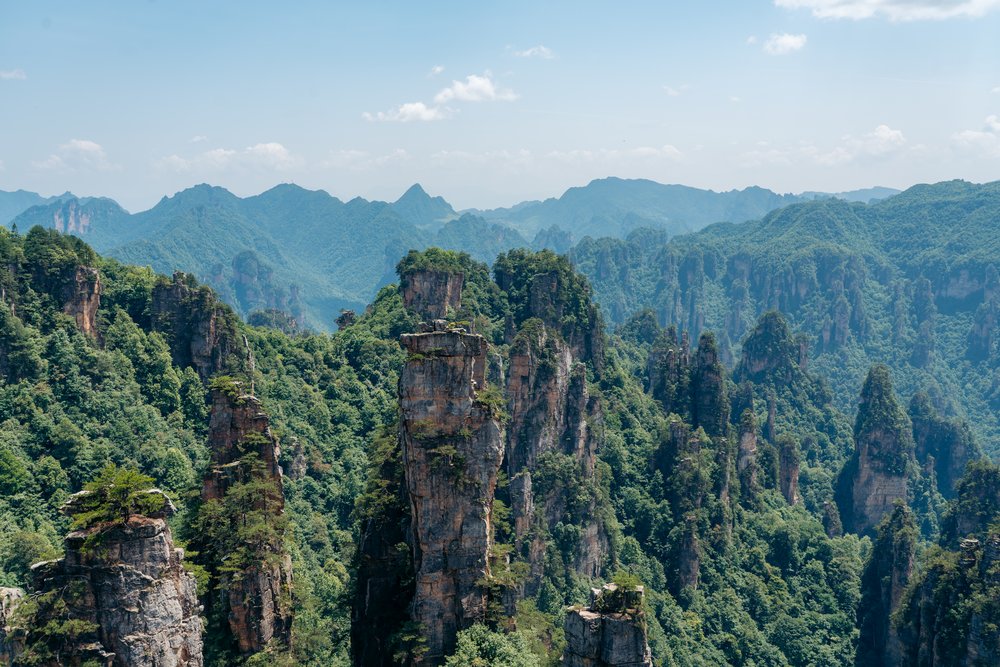
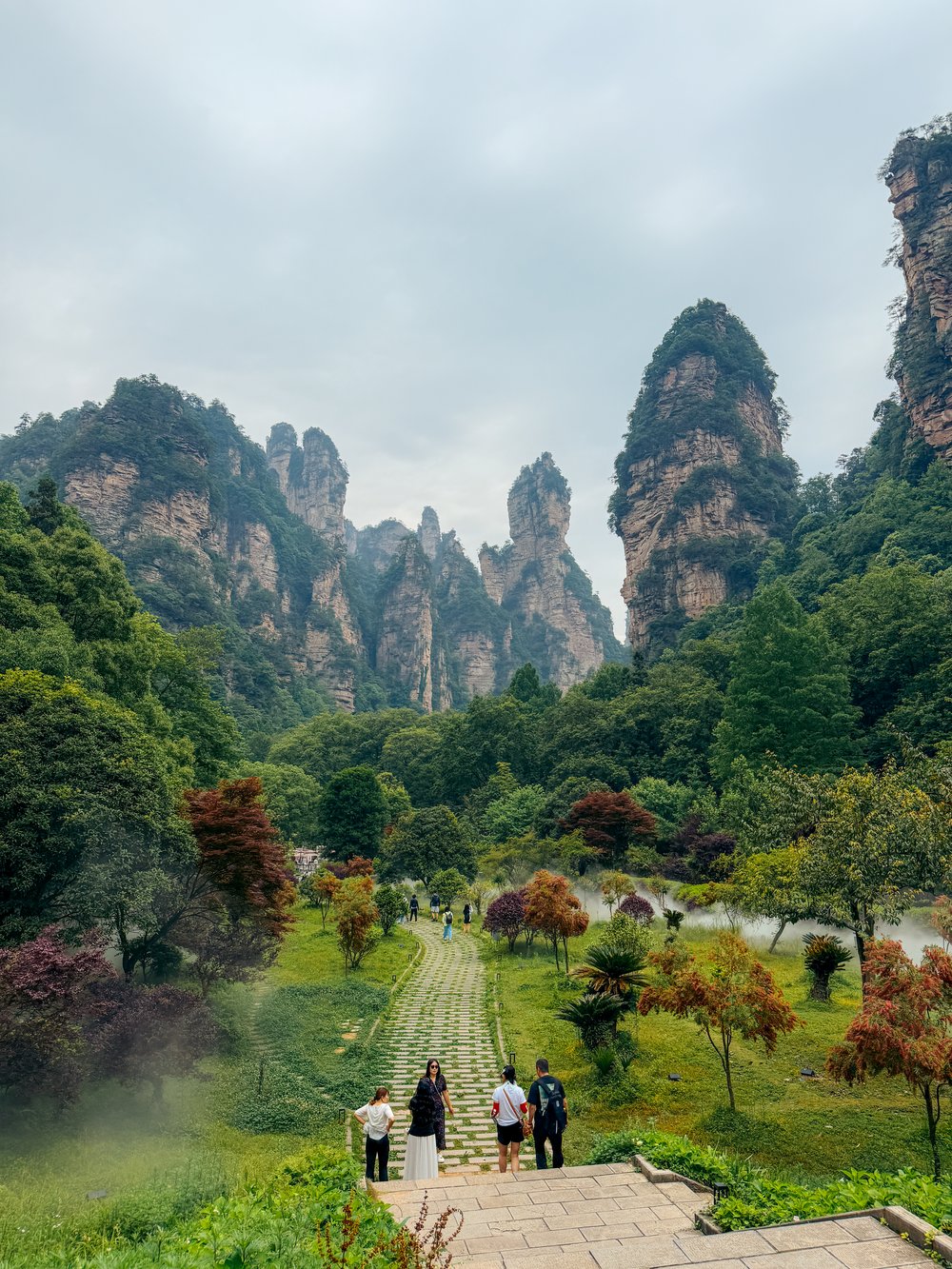
This 3-day itinerary is here to make your life easier. Zhangjiajie is best known for its towering sandstone pillars, which famously inspired the Hallelujah Mountains in Avatar.
But there's so much more to see — from misty mountain trails and sky-high walkways to thrilling glass bridges and ancient caves. Whether you're here for the views, the adventure, or the photos, this guide will help you make the most of your trip — without the guesswork.
Things to Know Before You Go
🗓️ Zhangjiajie cannot be done in a day trip
The region is vast, with its main scenic areas (Zhangjiajie National Forest Park, Tianmen Mountain, and the Grand Canyon) spread far apart and packed with things to see and do.
To reach Zhangjiajie, you’ll likely need to
take a high-speed train from a major city like
Changsha, Chongqing, or Guangzhou, which already takes 4–5 hours depending on your route.
🎟 Zhangjiajie National Forest Park, Tianmen Mountain, and the Zhangjiajie Grand Canyon Scenic Area are three separate attractions
While they all fall under the broader "Zhangjiajie" destination, they are located in different areas, each with separate entrances, tickets, and transport.
🏡 Where to Stay: Wulingyuan vs Zhangjiajie City
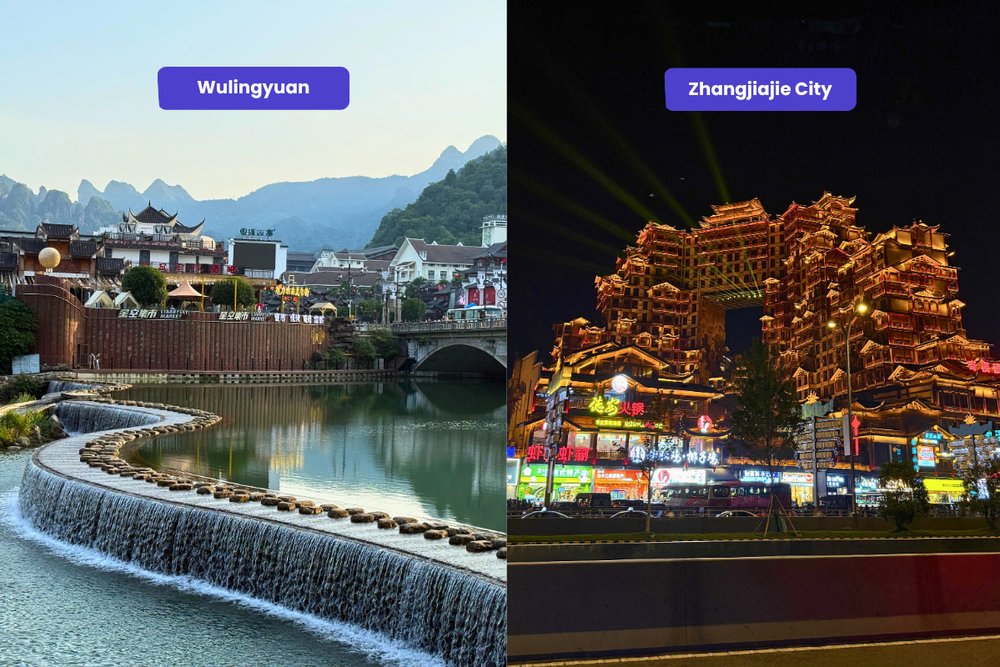
This might be a little confusing, but the closest town to Zhangjiajie National Park is Wulingyuan, not Zhangjiajie City.
For my trip, I chose to stay 2 nights in Wulingyuan and 2 nights in Zhangjiajie City. I arrived late on the first night and checked into a hotel in Wulingyuan, which gave me a head start the next morning.
This setup will give you 3 full days to explore the main scenic areas: Zhangjiajie National Forest Park, the Glass Bridge at Grand Canyon, and Tianmen Mountain — without feeling rushed. Splitting my stay between the two areas also made transport easier and saved me a lot of back-and-forth travel time!
What Tickets Do I Need for Zhangjiajie?
Planning your Zhangjiajie trip can get confusing, with multiple scenic spots that each have separate entrances and tickets. Here's a simple breakdown of the tickets you'll need!
1) Zhangjiajie National Forest Park Ticket
Yuanjiajie (袁家界)
Tianzi Mountain (天子山)
Yangjiajie (杨家界)
Golden Whip Stream (金鞭溪)
It's valid for 4 consecutive days and includes unlimited park shuttle bus rides, and unlimited rides on the Tianzi Mountain Cableway, Yangjiajie Cableway, Huangshizhai Cableway and Bailong Elevator.
I used this pass to ride the Yangjiajie cable car down and back up just for the views — and even waited for a quieter cabin to get better photos. It gives you the freedom to explore without worrying about extra fees each time you hop on a ride.
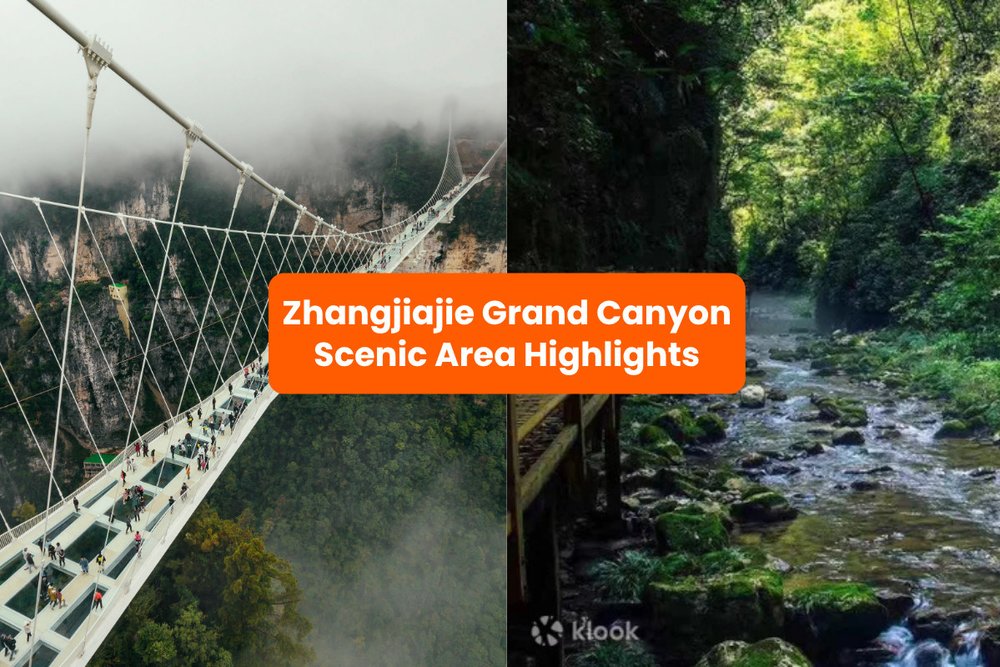
2) Zhangjiajie Glass Bridge / Grand Canyon Ticket
This is part of the
Zhangjiajie Grand Canyon Scenic Area, located separately from the National Forest Park. The ticket includes access to the
record-breaking Glass Bridge, with the option to add the
Grand Canyon hike.
⏰ Tickets are time-slotted and have a daily visitor cap, so it’s best to book in advance.
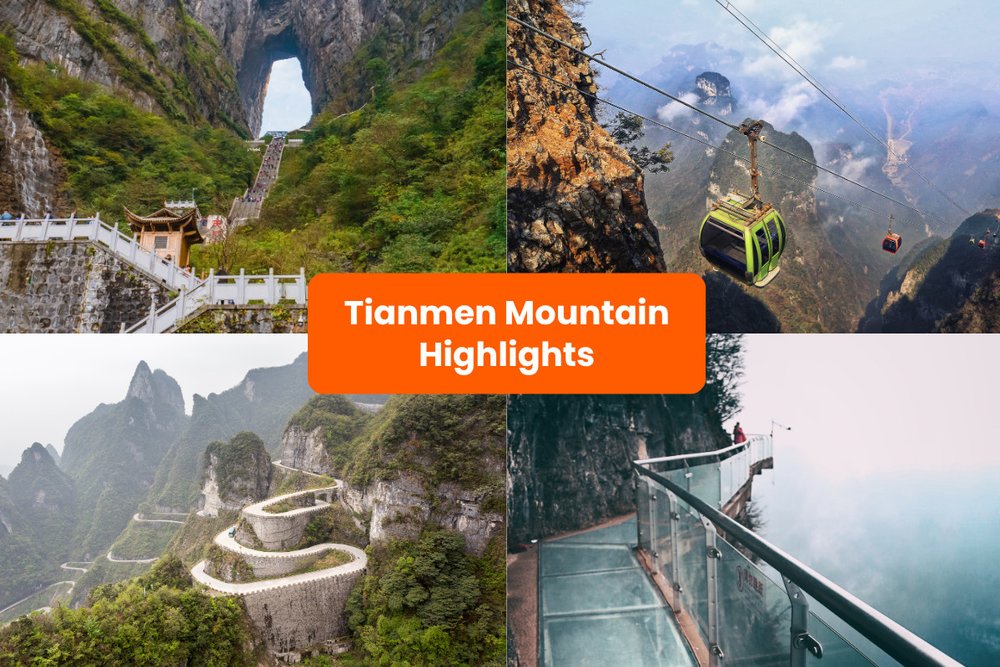
3) Tianmen Mountain Ticket
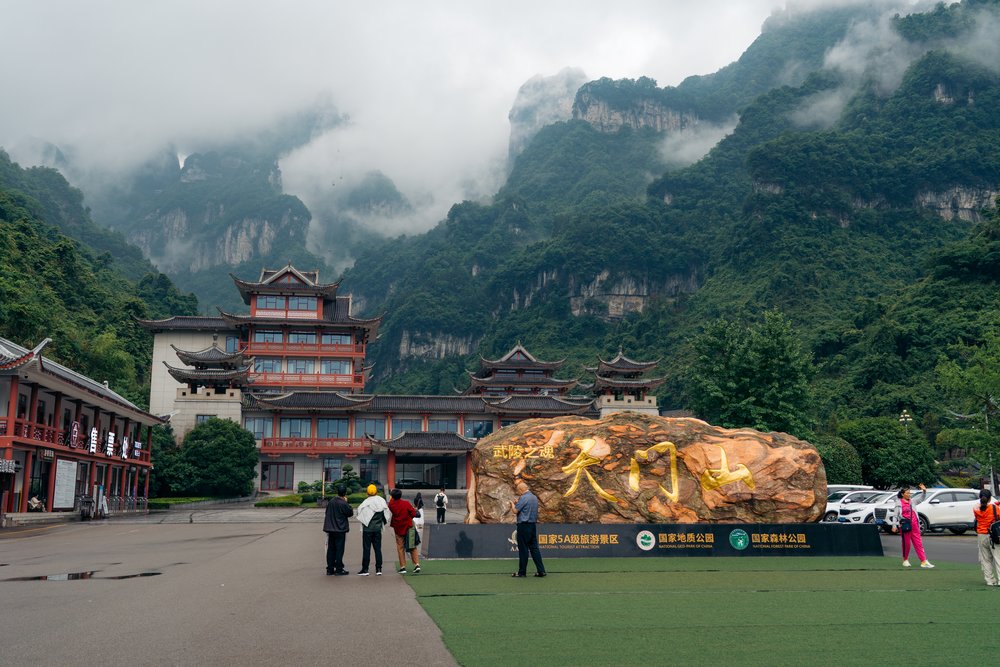
Tianmen Mountain is located in
Zhangjiajie City and is ticketed separately from the national park. When booking, you must choose from three route options — Route A, B and C.
They cover the same attractions, just in a different order to regulate the crowd.
⭐
Klook Tip: The
Tianmen Mountain cable car is one of the longest in the world — highly recommended! Book early, especially for Route A or B, as they sell out fast.
Zhangjiajie 3-Day Itinerary: Highlights
Day | Highlights |
|---|
Day 1: Zhangjiajie National Forest Park | 🚡 Bailong Elevator (百龙天梯)
🌄 Yuanjiajie Scenic Area (袁家界) 🌄 Yangjiejie Scenic Area (杨家界)
🏞️ Tianzi Mountain (天子山) |
Day 2: Zhangjiajie Grand Canyon Scenic Area OR Continue to explore Zhangjiajie National Forest Park | Option 1: Zhangjiajie Grand Canyon Scenic Area 🌉 Zhangjiajie Glass Bridge (张家界大峡谷玻璃桥)
🌿 Grand Canyon Walk (张家界大峡谷) Option 2: Zhangjiajie National Forest Park ⛰️Huangshizhai (黄石寨)
🚶♂️ Golden Whip Stream Trail (金鞭溪) |
Day 3: Tianmen Mountain | 🚠 Tianmen Cableway (天门山索道)
🩻 Glass Skywalk 天门山玻璃栈道
⛰️ Tianmen Cave "Heaven’s Gate" (天门洞)
🚌 99-Bend Road (九十九道弯) |
Day 1: Upper Section of Zhangjiajie National Forest Park
East Gate (东门) – the most popular entrance for accessing Yuanjiajie, Yangjiajie, and Tianzi Mountain.
South Gate (南门) – closest to Golden Whip Stream and Huangshizhai.
For Day 1 of this Zhangjiajie Itinerary, follow this order: Start at East Gate > Bailong Elevator > Yuanjiajie > Yangjiajie > Tianzi Mountain > Tianzi Cableway > Exit at East Gate
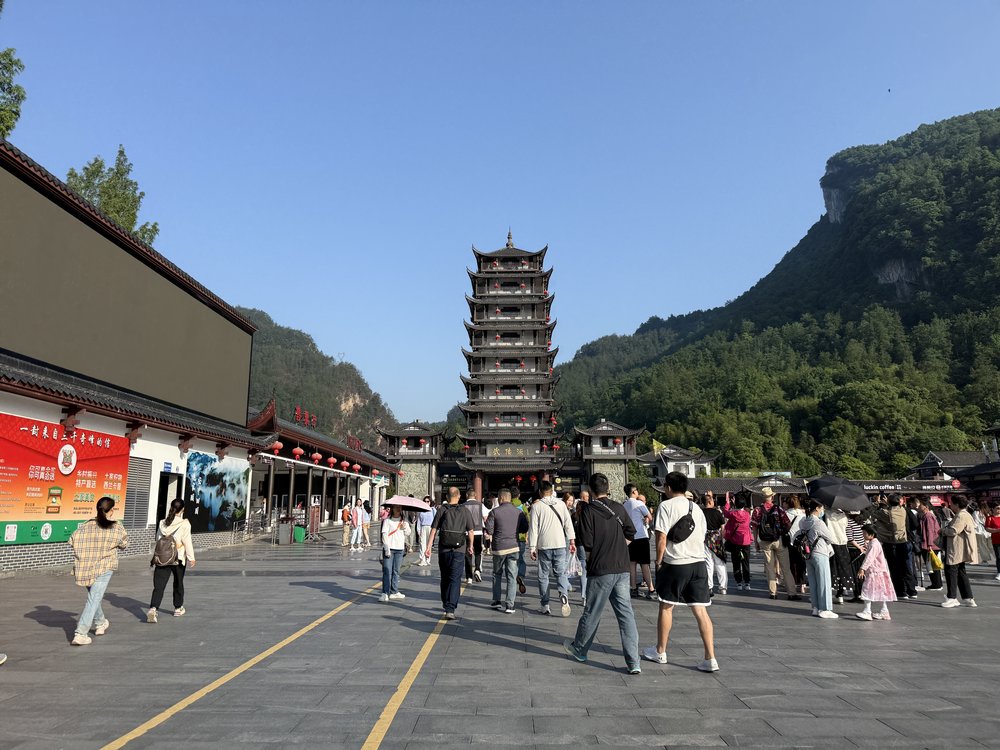
Start your adventure at the East Gate (东门) of Zhangjiajie National Forest Park, the UNESCO-listed wonderland that inspired James Cameron’s Avatar.
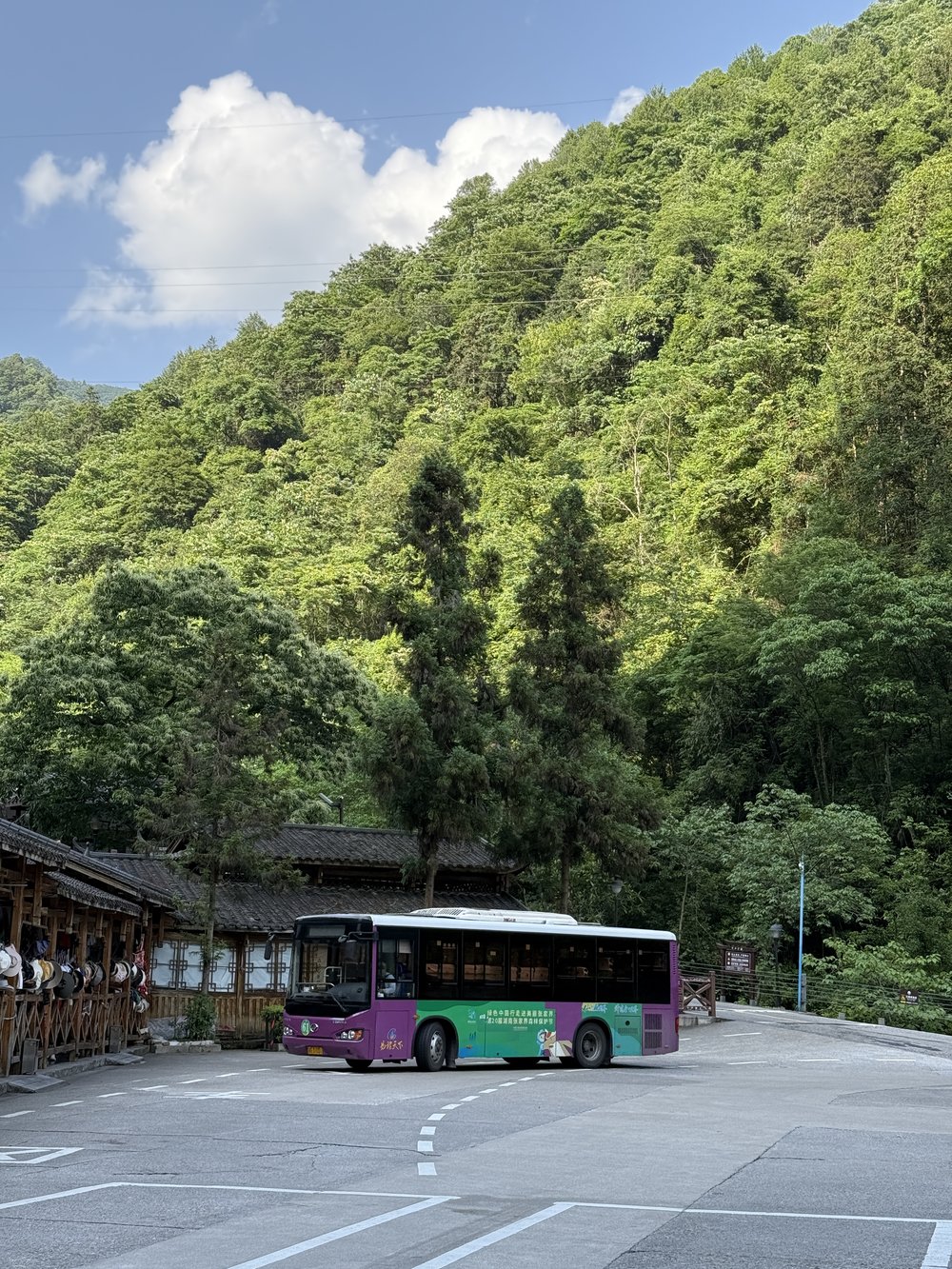
Zhangjiajie National Forest Park has a free internal shuttle bus system that connects major scenic areas like Yuanjiajie, Tianzi Mountain, and Yangjiajie. There's no need to scan your passport — just hop on and off freely at the designated stops within the park.
Bailong Elevator (百龙天梯)
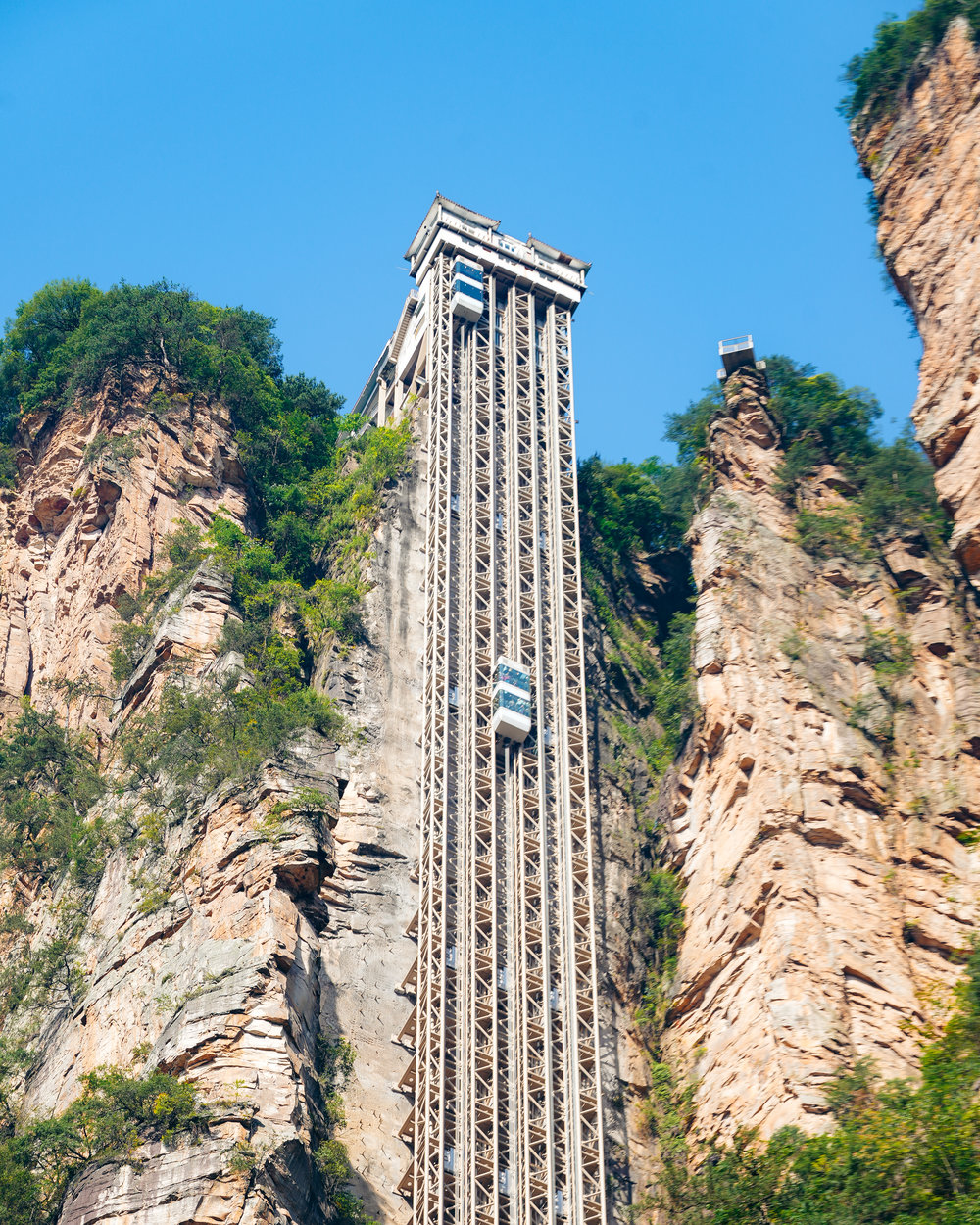
Start your adventure with the Bailong Elevator (百龙天梯)! This glass elevator is built into the side of a cliff and holds the title of the world’s tallest outdoor lift, shooting up 326 meters in just under two minutes.
It connects the base of the park to the Yuanjiajie Scenic Area, making it the fastest and most scenic way to reach the mountaintop.
Yuanjiajie Scenic Area (袁家界)
After riding the Bailong Elevator, you'll need to take a short park shuttle bus to reach the Yuanjiajie Scenic Area (袁家界) — one of the most iconic and visited spots in Zhangjiajie.
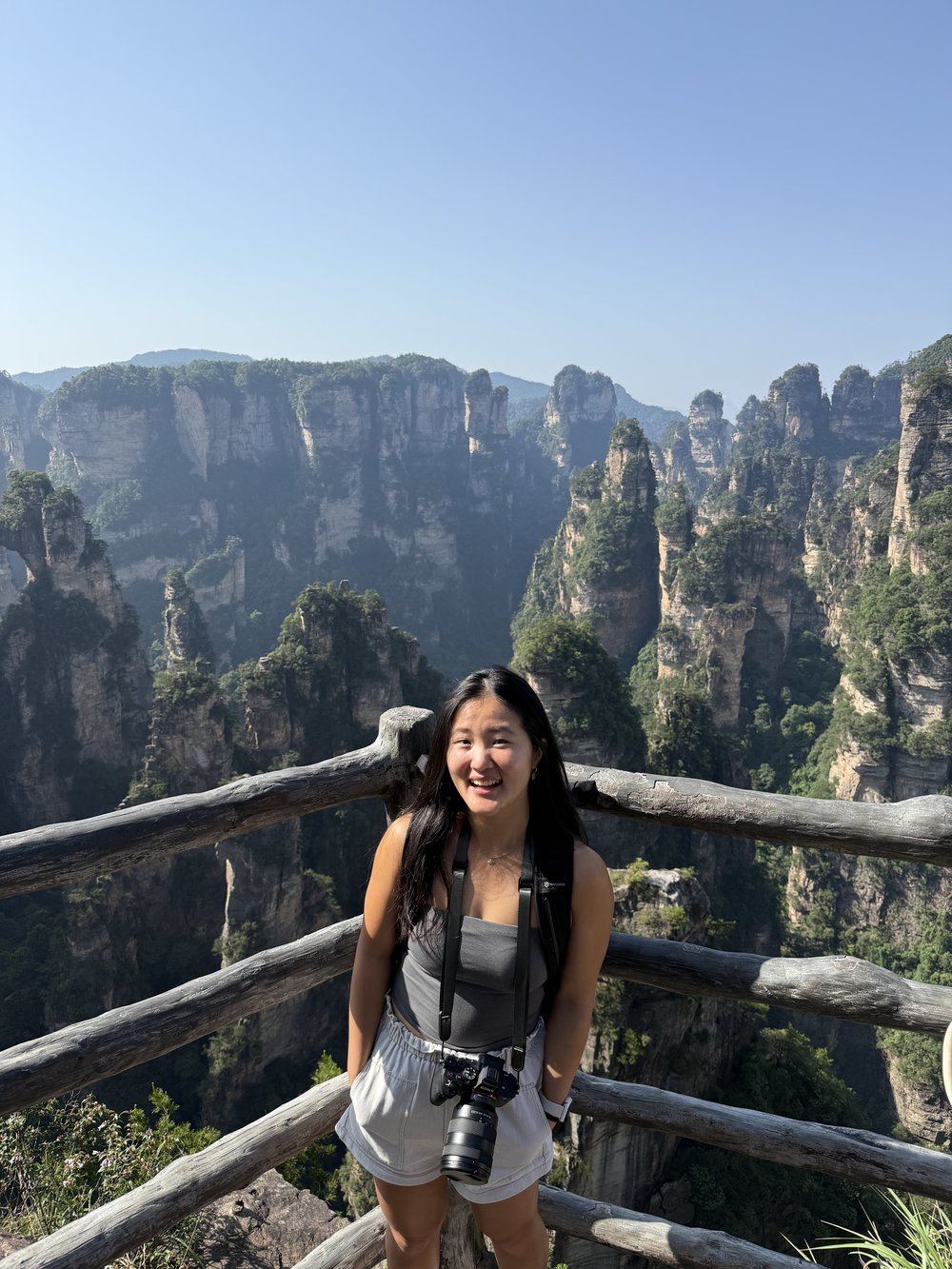
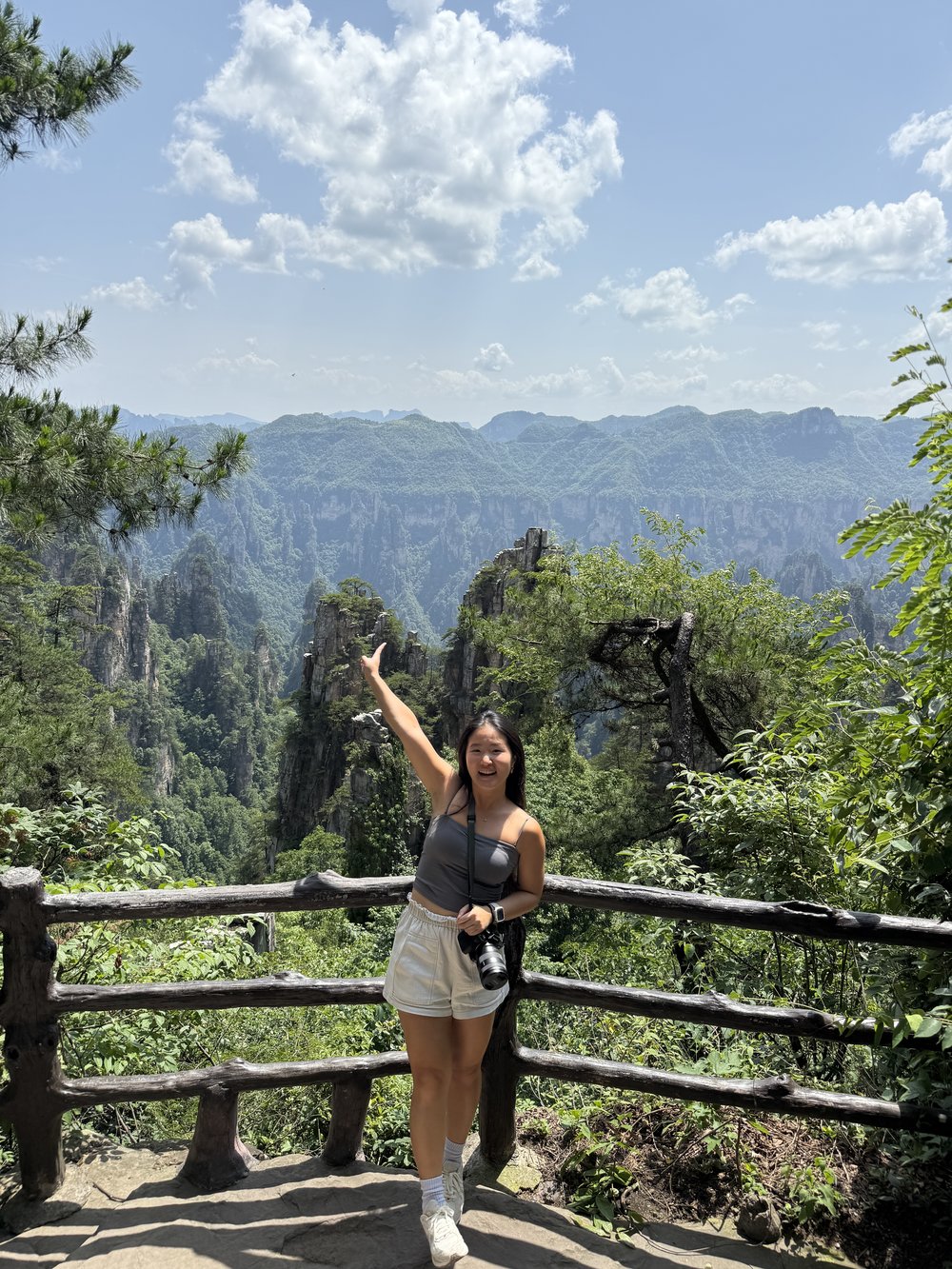
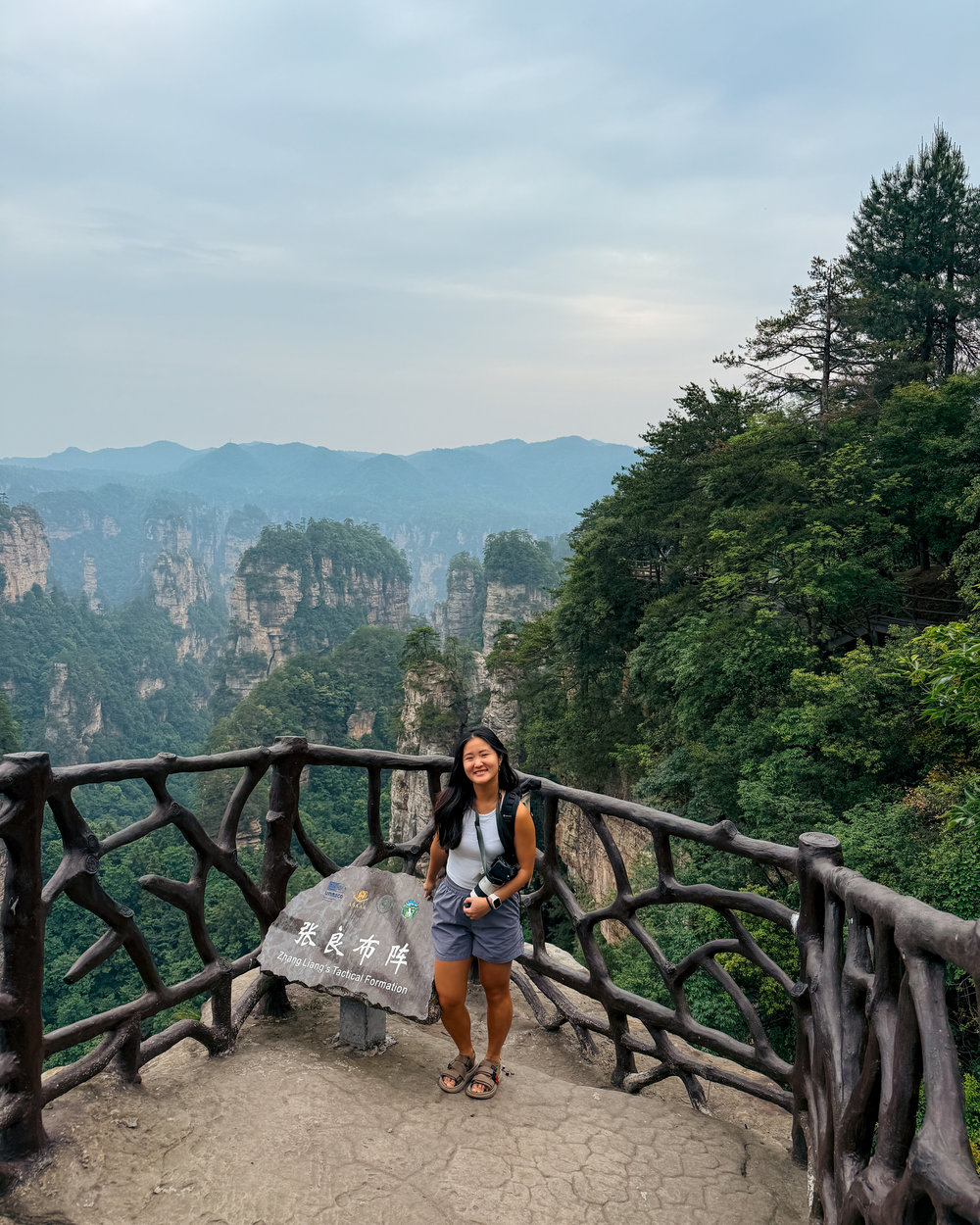
This area is home to the famous Hallelujah Mountain (阿凡达哈利路亚山), which inspired the floating peaks in Avatar, as well as the dramatic No.1 Bridge Under Heaven (天下第一桥). It's not the most obvious in the image above, but there's a natural arch!
There are plenty of viewing platforms here with spectacular panoramas, but this was also the most crowded part of our day, especially near the main photo points. Try to go early or explore the outer edges of the trail for quieter views.
Yangjiajie (杨家界)
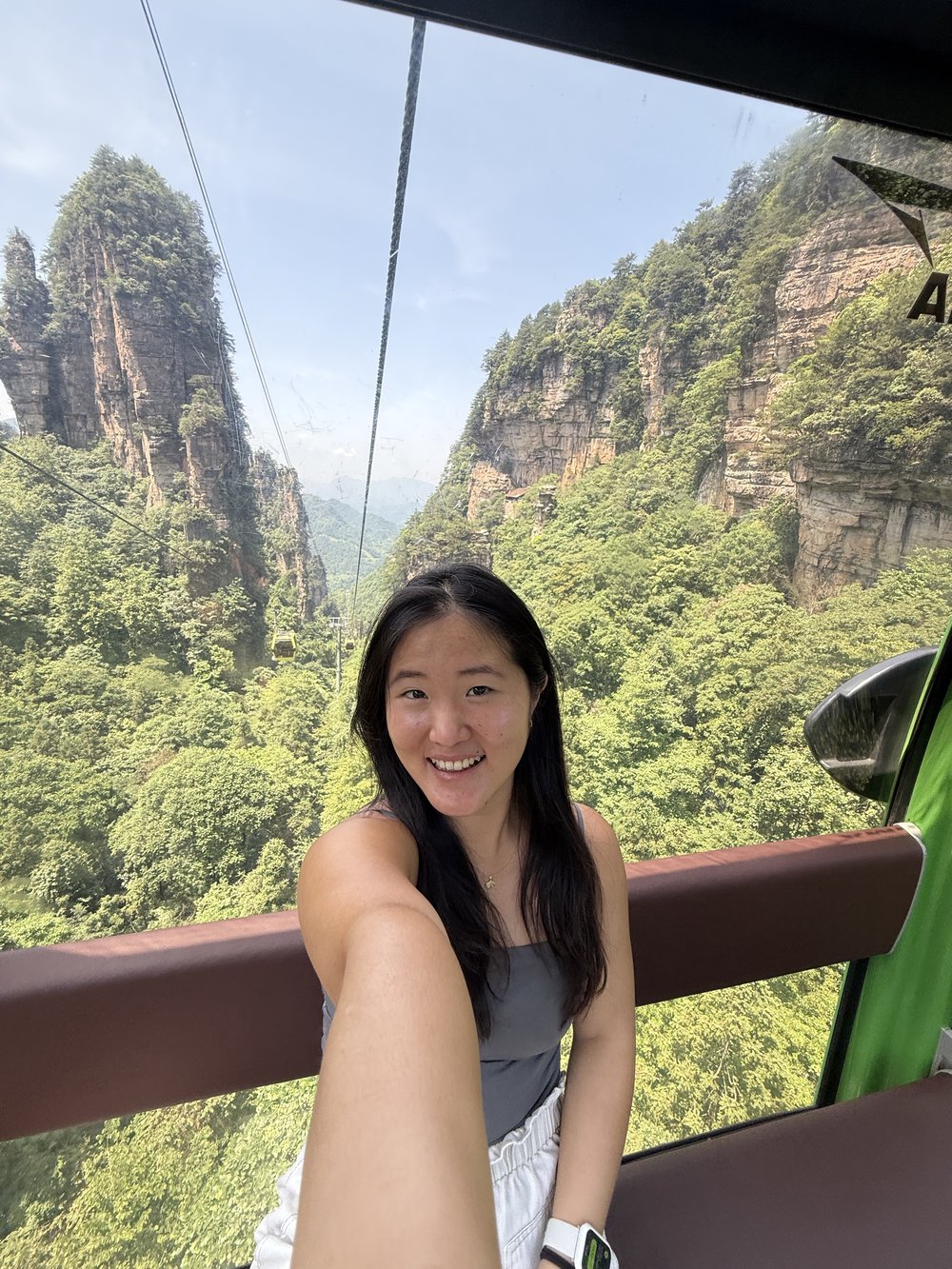
Next, make your way to Yangjiajie (杨家界) — a quieter, more rugged part of the park that feels a little more off the beaten path. The highlight here is the Yangjiajie Cableway (杨家界索道), which offers a scenic ride gliding over steep cliffs and lush valleys.
I'd recommend riding the cable car down and then back up again — not only for the incredible views, but so you can continue to nearby Tianzi Mountain!
⭐
Klook Tip: Because I got the
Multi-Trip Pass, I could ride the Yangjiajie Cableway down and back up multiple times just for the views — and even waited for a quieter cabin to get better photos. Trust me, it’s worth it for the flexibility!
Before leaving Yangjiajie (杨家界), be sure to check out the Natural Great Wall (天然长城) — a striking ridgeline of jagged peaks that really does resemble a crumbling stone wall winding through the mountains. It’s one of the most iconic viewpoints in the area and well worth the short hike.
Tianzi Mountain (天子山)
Take the park shuttle or hike to Tianzi Mountain, known for panoramic views over a sea of stone pillars. If you're lucky, clouds roll in and create that mythical "floating mountains" look.
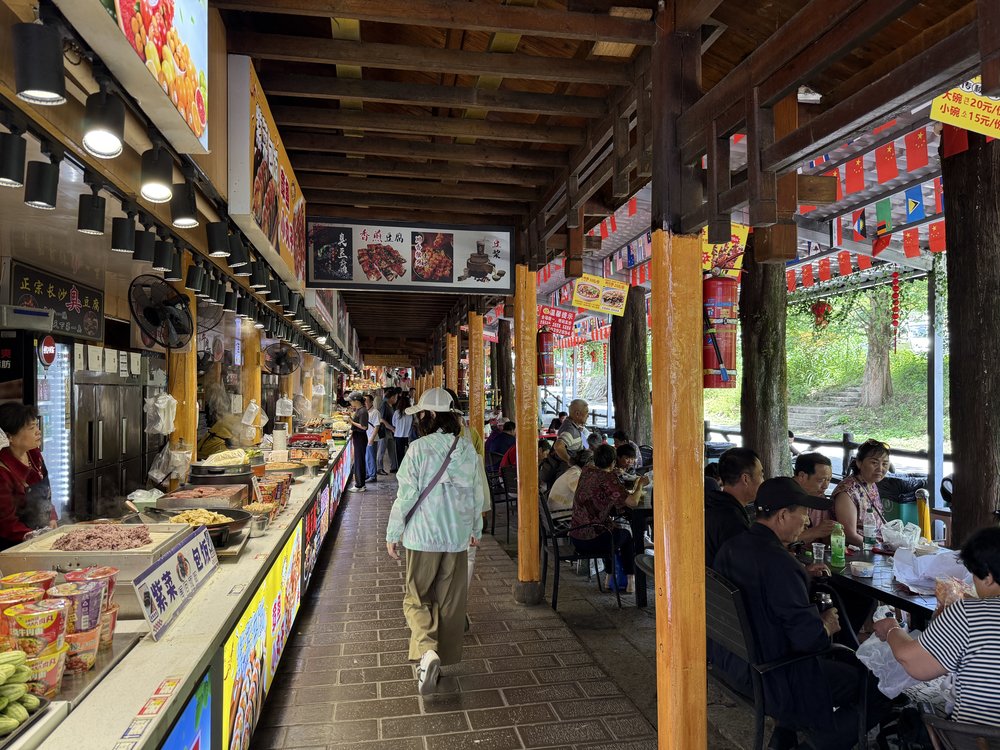
🍴 Klook Tip: While there are food stalls scattered around attractions like Yuanjiajie and Yangjiajie, the best lunch spot is near the Tianzi Mountain (天子山) bus stop.
There’s a row of food stalls here offering a wider variety of local snacks and hot meals, along with more seating compared to other parts of the park. It’s a convenient and comfortable place to take a break before continuing your hike or cable car descent.
Tianzi Mountain (天子山) offers some of the most breathtaking panoramic views in Zhangjiajie, with towering sandstone peaks stretching into the distance like a natural skyline.
Key spots include Helong Park (贺龙公园) and Yubi Peak (御笔峰), where the layered mountains seem to float above the clouds on misty days.
This was my favourite viewpoint of the day — not just for the scenery, but because there are several viewing platforms, which helps spread out the crowd and makes it easier to enjoy the views without jostling for a photo spot.
After that, take a shuttle bus to the Tianzi Mountain cable car station and descend by cable car for a scenic ride back down.
Wulingyuan
Return to Wulingyuan town for a well-earned dinner. If you're up for more, catch the local cultural performance, Charming Xiangxi, featuring traditional Miao and Tujia dance.
Day 2: Zhangjiajie Grand Canyon Scenic Area OR Lower Section of Zhangjiajie National Forest Park
Since the Zhangjiajie Grand Canyon + Glass Bridge and the Golden Whip Stream + Huangshizhai are located in different areas and each take several hours to explore, it’s best to pick one of the two options based on your pace and interest:
🥾 Option 1: Glass Bridge + Grand Canyon Walk — Perfect if you're up for a thrill and want to tick off the record-breaking Glass Bridge. This is best done in the morning, followed by the canyon trail (around 2–3 hours).
🌿 Option 2: Golden Whip Stream + Huangshizhai — A more relaxed forest experience inside Zhangjiajie National Forest Park, combining a scenic riverside walk with panoramic views from Huangshizhai.
I decided to skip the Grand Canyon and Glass Bridge and went with a slower-paced day inside Zhangjiajie National Forest Park instead
Option 1: Zhangjiajie Grand Canyon Scenic Area
Zhangjiajie Glass Bridge
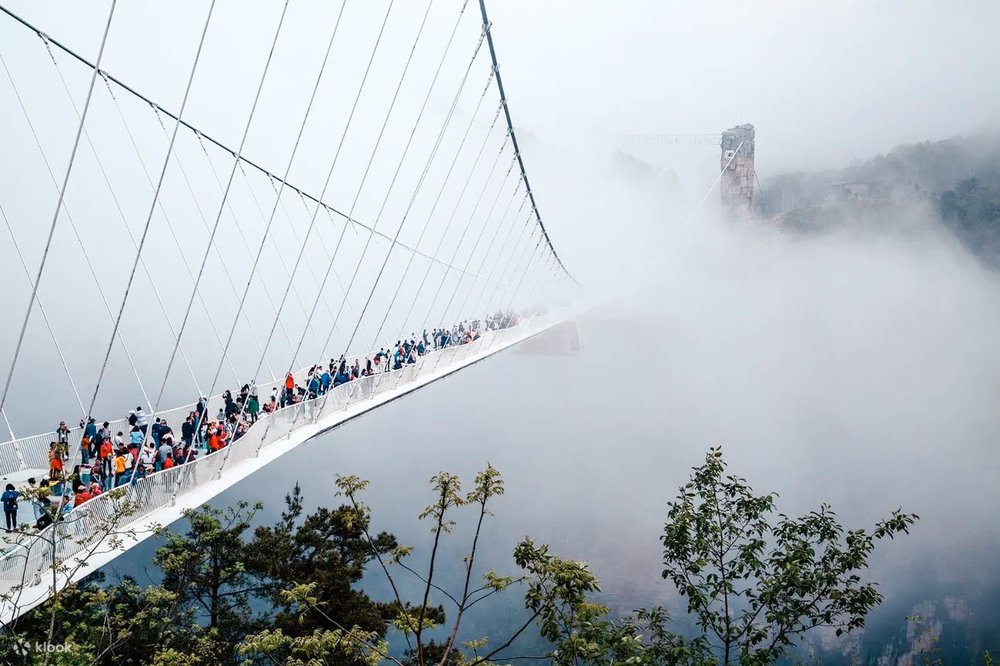
Time to conquer the Zhangjiajie Glass Bridge, one of the world’s longest and highest glass-bottom bridges, suspended 300m above the canyon floor. Not for the faint-hearted, but the views? 100% worth it.
Option 2: Lower Section of Zhangjiajie National Forest Park
Start your day at the South Gate (南门) of Zhangjiajie National Forest Park, which offers easy access to Golden Whip Stream and the Huangshizhai Cableway — perfect for a more relaxed day immersed in nature.
Huangshizhai (黄石寨)
If you choose to spend the day inside Zhangjiajie National Forest Park, consider starting with Huangshizhai (黄石寨). You can take the Huangshizhai Cableway up to the top, where you'll find loop trails and viewing platforms that offer some of the best panoramic views in the park.
The Huangshizhai loop trail at the top of the mountain is approximately 3 to 4 kilometers long and typically takes around 1.5 to 2 hours to complete at a relaxed pace.
It’s a peaceful area with fewer crowds, and the wide paths make for an easy, scenic walk. This makes a great combo with Golden Whip Stream if you're looking for a more relaxed, nature-focused day.
Golden Whip Stream (金鞭溪)
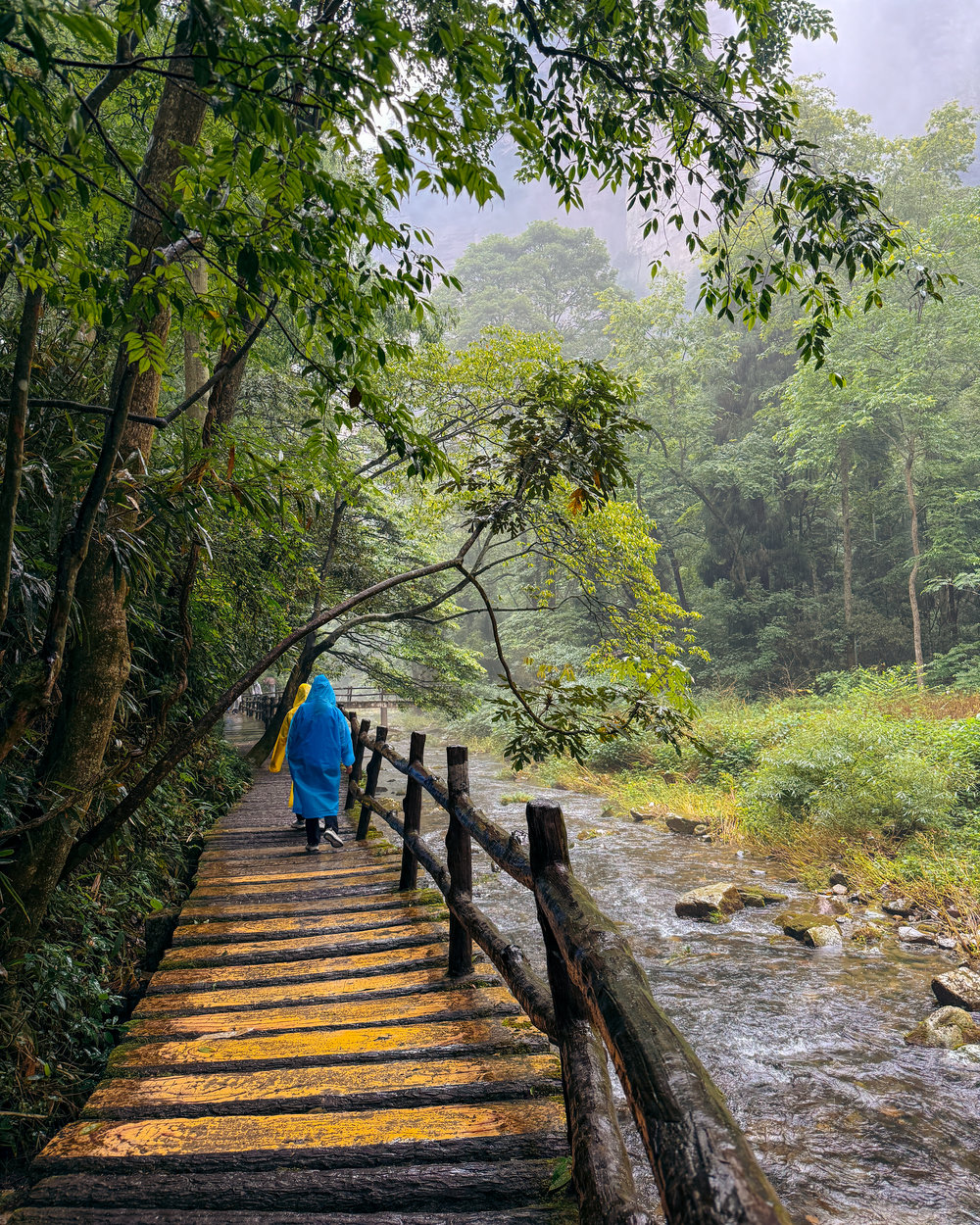
The Golden Whip Stream (金鞭溪) is approximately 7.5 kilometers long and typically takes 2 to 3 hours to walk at a relaxed pace.
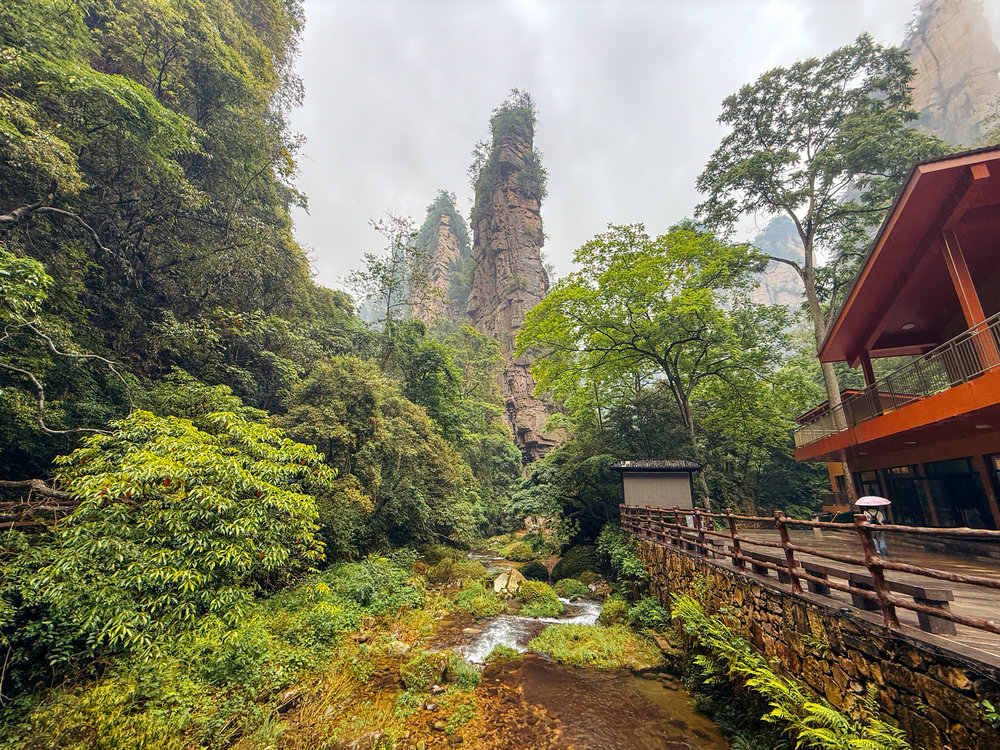
The trail runs along a clear, winding stream surrounded by steep sandstone cliffs and lush forest. It’s one of the most scenic and peaceful parts of Zhangjiajie National Forest Park — relatively flat, shaded, and often frequented by wild macaques.
Since the trail ends closer to the East Gate (东门), it’s best to exit the park from there rather than backtracking to the South Gate. Shuttle buses are available near the trail’s end to take you to the exit.
Day 3: Tianmen Mountain & the Heavenly Gate
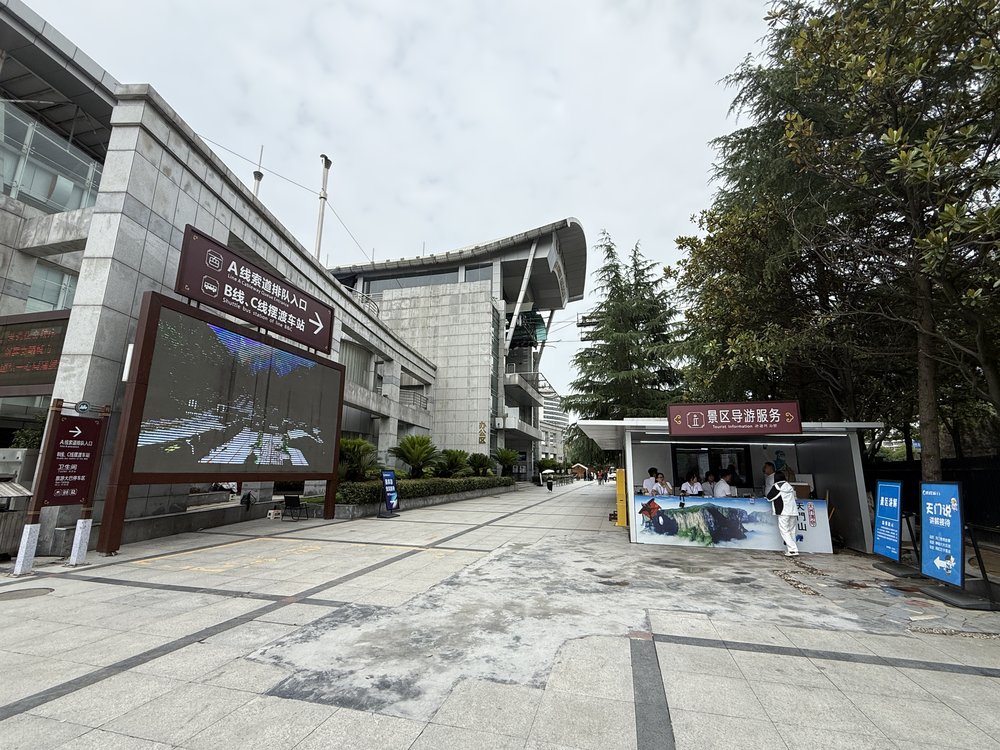
No matter which route you choose — A, B, or C — all visitors will start at the same place: the Ticket Office of the Cableway (天门山索道售票大厅) in central Zhangjiajie City.
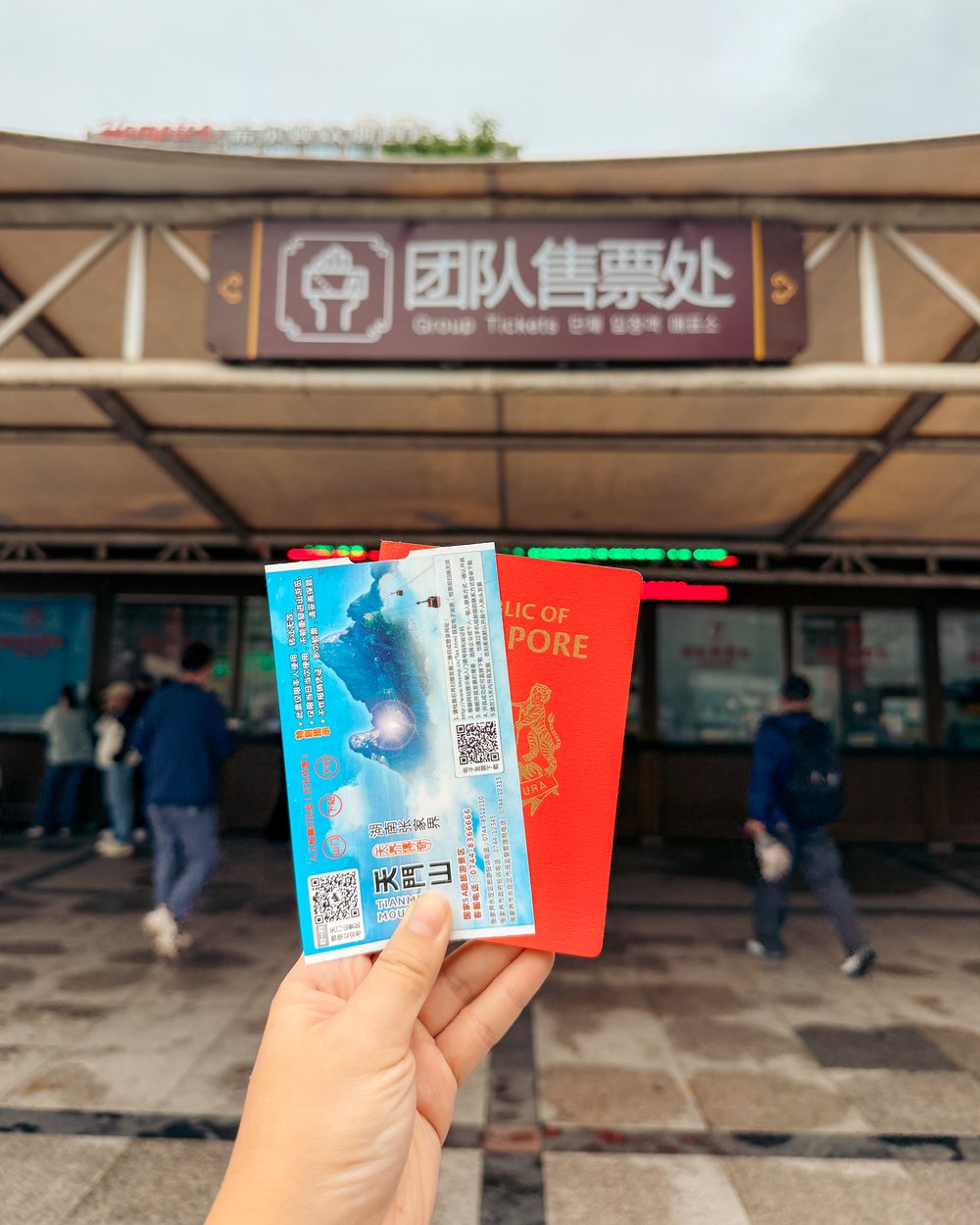
💡 Klook Tip: When visiting Tianmen Mountain, don’t forget to bring your passport and your Klook booking voucher (either printed or digital).
You’ll need both to exchange for a physical ticket at the Ticket Office of the Cableway before entering!
I chose Route B on the recommendation of friends who had visited before — and it turned out to be a great decision.
It’s essentially the reverse of the more popular Route A, which means it’s often less crowded. You start by taking a short bus ride to another cable car station, and then visit Tianmen Cave (天门洞) early in the day, when it’s less busy. Since the cave is one of the main highlights, it was nice to explore it without the heavy crowds.
Tianmen Cave (天门洞)
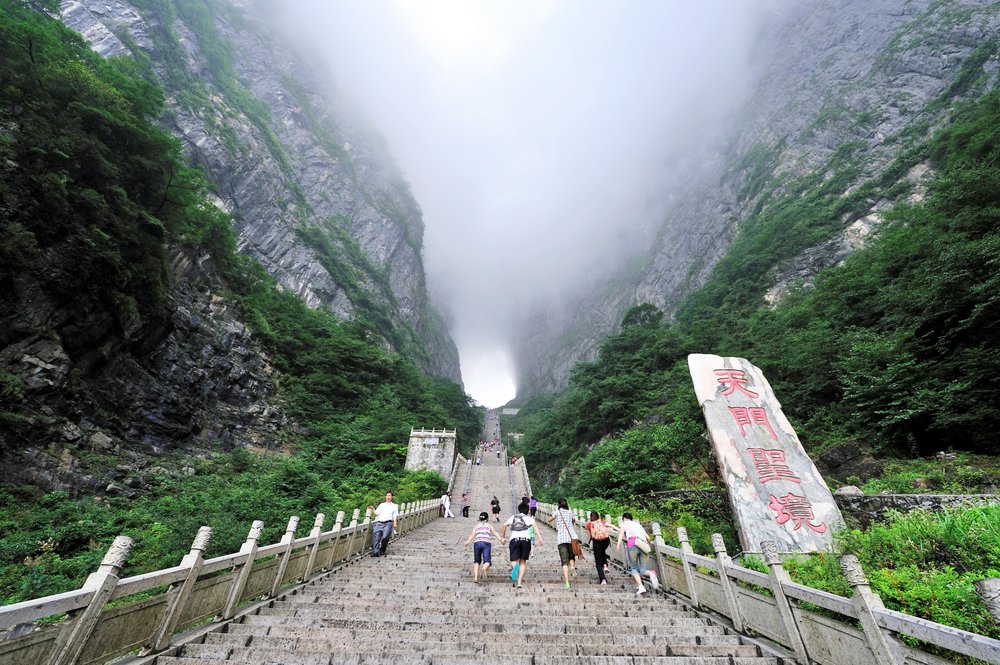
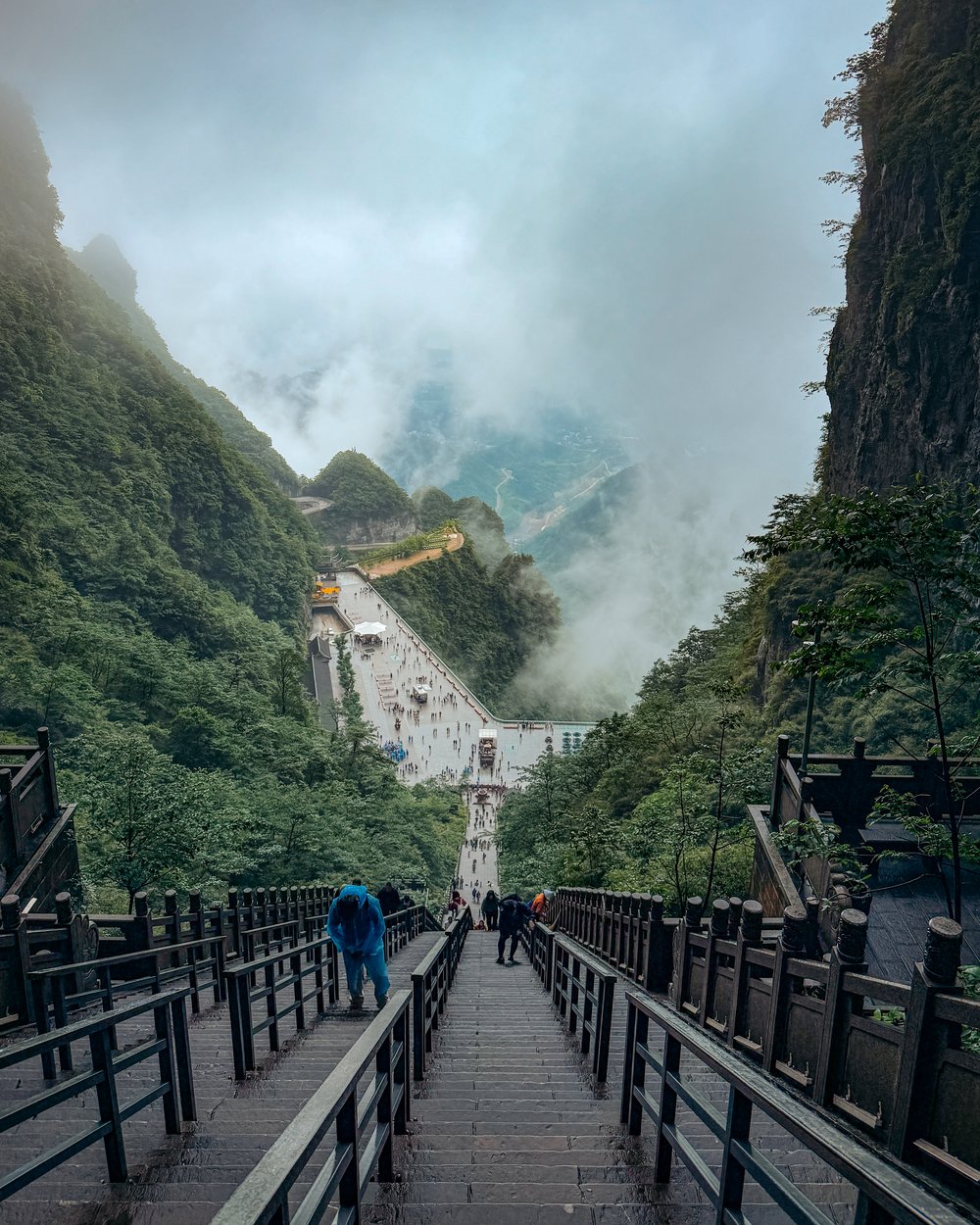
To reach Tianmen Cave, you’ll need to climb 999 steep steps — a dramatic staircase often referred to as the Stairway to Heaven. It’s a bit of a workout, but the view from the top is absolutely worth it!
Yes, you can take an escalator up to Tianmen Cave (天门洞) and skip the 999 steps!
The escalator system is built inside the mountain and takes visitors directly up to the cave from the bus drop-off point at the base of the stairs. It’s a great option if you’re short on time, want to avoid the climb, or are visiting with elderly family members.
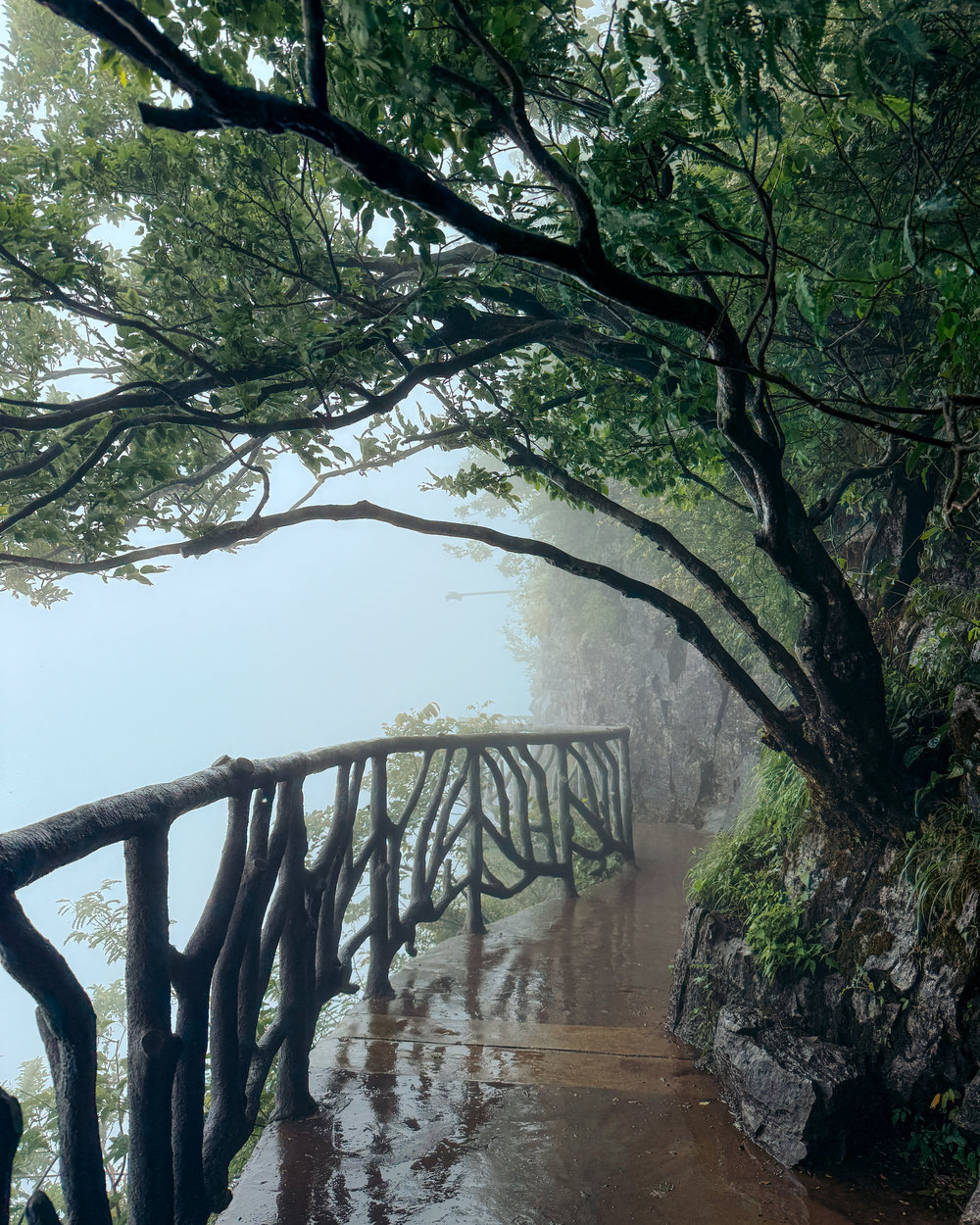
Once you reach the top of Tianmen Mountain, there’s a scenic loop trail that takes you around the summit — and it’s packed with stunning views. The trail is well-paved and relatively easy, winding through lush forests, cliffside paths, and multiple glass skywalks (玻璃栈道) that hang off the edge of the mountain.
These glass walkways are not for the faint of heart, but they offer some of the most thrilling and photo-worthy views of the entire trip. You can complete the loop in about 1–1.5 hours, depending on your pace and how many stops you make along the way.
💨 Klook Tip: The weather at the top of Tianmen Mountain is highly unpredictable — it’s honestly a 50/50 chance whether you’ll get clear skies or thick mist.
Even in warmer months, it can get quite chilly at the summit, so be sure to bring a light windbreaker or jacket to stay comfortable while exploring the trail.
Tianmen Cableway
Soak in the panoramic views, then return to the city by cable car. If you're flying out the same day, the airport is just a short drive away.
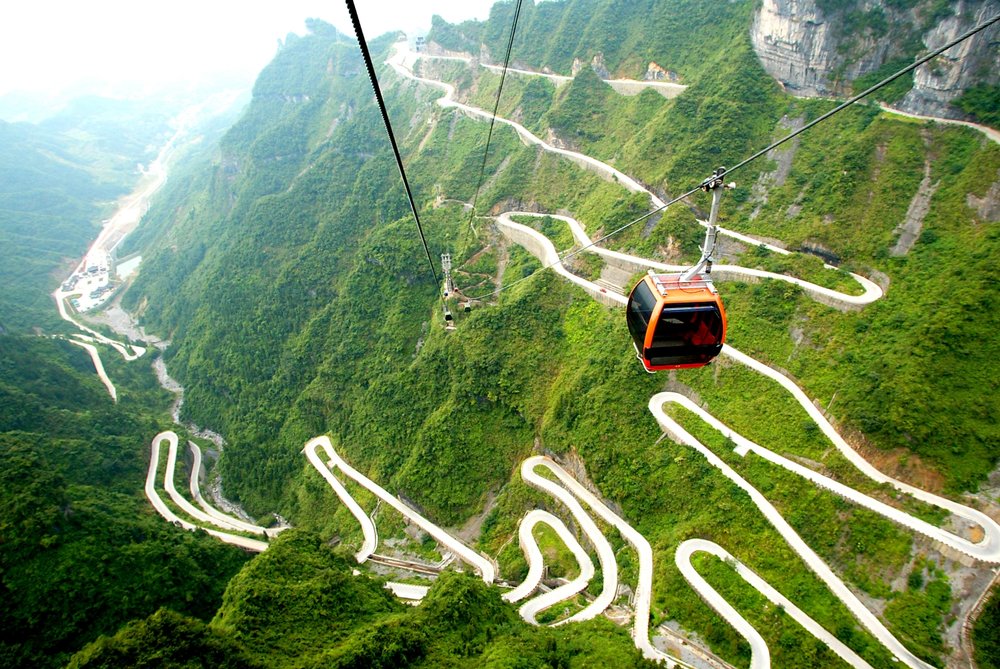
Board the Tianmen Cableway, one of the longest passenger cable cars in the world, for an epic ride to the top. Once there, test your courage on the Glass Skywalk — a clear path clinging to the cliffs.
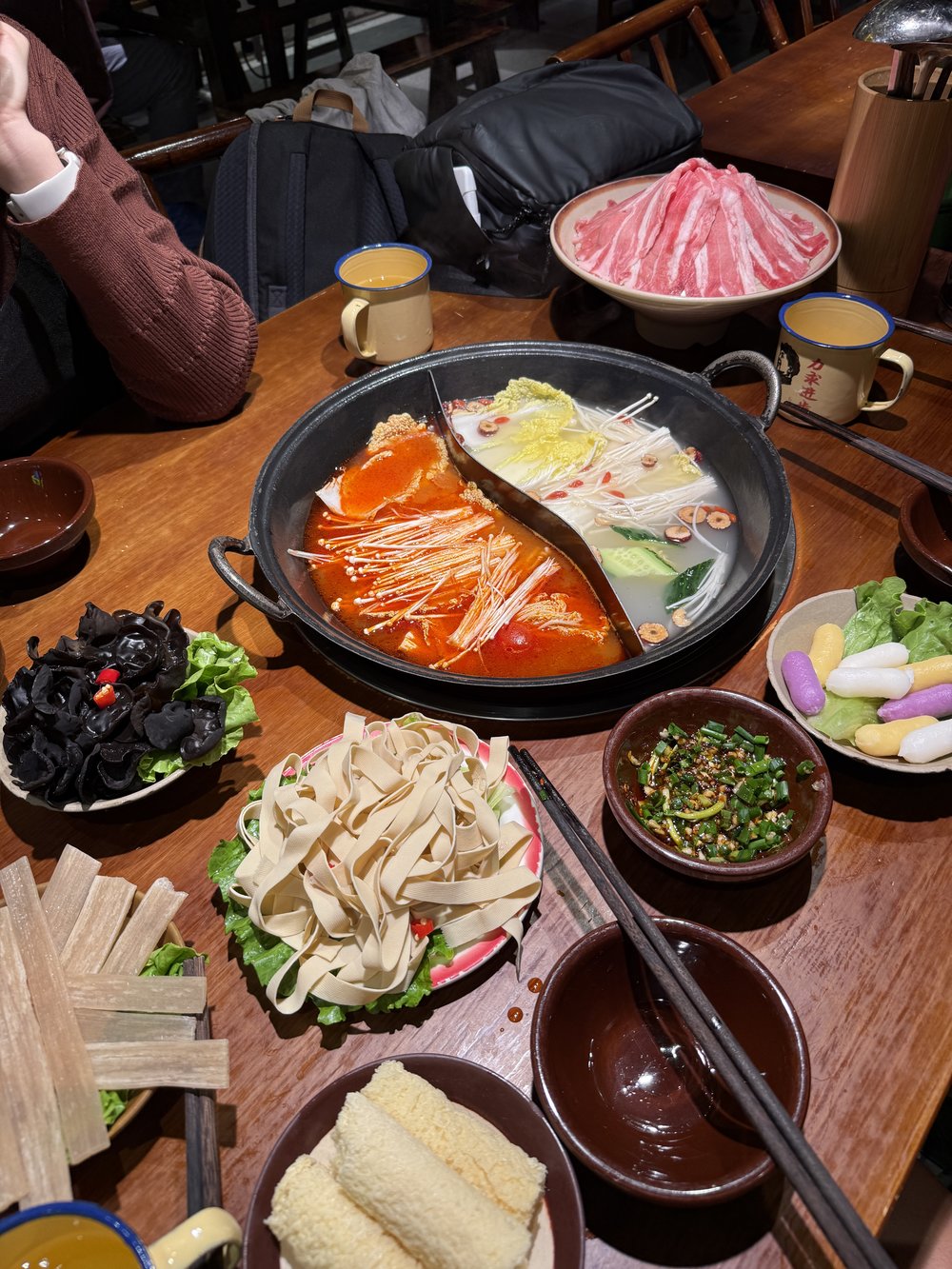
After a full day exploring Tianmen Mountain, nothing hits the spot like a comforting hotpot dinner back in Zhangjiajie City. There are plenty of local spots where you can load up on fresh veggies, meats, and spicy broth to warm you up after the mountain chill.
And if your legs are feeling the 999 steps, treat yourself to a well-deserved foot or full-body massage — you’ll find plenty of affordable massage shops near the city center. It’s the perfect way to unwind and end your Zhangjiajie adventure on a relaxing note.
How to Get to Zhangjiajie
Zhangjiajie has an airport — Zhangjiajie Hehua International Airport (DYG) — but it mainly serves domestic routes with limited international connections.
For most overseas travelers, the easiest and most reliable way to reach Zhangjiajie is by taking a high-speed train from a major city like Changsha or Chongqing. These cities are well-connected internationally and offer frequent train services to Zhangjiajie West Railway Station, which is about 30–40 minutes from the city center.
City | Travel Time |
|---|
Changsha, Hunan | 🚄 2-3 hrs by high-speed train Most convenient international gateway to Zhangjiajie |
Chongqing | 🚄 2-3 hrs by high-speed train Great for entering from Western China or Southeast Asia |
I flew into Changsha Huanghua International Airport (CSX) and took a high-speed train to Zhangjiajie, which made for a smooth and convenient journey. It’s one of the most popular routes for international travellers heading to Zhangjiajie.
🚉 Which Train Station to Choose in Zhangjiajie?
When booking your train tickets, make sure to select Zhangjiajie West Railway Station (张家界西站) — this is the main high-speed rail station serving the area. Most high-speed trains from cities like Changsha, Guangzhou, Chongqing, and Guiyang arrive here.
⚠️ Don’t confuse it with Zhangjiajie Railway Station (张家界站), which is older and mainly serves slow, conventional trains. Stick with Zhangjiajie West for a faster and more convenient journey.
From Zhangjiajie West, it's about 30 minutes by car to the city center and Tianmen Mountain. Taxis and public buses are readily available outside the station.
Best Time to Visit
Spring (Mar–May): Misty mountain views and cool weather.
Autumn (Sept–Nov): Golden forests and clear skies.
Avoid China’s Golden Week holidays to steer clear of crowds.
Zhangjiajie is massive — and no matter how much you plan, it’s impossible to see everything in just a few days. The key is to customise your itinerary based on the sights that matter most to you, whether that's standing on the edge of the Glass Bridge, hiking through misty mountains in Tianzi, or soaking up peaceful forest trails like Golden Whip Stream.
Don’t stress about ticking every box — just take your time, enjoy the views, and let the landscape wow you at every turn.
Frequently Asked Questions
1) How many days is enough for Zhangjiajie?
To see the highlights without rushing, you’ll need at least 3 full days and 2 nights. This gives you time to explore Zhangjiajie National Forest Park, Tianmen Mountain, and optionally the Zhangjiajie Grand Canyon + Glass Bridge. If you enjoy hiking or want to take things at a slower pace, consider extending your stay to 4–5 days.
2) Do I need a guide to visit Zhangjiajie National Forest Park?
No, you can explore the park independently, but be prepared to do some planning. The park is huge with multiple entrances and shuttle routes, so it helps to follow an itinerary or use navigation apps (like Gaode/AMap). A local guide can be useful if you want in-depth stories or a completely hands-free experience.
3) Can I visit Tianmen Mountain and Zhangjiajie National Forest Park on the same day?
Technically yes, but it's not recommended. Both areas are large and deserve at least half to a full day each. Trying to squeeze them into one day will feel rushed and you’ll likely miss the best parts.
4) Can I pay with international credit cards in Zhangjiajie?
Zhangjiajie, like much of China, relies heavily on mobile payments through WeChat Pay and Alipay, and international credit cards are rarely accepted outside of large hotels or airports.
We recommend downloading and setting up WeChat and Alipay before your trip!
5) What should I wear when visiting Zhangjiajie?
Wear comfortable walking shoes with good grip — you’ll be doing lots of walking and climbing steps. Weather can change quickly, so pack a light raincoat, layers, and sun protection if visiting in warmer months.
More China Inspiration
What is Klook?
Klook is a leading pan-regional experiences platform in Asia Pacific, purpose built to digitalize experiences and make them accessible to every traveler.
Our mission is to build the digital infrastructure for the global experience economy — empowering merchants to share their passions and travelers to discover the heartbeat of each destination. We operate a mobile-first, curated platform featuring diverse experiences across global destinations.
✨ Follow us for more deals and inspiration for your upcoming travels