
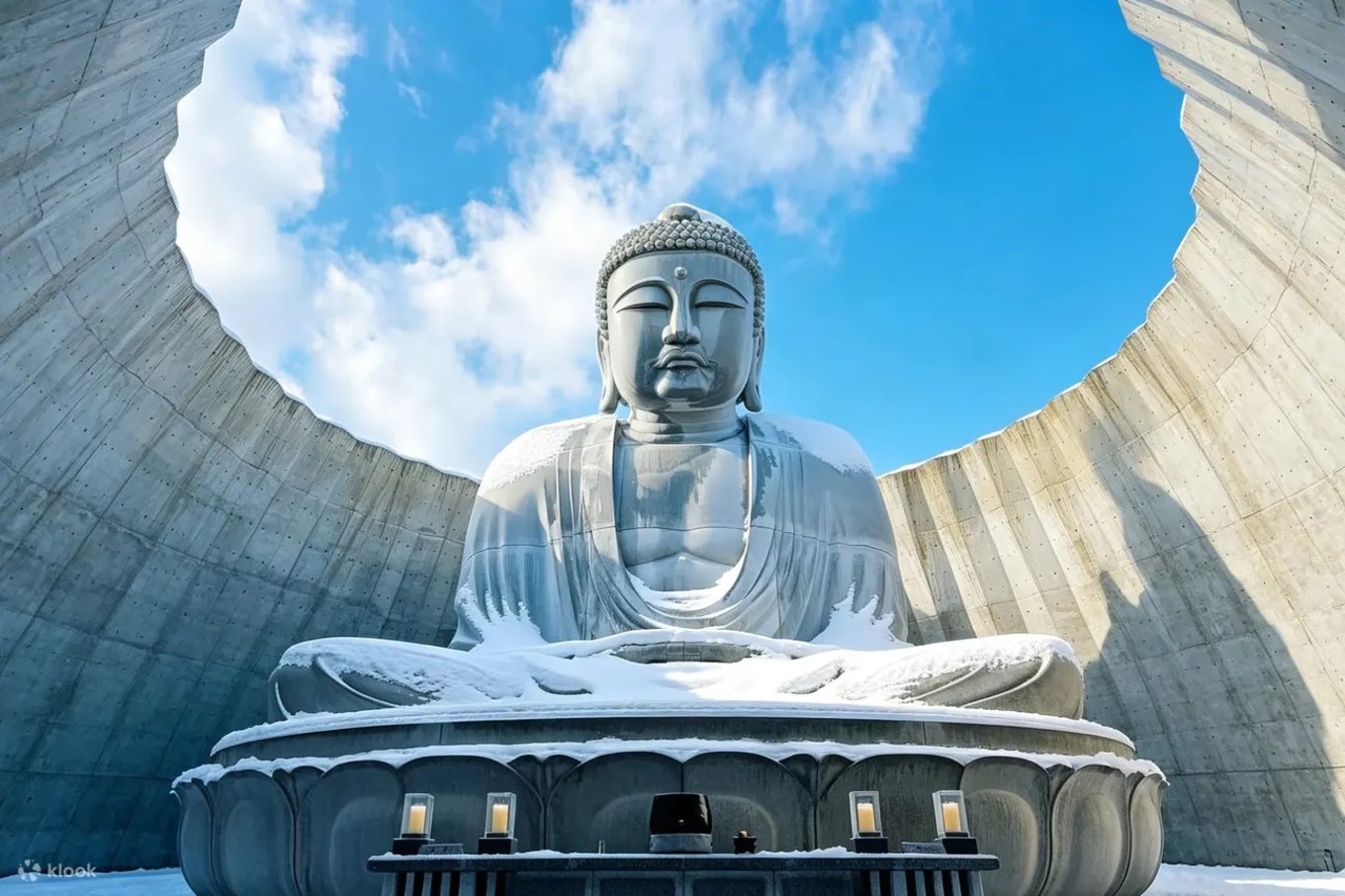
Sapporo is one of those cities that works no matter what time of year you land. It's compact, easy to get around, and packed with enough food, city sights, and nearby day trips to fill exactly three days without feeling rushed. If you're mapping out a Sapporo itinerary for the first time, this Sapporo travel plan breaks the trip into three clear days: city food and nightlife, city highlights, and a half-day trip out to Otaru.
Hokkaido's biggest city is easy to reach and even easier to love once you're there, especially if you time your visit around a specific season. Winter brings the famous Sapporo Snow Festival, while summer opens up parks and outdoor spaces that are buried under snow the rest of the year. Either way, 3 days in Sapporo gives you enough time to eat well, see the main sights, and still get out of the city for a few hours.
Klook Tip: Book your Otaru day trip activity and any evening experiences for Day 2 and Day 3 before you land. Sapporo gets busy during the Snow Festival, and popular tours sell out fast.
Sapporo itinerary at a glance
Day | Focus | Don't miss |
|---|---|---|
Day 1 | Odori Park, Susukino, and local food | Nijo Market seafood, ramen alley, an evening in Susukino |
Day 2 | Sapporo city highlights | Sapporo Beer Museum, the night view from Mount Moiwa |
Day 3 | Otaru day trip | Otaru Canal, glassware shops, fresh seafood by the harbor |
Day 1: Odori Park, Susukino, and Sapporo's best food
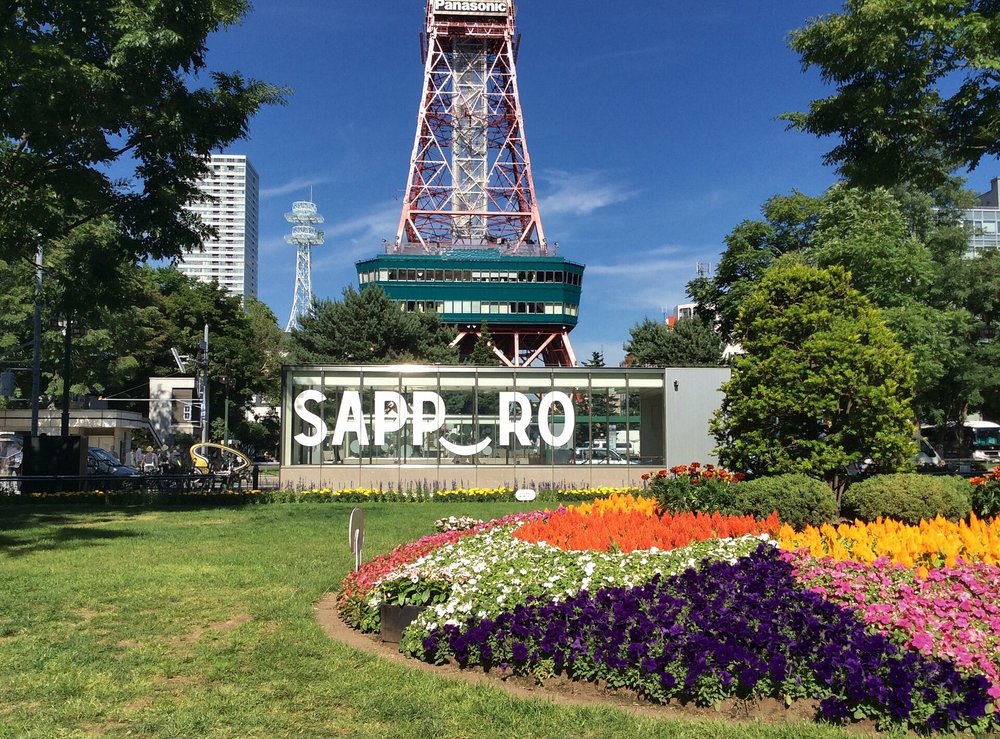
Odori Park | Image Credit: t-konno, CC BY-SA 3.0 via Wikimedia Commons
Start your first day at Odori Park, the long green strip that cuts through the middle of downtown Sapporo. It's an easy, low-effort way to get your bearings on day one, and it looks completely different depending on the season. In winter, this is ground zero for the Sapporo Snow Festival, with snow sculptures lining the whole park. In summer, it turns into a shaded walking path dotted with fountains and food stalls.
From there, walk over to Nijo Market for lunch. This is where locals go for fresh Hokkaido seafood, and you'll want in on it too: think sea urchin, crab, and scallops served as rice bowls or grilled right in front of you for around $10 to $15. It's not fancy, but it's some of the best food you'll eat all trip, and it sets the tone for a food-forward first day.
Save the evening for Susukino, Sapporo's main nightlife district and home to the city's famous ramen alley, Ramen Yokocho. This narrow lane is lined with tiny ramen shops, many seating fewer than ten people, each with its own take on Sapporo's signature miso ramen. Grab a bowl, then wander through Susukino's neon-lit streets for a drink or a second round of food. Susukino nightlife runs late, but you don't need to stay out all night to get the full experience.
Klook Tip: Ramen Yokocho gets crowded fast around 7 PM. Eat a little earlier, around 6 PM, if you want to skip the line and still catch the neighborhood at its liveliest.
Day 2: Sapporo city highlights, from beer to a night view
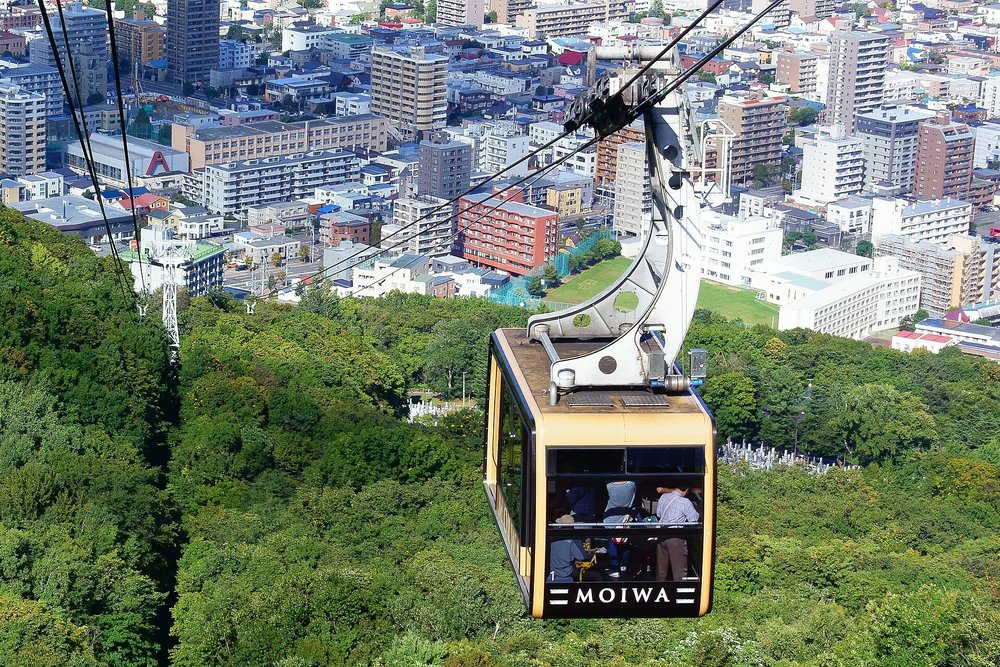
Mount Moiwa cable car | Image Credit: Route275, CC BY-SA 4.0 via Wikimedia Commons
Day two is built around two of Sapporo's most recognizable sights. Start at the Sapporo Beer Museum, housed in a red-brick building that used to be an actual brewery. You'll walk through exhibits on how the beer brand grew alongside the city itself, and the museum wraps up with a tasting hall where you can try a few different styles brewed on-site. It's a relaxed, easy stop for the first half of the day, and it works well even if beer isn't usually your thing.
Spend the afternoon walking around downtown Sapporo. The area between the Beer Museum and the clock tower is full of small shops, coffee spots, and a few good spots to warm up if you're visiting in winter. This is also a good window to grab lunch, since you'll want a lighter meal before an active evening.
As the sun starts to go down, head up Mount Moiwa for one of the best night views in Japan. A ropeway and mini cable car take you most of the way up, and the observation deck at the top looks out over the entire city grid, lit up once it's dark. It's consistently ranked among Japan's top night views, and it's one of those stops that photos never quite capture.
If you'd rather combine your city sightseeing with a head start on tomorrow's trip, you can pair the night view with a Mount Moiwa and Otaru tour, which folds both experiences into one guided day.
Klook Tip: The Mount Moiwa ropeway line gets long right around sunset. Head up about 30 to 40 minutes before sunset so you're already at the top when the lights start turning on below.
Day 3: Otaru day trip, canal, glassware, and seafood
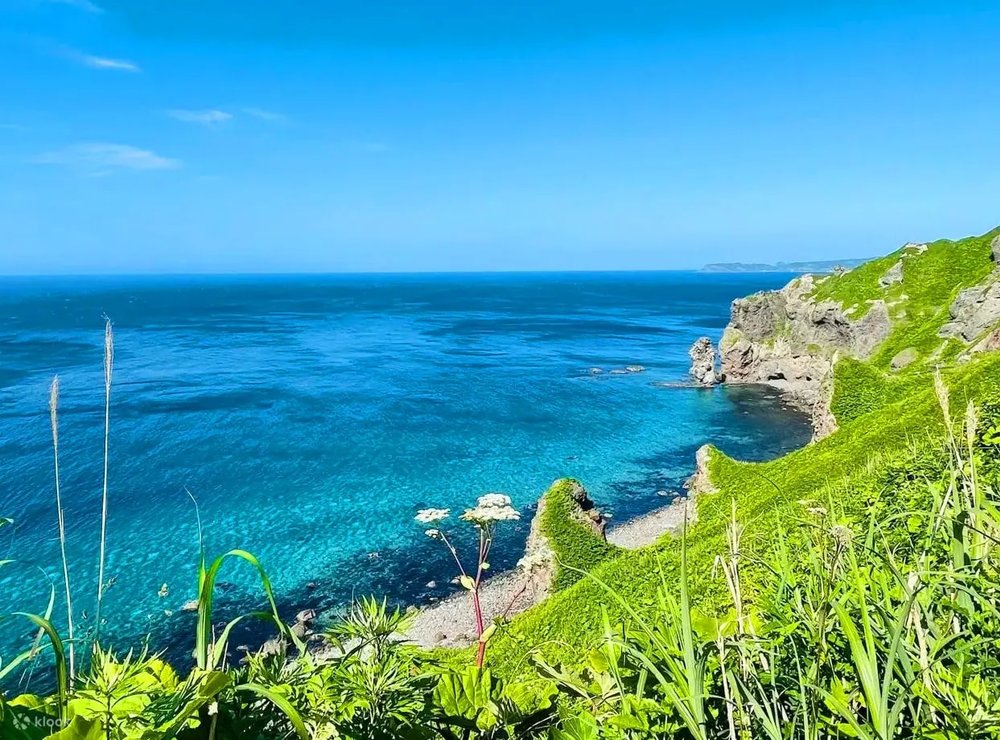
Otaru Blue Cave
Your third day is a half-day Otaru day trip, and it's a strong close to any Sapporo itinerary. Otaru sits about 30 minutes from central Sapporo by train, which makes it an easy add-on rather than a full detour. If you're tight on time, you could technically compress this into a shorter morning trip, but giving it a half day (or the whole day) lets you actually enjoy it instead of rushing through.
The main draw is the Otaru Canal, a stretch of water lined with old stone warehouses that used to serve the city's shipping trade. It's especially pretty in the late afternoon when the gas lamps along the canal start to switch on. From there, wander the surrounding streets, which are packed with glassware shops selling everything from ornaments to full tableware sets, a local craft Otaru has been known for since its herring-fishing days.
For seafood, Otaru holds its own against Sapporo. Fresh sushi here tends to be a step cheaper than what you'd find in the city, often $15 to $20 for a solid lunch set, largely because the harbor is right there supplying it. Grab a sushi lunch near the canal before heading back, or turn the whole day into a guided loop with an Otaru Blue Cave day trip, which handles the transport for you and adds a coastal boat ride into the mix.
If you'd rather keep the pace slower, an Otaru canal cruise and hanko is a good lighter option, letting you see the canal from the water and take home a hand-carved stamp with your name on it.
Klook Tip: Trains back to Sapporo from Otaru run less often after 8 PM, so check the schedule before you sit down for a late dinner.
How the itinerary changes by season
This Sapporo itinerary holds up year-round, but a few things shift depending on when you go. During the Sapporo Snow Festival in early February, Odori Park fills with massive snow sculptures and food stalls stay open later into the evening, so Day 1 naturally slows down and turns into a full evening out. Susukino also runs an ice sculpture site during the same period, which pairs well with your Day 1 nightlife plans.
Visit in summer, and Moerenuma Park is worth working into Day 2 or Day 3 if you have any flexibility left. It's a wide-open park designed by sculptor Isamu Noguchi, with grassy fields and a glass pyramid that's a nice change of pace from downtown sightseeing. Either season works for this Sapporo 3-day trip; it really just comes down to whichever sounds more fun to you, snow sculptures or open-air parks.
Sapporo sits on Hokkaido, Japan's northernmost main island, so weather swings are bigger here than in most of Japan. Pack layers no matter the season, and check the forecast the week before you go rather than the month before.
Getting around Sapporo
Sapporo's subway system covers most of what you'll need for this itinerary, with the Namboku, Tozai, and Toho lines connecting downtown, Susukino, and the areas near Mount Moiwa. A streetcar loop also runs around the southern part of the city if you'd rather stay above ground. For the Otaru day trip, the JR line from Sapporo Station gets you there in about 30 to 40 minutes, and tickets are simple to buy at the station.
A prepaid IC card (like Suica or Kitaca) makes all of this easier, since you can tap onto subways, streetcars, and most trains without buying a new ticket every time. Cards run about $2 to buy, and most single subway rides land between $1.50 and $3, so load one up with $15 to $20 and you're set for the trip.
FAQs about 3 days in Sapporo
Can you suggest a 3-day itinerary for Sapporo?
Yes. Day 1 covers Odori Park, Nijo Market, and Susukino for food and nightlife. Day 2 focuses on city highlights like the Sapporo Beer Museum and the night view from Mount Moiwa. Day 3 is a half-day Otaru day trip for the canal, glassware shops, and fresh seafood.
Is 3 days enough time to see Sapporo?
For most trips, yes. Three days covers the main city sights, a full food-focused day, and time for a nearby day trip without feeling packed. If you want to add Moerenuma Park or a second day trip, a fourth day gives you more breathing room.
What should I do on day 1 in Sapporo?
Start at Odori Park, grab lunch at Nijo Market for fresh Hokkaido seafood, then spend the evening in Susukino working through the ramen shops on Ramen Yokocho before exploring the neighborhood's nightlife.
Is Otaru worth adding to a Sapporo itinerary?
Yes, and it's an easy add since it's only about 30 minutes from Sapporo by train. The canal, glassware shops, and seafood make it a solid half-day or full-day trip depending on how much time you have left.
What food should I try during a Sapporo trip?
Miso ramen, fresh crab and sea urchin from Nijo Market, Sapporo-brewed beer, and jingisukan (grilled lamb cooked tableside) are all worth working into your Sapporo food itinerary.
Does the itinerary change if I visit during the Snow Festival?
A little. Day 1 in Odori Park turns into a longer evening around the snow sculptures, and Susukino runs its own ice sculpture site nearby. The rest of the itinerary stays largely the same, just with extra layers packed.
Ready to plan your Sapporo trip
Three days in Sapporo gives you just enough time to eat your way through downtown, hit the big city sights, and still get out to Otaru before you fly home. Book your Otaru day trip and any evening activities ahead of time, especially if you're traveling during the Snow Festival, and the rest of this itinerary is easy to follow at your own pace.
Related guides for your Sapporo trip
What is Klook?
Klook is a leading pan-regional experiences platform in Asia Pacific, purpose built to digitalize experiences and make them accessible to every traveler.
Our mission is to build the digital infrastructure for the global experience economy — empowering merchants to share their passions and travelers to discover the heartbeat of each destination. We operate a mobile-first, curated platform featuring diverse experiences across global destinations.