


Opening hours

Suggested duration4-7 hour(s)

Yongding District
Packages
Escalator & Ropeway Combo Ticket
Dual Ropeway Tour Combo
1-Day Tour
 Klook recommended
Escalator & Ropeway Combo Ticket
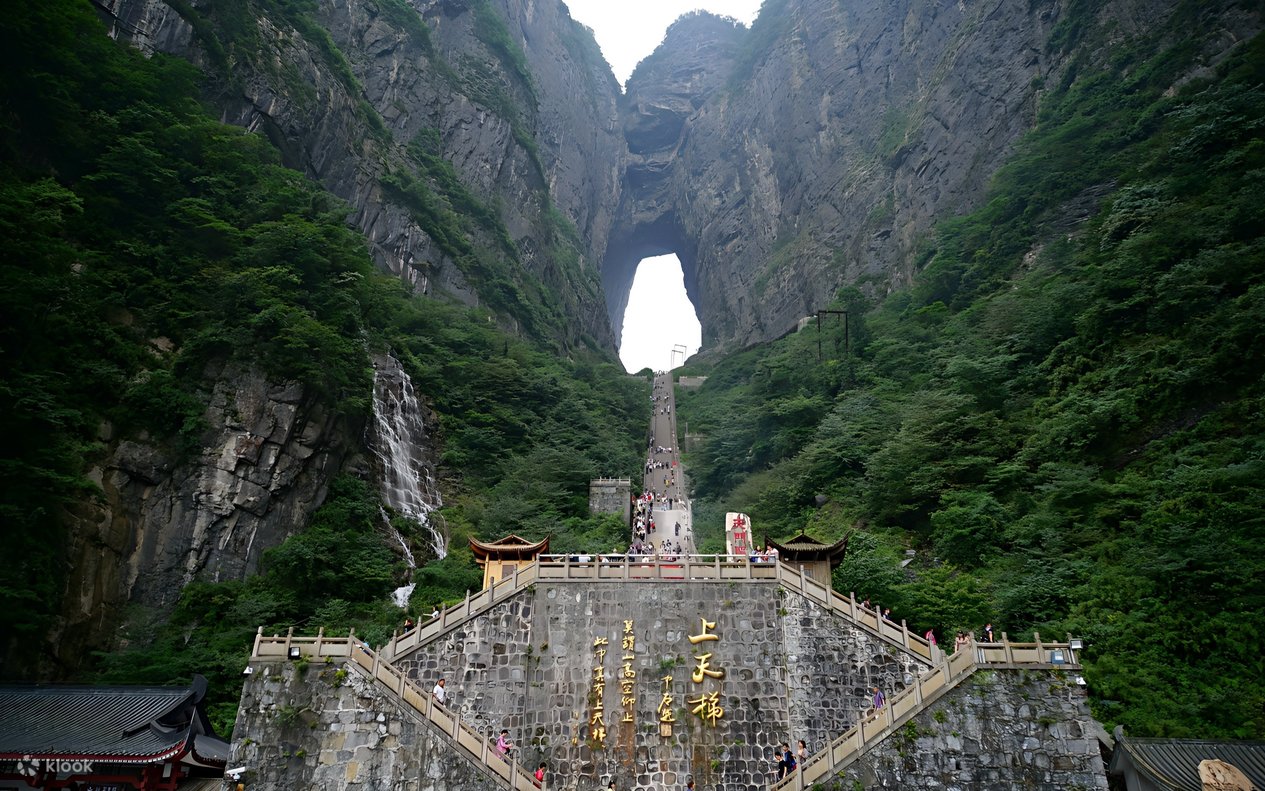
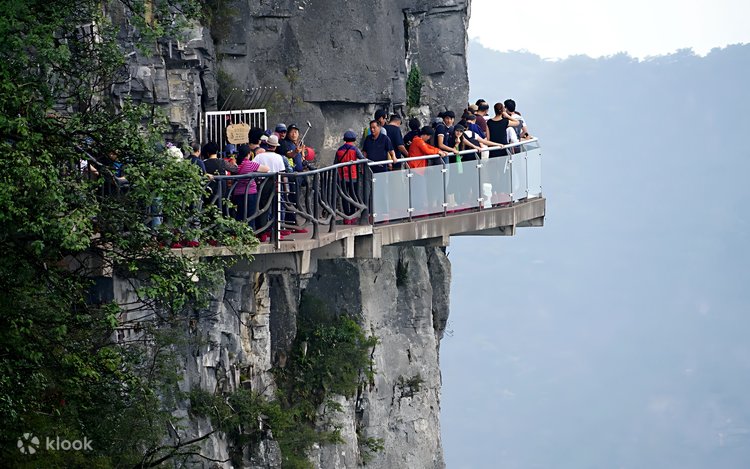
[Line C] Tianmen Mountain Ticket + ropeway + Glass Skywalk + Tianmen Cave Ladder Escalator
The fastest and most efficient route with the fewest transfers, saving time and avoiding the long ropeway, making it the ideal choice for travelers with acrophobia.
 Valid on the selected date
 Conditional cancellation
 Instant confirmation
6 off

Claim to get 5 off
Dual Ropeway Tour Combo
[Line C] Tianmen Mountain Ticket + ropeway + Glass Skywalk
The fastest, most efficient route, with the fewest transfers, saves time, avoids the long ropeway, and is ideal for travelers with a fear of heights.
Valid on the selected dateConditional cancellationInstant confirmation Claim to get 5 off
1-Day Tour
[Chinese-speaking Guide] Tianmen Mountain Scenic Area 1-Day Tour
Valid on the selected dateFree cancellation (24 hours notice)Instant confirmation Claim to get 5 off
[English-speaking Guide] Tianmen Mountain Scenic Area 1-Day Tour
Valid on the selected dateFree cancellation (24 hours notice)Instant confirmation Claim to get 5 off
Reviews