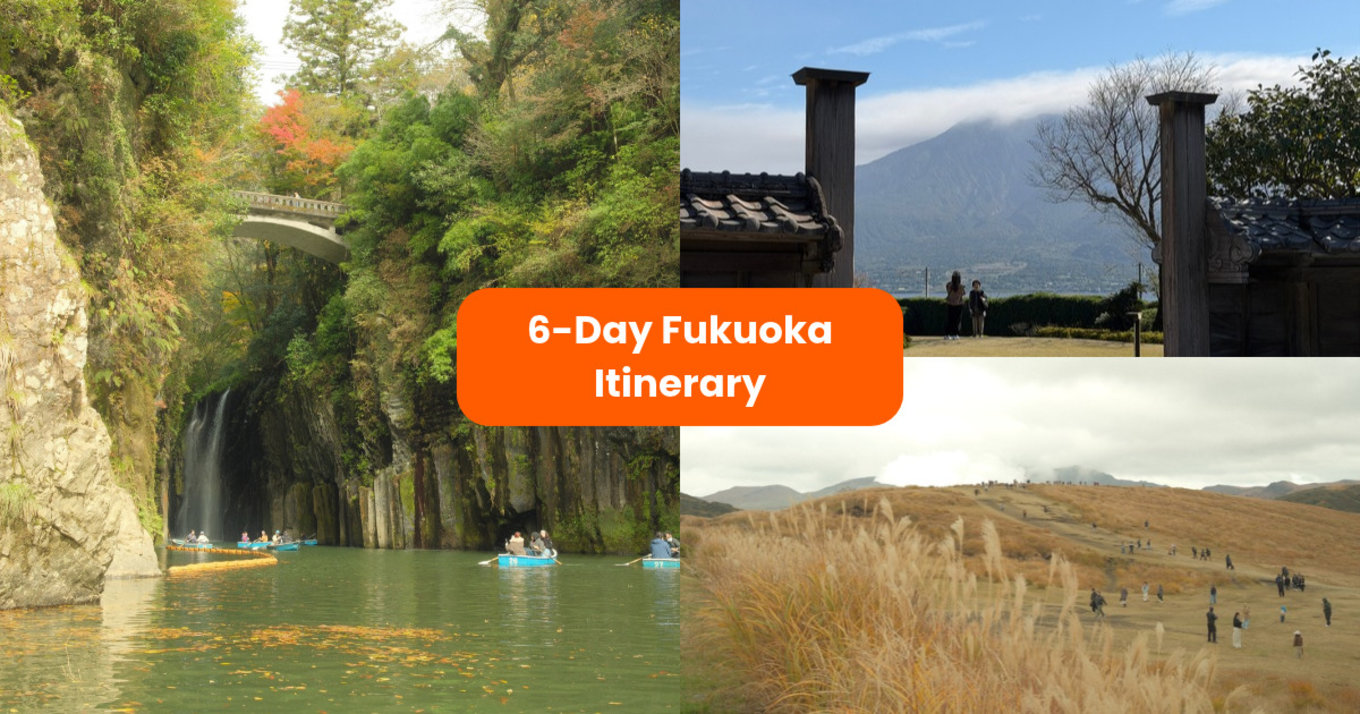
Fukuoka is the easiest way into Kyushu. It's about six hours direct from Singapore, the airport is a short subway ride from the city centre, and some of Japan's best day trips start right outside your hotel door. Add a Shinkansen ride south to
Kagoshima and you get coastlines, gorges, steaming hot-spring "hells", digital art, an active volcano and a samurai-era garden, all in one trip.
This 6-day Fukuoka itinerary covers the lot, with the tips I'd give any friend before they go: what to book early, where to save time, and which spots are worth slowing down for.
Your 6-Day Fukuoka & Kagoshima Itinerary at a Glance
Day | Highlights | Hotel |
|---|
Day 1 | Itoshima coast (Sakurai Futamigaura, seafood lunch, Palm Tree Swing, Sakurai Shrine) → teamLab Forest Fukuoka → Ohori Park → Canal City | Fukuoka |
Day 2 | Day trip: Takachiho Gorge boat ride, Kusasenri grassland & wagyu lunch | Fukuoka |
Day 3 | Day trip: Dazaifu, Beppu Jigoku hot springs, Lake Kinrin, Yufuin & the Yufuin no Mori train | Fukuoka |
Day 4 | Kimono rental → Shinkansen to Kagoshima | Kagoshima |
Day 5 | Sakurajima: sand painting workshop, Yunohira Observation Point, visitor centre & foot bath → Tenmonkan | Kagoshima |
Day 6 | Sengan-en: samurai costumes, archery, glass workshop, neko shrine, garden & lunch → Shinkansen back | Fukuoka |
When to Go for Autumn Colours
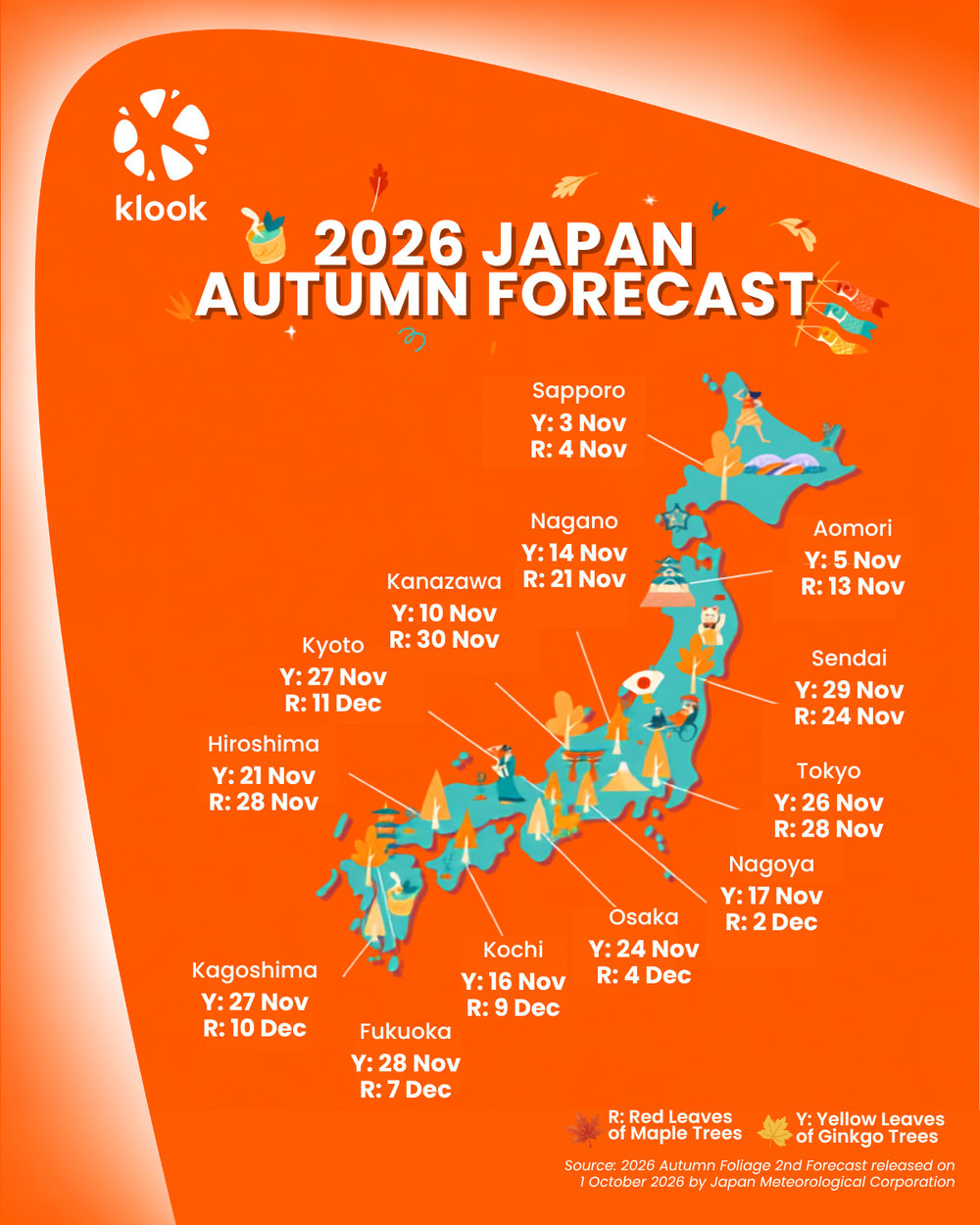
Kyushu's colours arrive later than most people expect. The 2nd Autumn Foliage Forecast released on 1 October 2026 by the Japan Meteorological Corporation predicts:
City | Yellow (ginkgo) | Red (maple) |
|---|
Fukuoka | 28 Nov | 7 Dec |
Kagoshima | 27 Nov | 10 Dec |
If colour is your top priority, go in late November to early December. If you'd rather have milder weather and easier bookings, mid-November still works, but expect colours to be just getting started in places.
✨ Klook tip: Ginkgo yellow usually peaks one to two weeks before maple red, so a trip from about 27 November to 7 December catches both.
Getting Around: Flights, Shinkansen & Rail Passes
Flights: Direct flights run between Singapore and Fukuoka. Land in the morning and you get a proper first day. For the trip home, a morning flight works best if your last night is in Fukuoka, since the airport is a short subway ride from Hakata Station.
In Fukuoka: Most day trips include hotel or station pick-up, so you won't need a rental car. The subway and buses cover the city itself.
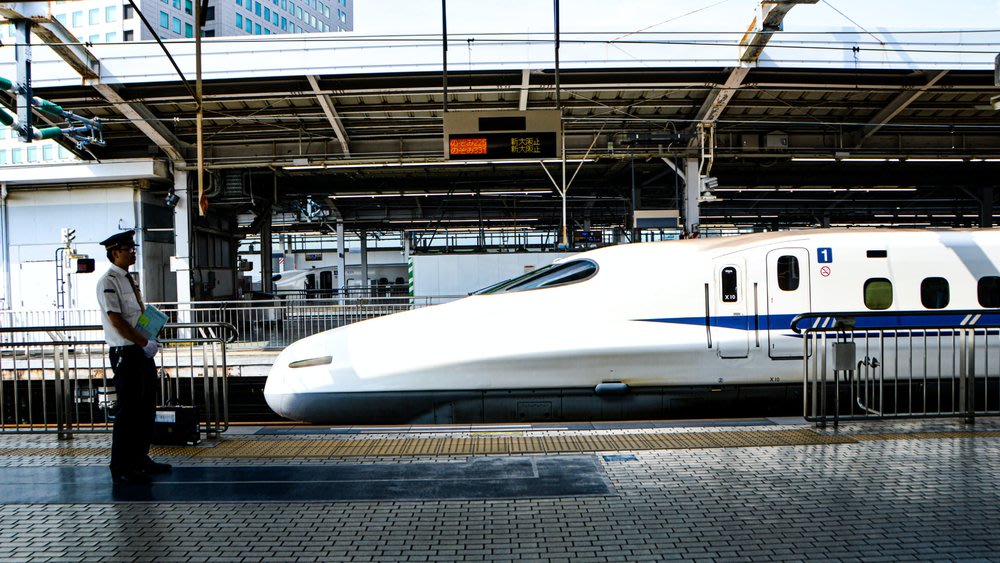
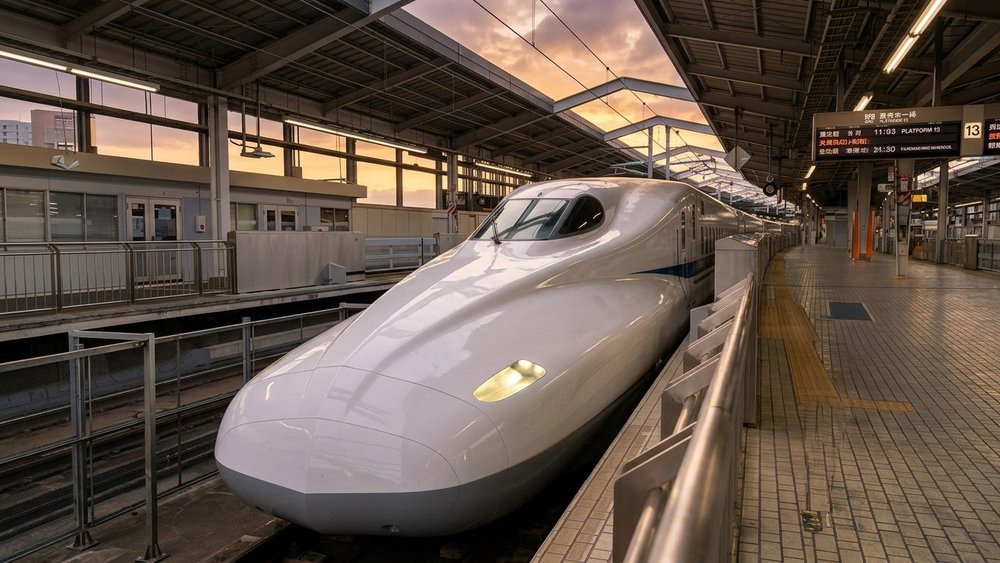
Fukuoka to Kagoshima: The Kyushu Shinkansen from Hakata to Kagoshima-Chuo takes roughly 80 to 100 minutes depending on the service. It's quick, comfortable and frequent. Reserve seats ahead, especially at weekends and in foliage season.
Is a rail pass worth it? The Shinkansen and the Yufuin no Mori are both JR Kyushu services, so a
JR Kyushu Rail Pass can cover them. Add up your two Shinkansen rides plus any other JR trips before buying, since a pass only pays off if you ride enough. Even with a pass, the Yufuin no Mori needs a reserved seat.
✨ Klook tip: Yufuin no Mori seats go on sale at 10am Japan time, one month before travel, and they sell out fast in autumn. Set a reminder, or book through
Klook's Yufuin no Mori page.
Day 1: Itoshima Coast, teamLab Forest & Ohori Park
Land, drop your bags, start exploring. Day 1 is built to make the most of a morning arrival.
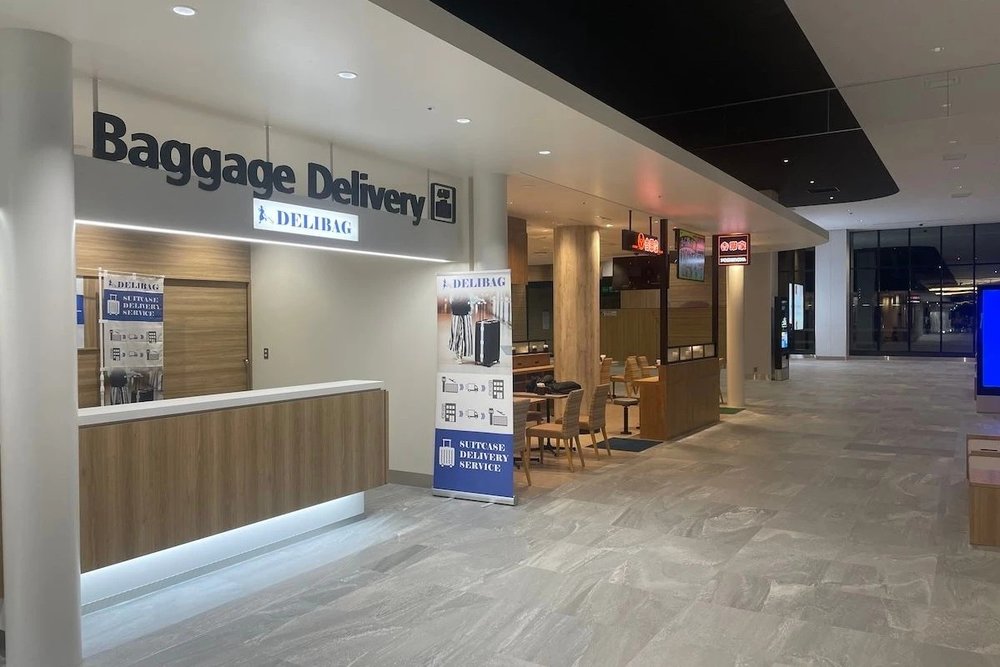
Arrange Baggage Delivery at Fukuoka Airport
Use the
luggage delivery counter at Fukuoka Airport to send your suitcase straight to the hotel (about S$10 per person) and head out with just a daypack. It's the best time-saver of the trip.
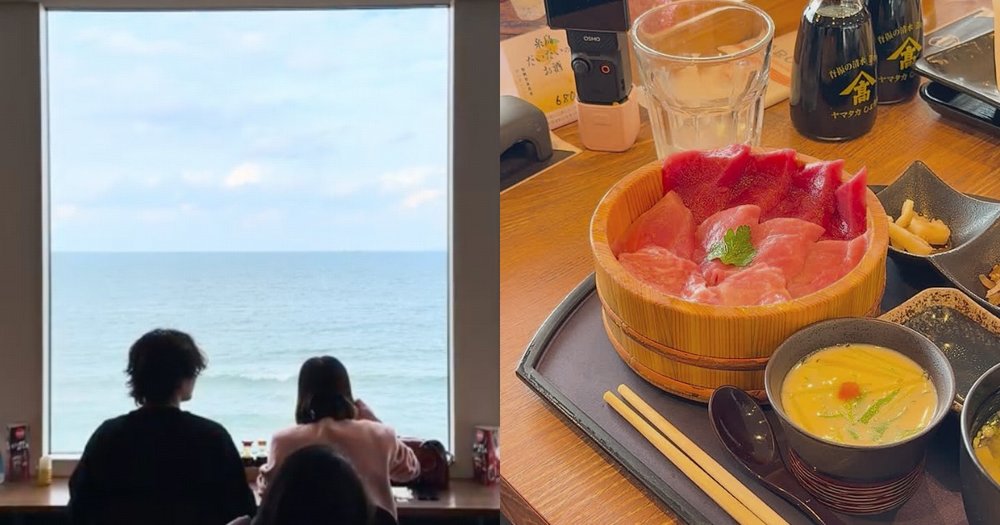
Lunch at Itoshima Seafood Restauarant Futamiguara
Itoshima is known for its fresh catch, so a seafood lunch by the coast is a must before you move on. This restaurant is also famous for it's view so expect long lines here! We highly recommend coming to queue before they open so you can be one of firsts!
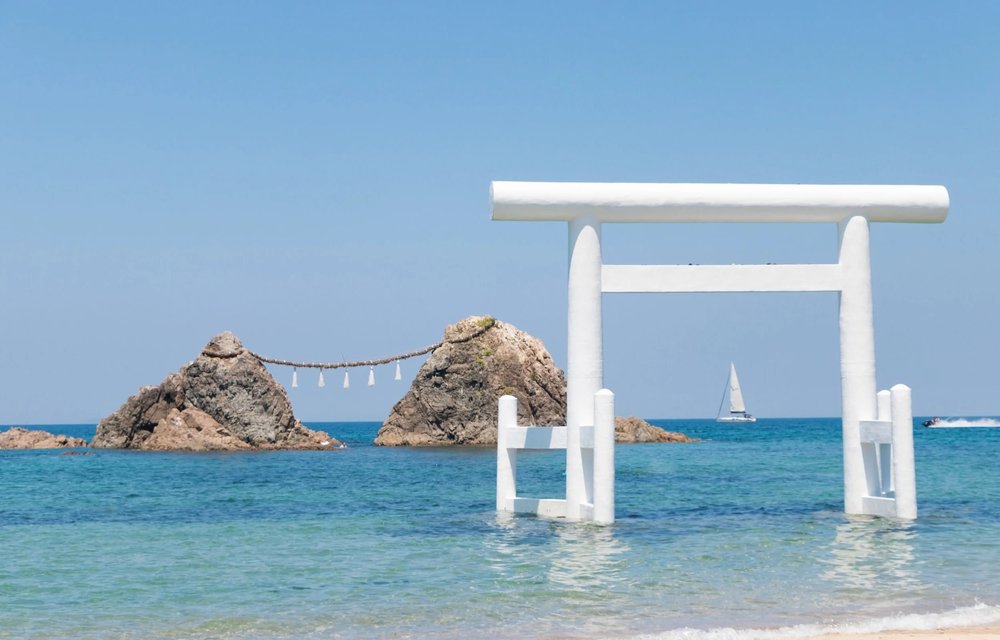
Sakurai Futamigaura Coast
Itoshima is a coastal peninsula west of the city, and Sakurai Futamigaura is the postcard shot: a white torii gate standing in the sea in front of the "wedded rocks" (Meoto Iwa). It's listed among Japan's best beaches and sunset spots.
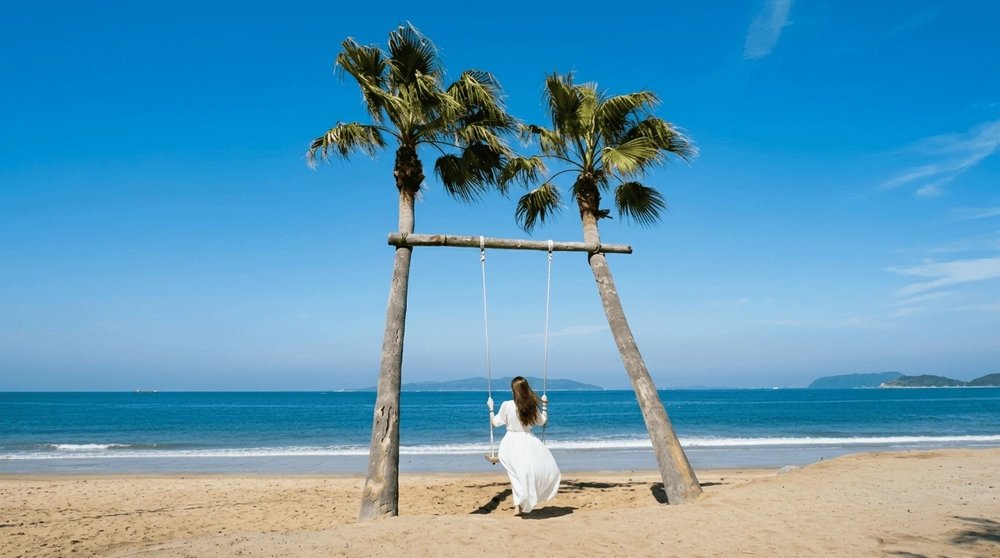
Palm Tree Swing
About ten minutes by car away, a swing hangs between two palm trees on the beachfront grounds of the Zauo Itoshima Honten seafood restaurant. You could also have lunch here (if the queue is too long at the other restaurant), then swing out over the water for the photo everyone comes for.
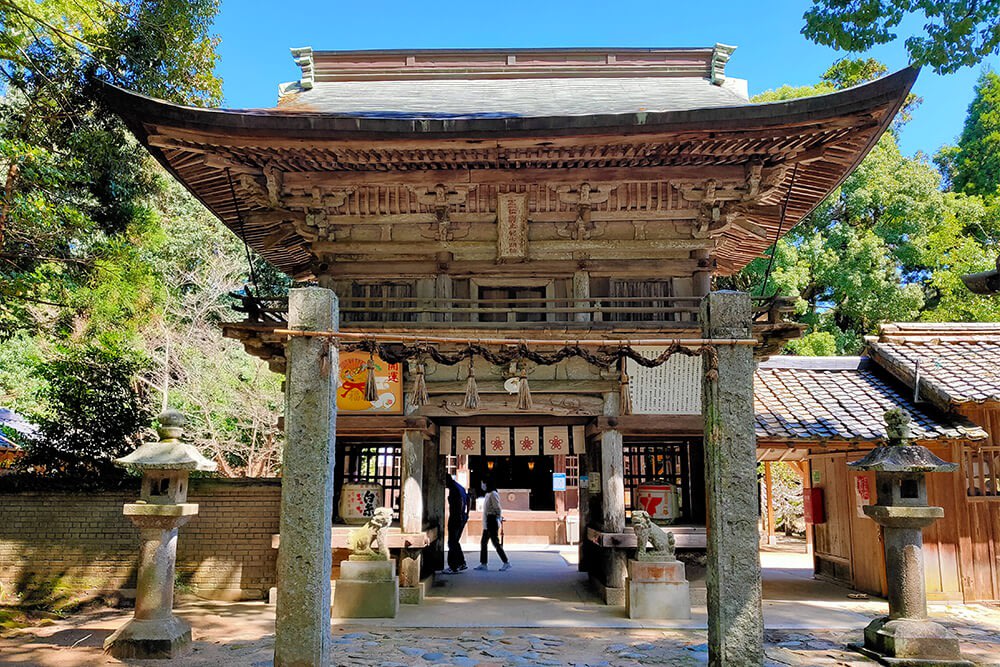
Sakurai Shrine
Round off Itoshima at Sakurai Shrine, founded in 1632. It's free to enter and wonderfully quiet, a calm way to end the coastal leg before heading back into the city.
teamLab Forest Fukuoka
Back in the city,
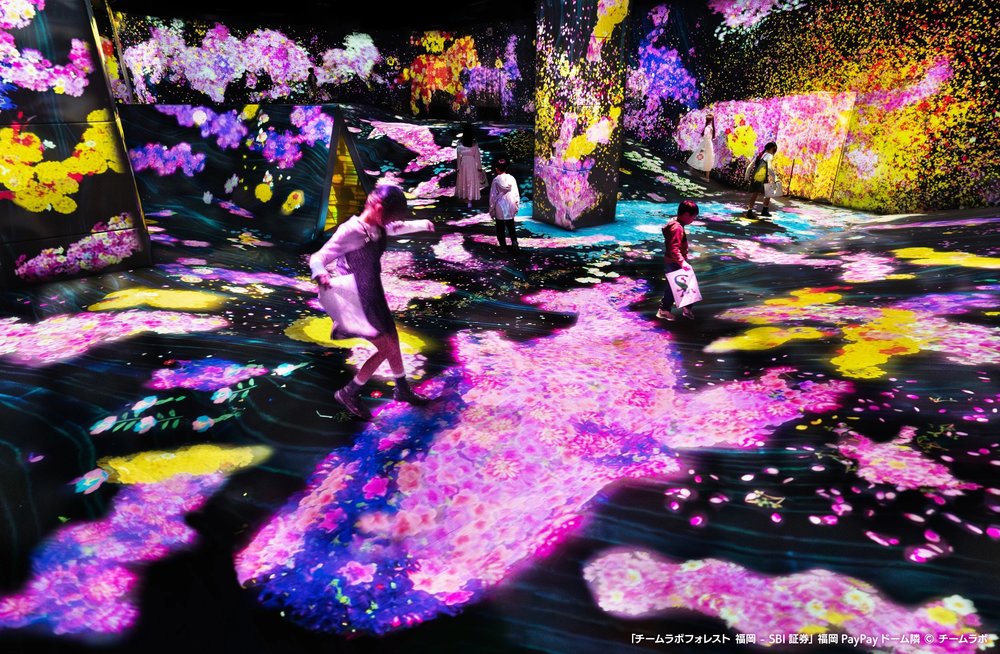
teamLab Forest sits inside EZO FUKUOKA next to the PayPay Dome. It has two zones: the "Catching and Collecting Forest", where you catch animals with your phone and fill a collection book, and a movement forest where the art reacts to your body. Allow one to two hours.
Ohori Park
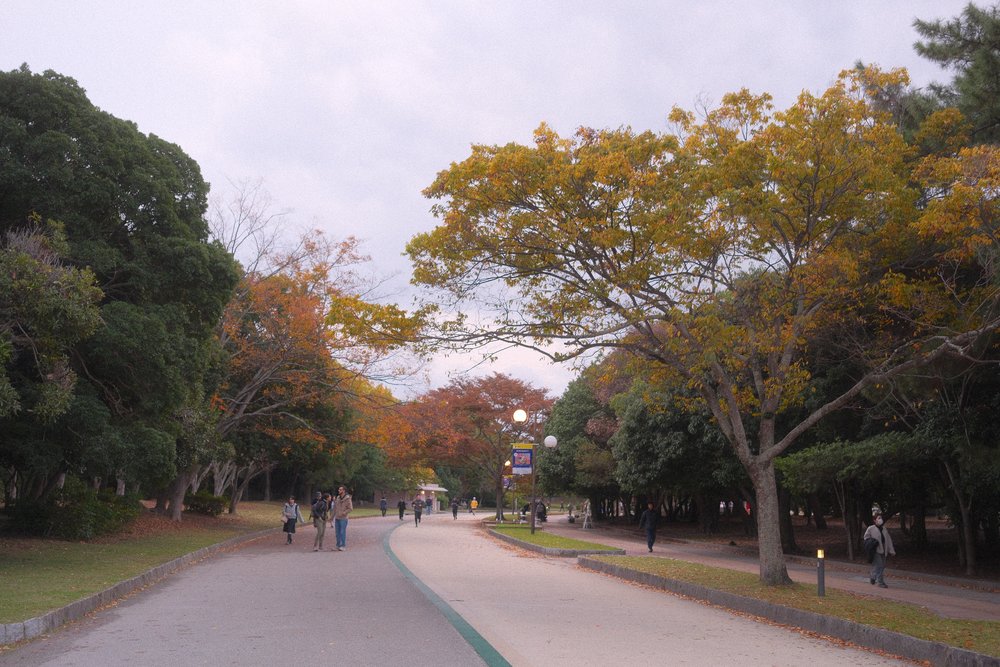
Wind down with a slow loop around the pond at Ohori Park, about 2km of easy walking that's especially lovely in the late-afternoon light.
✨ Klook tip: Itoshima is spread out, so a private charter or guided day tour is the easiest way to see it. By public transport you'd take a train to Kyudai-Gakkentoshi Station, then a local bus to Futamigaura.
Klook's Itoshima day trip from Fukuoka covers Sakurai Futamigaura and the swing, and you can pair it with
teamLab Forest Fukuoka tickets for the afternoon.
Day 2: Takachiho Gorge, Kusasenri & Mount Aso
This is your big nature day. It's long (about ten hours), but easily one of the best days of the trip. Most tours pick you up from your hotel or a central station, so all you have to do is sit back.
Takachiho Gorge boat ride
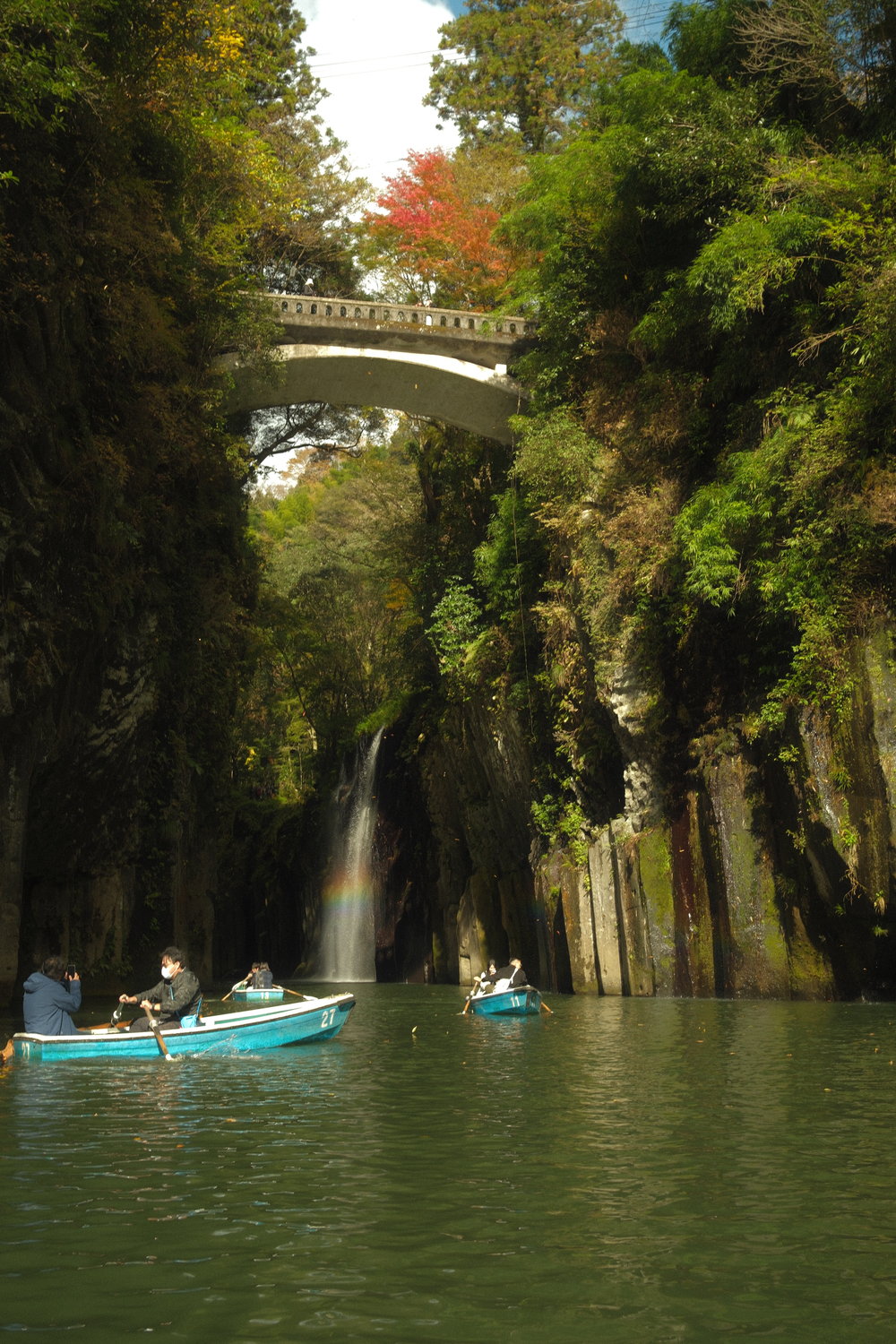
A narrow river, towering volcanic cliffs and Manai Falls tumbling into the water right in front of you. Drifting beneath it in a little rowing boat is the highlight of the day. On many tours the boat is an add-on, so check that it's included.
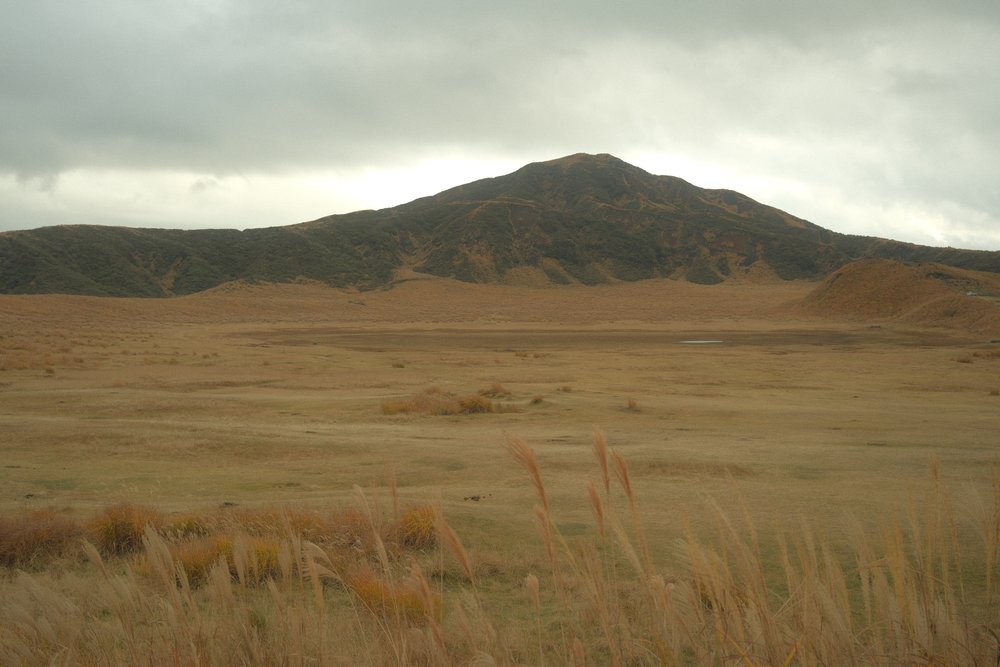
Mount Aso & Kusasenri
Kusasenri is a sweeping volcanic grassland in the Aso region with Mt Aso rising behind it. Add a short horse ride (about ¥1,500 per person, cash only, for roughly five minutes), or simply wander the open pasture. It gets really cold up here so remember to dress warmly!
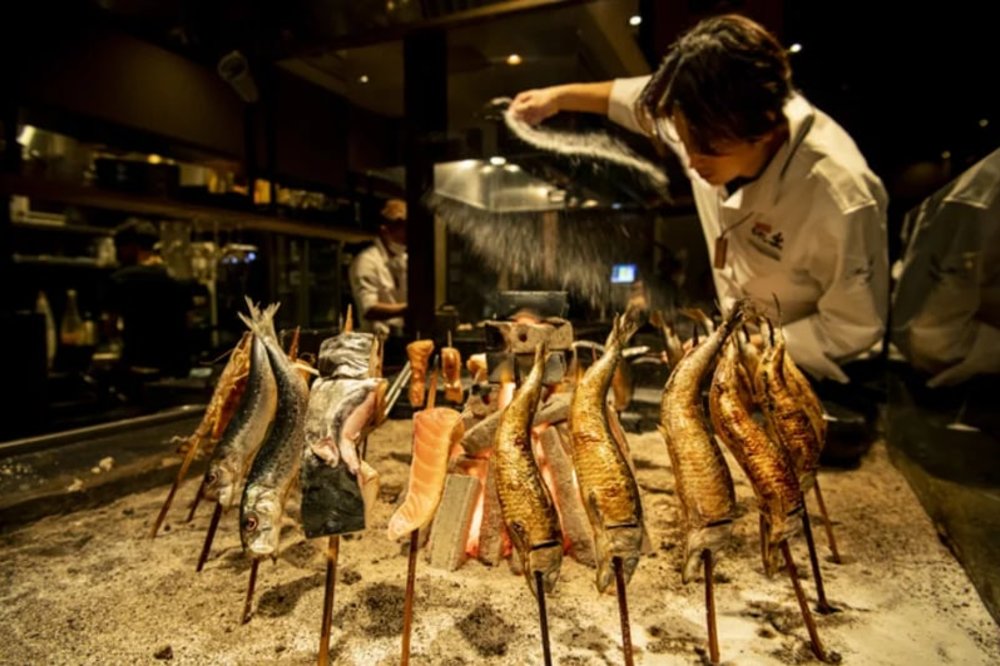
Dinner at Musashiza
A charcoal-grill izakaya near Tenjin, famous for it's grilled seafood, is a great pick. Expect around ¥4,000 to ¥5,000 per person, and reserve ahead! We highly recommend getting a variety of dishes to share so you can try as much as possible. The mentaiko rice bowl was one of our favourites.
Day 3: Dazaifu, Beppu Jigoku & Yufuin
Day trip number two packs in a lot: a famous shrine, steaming hot-spring "hells", a storybook village and a scenic train ride home.
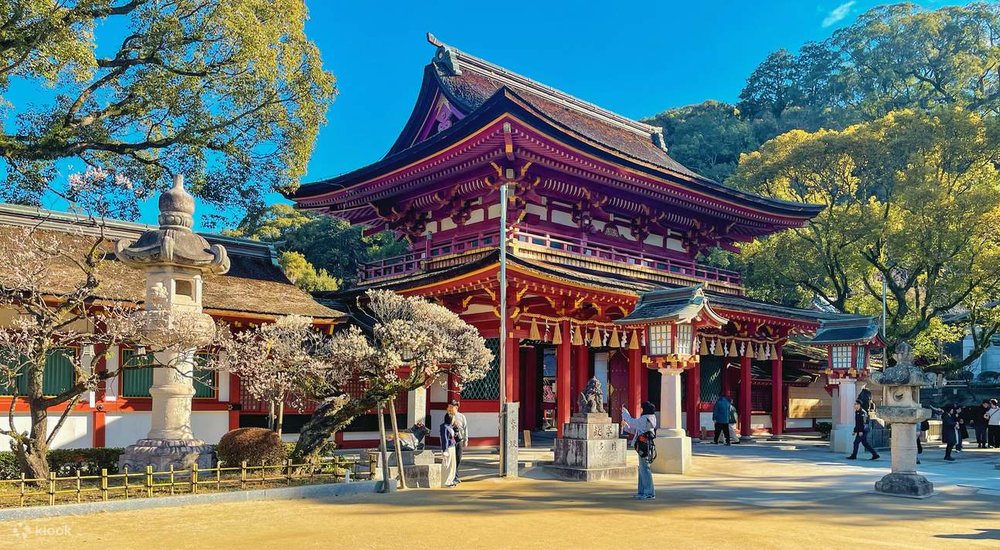
Dazaifu Tenmangu
Start at the shrine dedicated to Sugawara no Michizane, the god of learning. Students travel from all over Japan to pray for exam success, and the approach is lined with traditional snack shops, so come hungry.
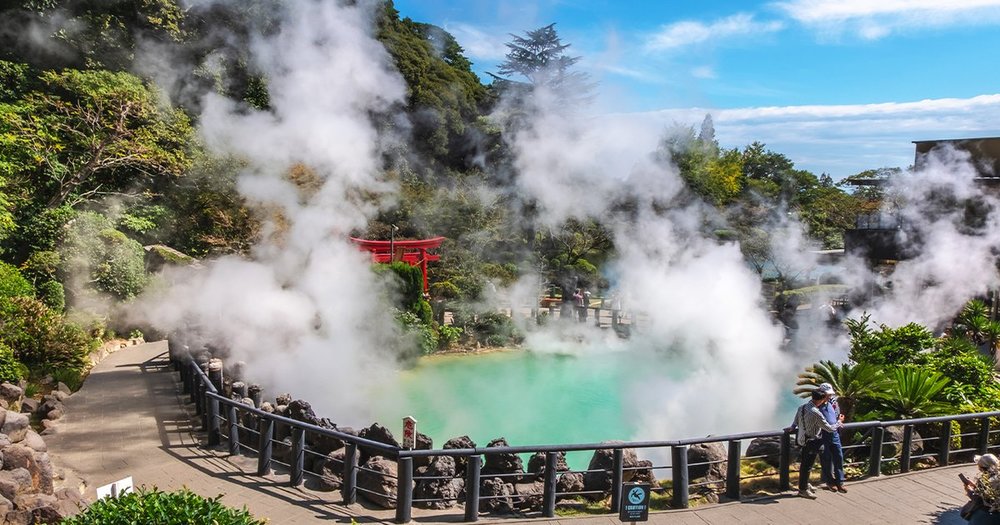
Beppu Jigoku hot springs
This is the surprise highlight. The "Jigoku" (hells) are a group of hot springs in Beppu meant for looking at, not bathing in, and each one is wildly different, with bubbling mud, vivid colours and billowing steam. The famous ones include Umi Jigoku (the "Sea Hell", with its bright blue water) and Chinoike Jigoku (the "Blood Pond Hell", with its red water). A combination ticket for several hells is usually available, but check the current price and which hells it covers on the day. Entry is around ¥450 per hell if you pay one by one.
Lake Kinrin
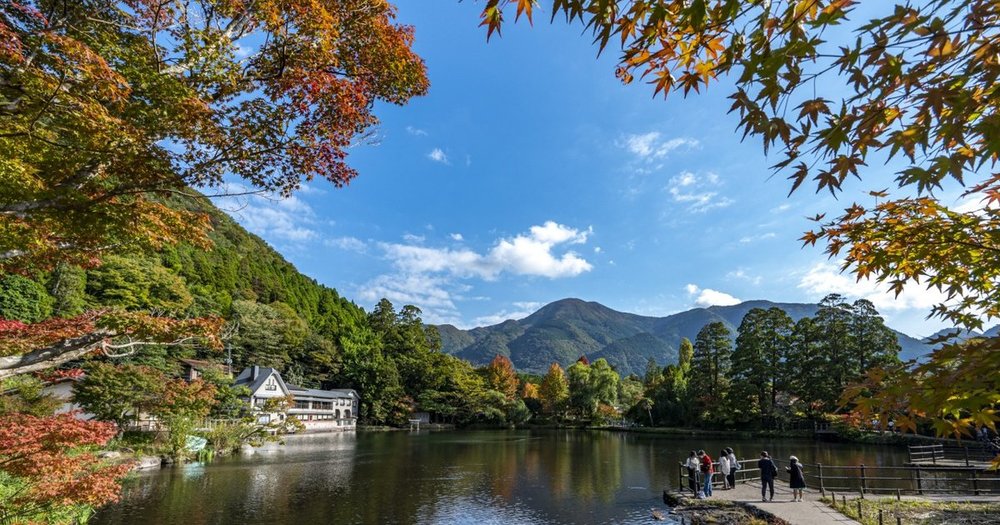
Before heading into town, stop by Lake Kinrin (Kinrinko), a small, peaceful lake just a short walk from Yufuin's main street. On cooler days, mist can drift over the water, which makes it especially photogenic, and it's an easy, calming stop between the hells and the shops.
Yufuin Town and Yufuin Floral Village
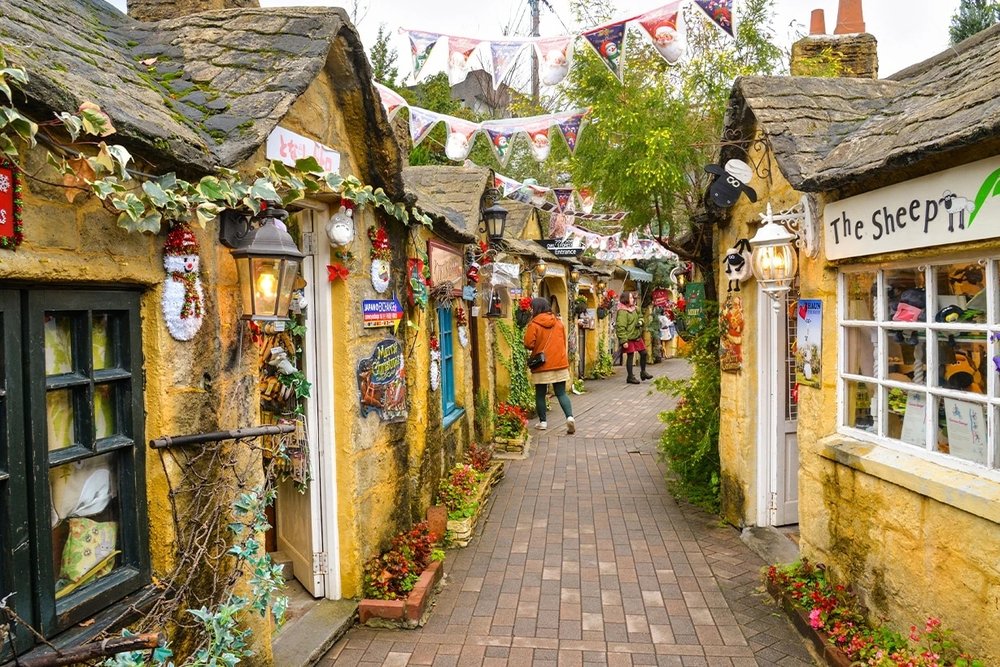
Then it's on to the hot-spring town of Yufuin. Wander the main shopping street, then slip into Yufuin Floral Village, a small cluster of English-countryside-style cottages, cafés and shops. It's compact, so grab a coffee or dessert and slow down. There's also a ton of street snacks along the way so make sure to come hungry!
Yufuin no Mori train back to Hakata
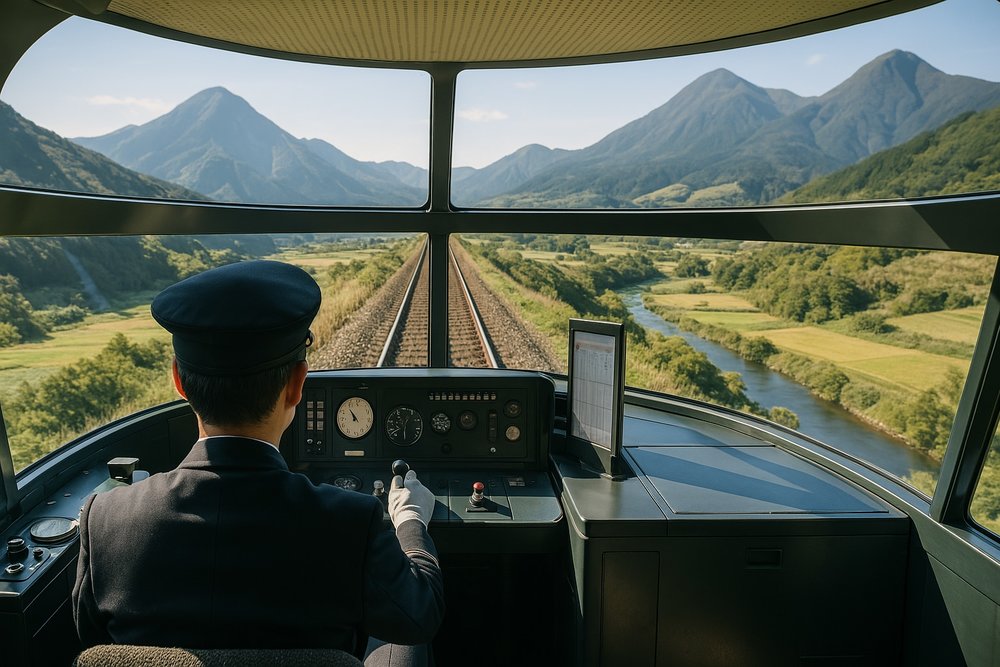
The ride home is a treat in itself. The Yufuin no Mori is a reserved-seat sightseeing express with high-deck carriages, and the Yufuin to Hakata journey takes about 2 hours 14 minutes. A one-way fare is roughly ¥6,300. Departures are limited, so check the JR Kyushu timetable. An afternoon departure such as 5:17pm gets you back to Hakata around 7:30pm.
Day 4: Kimono Rental & Shinkansen to Kagoshima
Kimono or Yukata rental
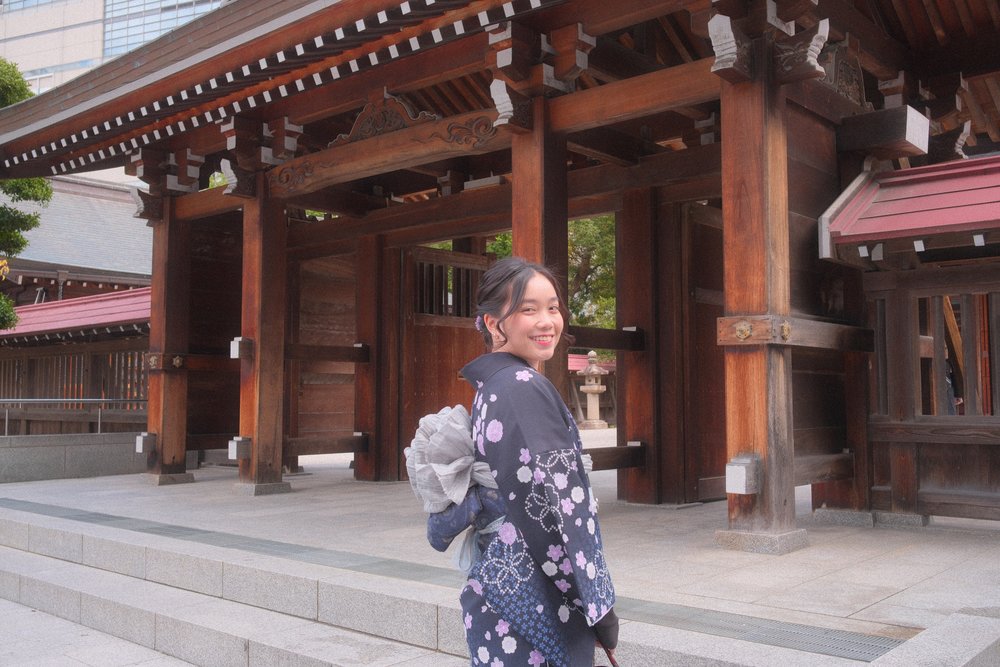
Spend the morning dressed up in a kimono, which Fukuoka's rental shops offer in standard and premium plans. Autumn is a great season for it because the cooler weather keeps all those layers comfortable. Check your voucher for the shop address and return time, so you're back with plenty of time to collect your luggage.
Explore the Tenjin area
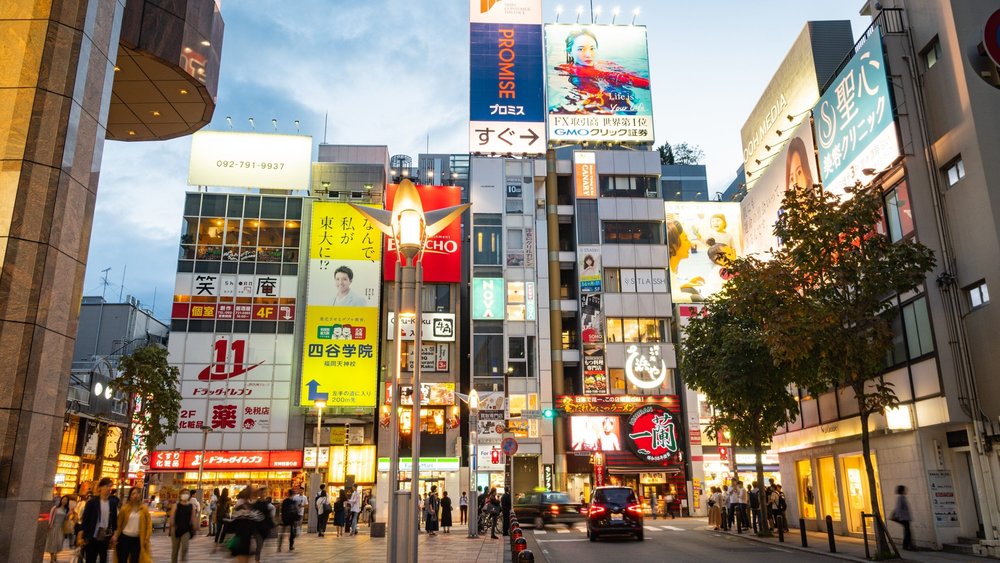
Spend the afternoon exploring Tenjin, Fukuoka's main shopping and dining district, with department stores, underground arcades, cafés and plenty of lunch spots within walking distance. It's an easy place to wander, grab a bite and pick up last-minute souvenirs before the Shinkansen.
Shinkansen to Kagoshima
Collect your bags and be at Hakata Station well before departure. A Sakura service leaving at about 5:01pm reaches Kagoshima-Chuo at about 6:33pm, just in time for dinner.
✨ Klook tip: Reserve your
Shinkansen seats ahead, and pack a small overnight bag so you aren't digging through your suitcase on the train.
Day 5: Sakurajima Volcano (Sand Painting, Viewpoints & a Foot Bath!)
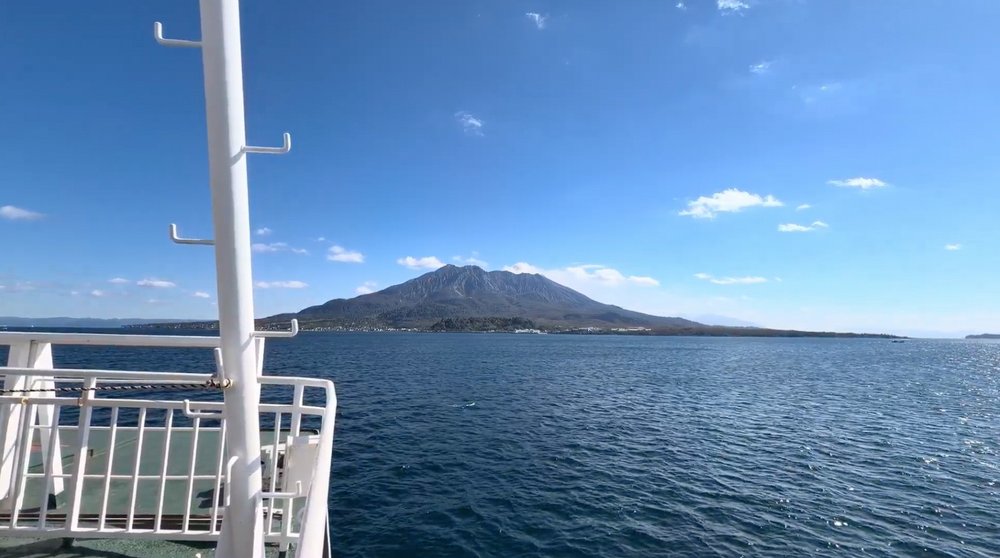
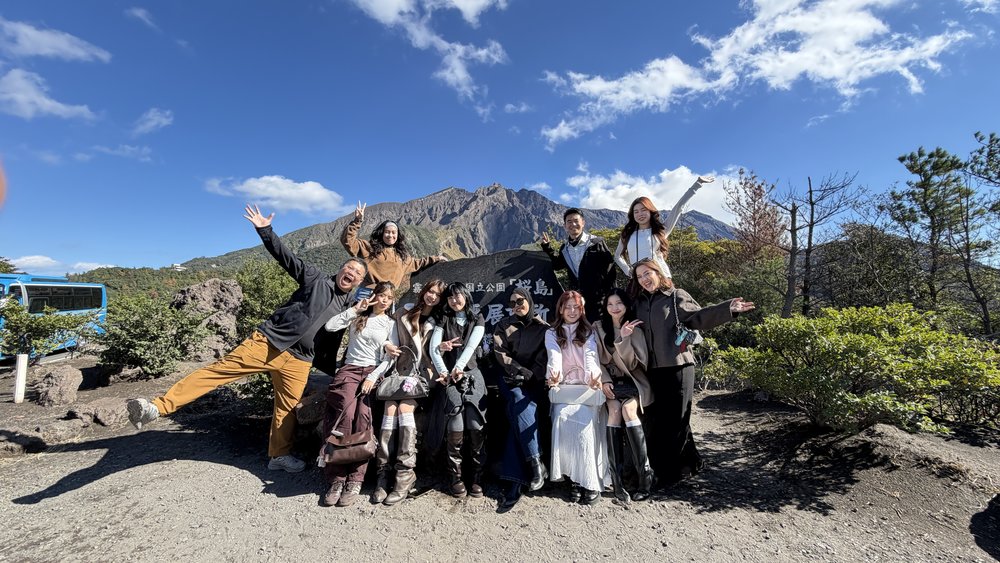
Kagoshima's icon is Sakurajima, an active volcano rising straight out of Kinko Bay, and it's far more than a quick photo stop. A half-day tour packs in several stops.
The ferry ride over
The ferry from Kagoshima Port takes about 15 minutes and runs 24 hours, with sailings every 10 to 15 minutes in the daytime. The terminal is about 15 minutes from Kagoshima-Chuo Station by taxi, or you can take the tram or a city bus.
✨ Klook tip: Head down to level 2, where the cars are parked, for photos. It's much less crowded than the passenger deck, and you get a clear view of the volcano as you cross.
Stop 1: Sand painting workshop at Ougaku Togei
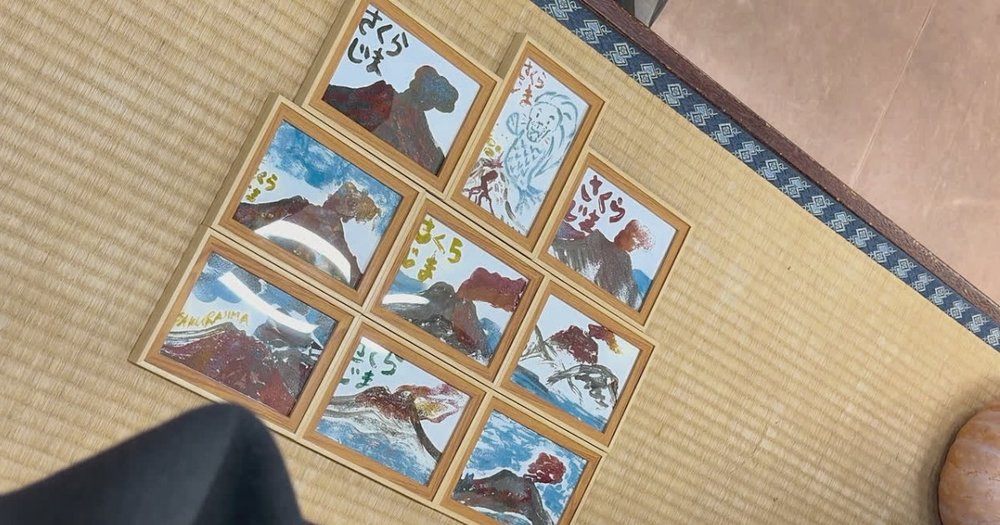
Get hands-on and make your own sand painting as a keepsake of the island. It's a fun, easy activity, even if you don't think of yourself as crafty. They also sell handmade pottery which are actually made with Sakurajima ashes that are full of iron!
Stop 2: Yunohira Observation Point
This is the viewpoint to see Sakurajima up close, with sweeping views across the volcano and out over the bay. Bring a light jacket, because it can be breezy up there.
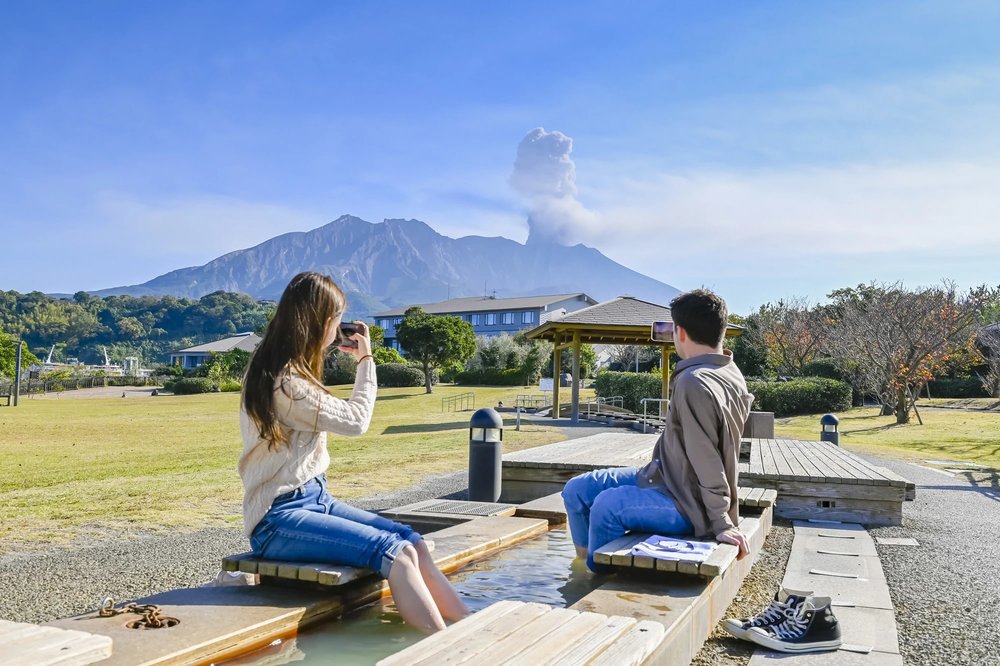
Stop 3: Visitor centre and foot bath
Finish at the visitor centre to learn about the volcano and its eruptions, then rest your feet in the foot bath. After a morning of walking and photos, it's the perfect reward.
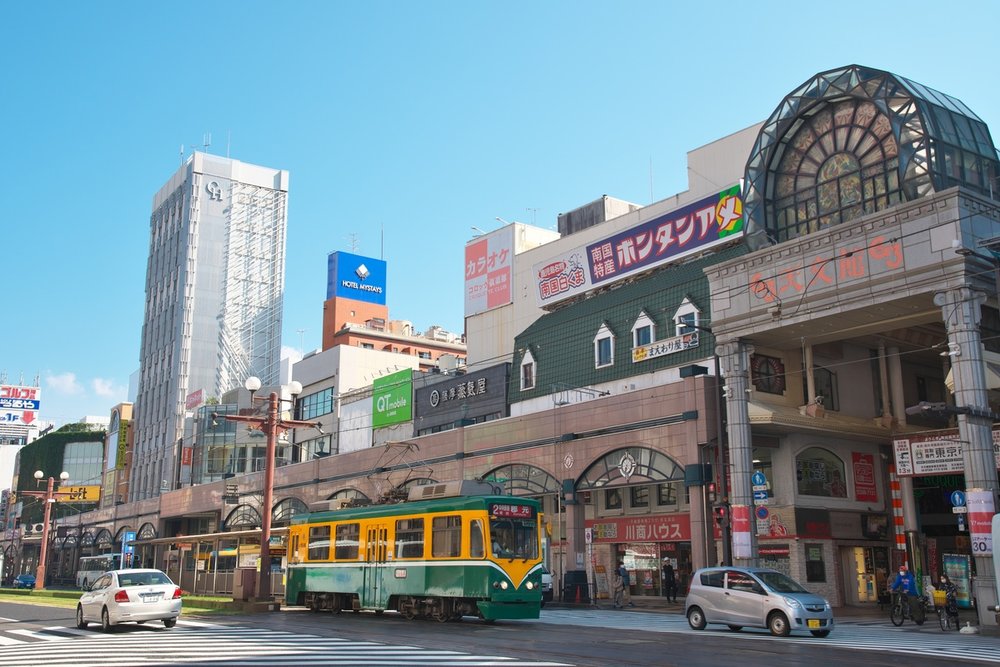
Tenmonkan
Back on the mainland, wander Tenmonkan, Kagoshima's main shopping and entertainment district, with covered arcades, cafés and restaurants all within walking distance.
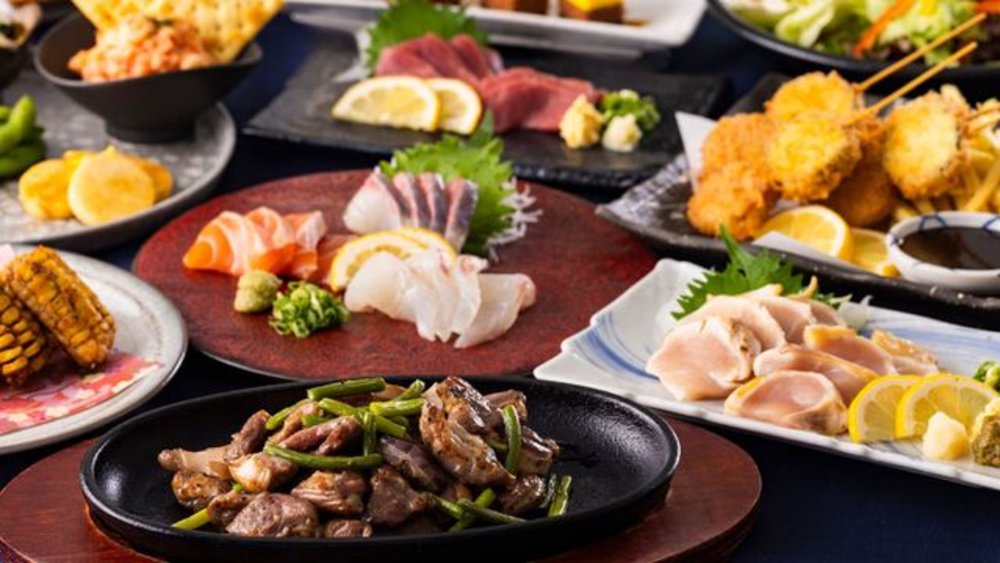
Dinner at Hasshu Kagoshima Tenmonkan
Go all-in on local flavours at Hasshu Kagoshima Tenmonkan, a private-room izakaya serving Kyushu cuisine, which is great for groups. If you haven't tried kurobuta (black pork) shabu-shabu yet, this is the place to do it.
✨ Klook tip: Volcanic activity can occasionally disrupt ferries and tours, so keep your afternoon flexible, and carry a light scarf or mask in case of ash. Book a
Sakurajima half-day tour to cover the stops above in one go.
Day 6: Sengan-en (Samurai Costumes, Archery, Glass Workshop & More)
Save Sengan-en for the last morning. It's so much more than a garden, so give it a good chunk of time. Check out, leave your bags at the hotel front desk, and take a taxi (about 15 to 20 minutes).
What is Sengan-en?
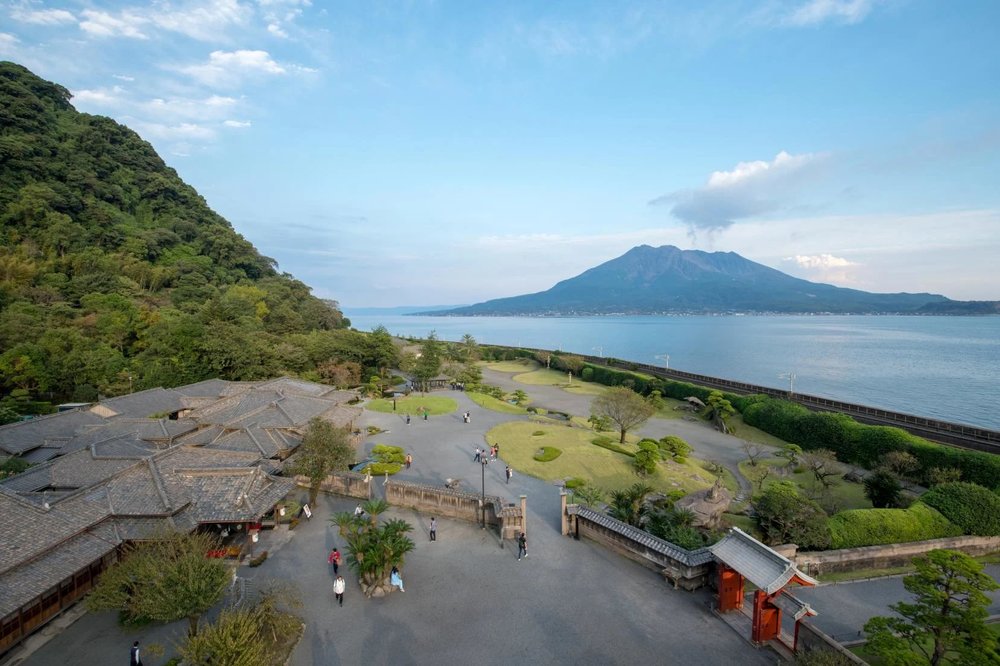
It's the former estate of the Shimazu clan, laid out in 1658 and part of the Meiji Industrial Revolution UNESCO World Heritage listing, with views across the bay to Sakurajima. Garden admission starts at around ¥1,000, a little more with a villa tour.
Here's how I'd split the morning:
Samurai costume try-ons. Dress up as a samurai and pose in the grounds. It's the most fun photo op of the trip.
Archery. Try your hand at traditional archery, which is harder than it looks, but a lot of fun.
Glass accessory workshop. Make your own glass accessory to take home, a great, affordable souvenir.
Neko shrine. Don't skip this one. The garden has a cat shrine, and it's a charming little detour, especially if you're a cat person.
The garden. Take a slow walk around the grounds. The views across the water to Sakurajima are beautiful, and the garden is lovely in autumn.
Lunch. Wrap up with lunch at the garden's restaurants, with options like chicken rice or soba.
Shinkansen back to Fukuoka
Pick up your luggage by about 4pm and head to Kagoshima-Chuo Station. A Sakura service leaving at about 5:01pm reaches Hakata around 6:43pm.
✨ Klook tip: The costume, archery and workshop experiences can have limited slots, so check availability before you go and plan the order of your morning around them. If anything is unavailable, the garden and the neko shrine are still more than worth the stop.
Where to Stay
Base yourself in Hakata and Tenjin in Fukuoka, close to the Shinkansen and the airport subway, and near Kagoshima-Chuo Station in Kagoshima.
Final Thoughts
From the wedded rocks at Itoshima to the Blood Pond Hell in Beppu, from a smoking volcano to a samurai-costume morning at Sengan-en, this route packs more variety into six days than most first-timers expect. Go in late November to early December for peak colour, book the limited-slot experiences early, and leave a little breathing room on the long day-trip days.
More Japan Travel Inspiration
🌎 Travel Essentials for your upcoming trips ✈️
Travel Insurance:
Klook eSIM
Train Tickets
Car Rentals
Private Airport Transfer
What is Klook?
Klook is a leading pan-regional experiences platform in Asia Pacific, purpose built to digitalize experiences and make them accessible to every traveler.
Our mission is to build the digital infrastructure for the global experience economy — empowering merchants to share their passions and travelers to discover the heartbeat of each destination. We operate a mobile-first, curated platform featuring diverse experiences across global destinations.