

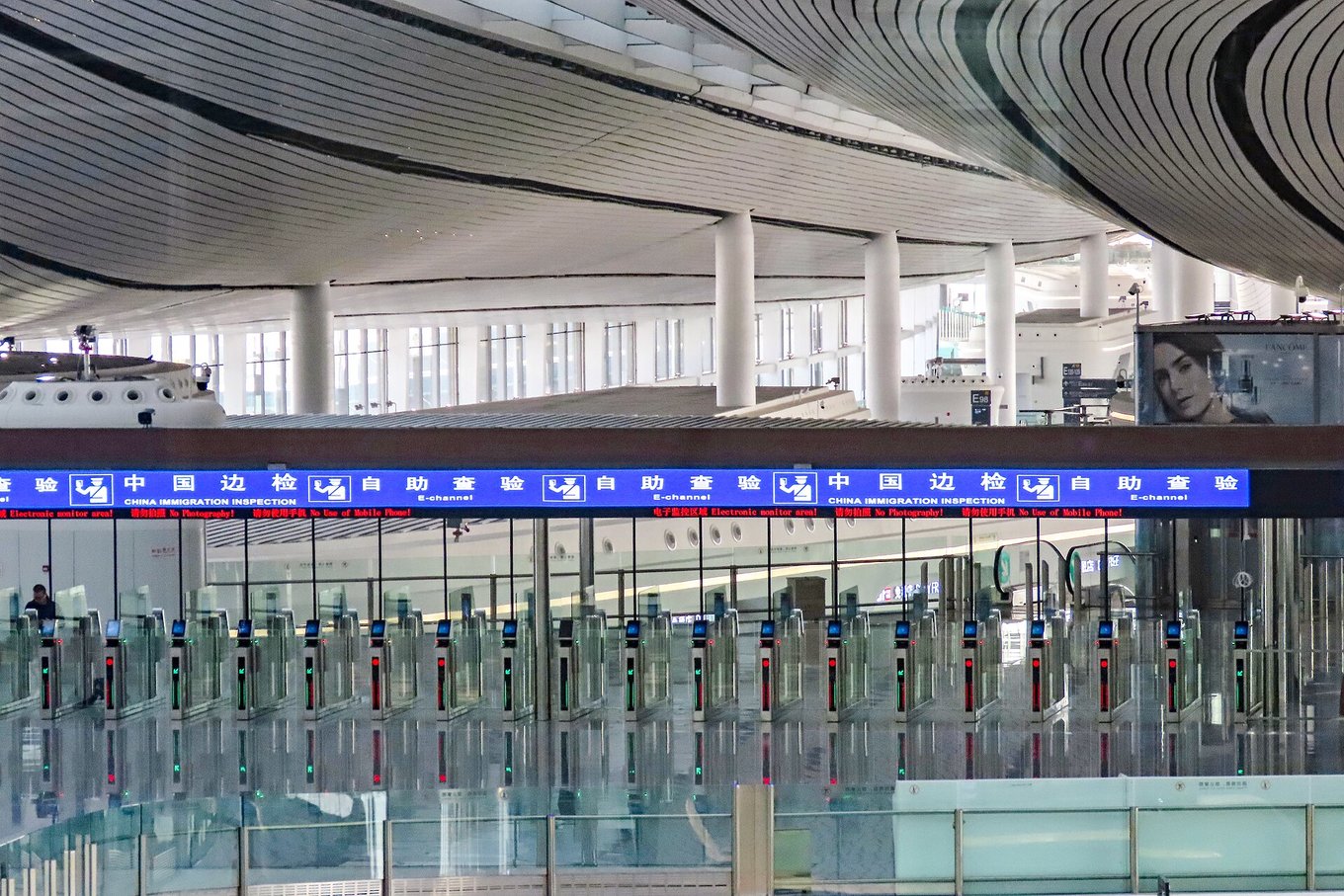
If you're dreaming of walking the Great Wall or snapping photos outside the Forbidden City, here's the first thing you need to know: Filipinos are not on China's visa-free list. Unlike Malaysian, Singaporean, or Bruneian passport holders who can breeze through immigration without a visa, you'll still need to apply for a tourist (L) visa before flying to Mainland China. It's an easy detail to miss when you're scrolling through regional travel forums, so consider this your heads-up before you start packing.
The good news is that the process isn't complicated once you know what to expect. This guide walks you through the full Mainland China entry requirements Philippines travelers need to prepare, from booking your CVASC Manila appointment to budgeting for visa fees, plus a quick look at the 240-hour visa-free transit rule for layover travelers.
Do Filipinos need a visa to visit China?
Yes. As of 2026, you'll need a visa for any tourist trip to Mainland China, no matter how short the stay. This is one of the more common points of confusion around Philippines China entry rules, since neighboring Southeast Asian passports get visa-free access under bilateral agreements that the Philippines currently doesn't have.
There's a narrow exception for travelers connecting through a Chinese airport on their way to another country, which we'll get into below. But if China is your actual destination, you'll need to go through the full China tourist visa application process first.
How to apply for a China tourist (L) visa in the Philippines
The tourist visa you're after is called the L visa, and it covers standard sightseeing trips, family visits, and short leisure travel. You'll submit your China visa Filipino application through your CVASC Manila China visa appointment, since CVASC (the China Visa Application Service Center) handles processing on behalf of the Chinese Embassy.
Here's how the China L visa requirements process usually plays out:
- Book an appointment online through the CVASC Manila website. Slots can fill up during peak travel months (December, Chinese New Year, and summer), so book at least 3-4 weeks ahead if you can.
- Prepare your documents. You'll need your passport (valid for at least 6 months with blank visa pages), a completed visa application form, a recent passport-sized photo, your hotel confirmation for the full trip, a round-trip flight booking, and a bank certificate or updated bank statement showing sufficient funds.
- Submit in person at CVASC Manila. Appointments are required, and you'll need to appear personally to submit biometrics for a first-time application.
- Wait for processing. Standard processing runs about 7–9 working days from the time CVASC forwards your application, plus another 3–4 working days after you've physically submitted everything at the center. Rush and express options exist for an added fee if you're short on time.
Klook Tip: Book your hotel and flights first so you have real confirmations to submit. CVASC typically won't accept placeholder or "for visa purposes only" bookings, so use ones you can actually keep or easily cancel.
Once approved, your L visa is stamped directly into your passport, and you're set for your trip once your documents are complete.
The 240-hour visa-free transit: an exception (for some trips)
Here's the one scenario where you genuinely don't need a full visa: the 240-hour (10-day) visa-free transit policy. If you're flying through certain Chinese airports like Beijing, Shanghai, or Guangzhou on your way to a third country, and you plan to stay within the transit zone or general city area for 240 hours or less, you may qualify for visa-free entry.
This China 240-hour transit Philippines option is strictly for transit travelers, not tourists whose final destination is China itself. You'll still need proof of onward travel (a confirmed ticket to your next stop) and to meet the specific city and airport requirements, which can change, so double-check current rules before assuming you qualify. If you want the full breakdown of who qualifies and how it works, this guide to China's visa-free policy covers it in more detail.
How much does a China visa cost for Filipino travelers?
Budgeting matters, so here's the rundown on China visa fee Philippines applicants can expect. The standard single-entry L visa fee runs around ₱1,500 to ₱2,000 (roughly $27–$36), though this can shift depending on exchange rates and current embassy pricing. On top of the visa fee, CVASC Manila charges a separate service fee, typically in the ₱800 to ₱1,000 range, for processing and handling your application.
If you need faster turnaround, rush processing adds extra cost on top of both fees. Multiple-entry visas (valid for repeat trips within a set period) also cost more than single-entry ones, so it's worth checking current CVASC pricing if you're planning more than one China trip this year.
Klook Tip: Set aside a little extra budget beyond the visa itself for CVASC's service fee and courier charges if you're not picking up your passport in person.
Your first China itinerary: Beijing to Shanghai or Beijing to Xi'an

Forbidden City, Beijing | Image Credit: Di Weng via Unsplash
Once your visa is sorted, the fun part starts: planning where to go. For first-time visitors, Beijing is the natural starting point. It's home to the Forbidden City and Tiananmen Square, which pair up nicely as a single day's walk through China's imperial history, plus the Mutianyu Great Wall, one of the most accessible Great Wall sections for a day trip from the city.
Getting to Mutianyu on your own can eat up a big chunk of your day, so a lot of travelers just book a Mutianyu transfer service instead and skip the bus-and-transfer routine.
From Beijing, two popular next stops are Shanghai for its skyline and river views, or Xi'an for the Terracotta Army. Both connect easily by high-speed rail, and either makes a solid 5 to 7 day loop when paired with Beijing.
A couple of practical add-ons worth sorting before you land: grab a China eSIM with high-speed internet so you're connected the moment you touch down, since many Western apps and sites don't work in China without a VPN.
This useful China travel apps guide is worth a skim before your trip too, since a lot of everyday tasks (payments, maps, translation) run through apps most travelers haven't used before.
For arrival day, pre-booking an airport transfer in Beijing or an airport transfer in Shanghai takes one thing off your plate after a long flight, especially if you're landing late or traveling with family.
FAQs about Mainland China entry requirements Philippines
Do Filipinos need a visa to visit China?
Yes. Filipino passport holders need to apply for a tourist (L) visa before traveling to Mainland China. There's no visa-free entry for Filipino tourists, unlike some neighboring Southeast Asian nationalities.
How long does a China visa take to process in the Philippines?
Standard China visa processing time Philippines applicants can expect is about 7–9 working days once CVASC forwards your application, plus 3–4 working days after your in-person submission. Rush and express services are available for an added fee if you need it sooner.
What documents are needed for a China tourist visa?
You'll need a passport valid for at least 6 months, a completed application form, a recent photo, hotel confirmation, a round-trip flight booking, and a bank certificate or bank statement showing proof of funds.
How much does a China visa cost for Filipino travelers?
Expect around ₱1,500 to ₱2,000 for the visa fee itself, plus a separate CVASC service fee of roughly ₱800 to ₱1,000. Rush processing and multiple-entry visas cost more.
Can Filipinos use the 240-hour visa-free transit in China?
Yes, but only if China is a layover stop and not your final destination. You'll need a confirmed onward ticket and to stay within the eligible transit period and city zone.
Where can Filipinos apply for a China visa outside Manila?
CVASC Manila is the main application center, but the Chinese Embassy and its visa centers also process applications through additional CVASC branches in other major Philippine cities. Check the current CVASC Philippines website for the nearest active location before booking your appointment.
Related guides



What is Klook?
Klook is a leading pan-regional experiences platform in Asia Pacific, purpose built to digitalize experiences and make them accessible to every traveler.
Our mission is to build the digital infrastructure for the global experience economy — empowering merchants to share their passions and travelers to discover the heartbeat of each destination. We operate a mobile-first, curated platform featuring diverse experiences across global destinations.